
23 min 56 sec
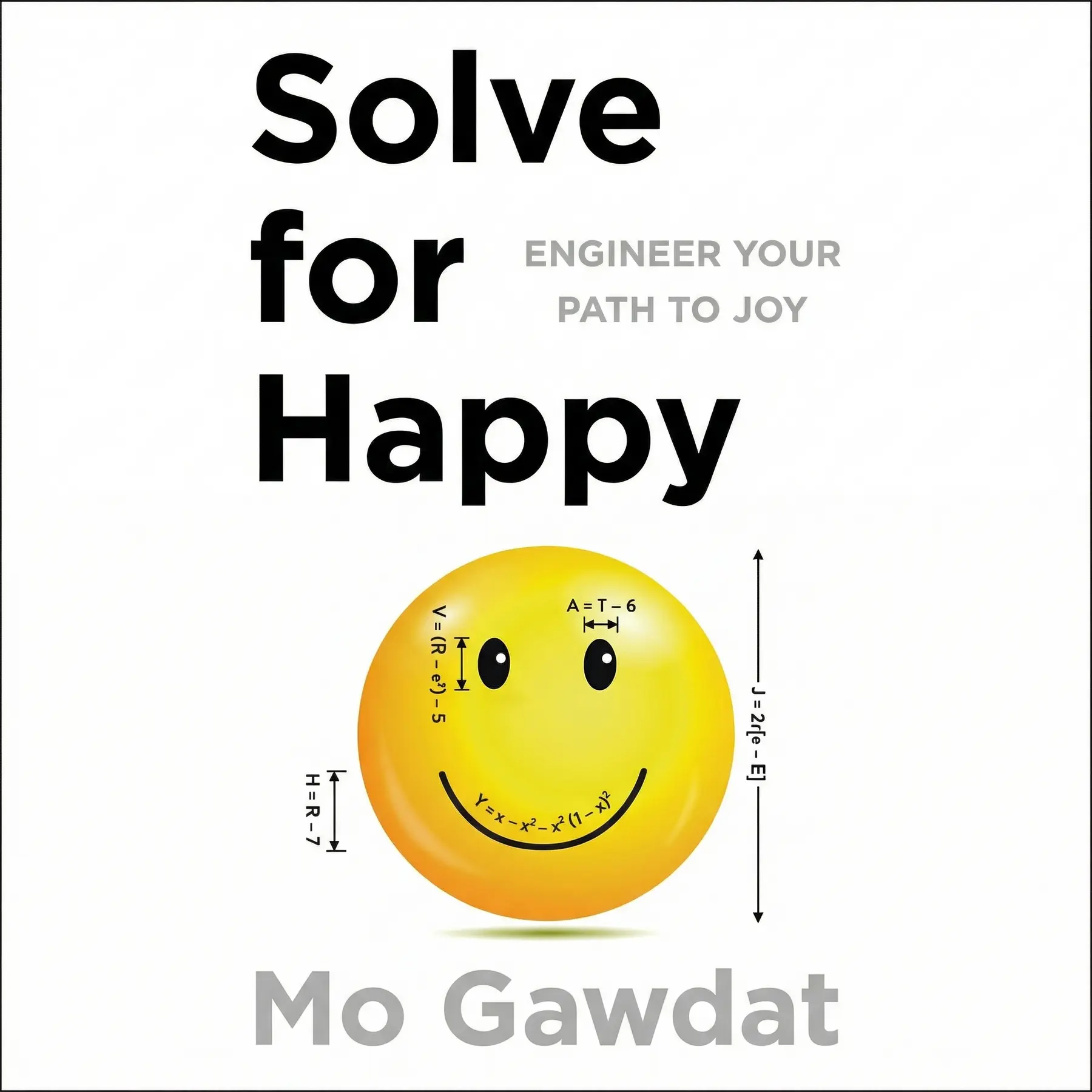
Solve for Happy: Engineer Your Path to Joy
By Mo Gawdat
Mo Gawdat applies an engineering mindset to the problem of human suffering, revealing a logical formula for joy based on recalibrating our perceptions and stripping away the mental illusions that cloud our reality.
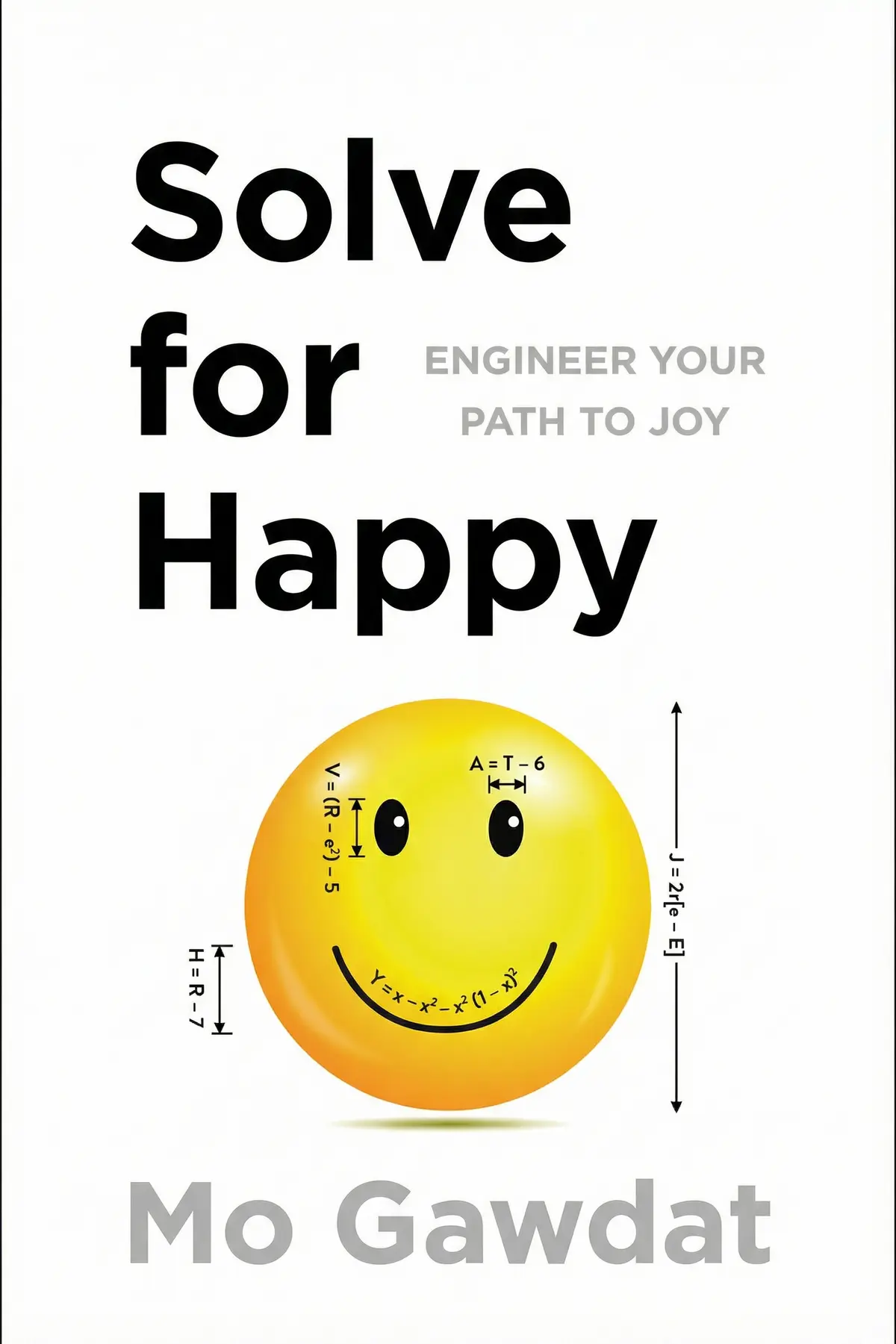
Table of Content
1. Introduction
2 min 02 sec
Welcome to this exploration of a different kind of joy—one that doesn’t depend on luck, but on logic. Imagine for a moment that you are a high-level executive at one of the world’s most innovative companies. You have achieved every financial milestone you ever set for yourself. You have a beautiful family and a career that others only dream of. By all societal standards, you should be the happiest person on the planet. And yet, you aren’t.
This was the reality for Mo Gawdat. As an engineer and the former Chief Business Officer at the secretive Google X labs, he was trained to solve the world’s most complex problems with data and precision. But when it came to his own internal state, the math wasn’t adding up. This disconnect sparked a decade-long quest to understand the mechanics of human happiness. However, the mission took on a profound urgency in 2014, when Gawdat suddenly lost his twenty-one-year-old son, Ali, during a routine medical procedure.
In the wake of that devastating loss, the quest for happiness wasn’t just an intellectual exercise anymore; it was a survival necessity. Gawdat realized that if he could find a way to remain at peace even after such a tragedy, then the formula he had been working on was truly robust. What he discovered is that happiness isn’t something we have to go out and catch. It’s not a destination we reach after we get the promotion or the perfect house. Instead, joy is our factory setting. It is our default state.
Think of a young child. Unless they are hungry, tired, or in physical pain, they are generally content. They don’t need a reason to be happy; they just are. As we grow older, we clutter that natural joy with layers of complicated expectations and false perceptions. In this summary, we are going to look at how to strip those layers away. We will examine the specific formula Gawdat created—the Happiness Equation—and walk through the mental obstacles that prevent us from living by it. We’ll look at the illusions that trick our brains, the blind spots that skew our vision, and the ultimate truths that can ground us in a state of permanent contentment. It’s time to stop chasing happiness and start solving for it.
2. The Core Happiness Equation
3 min 00 sec
Discover why happiness isn’t about what happens to you, but rather the relationship between your reality and your expectations.
3. The False Narrator in Your Head
2 min 39 sec
Understand why the constant internal monologue you hear isn’t actually ‘you’ and how this realization can break the cycle of suffering.
4. The Trap of Ego and Identity
2 min 48 sec
Explore how the roles we play and the masks we wear create a fragile sense of self that is easily threatened.
5. The Illusion of Knowledge and Control
2 min 45 sec
Understand why admitting what you don’t know and accepting the chaos of life is the path to true peace.
6. Identifying Your Mental Blind Spots
2 min 50 sec
Learn to spot the seven cognitive errors your brain makes every day that keep you stuck in a cycle of negativity.
7. The Power of the Present Moment
2 min 32 sec
Discover why the present is the only place where joy exists and how to stop your mind from wandering into the shadows of the past and future.
8. Love, Death, and the Ultimate Design
2 min 59 sec
Delve into the deepest truths about unconditional love and mortality, and see how they can transform your perspective on life’s meaning.
9. Conclusion
2 min 21 sec
As we reach the end of this journey through Mo Gawdat’s engineering approach to joy, it’s worth returning to the central image of the book: the idea that happiness is a ‘default state.’ Throughout our lives, we have been told that happiness is a reward for our hard work, a trophy we win once we’ve checked all the boxes of success. But the core message of Solve for Happy is that we’ve had it backward all along.
Joy isn’t the finish line; it’s the starting point. It is the natural condition of the human spirit when it is not being weighed down by illusions, blinded by cognitive errors, or strangled by unrealistic expectations. To get back to that state, we don’t need to add anything to our lives. We don’t need more money, more fame, or more stuff. Instead, we need to subtract. We need to subtract the false identities of the ego, the constant chatter of the internal narrator, the demand for total control, and the fear of things we cannot change.
Think about the Happiness Equation one last time: Happiness is your perception of your life minus your expectations. This is a formula you can use every single day. The next time you feel that familiar sting of disappointment or anger, stop and look at the math. Ask yourself: What was I expecting? Is my perception of this event actually accurate, or am I missing something? Usually, you’ll find that by simply adjusting one of those two variables, you can bring yourself back to peace.
Mo Gawdat’s story is a powerful reminder that this isn’t just theory. If a father can find his way back to joy after losing his child by applying these principles, then there is hope for all of us in our much smaller, daily struggles. Life will always bring challenges. There will be rain, there will be losses, and there will be things that don’t go according to plan. But those external events don’t have the power to take away your happiness unless you allow them to break your equation.
So, as you step back into your world, take the engineer’s tools with you. Be the observer of your thoughts, not the victim of them. Look for the positive data your brain is trying to filter out. Practice unconditional love without asking for a receipt. And most importantly, remember that right now—in this very moment—you have everything you need to be at peace. The solution to the problem of happiness has been inside you the whole time. It’s time to live it.
About this book
What is this book about?
Why is it that we can have everything—wealth, a great career, and a loving family—and still feel a persistent sense of unease? Solve for Happy addresses this fundamental human glitch by treating happiness not as a fleeting emotion or a spiritual mystery, but as an engineering challenge. Former Google X executive Mo Gawdat shares how he used his analytical skills to develop a reliable equation for lasting contentment. The book promises a shift in perspective that moves us away from the pursuit of external success and back toward our natural, default state of joy. By identifying the six grand illusions and seven blind spots that distort our view of the world, Gawdat provides a roadmap to peace. It is a journey born of personal tragedy and professional brilliance, offering listeners a way to balance their expectations with reality. Ultimately, the work teaches that while we cannot always control what happens to us, we can master the internal mechanisms that determine how we feel about those events.
Book Information
About the Author
Mo Gawdat
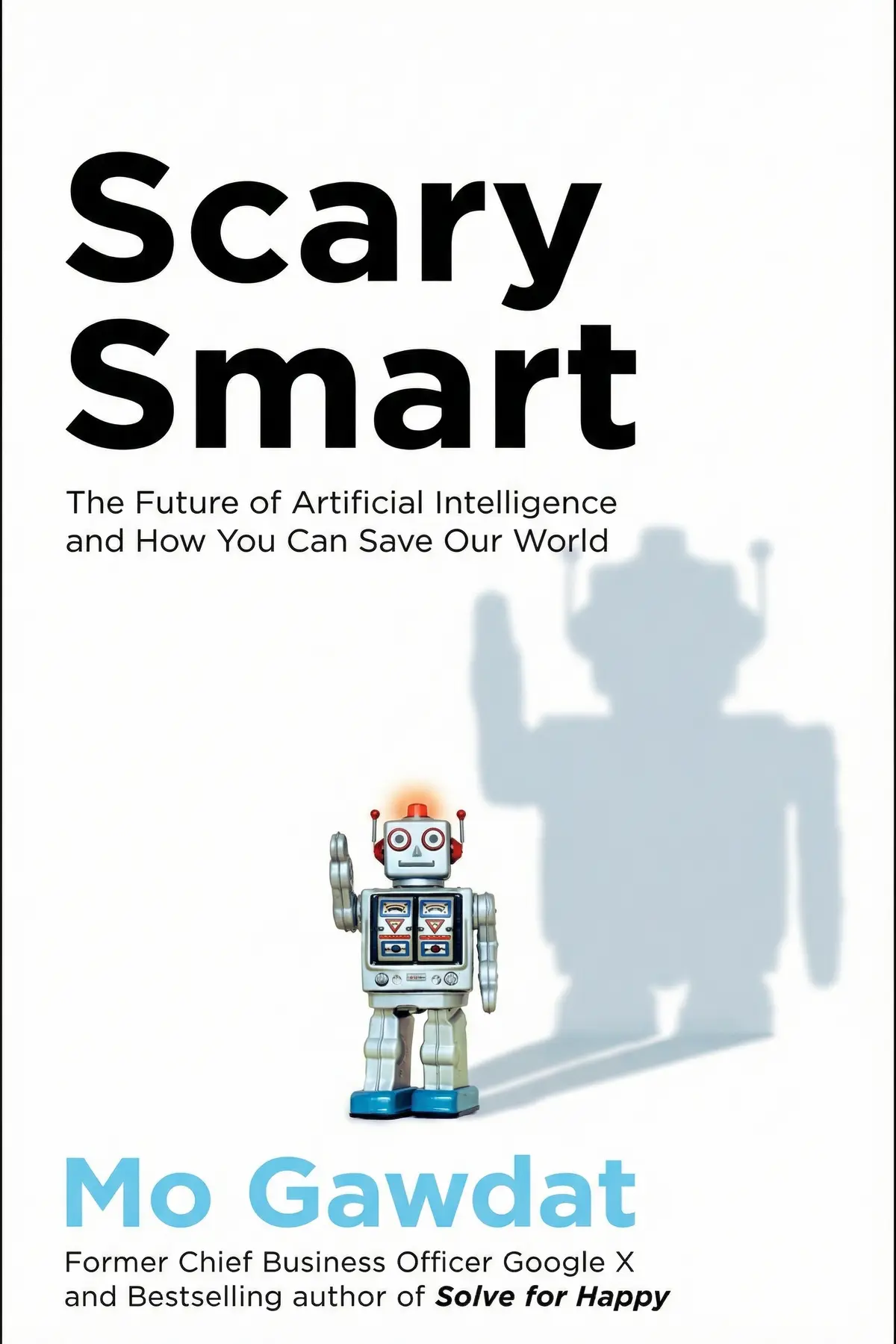
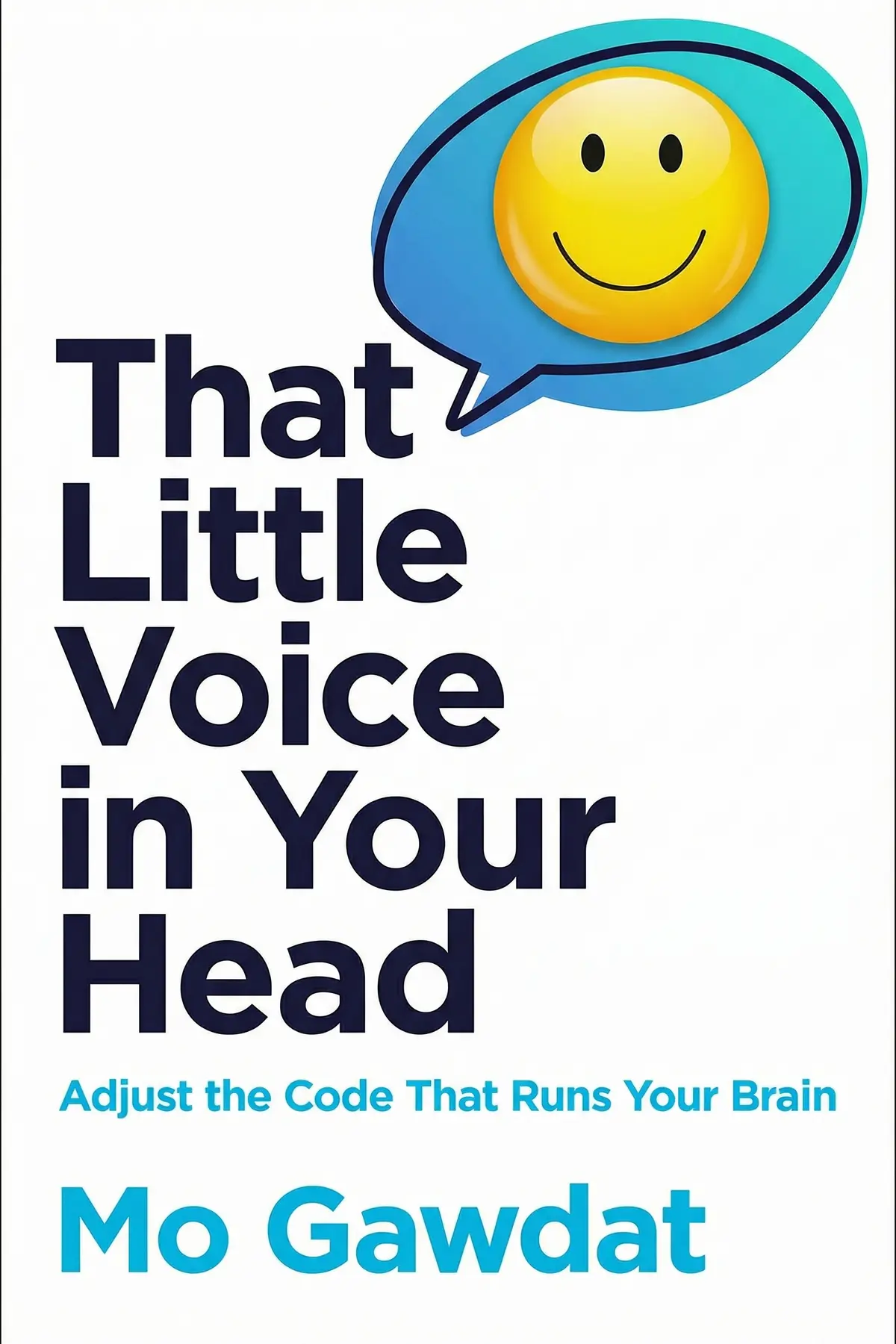
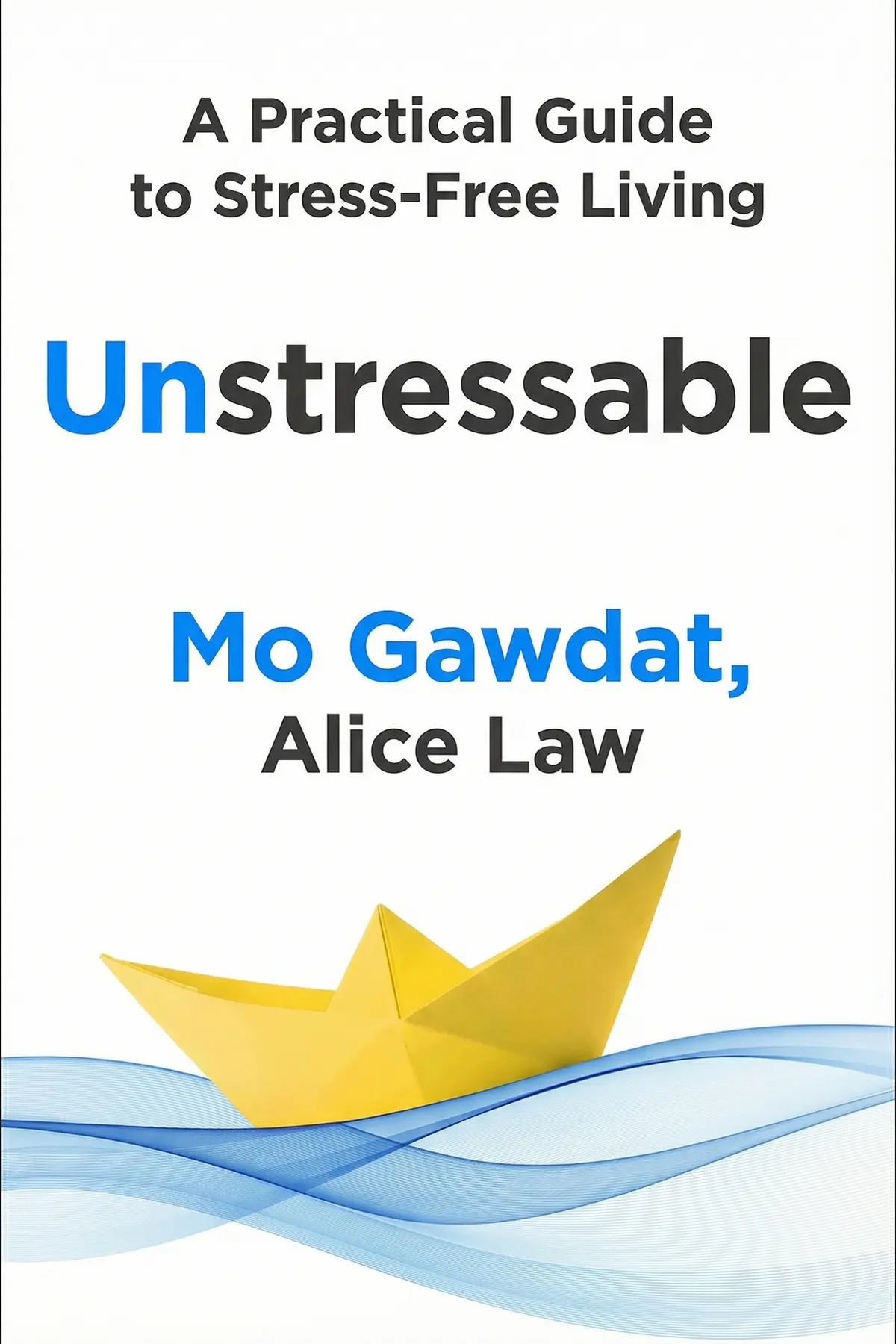
Mo Gawdat is a highly successful entrepreneur and engineer who has founded over twenty businesses across diverse sectors. He previously served in leadership roles at Microsoft and was the Chief Business Officer at Google X, Google's legendary innovation lab. Following a deep personal loss, Gawdat dedicated his life to sharing his happiness research. He is also the author of several other works, including Scary Smart, That Little Voice in Your Head, and Unstressable: A Practical Guide to Stress-Free Living.
Ratings & Reviews
Ratings at a glance
What people think
Listeners find the work deeply life-changing and thought-provoking, providing a clear structure for discovering joy along with plenty of actionable advice. The writing style is also quite accessible, and listeners particularly value the logical content and mathematical analysis presented. Additionally, the text offers an incredible level of peace, as one listener mentioned it was instrumental in helping them manage anxiety.
Top reviews
Tuck
As a software engineer, the premise of an algorithm for joy immediately grabbed my attention. Mo Gawdat brings a uniquely clinical, yet deeply compassionate perspective to the table by applying his technical background from Google [X] to the human experience. The central equation—happiness equals your perception of reality minus your expectations—is a simple, life-changing tool for anyone prone to overthinking. I found the logical content incredibly grounding during a period of high anxiety. While the author’s personal tragedy regarding his son, Ali, is heartbreaking, it serves as the necessary proof of concept for his theories. Frankly, it’s rare to find a self-help book that feels this structured and actionable without being overly sentimental. It helped me realize that most of my suffering was a result of flawed internal code rather than external circumstances. This is a must-read for anyone who prefers data over fluff.
Show moreManee
Finally got around to this after a particularly stressful month, and the mental shift it provided was almost instantaneous. The way Mo breaks down our 'blind spots' and the 'six illusions' is nothing short of thought-provoking for a modern reader. I particularly appreciated the emphasis on how our default state is actually one of peace, provided we can stop the mental chatter. The writing is incredibly easy to read and understand, which makes the complex psychological concepts feel much more accessible. Truth is, I started using the 'reboot' analogy immediately to manage my daily frustrations at work. This book provides an unbelievable amount of peace for those of us struggling with the noise of the digital age. It’s a beautiful tribute to his son and a gift to the rest of the world.
Show moreAna
This book genuinely changed how I process disappointment. Instead of spiraling into a 'why me' mindset, I now use Mo's method to analyze the gap between my expectations and reality. It’s incredibly logical content that provides immediate results if you're willing to do the mental work. The chapter on the 'truth of now' was especially powerful for me. It’s not just about 'being happy' in a fake way; it’s about finding a state of peace by seeing the world as it truly is. I’ve recommended this to several coworkers who deal with high-stress environments. It feels like a manual for the human brain that we should have been given in school. Truly life-changing stuff if you actually apply the principles.
Show morePenelope
The intersection of cold, hard logic and the messy reality of human emotion is a difficult bridge to build, but Gawdat does a surprisingly decent job. Most self-help titles feel like they were written in a vacuum, but this one feels forged in the fires of real-world experience and unimaginable loss. I loved the mathematical analysis of how our brains process disappointment. It makes the pursuit of happiness feel like a solvable engineering problem rather than some mystical, unreachable state. My only real gripe is that the middle sections on the 'illusions' of time and self felt a bit repetitive at times. To be fair, though, the core message is so strong that I can forgive some of the 'spaghetti code' structure in the writing. It’s a solid 4-star read that offers genuine, actionable advice for anyone feeling stuck in a cycle of negativity.
Show moreDavid
Mo’s vulnerability regarding the loss of his son gives this book a weight that most self-help titles lack. It isn't just theory; it’s a survival guide that he actually used to navigate the worst possible human experience. The way he dissects the 'seven blind spots' like an engineer looking for bugs in a system is utterly fascinating to me. I've found myself quoting the 'Happiness = Perception - Expectations' formula to friends more than once this week. Look, some of the later chapters on the truths of the universe get a bit dense and philosophical, but the practical advice in the first half is worth the price of admission alone. It’s an empowering read that shifts the responsibility for your mood back onto your own internal processing. I felt significantly more equipped to handle life's curveballs after finishing the final page.
Show moreLaddawan
Ever wonder why we aren't born miserable? Gawdat posits that we are actually hardwired for happiness, and that our social conditioning is what introduces the 'bugs' into our system. This perspective was a total game-changer for my anxiety management. The book is easy to read and doesn't get bogged down in too much academic jargon, which I appreciated. I particularly liked the chapter on the 'illusion of knowledge' because it forced me to confront how many of my stressors are based on assumptions rather than facts. It’s a very structured approach that appeals to the analytical mind. Some might find his tone a bit patronizing in certain sections, but I think he’s just trying to be as clear as possible. Overall, it’s a very helpful guide for anyone looking to reframe their perspective on life.
Show moreRin
After hearing Mo on a podcast, I wanted to see if the 'happiness equation' actually held up under scrutiny. It turns out that the formula is a remarkably effective way to deconstruct bad moods. The book is very easy to read and understand, even when he's talking about complex topics like brain chemistry or physics. I loved the emphasis on how our thoughts are often just filters that distort reality. While some of the personal stories felt a bit repetitive, the overall message is incredibly empowering. It’s essentially Stoicism rebranded for the tech age, and that’s exactly what I needed. I didn't agree with every single conclusion he reached in the later chapters, but the practical tools for managing daily stress are top-notch. It’s a solid addition to any self-growth library.
Show morePia
Gotta say, I was skeptical of a tech giant telling me how to be happy, but this book is surprisingly humble and deeply moving. The structure of the '6-7-5' model gives you a clear roadmap to follow, which is great for people who hate vague self-help advice. It’s a very thought-provoking read that challenges you to look at your own biases and blind spots. I found that my anxiety decreased significantly just by practicing the 'brain training' exercises he suggests. The writing is clear and direct, though a bit wordy in the middle sections. Even if you don't buy into the more spiritual elements toward the end, the logic-based approach to emotional regulation is worth studying. It’s a heart-wrenching but ultimately hopeful book that offers a very structured path to finding peace.
Show moreJoshua
In my experience, books that promise a 'solution' to happiness usually overpromise, and this one is a bit of a mixed bag. The engineering approach is definitely a fresh take, and I appreciated the logical breakdown of how our thoughts create our reality. However, the structure felt a bit disjointed, almost like a corporate slide deck that was expanded into a book at the last minute. While I have immense sympathy for his loss, some of the 'logic' in the final chapters regarding intelligent design felt like a massive leap from the earlier scientific tone. It’s thought-provoking, sure, but it starts to feel less like an engineering manual and more like a personal spiritual manifesto by the end. If you can get past the pseudo-scientific ending, there are some decent nuggets of wisdom about managing expectations and staying in the present moment.
Show moreSelin
Not what I expected from a Google executive; the first half is okay, but the second half descends into pseudo-science and logical leaps that I couldn't ignore. While the story of his son is heartbreaking, I felt like the author used it to shield his arguments from actual scrutiny. The 'iPhone in a sandpit' analogy for evolution was particularly weak and felt very out of place in a book that claims to be based on an engineering mindset. Frankly, the tone felt a bit condescending, as if the author is the only one who has ever understood the 'truth' of the universe. There are much better, more grounded books on Stoicism and mindfulness that don't try to shoehorn creationism into the mix at the end. It started strong with the happiness equation but lost me completely by the final third.
Show moreReaders also enjoyed
59 Seconds: Change Your Life in Under a Minute
Richard Wiseman
A Guide to the Good Life: The Ancient Art of Stoic Joy
William B. Irvine
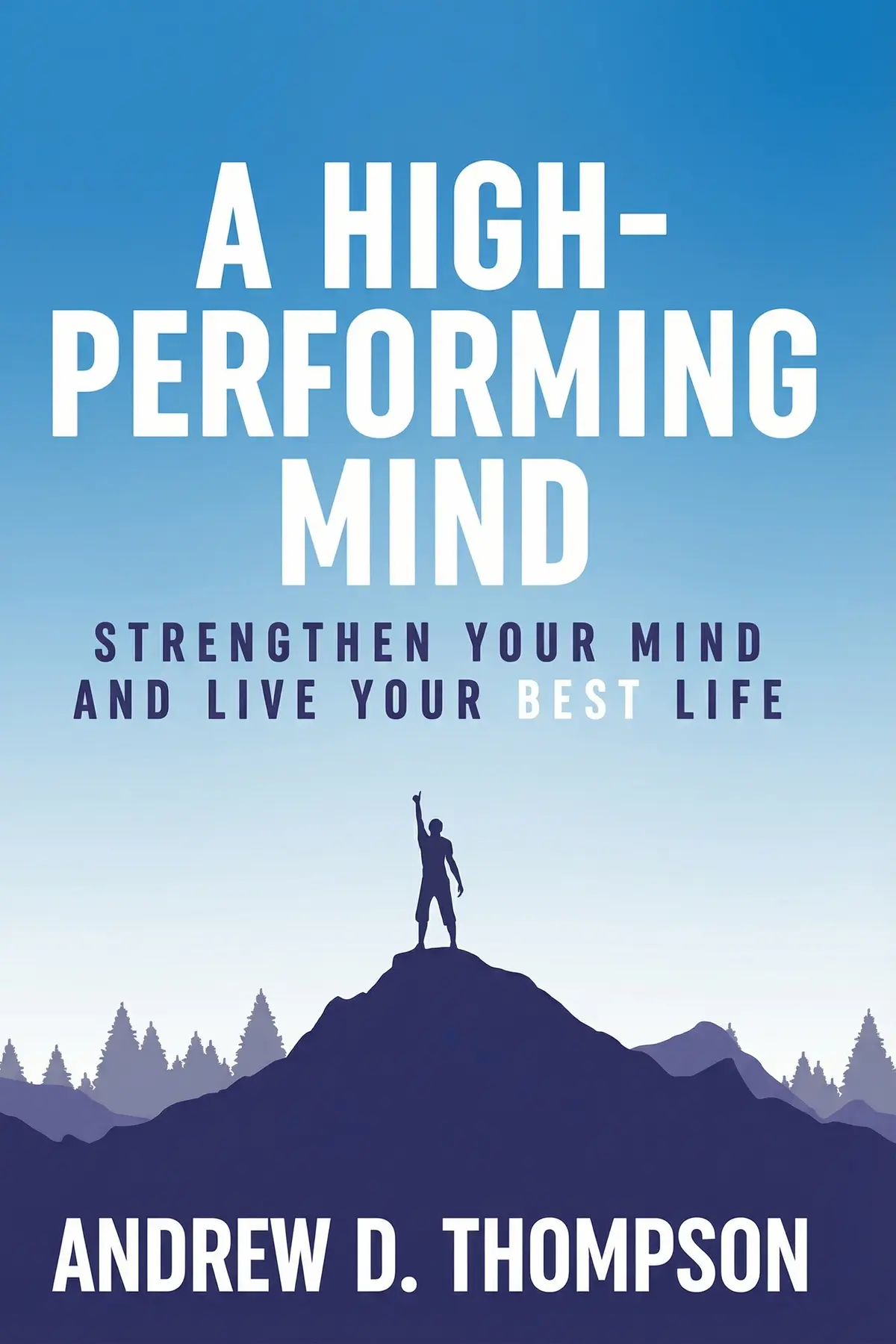
A High-Performing Mind: Strengthen Your Mind and Live Your Best Life
Andrew D. Thompson

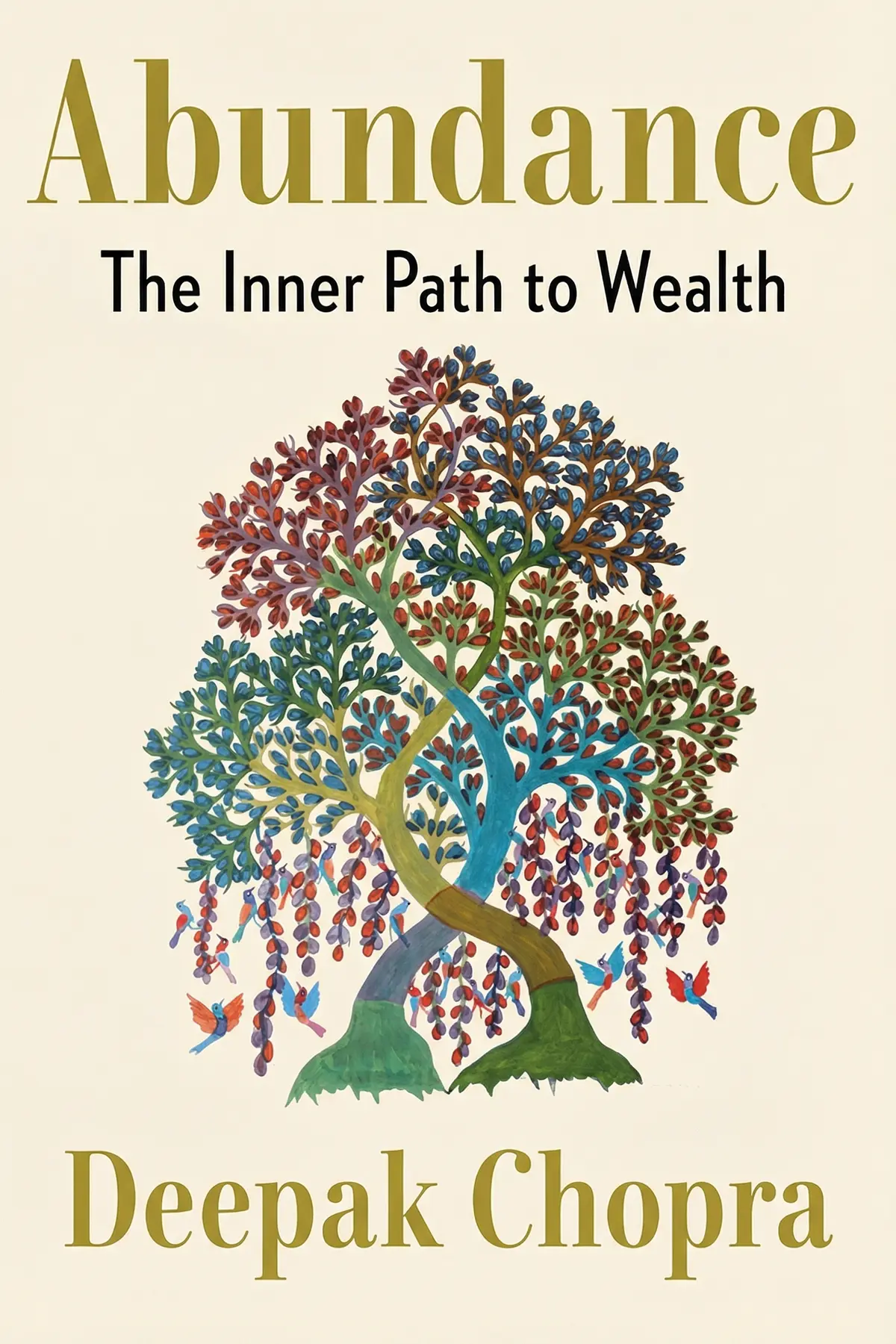
Abundance: The Inner Path to Wealth
Deepak Chopra
AUDIO SUMMARY AVAILABLE
Listen to Solve for Happy in 15 minutes
Get the key ideas from Solve for Happy by Mo Gawdat, plus 5,000+ more titles in English and Thai.
- 5,000+ titles
- Listen as much as you want
- 7-day free trial
- Cancel anytime







