
A Life Decoded: My Genome: My Life
J. Craig Venter
Strength in What Remains tells the incredible true story of Deo, a Burundian refugee who survived genocide to pursue a medical career in America, illustrating the power of resilience and human connection.
1 min 37 sec
Every year, thousands of people arrive at America’s gates seeking refuge, but few stories are as harrowing or as ultimately triumphant as that of a young man named Deo. Imagine landing at John F. Kennedy International Airport in 1994, escaping a landscape of unimaginable violence, only to find yourself in a concrete jungle where you cannot speak the language, have no friends, and possess only a handful of crumpled bills. This was Deo’s entry into New York City, a world away from the green hills and the cattle-herding life of his youth in Burundi.
In this exploration of Tracy Kidder’s work, we follow Deo’s trajectory from the front lines of a brutal civil war to the lecture halls of Columbia University and eventually into the field of medicine. This isn’t just a story about surviving a genocide; it’s a meditation on what happens after the trauma, and how the kindness of strangers can piece together a shattered life. We will see the stark contrast between the rural traditions of East Africa and the fast-paced, often indifferent reality of Manhattan.
Through this journey, we learn about the deep-seated ethnic tensions that tore Burundi apart and how Deo’s background as a medical student both saved him and gave him a purpose worth living for. It is a throughline of resilience—how the remnants of a life, once destroyed, can be forged into a powerful force for healing. As we walk through the chapters of Deo’s experience, consider the invisible connections that bind us and the quiet heroism of those who choose to help someone with nothing to offer in return.
2 min 17 sec
Explore Deo’s humble beginnings as a cowherd in Burundi, where success was measured by cattle and the harsh discipline of the schoolroom.
1 min 54 sec
Witness the moment a promising medical career was interrupted by the sudden explosion of a civil war that forced Deo into a desperate flight.
1 min 52 sec
Deo arrives in the United States with nothing but a commercial visa and the help of a few unlikely allies.
1 min 54 sec
When his meager support system vanished, Deo found himself homeless and sick, leading to a life-changing encounter.
2 min 05 sec
Against all odds, Deo navigates the American academic system, while receiving shocking news from his past.
1 min 50 sec
Facing legal barriers to medical school, Deo discovers a new purpose through the work of Dr. Paul Farmer.
2 min 02 sec
What drives a person to help a total stranger? We look into the backgrounds of the people who rescued Deo.
1 min 49 sec
Returning to a post-war Burundi, Deo fulfills his promise by building a clinic to serve his community.
1 min 38 sec
The journey of Deo is a powerful testament to the fact that while war can destroy homes and take lives, it cannot always extinguish the human spirit or the drive for purpose. Through the lens of this story, we see a man who traversed the darkest depths of human experience—from the terror of ethnic cleansing to the indignity of urban homelessness—and emerged with a commitment to serve others. His path was not walked alone; it was paved by the empathy of those who chose to see a person where others saw a statistic.
As we reflect on this narrative, the throughline is clear: resilience is often a collaborative effort. Deo’s intellect and grit were essential, but they might have been lost in the shadows of Central Park if not for the intervention of a few compassionate individuals. This story challenges us to consider our own capacity for kindness toward the strangers in our midst and the impact we can have on a life that is struggling to begin again.
Ultimately, Deo’s return to Burundi to build a clinic is the most profound form of closure. It shows that healing from trauma is not just about moving on, but about looking back and reaching out. By providing the healthcare he never had as a child, Deo has turned his survival into a legacy. He reminds us that there is indeed strength in what remains, and that even a life built on ruins can become a foundation for an entire community’s future. Carry this lesson with you: your actions, no matter how small they seem, have the power to help someone find their way home.
Strength in What Remains follows the life of Deo, a young man who escapes the horrific ethnic violence of the Burundian Civil War and the genocide in Rwanda. Arriving in New York City in 1994 with only two hundred dollars and no knowledge of English, Deo's journey is a harrowing account of survival. The book explores his transformation from a homeless refugee sleeping in Central Park to an Ivy League student and eventually a medical professional. The promise of this narrative lies in its exploration of human resilience and the profound impact of random acts of kindness. It reveals how a series of small, compassionate interventions by strangers allowed a traumatized survivor to reclaim his future. Through Deo’s eyes, the reader experiences the trauma of war, the isolation of the immigrant experience, and the eventual triumph of returning home to heal a broken community. It is a testament to the idea that even after unimaginable loss, there is a strength that remains and can be used to build something new.
Tracy Kidder is an acclaimed writer who has received several prestigious honors for his literary contributions, including the Pulitzer Prize, the National Book Award, and the Robert F. Kennedy Award. He is well-known for his insightful non-fiction works, with a bibliography that includes highly regarded titles such as Among Schoolchildren, The Soul of a New Machine, and Mountains Beyond Mountains, among many other books.
Listeners find this work engaging and expertly crafted, featuring a narrative that connects seamlessly and maintains their interest from start to finish. They characterize it as a revealing and deep exploration of survival against the odds, with one listener emphasizing the main character's path during the genocide in Burundi. Listeners value the educational aspects of the text, as one listener mentions its effectiveness in clarifying the historical background of Rwanda.
Wow. I didn't expect a book about genocide to leave me feeling so hopeful about the capacity for human kindness. Deo’s journey is simply incredible. One moment he is hiding in the bushes to avoid certain death, and a few years later, he is attending medical school in the United States. Kidder masterfully weaves together the past and present, making you feel the weight of Deo’s trauma even as he succeeds. The people who helped him—the former nun, the Soho couple—remind me that individual actions can change a life. It's a gripping read that stays with you long after the final page. I found the descriptions of his time in Central Park particularly moving. This is an essential book for anyone trying to understand the intersection of global tragedy and personal resilience.
Show moreFinally got around to reading this and I’m struck by how Kidder portrays Deo’s early days in New York. We often see refugees as a monolith, but this book gives Deo such a specific, vibrant voice. His confusion over American customs and his struggle to find a safe place to sleep in Central Park are described with such empathy. It’s a story of incredible luck meeting incredible character. If he hadn’t met that former nun, where would he be? The book successfully highlights how the Hutu and Tutsi distinctions were often artificial social constructs reinforced by colonial powers. It’s a masterfully told story that keeps you captivated throughout. I highly recommend it to anyone interested in public health or social justice. Deo is a hero for our times.
Show morePicking this up after reading 'Mountains Beyond Mountains' felt like a natural progression. It was wonderful to see how Deo eventually connected with Paul Farmer and Partners in Health. This isn't just a story about war; it’s a story about what happens after the war. How do you rebuild a life, and then, how do you rebuild a country? Deo’s commitment to returning to Burundi to open a medical clinic is the ultimate act of defiance against those who tried to destroy him. The prose is clear and unpretentious, which allows the gravity of the events to shine through. It’s a beautiful, heartbreaking, and ultimately healing book. We need more stories like this that emphasize our shared humanity. Five stars for the inspiration alone.
Show moreThe sheer resilience displayed by Deogratias is enough to make any reader reevaluate their own trivial problems. Kidder captures the terror of the genocide with a startling clarity that makes you feel like you are right there in the abandoned hospitals and dark forests. But the real 'strength' in this book is the middle section—the quiet struggle of an educated man being treated as invisible in New York City. The way he was helped by strangers is a beautiful counterpoint to the way he was hunted by his countrymen. I appreciated that Kidder didn't shy away from the complexities of the Hutu/Tutsi relationship. It’s an eye-opening account of survival that everyone should read. Truly a masterfully told journey of remembrance. This book is a gift to anyone who cares about the human spirit.
Show moreTracy Kidder has a way of humanizing statistics that is almost unparalleled in modern non-fiction. This biography of Deogratias, a medical student who fled the horrors of the Burundi genocide, is a masterclass in narrative journalism. The transition from the terrifying jungle escapes to the cold, indifferent streets of Harlem is jarring. He goes from being a future doctor to a man delivering groceries for pennies an hour, yet his dignity remains intact. While the history of Hutu and Tutsi tensions can be dense, Kidder simplifies the colonial roots without being condescending. I appreciated how the story didn't just end with survival but followed through to his education at Columbia. It is a powerful testament to what happens when we choose to see the person behind the 'refugee' label. My only gripe is that the pacing slows down significantly once we leave the immediate survival narrative.
Show moreEver wonder how someone survives the impossible? This book provides a window into the mind of a survivor who refused to be defined by his trauma. Kidder explains the structural violence that made the Burundi genocide possible, showing how poverty and lack of opportunity fuel ethnic hatred. It’s an eye-opening look at a conflict that many Americans often ignore or confuse with Rwanda. The details about Deo’s grocery delivery job in NYC were especially poignant. He was working twelve-hour shifts with no lunch break, essentially living in another kind of hell even after escaping the war. The narrative jumps around in time, which was a bit annoying at first, but I eventually got used to it. It’s a thought-provoking read that highlights how thin the line is between civilization and chaos.
Show moreAs someone who didn't know much about the specific history of Burundi versus Rwanda, this was incredibly enlightening. Kidder does a great job explaining the nuances of the 1993-94 conflict without getting bogged down in too much academic jargon. The protagonist, Deogratias, is a fascinating figure. His transition from a medical student in Africa to a delivery boy in Soho is a stark reminder of how much human potential is wasted in conflict. I liked how the book didn't focus solely on the violence; the 35-page chapter on the genocide was enough to be impactful without being gratuitous. The themes of forgiveness and remembrance are handled with a lot of care. It’s a very readable, informative account of survival. I gave it four stars because some of the later sections felt a bit unfinished.
Show moreTo be fair, the story itself is a 5-star account of survival, but the delivery felt slightly stretched. I agree with other critics who mentioned that this might have worked better as a long-form New Yorker article rather than a full-length biography. The first half is intense and heartbreaking as we follow Deo from Burundi to New York City. However, the second half, where Kidder joins Deo on a return trip to Africa, felt repetitive and leaned too much into the author’s own perspective. I wanted more of Deo’s internal thoughts and less of Kidder’s observations of him. Still, it’s a solid introduction to the history of the region. It just lacked the emotional depth I expected from the subject matter. It is a readable book, just not a life-changing one for me.
Show moreLook, the first half of this book is a gripping, pulse-pounding survival story that I couldn't put down. Watching Deo navigate the streets of New York with no English and no money was just as tense as his escape from the killers in Africa. But the second half of the book really dragged for me. It became a bit repetitive as Kidder re-examined the same events through interviews and travelogues. I also felt like the characterization of Deo remained a bit thin; he seemed more like a symbol of resilience than a three-dimensional human being. It’s definitely a readable book and a good starting point for learning about the region, but I’ve read more compelling non-fiction by Kidder. Not a bad choice, just not his best work.
Show moreFrankly, I found Kidder’s intrusion into the narrative in the second half to be quite distracting. The book starts strong by focusing on Deo's escape from the massacres in Burundi and his subsequent homelessness in Harlem. That part was gripping. But then the author inserts himself as a character, and the tone shifts entirely. It felt like Kidder was trying too hard to 'figure out' Deo rather than letting Deo’s actions speak for themselves. I never felt like I truly got inside the protagonist's head, which is frustrating for a biography. The writing felt superficial in the later chapters, skimming over the most interesting parts of Deo's psychological recovery. It’s a tragic topic and an impressive person, but the book itself fell flat for me. I wouldn't necessarily recommend this over other memoirs on the subject.
Show moreJ. Craig Venter
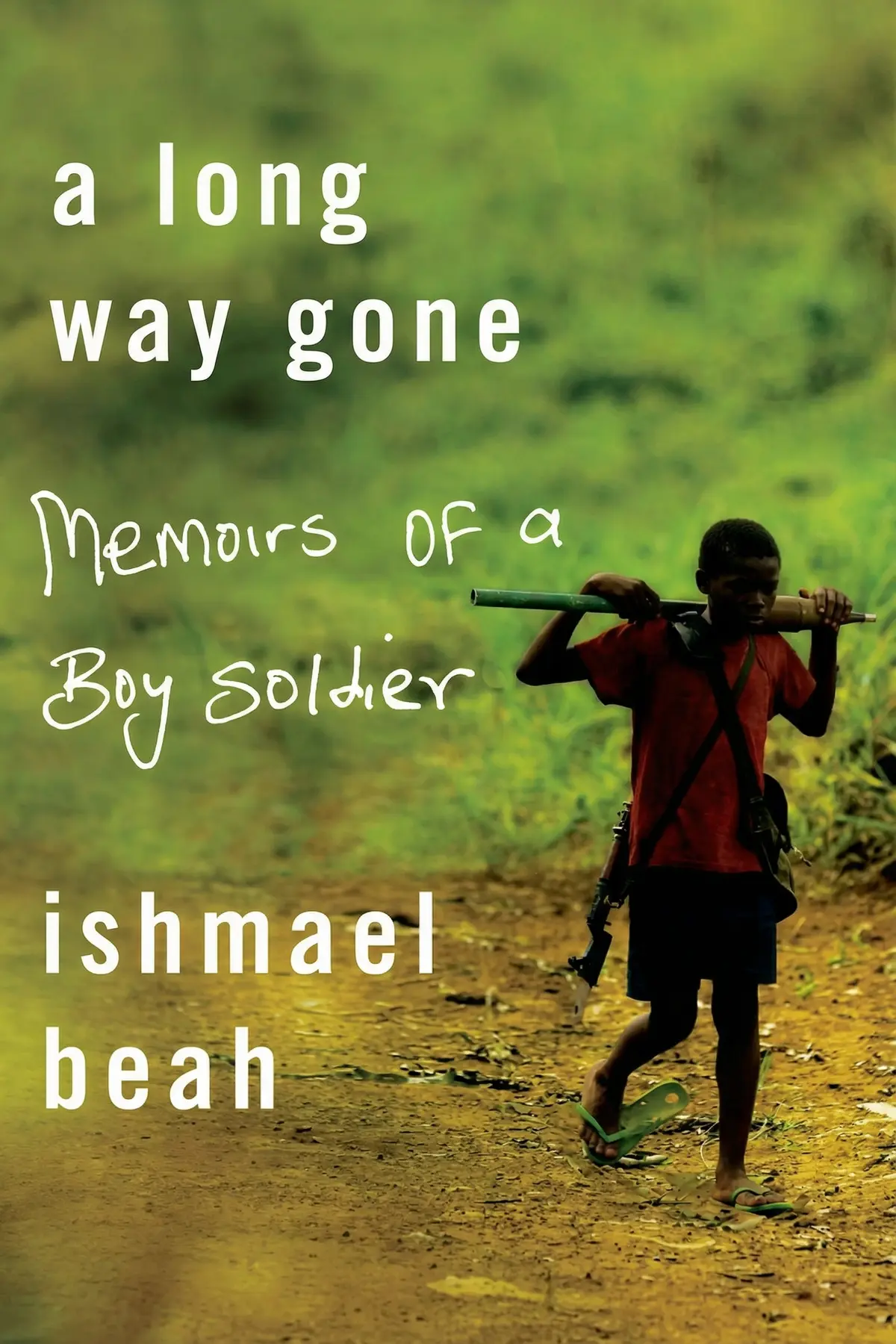
Ishmael Beah
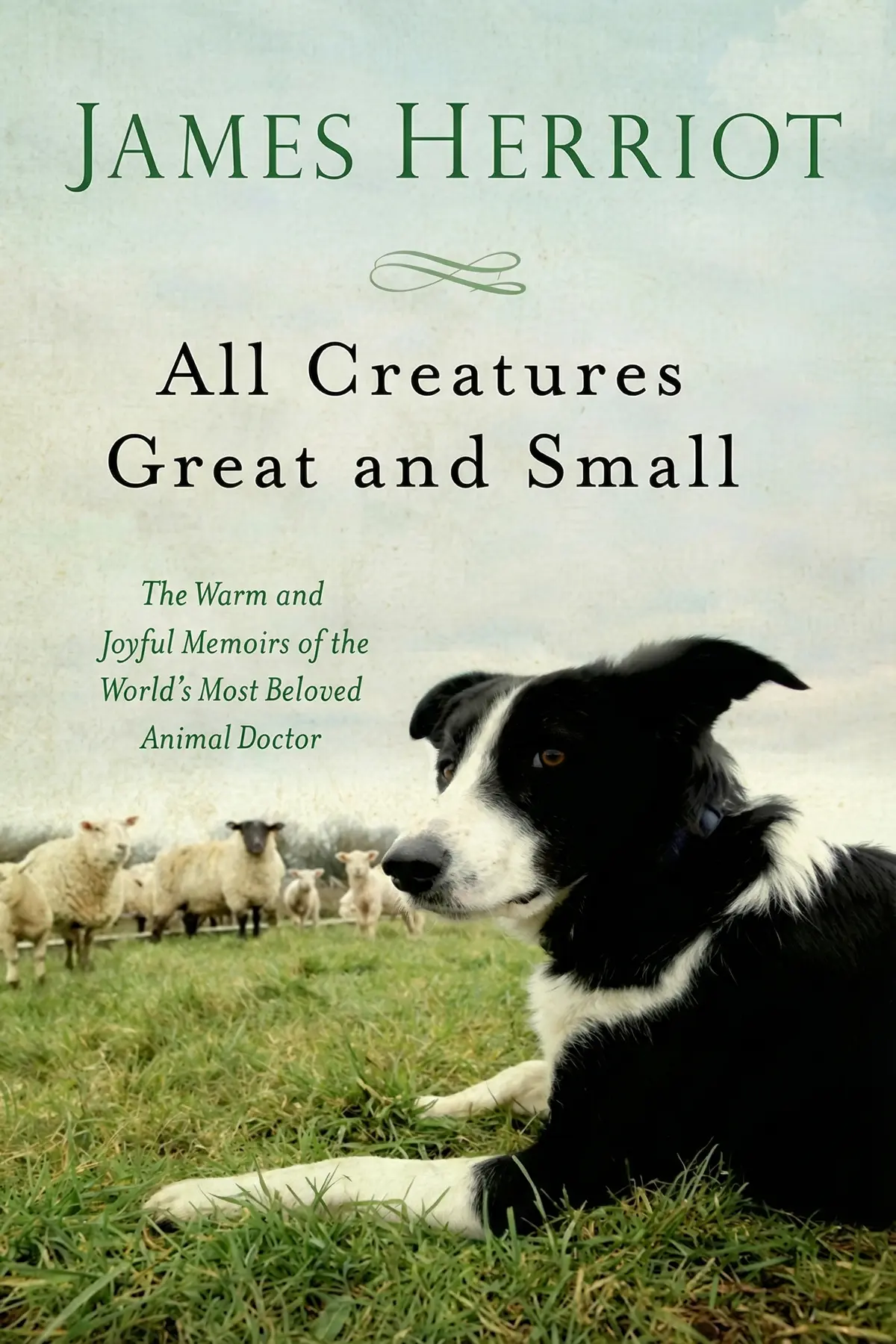
James Herriot

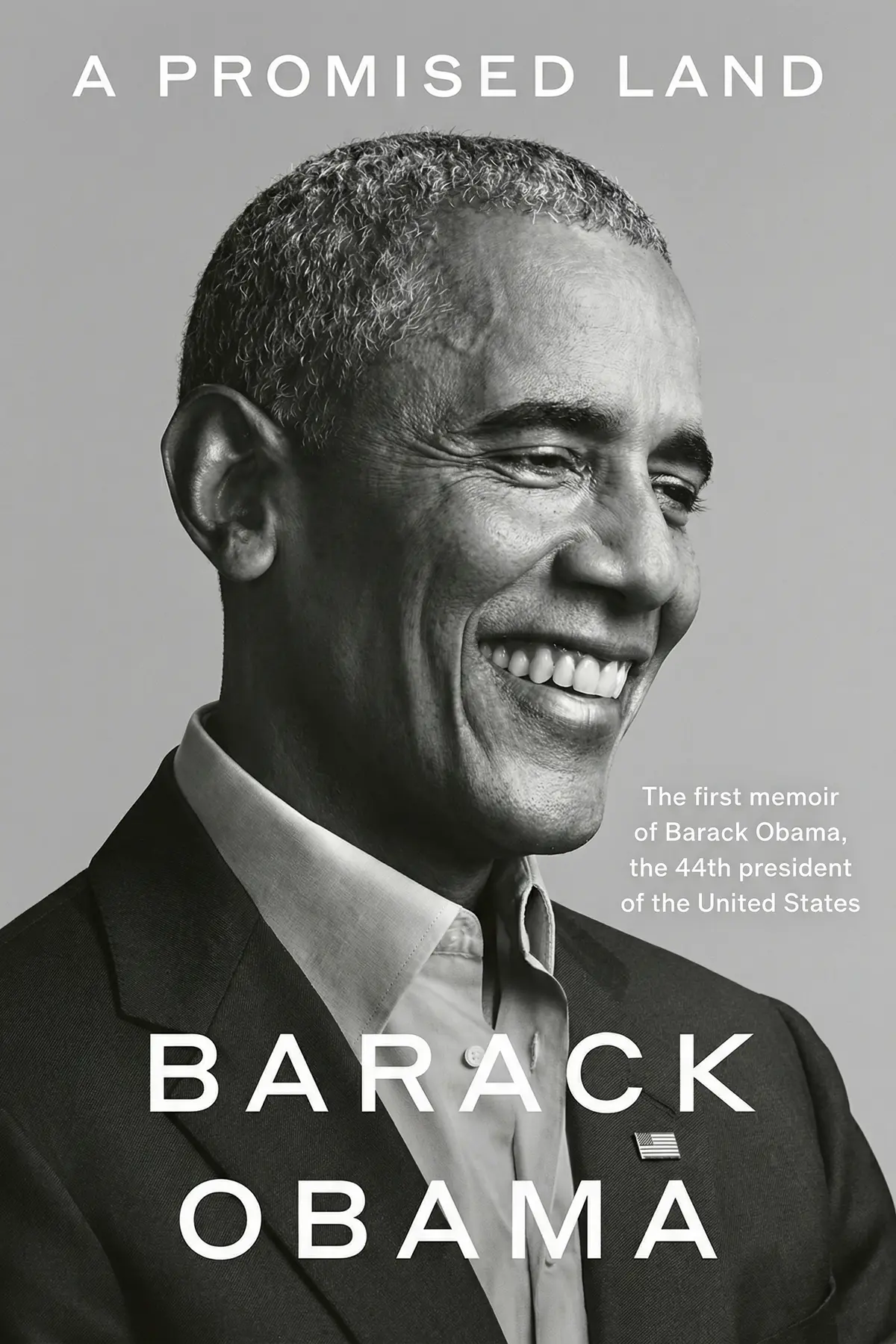
Barack Obama

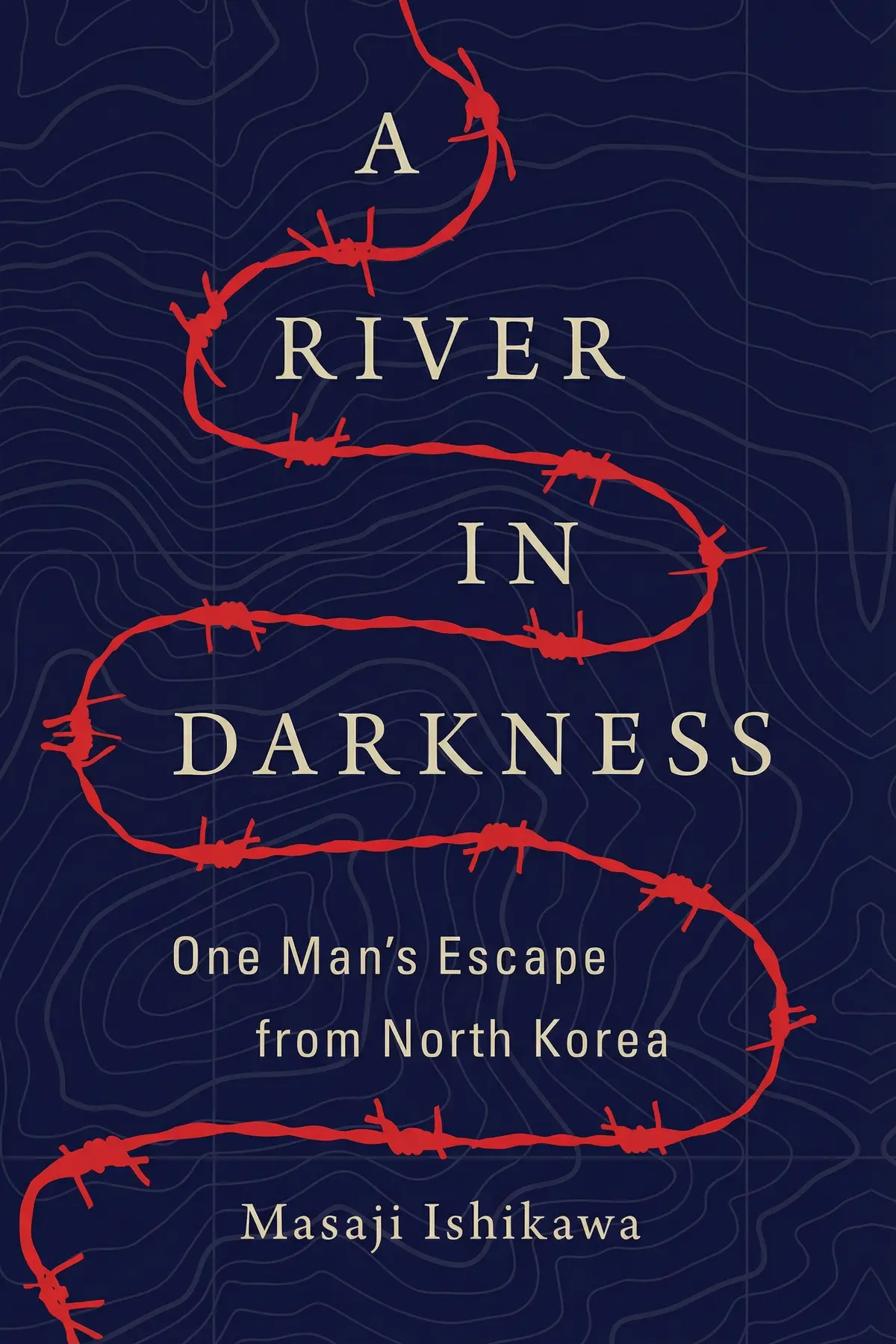
Masaji Ishikawa
Ben Macintyre
AUDIO SUMMARY AVAILABLE
Get the key ideas from Strength in What Remains by Tracy Kidder, plus 5,000+ more titles in English and Thai.







