

A Year in the Life of William Shakespeare: 1599
James Shapiro
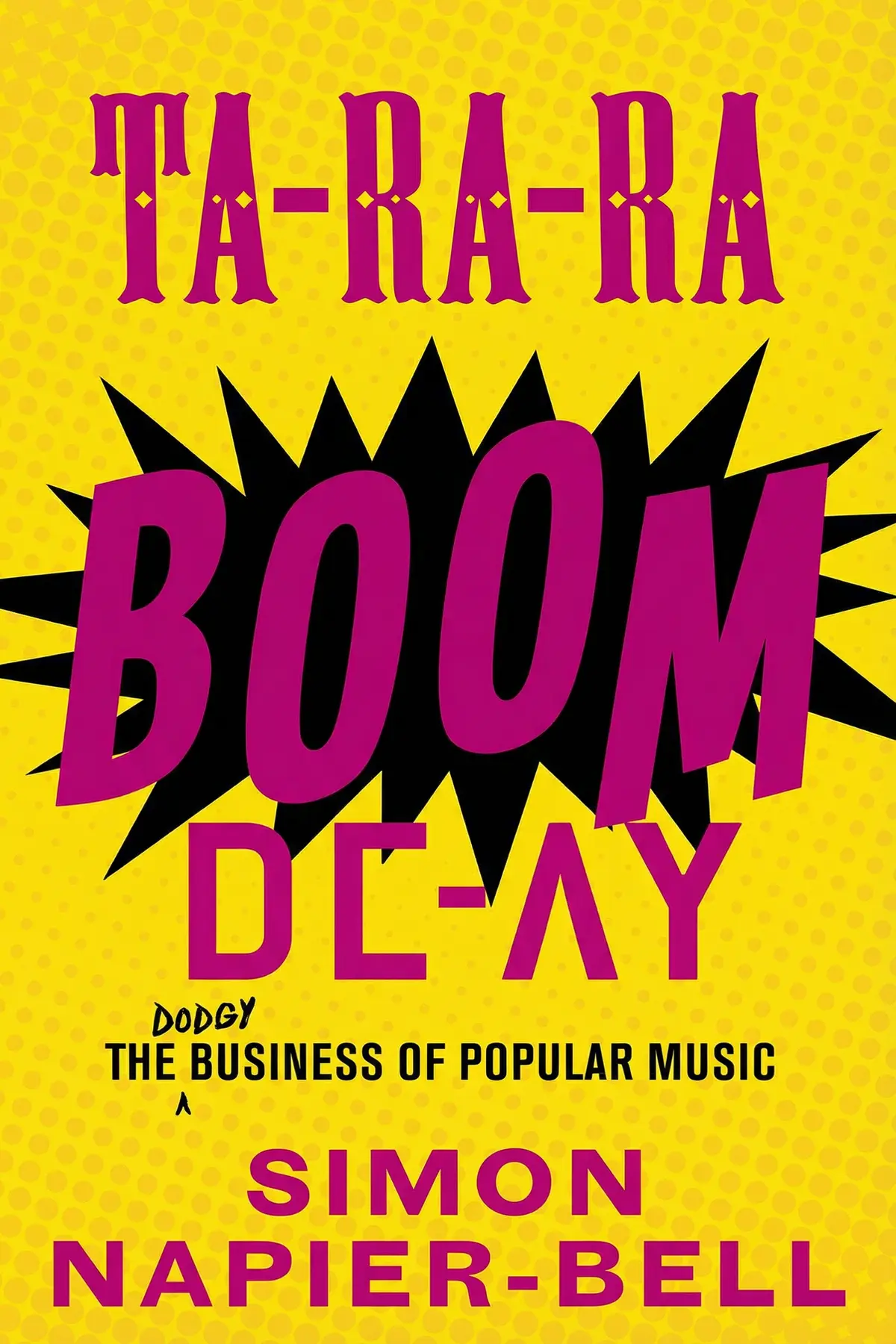
Explore the wild, often chaotic history of the music industry. From the first copyright laws to the digital revolution, discover how technology, law, and culture shaped the sounds we love.
1 min 40 sec
Music is more than just a sequence of notes or a catchy rhythm; it is a living, breathing record of our collective history. When we look back at the development of popular music, we aren’t just looking at changing tastes—we are looking at the evolution of human society itself. From the raw, emotional work songs heard in the fields of the American South to the synthesized, futuristic landscapes of 1970s progressive rock, every sound tells a story about the world it was born into. It tells us about the technology available at the time, the laws that governed creativity, and the economic forces that decided which voices would be heard.
In this exploration of the music business, we are going to look behind the curtain of the glitz and glamour. We often think of music as pure art, but the reality is that the industry is deeply intertwined with commerce. It’s a world where legal breakthroughs like copyright and technical inventions like the phonograph created entirely new markets out of thin air. We’ll see how social shifts, like the repeal of Prohibition or the rise of the internet, forced the industry to reinvent itself over and over again.
This journey will take us through the smoky jazz clubs of Chicago, onto the massive festival grounds of Woodstock, and into the digital frontier of the twenty-first century. We will see how outsiders and rebels were often the ones who drove the biggest innovations, and how the business managed to thrive even in the face of total disruption. As we go through these chapters, you’ll begin to see a throughline: music is a reflection of our times, and the business of music is the engine that keeps that reflection moving forward. So, let’s tune in and discover how the sounds of the past paved the way for the industry we know today.
1 min 54 sec
Before music could be a massive industry, it had to become property. Discover how the legal concept of copyright and the invention of the record player changed everything.
1 min 51 sec
One immigrant songwriter didn’t just write hits; he changed the very heartbeat of American music. See how the off-beat became the standard for pop.
1 min 37 sec
When the mainstream stayed away, outsiders took over. Learn how Black and Jewish artists built the foundations of the modern music scene.
1 min 39 sec
The music industry was terrified that radio would kill record sales. Instead, it became the greatest sales engine the world had ever seen.
1 min 54 sec
Prohibition might have been meant to stop the party, but its end fueled a music boom. See how bars and movies created new ways to profit.
1 min 50 sec
The Beatles didn’t just bring new hair and catchy tunes; they completely restructured how music was sold and packaged.
1 min 54 sec
Woodstock and Altamont showed the industry both the potential and the peril of the mass-gathering concert model.
1 min 46 sec
From the psychedelic 60s to the rave culture of the 80s, music and subcultures have always shared a complicated, drug-fueled bond.
1 min 54 sec
Napster almost brought the industry to its knees. Learn how a file-sharing crisis led to the birth of the 99-cent song.
1 min 43 sec
As we look back at the winding path of the music business, one thing is abundantly clear: change is the only constant. We have seen how the industry was built on a foundation of legal rights and then propelled forward by a series of technological revolutions. From the first scratchy recordings on a phonograph to the seamless streaming of the modern era, the business of popular music has always been about finding new ways to connect people with the sounds they love—while ensuring that someone, somewhere, is getting paid.
We’ve seen the power of the outsider, from the Jewish and Black artists who created the American sound to the DJs who turned sampling into a global phenomenon. We’ve seen how the industry can be threatened by new inventions like radio or the internet, only to eventually co-opt those very tools to reach even bigger audiences. The story of music is a story of resilience and adaptation. It is a reminder that while the ways we listen to music may change—moving from a piano in the parlor to a smartphone in our pocket—the human desire for rhythm and melody remains unchanged.
The throughline of this entire history is that music is never just ‘art’ in a vacuum. It is deeply tied to the laws that govern us, the technology we invent, and the social movements we lead. For anyone looking to understand the modern world, looking at the ‘dodgy’ business of music is a perfect place to start. It shows us how we value creativity, how we handle disruption, and how we find common ground in a beat. As you go forward, listen to the music around you with a new ear—one that hears not just the notes, but the incredible, complex history of the business that brought those notes to your ears.
Have you ever wondered why pop music sounds the way it does, or why the business behind your favorite tracks often feels so cutthroat? This summary dives into the fascinating and sometimes shady evolution of the modern music industry. It traces the journey of popular music from its humble beginnings in sheet music publishing to the high-stakes world of global superstars and digital streaming. You will learn about the pivotal moments that redefined the landscape: the invention of the record player, the birth of copyright, and the rhythmic revolution brought about by Irving Berlin. The narrative also highlights the crucial contributions of marginalized artists who pushed the boundaries of genre, as well as the industry's complex relationship with radio, movies, and even prohibition-era bars. By the end, you’ll understand how music has always been a mirror of society, reflecting our technological leaps, our social struggles, and our economic ambitions. It’s a story of creativity meeting commerce in the most unexpected ways.
Simon Napier-Bell is a legendary figure in the music world, known for his prolific career as a producer and manager. He notably managed the Yardbirds and co-wrote the iconic hit song for Dusty Springfield, You Don’t Have to Say You Love Me. Beyond his work in the studio and behind the scenes, he is a celebrated author who has written several books about the industry, including Black Vinyl, White Powder and I’m Coming to Take You to Lunch.
Listeners find this work to be a fantastic piece that offers an excellent chronicle of the music business. They value the high standard of research, and one listener characterizes it as the most comprehensive history of the industry.
Ever wonder how we got from Tin Pan Alley to the iPod? This book answers that question with a delightful mix of historical facts and industry cynicism. Simon Napier-Bell has been everywhere—managing the Yardbirds and Wham!—so he knows exactly how the gears of the music business grind. I loved the chapters on the history of boy bands; it was a total revelation to see how those patterns repeat across decades. While the book is quite straightforward compared to his earlier, more personal memoirs, it remains an essential guide for anyone entering the business. The truth is, it’s a brilliant look at how technology and greed shaped the sounds we love today.
Show moreWow, what an incredible deep dive into the evolution of song publishing and the industry’s constant need to adapt. From the work songs of the American South to the digital revolution of 2001, this book covers an immense amount of ground without losing its edge. I loved how Napier-Bell connected the dots between technological innovations like the Hammond organ and the shifting economic interests of the labels. It’s not just about the hits; it’s about the legal battles and the inventions that brought music into our homes. For a non-fiction book, it’s remarkably well-paced and filled with stories so outrageous they have to be true. Highly recommended for any culture vulture.
Show moreFinally got around to reading this and it’s a masterclass in how the 'Music Racket' actually operates. It treats music not as art, but as a business driven by lunatics and cynics, which is exactly the kind of honesty we need. The transition from $0.99 singles to the dawn of streaming is handled with such sharp insight that you can’t help but see the patterns. My only real gripe is that some of the most interesting eras were dealt with in just a few chapters. I could have easily read another hundred pages on the 90s alone. Regardless, the outrageous stories and the encyclopedic scope make this a must-read for fans of pop culture.
Show moreAfter hearing Napier-Bell's stories about Wham!, I expected a bit more personal gossip, but this is actually a pretty solid bird's-eye view of the industry. The way he traces the evolution from sheet music and publishing houses to the digital era is genuinely fascinating for anyone who cares about the business behind the art. To be fair, it gets a little compressed when it hits the 70s and 80s, which is a shame because that's usually the era most readers care about. Still, the prose is punchy and the author’s 'music racket' cynicism is infectious. It’s an informative read that managed to change how I look at my Spotify library.
Show moreThis book does a fantastic job of stripping away the glamour to reveal the greedy underbelly of the 'music racket.' Napier-Bell writes with a joyful cynicism that makes even the driest details about royalties and contracts feel like a scandalous expose. I was particularly fascinated by the transition from clubs to publishing houses and how radio went from being a threat to a primary marketing tool. Some of the language is a bit dated and old-school, which might ruffle some feathers, but the historical research is undoubtedly thorough. If you can get past the occasional blunt phrasing, you’ll find a comprehensive history that explains why the industry looks the way it does today.
Show moreAs someone who’s worked in a record shop for a decade, I thought I knew it all, but the chapter on early boy bands was a total revelation. Napier-Bell has an encyclopedic knowledge of the industry, and he isn't afraid to expose the half-truths that the popular press usually feeds us. He lays out the facts without any political correctness, which makes for a raw and often hilarious read. The book illustrates perfectly how history continues to repeat itself, especially when it comes to the industry's fear of new technology. It’s a ground-breaking contribution that should be required reading for anyone trying to make it in the business today.
Show morePicked this up because I’m obsessed with music history, but found it a bit of a slog in the middle. The early sections on sheet music and the transition from live performances to home phonographs were actually quite engrossing. However, once the book reached the golden age of the 60s through the 90s, everything felt rushed and far too condensed for my liking. Why spend so much time on the 19th century just to breeze past the most transformative decades of the modern era? It’s a decent enough overview for a casual reader, but if you’ve already read a lot of music biographies, this might feel a little redundant.
Show moreThe truth is, Simon Napier-Bell knows where all the bodies are buried, but he chooses to play it relatively straight here. As a fan of his work with Japan and Marc Bolan, I missed a bit of that specific, hysterical insider voice that defined his previous books. This one functions more as a formal history, though it still has those witty, gossipy asides that keep it from feeling like a textbook. It’s a superb entrance into the world of record companies and how they lost their power over the years. Some sections feel a bit more researched than others, leading to an uneven pace, but the overall journey is worth the time.
Show moreNot what I expected from a legend like Napier-Bell, and frankly, I found some of the language quite jarring. It’s hard to enjoy a history of pop music when the author keeps dropping offensive phrases like 'Red Indians' or weirdly sexist analogies about virgins and whores. These moments completely pulled me out of the narrative. Beyond the problematic phrasing, the book feels quite uneven and could have used a much tighter edit to keep the momentum going. There are some interesting tidbits about early record players and Edison, but I eventually lost interest. It’s a shame because the music industry has such a rich, scandalous history that deserves a more modern touch.
Show moreLook, I really wanted to love this because the subject matter is right up my alley. I’m a huge fan of the Yardbirds and Napier-Bell’s production work, but this book just didn’t click for me. The narrative felt unfocused and I personally got bored halfway through the slog of early industry history. Plus, the tone is occasionally quite offensive, using terms that really haven't aged well at all. I found myself skimming chapters rather than engaging with the material. It offers some unique glimpses into how genres like jazz and hip hop found success, but the presentation is just too scattered for a recommendation. I think I’ll stick to his memoirs.
Show moreJames Shapiro

Pankaj Mishra

Charles C. Mann

Ben Macintyre

Fay Bound Alberti
Ron Chernow

Philip Freeman
Andrew Ross Sorkin
AUDIO SUMMARY AVAILABLE
Get the key ideas from Ta-Ra-Ra-Boom-De-Ay by Simon Napier-Bell, plus 5,000+ more titles in English and Thai.







