
20 min 19 sec
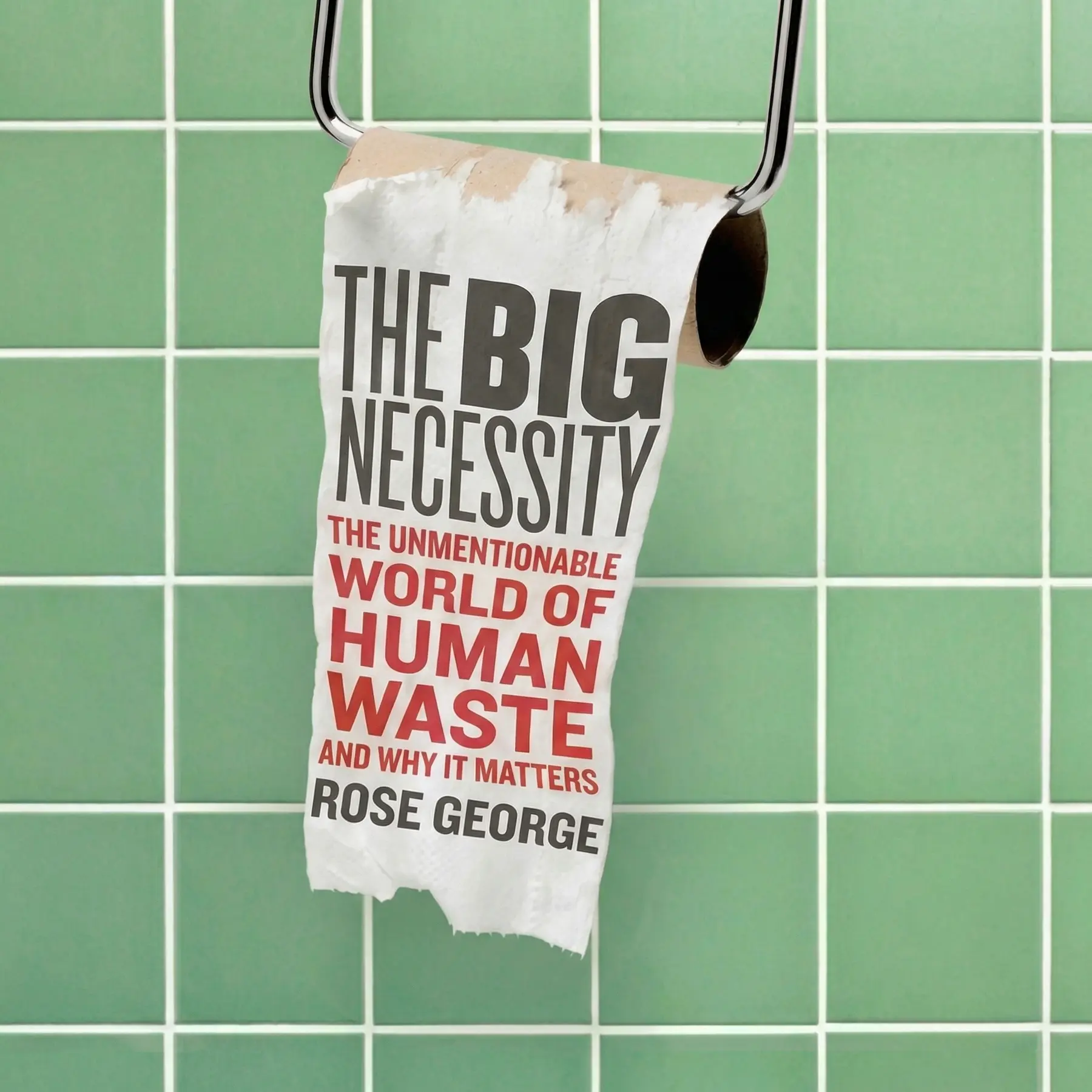
The Big Necessity: The Unmentionable World of Human Waste and Why It Matters
By Rose George
A deep dive into the hidden world of human waste, exploring the global sanitation crisis, the economics of toilets, and how what we flush away is actually a valuable resource.
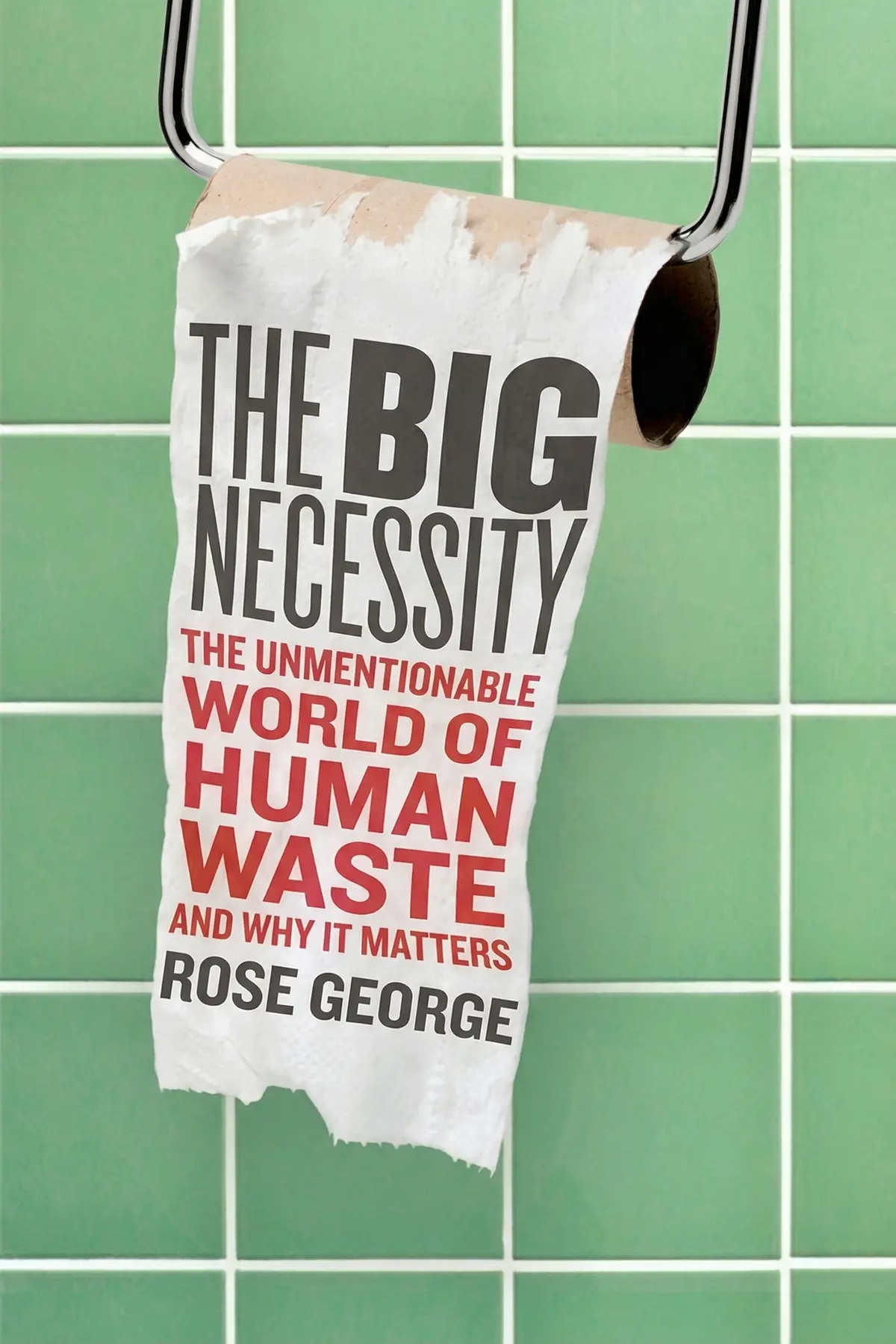
Table of Content
1. Introduction
1 min 33 sec
Most of us live in a world where our most basic biological functions are handled by a silent, invisible infrastructure. We finish our business, press a lever, and the evidence vanishes. It is a modern miracle of ‘out of sight, out of mind.’ But this convenience has created a dangerous side effect: we have stopped thinking about our waste altogether. We’ve turned it into a taboo, a joke, or something to be ignored. Yet, as we will explore today, this silence is costing millions of lives and holding back global progress.
In this exploration of our most necessary function, we are going to look behind the bathroom door. We will see how a lack of simple toilets is currently the leading cause of death for children in many parts of the world, and why the global sanitation crisis is more threatening than many of the diseases that make the nightly news. But this isn’t just a story of tragedy; it’s also a story of missed opportunities. What we call ‘waste’ is actually a treasure trove of energy, fertilizer, and even medicine.
Over the next several minutes, we’ll move from the overcrowded slums where people have no choice but to use plastic bags, to the crumbling sewers beneath major American cities, and finally to rural China, where human waste is being used to light up homes and cook meals. The throughline here is simple but profound: how we handle what we leave behind defines the health of our civilizations. It’s time to stop looking away and start understanding the massive implications of the big necessity. Let’s begin by looking at the scale of the problem we’ve been trying so hard to ignore.
2. The Deadly Reality of Sanitation Poverty
2 min 20 sec
What if the biggest threat to global survival isn’t a famous virus or a war, but something we flush away every day without a second thought?
3. The Massive Return on a Simple Investment
2 min 27 sec
Imagine an investment that returns seven dollars for every one spent. We explore why the humble toilet is actually the greatest medical and economic engine in history.
4. The Language of Avoidance and the Power of Taboo
2 min 24 sec
Why is it that we can talk about almost anything in polite society, yet the very thing that keeps us alive and healthy remains a forbidden topic?
5. Breaking Habits Through Community Action
2 min 24 sec
Traditional aid often fails because it ignores how people actually live. Discover how a “bottom-up” psychological shift is finally solving the world’s oldest hygiene problem.
6. The Hidden Vulnerability of Modern Infrastructure
2 min 26 sec
You might think that sanitation issues are a world away, but even the most advanced cities are sitting on a crumbling, overflowing secret beneath their streets.
7. From Waste to Wealth: The Biogas Revolution
2 min 36 sec
What we call “waste” might actually be the key to renewable energy and sustainable farming. Learn how one nation is turning the unmentionable into a valuable resource.
8. Navigating the Complex Path to a Sane Future
2 min 21 sec
Solving the sanitation crisis isn’t just about building toilets; it’s about navigating a complex web of culture, maintenance, and the way we view our own biology.
9. Conclusion
1 min 48 sec
As we wrap up our journey through the hidden world of waste, the message is clear: the most basic of human functions has the most massive of human consequences. We have seen how our silence on the topic of sanitation has created a global health crisis that claims millions of lives, mostly children, through entirely preventable diseases. We’ve also seen that this isn’t just a challenge for developing nations; even the most advanced cities in the world are struggling with aging, overwhelmed infrastructure that is failing to keep pace with modern demands.
But through this exploration, we have also found hope. We have seen that the toilet is an economic engine, offering a seven-to-one return on investment. We have seen that by changing the way we talk to communities, we can spark lasting behavioral shifts that no top-down government program could ever achieve. And we have seen the incredible potential of waste as a resource—a source of energy that can light up homes and a fertilizer that can feed the world without destroying the environment.
The throughline of everything we’ve discussed is the power of awareness. When we stop looking away, we stop the cycle of disease. When we stop being ashamed, we start being innovative. The next time you use a toilet, take a moment to realize that you are participating in the most important medical advancement in history. Don’t take it for granted. Support initiatives that aim to bring this ‘big necessity’ to the billions who still go without it. Whether it’s advocating for infrastructure investment in your own city or supporting global sanitation charities, your attention can help turn a silent crisis into a sustainable future. It’s time to give human waste the serious attention it deserves, for the health and dignity of everyone on Earth.
About this book
What is this book about?
This summary explores the often-unmentionable reality of how we handle human excrement and why our silence on the topic is deadly. It covers the staggering statistics of the global sanitation crisis, where billions live without toilets, and the economic benefits of investing in proper sewage systems. It also examines why developed nations aren't as safe as they think and how countries like China are turning waste into energy. The promise is a radical shift in perspective: seeing human waste not as a nuisance, but as a critical key to health, wealth, and sustainability. By looking past the taboo, we discover that the way we treat our waste is a direct reflection of our value for human life and environmental health. This narration transforms an overlooked subject into a compelling argument for cultural and infrastructural change, showing how solving the toilet problem could be the single most effective way to improve the world.
Book Information
About the Author
Rose George
Rose George is a journalist whose work has been featured in major publications including The New York Times, Slate, The Guardian, and Scientific American. In addition to her exploration of sanitation, she is the author of Ninety Percent of Everything and A Life Removed.
Ratings & Reviews
Ratings at a glance
What people think
Listeners find this work remarkably well-researched and superbly written, characterizing it as a captivating exploration of a challenging topic. Furthermore, they value its wit and entertainment factor, with one listener noting how it offers intriguing discussions of various global cultures. The book’s tempo also receives praise, as one listener highlights its impressive interviews.
Top reviews
Sirichai
This book changed how I look at my bathroom forever. It’s a bizarrely fascinating deep dive into a world we spend our entire lives trying to ignore. Rose George doesn’t hold back, taking us from the high-tech, musical 'Washlets' of Japan to the harrowing reality of manual scavengers in India who clean dry latrines with their bare hands. I was particularly struck by the 'Sludge Olympics' in the US; it’s such a weird, humanizing look at the people who keep our cities running. Truth is, our sanitation systems are modern miracles, yet they are crumbling from neglect because we’re too embarrassed to talk about them. The writing is punchy, the research is airtight, and the momentum never flags despite the heavy subject matter. It’s not just a book about waste; it’s about dignity and the infrastructure of civilization itself. You’ll never flush and forget again.
Show moreTariq
The sheer bravery of the author is what stuck with me most after finishing this. Whether she’s touring a sewage plant or drinking 'reclaimed' water that looks yellow and opaque to avoid offending her hosts, Rose George is a dauntless guide. She tackles the sexism inherent in sanitation—how it’s almost always 'women’s work' to deal with the household waste—with a fire that is both rare and welcome. The book is packed with fascinating nuggets of information, like how soybean paste is used to test toilet quality control. It sounds ridiculous, but it underscores the seriousness of the engineering involved. Frankly, we should all be more embarrassed by our ignorance than the subject matter. This is top-tier nonfiction that manages to be entertaining, educational, and deeply moving all at once. It’s a must-read for anyone interested in how the world actually works.
Show moreBoy
What we call a 'private matter' is actually a massive public failure, and George exposes it with incredible integrity. This book is a masterclass in how to write about a difficult subject without losing the reader’s interest. She explores the cultural taboos that keep us from fixing the sanitation crisis, especially for girls who drop out of school because they lack menstrual supplies and safe toilets. The reality of 'manual scavenging' and the caste system in India was heart-wrenching to read about, yet George handles it with such grace and empathy. On the flip side, the descriptions of the high-tech Japanese toilets provided some much-needed levity and a glimpse into a possible future. It’s an irresistible mix of science, history, and social commentary. Truly, it’s the most important book I’ve read this year. It makes the invisible visible and the unspeakable urgent.
Show moreFon
Few journalists can write about human excrement with this much dignity and wit. Rose George has produced an absolutely brilliant piece of reportage that is both disgusting and deeply enlightening. I was captivated by the history of London’s sewers and the 'flushers' who have to deal with everything from hardened concrete to live hand grenades. The book brilliantly illustrates that sanitation is not just about plumbing; it’s about human rights and gender equality. Seeing the '5F' diagram of how disease spreads was a real wake-up call regarding the fragility of our own health systems. Despite the subject, the pacing is fast and the storytelling is top-notch. It’s a fascinating read that tackles a global travesty with unflinching honesty and a much-needed sense of humor. If you care about how the planet survives the next century, you need to read this.
Show morePla
Ever wonder why we're so terrified of talking about what happens after we flush? This is a sober, essential examination of a global crisis that affects billions. George manages to balance grim statistics—like the sheer number of children dying from diarrhea—with an engaging narrative style that keeps you reading. I learned about the '5Fs' of fecal-oral contamination and the tragic history of Typhoid Mary, which gave the science a very human face. While the book is deeply researched, I did find the sheer volume of data a bit overwhelming in the middle chapters. However, her ability to sketch out the profiles of sanitation crusaders makes the text feel alive rather than just a dry report. It’s an eye-opening look at how the 'porcelain god' we worship in the West is a luxury much of the world is dying for.
Show moreLucia
Rose George has a remarkable gift for turning a stomach-churning topic into a genuine page-turner. This isn't just a gross-out book for shock value; it’s a brilliant piece of investigative journalism that highlights a massive structural failure in global development. The contrast between the robot toilets of the wealthy and the 'parachuting' bags used in slums is stark and unforgettable. I was impressed by how she interviewed people from all walks of life—from the 'flushers' in the London sewers to the Dalits in India. Personally, I found the chapter on biogas in China to be one of the most interesting discussions of how different cultures find utility in what we consider useless. The pacing is excellent, and she manages to weave in humor without diminishing the seriousness of the public health crisis. It’s a necessary, if uncomfortable, read.
Show moreKanchana
After hearing Rose George’s TED talk, I had to dive into the full text of what my friends now call 'The Poo Book.' It is an incredibly well-researched and sobering look at a topic that is too often treated as a joke. George makes a rock-solid case that sanitation is the single most critical development issue facing the world today. I was horrified to learn that more children have died from waste-related diseases in the last decade than people have died in wars since 1945. The book does a great job of explaining the 'plasticity of disgust' and why we find our own waste less offensive than that of others. My only gripe is that it feels a bit fragmented, jumping from London to India to China without a strong connecting thread beyond the subject matter. Still, the interviews are impressive and the call to action is undeniable.
Show moreAdam
To be fair, some of the statistics in this 2008 release feel a bit dusty now, which makes it harder to stay fully immersed in the global health arguments. I picked this up because I loved the author's later work, and her signature wit is definitely present here. She uses the word 'shit' with a refreshing lack of euphemism, though the constant puns can get a little tiresome after a while. My main frustration was the geographical gaps; she mentions some revolutionary ideas in Brazil but then completely abandons South America to focus elsewhere. The chapters on Japan and the London sewers were highlights, but other sections felt like they could have gone deeper into the history of the technology. It’s a solid, informative read, but it leaves you wanting a more updated and comprehensive version.
Show moreCameron
Picking this up, I expected a Mary Roach-style romp, but George is far more sober and focused on the policy implications of waste. That’s not a bad thing, but it does make for a denser read than the cover might suggest. The book is essentially a collection of deep-dive essays on different aspects of the 'watsan' (water and sanitation) world. While the interviews with sewer workers and toilet activists are fascinating, the narrative occasionally clogs under the weight of too many statistics. I would have loved to see more focus on the environmental impact of 'biosolids' as fertilizer, which felt like it was touched on but not fully explored. Got to say, the author’s dedication to the topic is impressive, but the structure felt a little disjointed at times. It’s a very good public health book, even if it’s not exactly a light summer read.
Show moreViroj
Look, I know this is an important subject for public health, but the level of graphic detail was just a bit much for me. I struggled to get through the descriptions of the manual scavenging in India and the conditions of the London sewers without feeling physically ill. The author is clearly talented and has done a mountain of research, but the tone oscillates between being overly academic and trying too hard to be funny with toilet puns. I also felt the book was quite repetitive in its message; once you understand that 2.6 billion people lack toilets, the point is hammered home in every single chapter. If you have a strong stomach and a professional interest in city planning, you might love it. For the average reader, it might be a bit of an information overload on a topic that is, let’s be honest, pretty unpleasant to dwell on for 300 pages.
Show moreReaders also enjoyed
A Biography of Loneliness: The History of an Emotion
Fay Bound Alberti
A Force for Good: The Dalai Lama's Vision for Our World
Daniel Goleman

A Room of One’s Own
Virginia Woolf
Abolish Rent: How Tenants Can End the Housing Crisis
Tracy Rosenthal
Abortion: Our Bodies, Their Lies, and the Truths We Use to
Jessica Valenti
Afropean: Notes From Black Europe
Johny Pitts
AUDIO SUMMARY AVAILABLE
Listen to The Big Necessity in 15 minutes
Get the key ideas from The Big Necessity by Rose George, plus 5,000+ more titles in English and Thai.
- 5,000+ titles
- Listen as much as you want
- 7-day free trial
- Cancel anytime







