
20 min 38 sec
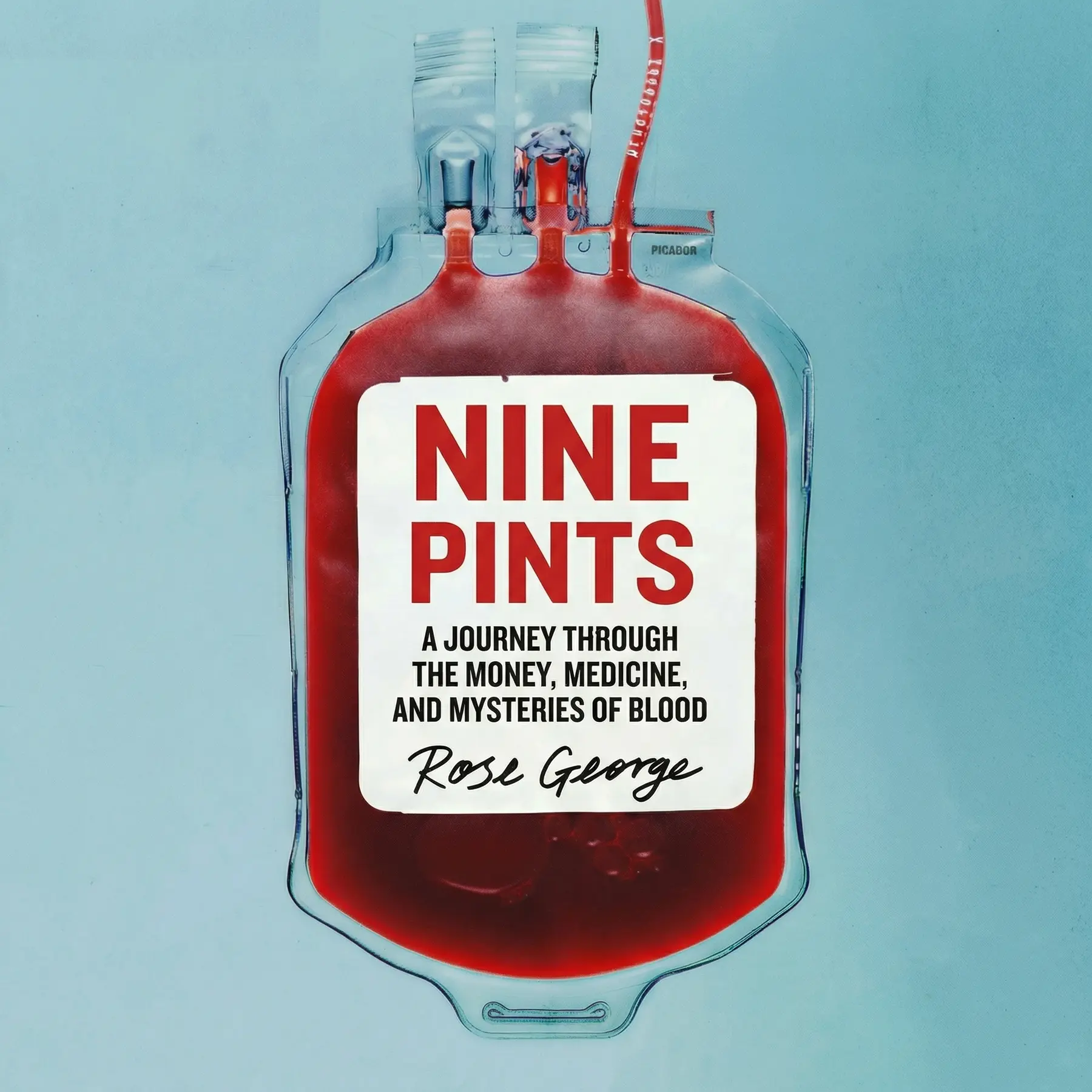
Nine Pints: A Journey Through the Money, Medicine, and Mysteries of Blood
By Rose George
Explore the complex world of blood, from its biological functions and medical history to the modern industries and cultural taboos that surround this essential life force flowing through every human.
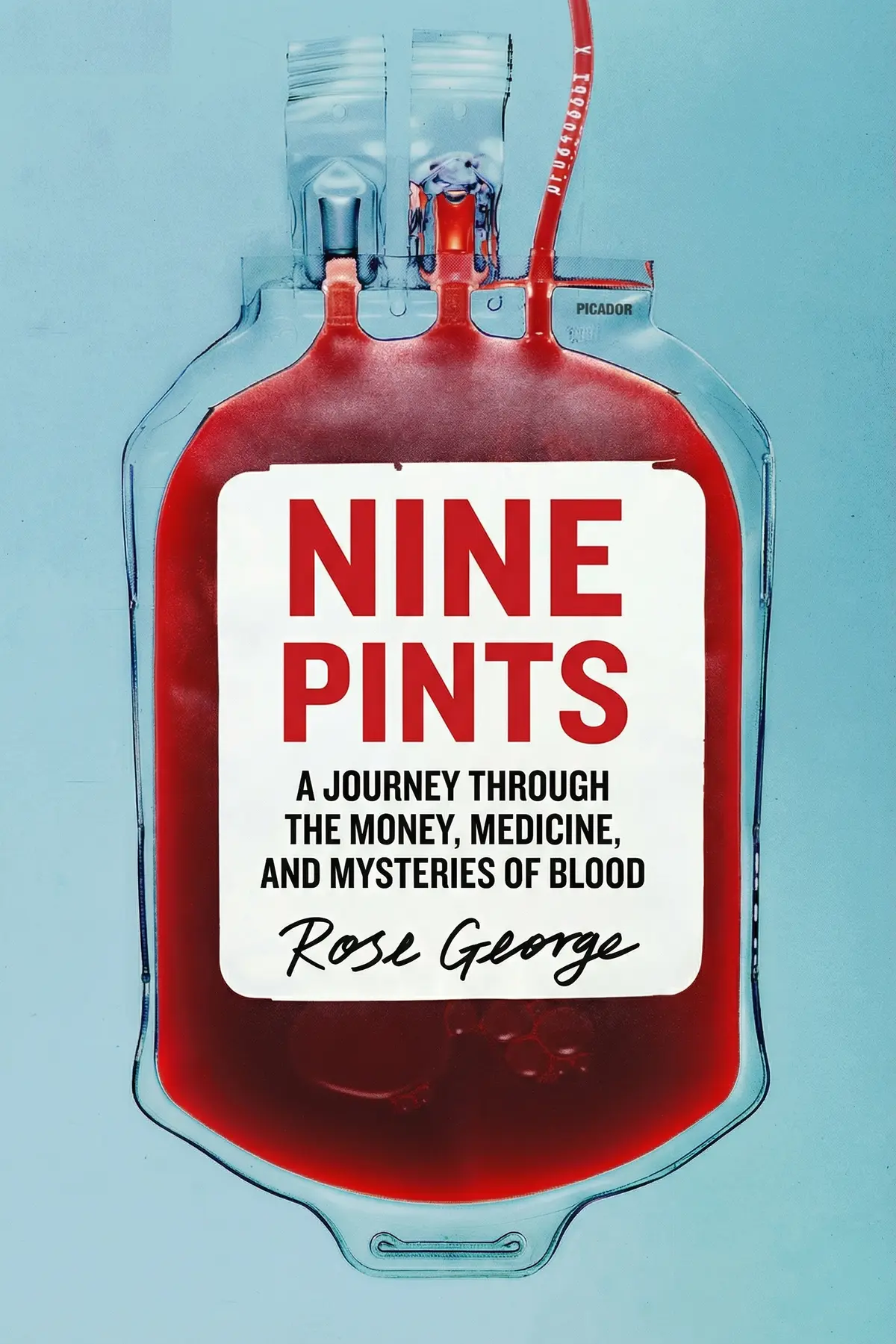
Table of Content
1. Introduction
1 min 52 sec
Every second of every day, a silent river flows through you. It navigates a vast network of vessels, reaching every corner of your physical being. We are talking about blood—the nine to eleven pints of crimson liquid that the average adult carries. It is the ultimate life-sustainer, acting as a courier for oxygen, a shield against infection, and a repair kit for our injuries. Yet, despite its presence in every heartbeat, most of us rarely give it a second thought until we see it outside our bodies.
In this exploration of Nine Pints, we are going to look closer at this remarkable substance. We will move past the basic understanding of blood as just something we bleed and instead view it as a complex biological compound with a history as rich and messy as humanity itself. We will see how blood has shaped our world, from the battlefields that necessitated the first blood banks to the high-tech laboratories that harvest its most valuable components today.
Through this journey, we will uncover the science behind blood types and why the wrong transfusion can be fatal. We will meet the unexpected heroes of medical history, like the woman who revolutionized blood donation under the shadow of World War II, and even the tiny, slimy creatures that modern surgeons still rely on to save limbs. We will also confront the darker side of blood: the global trade in plasma that targets the vulnerable, and the ancient taboos that continue to marginalize people based on a natural biological cycle. By the end of this journey, you will see that blood is not just a biological necessity; it is a mirror reflecting our medicine, our money, and our most deeply held mysteries. Let’s begin by opening up the biological toolkit that makes blood so indispensable.
2. The Biological Architecture of Blood
2 min 52 sec
Discover the intricate specialized cells and chemical signals that allow blood to act as the body’s primary transportation and defense system.
3. The Enduring Power of the Leech
2 min 14 sec
Explore why an ancient and often-reviled creature remains one of the most effective tools in modern reconstructive surgery.
4. A Legacy of War and Donation
2 min 19 sec
Trace the origins of the modern blood bank back to the urgent demands of wartime and the vision of a pioneering female scientist.
5. The Global Business of Plasma
2 min 22 sec
Uncover the multi-billion-dollar industry behind ‘liquid gold’ and the ethical challenges of paying donors for their blood components.
6. Breaking the Silence on Menstruation
2 min 20 sec
Investigate the biological ‘conflict hypothesis’ and the cultural taboos that continue to marginalize people during their menstrual cycles.
7. The War Within the Cells
2 min 29 sec
Examine how HIV hijacks the immune system’s ‘air traffic controllers’ and how medical breakthroughs turned a crisis into a manageable condition.
8. The Golden Hour and the Future of Transfusion
2 min 30 sec
Delve into the high-stakes world of trauma medicine and the debate over whether modern blood separation techniques are always better than ‘whole blood.’
9. Conclusion
1 min 40 sec
As we close our exploration of Nine Pints, it is clear that blood is far more than just a biological necessity. It is a complex substance that touches every aspect of human life, from our deepest evolutionary history to the most advanced frontiers of modern medicine. We have seen how it functions as a microscopic ecosystem, where trillions of cells work in perfect harmony to keep us breathing, healing, and thriving. We have also seen how this life force has been the subject of both reverence and revulsion throughout history.
From the surprising survival of the leech in modern operating rooms to the visionary work of Janet Vaughan in creating the first blood banks, the story of blood is a story of human ingenuity. But it is also a story that demands our attention and our ethical consideration. The global trade in plasma reminds us that our medical advancements often come at a cost to the most vulnerable among us, and the persistent stigmas surrounding menstruation show that we still have a long way to go in reconciling our culture with our biology.
The most important takeaway is a newfound respect for the ‘river of life’ within you. Blood is a reminder of our shared humanity; regardless of our backgrounds, the same nine to eleven pints sustain us all. By understanding its mysteries, we are better equipped to advocate for ethical medical practices, support the systems that provide safe blood for all, and break down the ancient taboos that still cause harm. The next time you feel your pulse or see a drop of red, remember the incredible journey that fluid is taking—and the vital role it plays in the story of us all.
About this book
What is this book about?
Nine Pints takes listeners on a deep dive into the nine to eleven pints of blood that sustain human life. It moves beyond simple biology to examine the intricate systems that transport oxygen, fight disease, and heal wounds. The book explores the fascinating history of blood, from the archaic practice of leeching to the revolutionary creation of the world’s first blood banks during wartime. Beyond medicine, the narrative investigates the multi-billion-dollar global industry of plasma and the ethical dilemmas it creates. It also addresses the persistent societal stigmas surrounding menstruation and the scientific mysteries of why it occurs. By blending science, history, and social commentary, the book promises to transform how we perceive the crimson fluid that defines our existence and connects our shared humanity.
Book Information
About the Author
Rose George
Rose George is a distinguished British author and journalist. Her reporting has been featured in major publications such as The Guardian and The New York Times. George is known for her deep-dive investigations into often-overlooked global systems, as seen in her previous works Ninety Percent of Everything, which explores the shipping industry, and The Big Necessity, an inquiry into sanitation and human waste.
Ratings & Reviews
Ratings at a glance
What people think
Listeners find the book intriguing and packed with information, with one listener highlighting its look into intricate societal problems. The prose and storytelling framework draw varied responses, while the pacing is faulted for being disjointed. The work is lauded for its empathetic tone, with one listener mentioning its appreciation for the power of blood.
Top reviews
Air
Wow. Rose George takes a substance we all carry but rarely think about and turns it into a global odyssey that is as heart-wrenching as it is informative. I was particularly moved by the sections on 'sex for pads' in developing nations; it’s a sobering look at how a biological necessity can become a tool of oppression. The book isn't just about cells and plasma; it’s about the human stories that animate every drop. From the history of blood banking to the modern-day use of leeches in surgery, the research is impeccable. To be fair, it’s a heavy read that demands your full attention, but the payoff is a much deeper appreciation for the power of blood. George writes with a compassionate lens that makes even the most clinical data feel personal. It’s a fascinating, sprawling journey that I won't forget anytime soon.
Show moreEmma
Ever wonder why blood is considered the 13th-most-traded commodity in the world? This book answers that and so much more, diving deep into the staggering $20 billion global trade. I found the chapter on South Africa’s HIV crisis to be incredibly poignant, as it highlighted the complex societal issues that intersect with medicine. Some might find the shift from leeches to trauma surgery a bit jarring, but I loved the breadth of topics covered. Rose George has a knack for finding the strange, visceral details that make science feel alive. Personally, I think the author’s droll British wit adds a necessary layer of levity to what could have been a very grim subject. It is a masterful piece of investigative journalism. If you enjoy learning about the hidden systems that keep our world running, this is an absolute must-read.
Show moreArm
Picked this up because I’m a fan of Mary Roach, and while George has a more serious, academic tone, the depth here is staggering. The book functions almost like nine separate essays, each tackling a different facet of hematology and culture. I was fascinated to learn about Janet Vaughan’s role in creating the British blood banking system during the war. It’s true that the pacing can feel a bit uneven, especially when moving between the history of vampires and the gritty reality of menstrual taboos in India. Not gonna lie, some of the technical descriptions of hemophilia treatments were a bit dense for a casual reader. However, the author’s journalistic tenacity shines through in every chapter. She doesn't just report the facts; she travels the world to find the people behind the statistics. It’s a very solid four-star read for any science lover.
Show morePisit
As someone who works in the medical field, I found the historical deep-dive into the evolution of blood storage and trauma medicine absolutely riveting. George does an excellent job of explaining how wartime innovations paved the way for modern transfusions. The chapter on leeches was a weirdly delightful highlight, showing how ancient practices still have a place in modern hospitals. Look, the book does wander into some tangents that feel a little disconnected from the core theme, but the information is so unique that I didn't mind much. I especially appreciated the inclusion of the extensive bibliography for further reading. Some readers might struggle with the disjointed structure, yet the individual stories are powerful enough to stand on their own. It’s an educational and eye-opening experience that makes you realize how much we take our own 'nine pints' for granted.
Show moreWipada
To be fair, this isn't your typical light-hearted pop-science book. It’s a dense, fact-heavy exploration that ranges from the economics of plasma clinics in Canada to the tragic isolation of menstruating women in Nepal. Rose George is a great reporter who isn't afraid to get her hands dirty—quite literally, in the case of the chapter on sanitary pads. I appreciated the way she wove her own experience with PMDD into the narrative, giving the science a much-needed human anchor. The writing is sharp, though the British cultural references might be a bit of a hurdle for some international readers. It’s a book that makes your blood boil in some parts and fills you with hope in others. While the transition between topics can be clunky, the sheer amount of 'did-you-know' facts makes it worth the effort.
Show moreSue
After hearing so much about the Theranos scandal recently, I wanted a broader look at the science and mystery of blood. This book delivered exactly that, though it took a much more global and historical approach than I expected. The facts are mind-blowing: did you know Nazi doctors refused life-saving transfusions if the blood wasn't 'Aryan'? It’s these kinds of details that kept me turning the pages despite the sometimes-dry prose. The author’s voice is distinct—very intelligent and slightly detached, which works well for the more gruesome medical descriptions. My only real gripe is that the chapter on leeches felt a little overlong compared to other more pressing topics. Still, it’s an impressive achievement that covers an incredible amount of ground. It’s a thoughtful, compassionate book that really explores the 'medicine and mysteries' promised by the title.
Show moreSeksan
The chapter on leeches was definitely a highlight, but the rest of the book felt a bit like a collection of long-form articles that didn't quite mesh together. I struggled with the structure; it felt less like a cohesive journey and more like nine separate books squashed into one volume. Some chapters, like the one on menstruation taboos, were deeply moving and felt essential. Others, like the deep dive into British blood banking history, felt a bit too niche and dragged on. Frankly, the writing style is a bit droll and can be difficult to get through if you aren't already obsessed with the subject. There is a lot of valuable information here, but the delivery is quite uneven. It’s educational, sure, but I found myself skimming through the more technical sections to get back to the human stories.
Show moreRatchada
Look, I appreciated the amount of research that went into this, but the pacing was all over the place. One minute you're learning about the fascinating history of bloodletting, and the next you're bogged down in statistics about South African healthcare policy. I think Rose George is a talented writer, but this book lacked the wit and narrative flow of someone like Mary Roach. The 'nine pints' conceit is clever, but the execution felt a bit disjointed and repetitive at times. I did find the sections on the global blood trade to be eye-opening, though the tone shifted too abruptly between clinical and emotional. In my experience, it’s the kind of book that’s better read in small chunks rather than all at once. It’s an okay read, just don't expect a fast-paced page-turner.
Show moreTan
Not what I expected based on the glowing endorsements on the cover. I found the book to be a collection of mostly useless facts that never really came together to make a larger point. The author’s tendency to veer off on long tangents about social issues—while important—often left the actual science of blood behind for chapters at a time. It felt like the book was trying to be too many things at once and ended up being a bit of a mess. I also found the 'droll' British commentary more annoying than charming. If you're looking for a focused medical history, this probably isn't the book for you. It’s very dense and, quite honestly, a bit boring in many sections. I had high hopes, but I ended up putting it down halfway through.
Show moreMatteo
Frankly, the author’s writing style made this a real struggle to finish. The narrative structure is incredibly disjointed, with chapters that feel like they were included just to pad the page count. I was interested in the 'money and medicine' of blood, but I didn't need an entire chapter on the history of leeches or personal rants about American border officials. It felt like the author couldn't decide if she wanted to write a science textbook or a travelogue. To be fair, there are some interesting tidbits scattered throughout, but you have to wade through a lot of dry, academic prose to find them. I wouldn't recommend this if you're looking for a engaging, cohesive read. There are better books out there on the subject that don't feel so fragmented and aimless.
Show moreReaders also enjoyed
A Life Decoded: My Genome: My Life
J. Craig Venter
A Planet of Viruses
Carl Zimmer
A Short History of Nearly Everything
Bill Bryson
A Thousand Brains: A New Theory of Intelligence
Jeff Hawkins
AUDIO SUMMARY AVAILABLE
Listen to Nine Pints in 15 minutes
Get the key ideas from Nine Pints by Rose George, plus 5,000+ more titles in English and Thai.
- 5,000+ titles
- Listen as much as you want
- 7-day free trial
- Cancel anytime







