
16 min 02 sec
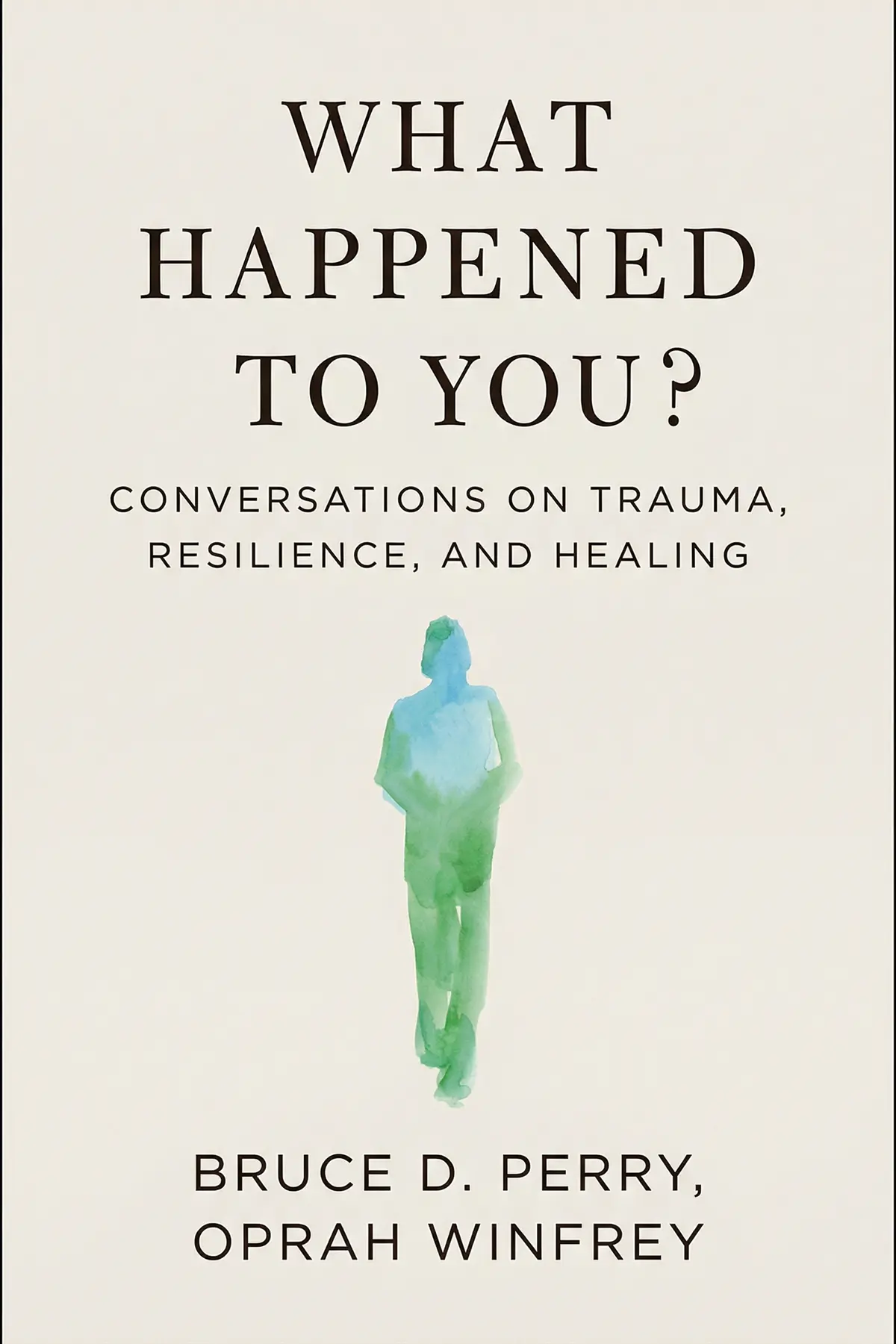
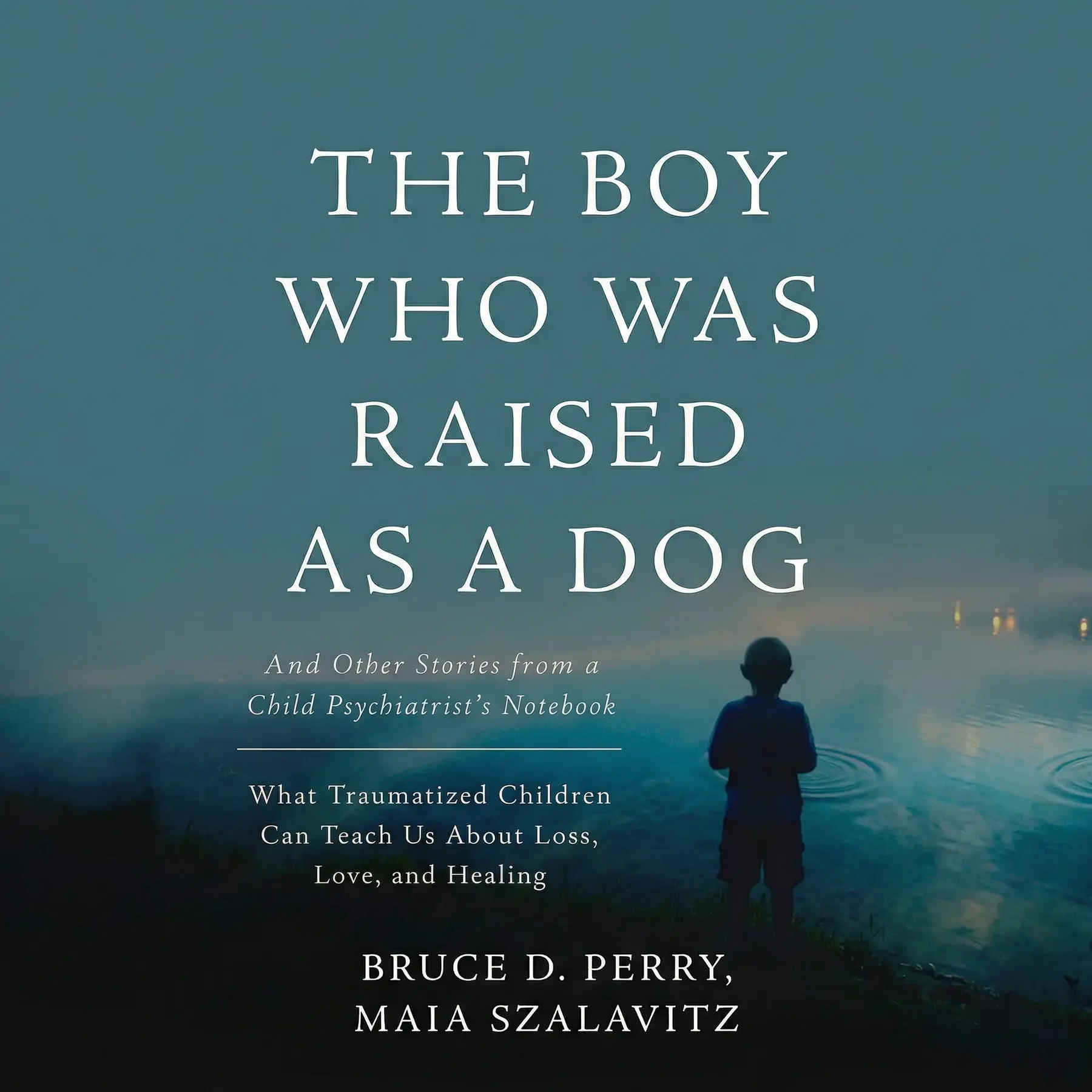
The Boy Who Was Raised as a Dog: And Other Stories from a Child Psychiatrist's Notebook – What Traumatized Children Can Teach Us About Loss, Love, and Healing
Explore the profound impact of childhood trauma on the developing brain and discover the innovative therapeutic approaches that help children recover from neglect and abuse through the power of human connection.
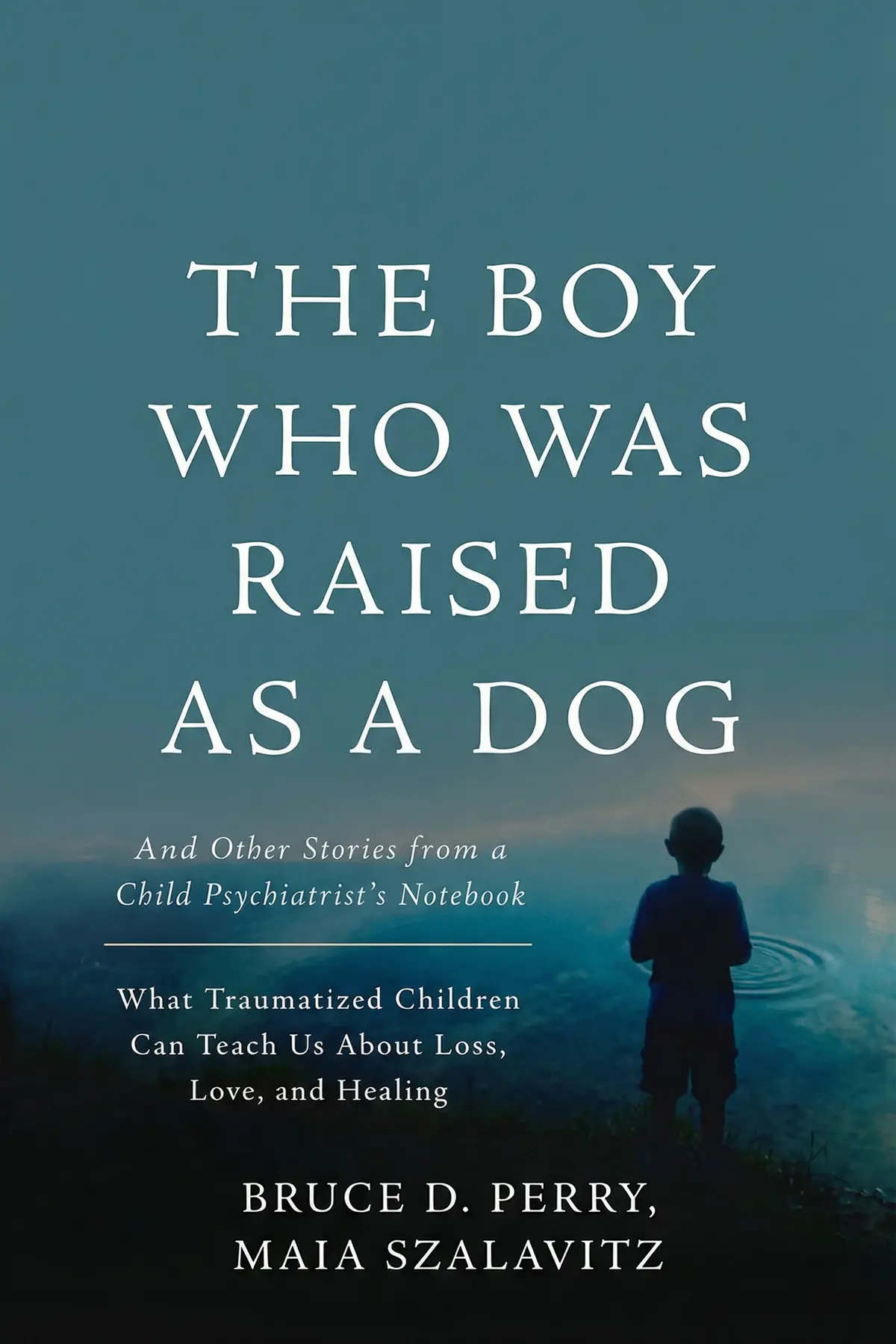
Table of Content
1. Introduction
1 min 27 sec
For a long time, the prevailing wisdom in psychology was that children were essentially made of rubber. The thinking went that because their minds were still developing, they were naturally insulated from the lasting effects of trauma. If a child experienced something horrific, the common advice was to simply move on, believing the child would forget or naturally bounce back as they grew older.
However, the work of Dr. Bruce Perry and his colleagues flipped this assumption on its head. Through years of clinical practice and neurological research, they discovered that the opposite is often true: the younger a person is when they experience trauma, the more profound and lasting the impact can be. This is because a child’s brain is in a state of rapid construction, and trauma acts like a faulty foundation that can compromise the entire structure.
In this summary, we are going to walk through several high-profile and deeply moving cases that helped redefine our understanding of childhood development. We will explore how the brain reacts to extreme stress, why neglect can be just as damaging as active abuse, and how the sequence of brain development dictates how we must approach healing. This is not just a collection of tragic stories; it is a testament to human resilience and a guide to how we can use the science of the brain to foster recovery through empathy, rhythm, and consistent care. As we move through these accounts, we will see that while the scars of the past are real, they do not have to define a child’s entire future.
2. Reclaiming Power Through Therapeutic Play
2 min 40 sec
Discover how a young survivor of extreme violence used controlled reenactment to rewire her brain’s fear response and begin the journey toward safety.
3. The Biological Necessity of Emotional Connection
2 min 40 sec
Neglect can be as physically damaging as direct trauma, as seen in the story of a young girl whose lack of affection led to a failure to grow.
4. The Critical Windows of Empathy Development
2 min 26 sec
Explore why the timing of neglect is so crucial and how a lack of early bonding can lead to a devastating lack of conscience in later life.
5. Healing the Brain in the Order It Grows
2 min 23 sec
Learn about the neurosequential approach, a method that repairs trauma by focusing on the brain’s foundational layers before addressing higher-level functions.
6. The Power of Narrative and the Danger of Labels
2 min 33 sec
A startling case of medical deception reminds us why it is vital to listen to the child’s perspective rather than relying solely on adult accounts.
7. Conclusion
1 min 53 sec
As we reflect on the stories of Sandy, Laura, Leon, Justin, and James, a clear throughline emerges: the human brain is both incredibly vulnerable and remarkably adaptable. The trauma these children faced was profound, ranging from witnessing horrific violence to enduring the quiet devastation of neglect. Yet, their stories show that the brain is not a static organ; it is a dynamic system that responds to the environment it is given.
The most important takeaway is the power of the ‘neurosequential’ approach. We cannot expect a child to thrive socially or academically if their foundational needs for safety and rhythm have not been met. Healing is not a one-size-fits-all process; it must be tailored to the specific developmental stage where the trauma occurred. This requires patience, consistency, and above all, a commitment to understanding the biology behind the behavior.
But perhaps the most vital lesson is that humans are the ‘biological medicine’ for each other. While sophisticated therapeutic techniques are valuable, the most consistent factor in a child’s recovery is the presence of stable, loving, and predictable relationships. Whether it was ‘Mama P’ helping Laura grow or the foster family who gave James a new life, the presence of a caring adult is what allows a traumatized brain to begin the work of rewiring itself.
As we move forward, let us remember that every child’s behavior is a form of communication. Instead of asking ‘What is wrong with this child?’ we must ask ‘What happened to this child?’ By shifting our perspective from one of judgment to one of curiosity and empathy, we can provide the support necessary for even the most wounded children to find their way back to a path of health and happiness. Recovery is possible, and it begins with the simple, human act of truly seeing and hearing the child in front of us.
About this book
What is this book about?
This exploration into the world of child psychiatry challenges the long-held belief that children are naturally resilient to trauma. By examining a series of case studies from the career of Dr. Bruce Perry, it reveals how early experiences—both positive and negative—physically shape the architecture of the human brain. The narrative moves beyond just identifying the damage caused by abuse and neglect. It offers a hopeful roadmap for recovery, introducing the neurosequential model of therapeutics. This approach prioritizes healing the brain in the same order it develops, starting with basic safety and rhythm before moving to complex emotional and social skills. Ultimately, the book promises a deeper understanding of human nature and the restorative power of empathy.
Book Information
About the Author
Bruce D. Perry
Dr. Bruce D. Perry is a prominent child psychiatrist, neuroscientist, and Senior Fellow of the ChildTrauma Academy. He is a leading expert on the effects of trauma on the brain and co-authored What Happened to You? with Oprah Winfrey. Maia Szalavitz is an acclaimed neuroscience and addiction journalist and author of Unbroken Brain, known for her research-driven insights into recovery and the human mind.
Ratings & Reviews
Ratings at a glance
What people think
Listeners describe this work as accessible and absorbing, highlighting its wealth of information and the educational role it plays in explaining why children act the way they do. It delivers new perspectives on the essential role of relationships in healing childhood trauma, alongside a comprehensive look at neurological and cognitive progression. The prose is highly regarded, and one listener pointed out the effective way the writer blends scientific data with real-world clinical accounts.
Top reviews
Thanit
This book is a masterclass in combining complex neuroscience with deeply human narratives. It completely shifted my perspective on how early trauma physically re-wires a child's brain, moving beyond mere behavior into the realm of biological development. While some might find Dr. Perry's tone a bit self-assured, the results he achieves by simply prioritizing human connection over sterile clinical distance are hard to argue with. The case of the Russian orphans who created their own language was particularly haunting and beautiful. Frankly, the subject matter is heavy, but the writing is so accessible that you'll find yourself flying through chapters that should, by all rights, be too painful to finish. It’s an essential read for anyone who works with children or simply wants to understand the profound impact of love on our neurological architecture.
Show moreSurasit
The chapter on the girl who witnessed her mother’s murder and then tried to care for her was one of the most difficult things I’ve ever read. Yet, Dr. Perry handles these tragedies with a level of compassion that is truly rare in medical literature. He doesn't just look at these kids as 'broken' patients; he sees the biological logic behind their most baffling behaviors. I loved how he emphasized that therapy isn't just about a 50-minute session once a week, but about the thousands of small, rhythmic interactions that build a sense of security. The way he explains the development of the brain from the bottom up—starting with the brainstem and moving to the cortex—makes so much sense for anyone trying to understand developmental trauma. Truth is, this should be required reading for every parent, teacher, and social worker out there. It’s life-changing and provides a roadmap for healing that is both scientifically grounded and deeply soulful.
Show moreSawit
As someone who has always been curious about the intersection of biology and psychology, I found this book to be an absolute goldmine. Dr. Perry is clearly an expert who has spent years in the trenches, and his ability to translate complex neurobiology into 'down-to-earth' language is impressive. He tackles everything from the impact of neglect in Russian orphanages to the chilling reality of teen psychopaths with a consistent focus on the power of community. The central thesis—that relationships are the primary agents of change—resonated deeply with me. It’s not just about 'loving' a child, but about providing the specific types of sensory input and stability their developing brain missed out on. A truly fascinating and humane look at the potential for recovery after the unthinkable.
Show moreGung
Finally got around to reading this, and I can honestly say it’s one of the most impactful books on my shelf. The way Perry describes the 'therapy triage' during the Waco siege was riveting; it felt like a psychological thriller but with real-world stakes. He effectively demonstrates that biology isn't a fixed script, but a dynamic system that responds to the environment. The book is incredibly easy to read given the heavy topics. It’s moving, informative, and ultimately highlights the resilience of the human spirit when anchored by love.
Show moreEleni
Bruce Perry has a remarkable gift for weaving clinical facts with deeply personal client stories. This isn't just a book about what went wrong; it's a blueprint for how we can help children heal. I was particularly struck by the concept of 'mirror neurons' and how our own emotional state as caregivers can directly influence a child's recovery. The story of the boy in the title is heartbreaking, but the progress he made through simple foster care and structured support is a testament to the brain's plasticity. Some might find his anecdotes a bit self-congratulatory, but when you're doing work this important, I think a little pride is earned. Personally, I walked away feeling much more equipped to understand the 'why' behind challenging behaviors in kids.
Show moreAdam
After hearing so many people rave about this book, I had high expectations, and it didn't disappoint. It’s rare to find a psychiatrist who is so willing to think 'outside the box' and challenge the traditional, often sterile, methods of his field. Perry’s insistence on the importance of touch, rhythm, and basic human affection—things a 'skilled mother' would know, as one critic put it—is exactly why he's so successful. He validates common sense through hard science. The book is a perfect mixture of tone and pacing, never feeling too academic or too sensationalist. It offers a full perspective on how trauma shatters connections and how those connections are the only things that can put a life back together. Riveting from start to finish.
Show moreMoon
Wow. I was not prepared for the emotional journey this book took me on. It is a thorough, interdisciplinary look at childhood trauma that somehow remains hopeful despite the grim subject matter. Whether he's discussing a toddler witnessing a murder or children raised in cages, Perry maintains a sense of dignity for his subjects. He makes a compelling case that our current systems of care are often too cold and clinical to actually foster healing. Not gonna lie, I cried a few times, especially reading about the importance of those first few years of development. It’s a miracle we are as functional as we are. This book made me hyperaware of how we treat the most vulnerable among us. A profound, necessary read.
Show moreBook
Picked this up after a colleague recommended it for our trauma-informed care workshop. The book does a fantastic job of weaving scientific facts about the brain's malleability with these gripping, often heart-wrenching stories. I particularly appreciated the section on the Waco cult children; it provided such a nuanced look at how group dynamics and 'evil' cultures can be unlearned through consistent, safe relationships. Look, there are moments where Perry seems to position himself as the only person who 'gets it,' which can feel a bit like a savior complex. However, the core message—that healing is impossible without lasting, caring connections—is something our society desperately needs to hear. It’s a very informative read that manages to be educational without getting bogged down in jargon.
Show moreOlivia
Ever wonder why some children seem 'unreachable' despite the best efforts of social services? This book provides the missing piece of the puzzle: the brain. Perry shows how trauma isn't just a memory; it's a physical state of being. I found the writing style very engaging and easy to digest, though some of the stories felt a little bit like 'trauma porn' for the sake of entertainment. Despite that minor gripe, the educational value is immense. The discussion on how we should treat people who self-medicate with drugs or self-harm—viewing it as an attempt at self-regulation rather than just 'bad' behavior—was eye-opening. It offers a much more empathetic lens through which to view human suffering. Definitely worth the read for the insights into cognitive growth alone.
Show moreSuvannee
Not what I expected, to be fair. While the case studies, especially the title story about the boy raised as a dog, are undeniably fascinating, the author’s tone frequently rubbed me the wrong way. There's a certain 'white guy in jeans' condescension here, as if he’s the first person to ever discover that children need safety and affection to thrive. He often frames himself as the lone hero in a sea of incompetent professionals, which feels a bit hyperbolic. That said, the actual science regarding hyperarousal and the brain’s response to unpredictable stress is solid and well-explained for a lay audience. It’s a decent introductory text if you can look past the ego, but I found myself wishing for a more humble, less 'titillated' approach to such sensitive material.
Show moreReaders also enjoyed
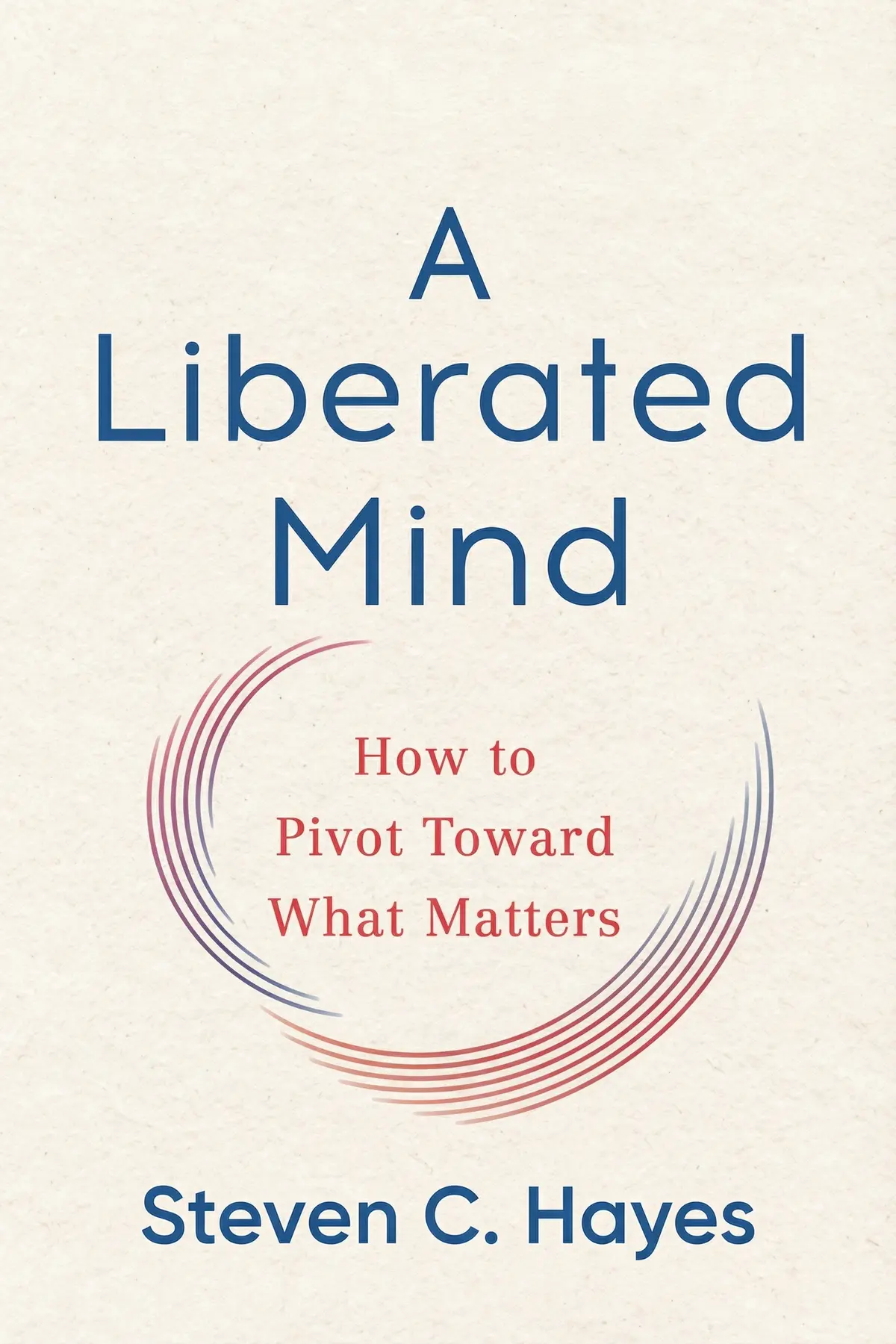
A Liberated Mind: How to Pivot Toward What Matters
Steven C. Hayes

ADHD an A-Z: Figuring It Out Step by Step
Leanne Maskell
AUDIO SUMMARY AVAILABLE
Listen to The Boy Who Was Raised as a Dog in 15 minutes
Get the key ideas from The Boy Who Was Raised as a Dog by Bruce D. Perry, plus 5,000+ more titles in English and Thai.
- 5,000+ titles
- Listen as much as you want
- 7-day free trial
- Cancel anytime







