Build the Life You Want: The Art and Science of Getting Happier
Arthur C. Brooks
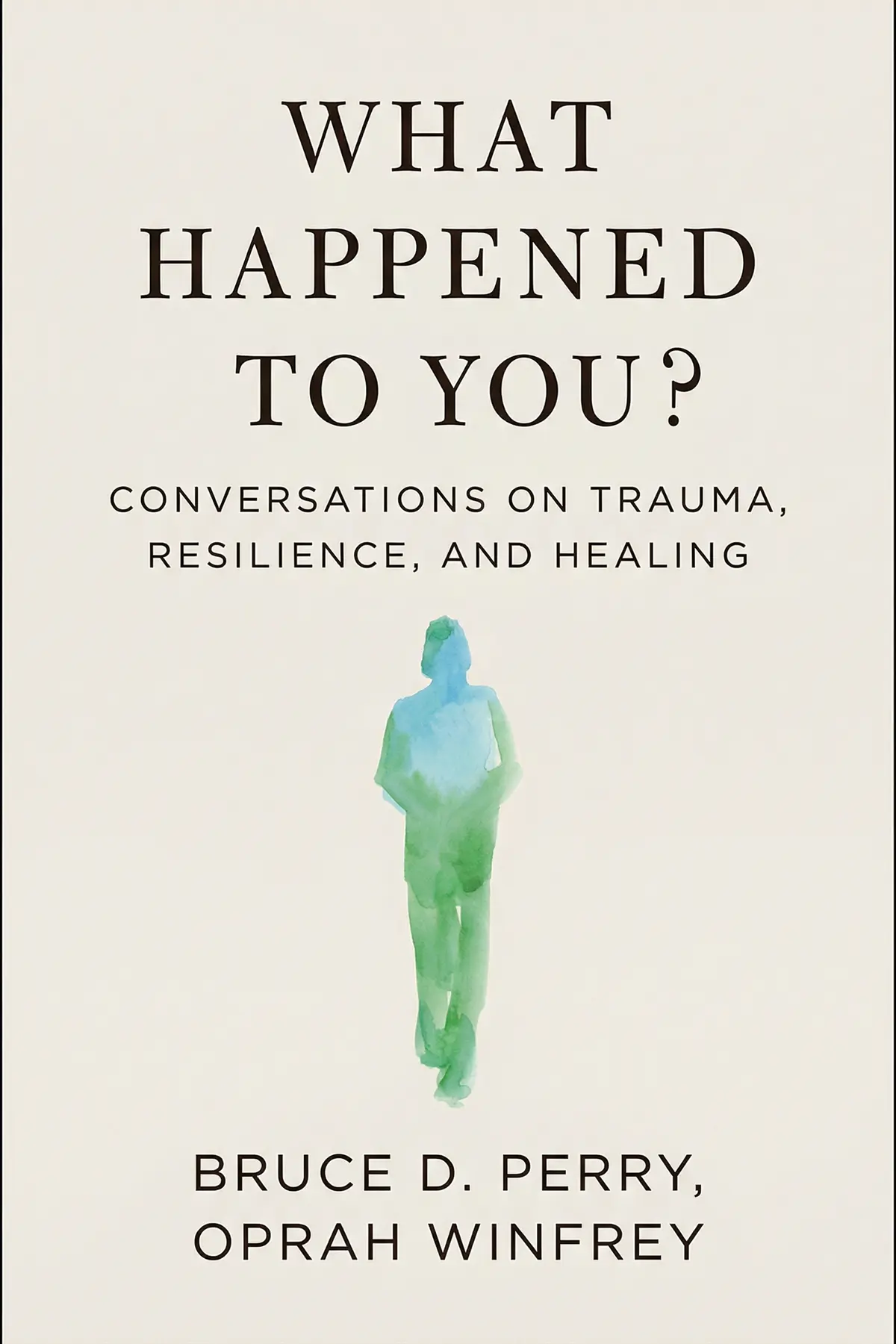
An exploration of how childhood trauma shapes brain development and adult behavior. Dr. Bruce Perry and Oprah Winfrey provide a framework for healing through understanding the biological roots of our emotional responses.
1 min 59 sec
Have you ever found yourself reacting to a minor inconvenience with an explosion of anger that felt totally out of proportion? Or perhaps you’ve noticed a pattern of behavior—like reaching for comfort food or a glass of wine whenever things get tough—that you just can’t seem to break, no matter how much willpower you exert. Often, we look at these moments and ask ourselves, “What is wrong with me?” But this inquiry is fundamentally flawed. Instead of looking for a defect in our character, we should be looking at the history written into our biology.
The central premise of this exploration, brought to us through the collaborative insights of legendary host Oprah Winfrey and neuroscientist Dr. Bruce Perry, is that we need to change the question. We must move away from self-judgment and toward an understanding of our own stories. We need to ask: What happened to you?
Trauma is a word we often associate with massive, singular catastrophes, but it is frequently much more subtle and invisible. It lives in the way we interpret the world, the way we handle stress, and even the way our physical brains were built during our most formative years. Oprah Winfrey, who survived a childhood marked by neglect and physical abuse, knows this journey intimately. She discovered that her tendency toward people-pleasing and her struggles with weight were not personal failings; they were survival mechanisms.
In the following discussion, we are going to dive deep into the mechanics of the human brain. We will see how early childhood experiences create a personal codebook that we carry for the rest of our lives. We will explore why logic often fails us in moments of high stress and how rhythm, relationship, and community are the true keys to regulation and recovery. By the end of this journey, you’ll have a clearer understanding of why your brain works the way it does and how to move toward a future of resilience and healing. This is about more than just surviving the past; it is about reclaiming the narrative of your life.
2 min 42 sec
Early experiences are etched into the brain’s architecture long before we have the words to describe them, creating a hidden blueprint for our adult lives.
2 min 32 sec
Information enters the brain from the bottom up, meaning our survival instincts always get a head start over our rational thoughts.
2 min 39 sec
Effective healing requires learning to recognize when our internal systems are out of sync and finding healthy ways to restore equilibrium.
2 min 40 sec
The most basic way to calm a distressed brain is through the restorative power of repetitive, rhythmic activity.
2 min 36 sec
Our brains are social organs, and the presence of healthy, supportive relationships is the single greatest predictor of our ability to overcome adversity.
2 min 34 sec
Resilience isn’t something we are born with; it is built by successfully navigating manageable amounts of stress in a safe environment.
2 min 24 sec
The impact of the past extends beyond the individual, as cultural and familial trauma can be passed down through both social learning and biological markers.
2 min 36 sec
Though trauma leaves lasting scars, it can also lead to a deep well of empathy and insight that allows survivors to help others on their own paths to healing.
1 min 57 sec
As we wrap up this exploration of our internal landscapes, the most important takeaway is the power of perspective. We’ve seen how our earliest days—the sounds we heard, the safety we felt or lacked, and the rhythms we lived by—created the very architecture of our minds. We’ve learned that our most frustrating habits and our most intense emotional reactions aren’t defects; they are the biological echoes of our history. They are the survival strategies of a brain that was doing its best to protect us in a world that, at times, felt unpredictable or dangerous.
Dr. Perry and Oprah Winfrey have shown us that while the brain is malleable and sensitive to trauma, it is also incredibly capable of healing. This healing doesn’t come from a place of judgment or a demand for more willpower. It comes from the steady, rhythmic application of self-care, the courage to build deep and meaningful connections with others, and the patience to regulate our nervous systems one breath at a time. It requires us to look at ourselves and others with a new sense of curiosity and grace.
Moving forward, try to carry the question “What happened to you?” as a tool in your daily life. When you feel yourself starting to spiral, or when you encounter someone whose behavior is difficult to understand, pause. Remember the four-story building of the brain. Remember that the survival system always gets a head start. By offering a calm presence and seeking the story behind the behavior, you contribute to a more trauma-informed world.
You are the architect of your future, even if you didn’t choose the foundation of your past. By understanding the “why” behind your “what,” you can begin to navigate your life with more intention and less shame. The road to resilience isn’t about forgetting what happened; it’s about integrating those experiences into a life of purpose and post-traumatic wisdom. You have the capacity to heal, to grow, and to help others do the same.
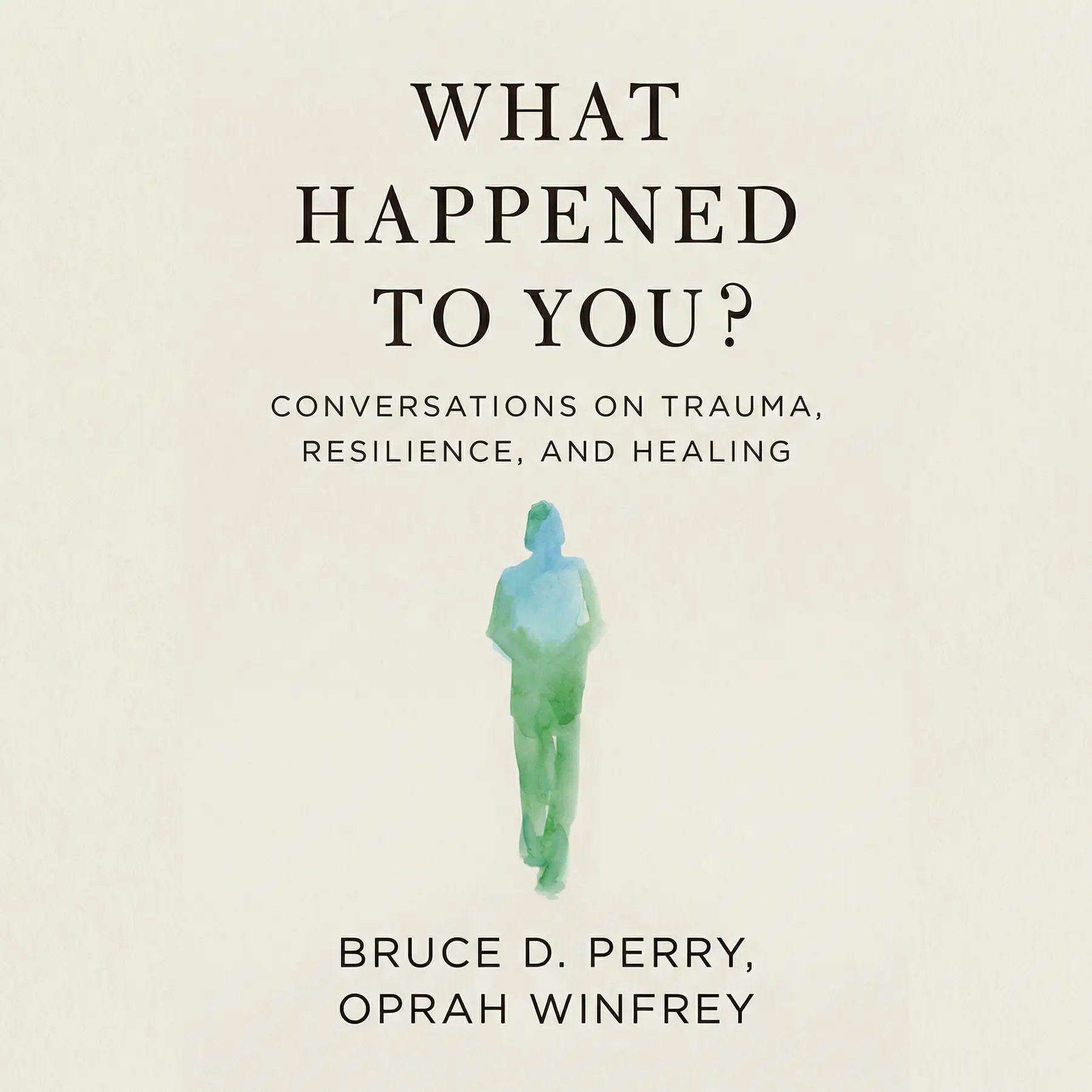
This book shifts the conversation from asking what is wrong with a person to asking what happened to them. By blending personal narrative with cutting-edge neuroscience, it explains why we react the way we do to stress and how our earliest environments dictate our long-term health. Readers will discover the biological mechanics of trauma, the importance of rhythm and regulation in healing, and the power of human connection. The book offers a hopeful path toward resilience, transforming painful pasts into sources of post-traumatic wisdom and emotional strength.
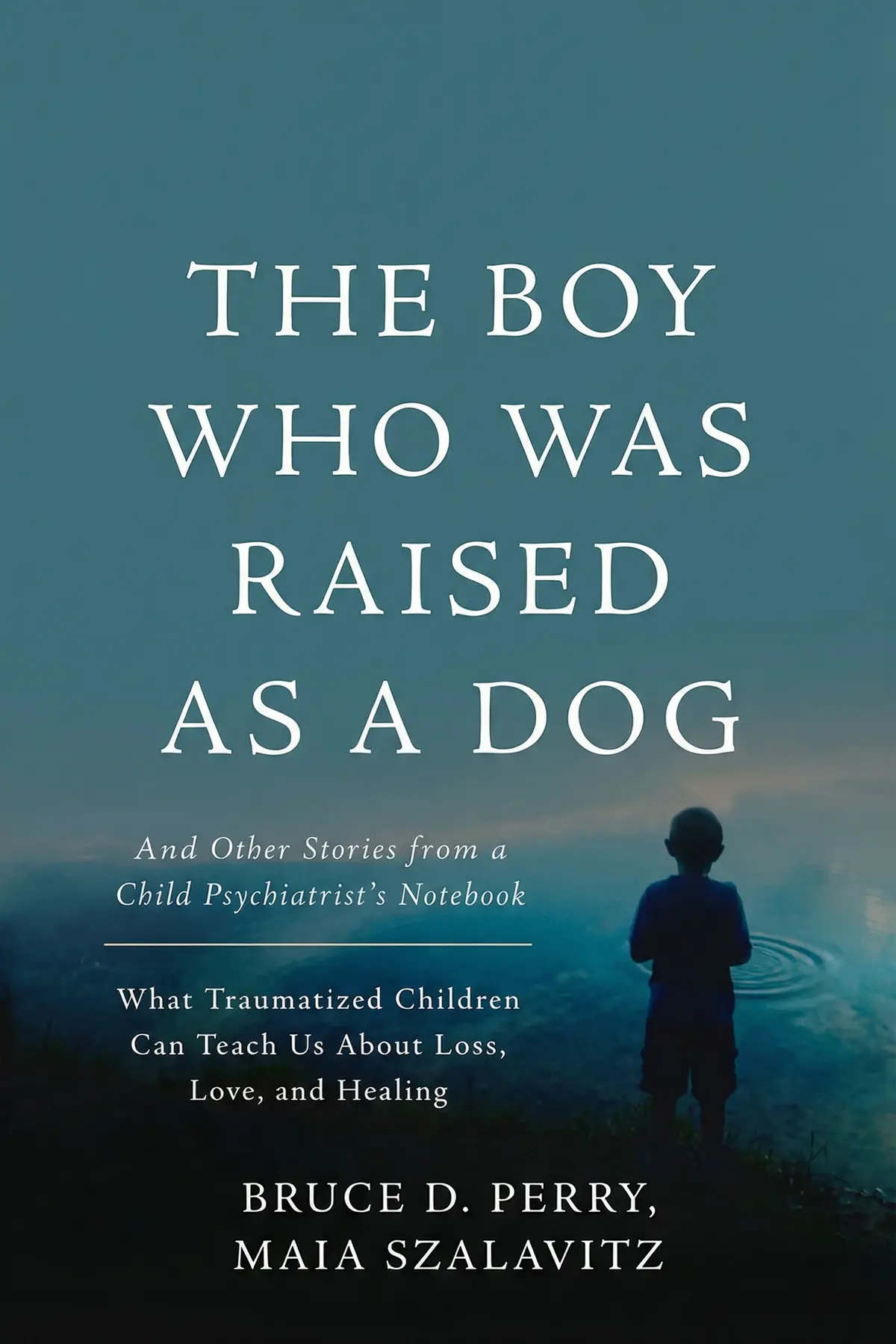
Dr. Bruce D. Perry is a prominent neuroscientist and child psychiatrist who serves as the principal of the Neurosequential Network and a senior fellow of the Child Trauma Academy. He has authored several acclaimed books, including The Boy Who Was Raised as a Dog and Born For Love. Oprah Winfrey is a world-renowned host, producer, and philanthropist who has spent decades advocating for trauma survivors and raising awareness about the impact of abuse and neglect.
Listeners describe the work as both thought-provoking and captivating, offering useful insights into the roots of human behavior. The approachable, dialogue-driven prose ensures the content is easy to follow, while the moving individual narratives foster a deeper sense of compassion. It offers a clearer perspective on the impact of trauma, with one listener highlighting how the material assisted in their own personal recovery. Though listeners enjoy the back-and-forth structure, they mention that the light blue text against white pages making it difficult to read.
Ever wonder why you react the way you do during high-stress moments, even when you know better? This book finally bridges the gap between our confusing behaviors and the physiological reality of our pasts. Dr. Perry and Oprah Winfrey create a space where complex neurobiology feels accessible, shifting the focus from 'what is wrong with you' to the much more compassionate 'what happened to you.' The conversational format makes it feel like you are sitting in on a private masterclass. I found the sections on how the brain builds its 'wiring' particularly enlightening, especially the metaphor of a house with faulty plumbing behind beautiful walls. It isn't just about childhood trauma in the extreme sense; it is about how every experience leaves a fingerprint on our nervous system. This is a life-changing perspective for anyone seeking to understand their own patterns or those of the people they love.
Show moreListening to the audiobook felt like sitting in on a deep, late-night conversation between two experts who truly care about the human condition. Oprah’s vulnerability regarding her own history provides the perfect emotional anchor for Dr. Perry’s scientific explanations. They tackle the 'vibration of love' and the importance of rhythm in a way that feels both revolutionary and common sense. Frankly, it is one of those rare books that makes you want to stop every five minutes to reflect on your own upbringing. The focus on how continuous trauma weakens our thinking pathways while strengthening survival ones explains so much about human reactivity. I appreciated that they didn't just dump data on the reader but instead used compelling, heart-wrenching stories to illustrate the science. It’s a beautiful, empathetic guide to understanding the invisible wounds we all carry.
Show morePicked this up during a difficult period and it offered a level of grace I didn't know I needed. We spend so much of our lives judging ourselves for our 'weird' quirks or emotional outbursts, never realizing they are just survival mechanisms our brains developed long ago. The truth is, we are social creatures who need community to survive, and this book hammers that home beautifully. I loved the emphasis on 'found family' and the idea that healing happens through relationships. Dr. Perry’s empathy is palpable on every page, and he never comes across as a cold academic. The stories shared are often heartbreaking, but they serve a purpose in showing that no matter how shattered a person’s foundation might be, there is always a path toward reconstruction. It’s an essential read for parents, teachers, and honestly, every human being.
Show moreWow. Just wow. This book completely changed how I look at my own childhood and the ways I've been parenting my own kids. It’s not just about the big, 'capital T' traumas like abuse; it’s about the lack of connection and the 'small' things that shape us. The way they explain the survival brain versus the thinking brain makes so much sense of why we flip our lids when we’re overwhelmed. I found myself highlighting so many passages about how the brain stores memories in a way that bypasses logic. Oprah’s honesty about her own journey makes the science feel real and lived-in. This isn't just a book; it's a tool for building a more empathetic society. If everyone read this, the world would be a much kinder, more understanding place. Truly a must-read for anyone who wants to heal or help others heal.
Show moreAfter finishing the last chapter, I felt like I could finally breathe a little easier regarding my own past. For years I’ve asked myself why I’m such a people-pleaser or why I’m so easily startled, and now I have the biological answers. This book provides a roadmap for self-compassion. The stories are heart-wrenching but necessary to show the resilience of the human spirit. I loved the focus on the fact that our chances of healing are significantly better when we have a loving support system. It’s a call to action for all of us to be that support system for one another. The writing is accessible, the tone is warm, and the information is genuinely life-altering. Whether you’re dealing with your own trauma or just want to understand human behavior better, this is an absolute treasure. I'll be recommending this to everyone I know.
Show moreAs a social worker, I found the core message of neuroplasticity and healing through connection incredibly validating. The book does a fantastic job of explaining that the brain is malleable and that it is never too late to start the journey toward wholeness. However, I have to agree with some other reviewers about the physical layout of the hardcover edition; the light blue text against the white pages is a bit of a strain on the eyes. It is a strange design choice for a book that is otherwise so inclusive. Content-wise, the balance between Oprah’s anecdotes and Dr. Perry’s clinical insights is well-managed, though a few sections felt slightly repetitive toward the end. Still, the reframing of trauma as a biological response rather than a character flaw is a vital tool for anyone in the mental health space.
Show moreFrankly, the physical experience of reading this was tough because of the light blue font, but the content kept me hooked. I’ve read several books on trauma before, yet the way Dr. Perry explains the hierarchy of the brain—from the brainstem to the cortex—was the clearest explanation I’ve encountered. It helped me realize why 'talk therapy' sometimes fails when someone is in a state of dysregulation. You have to regulate before you can reason. Oprah adds a lot of heart, though at times her interjections felt a little interruptive when I wanted to dive deeper into the science. I also felt the book was a bit light on actionable steps for adults who are already deep in the healing process. It functions more as an eye-opening 'why' than a step-by-step 'how-to' manual, but it’s definitely worth the read for the perspective shift alone.
Show moreThe chapter on the importance of rhythm and 'dosing' stress was worth the price of the book alone. I never realized how small, repetitive acts of regulation could fundamentally alter a person's stress response over time. To be fair, I did find some of the generalizations regarding family structures a bit outdated, and I wish there was more nuance regarding single parents who are thriving. Occasionally it felt like the book was cherry-picking extreme cases to prove a point, which can lead to a bit of confirmation bias. However, the overarching theme of empathy over judgment is so powerful that I can overlook the minor flaws. It’s an engaging, enlightening read that manages to make 'brain talk' feel like a casual chat. It helped me look at the difficult people in my life with a lot more compassion and a lot less frustration.
Show moreTo be fair, I was skeptical about a celebrity-driven psychology book, but Dr. Perry’s expertise is the real deal. He doesn't just talk at you; he guides you through the anatomy of the brain with such gentleness. I did feel like some of the survivor stories were a bit sensationalized, and I struggled with how one particular case involving a child in a coma was handled—it felt a bit ethically gray to me. That said, the central message is incredibly important. The book helps you realize that your past isn't a life sentence. It’s a blueprint that can be understood and, with enough support and time, modified. I gave it four stars because the conversational style is great for accessibility, but it occasionally sacrifices the technical depth I was looking for. It’s a solid starting point for a lifelong journey.
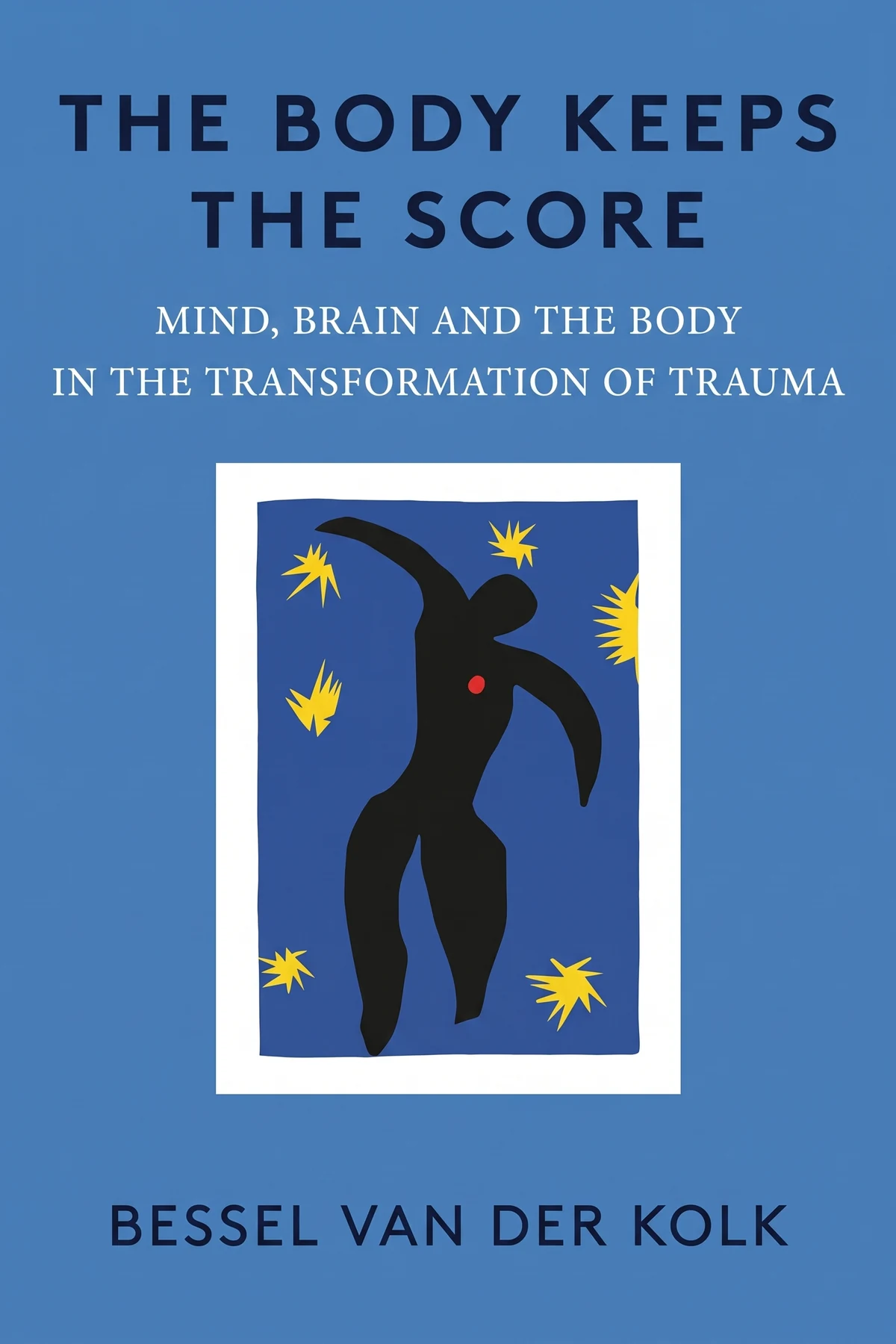
Show moreNot what I expected given all the massive praise on social media. While I appreciate any book that brings mental health into the mainstream, this felt more like a long-form interview or a transcript of a podcast than a cohesive book. The back-and-forth between Oprah and Dr. Perry often felt scattered, and I found myself wanting more depth on the 'how to heal' aspect for adults. Much of the focus is on child development, which is great if you’re a parent, but as someone looking for personal recovery tools, it felt a bit lacking. Also, the repetition of the 'what happened to you' phrase became a bit much after the fifth chapter. It’s a decent introductory text for those who are new to the concept of trauma, but if you’ve already read things like 'The Body Keeps the Score,' you might find this a bit too basic and surface-level.
Show more
Steven C. Hayes
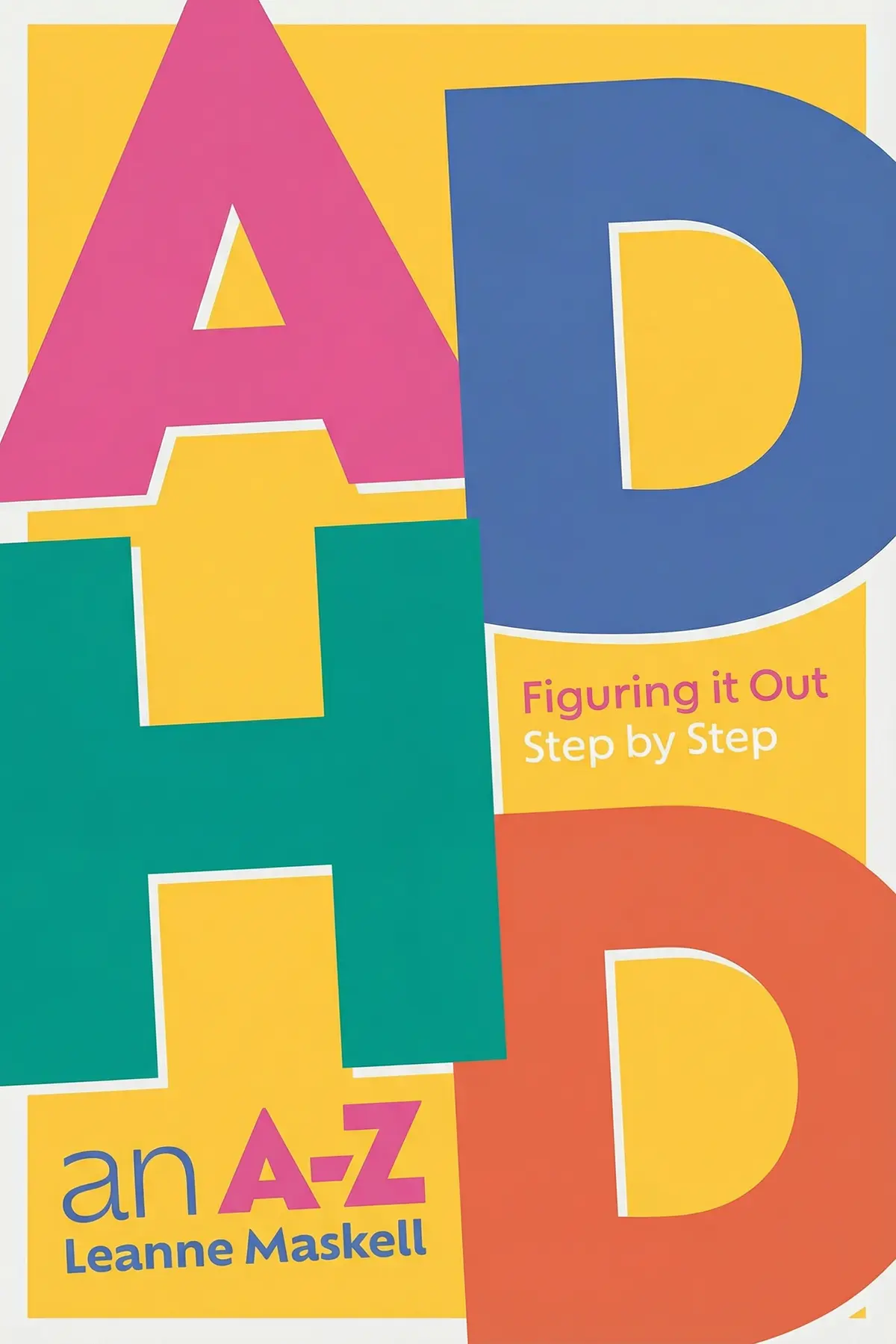
Leanne Maskell
AUDIO SUMMARY AVAILABLE
Get the key ideas from What Happened to You? by Bruce D. Perry, plus 5,000+ more titles in English and Thai.