
7 Powers: The Foundations of Business Strategy
Hamilton Helmer
Discover how prioritizing employee well-being, dignity, and fair pay isn't just an ethical choice—it’s a powerful driver of business profitability and operational excellence in today's competitive landscape.
49 sec
In the modern corporate world, there is a persistent belief that a company must choose between its profits and its people. This mindset treats labor as an expense to be trimmed, leading to a race to the bottom where wages are low, schedules are erratic, and employees feel like replaceable cogs in a machine. But what if this approach is actually bad for business?
Zeynep Ton argues that the low-road strategy of squeezing workers is a self-inflicted wound for companies. Instead, she advocates for a human-centric operational model. By looking at the connection between how we treat staff and the quality of the service they provide, we can see a new path forward. This summary explores why the traditional way of thinking about wages is broken and how the most successful companies are the ones that treat a good job as a strategic necessity rather than a luxury.
1 min 16 sec
Most companies believe they pay fairly because they match market rates. But what happens when those rates aren’t enough for survival? We look at a surprising wake-up call at a major tech firm.
1 min 09 sec
Elevating a workforce requires more than just a pay raise. It involves a total redesign of how work is managed. Learn why operational excellence and worker stability are two sides of the same coin.
1 min 14 sec
Is treating employees well a luxury for the wealthy? On the contrary, it may be the smartest financial move a company can make. Discover the direct link between worker satisfaction and the bottom line.
40 sec
The path to a more humane and successful business world requires a fundamental shift in how we value labor. The old way of viewing employees as an expensive problem to be solved is outdated and inefficient. As we have seen, true operational excellence is only possible when workers are treated with dignity, paid a living wage, and given the stability they need to thrive. By moving toward a good jobs system, companies can unlock the full potential of their workforce, leading to happier customers and healthier profits. It’s a daring proposition, but it’s one that promises a more prosperous future for everyone involved.
Traditionally, businesses view labor as a cost to be minimized. This perspective often leads to a cycle of high turnover, poor customer service, and stagnant growth. In this summary, we explore a different path. Zeynep Ton presents evidence that when companies invest deeply in their workers through better pay and improved operations, they don't just help their employees; they boost their own bottom line. The promise is a Good Jobs Strategy where financial success and human dignity go hand-in-hand. We look at real-world examples, like PayPal, to see how a company can pivot from standard market-based wages to a model that ensures financial wellness for every member of the team. This is a roadmap for any leader who wants to build a resilient, high-performing organization by putting people first.
Zeynep Ton is a renowned expert in the field of operations management. Through her extensive research, she has investigated the relationship between employee investment and the creation of corporate value. Her work is centered on the belief that providing high-quality jobs is essential for achieving both peak productivity and high levels of customer satisfaction.
Listeners find the text impactful, with one listener depicting it as a hands-on manual for putting a good jobs system into practice. The book also earns praise for its advantages regarding output, as one listener observes results in sustainable profit-growth. Finally, listeners value its accessible writing style, and one listener identifies it as a must-read for leadership in any sector.
Zeynep Ton makes an ironclad case for why underpaying staff is a strategic failure rather than a cost-saving measure. This book functions as a practical guide for implementing a system that actually works for everyone involved. By focusing on productivity benefits and sustainable profit growth, she moves the conversation away from mere altruism toward cold, hard business logic. I was particularly impressed by the deep dive into the 'virtuous cycle' where raising pay and expectations leads to better customer service and lower turnover. It’s a must-read for managers in any sector because it challenges the 'vicious cycle' of firefighting and understaffing that plagues modern retail. Truth is, most execs think they are saving money by cutting labor, but Ton proves they are just leaving money on the table. The writing is punchy and accessible, making it easy to digest even for a busy professional.
Show moreWow, this was a refreshing departure from the typical corporate-speak you usually find in the business section. Ton surprised the hell out of me by arguing that employee autonomy and better wages actually drive higher margins. It’s a counterintuitive take for many, but the research she presents regarding the NUMMI experience and call centers is incredibly persuasive. Personally, I think the most valuable part was the discussion on 'operating with slack.' Most companies are so lean they break at the slightest pressure, but Ton shows how having extra capacity allows for better customer service. This book isn't just about being nice; it’s about being smart. The readability is excellent, and the logic is easy to follow. If you are a leader who feels stuck in a loop of high turnover and low morale, pick this up immediately.
Show moreThe transition from a 'firefighting loop' to a virtuous cycle is the core challenge of modern business, and Ton explains it brilliantly. I found her focus on 'standardize and empower' to be the most helpful takeaway. It sounds like a contradiction, but she shows how standard processes actually give workers the freedom to solve problems for customers. The book is highly readable and moves at a fast pace. I’ve already recommended it to several colleagues who are struggling with labor supply issues. The truth is, the current way of doing things—low pay, high turnover, constant chaos—is just too expensive in the long run. Ton provides a way out that benefits the bottom line and the human beings doing the work. This is easily one of the most impactful business books I’ve read in years.
Show moreThis book functions as a blueprint for leaders who want to move beyond the 'vicious cycle' of low-wage labor. Zeynep Ton presents a very powerful case for why paying more can actually result in lower costs and higher productivity. I particularly liked the section on why companies are afraid to bet on people, specifically how our accounting systems are rigged against human capital. It’s a very economically aware book that doesn't shy away from the complexities of the U.S. labor market. The case studies are diverse, ranging from convenience stores to Quest Diagnostics, proving that these strategies are broadly applicable. Even if you don't agree with every single conclusion, the questions she raises about customer value and employee dignity are essential. If you want sustainable growth, you have to read this.
Show moreFinally got around to reading this after seeing it on several 'best of' lists, and it lived up to most of the hype. Ton does a phenomenal job explaining why employers need to stop looking at industry standards when setting wages. Instead, they should look at the high cost of turnover and the 'trust loop' that occurs when employees are empowered. The case studies involving Quest Diagnostics and various grocery chains were particularly enlightening for me. I’ll admit, she sometimes drifts into the 'it’s the right thing to do' moral argument, which can weaken the purely economic case she builds so well. However, the actionable advice on how to match labor supply with demand is gold. It’s not rocket science, but it’s the kind of old-school management wisdom that has been lost in the era of hyper-optimized cost-cutting.
Show moreAs someone who has worked in retail management for a decade, this book hit close to home. Managers are often completely unaware of how mediocre their systems are because they are too busy putting out fires. Ton identifies this 'firefighting loop' perfectly. She argues that providing good jobs isn't just about the paycheck; it’s about dignity and the ability to do one’s job well. My only quibble is that the book can be a bit repetitive regarding the 'vicious cycle' mechanics. Still, the transition to the 'virtuous cycle' through raising expectations and improving schedules is laid out clearly. It is refreshing to see an academic who isn't just kissing the butts of C-suite executives but actually fighting for the frontline workers. This is an essential read for anyone looking to build a more resilient and profitable organization.
Show moreAfter hearing so much about the 'Good Jobs Strategy' on the FT summer reading list, I had high expectations. Ton delivers a solid argument for why the 'corporate disability' of being unable to hire or train well is a choice, not a destiny. The book focuses heavily on the service industry, but I found the lessons applicable to white-collar environments too. You truly get what you pay for. The way she breaks down why investors and boards are often the biggest hurdles to these changes was eye-opening. Frankly, it’s a bit depressing how many companies are afraid to bet on people simply because they can’t quantify the benefit in a spreadsheet. While the writing is a bit conversational for my taste, the message is vital. It’s a call to action for a more humanistic and social form of management.
Show moreEver wonder why service at some stores is consistently terrible while others thrive? This book provides the answer. It’s not just about the people; it’s about the system they are forced to work within. Ton’s approach toward salary discussion is unusual because she ties it directly to the peace of mind and dignity of the worker. I loved the emphasis on centering the journey around the customer to clarify value propositions. Not gonna lie, I was skeptical at first that this would just be another 'be kind' manifesto, but the economic awareness is sharp. She handles the implementation risks honestly. While it might not offer a magic wand for your margins overnight, the ideas on motivating cash flow through employee value are solid. It’s a great piece of non-fiction for anyone tired of the status quo.
Show moreThe premise here is certainly noble and supported by existing research, but I struggled with the lack of new, independent data provided by the author. At times, the book reads more like a casual conversation or a long-form advertisement for Ton’s consulting practice rather than a rigorous academic work. It felt like a solid blog post that was stretched and stretched until it reached book length. While I agree with the core idea that focusing and simplifying operations helps employee engagement, the evidence presented often felt anecdotal rather than comprehensive. For instance, citing a tiny sample size of clients to support massive industry shifts didn't quite pass muster for me. That said, the four pillars—focus, standardize, cross-train, and operate with slack—are useful frameworks for any business leader. It’s worth a skim, but don't expect a deep scientific breakthrough.
Show moreLook, I appreciate what the author is trying to do here, but the fatal flaw is one common to many business books: picking a conclusion and then hunting for anecdotes to support it. Ton concludes that retailers stocking fewer products increases engagement, then finds two retailers who do it and calls it proof. This is not academic-level research that stands up to scrutiny. To be fair, the 'four pillars' are decent common-sense advice, but I found the book lacked a real blueprint for implementation. It’s full of surface-level platitudes when what we really need is a granular guide to navigating the accounting systems that disfavor good jobs. It felt like a collection of success stories without enough variable isolation to prove her points. It’s an okay read for a flight, but don't expect a rigorous manual for change.
Show moreHamilton Helmer
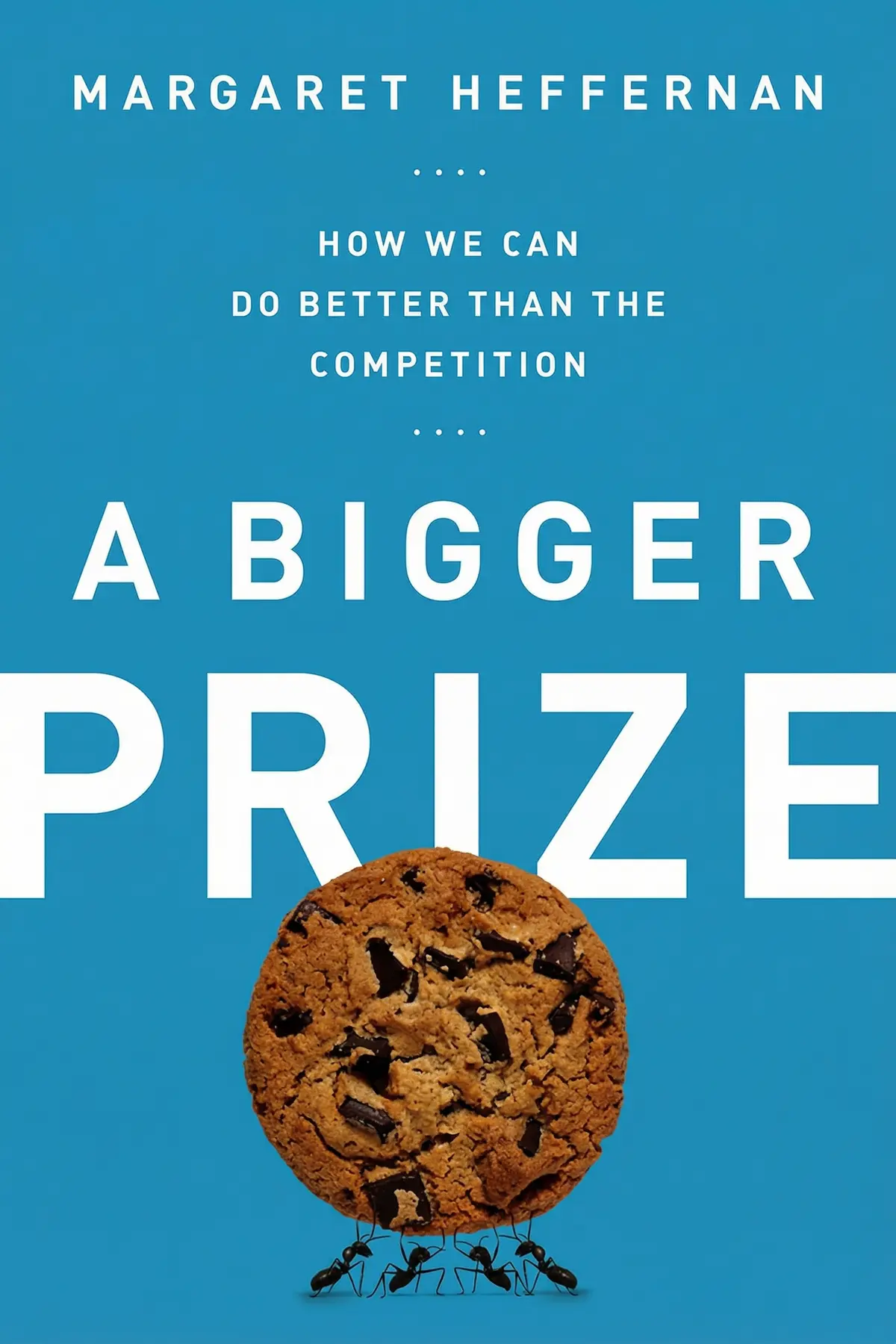
Margaret Heffernan
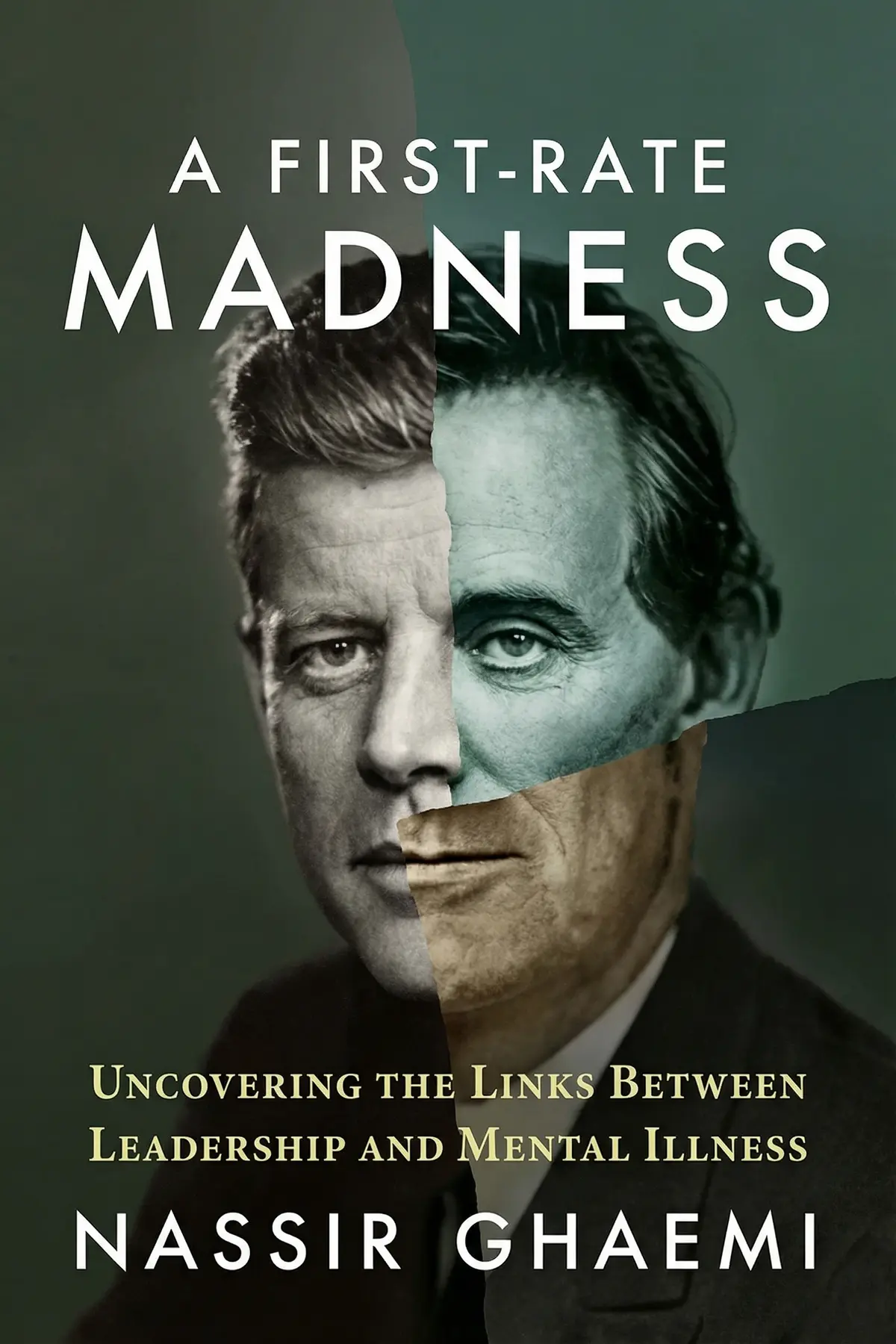
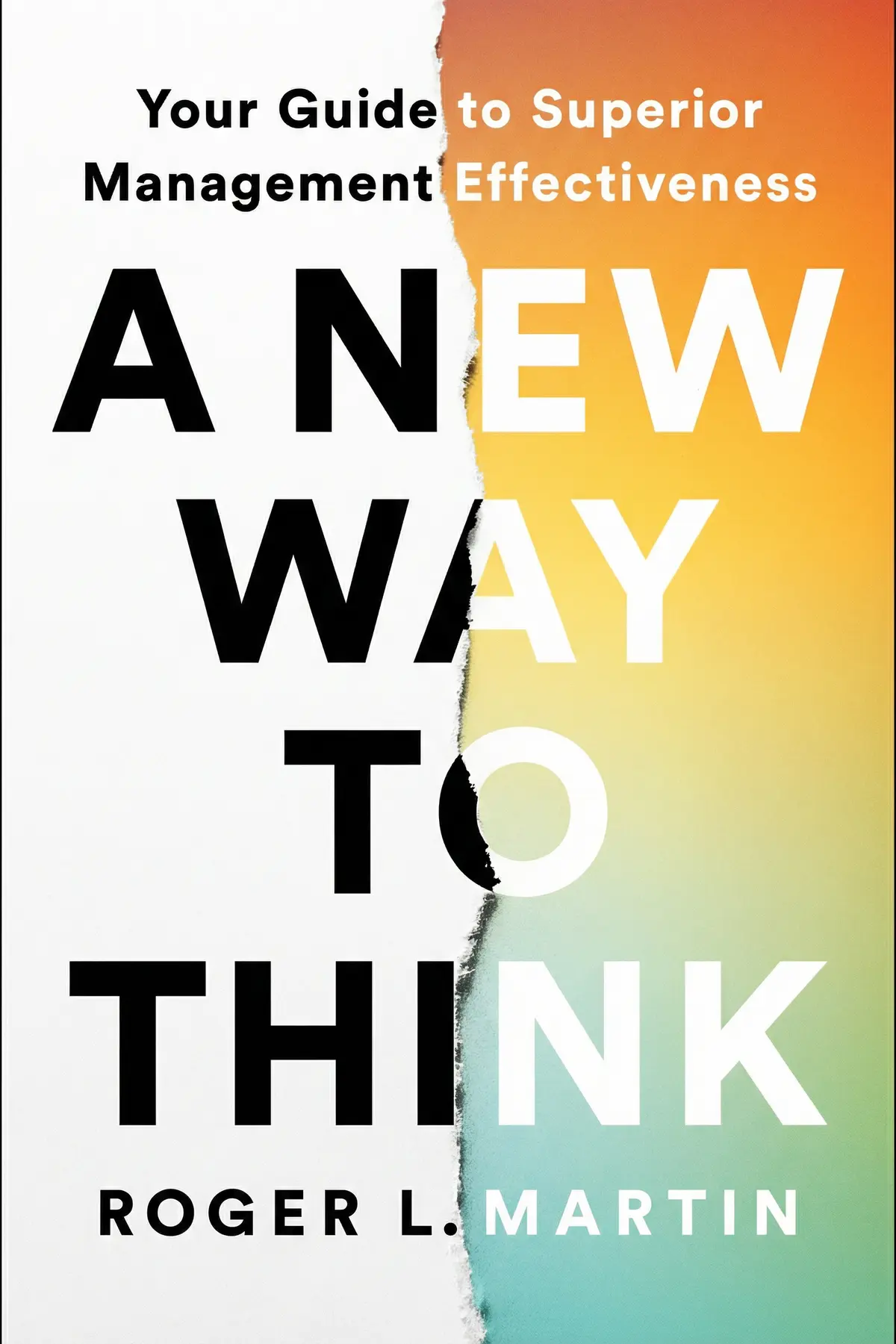
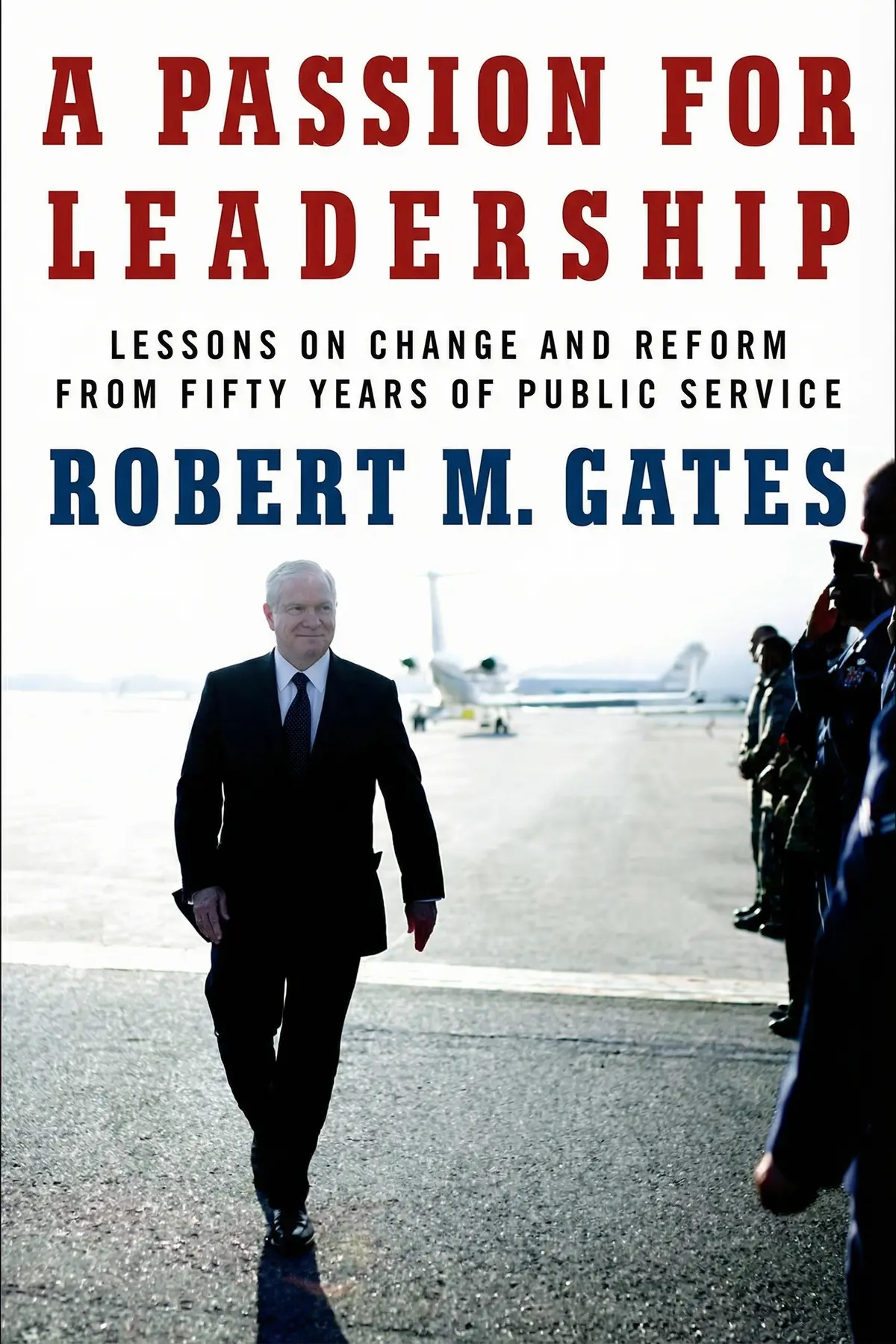
Joseph A. Maciariello
AUDIO SUMMARY AVAILABLE
Get the key ideas from The Case for Good Jobs by Zeynep Ton, plus 5,000+ more titles in English and Thai.







