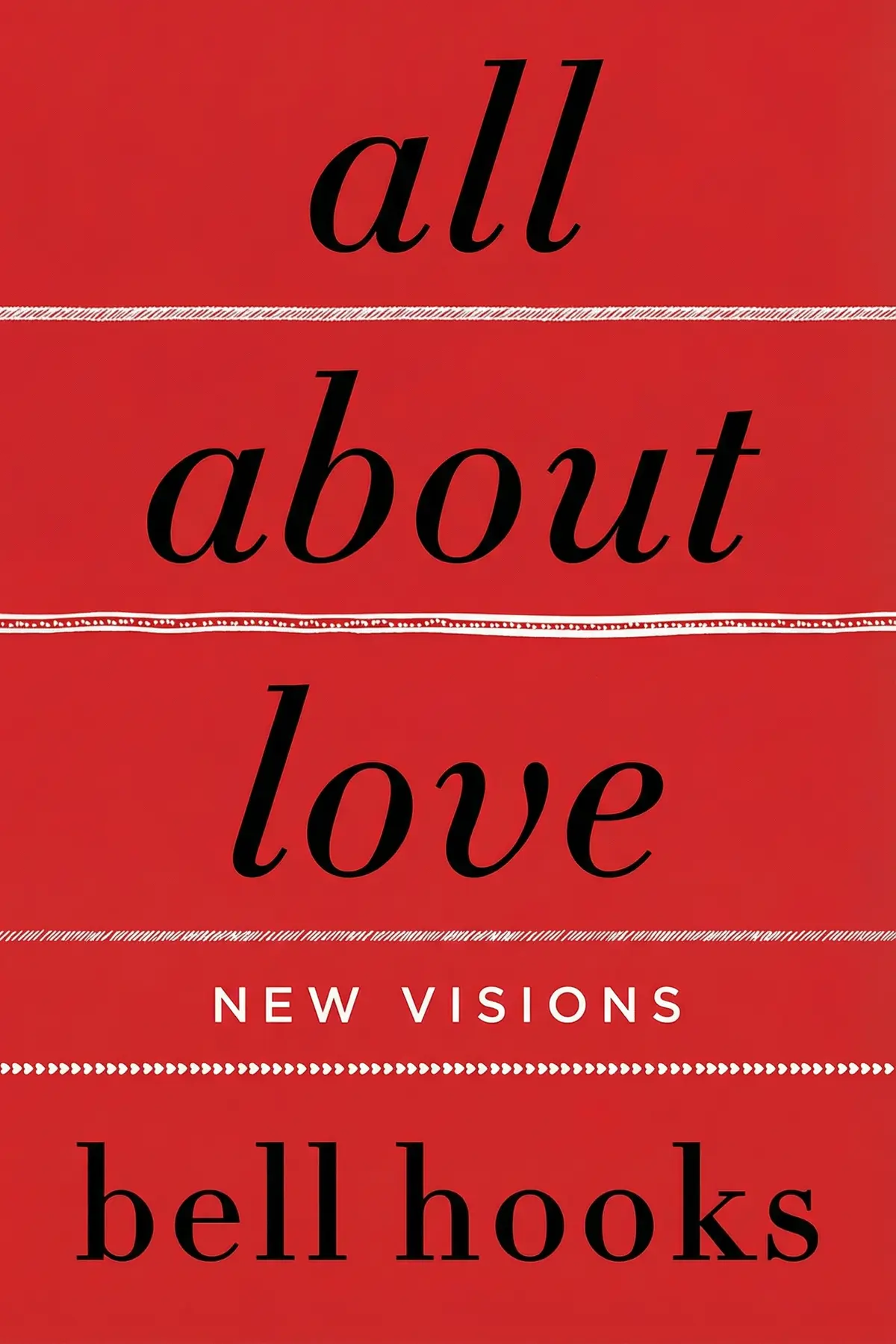
All About Love: New Visions
bell hooks
Explore an ancient Indian masterpiece that transcends its reputation as a mere sex manual, offering a sophisticated philosophical guide to intimacy, emotional connection, and the art of a refined, sensually balanced life.
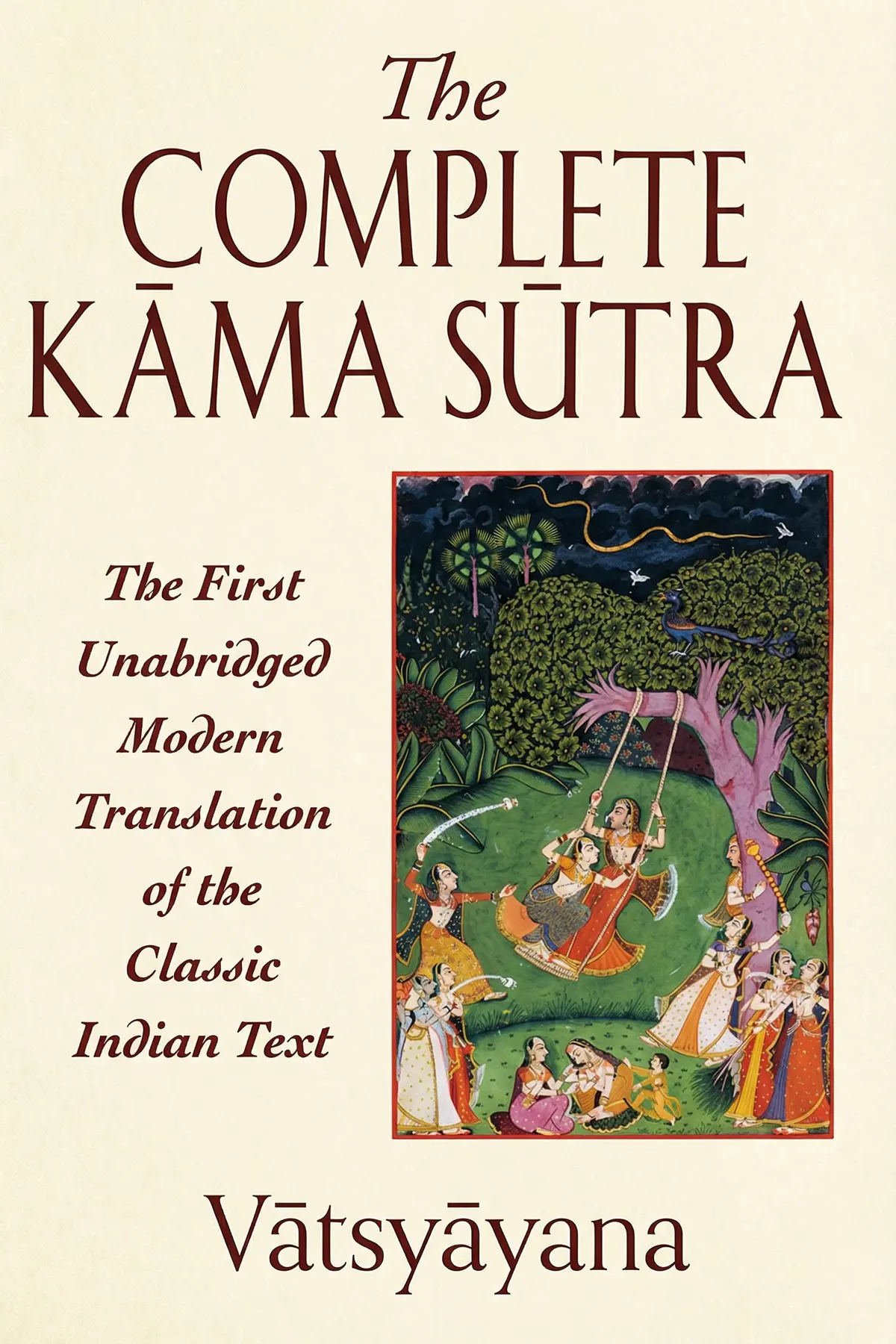
1 min 41 sec
Most people approach this ancient text with a very specific, and perhaps narrow, set of expectations. Over the centuries, its name has become synonymous with a catalog of acrobatic maneuvers and scandalous imagery. You likely know it as a manual of positions so physically demanding they seem to require the skills of a contortionist. And while the text certainly doesn’t shy away from the mechanics of physical intimacy, to view it solely through that lens is to miss the vast majority of its wisdom.
In reality, this work is a sophisticated philosophical guide to the architecture of a good life. Originating in India nearly two thousand years ago, it serves as a roadmap for navigating the complexities of human relationships, the nuances of social etiquette, and the profound pursuit of sensory gratification. It suggests that pleasure is not something to be pursued haphazardly or with shame, but rather something to be studied, refined, and integrated into a balanced existence.
As we delve into this exploration, we’ll move past the stereotypes. We’ll look at how the author viewed the three fundamental goals of human life and how eroticism fits into that trinity. We will explore the expectations of the ancient ‘townsman’—a figure of culture and refinement—and see how the text balances the carnal with the spiritual. It’s important to note that this summary will touch on frank descriptions of human sexuality, as the source material is unapologetically direct. But through that directness, we find a timeless investigation into what it means to be a sentient, desiring human being. By the end of this journey, you’ll see that the true legacy of this classic isn’t just about what happens in the bedroom, but how we cultivate intimacy and joy in every facet of our lives.
2 min 10 sec
Uncover how an ancient text challenges modern misconceptions by framing the pursuit of pleasure as a vital, disciplined component of a well-rounded and cultured life.
2 min 01 sec
Explore the philosophical divide between animal instinct and human eroticism, and why the author believes true pleasure requires education and self-restraint.
2 min 08 sec
Delve into the ancient protocols of matchmaking and courtship, where compatibility is measured through shared history, social standing, and physical alignment.
2 min 01 sec
Learn why the author emphasizes the woman’s pleasure as equal to the man’s, and the specific techniques used to ensure a balanced experience.
1 min 56 sec
Beyond the ‘box’ and the ‘spin,’ discover the logic behind the text’s diverse array of sexual positions and its encouragement of physical exploration.
2 min 12 sec
Examine how the text serves as a non-judgmental encyclopedia of diverse sexual practices, from regional variations to same-sex relationships.
2 min 09 sec
Discover the complex social dynamics of ancient Indian relationships, including the roles of wives, the reality of affairs, and the status of courtesans.
1 min 53 sec
As we reach the end of this exploration, it’s clear that this ancient Indian classic is far more than the ‘naughty’ manual it is often portrayed to be. It is a profound meditation on the human condition and the vital role that pleasure plays in a balanced life. By framing ‘kama’ as a discipline to be mastered rather than a vice to be hidden, the text offers a path toward a more intentional and refined way of living. It teaches us that intimacy is not just a physical act, but a complex tapestry woven from trust, education, creativity, and mutual respect.
The throughline of this work is the idea of harmony. Whether it’s the harmony between the three aims of life, the physical compatibility between partners, or the balance between social duty and personal desire, the author consistently advocates for a life lived with awareness. We are reminded that while the specifics of the ‘sixty-four arts’ or the layout of an ancient townsman’s home may belong to a distant past, the underlying truths about human connection are timeless. Shyness in a new relationship, the importance of a partner’s satisfaction, and the need for patience and playfulness are as relevant today as they were two millennia ago.
The actionable takeaway from this ancient wisdom is simple yet profound: treat your intimate life with the same care and intellectual curiosity that you bring to your career or your moral growth. Don’t settle for instinct alone. Instead, cultivate the ‘arts’ that make you a more present and attentive partner. Recognize that pleasure is a valid and necessary part of your humanity. By moving through the world with a sense of sensory refinement and a deep respect for the desires of others, you can transform the mundane into the extraordinary, finding a sense of spiritual and physical fulfillment that transcends the ages.
While popular culture often reduces this ancient text to a collection of gymnastic sexual positions, this summary reveals its true identity as a comprehensive social and philosophical treatise. Rooted in fourth-century India, the work explores the intricate balance between virtue, prosperity, and pleasure. It provides a window into a world where the pursuit of desire was considered a disciplined art form, requiring education, self-control, and a deep understanding of human psychology. Listeners will discover the '64 arts' that define a cultured individual, the nuances of matchmaking based on compatibility and shared history, and the delicate protocols of courtship. From the domestic responsibilities of a household to the complex social standing of courtesans, the text offers a holistic view of human relationships. By moving beyond the physical acts to the emotional and spiritual intentions behind them, this summary promises a new appreciation for a classic that has influenced the global understanding of love and eroticism for nearly two millennia.
Vātsyāyana was a dedicated religious scholar who lived no later than the fourth century CE. In compiling his famous work, he drew upon even older sources to preserve ancient wisdom. The modern accessibility of this text owes much to Alain Daniélou (1907–94), a French scholar and musician. Daniélou spent significant portions of his life in India, authoring numerous works on the nation’s intricate religious, historical, and philosophical landscapes.
Listeners find this edition of the Kama Sutra to be both educational and captivating, with one listener highlighting its value as a historical study. Furthermore, the caliber of the writing is well-regarded, as one listener points out that it contains Vatsyayana's complete text. On the other hand, listeners hold differing views regarding the volume's length and readability, with some describing it as very long and difficult to read. There is also varied feedback concerning visual elements, as several listeners mention the lack of illustrations. Finally, physical durability draws split opinions; while some listeners report excellent condition, others mention ripped covers.
Finally got around to reading this foundational text, and I must say it functions more as a fascinating history lesson than a mere manual. While modern media portrays this as purely a guide to positions, Vātsyāyana’s complete work covers the entire spectrum of social life, from marriage to the arts. The quality of the translation is impressive, capturing the scholarly tone of ancient India without losing the reader in overly dense jargon. Frankly, the depth of the chapters on courtship and citizenship surprised me. It provides a holistic view of human desire that is deeply rooted in the Hindu dharma and cultural tradition. It’s a sturdy, well-bound volume that deserves a spot on any serious bookshelf for its anthropological value alone. Truly an essential read for those curious about the origins of erotic science.
Show moreThis book is a masterpiece of world literature that has been unfairly maligned by those seeking cheap thrills. Vātsyāyana’s approach to the science of love is clinical, exhaustive, and surprisingly insightful regarding the human psyche. The translation here is top-notch, providing the original sutras alongside traditional commentaries that clarify the more obscure cultural references. I found the section on the 'twining creeper' and other poetic positions to be beautifully written, even without the aid of illustrations. It serves as a brilliant history lesson on the Gupta Empire's sophisticated social hierarchy. Despite its age, the core message about the importance of mutual pleasure and consent remains relevant. This is the complete, unadulterated text, and it is a must-own for anyone interested in the intersection of religion, culture, and sexuality. It arrived in perfect condition and was worth every penny.
Show moreAs someone who appreciates ancient philosophy, I found this edition to be quite a comprehensive look at the three aims of life. The book arrived in excellent condition, though some might find the sheer length of the commentaries a bit overwhelming at times. It’s not just about the bedchamber; there is a wealth of information on the roles of courtesans and even discussions on homosexuality that feel surprisingly ahead of their time. Got to say, the translator did a wonderful job keeping the prose fluid despite the repetitive nature of the original sutras. It isn’t always a quick read, but it offers a poignant window into a culture that viewed pleasure as a virtue rather than a sin. Some sections are a bit thorny regarding gender roles, but that is to be expected from a medieval text.
Show moreThe chapter on the various ways to scratch and bite your partner was a total eye-opener for me. I picked this up thinking it would be a bit of a joke, but the level of detail Vātsyāyana puts into the 'erotic science' is genuinely impressive. This version includes the full text and commentaries, which helps ground the more bizarre suggestions in their proper historical context. Not gonna lie, some of it is pretty weird, especially the parts about using spicy peppers for enhancement. However, the book is a beautiful example of how ancient cultures approached intimacy with both seriousness and a sense of play. It’s a bit long-winded in the middle, and the lack of pictures might bore some, but the writing style is surprisingly engaging for such an old piece of literature.
Show moreIn my experience, people who dismiss this book as pornography haven't actually bothered to read the words on the page. It is a deeply spiritual guide to fulfilling one's desires within the framework of a virtuous life. This specific edition is quite sturdy and the print is clear, which makes navigating the dense verses much easier. I was fascinated by the discussion of marriage and the rights of the wife, which felt more progressive than I anticipated. Sure, some points are demeaning or just plain confusing, but you have to respect the historical scope of the work. It’s a lot more than just a list of animal positions; it’s a philosophy of pleasure. I’d recommend it to anyone who wants to look past the media's interpretation and find the real truth of the text.
Show moreLook, this isn't exactly the spicy bedroom companion most people think they are buying when they click purchase. Most of the content is actually quite repetitive and focuses on strange social rituals or outdated advice for cuckolding enemies. I enjoyed the sections on animal-named positions for their sheer novelty, but many of the instructions are so vague they are practically useless. The truth is, the book feels more like a religious textbook than anything else. I was also disappointed to find a few pages were poorly cut, making it hard to flip through the middle sections. It’s an interesting cultural artifact, but I wouldn't call it a page-turner. It provides a unique perspective on human behavior, even if some of the 'righteous conduct' described feels very demeaning to women in a modern context.
Show moreTo be fair, the ancient recipes for potions involving peacock excrement and red arsenic are more likely to kill you than help your love life. I found myself laughing out loud at some of the more 'batshit crazy' advice that reads like the original version of a spam email. While the book is informative from a historical standpoint, it is incredibly difficult to read for long stretches due to the formatting of the commentaries. Personally, I found the sections on the 'sixty-four arts' to be the most interesting part of the entire volume. It shows that being a good lover in ancient India required being a poet, a musician, and a scholar as well. It’s a mixed bag of profound wisdom and absolute nonsense that probably won't change your life but will definitely entertain you.
Show morePicked this up on a whim after seeing it on a 'must-read' list, but the physical condition was a letdown. My copy arrived with a ripped cover, which was frustrating given that the internal text quality is actually quite decent. The book is an interesting dive into medieval Indian mores, though it is far less erotic than its reputation suggests. Frankly, it’s a bit of a slog to get through the sections on how to properly manage a household or how to deceive a king's daughter. There are no illustrations here, so don't expect a visual guide. It functions well as an anthropology text, but as a manual for modern love, it feels very dated. I appreciated the inclusion of the ancient authorities' commentaries, even if they made the book much longer than it needed to be.
Show moreEver wonder why this is so famous when it contains almost zero actual illustrations to guide the reader? I was expecting something visually engaging, but the edition I received was just wall-to-wall text that felt incredibly long and difficult to parse. To be fair, it’s an important piece of history, but the physical quality of the book left a lot to be desired with its flimsy cover and thin paper. If you are looking for a 'how-to' guide, you will be disappointed because this is more of a dry sociological study. The lack of pictures makes the complex animal-named positions nearly impossible to visualize without outside help. It is definitely not the erotic manual the media makes it out to be, and I found the writing quite antiquated.
Show moreTruth is, I found the actual reading experience quite taxing because the pages were essentially stuck together when it arrived. Beyond the physical flaws, the content itself is a strange mix of antiquated social theories and religious dharma that often feels demeaning to modern women. Many people buy this expecting a manual of positions, but it’s actually a dense religious text that feels more like a guide for medieval Indian elites. Frankly, it obscures more than it reveals about human connection because the tone is so detached and academic. I wanted a poignant explanation of love, but instead, I got a thorny list of rules that felt misleading and difficult to navigate. It is fascinating as a cultural artifact, yet it definitely clouds your judgment if you're looking for practical romance advice.
Show moreAUDIO SUMMARY AVAILABLE
Get the key ideas from The Complete Kama Sutra by Vātsyāyana, plus 5,000+ more titles in English and Thai.