
20 min 06 sec
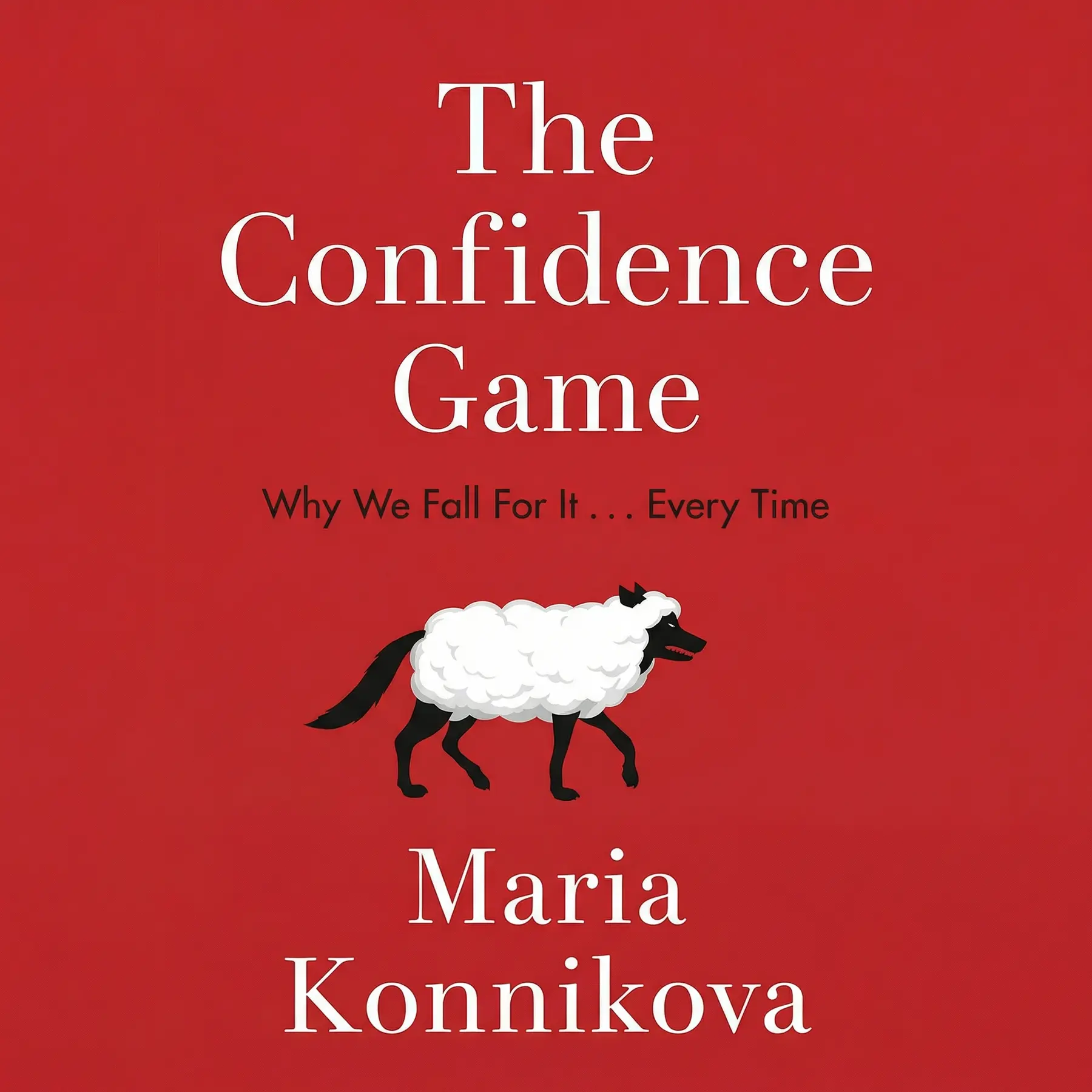
The Confidence Game: Why We Fall For It . . . Every Time
Explore the hidden psychological mechanisms that allow con artists to thrive. This summary breaks down how deceivers exploit human trust, vanity, and optimism to execute their elaborate and successful schemes.
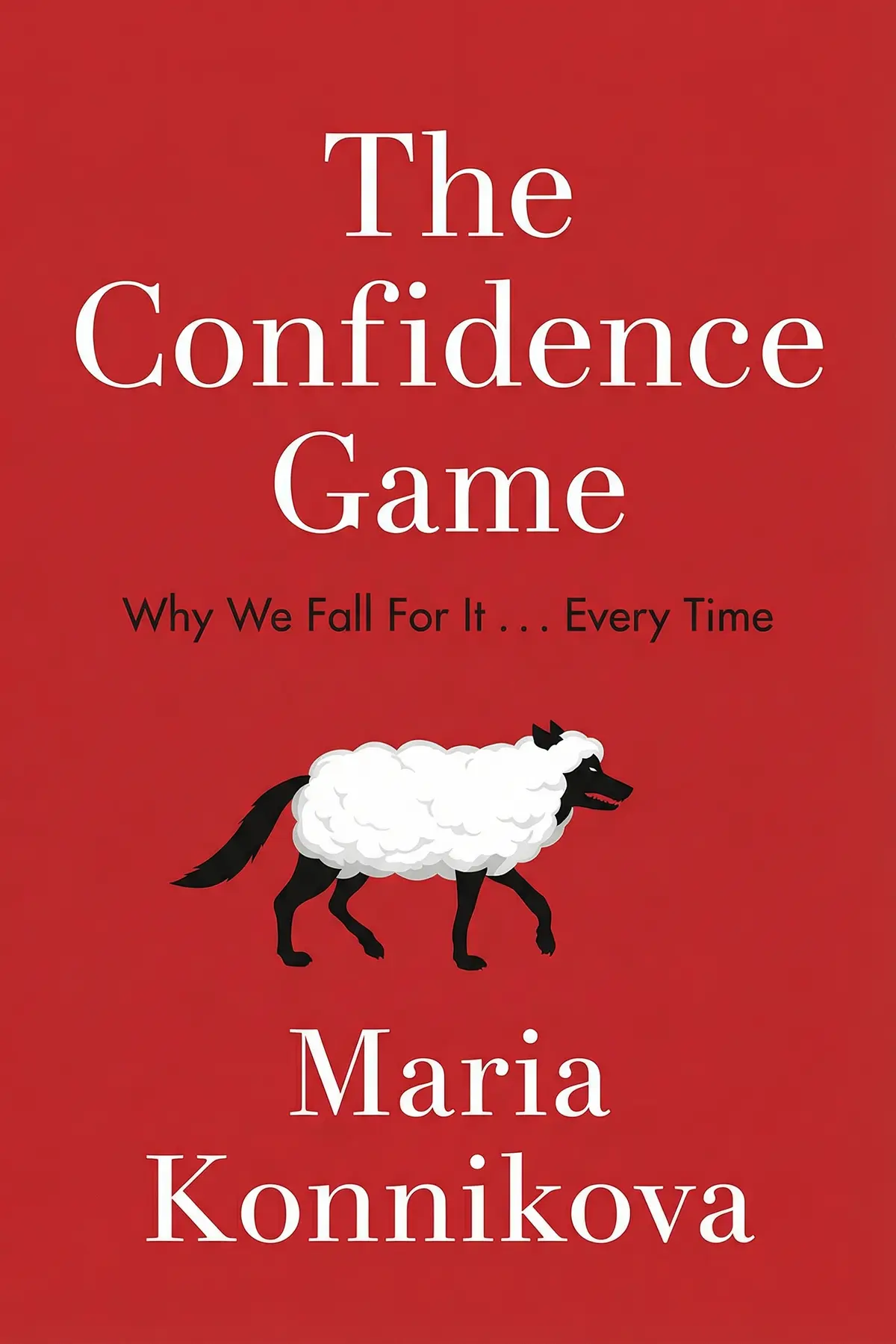
Table of Content
1. Introduction
1 min 41 sec
When we hear about massive financial scandals or bizarre scams, our first instinct is often a sense of superiority. We look at the victims of famous fraudsters and think to ourselves that we would never be so easily misled. We imagine that there is some obvious red flag we would have spotted or some internal alarm that would have protected our savings and our dignity. However, this assumption is exactly what a master con artist relies on. The reality is that the more certain you are of your own invulnerability, the more attractive a target you become.
In this exploration of The Confidence Game, we are going to look at the machinery of deception. This isn’t just a collection of crime stories; it is a deep dive into the human psyche. We will see that the con is not just about the person doing the swindling—it is a collaborative dance between the deceiver and the deceived. We are going to examine the specific psychological steps that make a con work, from the initial observation of a victim’s vulnerabilities to the final ‘blow-off’ where the victim is often too embarrassed to even call the police.
Over the course of this summary, we will uncover why we actually benefit from not knowing everything about the people around us, and how that necessary social distance creates a blind spot for criminals to exploit. We will investigate the power of charisma and the surprising science of similarity. We’ll also look at the ‘foot-in-the-door’ technique and why the need to feel special is perhaps our greatest weakness. By the end, you’ll see that the confidence game is something we all play in small ways every day, and understanding its rules is the only way to ensure you don’t end up as the next cautionary tale. Let’s begin by looking at how the con artist first selects their target through the power of observation.
2. The Art of the Observation
2 min 26 sec
Discover why our natural social distance makes us vulnerable and how master manipulators use our non-verbal cues to find the perfect opening for a scam.
3. Charisma and the Illusion of Similarity
2 min 26 sec
Explore the biological shortcuts that lead us to trust strangers and how deceivers fake shared identities to lower our defenses.
4. The Psychology of Incremental Commitment
2 min 29 sec
Learn about the subtle techniques that turn a small, harmless favor into a massive, life-altering mistake through the power of consistency.
5. The Vulnerability of the Ego
2 min 12 sec
Uncover why our desire to feel special and superior makes us the perfect targets for fraudsters who tell us exactly what we want to hear.
6. Exploiting the Bias of Optimism
2 min 17 sec
Discover how our natural tendency to hope for the best allows scammers to create ‘illusions of success’ that defy all logic.
7. The Trap of Cognitive Dissonance
2 min 19 sec
Find out why it’s so hard to admit we’ve been scammed and how our brains will literally rewrite reality to protect our beliefs.
8. Reputation and the Power of Silence
2 min 19 sec
Understand how the fear of public embarrassment and the value of a good name act as a permanent ‘get out of jail free’ card for many swindlers.
9. Conclusion
1 min 57 sec
The world of the con artist is not inhabited by monsters and morons, but by people who understand the fundamental mechanics of the human heart and mind. Through this exploration of Maria Konnikova’s insights, we’ve seen that the confidence game is built on the very traits that usually make us successful social beings: our ability to trust, our desire for consistency, our optimism, and our pride. These are not flaws in our character; they are essential parts of our humanity. However, when we are unaware of how these traits can be manipulated, they become our greatest liabilities.
We have learned that the first line of defense is not skepticism toward others, but an honest look at ourselves. The con artist finds the crack in your armor by identifying your ‘hot buttons’—the things that make you act on impulse or cloud your judgment with vanity. Whether it’s a desire to feel special, a hope for a quick win, or a fear of appearing foolish, these are the doors the manipulator walks through. By recognizing your own patterns and emotional triggers, you can learn to pause when someone starts pushing those buttons.
Ultimately, the throughline of The Confidence Game is that we are all susceptible. No amount of education or wealth makes you immune, because the con is played on the level of human emotion, not pure logic. The most actionable advice is to embrace a healthy level of self-awareness. Notice when you are being ‘mirrored’ by a stranger. Question why you feel a sudden, intense bond with someone you barely know. Most importantly, give yourself permission to be wrong. The fear of looking foolish is the con artist’s final weapon; if we can overcome that shame, we take away their power to stay hidden. Stay observant, stay humble, and remember that the most dangerous lie is the one you tell yourself.
About this book
What is this book about?
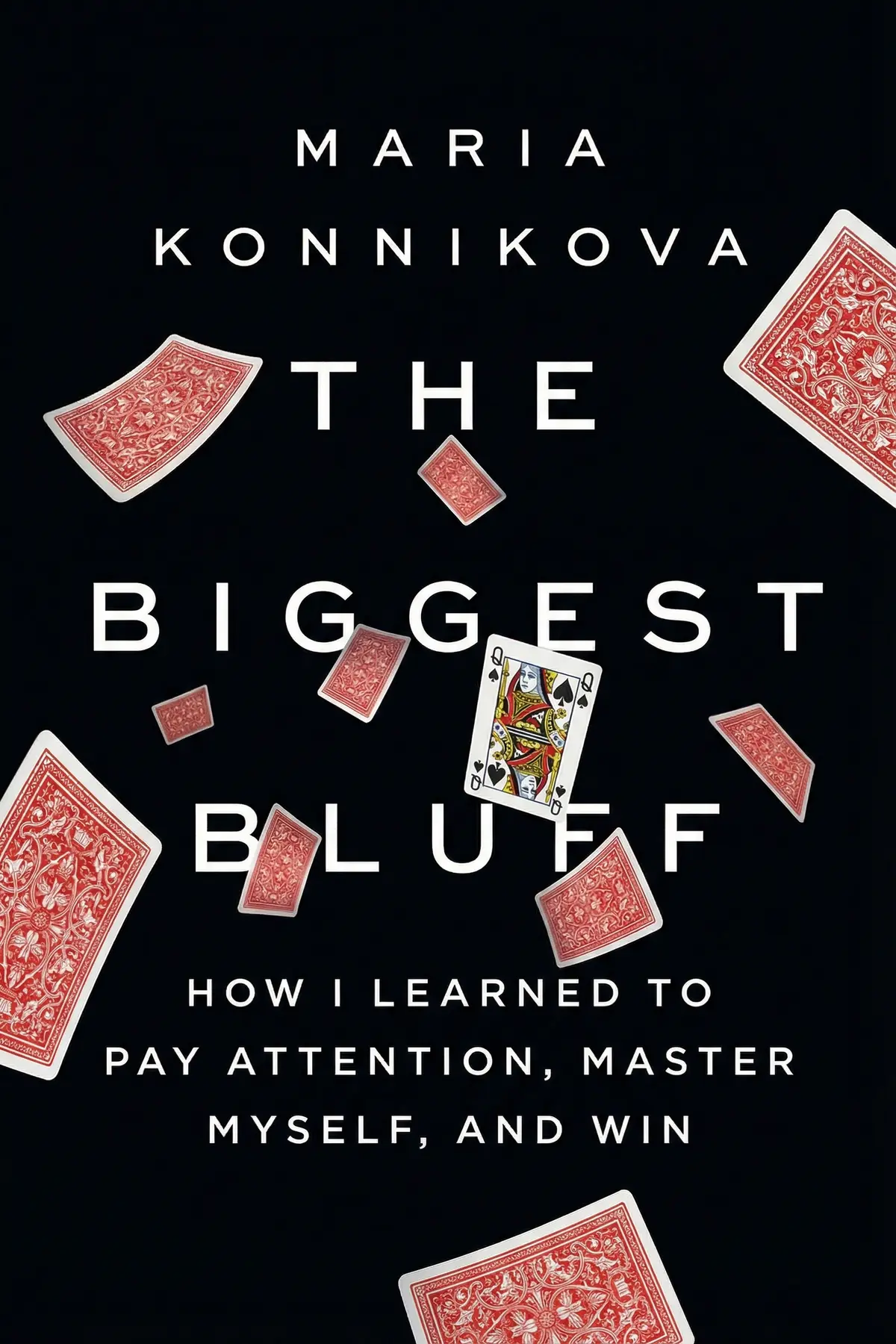
Have you ever wondered why seemingly intelligent people fall for obvious scams? The Confidence Game delves into the sophisticated world of the con, illustrating that these deceptions aren't just about greed, but about the fundamental ways our brains are wired. Maria Konnikova takes listeners on a journey through the psychological stages of a swindle, from the initial mark to the final moment where the victim refuses to admit they’ve been duped. This summary promises to reveal the step-by-step process used by history’s most successful fraudsters. You will learn about the power of charisma, the danger of over-optimism, and the biological reasons we are prone to trusting those who mirror our own behaviors. By understanding the vulnerabilities of the human psyche, you will gain a clearer perspective on how to protect yourself and why the con artist’s greatest weapon is often the victim’s own sense of identity.
Book Information
About the Author
Maria Konnikova
Maria Konnikova is an author with a PhD in psychology and a frequent contributor to The New Yorker, where she writes about pop psychology and culture. Based in New York City, she is also the acclaimed author of Mastermind: How to Think Like Sherlock Holmes.
Ratings & Reviews
Ratings at a glance
What people think
Listeners find the book consistently engaging and value its deep dive into intricate psychological concepts. The caliber of the writing is also praised, particularly by one listener who noted the author's ability to use common, everyday language. Conversely, reactions to the exposition are varied, as several listeners felt the examples became repetitive. Some listeners also found the clarity of the prose to be inconsistent, describing certain sections as wordy.
Top reviews
Narong
The psychology behind the 'put-up' and the 'rope' is absolutely fascinating to deconstruct! Maria Konnikova has a masterful way of blending true crime storytelling with academic research. I was particularly struck by the observation that education and money don't actually protect you from being taken. In fact, our inherent need to trust others is what makes society function, yet it’s the exact thing a con artist exploits. The book is entertaining from start to finish and the writing quality is top-notch. I loved how she broke down the steps of a con, from the initial empathy building to the 'blow-off' at the end. It makes you realize that most of us are just an 'asshair' away from being a mark ourselves if the circumstances are right. Truly a great window into the weird ways our minds make us idiots.
Show moreBae
Wow, this book really shifted my perspective on why 'smart' people end up losing everything to a con artist. We often look down on victims as being greedy or dumb, but Konnikova proves that's rarely the case. We are simply social animals built for rapport and empathy. The author’s writing style is incredibly accessible and she has a knack for picking the perfect stories to illustrate her points. I found the 'convincer' stage of the game particularly interesting—it's wild how we will ignore red flags just to keep the story we’ve told ourselves alive. It is a wealth of complex knowledge delivered in a way that feels like a conversation. Even though it's a bit wordy in the middle, I found it impossible to put down. Highly recommended for anyone who thinks they're too smart to be scammed!
Show moreJoshua
Picked this up because I loved The Biggest Bluff and wanted more of Konnikova’s insight into the human mind. This isn't quite as tight as her poker book, but it’s still a fascinating look at the 'soft skills' of manipulation. The truth is, we are all vulnerable because we want to believe we are special. I particularly enjoyed the stories about the old-school Ponzi schemes where victims defended the scammer even after the fraud was exposed. It really highlights how we become complicit in our own undoing. My only gripe is that the middle sections get a bit wordy and the examples start to feel a little samey after a while. Still, the author uses everyday language to explain complex ideas, making it very digestible for a casual reader. It's a solid 4-star read for anyone interested in social engineering.
Show moreElise
Frankly, it’s a bit terrifying to realize how hard-wired we are for belief over skepticism. Konnikova points out that religious people or those who are naturally optimistic are often the easiest targets. This isn't because they are stupid, but because they are primed to believe in things they haven't earned. I loved the anecdote about the Nigerian prince scam and how it's actually designed to fail for most people so the scammer only deals with the most gullible. That kind of insight made the book worth it for me. The prose is clear and she avoids overly technical jargon, which I appreciated. Some sections did feel a bit long-winded, and I wish there were more footnotes to back up the bolder claims. Overall, it's a very engaging look at the dark side of human nature and persuasion.
Show morePim
As someone who grew up hearing 'there's no such thing as a free lunch,' I still found plenty of surprises here. The book dives deep into the 'hot hand fallacy' and other cognitive biases that leave us wide open for a con. I liked how it wasn't just about the money, but about the emotional investment we make. The way con artists play on our vanity and our desire to be part of something special is explained so well. While some of the examples are repetitive, the overall narrative is strong. Konnikova’s background in psychology really shines through without making the book feel like a dry textbook. It’s a bit of a breezy read, perfect for a weekend. Just be prepared to realize that you've probably been scammed at least once in your life, even if it was just for twenty bucks.
Show moreSarawut
Finally got around to reading this, and it’s a solid deep dive into the 'soft skills' of manipulation. The central premise—that we believe because we want to, not because we're forced—is a powerful one. I found the breakdown of the different phases of a con to be very helpful for understanding human interaction in general. It’s not just about criminals; it’s about how we all persuade and are persuaded every day. The book is well-written, though it occasionally meanders into stories that feel like filler. Truth is, it could have used a tighter edit to keep the momentum going. However, the insights into why we stay quiet after being fleeced were eye-opening. We are indeed the best deceivers of our own minds. Definitely worth a look if you enjoy true crime with a scientific twist.
Show moreSuda
Ever wonder why people fall for the most obvious scams on the planet? Konnikova explores the mechanics of the 'put-up' and the 'rope' with some really interesting psychological depth. I found the section on why scammers use bad grammar in emails to weed out anyone with a brain absolutely brilliant. However, the book as a whole is oddly organized and circles back on itself way too often. It’s an easy, breezy read in terms of language, but it definitely could have been shorter by at least a third without losing any impact. There are no footnotes or a formal bibliography, which makes some of the 'science' feel a bit like pseudo-science at times. It’s good for a plane ride, but don't expect it to change your life or offer a foolproof shield against every con artist out there.
Show moreRungrat
To be fair, I expected a bit more practical advice on how to protect myself from modern fraudsters. Instead, this felt more like a historical survey of famous cons mixed with some general psychological principles. The stories are well-told, but many of them were already familiar to me from other books or documentaries. The author keeps emphasizing that we should 'trust but verify,' which feels like a bit of a letdown after so much buildup. I also found the structure a bit repetitive, as she keeps coming back to the same points about vanity and our desire for easy money. It’s a decent read if you like pop psychology, but it lacks the 'wow' factor I was hoping for. The science is interesting enough, but much of it feels like stuff you'd see on a typical detective show.
Show moreGoy
I’ve been a fan of Konnikova’s journalism for a while, but this one felt a little bloated. There’s a lot of interesting research here, but it’s stretched thin over too many pages. I found myself skimming through the parts that felt like a repeat of stuff I’d already heard on podcasts. The conclusion—that we have to trust each other to have a society—is a bit of a 'duh' moment. It’s good to see the science behind it, I guess, but it doesn't offer much in the way of utility. If you can’t avoid being a social animal, then you can’t avoid being a potential mark. The yarns were okay, but they didn't get me the way her poker stories did. It’s an okay book, but I wouldn't call it essential reading unless you are totally new to the subject of social psychology.
Show moreBo
After about fifty pages, I just couldn't force myself to keep going. I really enjoyed her poker book, but this one felt like a massive step backward. Part of the problem is that the research feels recycled, covering things like the hot hand fallacy and basic probability that I’ve already read elsewhere. To be fair, the writing style is accessible enough, but the actual content felt like common sense dressed up as deep psychology. I’ve already watched the Netflix documentaries on some of these cases, like Glafira Rosales, so the 'yarns' didn't really hook me. It’s repetitive and, frankly, a bit boring because it never quite delivers on the promise of showing us how to actually avoid these scams. It basically just tells you that humans are social animals who trust each other. I already knew that, and I didn't need 300 pages to confirm it.
Show moreReaders also enjoyed


A Liberated Mind: How to Pivot Toward What Matters
Steven C. Hayes
Acting with Power: Why We Are More Powerful Than We Believe
Deborah Gruenfeld
Age of Propaganda: The Everyday Use and Abuse of Persuasion
Anthony Pratkanis
AUDIO SUMMARY AVAILABLE
Listen to The Confidence Game in 15 minutes
Get the key ideas from The Confidence Game by Maria Konnikova, plus 5,000+ more titles in English and Thai.
- 5,000+ titles
- Listen as much as you want
- 7-day free trial
- Cancel anytime







