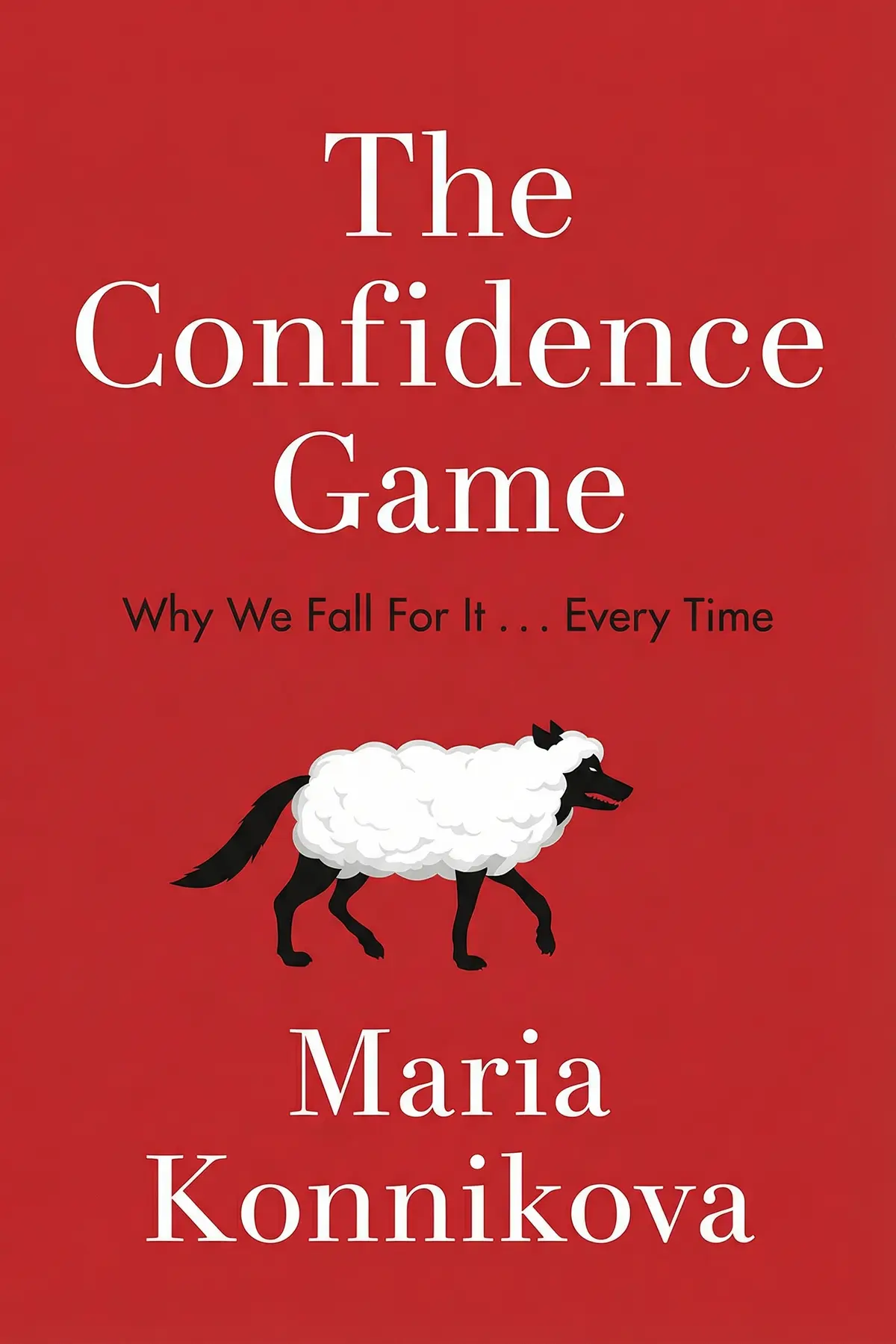
The Confidence Game: Why We Fall For It . . . Every Time
Maria Konnikova
Maria Konnikova, a PhD psychologist, chronicles her intense journey from a total poker novice to a champion, revealing how the game serves as a masterclass in decision-making, resilience, and navigating life’s uncertainties.
1 min 35 sec
Picture the scene: it is the spring of 2016, and Maria Konnikova is standing at a crossroads. Despite having a PhD in psychology and a successful career as a writer, she feels there is a gap in her understanding of how the world truly works. She is fascinated by the invisible forces of luck and chance, the way they steer our lives in directions we never anticipated. To explore this, she decides to dive headfirst into one of the most intense environments imaginable—the professional poker circuit. At this point, she has never played a single hand of poker. She doesn’t even know how many cards are in a standard deck.
Her goal wasn’t just to learn a game; it was to find a laboratory for the human experience. She reached out to Erik Seidel, a titan of the poker world, and convinced him to mentor her. Her aim was to spend one year training for the prestigious World Series of Poker. What follows is not just a story about chips and cards, but a journey into the self. It’s an exploration of how we can remain objective when everything feels personal, and how we can make sound decisions when the information we have is fundamentally incomplete.
In this summary, we are going to follow Maria’s evolution from a complete beginner to a high-stakes champion. We’ll look at the philosophical underpinnings of Texas Hold’em, the importance of losing with grace, and how to strip away the social conditioning that keeps us from playing our best hand. Most importantly, we’ll see how the lessons learned at the green felt table can be applied to the high-stakes game of life itself. Get ready to learn how to master your mind, navigate uncertainty, and focus on the things you can actually control.
1 min 40 sec
Explore why Texas Hold’em is the perfect metaphor for the uncertainty of daily life, balancing the elements we can control with those we cannot.
1 min 36 sec
Discover why initial failure is more valuable than early success and how losing with grace is the secret to a long-term career.
1 min 23 sec
Learn how the desire to impress others can cloud your judgment and why the smartest move often involves ignoring the crowd.
1 min 23 sec
Uncover how hidden internal biases and societal expectations can silently sabotage your performance and assertiveness.
1 min 24 sec
Understand why obsessing over ‘bad luck’ is a mental trap and why your focus should always remain on the quality of your decisions.
1 min 35 sec
Debunk the myth of the poker face and learn how consistent execution and physical presence are the real keys to deception.
1 min 22 sec
Reflect on the dangers of forcing a result based on an arbitrary timeline and the importance of listening to your own limits.
1 min 27 sec
Master the ‘mental game’ by identifying the specific situations that cause you to lose focus and creating strategies to stay centered.
1 min 29 sec
Maria Konnikova’s journey from a total novice to a poker champion is a testament to the power of the disciplined mind. Through her immersion in the world of professional gambling, she discovered that while the cards are distributed by chance, the way we play them is a choice. We often blame luck for our failures and take full credit for our successes, but the reality is far more nuanced. By focusing on our process, embracing the lessons of failure, and stripping away our social and emotional biases, we can navigate the uncertainties of life with far greater clarity.
The throughline of her experience is one of empowerment. You don’t have to be a victim of the circumstances life deals you. Instead, you can become a ‘victor’ by making the most rational, skillful decisions possible in every moment. Whether you are at a poker table, in a boardroom, or managing your personal life, the principles remain the same: control what you can, accept what you can’t, and always keep a sharp eye on your own internal processes.
As you move forward, take a page from Maria’s book. Stop telling ‘bad beat’ stories about your luck. Start looking at your decisions with the cold objectivity of a pro. When the world tries to tilt you, put on your metaphorical noise-canceling headphones and stay focused on your strategy. Life is a game of incomplete information, but with the right mindset, you can master the bluff, play the long game, and eventually come out ahead. The biggest bluff, it turns out, is the belief that we are powerless in the face of chance.
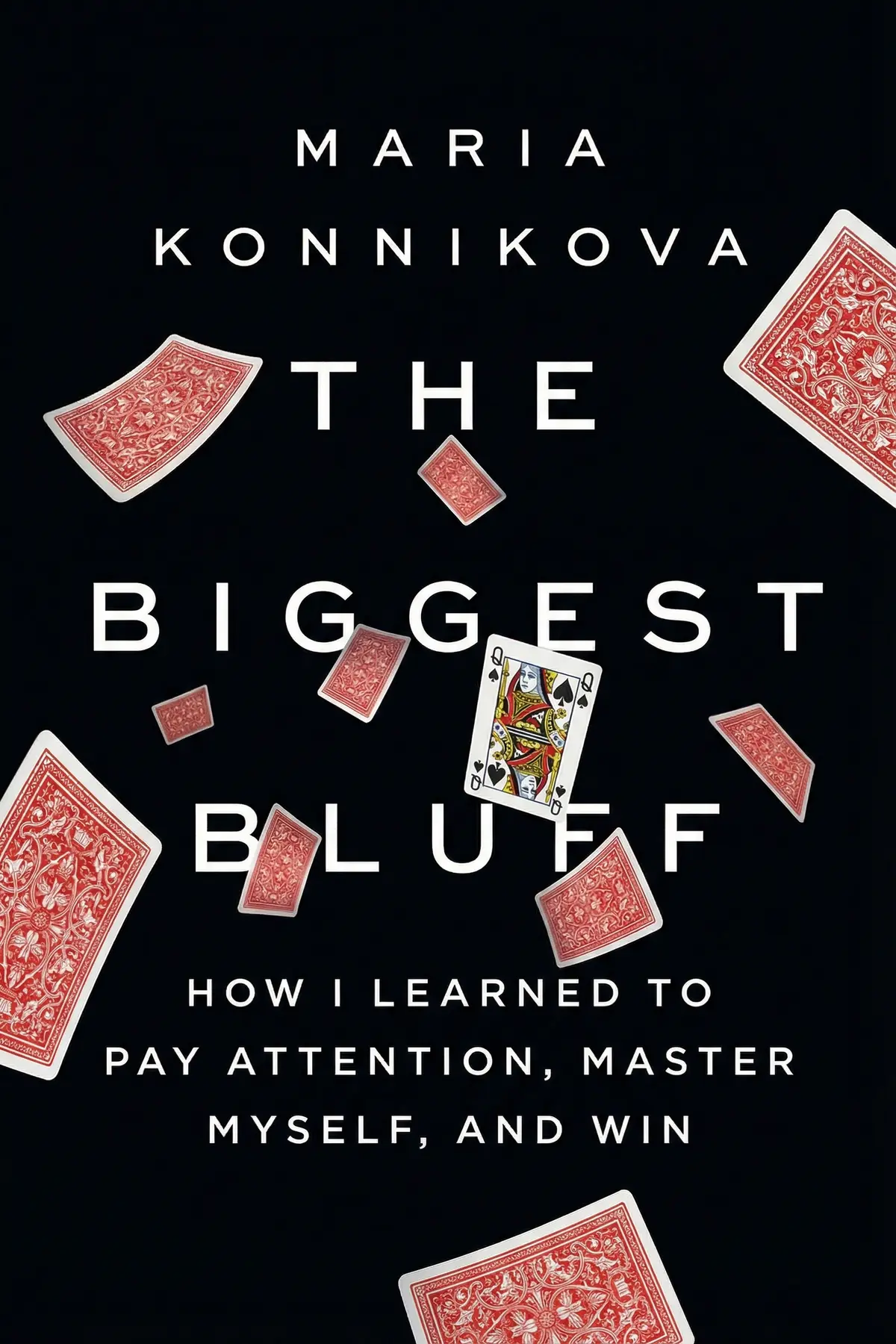
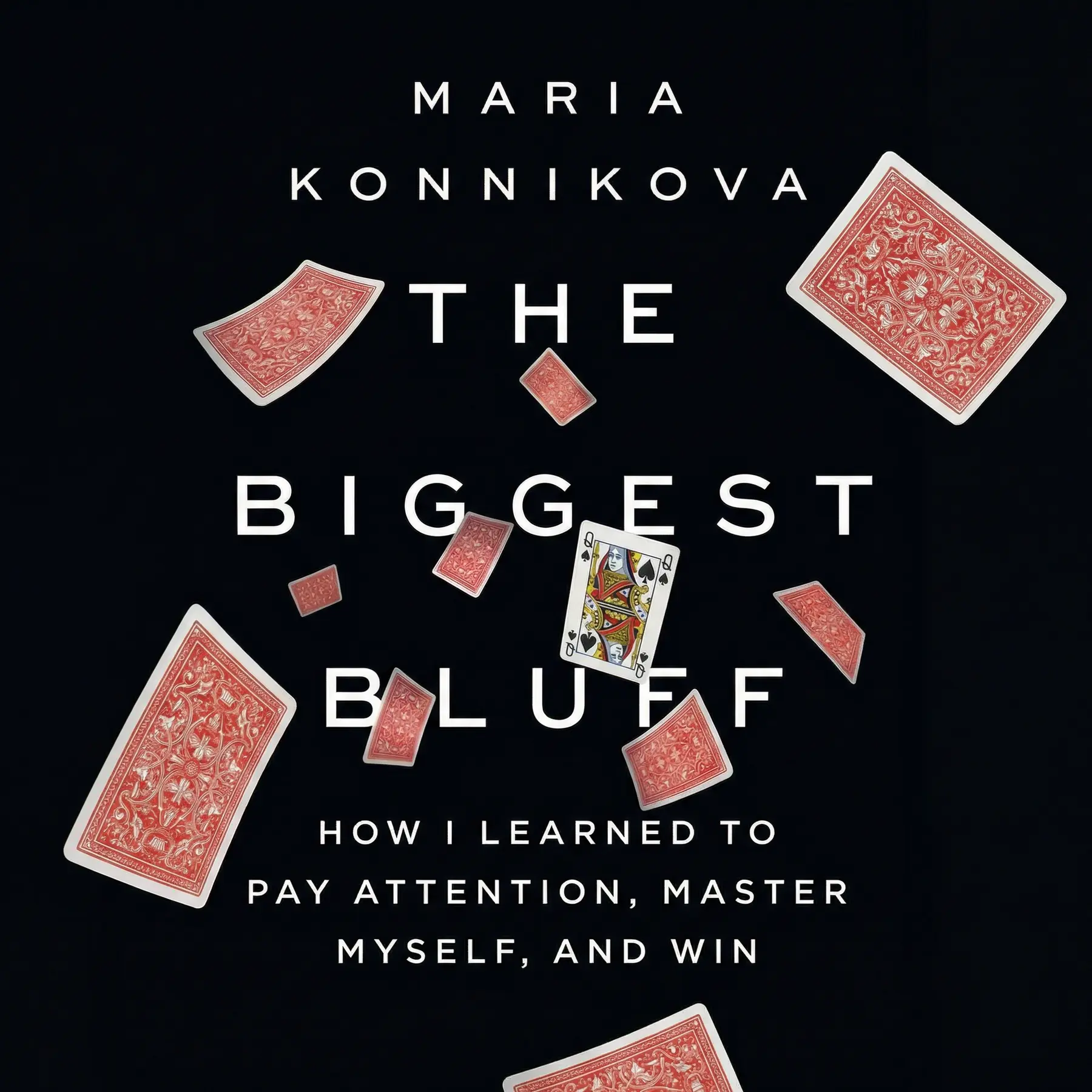
The Biggest Bluff is a compelling exploration of the human mind under pressure, framed through the lens of professional poker. Maria Konnikova, an acclaimed writer and psychologist, enters the world of high-stakes Texas Hold’em not to strike it rich, but to understand the delicate interplay between skill and luck. Mentored by poker legend Erik Seidel, she discovers that the table is a microcosm of the universe, where the information is always incomplete and the stakes are always personal. Throughout her transformation, Konnikova addresses the psychological hurdles that hold us back: our fear of failure, our reliance on luck as an excuse, and the social conditioning that dictates how we exert power. The book promises more than just gambling tips; it offers a profound framework for taking control of our choices. By the end, readers learn that while we cannot control the cards we are dealt, we can absolutely master our reaction to them, turning the chaos of the unknown into a calculated path toward success.
Maria Konnikova is a highly regarded writer and holds a PhD in psychology from Columbia University. Her unique background allowed her to approach the world of professional poker with a scientific and philosophical lens, eventually earning over $300,000 and becoming an international champion. She is a frequent contributor to the New Yorker and has authored two New York Times best-selling books: The Confidence Game and Mastermind: How to Think Like Sherlock Holmes.
Maria Konnikova
Listeners find this book a captivating listen that flows like a novel, striking a perfect balance between storytelling and investigation. Furthermore, the prose is excellent, and listeners value the perspectives on psychology and focus along with its quick pacing. The text also offers great utility for poker players, with one listener remarking that it serves as a road map for training. However, views on the subject matter are mixed, as some listeners observe that the book is not focused on deep strategy.
Ever wonder why some people seem consistently 'lucky' while others constantly complain about bad beats? Konnikova dives deep into this paradox by apprenticing herself to the legendary Poker Hall of Famer Erik Seidel. It’s not really a poker manual; it’s more of a roadmap for navigating uncertainty using the game as a laboratory. As a PhD in psychology, she deconstructs her own biases and ego with a brutal honesty that I found refreshing. While the technical poker details might feel a bit light for hardcore grinders, the narrative arc kept me hooked like a thriller. I particularly enjoyed her transition from a cautious observer to someone who actually knows how to seize control of a situation. It’s a masterclass in paying attention to the world around you and learning to live with the things you cannot control.
Show morePicked this up on a whim and ended up finishing it in two sittings because the pacing is just that good. Konnikova manages to make the world of high-stakes gambling feel accessible and deeply human rather than just a sequence of math problems. Her relationship with her mentor, Seidel, is the beating heart of the book and provides a lovely counterpoint to the cold logic of the game. I loved the chapters set in Macau and Monte Carlo; they felt atmospheric and perfectly captured the tension of the tournament floor. Even if you have never held a deck of cards, the lessons on distinguishing between what you can control and what is mere 'noise' are invaluable. It’s easily one of the most practical books on mindset I’ve encountered this year. I'm all in on this one.
Show moreWow, this was such a delightful surprise that I’ve already recommended it to three different people this week. I went in expecting a dry account of card games and came away with a new perspective on how to advocate for myself in my career. The moment where Maria describes finally standing up for her worth and refusing to be lowballed for a fee was incredibly cathartic. It’s not just about gambling; it’s about the courage required to change your internal narrative and take calculated risks. The prose is lively and literate, making the complex theories of chance feel like an engaging conversation over coffee. If you're looking for a book that balances storytelling with genuine intellectual substance, this is it. It’s easily my favorite non-fiction read of the season.
Show moreFinally got around to reading this and I’m kicking myself for waiting so long to start. It’s a fascinating blend of memoir and social science that captures the grueling reality of the professional poker circuit. I especially appreciated how she didn't sugarcoat the 'low lows' of the process, showing the frustration and the toll it takes on one’s mental health. Watching her evolve under Erik Seidel’s tutelage was like watching a coming-of-age story set in a casino. She tackles the concept of 'luck variance' in a way that is actually comforting rather than discouraging. It’s a fast-paced, insightful, and deeply personal book that offers a lot of value for anyone trying to navigate a chaotic world. Even if you don't know the nut flush from a pair of deuces, you'll gain something here.
Show moreThis book reads surprisingly like a novel, which I didn't expect from a non-fiction piece about Texas Hold'Em. Konnikova’s journalistic background shines through in her prose, though occasionally it feels a bit overly polished for the gritty world of casinos. Her journey from knowing zero about the game to winning major tournaments is genuinely inspiring, even if she had the world's best mentors helping her along. Frankly, the parts about 'paying attention' and reading people were much more valuable than the specific hand histories. I did find some of the philosophical asides a bit repetitive toward the middle, but the overall message about agency versus luck is powerful. It’s a great pick for anyone interested in decision-making under pressure, regardless of whether you know the difference between a flop and a river.
Show moreAs someone who struggles with decision fatigue, this book provided a very helpful framework for thinking about 'wicked' environments. Konnikova explains that life, like poker, involves making choices with imperfect information, and the feedback we get is often skewed by luck. It’s a dense read at times, especially when she starts quoting Dostoyevsky and Greek philosophers, but it adds a layer of intellectual depth. The pacing is mostly fast, though some of the New Jersey coffee shop scenes dragged on a bit longer than necessary. Still, her ability to translate high-level psychology into actionable life lessons is impressive. It’s a solid 4-star read that I’ll likely revisit when I need a reminder to stay objective and shake off a bad beat. Good poker play really does model effective behaviors in the real world.
Show moreThe chapter on 'the art of paying attention' alone makes the whole book worth the purchase price. Konnikova does a stellar job of showing how our biases lead us astray, using her own embarrassing mistakes at the table as the primary evidence. I appreciated her modesty throughout the journey; she never acts like she’s a natural genius, which makes her eventual success feel earned. Some of the strategy might seem basic to professional players, but for the general audience, it's a perfect introduction to game theory and risk assessment. My only real gripe is that she occasionally leans too heavily on her journalistic 'voice,' which can feel a bit clinical when the stakes are high. Regardless, it’s a fantastic study on the limits of human certainty and the importance of inquiry over conviction.
Show moreFrankly, I didn't think I'd care about a book on poker, but Konnikova's focus on the human element kept me engaged from start to finish. She treats the poker table as a microcosm of life, where every bet is a metaphor for the risks we take in our relationships and careers. While I found some of her observations about 'reading people' to be a little bit optimistic given how unpredictable humans are, her enthusiasm is infectious. The writing is sharp and the research into how we process feedback is top-notch. It’s not a deep-dive strategy guide, but it’s a brilliant exploration of why we do what we do. Definitely worth a read for the psychological insights alone, even if the hand play-by-plays aren't your cup of tea.
Show moreAfter hearing so many people rave about this, I finally gave it a shot, but I have mixed feelings. On one hand, the psychological exploration of 'tilt' and emotional regulation is fascinating and well-researched. On the other hand, the actual poker segments made my eyes glaze over more than once. Look, I get that she’s trying to show her progress, but the play-by-play of specific hands felt tedious and lacked the suspense she was aiming for. The truth is, I wanted more of the personal transformation and less of the technical jargon that felt a bit forced. It’s a decent memoir, but it tries to do too many things at once and doesn't quite master any of them. If you aren't interested in the ins and outs of betting, you might find yourself skimming large sections.
Show moreNot what I expected given the hype surrounding the author’s credentials at the New Yorker. The writing is unfortunately riddled with cliches and 'Always Be Optimizing' jargon that felt incredibly corporate and detached. She spends far too much time on self-absorbed asides rather than actually exploring the psychology of her opponents in a meaningful way. To be fair, her access to pros like Erik Seidel provides some interesting moments, but the narrative flow is as flat as a desert highway. I found myself counting pages by the halfway mark because the 'insights' felt like basic self-help advice dressed up in poker chips. There is a much better story buried here, but the execution just didn't land for me. It felt more like a calculated book project than a genuine memoir of discovery.
Show more
Ben Macintyre
Steven C. Hayes
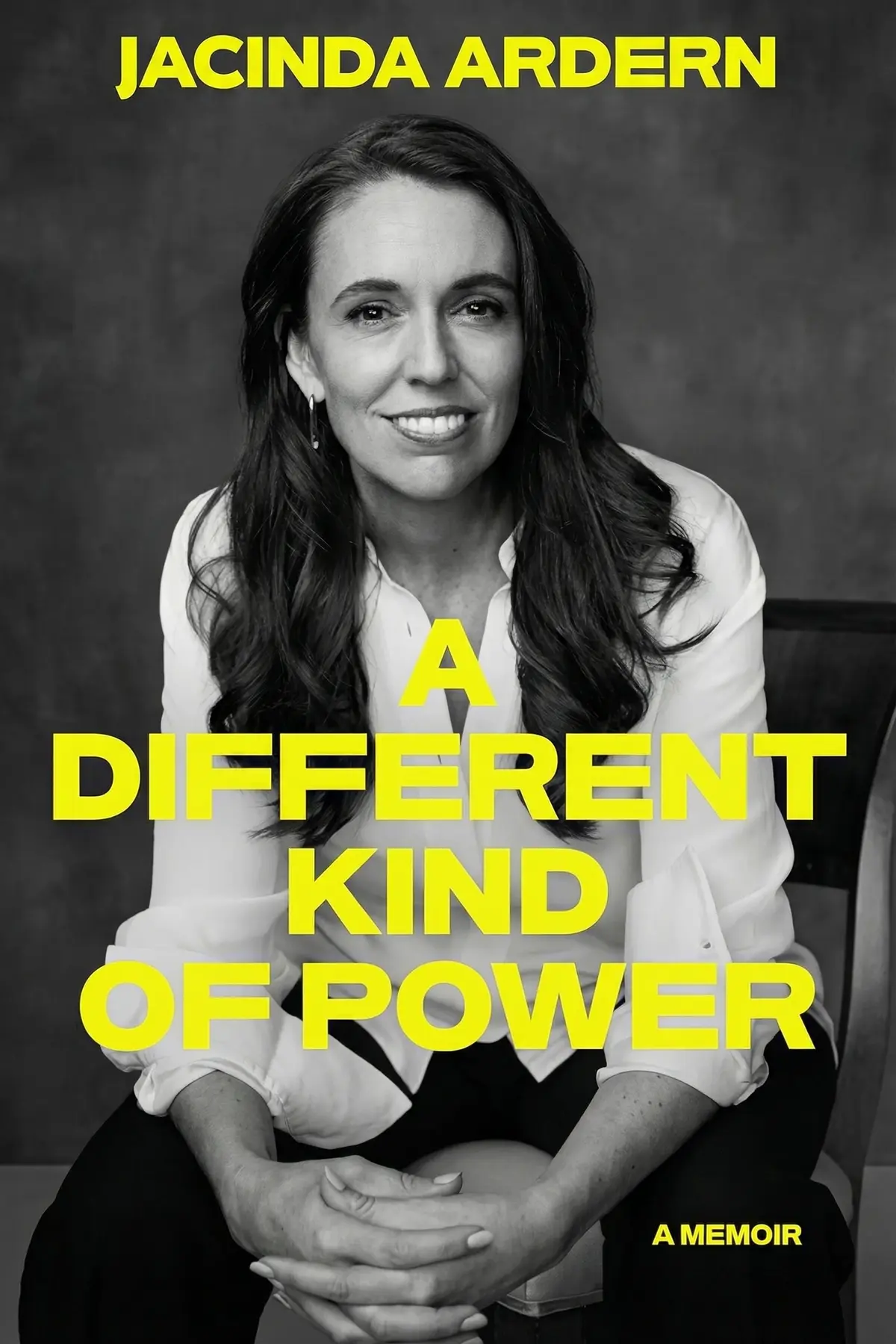
Jacinda Ardern
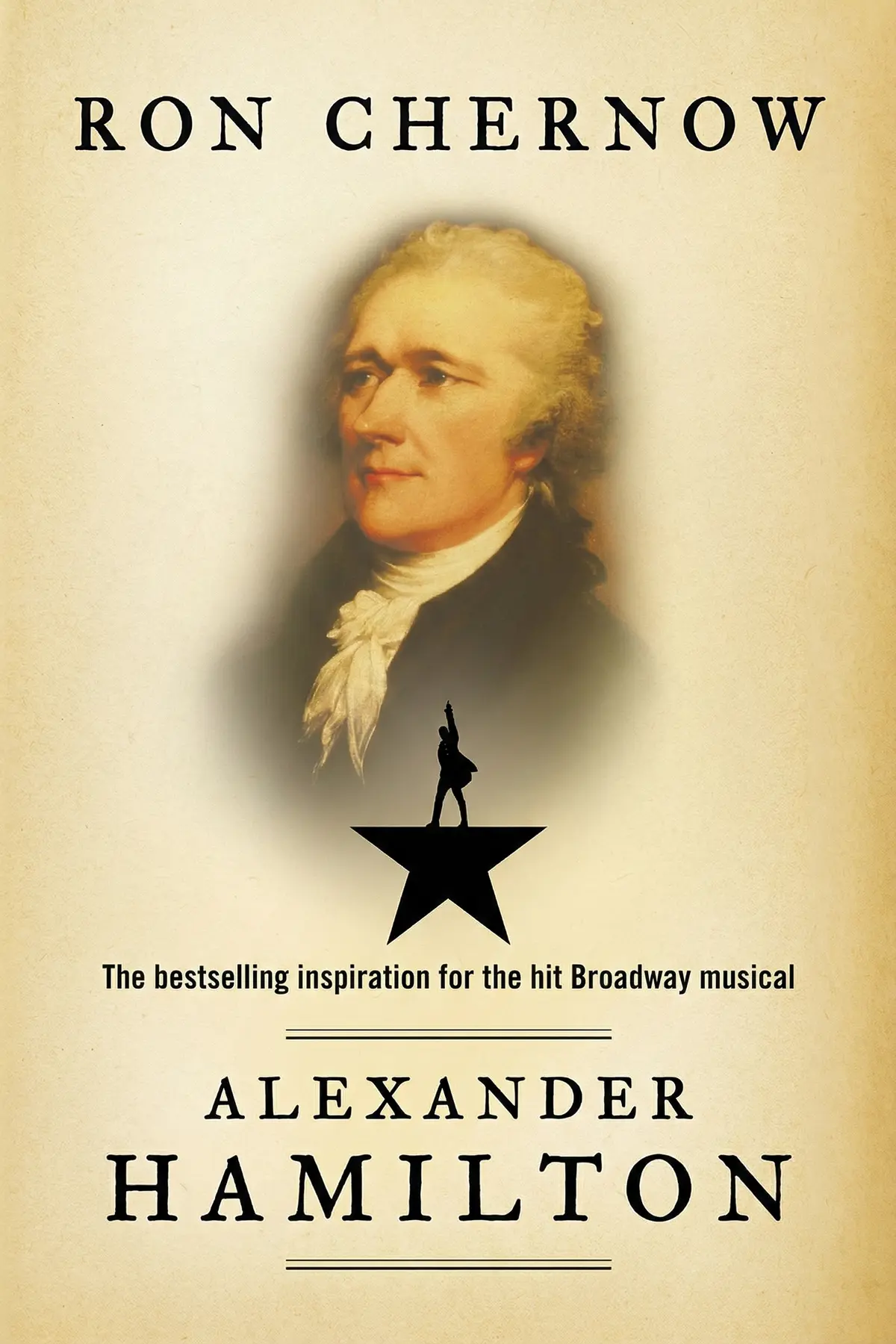
Ron Chernow
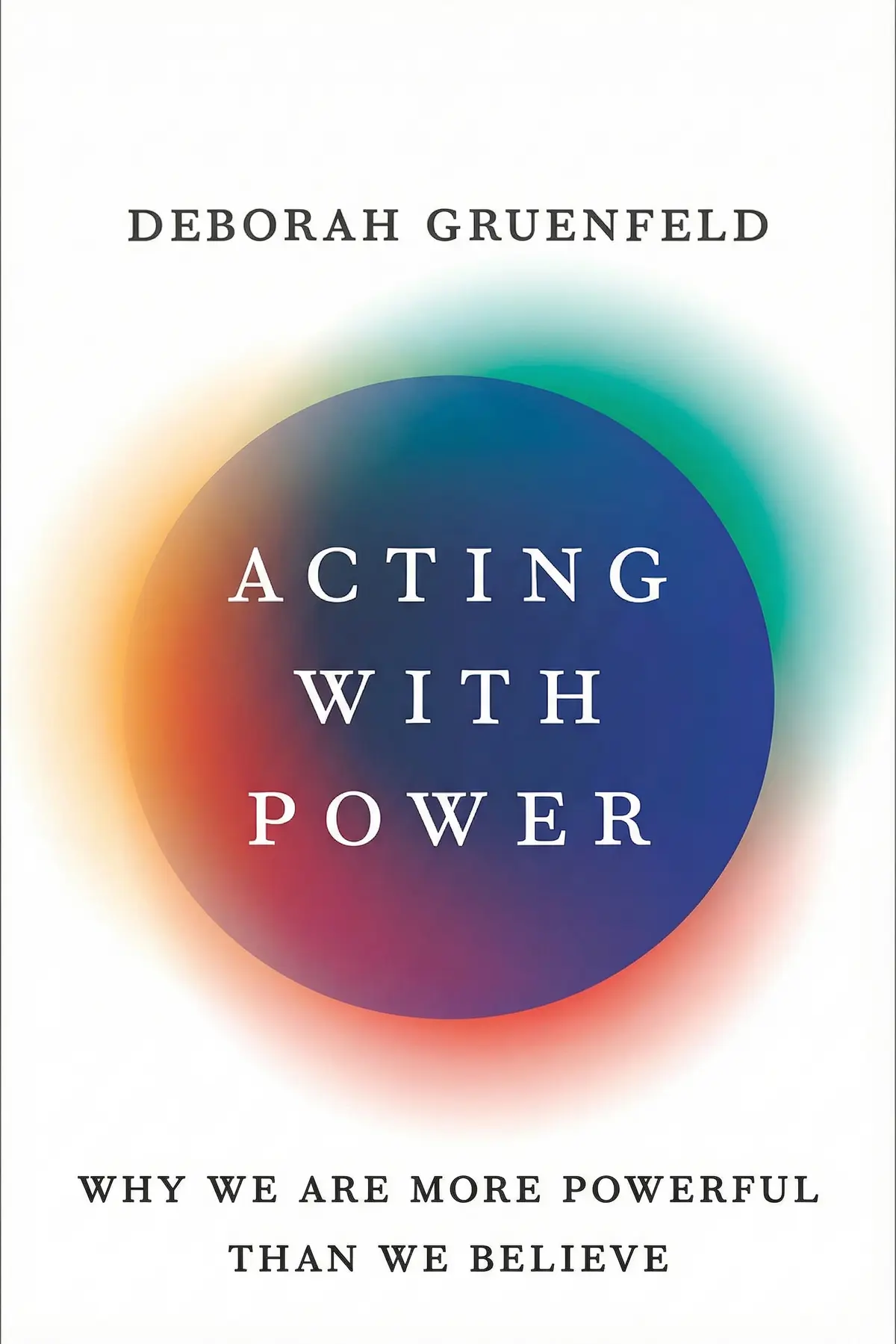
Deborah Gruenfeld
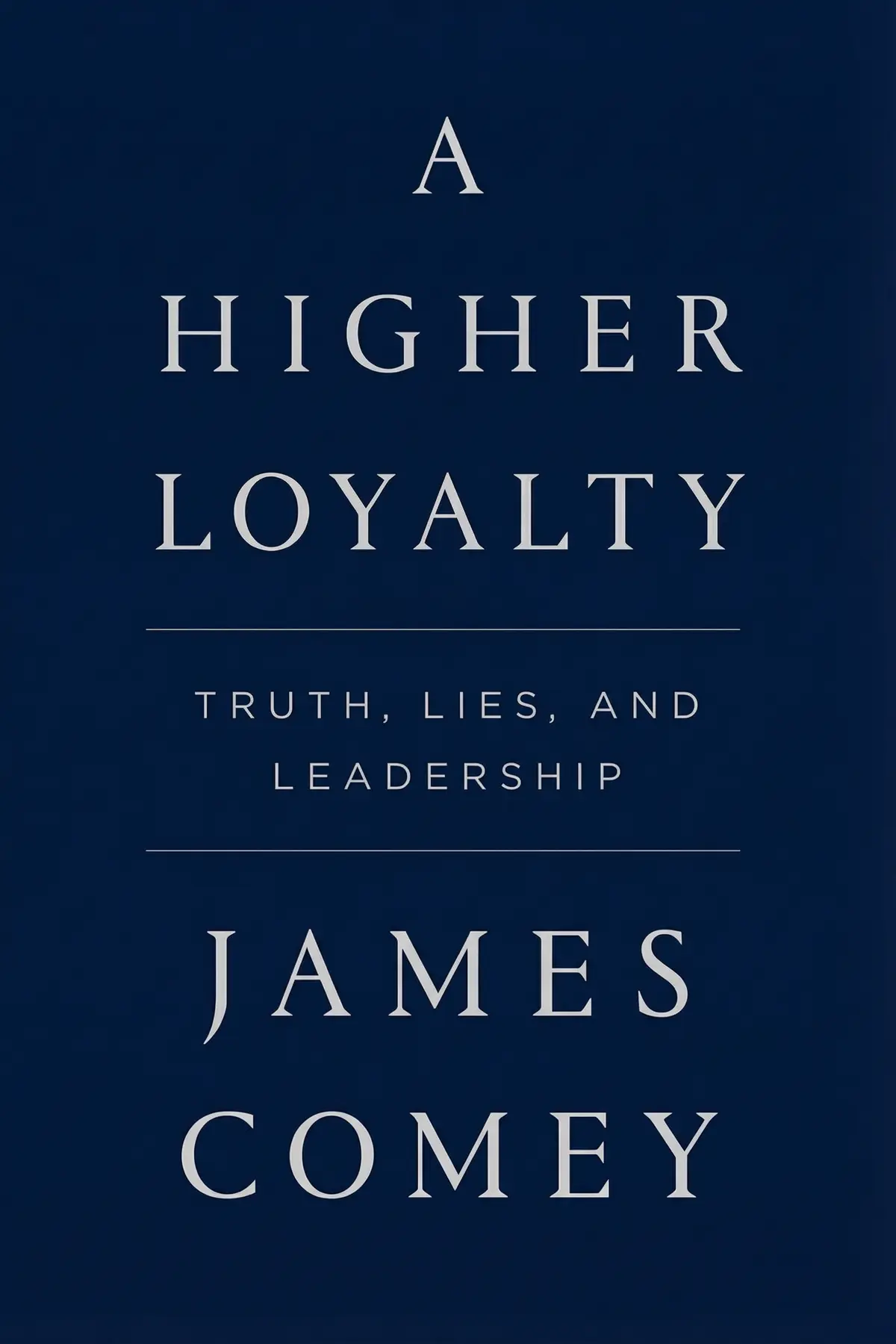
James Comey
Philip Freeman
AUDIO SUMMARY AVAILABLE
Get the key ideas from The Biggest Bluff by Maria Konnikova, plus 5,000+ more titles in English and Thai.