
29 min 13 sec
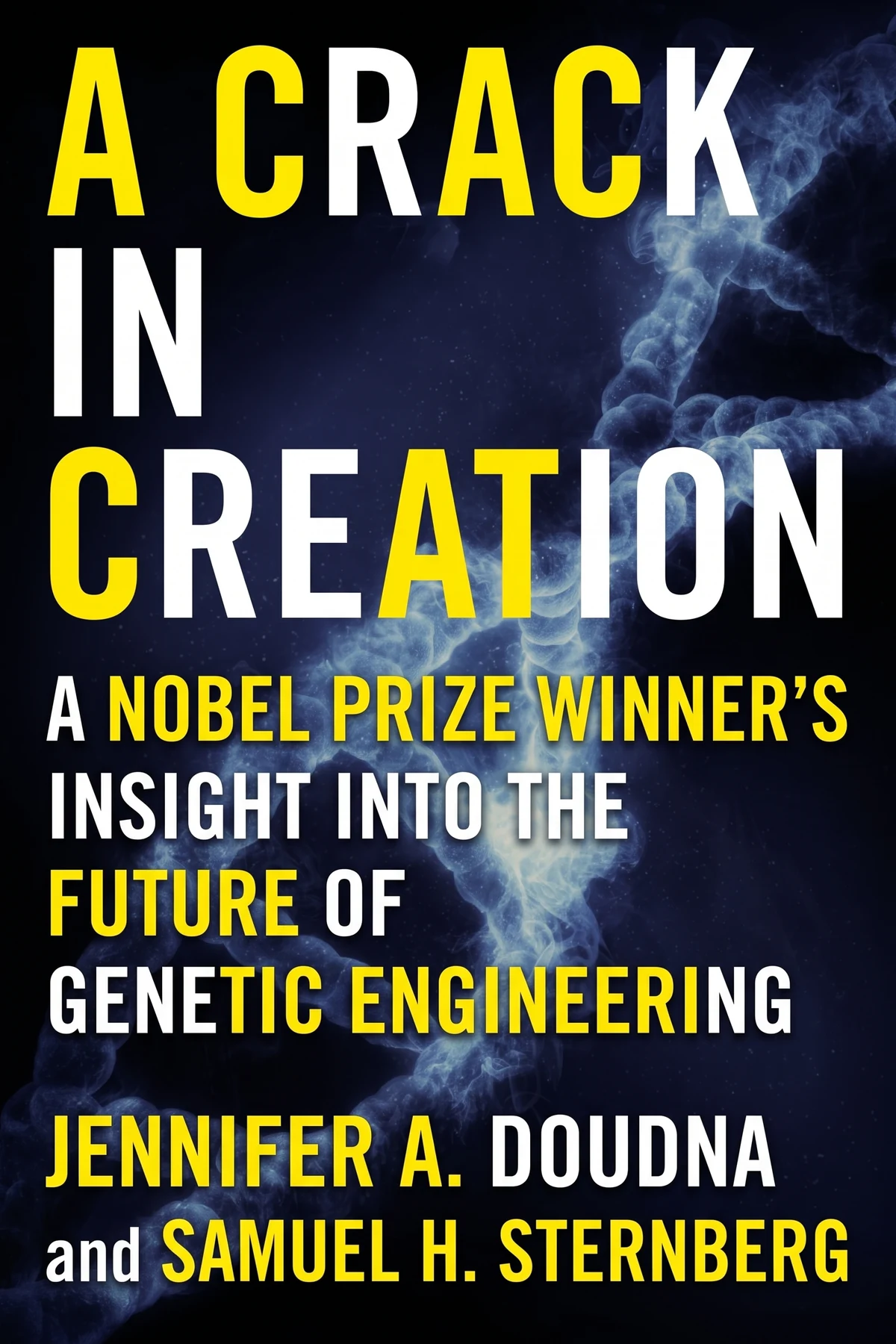
The Great Influenza: The Story of the Deadliest Pandemic in History
Explore the harrowing history of the 1918 influenza pandemic. This deep dive examines the intersection of medical science, political failure, and a virus that reshaped the world’s social and political landscape forever.
Table of Content
1. Introduction
1 min 51 sec
To understand the sheer magnitude of the 1918 influenza pandemic, you have to look past the numbers and into the silence that followed. It was a catastrophe of such proportions that it claimed more lives in a single year than the Black Death did over the course of a century. In less than six months, it had killed more people than the AIDS epidemic did in its first quarter-century. Yet, for a long time, this event was a ghost in our collective memory, overshadowed by the guns of World War I. This wasn’t just a story of a virus; it was a story of how humanity was caught between a dying era of medical ignorance and a new, emerging world of scientific rigor.
In this exploration of The Great Influenza, we are going to look at the intersection of biology, war, and human error. We will trace the path of a virus that mutated into a world-killing force, starting from a small farm county in Kansas and hitching a ride on the engines of global conflict. We will also see how the nascent field of American medical science, which had only recently begun to professionalize, was suddenly forced into a trial by fire. This summary will take you through the labs of desperate researchers and the corridors of power where leaders chose propaganda over public health.
Ultimately, the throughline of this story is about truth and transparency. As we dive into the details, you’ll see how the refusal to acknowledge the reality of the disease became a death sentence for millions. You’ll see how the immune systems of the strongest and healthiest individuals became their own worst enemies. And perhaps most surprisingly, you will discover how a bout of the flu in a world leader might have indirectly set the stage for the Second World War. By the end, you’ll understand that while the virus was the biological cause of the tragedy, it was human choices that dictated the scale of the disaster. Let’s begin by looking at how the world of medicine was changing just as the storm began to gather.
2. The Renaissance of American Medical Science
2 min 40 sec
Discover how American medicine evolved from ancient, ineffective practices to a world-class scientific discipline just in time to face its greatest challenge during the early twentieth century.
3. The Biological Strategy of the Influenza Virus
2 min 40 sec
Unpack the complex and efficient machinery of the flu virus, a master of disguise that uses rapid mutation to stay one step ahead of our defenses.
4. Wartime Conditions as a Viral Breeding Ground
2 min 31 sec
See how the massive mobilization for World War I provided the perfect environment for a localized outbreak to transform into a global catastrophe.
5. The Silent Origins in Haskell County
2 min 37 sec
Follow the trail of the virus back to a rural county in Kansas, where a localized outbreak first made the jump from animals to humans.
6. The Terrifying Second Wave and the Cytokine Storm
2 min 27 sec
Explore why the mutated version of the virus was so uniquely deadly, especially to those in the prime of their lives, and the grisly symptoms that followed.
7. The Deadly Cost of Silence and Denial
2 min 25 sec
Examine the catastrophic failure of public leadership in Philadelphia and elsewhere, where political propaganda was prioritized over the lives of citizens.
8. The Desperate Scientific Quest for a Cure
2 min 30 sec
Witness the intense struggle of the world’s top scientists as they faced a mysterious pathogen that defied all known medical logic of the time.
9. The Global Devastation and the Vulnerability of Isolation
2 min 28 sec
Discover how the pandemic’s impact varied across the globe, reaching the most remote corners of the earth with even greater lethality than in urban centers.
10. A President’s Illness and the Shift in World History
2 min 29 sec
Uncover the strange and significant way the flu might have influenced the Paris Peace Conference and changed the geopolitical fate of the twentieth century.
11. The Scientific Legacy and the Birth of Molecular Biology
2 min 32 sec
Follow the post-pandemic quest of researchers like Oswald Avery, whose failure to find a flu cure led to a discovery that changed our understanding of life itself.
12. Conclusion
2 min 03 sec
The 1918 influenza pandemic serves as a grim monument to both the power of nature and the fragility of human systems. As we have seen, the tragedy was not just a result of a highly efficient, rapidly mutating virus that exploited the biological vulnerability of our species. It was also an event shaped by the decisions of men. The transition of American medicine from a tradition-bound practice to a modern science provided us with the tools to eventually understand the threat, but that science was not yet mature enough to stop the carnage in real-time.
The most enduring lesson from John M. Barry’s account is the high price of deception. When leaders in Philadelphia and Washington chose to maintain wartime morale at the expense of public health, they traded lives for a temporary sense of security. The silence and denial of those in power allowed a localized outbreak to become a global slaughter. We see this reflected in the horrific mortality rates and the social collapse that occurred in cities where the truth was suppressed. Furthermore, the pandemic’s influence on global politics, specifically through the illness of Woodrow Wilson, reminds us that the biological health of our society is inextricably linked to our political and historical trajectory.
Yet, even in the wreckage, there is a story of human persistence. The scientific quest that began in the dark days of 1918 didn’t just lead to an influenza vaccine; it led to a fundamental shift in our understanding of life itself through the discovery of DNA. This summary reinforces the ‘throughline’ that truth, transparency, and scientific rigor are our most effective defenses against the unknown. The story of the Great Influenza is a call to action: to value the integrity of information, to invest in the research that protects us, and to never forget that in the face of a global threat, we are only as strong as our willingness to face the reality of our situation. As you reflect on this history, consider how the lessons of 1918 might apply to the challenges of our own interconnected, modern world. The virus may change, but the necessity of truth remains constant.
About this book
What is this book about?
The Great Influenza tells the definitive story of the deadliest disease outbreak in human history. It begins by charting the rise of modern American medical science, which was just beginning to find its footing when the catastrophic 1918 pandemic struck. The narrative follows the scientists who raced against time to identify a microscopic killer and the political leaders whose obsession with wartime propaganda allowed the virus to spread unchecked. This summary explores the biological nature of the virus, its origins in rural Kansas, and the terrifying speed with which it traveled across the globe via troop ships and military camps. It highlights the devastating 'second wave' that targeted the young and healthy, and the chilling consequences of government denial. Beyond the biological toll, the book promises an eye-opening look at how the illness impacted global events, including the peace negotiations following World War I, and how the scientific quest to solve the influenza mystery eventually led to the birth of molecular biology.
Book Information
About the Author
John M. Barry
John M. Barry is a highly acclaimed, New York Times bestselling author whose work has earned numerous awards. He specializes in the history of science and public policy, often highlighting the catastrophic results when these two fields collide. Although he is not a scientist by training, his expertise in pandemic preparedness is widely recognized. He has served as an advisor to both the Bush and Obama administrations on flu readiness and has delivered a keynote address on pandemic influenza at the National Academies of Sciences.
Ratings & Reviews
Ratings at a glance
What people think
Listeners find the book an intriguing experience that flows like a suspense novel, loaded with in-depth facts and exhaustive research. The tone is informal, and listeners like how the author explains the rise of public health systems and offers a comprehensive look at the flu outbreak. Listeners call it an immersive story with a tragically precise narrative, and one listener mentions how the text offers important insights for modern-day crises. The tempo gets a variety of responses, with some finding the progression lively while others suggest it can become dull in certain sections.
Top reviews
Tee
Barry crafts a masterful look into the transformation of the American medical landscape. Before the pandemic even hits the pages, we are treated to a fascinating history of the founding of Johns Hopkins and the rise of scientific rigor. I found the character sketches of men like William Welch to be incredibly perceptive and deeply human. To be fair, some might find the medical history a bit dense, but it is essential for understanding why the country was so ill-prepared. The research is staggering and the prose is elegant. It is rare to find a book that functions as both a definitive historical record and a gripping narrative. If you want to understand how public health evolved into what it is today, this is the book. It’s a compelling story that provides a thorough understanding of a truly devastating era.
Show moreIsabelle
The chapters detailing the emergence of the virus in Haskell County, Kansas, are some of the most engrossing bits of history I’ve ever read. Barry does a phenomenal job of illustrating how a local event spiraled into a global catastrophe. Personally, I found the political analysis of the Wilson administration to be the most shocking aspect. The suppression of truth in the name of the war effort was a secondary plague in itself. This is a massive, epic work that doesn't shy away from the sheer human agony of 1918. The science is explained clearly for the non-expert without ever feeling condescending. Every page feels heavy with the weight of the 50 million people who died. It’s a work of incredible scope that everyone should read to understand our own vulnerabilities.
Show moreBig
Imagine a time when doctors were still using leeches while a modern virus was mutating to kill the young and healthy. That is the world Barry evokes so brilliantly. This book is a triumph of carefully researched history. The focus on the development of public health as a discipline is fascinating. I was particularly moved by the stories from cities like Philadelphia and San Francisco, where the bodies literally piled up in the streets because of government denial. The writing is sharp and the message is clear: the greatest weapon against any pandemic is the truth. It is a compelling story that is as relevant in the 21st century as it was a hundred years ago. It’s one of those rare books that actually changes how you view the world around you.
Show moreLeila
As someone who lived through the COVID-19 era, reading this was an eerie experience. The parallels are almost frightening. Barry explains how the government's desire to maintain wartime morale led to a lethal silence that killed thousands. Truth is, the most valuable lessons in this book aren't about the science, but about the failure of leadership and the loss of public trust. The writing style is conversational enough to keep you moving through the complex biology, though some parts do feel a bit melodramatic for a work of non-fiction. Still, the way he describes the immune system turning against the body like a SWAT team killing a hostage is a brilliant metaphor. It is a sobering reminder that history has a nasty habit of repeating itself when we ignore the experts.
Show moreRiley
Few historians possess the ability to make virology feel like a high-stakes thriller, but Barry largely succeeds here. The book is filled with detailed information that makes you feel like an expert by the final chapter. I particularly enjoyed the sections on how the virus mutated and spread through the close quarters of World War I troop ships. It is a staggering tragedy told with great empathy. My only real gripe is the occasional redundancy where certain facts about the virus are repeated several times across different chapters. Regardless, it remains a fascinating read that outlines the development of modern epidemiology. The human anecdotes—like the Army camp commander who committed suicide—bring a necessary emotional weight to the cold statistics. This is essential reading for anyone interested in the intersection of nature and human hubris.
Show moreChatri
Truth is, I was captivated by the sheer amount of research that went into this. Barry doesn't just tell you what happened; he explains the 'why' behind the biology and the 'how' behind the societal collapse. The detailed information regarding the molecular structure of influenza was surprisingly accessible. I appreciated the conversational tone, which helped balance out the darker, more gruesome descriptions of the disease's physical toll. There are moments where the book meanders into the personal lives of scientists who weren't central to the flu fight, which slowed things down significantly. But when the narrative focuses on the pandemic's sweep across the globe, it is absolutely riveting. It offers a thorough understanding of how thin the veneer of civilization really is during a health crisis.
Show moreSiriporn
Why did I wait so long to pick this up? It reads like a disaster movie, yet it’s all true. The way the author describes the 'keening sound' of mourners across the world really stuck with me. It is a devastatingly accurate portrayal of a world in chaos. I loved the focus on the scientific pioneers who were essentially trying to build a plane while it was already in the air. The pacing receives mixed reactions from some, but I found the deep dive into medical history to be a necessary foundation. It makes the eventual failure to stop the virus feel even more tragic. This book provides such valuable lessons for today's world that it almost feels like a manual we forgot to read. A very smart, very sobering purchase.
Show moreRungrat
Not every book needs to be a page-turner from the first sentence, but once this one gets going, it is impossible to put down. Barry provides a thorough understanding of the 1918 pandemic by looking at it from every possible angle—scientific, political, and social. To be fair, the first 100 pages are basically a history of American medical education, which might bore some readers. But once the flu breaks out in the military camps, the pacing becomes relentless. The descriptions of the 'blue' victims gasping for air are haunting. It is a fascinating read that highlights both the brilliance of our best scientists and the terrifying power of nature. While it can get a bit dry in the technical afterwords, the core narrative is a powerful, devastatingly accurate account of human resilience and failure.
Show morePensuda
My expectations were high given the glowing professional reviews, but the reality was a bit more of a slog. Look, the information is clearly carefully researched, and the science of how the virus jumps from animals to humans is quite enlightening. However, the pacing is all over the map. Barry spends nearly the first third of the book on the history of medical schools before even mentioning the 1918 outbreak. It felt like I was reading two different books that weren't quite stitched together properly. While the middle sections concerning the military camps are harrowing and devastatingly accurate, the narrative often loses its way in the weeds of secondary biographies. It is a smart, detailed work, but it desperately needed a more aggressive editor to trim the repetitive sequences. It’s educational but occasionally boring.
Show moreNora
Quite frankly, the lack of editorial control in this book is maddening. I am shocked that such a repetitive text became a bestseller. Barry seems to thread three or four different books into one, jumping wildly between geography, medical school politics, and actual virology without any definitive breaks. I found myself tallying the number of times he repeated the same key phrases about the immune system. While the subject matter is inherently dramatic, the author relies on manufactured melodrama that feels more like fiction than historiography. There is good information here, but you have to dig through mountains of irrelevant biographical sketches to find it. I honestly think a long Wikipedia article would be a more efficient use of your time. This was a frustrating and disorganized disappointment.
Show moreReaders also enjoyed
A Year in the Life of William Shakespeare: 1599
James Shapiro
1491: New Revelations of the Americas Before Columbus
Charles C. Mann
Age of Anger: A History of the Present
Pankaj Mishra
A Life Decoded: My Genome: My Life
J. Craig Venter
1929: Inside the Greatest Crash in Wall Street History--and How It
Andrew Ross Sorkin
Agent Sonya: The Spy Next Door
Ben Macintyre
A Planet of Viruses
Carl Zimmer

A Biography of Loneliness: The History of an Emotion
Fay Bound Alberti
AUDIO SUMMARY AVAILABLE
Listen to The Great Influenza in 15 minutes
Get the key ideas from The Great Influenza by John M. Barry, plus 5,000+ more titles in English and Thai.
- 5,000+ titles
- Listen as much as you want
- 7-day free trial
- Cancel anytime







