

26 min 05 sec
The Gulag Archipelago 1918-1956: An Experiment in Literary Investigation
An exhaustive investigation into the vast Soviet labor camp system, exploring the systemic cruelty and profound human resilience found within a hidden world that claimed millions of lives over decades of political upheaval.
Table of Content
1. Introduction
2 min 07 sec
Imagine a world existing right alongside your own, a hidden geography that spans thousands of miles, yet remains invisible to the casual observer. This is the central metaphor of a massive, dark reality that defined a significant portion of the twentieth century. We are stepping into a landscape that wasn’t made of mountains or rivers, but of barbed wire, transit prisons, and remote labor outposts. This shadow nation, nestled within the borders of the Soviet Union, is what we come to understand as a vast network of camps where millions of lives were funneled through a machine of state-sponsored cruelty.
When we look at the period between 1918 and 1956, we aren’t just looking at a series of dates on a calendar; we are looking at the lifespan of a system that fundamentally altered the course of human history and the limits of human endurance. Our throughline today is the exploration of how such a system could be built, how it was maintained through sheer inhumanity, and what it meant for the individuals caught in its gears. This isn’t merely a history of prisons; it is a profound witness to the fragility of freedom and the staggering weight of a regime that saw its own citizens as fuel for its ideological furnace.
As we navigate this summary, we will follow the path of the prisoner—from the moment the world stops making sense during an arrest, through the corridors of interrogation, and into the grueling daily life of the camps themselves. We will see how law was twisted into a weapon and how the very concept of justice was replaced by a relentless hunger for labor and obedience. More importantly, we will reflect on the psychological and moral resilience required to survive in a place where your very existence is systematically denied.
This journey is sobering, but it is essential. It asks us to confront the darkest corners of governance and the most resilient parts of the human soul. By understanding the mechanisms of this parallel universe, we gain a clearer perspective on the value of truth and the vital importance of memory. Let’s begin by examining the sudden, jarring transition from being a citizen to becoming a prisoner, a moment that marked the entry point into this sprawling, hidden archipelago.
2. The Sudden Fracture of Reality Through Arrest
2 min 32 sec
Discover the jarring moment when ordinary life vanishes in an instant, replaced by the cold, calculated machinery of a state that turns its citizens into enemies overnight.
3. The Cruel Art of Interrogation and Breaking the Will
2 min 32 sec
Explore the psychological and physical pressures used to extract confessions, where the goal is not to find the truth, but to secure total submission to the regime’s narrative.
4. The Legal Architecture of Mass Imprisonment
2 min 25 sec
Examine how the Soviet legal code was meticulously designed to be so broad that any citizen could be labeled a criminal, ensuring a constant flow of labor for the state.
5. The Agony of the Transit and the Stolypin Cars
2 min 26 sec
Follow the harrowing journey of prisoners as they are transported across a vast continent in cramped, filthy conditions, where the transit itself becomes a trial of survival.
6. The Grinding Reality of the Labor Camps
2 min 23 sec
Step inside the daily life of the camps, where survival is a matter of grueling work, starvation rations, and a constant battle against the elements and the authorities.
7. The Perverse Hierarchy of Criminals and Politicals
2 min 14 sec
Uncover the strange and brutal social structure of the camps, where the state empowered violent criminals to maintain control over the ‘enemies of the people.’
8. The Invisible Toll on Women and Families
2 min 15 sec
Witness the specific tragedies faced by the wives and children of the ‘enemies of the people,’ as the state expanded its punishment far beyond the individual prisoner.
9. The Spark of Resistance and the Persistence of the Spirit
2 min 25 sec
Discover how, even in the darkest and most oppressive conditions, the human spirit found ways to resist, through small acts of defiance and the preservation of internal truth.
10. The Legacy of the Archipelago and the Burden of Memory
2 min 20 sec
Reflect on how the shadows of the labor camps continue to influence society long after the gates were closed, emphasizing the vital role of truth in healing a nation.
11. Conclusion
2 min 26 sec
As we reach the end of our journey through this hidden archipelago, we are left with a profound sense of the scale and the depth of the tragedy that unfolded between 1918 and 1956. We have seen how a system of mass imprisonment was not just a byproduct of political turmoil, but a central, calculated feature of a regime that sought total control over its people. From the terrifying knock on the door at midnight to the grueling labor in the frozen wastes, the path of the prisoner was one of systematic dehumanization. Yet, through this darkness, we have also caught glimpses of the incredible resilience of the human spirit, a resilience that refused to be entirely crushed even by the most brutal machinery of the state.
The throughline of our exploration has been the tension between the state’s power to oppress and the individual’s power to endure and remember. We have seen how the law was manipulated, how the family was targeted, and how a perverse hierarchy was used to keep people in a state of perpetual fear. But we have also seen that the truth has a way of outliving even the most powerful regimes. The very fact that we can discuss these events today is a victory for those who vowed to bear witness to what they saw behind the barbed wire.
What does this mean for us today? The lesson of this history is that the structures of civilization are more fragile than we might like to believe. When a society begins to value ideology over individuals, and when the legal system becomes a tool of the powerful rather than a shield for the weak, the path to the archipelago is already being paved. The most important takeaway is the necessity of an active, vigilant conscience. We must be willing to look into the dark corners of history, not to dwell on the pain, but to learn the signs of a failing democracy and a rising tyranny.
In our own lives, this means valuing truth above convenience and empathy above apathy. It means recognizing the inherent dignity of every person, regardless of their political standing or social status. By keeping the memory of the archipelago alive, we honor those who suffered and we strengthen our own commitment to a world where such horrors remain a thing of the past. Let this summary be a reminder that while the state may have the power to imprison the body, the soul that clings to the truth remains forever beyond its reach. Carry this understanding with you as a safeguard for the future, ensuring that the light of memory continues to shine on the lessons of the past.
About this book
What is this book about?
This summary explores the harrowing reality of the Soviet labor camp network, famously dubbed the Archipelago. It traces the journey of the accused from the sudden shock of arrest to the grueling daily existence within the camps, illustrating a system designed to strip individuals of their dignity and humanity. Through the lens of those who lived it, we examine how a government utilized its legal and penal structures to maintain absolute control. The narrative highlights the psychological toll on both the prisoners and the society that permitted such a shadow world to exist, ultimately offering a profound meditation on the strength of the human spirit amidst systematic oppression.
Book Information
About the Author
Aleksandr Solzhenitsyn
Aleksandr Solzhenitsyn was a prominent Russian novelist and a fierce critic of the Soviet government. His firsthand experience in the penal system, where he was held from 1945 to 1953 for criticizing Josef Stalin, deeply informed his writing. Solzhenitsyn received the Nobel Prize for Literature in 1970 for his impactful body of work, which includes titles like One Day in the Life of Ivan Denisovich and Cancer Ward. After being exiled for two decades in the West, he finally returned to his homeland in 1994.
Ratings & Reviews
Ratings at a glance
What people think
Listeners find this title to be essential reading for university students, highlighting its gripping portrayal of life under communist Russia and comprehensive evaluation of the Soviet system. Furthermore, the work is regarded as an enduring masterpiece with significant historical revelations, and listeners value its factual basis, pointing out that it is not a work of fiction. However, the storytelling approach draws varied responses, with several listeners characterizing it as a sad and scary truth.
Top reviews
Taweesak
Picked this up after hearing it described as a mandatory requirement for any student of history. The truth is, this isn't just a book about camps, but an autopsy of the human soul. Solzhenitsyn’s writing is sharp, utilizing a deft irony that highlights the absurdity of the Soviet system. I was struck by his observation that the line between good and evil runs through every heart. It is a scary truth to confront, but the authenticity of his testimony is undeniable and vital. This narrative stays with you long after you close the heavy, final volume of the collection.
Show moreVera
How did we let the atrocities of the Gulag system remain hidden from the world for so long? This book provides a captivating account of life in communist Russia that feels both immediate and horrifyingly distant. One of the first myths the author explodes is the idea that Stalin was the sole architect of misery. He convincingly argues that Lenin was equally responsible for the foundations of this brutal and dehumanizing prison system. The narrative quality is intense, shifting between personal memoir and a broader sociological investigation of state-sponsored terror. This is not fiction; it is a monument to millions of lost lives and forgotten names.
Show moreSuwit
As someone who wanted a deeper understanding of the 20th century, I found this investigation to be utterly life-changing. The author’s advice to own only what you can carry in your memory is a hauntingly beautiful sentiment. This book provides an in-depth analysis of the Soviet system that no standard history textbook could ever hope to match. It is a sad and scary truth that humans are capable of such systemic cruelty toward their own neighbors. Every chapter serves as a testament to the prisoners who were worked to death for the state's goals. Do not let the size of the book prevent you from experiencing this incredible piece of literature.
Show moreYaowares
Not what I expected from a historical investigation, as it reads more like an epic tragedy of the human condition. I was moved by the stories of the unfortunates who were cut off completely from their prior lives. Many inmates ceased to exist to the outside world the moment those iron cell doors slammed shut behind them. Solzhenitsyn’s prose is often beautiful, even when he is describing the most vermin-infested and unheated compartments imaginable. He reminds us that even within hearts overwhelmed by evil, a small bridgehead of good can still remain. This book is a triumph of memory over the silence that the Soviet regime tried to impose.
Show moreTaw
Wow. This isn't just a book; it's a monumental achievement that helped bring down an entire empire of lies. Solzhenitsyn’s exposure of the SMERSH and the State Security system is as thorough as it is terrifyingly detailed. He managed to store away a vast catalog of interviews in his memory while suffering through his own sentence. This level of dedication to the truth is what makes the book a timeless classic for all people. If you feel any sympathy for the Soviet system, read this and you will be quickly and permanently cured. It is a grueling journey, but it is one that every thinking person should take at least once.
Show moreSomkid
The sheer weight of this tome is intimidating, but the content inside is even heavier for the reader. While Solzhenitsyn occasionally falls into the trap of excess verbiage, his commitment to historical insight is totally remarkable. He systematically dismantles the mythical image of the Soviet State by documenting the accounts of those who lived there. Personally, I found the detailed descriptions of the prison transports to be some of the most harrowing passages. You have to be prepared for a slow slog through these chapters because the emotional toll is significant. It is a timeless classic that serves as a warning for every generation regardless of their politics.
Show morePot
Solzhenitsyn doesn’t just record history; he gives us a soul-crushing interrogation of the bluecaps and their psychological tactics. His description of the interrogators whose only job was to extract confessions regardless of guilt is truly chilling. These officials were more concerned with filling quotas than finding the truth behind any specific alleged crime. To be fair, the book can be enervatingly demanding due to its length and the graphic nature of the torture. However, the resilience of the human spirit shines through even in the darkest corners of the Siberian wilderness. It offers a unique perspective on how ideology can be used to justify the most horrific actions.
Show moreWillow
Ever wonder why people mention the eleven-minute clapping incident when discussing the era of Joseph Stalin’s rule? This book recounts that surreal scene where no one dared to be the first person to stop applauding. It perfectly illustrates the atmosphere of total fear that permeated every level of society during the Great Terror. Solzhenitsyn captures the irony of a workers' party that treated the actual workers like expendable fuel for a machine. While some sections are a bit prolix, the overall impact of the work is impossible to ignore or forget. It is a necessary reminder of what happens when the state becomes more important than the individual.
Show morePreeda
Frankly, the decision to divide the original seven volumes into various three-volume sets makes finding the right version confusing. I struggled with the narrative quality at times because the author moves between different eras and camps without much warning. It is definitely an authentic account, but the lack of a traditional plot might deter some more casual readers. To be honest, I preferred his shorter fiction like Ivan Denisovich because it felt much more focused and impactful. This is an important historical document, but it requires a level of patience that many people simply don't have. It is worth owning for reference, but reading it cover-to-cover is a massive, exhausting undertaking.
Show moreOlivia
Look, I understand the historical importance of this work, but the actual reading experience is an absolute slog. The author goes on too long too often, making it difficult to maintain focus during the dryer sections. Many people call it a must-read for college students, yet I found the structure to be quite repetitive. While the subject matter is undeniably important, the sheer volume of names and dates feels overwhelming for the average person. I appreciate the authenticity of the report, but the narrative flow is constantly interrupted by his technical diversions. It might be better to stick with an abridged version if you value your time.
Show moreReaders also enjoyed

A Splendid Exchange: How Trade Shaped the World
William J. Bernstein
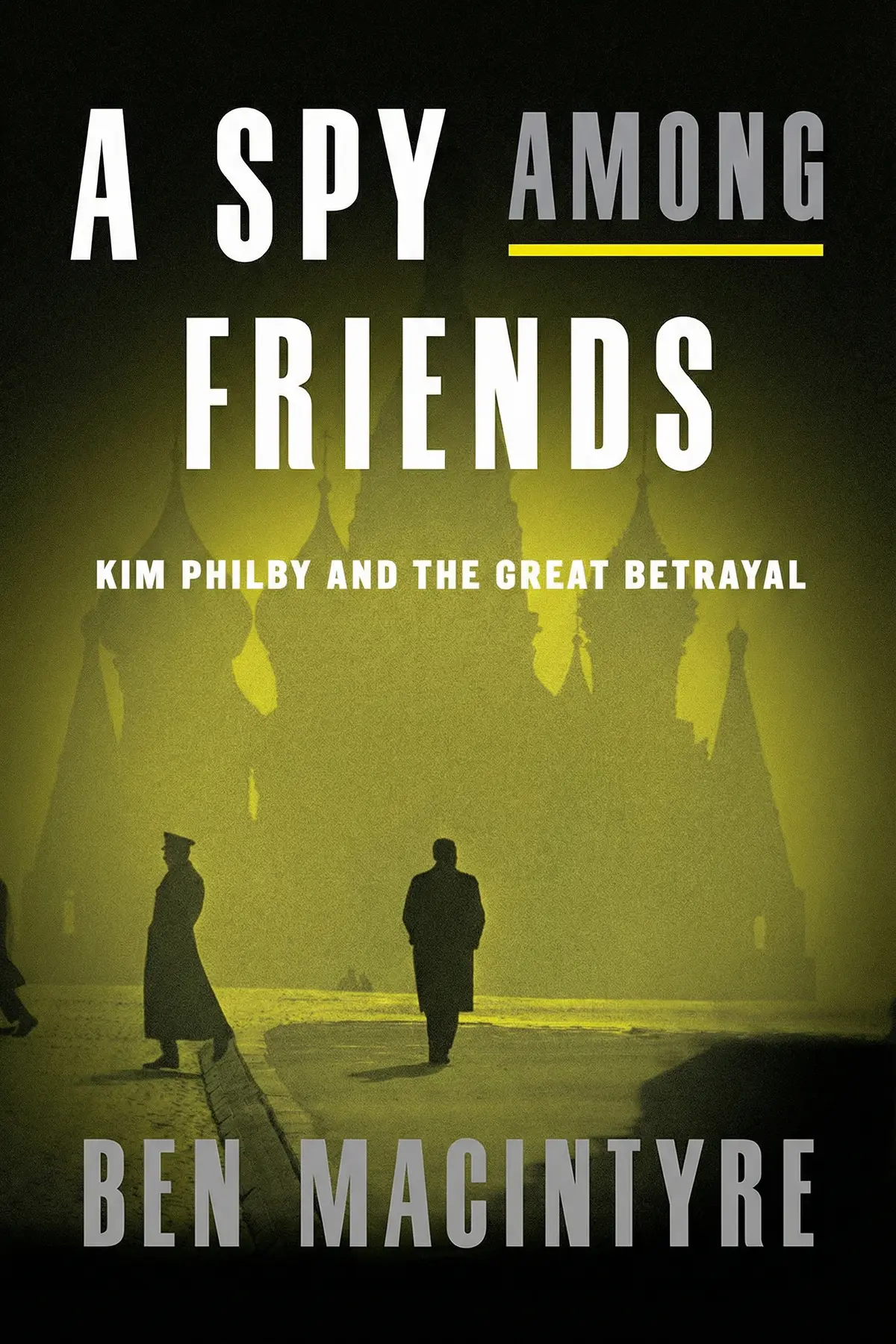
A Spy Among Friends: Philby and the Great Betrayal
Ben Macintyre



1491: New Revelations of the Americas Before Columbus
Charles C. Mann

A Year in the Life of William Shakespeare: 1599
James Shapiro
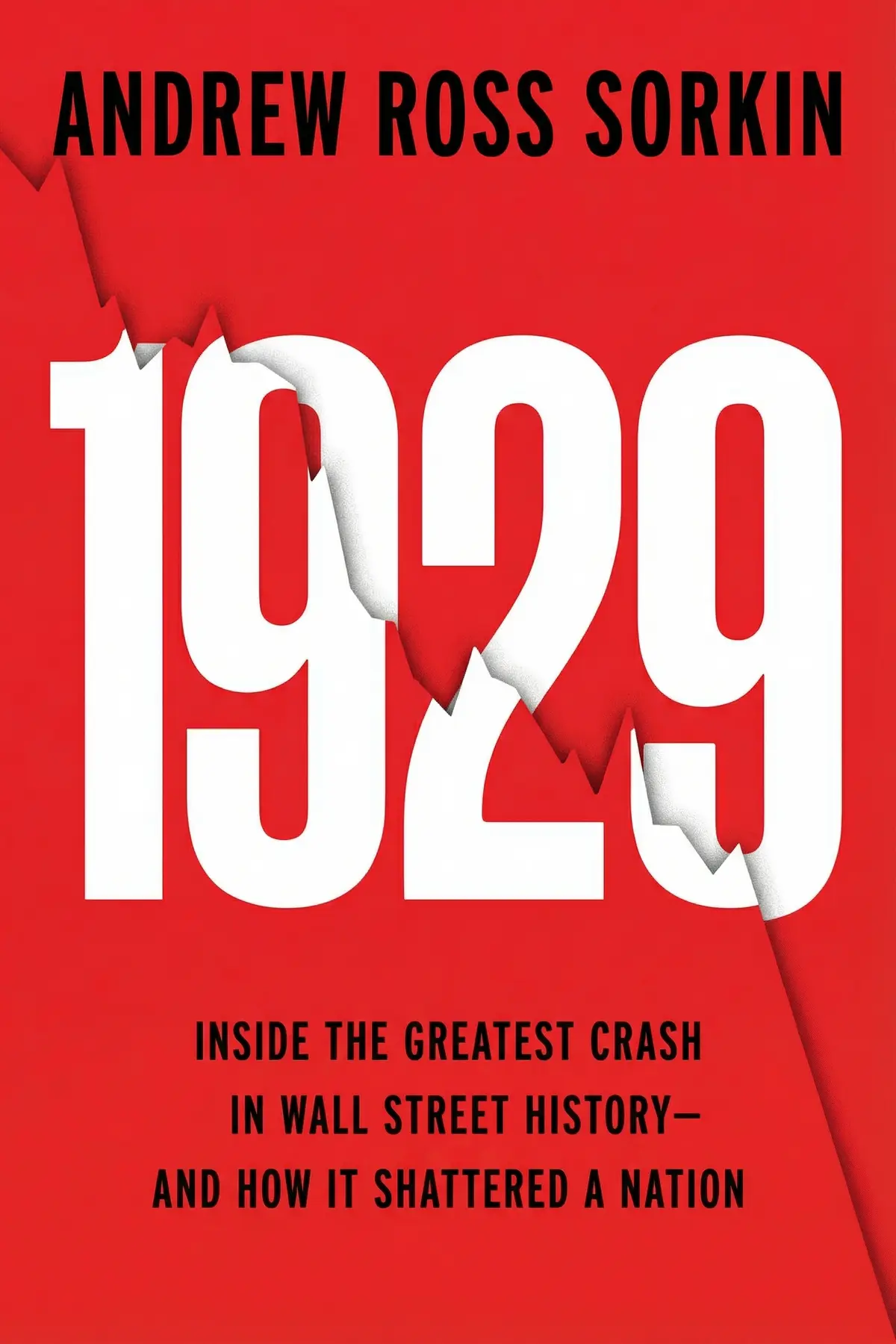
1929: Inside the Greatest Crash in Wall Street History--and How It
Andrew Ross Sorkin
AUDIO SUMMARY AVAILABLE
Listen to The Gulag Archipelago 1918-1956 in 15 minutes
Get the key ideas from The Gulag Archipelago 1918-1956 by Aleksandr Solzhenitsyn, plus 5,000+ more titles in English and Thai.
- 5,000+ titles
- Listen as much as you want
- 7-day free trial
- Cancel anytime







