

18 min 31 sec
The Heat Will Kill You First: Life and Death on a Scorched Planet
By Jeff Goodell
The Heat Will Kill You First examines the escalating dangers of a warming planet. It explores how extreme temperatures reshape biology, threaten urban infrastructure, and drive global migration and disease outbreaks.
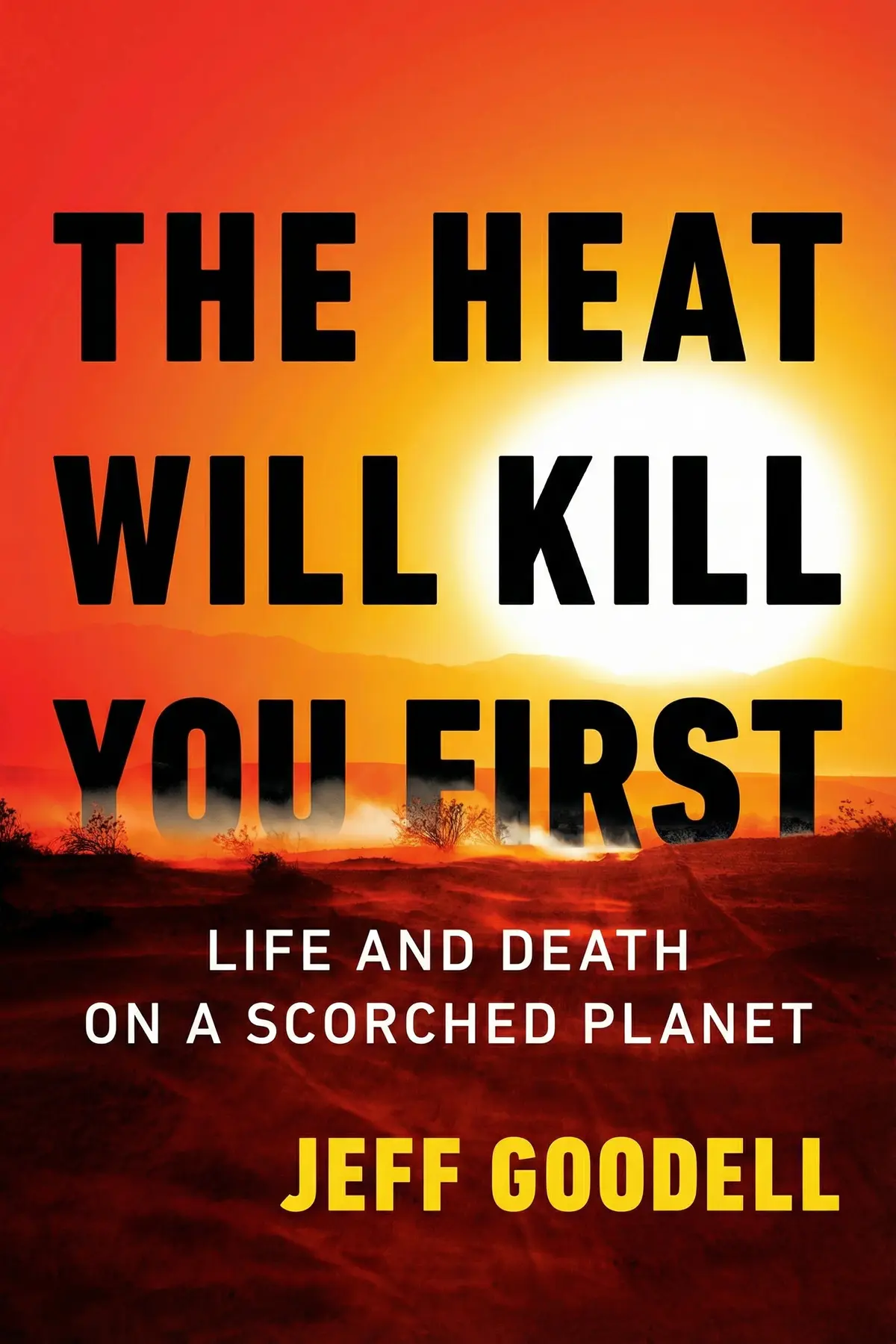
Table of Content
1. Introduction
2 min 18 sec
When we think about climate change, we often picture melting ice caps or rising sea levels—threats that feel distant or slow-moving. But there is a more immediate, invisible force that is already reshaping our world: heat. In The Heat Will Kill You First, investigative journalist Jeff Goodell argues that heat is the primary mover of climate chaos. It isn’t just a symptom of a warming planet; it is a predatory force that attacks the very biological and social structures we rely on for survival.
To understand the gravity of this shift, we only need to look back at the summer of 2021. In the Pacific Northwest, a region famed for its temperate, misty weather, a sudden and terrifying heat dome settled over the land. In Portland, temperatures soared to 114 degrees Fahrenheit. In Lytton, British Columbia, the mercury hit a staggering 121 degrees just before the town was essentially erased by fire. The natural world buckled under the strain. Glaciers didn’t just melt; they bled silty water that flooded communities. Salmon found themselves trapped in rivers that felt more like hot baths, making it impossible for them to breathe. Birds, desperate to escape the radiating heat of their nests, attempted to fly before they were ready, falling to the ground in a tragic display of environmental desperation.
The human cost was just as staggering. While official counts cited a thousand deaths, the true number is likely much higher, hidden among the elderly and the vulnerable who succumbed in quiet apartments. This event wasn’t a freak accident; it was a preview. As we continue to pump heat-trapping gases into the atmosphere, these ‘once-in-a-thousand-year’ events are becoming our new seasonal reality. This summary will take you through the ways heat is rewriting human evolution, threatening our health, transforming our cities into ovens, and forcing a global migration that will define the coming century. It’s a sobering look at a world on fire, but it also offers a necessary understanding of the challenges we must face together if we hope to find a way to cool the planet.
2. The Biological Evolution of Human Cooling
2 min 27 sec
Discover how our ancestors adapted to the African savanna by developing a unique biological cooling system that allowed us to become the world’s greatest endurance hunters.
3. The Human Body as a Heat Machine
2 min 30 sec
Learn the terrifying mechanics of how excessive heat shuts down your internal organs and why staying hydrated is only part of the battle for survival.
4. The Lethal Geometry of the Modern City
2 min 36 sec
Explore why our urban centers have become ‘heat islands’ and how the design of our cities is exacerbating social inequality during heatwaves.
5. A World in Motion: The Great Heat Migration
2 min 27 sec
Examine how rising temperatures are triggering a massive movement of species and humans, reshaping the geography of life on Earth.
6. The Pathogens Awakened by Warmth
2 min 18 sec
Uncover the hidden biological threat of climate change as rising temperatures expand the reach of deadly insects and revive ancient diseases.
7. The Inequality of Adaptation and the Hope for Change
2 min 24 sec
Reflect on the ‘temperature apartheid’ and why solving the heat crisis requires more than just better technology—it requires a revolution in empathy.
8. Conclusion
1 min 31 sec
As we have seen throughout this exploration of The Heat Will Kill You First, the rising temperature of our planet is not a distant problem for future generations; it is a fast-moving crisis that is already testing the limits of our biology, our infrastructure, and our humanity. We have moved from being the masters of heat—using our unique evolutionary gifts to conquer the savanna—to becoming victims of a climate we have radically altered. The invisible force of heat is rewriting the rules of where we can live, what diseases we face, and how our societies are structured.
But the most important lesson is that heat is a great revealer. It exposes the cracks in our cities, the inequities in our economies, and the fragility of our ecosystems. It tells us that we cannot survive in isolation. Whether it is the ‘temperature apartheid’ in our urban centers or the mass migration of species across borders, the heat reminds us that we are part of a single, interconnected web of life. The path forward requires more than just better air conditioners; it requires a fundamental shift in how we value life and how we manage the resources of our shared home. We must act with urgency to curb emissions and redesign our world for a hotter future, ensuring that the ‘coolness’ of survival is a right shared by all, not a privilege reserved for the few. The heat is here, and how we respond to it together will be the ultimate test of our species.
About this book
What is this book about?
The Heat Will Kill You First explores the invisible yet lethal force of rising global temperatures. Far more than just a seasonal inconvenience, heat is presented as a primary driver of climate instability that is currently rewriting the rules of life on Earth. Through a blend of scientific analysis and investigative reporting, the book examines how our bodies, our cities, and our ecosystems are being pushed to their absolute breaking points. The promise of the book is a clear-eyed understanding of the most immediate threat posed by climate change. It moves beyond abstract statistics to reveal the biological reality of how heat affects the human heart, why our modern infrastructure is ill-equipped for a scorched future, and how the disparity between the wealthy and the poor creates a dangerous new social divide. Ultimately, it serves as an urgent call to recognize heat as a fast-moving disaster that demands immediate systemic change.
Book Information
About the Author
Jeff Goodell
Jeff Goodell is an award-winning journalist and author who has spent more than twenty years reporting on climate issues. He serves as a contributing editor at Rolling Stone and is the author of several influential books, including Big Coal and How to Cool the Planet. His 2017 work, The Water Will Come, was recognized as a New York Times Critics Top Book. Goodell is a frequent commentator on climate policy and science for major media outlets, including NPR, CNN, and MSNBC.
Ratings & Reviews
Ratings at a glance
What people think
Listeners find this work to be a highly accessible and educational experience, praised for its superior prose and thoroughly documented material. The narrative effectively emphasizes the dangers of extreme heat and climate change by weaving in stories about actual individuals. Listeners characterize the text as a perspective-shifting revelation, and one listener highlights how it explains the science clearly. There are varying opinions regarding how frightening the content is, as some perceive it as terrifying while others do not share that view.
Top reviews
Pensuda
Living in a scorching urban environment makes this read feel less like a warning and more like a current events report. Goodell manages to take the abstract concept of global warming and distill it into the visceral sensation of your skin burning on a sidewalk. I found the sections on how Paris is redesigning its streets to be incredibly hopeful, contrasting sharply with the bleak reality of how heat impacts the human body on a cellular level. To be fair, it is a frightening book, but ignoring the temperature won’t make it drop. The writing is accessible and avoids the dense academic jargon that usually makes these topics feel inaccessible to the general public. It’s a necessary, if sobering, look at our immediate future.
Show moreAmy
Wow, this was a punch to the gut that I wasn't entirely prepared for even as a climate-conscious person. Goodell doesn't just talk about numbers or degrees; he talks about people, like the farmworkers and the elderly, who are on the front lines of this invisible killer. The prose is sharp and fast-paced, keeping me engaged even when the subject matter felt overwhelming. It’s rare to find a book that handles science so clearly while maintaining such a high level of emotional resonance. I appreciated the historical context regarding how long we've actually known about this crisis, dating back to the 19th century. Truly an essential read for anyone trying to understand why our summers feel so much more dangerous lately.
Show moreSamroeng
Ever wonder why we treat 110 degrees as a simple weather report instead of a looming medical emergency? This book answers that question by breaking down the 'silent' nature of heat as a predator. The anecdotes about real people struggling in places like Tampa and Phoenix make the data feel personal and immediate. Not gonna lie, the section on how air conditioning actually contributes to the very problem it solves was a massive wake-up call for me. It’s a well-researched, relatable, and deeply informative piece of journalism that should be required reading for every city planner and politician. Goodell’s writing is exceptional, turning what could be a dry subject into a narrative that feels like a high-stakes thriller.
Show moreSaengdao
Truth is, I used to think of global warming as a rising sea problem, but Goodell successfully reframed it as a 'cooking from the inside out' problem. The way he explains the science of how our hearts and lungs struggle against extreme temperatures is both fascinating and horrifying. I loved the inclusion of the Paris metro expansion and the efforts to green the city—it gave a much-needed glimmer of hope in an otherwise dark narrative. The book is incredibly well-researched, and the narrator for the audiobook version did a fantastic job keeping the tone serious but engaging. It’s rare to find a science-heavy book that you can actually recommend to your non-scientist friends without hesitation.
Show morePriya
Terrifying, essential, and masterfully written. This isn't just a book about the environment; it's a book about how we live, how we build, and how we survive. Goodell brings a human face to the statistics, making the looming catastrophe feel like a personal story rather than a distant threat. The science is presented clearly enough for anyone to follow, yet it never feels like it's talking down to the reader. I finished this feeling a strange mix of profound anxiety and a renewed desire to see real systemic change in our energy policies. It’s a thought-provoking masterpiece that will stay with me for a long time.
Show morePot
Jeff Goodell has a real knack for translating complex thermal dynamics into something a layperson can actually visualize, though he does meander a bit. The chapters function almost like standalone essays, which makes it easy to digest in sittings, but occasionally the narrative flow gets lost in his personal travelogues. Frankly, I didn’t need twenty pages on boat repairs in the Antarctic to understand that glaciers are melting at an alarming rate. However, when he sticks to the science—like the terrifying way our sweat response fails in high humidity—the book is unputdownable. It’s a thought-changing eye-opener that forces you to respect the sun in a way you probably haven't since you were a child.
Show moreNikolai
The chapter on melting glaciers was easily the standout for me, providing a terrifying clarity on how fast things are actually shifting. I appreciated how the author moved through different ecosystems, from the bottom of the ocean to the middle of a cornfield, to show how interconnected these temperature spikes are. To be fair, some of the personal vignettes felt a little like 'journalistic padding' and could have been tightened up to keep the momentum going. Look, we all know it’s getting hotter, but seeing the specific mechanics of how heat affects everything from insect migrations to the stability of our electrical grids is eye-opening. It isn't just about 'global warming' anymore; it's about the literal survival of our biological systems.
Show moreLars
Finally got around to this after seeing it everywhere, and it certainly lives up to the 'fear porn' label some have given it, but for good reason. The reality is scary, and Goodell doesn't sugarcoat the fact that we are living through the coolest summers we will likely ever experience again. I particularly liked the discussion on urban heat islands and how ancient architecture handled cooling better than our modern glass boxes do. Some parts felt a bit repetitive, and the author’s interjected opinions occasionally bordered on annoying, but the core information is too important to ignore. It’s a solid 4-star read that will definitely change how you look at a forecast.
Show moreYam
As someone who lives in a city where the 'heat island' effect is very real, the sections on urban planning were absolutely fascinating. Goodell does a great job of showing that heat isn't an equal opportunity killer; it hits the poor and the marginalized much harder. I did find the author's frequent mentions of his own travels a bit distracting—it felt like he was bragging about his carbon footprint while lecturing us on ours. Despite that, the information about the history of climate warnings in the US government was a great addition. It's a sobering reminder that we've had the data for decades and chose to look away. Definitely worth your time if you want to understand the modern world.
Show moreWei
While the core message is undeniably urgent, the execution felt like I was paying for the author's luxury vacation to the poles. I found the writing style incredibly frustrating and full of unnecessary filler that distracted from the actual science. One moment we’re learning about fascinating biology, and the next we’re spending an entire chapter praising someone for the 'brave' act of giving heat waves names like they’re hurricanes. It felt a bit like climate voyeurism—lots of pointing at tragedy without offering much in the way of coherent solutions or deep nuance. Some of the scientific assertions, like the specific temperature at which cells break down, seemed oversimplified to the point of being misleading. There are better, more rigorous books on this topic if you want actual data over anecdotes.
Show moreReaders also enjoyed

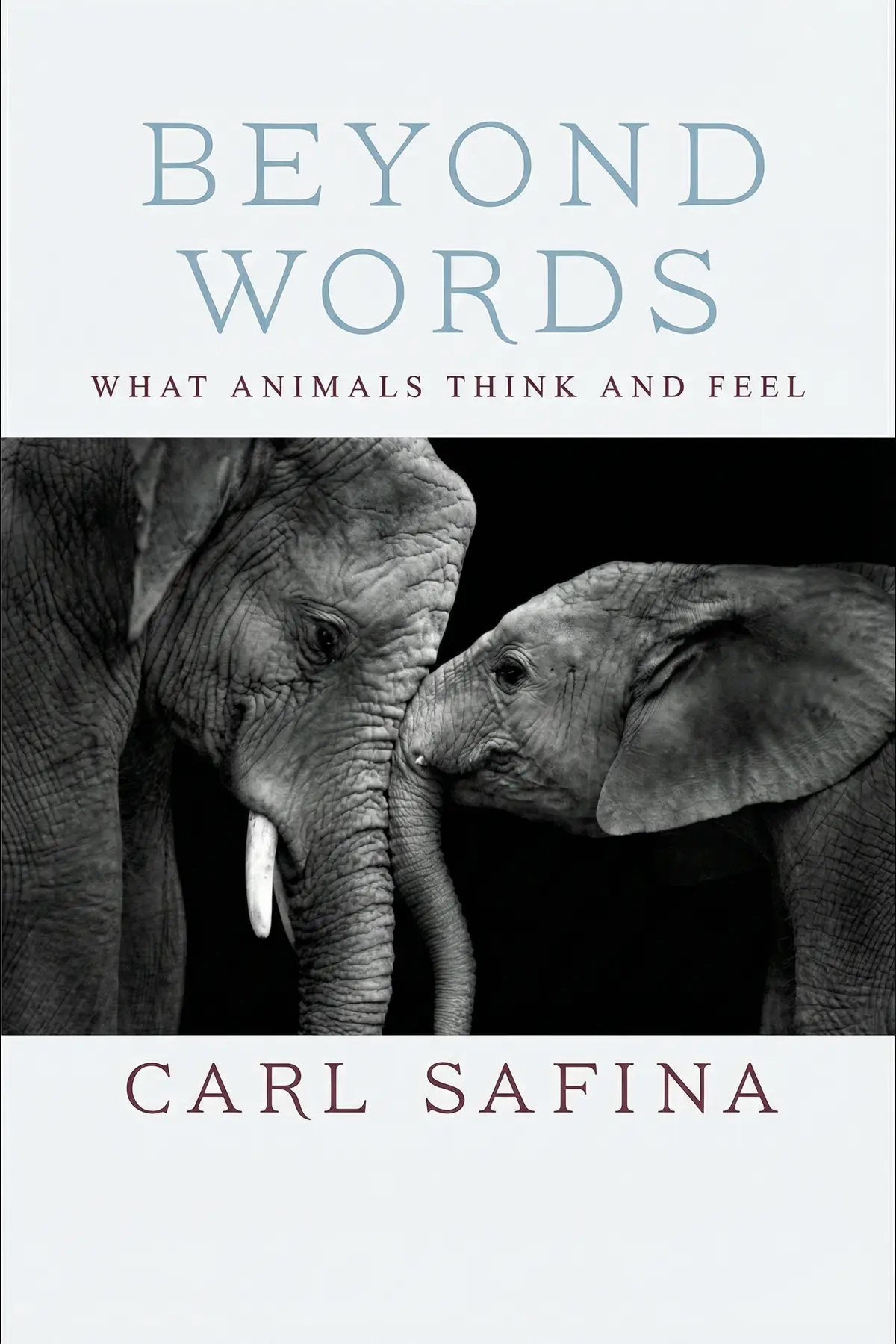
Beyond Words: What Animals Think and Feel
Carl Safina
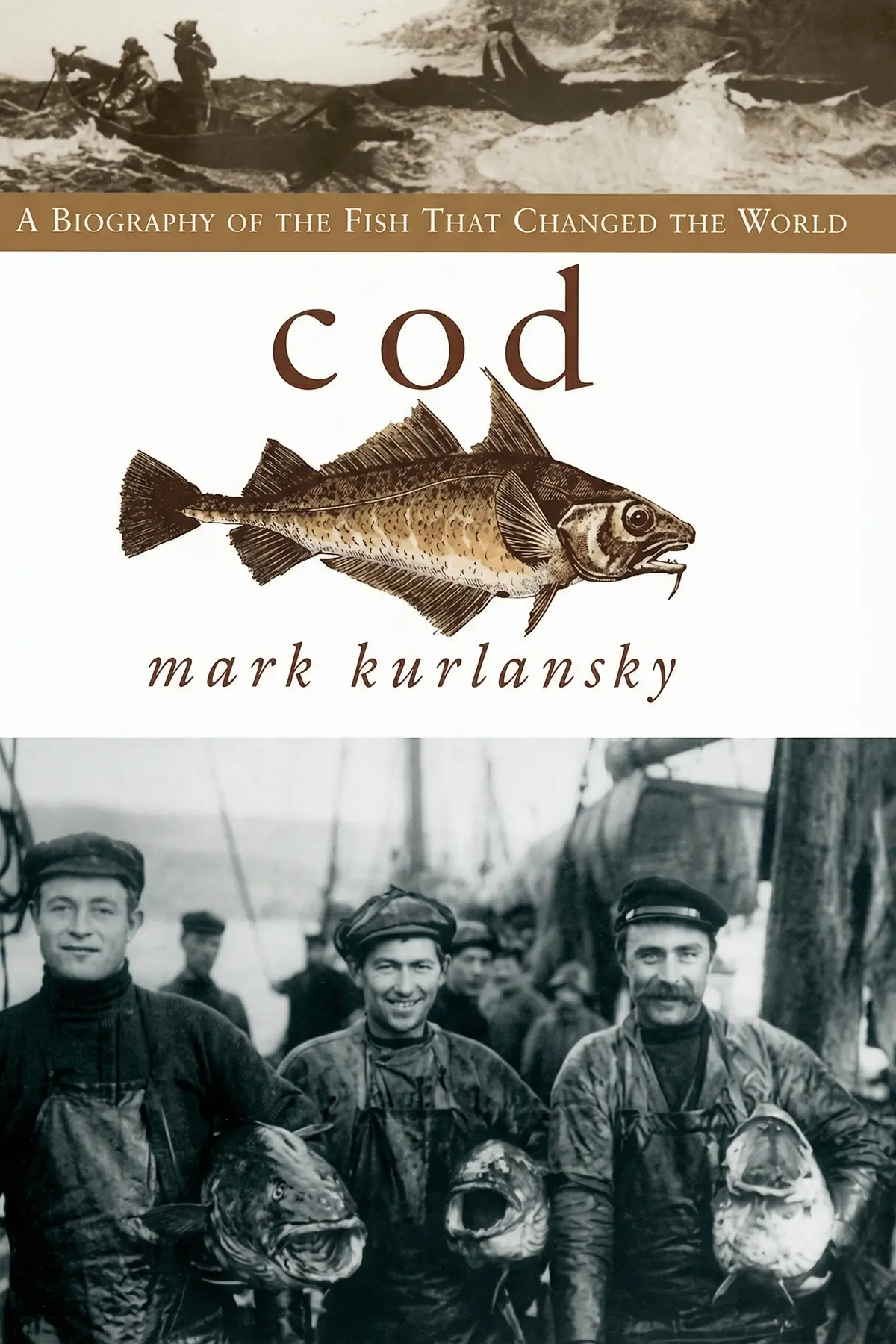
Cod: A Biography of the Fish That Changed the World
Mark Kurlansky
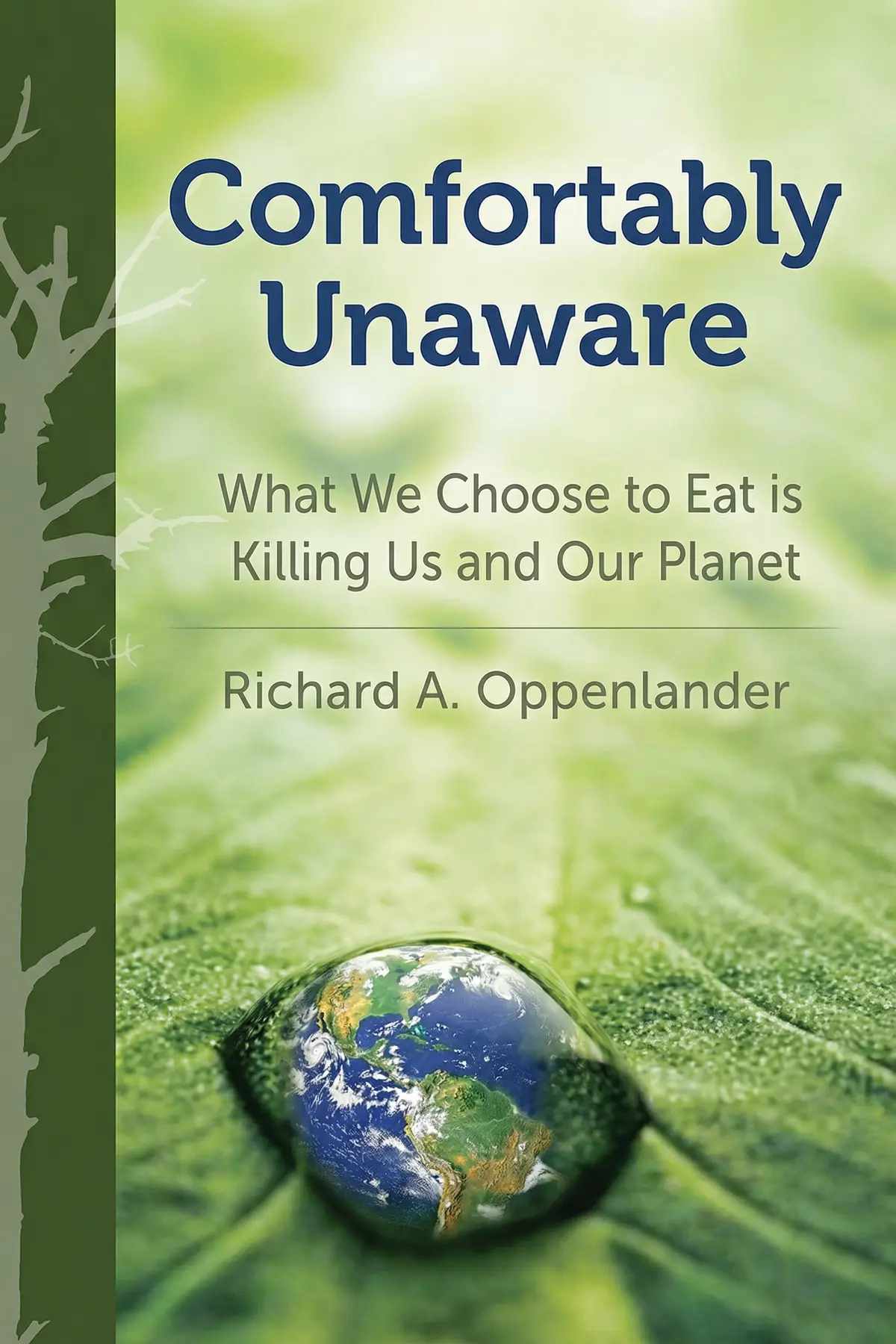
Comfortably Unaware: What We Choose to Eat is Killing Us and Our
Richard A. Oppenlander

Cradle to Cradle: Remaking the Way We Make Things
William McDonough

Drinking Water: A History
James Salzman
AUDIO SUMMARY AVAILABLE
Listen to The Heat Will Kill You First in 15 minutes
Get the key ideas from The Heat Will Kill You First by Jeff Goodell, plus 5,000+ more titles in English and Thai.
- 5,000+ titles
- Listen as much as you want
- 7-day free trial
- Cancel anytime







