
20 min 50 sec
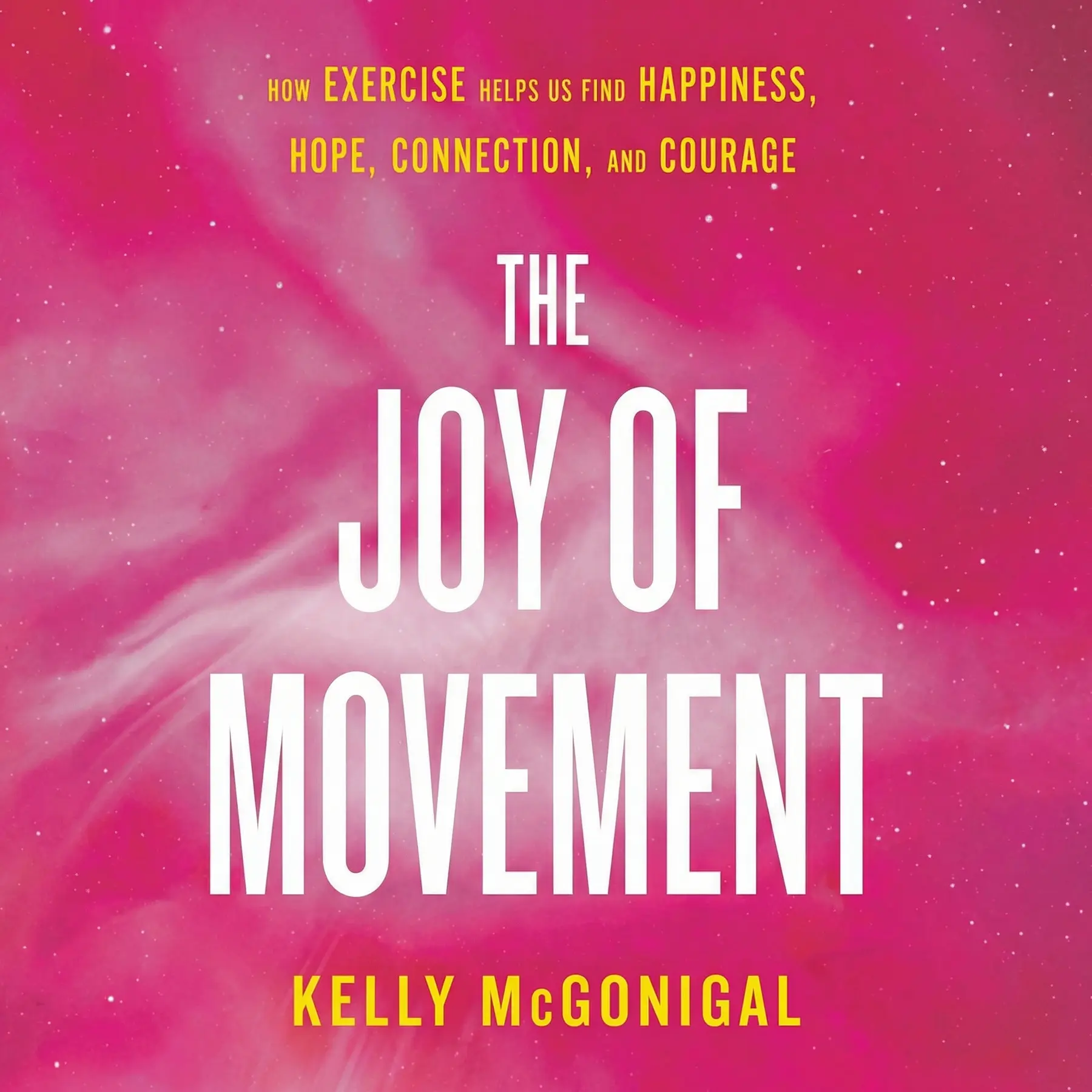
The Joy of Movement: How Exercise helps us find Happiness, Hope, Connection, and Courage
Explore how physical activity serves as a powerful biological tool for emotional resilience, social bonding, and profound happiness, revealing that our bodies are hardwired to find joy through movement and connection.
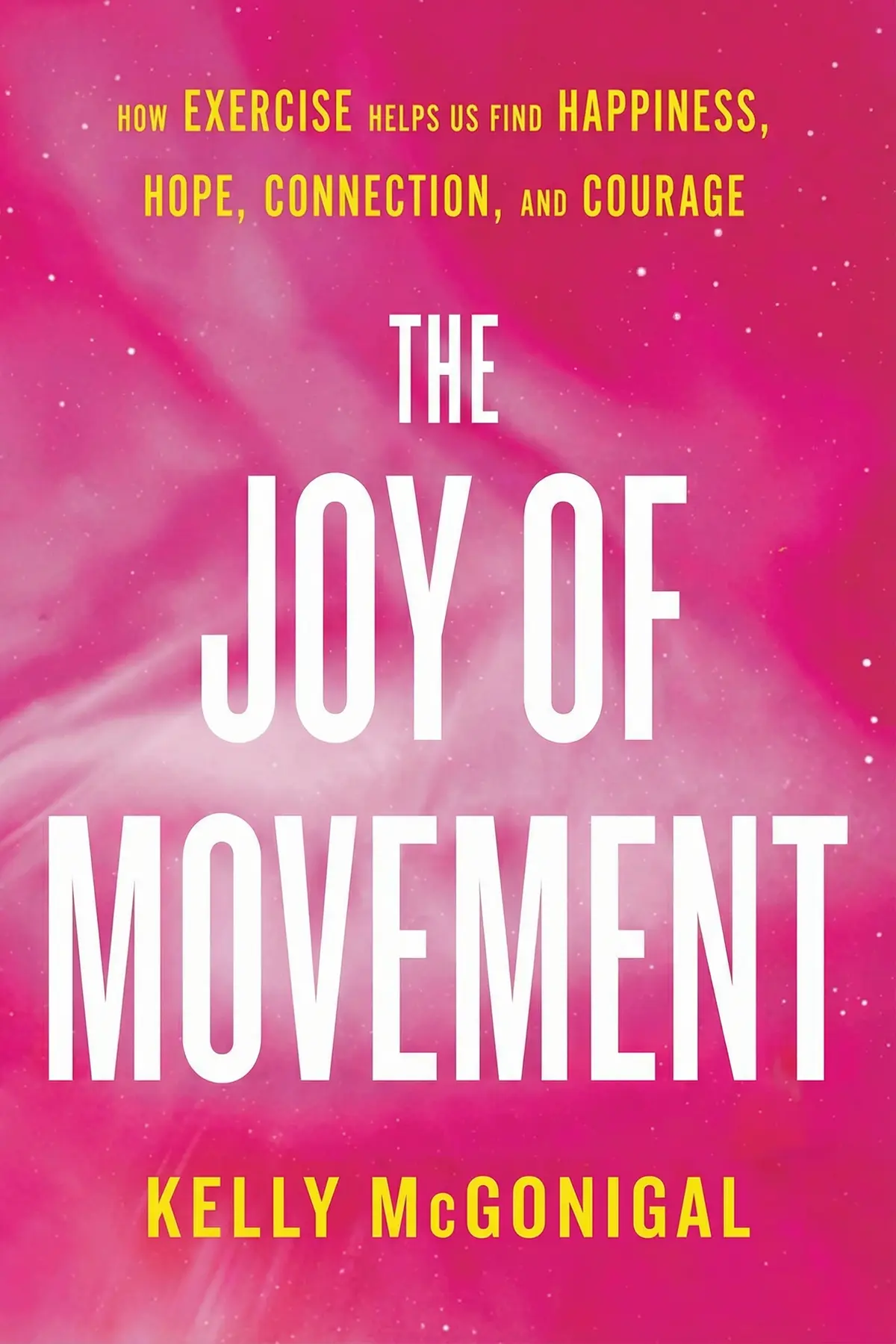
Table of Content
1. Introduction
2 min 00 sec
When we think about exercise, our minds often jump to the physical results: stronger muscles, a healthier heart, or a leaner physique. But there is a much deeper story happening beneath the surface. If you have ever noticed how a long walk can clear a mental fog, or how a high-energy dance class can make you feel invincible, you have experienced the profound psychological shifts that movement facilitates. The reality is that our bodies and brains are inextricably linked in a way that prioritizes movement as a primary source of well-being. Physical activity is not just about maintenance; it is a gateway to hope, resilience, and a sense of belonging.
In this exploration, we are going to look at the science that explains why movement makes us feel so good. We will dive into the evolutionary reasons why our ancestors needed a chemical reward for physical persistence and how those same mechanisms help us navigate modern stress. We will see how moving together in rhythm can break down the walls of the ego, and how even a simple playlist can act as a powerful performance enhancer for the mind. This isn’t just a guide to getting fit; it is a journey into the very essence of human happiness.
What we will uncover is a throughline that connects our biology to our social needs. From the chemicals that mimic the effects of cannabis to the “hope molecules” produced by our muscles, you will learn how to view movement as a tool for personal transformation. Whether you are an elite athlete or someone who struggles to find the motivation to walk around the block, understanding the joy of movement can change how you perceive your body and your life. By the end of this journey, you will see that every step, every lift, and every stretch is an opportunity to tap into a reservoir of courage and connection that is already inside you.
2. The Chemistry of Persistence
2 min 38 sec
Uncover the biological origins of the legendary runner’s high and how ancient survival mechanisms now protect us from modern anxiety and isolation.
3. Harnessing the Brain's Reward System
2 min 30 sec
Learn how the brain becomes sensitized to the joy of exercise over time, creating a positive form of addiction that actually improves your capacity for pleasure.
4. The Power of Synchronized Movement
2 min 17 sec
Explore the phenomenon of ‘collective effervescence’ and why moving in unison with others can dissolve the ego and build profound trust.
5. Music as a Biological Fuel
2 min 22 sec
Discover how the right rhythm can act as a legal performance enhancer, pushing your body beyond its limits and even healing the mind.
6. Redefining the Self Through Physical Challenge
2 min 18 sec
Find out how facing terrifying physical obstacles can rewrite your internal narrative, turning deep-seated fears into newfound courage.
7. The Restorative Power of Nature
2 min 21 sec
Explore why ‘green exercise’ is uniquely effective at silencing self-criticism and triggering a state of mindful fascination that indoor workouts can’t match.
8. Myokines and the Molecules of Hope
2 min 23 sec
Unlock the secret of ‘hope molecules’ produced by your muscles that protect your brain from stress and act as a natural antidepressant.
9. Conclusion
2 min 01 sec
The journey through the science of movement reveals a simple but life-changing truth: we were born to move. Our biology is not an obstacle to be overcome, but a sophisticated system designed to reward us for being active, social, and resilient. From the endocannabinoids that provide a persistence high to the myokines that act as hope molecules, every part of our physical being is optimized to find joy in effort. We have seen how movement can bridge the gap between isolation and connection, how it can turn fear into bravery, and how it can silence the inner critic by reconnecting us with the natural world.
As we look back at the various ways exercise impacts our lives, the throughline is clear: movement is a fundamental human need that goes far beyond physical aesthetics. It is a social glue that binds communities together through synchronized rhythm. It is a cognitive tool that resets our brains for mindfulness and awe. And perhaps most importantly, it is a source of agency that allows us to rewrite our own stories. When we choose to move, we are choosing to participate in an ancient human tradition of survival and flourishing.
The most important takeaway is that these benefits are accessible to everyone. You do not need to be an elite athlete or a marathon runner to tap into the joy of movement. Whether it is a weekly walk in a local park, a few minutes of dancing to your favorite song, or a group class that makes you feel part of a team, the key is to find what works for you. Start where you are, use the tools you have, and trust that your body knows exactly what to do with the effort. By making movement a consistent part of your life, you aren’t just getting fit—you are building a foundation for a more courageous, connected, and joyful existence. The pharmacy is in your muscles, and the reward is waiting in every step. It’s time to get moving.
About this book
What is this book about?
The Joy of Movement shifts the conversation from exercise as a chore for weight loss to movement as a fundamental source of human meaning and well-being. By exploring the intersection of neuroscience, evolutionary biology, and psychology, the book illustrates how physical exertion alters our brain chemistry to foster hope, courage, and social intimacy. It explains why a long run can feel like a spiritual experience, how group fitness creates deep bonds of trust, and why moving in nature restores our mental clarity. Readers will discover the biological secrets behind the famous runner’s high and learn how to harness their inner chemistry to overcome anxiety and depression. The promise of the book is that by understanding our evolutionary heritage as active beings, we can reclaim a sense of agency and purpose in our modern lives. Whether it is through dancing, swimming, or extreme endurance sports, physical activity is presented not just as a way to stay fit, but as a vital ingredient for a flourishing life.
Book Information
About the Author
Kelly McGonigal
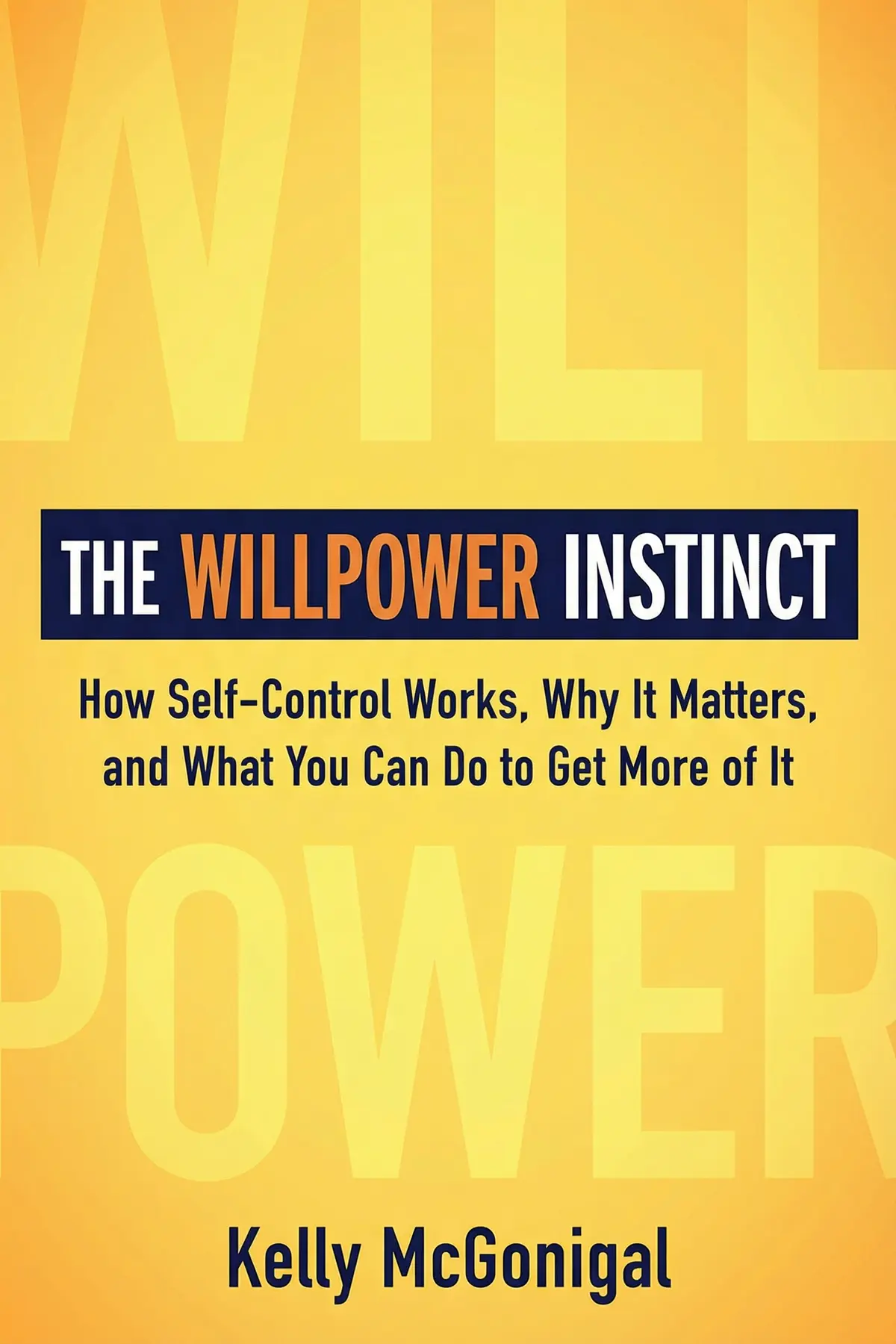
Kelly McGonigal is a distinguished research psychologist and an award-winning science writer known for bridging the gap between academic research and practical life. She lectures at Stanford University and is a dedicated group exercise instructor in the San Francisco Bay Area. Her work focuses on neuroscience and psychology, particularly how they relate to personal growth and well-being. McGonigal is an international bestselling author, with her book The Willpower Instinct reaching global acclaim and her writing being translated into twenty-eight languages.
Ratings & Reviews
Ratings at a glance
What people think
Listeners value the scholarly authority of the work, with one person highlighting the thorough research and its effective combination of academic and global viewpoints. Furthermore, the text offers profound explorations of movement culture, and listeners find the content highly inspiring, as one individual notes a significant increase in their drive to exercise. Finally, listeners appreciate the author's take on physical activity, specifically noting how it can rewire the brain.
Top reviews
Samuel
Ever wonder why a simple walk can completely shift your perspective? Kelly McGonigal bridges the gap between hard neuroscience and the human experience in a way that feels both rigorous and deeply moving. It is more than a workout manual; it is a deep dive into how our internal chemistry supports our social connections. By exploring the biology of 'collective effervescence,' she illustrates how movement functions as a social glue that has helped humanity survive for millennia. This book provides a surge of enthusiasm for anyone who has lost their spark for exercise. I found the academic credibility here to be refreshing because it wasn't just another 'fitspo' guide. Instead, it offers a worldly perspective on why our bodies were literally built to find joy in persistence.
Show moreNora
Picked this up during a major rut and found the sections on nature-based activity to be absolutely transformative for my mental health. McGonigal’s explanation of 'green exercise' and how our brains shift from toxic rumination to 'soft fascination' when outdoors changed my entire morning routine. The academic research cited is extensive, yet the writing remains accessible to a casual reader looking for inspiration. Not gonna lie, I was skeptical about the evolutionary theories at first, but the evidence regarding 'foraging cognition' is hard to argue with. This book serves as a powerful reminder that our bodies are not just machines to be maintained, but vessels for experiencing connection and awe. It gave me the motivation to step outside again.
Show moreTom
Finally got around to reading this and now I miss my group fitness classes more than I ever thought possible. McGonigal captures the essence of 'joy' perfectly by focusing on connection rather than just the physical mechanics of a workout. She explains why moving together in a room full of strangers creates a sense of belonging that is hard to find elsewhere. The science behind how exercise mimics the effects of certain sedatives was particularly eye-opening for my own anxiety management. It’s a beautifully written, hopeful book that challenges the idea that exercise is just about burning calories. I’ve already recommended this to several friends who struggle with feeling isolated. It’s a surge of enthusiasm in book form.
Show moreNew
After hearing McGonigal speak on a podcast, I knew I needed the full story on how movement impacts our psychological well-being. This book provides a compelling personal narrative alongside peer-reviewed studies that prove exercise is essentially a 'hope' molecule for the brain. The research on how 20 minutes of movement can trigger endocannabinoids is life-changing for anyone dealing with low mood or social anxiety. I love how she highlights the 'Green Gym' initiatives and other community-focused projects that use movement for social good. It is a rare book that manages to be both intellectually stimulating and deeply heart-centered at the same time. If you need a reminder of why your body is a gift, this is the perfect read.
Show moreBank
Kelly McGonigal has a knack for translating complex psychological studies into something that feels deeply personal and urgent. I was particularly fascinated by the discussion on how physical activity can actually rewire the brain to be more resilient against despair. The chapters on 'movement culture' and how we bond through synchronized action made me look at my local yoga studio in a completely new light. While the prose can occasionally lean a bit too hard into sentimental anecdotes, the underlying research remains solid and convincing. It isn't a book about weight loss or aesthetics, which is a massive relief in this genre. I appreciate that it treats movement as a fundamental human right and a tool for mental health rather than a chore for vanity.
Show morePlernpiriya
As someone who has always viewed exercise as a boring chore, reading about the persistence high was the wake-up call I desperately needed. The book explains how movement triggers a chemical cascade that makes us more generous and less anxious. It’s fascinating to realize that our ancestors survived because their brains rewarded them for the physical struggle of the hunt. McGonigal does a great job of blending this evolutionary history with modern psychological needs. My only minor complaint is that the writing can be a bit too optimistic at times, ignoring the very real barriers many people face. Still, the core message about rewiring your brain through consistent activity is incredibly powerful and well-supported by the latest clinical trials.
Show moreRotjanee
The idea that movement can actually rewire your brain’s response to stress is such a powerful and underutilized concept in modern wellness. Personally, I found the discussion on the 'persistence high' to be the highlight of the entire book because it reframed exhaustion as a gateway to joy. McGonigal presents a worldly perspective, looking at how different cultures around the globe use dance and collective movement to heal. While I would have liked more 'how-to' steps for beginners who aren't already active, the inspiration factor is undeniable. It’s a great blend of academic credibility and emotional storytelling. This book will definitely make you want to call up a friend and go for a long, meaningful hike together.
Show moreKom
Frankly, there is some fascinating science here, but it is often buried under an avalanche of sentimental anecdotes that don't always land. I enjoyed learning about endocannabinoids and why they make us more social and cooperative after a long run. However, the pacing of the book felt uneven, with some chapters dragging on through personal stories that felt repetitive after the first few pages. It feels a bit like a long-form magazine article that was stretched to meet a book's word count. If you are looking for a deep, academic breakdown of kinesiology, you might be disappointed by the 'feel-good' tone. It is a decent read for general motivation, but I found myself skimming through the more flowery sections to find the actual data.
Show moreRoongsak
This book unfortunately failed to deliver on its primary marketing hook, which was to show us how to 'fall in love' with moving. To be fair, if you already enjoy the gym, you will love reading the science that validates your hobby. However, for those of us who feel nothing but dread at the thought of a treadmill, this offers very little practical help. It is essentially a collection of cute stories about ultra-runners and dancers that assumes everyone can access a 'runner’s high' with enough effort. The truth is, I wanted a roadmap for the unmotivated, but I got a scientific explanation for why other people are happy. It felt like being a hungry person watching a documentary about how much other people enjoy five-course meals.
Show moreKae
Look, I expected a rigorous scientific exploration of human movement, but what I got instead was a collection of self-congratulatory stories and Buzzfeed-style lists. It felt incredibly shallow compared to the author's previous work, which I genuinely enjoyed and respected for its intellectual depth. The prose is far too bubbly and assumes that every reader has the physical ability and privilege to just 'go outside and play.' There is a frustrating lack of empathy for people with chronic pain or those who find movement to be a source of trauma. This felt more like a cheerleading pamphlet than a serious book on psychology. I honestly feel like I wasted my time waiting for a 'why' that never moved beyond the surface level.
Show moreFeatured in

Readers also enjoyed

ADHD an A-Z: Figuring It Out Step by Step
Leanne Maskell



Alcoholics Anonymous
Alcoholics Anonymous World Services

Ali: A Life
Jonathan Eig
AUDIO SUMMARY AVAILABLE
Listen to The Joy of Movement in 15 minutes
Get the key ideas from The Joy of Movement by Kelly McGonigal, plus 5,000+ more titles in English and Thai.
- 5,000+ titles
- Listen as much as you want
- 7-day free trial
- Cancel anytime







