
16 min 02 sec
The Upside of Stress: Why stress is good for you and how to get good at it
The Upside of Stress reveals that stress is only harmful if you believe it is. Psychologist Kelly McGonigal shows how to embrace pressure to enhance resilience and personal growth.
Table of Content
1. Introduction
1 min 29 sec
Think about the last time you felt truly stressed. Perhaps it was a mounting pile of bills, a tense meeting with your boss, or a major life transition that felt like it was pulling the rug out from under you. For decades, we’ve been told that these moments are killing us. The conventional wisdom is simple: stress is a toxin, a silent killer that erodes our health and shortens our lives. But what if that entire narrative is missing the most important piece of the puzzle? What if the problem isn’t the stress itself, but our relationship with it?
In this exploration of The Upside of Stress, we are going to look at why modern life’s hectic pace might actually be a hidden catalyst for growth and longevity. We’re moving beyond the idea of stress as a simple fight-or-flight mechanism and discovering a much more complex, ingenious biological system designed to help us handle challenges. This isn’t just about positive thinking; it’s about understanding how your body’s chemistry changes based on your beliefs.
By the end of this journey, you’ll see why people who lead the most meaningful lives often report the highest levels of stress, and why avoiding pressure can actually lead to more harm than facing it head-on. We’ll explore how stress can act like a vaccine for the soul, preparing us for future hurdles and even making us more compassionate toward others. It’s time to stop trying to escape the pressure and start learning how to get good at it. Let’s dive into the research that proves stress can be your greatest ally.
2. The Power of Mindset
1 min 55 sec
Your physical health isn’t just about what happens to you, but how you perceive the challenges you face every day.
3. The Stress Paradox and Meaning
1 min 59 sec
A life without pressure might sound like a dream, but the reality is that stress and happiness are often two sides of the same coin.
4. The Diverse Biology of Stress
2 min 00 sec
Stress is much more than a simple instinct to fight or flee; our bodies have a sophisticated toolkit for handling modern challenges.
5. Anxiety as an Energy Source
1 min 42 sec
The physical signs of nerves—like a racing heart or sweaty palms—can actually be harnessed to improve your performance.
6. Connection as a Survival Strategy
1 min 51 sec
Stress has the unique ability to turn fear into bravery and isolation into community through the power of human connection.
7. Resilience Through Adversity
1 min 56 sec
A life of ease isn’t necessarily a healthy life; experiencing challenges is what actually builds the strength to handle the world.
8. Integrating Stress into a Full Life
1 min 50 sec
True well-being doesn’t come from a lack of pressure, but from having the confidence to meet life’s demands head-on.
9. Conclusion
1 min 20 sec
In the end, the most important takeaway from Kelly McGonigal’s work is that we have more control over our health and happiness than we ever imagined. The traditional narrative that stress is a predator we must flee is not only outdated; it can be actively harmful. By changing your mindset, you change your biology. You transform your heart’s response from one of constriction and fear to one of openness and courage.
We’ve seen that the meaningful life is inherently a stressful one, and that’s a trade-off worth making. We’ve learned that our bodies are equipped with a sophisticated array of responses—like the challenge response and the tend-and-befriend response—that are designed to help us thrive under pressure and connect with our fellow humans. And we’ve discovered that our past adversities are not scars, but rather the foundation of our future resilience.
As you move back into your daily life, try to remember this: the next time you feel the weight of expectation or the heat of a deadline, don’t wish it away. Instead, take a deep breath and tell yourself, ‘This is my body helping me rise to the occasion.’ Reach out to someone else who might be feeling the same way. When you choose to see the upside of stress, you aren’t just surviving the day; you are mastering the art of living. You are turning your challenges into the fuel for a life well-lived.
About this book
What is this book about?
The Upside of Stress challenges the traditional view that stress is a toxic force to be avoided at all costs. Instead, it posits that stress is a natural byproduct of a meaningful life and that our physical response to it is largely dictated by our perception. By understanding the biology of the challenge response and the power of connection, listeners can learn to stop fearing stress and start using it as a tool for success. Through a combination of psychological research and biological insights, the book provides a roadmap for transforming pressure into a positive asset. It promises a complete shift in how you view the challenges of modern existence—from the office to the home. Rather than seeking a stress-free life, you will discover how to build a life that is high in both stress and satisfaction, using the body's natural responses to navigate difficulties with bravery and wisdom.
Book Information
About the Author
Kelly McGonigal
Kelly McGonigal is a psychologist at Stanford University and a leader in the field of “science help,” which applies research in psychology, neuroscience and medicine to situations in everyday life. She is the author of international bestseller The Willpower Instinct.
Ratings & Reviews
Ratings at a glance
What people think
Listeners find the book highly accessible, with one noting it is a great choice regardless of the season. The research is celebrated for providing scientific evidence in a clear, understandable format, and listeners value the transformative perspectives and useful suggestions provided. Furthermore, the storytelling style incorporates gripping anecdotes that build a convincing case, while listeners frequently describe the overall writing as expertly polished.
Top reviews
Hannah
This book flipped my entire worldview upside down by suggesting that the physical symptoms of stress are actually a resource. McGonigal manages to dismantle the 'stress is a killer' narrative by showing how our beliefs about stress are more dangerous than the stress itself. The way she discusses the challenge response—how our bodies prepare us to rise to the occasion—made me realize my physical symptoms aren't failures. Instead of trying to calm down, I’ve started viewing my racing heart as a sign that I am energized and ready for whatever is next. The section on DHEA and BDNF was particularly eye-opening because it explains how stress can actually protect the brain. It is genuinely life-changing material for anyone feeling chronically overwhelmed by their daily responsibilities. If you want to stop running from your life and start living it, this is the manual you need.
Show moreApichat
After hearing McGonigal’s famous TED talk, I expected some light fluff, but the actual depth of research in this book is staggering. She presents the 1998 study on mortality rates with such clarity that it’s hard to ignore the correlation between belief and health. The concept of the 'polygraph suicide machine' was a brilliant metaphor for how we create a negative feedback loop by stressing about our stress. I found the 30-minute intervention stories particularly compelling because they show how small shifts can lead to massive long-term results in GPA and health. The narrative style is engaging and the stories are woven together to make a truly powerful argument for personal growth. I’ve started the 'values writing' exercise she suggests, and it has already changed how I view my commute and my workload. It’s rare to find a self-help book that actually changes your physical experience of the world. This is essential reading for anyone who feels like they are drowning in obligations.
Show moreCharles
The chapter on 'Tend and Befriend' was the missing piece of the puzzle for my own personal struggle with social anxiety. McGonigal shows that our bodies actually prompt us to seek connection when we are under pressure, which is such a beautiful reframe. I was fascinated by the idea that helping others is one of the most effective ways to lower our own stress levels. The Wharton study she cites about 'time scarcity' was particularly relatable because I always feel like there aren't enough hours in the day. It turns out that giving time away can actually make us feel like we have more of it. Her writing is exceptionally well-crafted, and she doesn't shy away from the 'nerdy stuff' like the chemistry of cortisol and adrenaline. I finished the book feeling empowered rather than just informed, which is a rare feat for this genre. It’s the kind of book you want to buy for every member of your family.
Show moreKet
Personally, I loved how McGonigal broke down the chemistry of cortisol and oxytocin without making the book feel like a dense biology textbook. She has a way of telling stories that makes the data feel relevant to your actual, messy, everyday life. The section on 'values-based writing' was a total game-changer for me because it helped connect my boring tasks to my bigger goals. It turns out that viewing your struggles as part of a larger purpose is the key to psychological resilience and long-term health. The narrative is powerful, and the author’s own vulnerability about her past as a 'stress-is-bad' advocate makes her very relatable. I’ve already noticed a shift in my mood when things go wrong; I’m much more likely to ask 'how can I grow?' now. This is a brilliant piece of work that deserves a spot on everyone’s bookshelf. It is easily one of the most impactful books I have read in the last five years.
Show moreSuthida
Ever wonder if the anxiety you feel before a big meeting is actually your body’s way of helping you perform better? McGonigal’s research-heavy but approachable prose explains that how we frame our experiences dictates our physiological reactions. I especially appreciated the 'Tend and Befriend' section because it highlights how oxytocin is released during stress to help us connect with others. This contradicts the traditional 'fight or flight' model we were all taught in school and provides a much more social, human perspective on struggle. While some of the corporate anecdotes felt a bit repetitive towards the middle, the core message remains incredibly powerful and actionable. The writing is well-crafted, making complex neuroscience feel like a conversation with a very smart friend. It’s a welcome read for any time of the year, particularly during transitions or high-pressure seasons. I’ve already recommended it to several colleagues who are struggling with burnout.
Show moreWin
Wow, what a refreshing and evidence-based take on a topic that usually makes us all want to hide under the covers. The author argues that a meaningful life is inevitably a stressful one, and trying to avoid stress is basically trying to avoid living. Personally, I loved the breakdown of how athletes use their stress as fuel; it explains why high-performers often look 'on edge' but still succeed. The writing is quite crisp and the research is presented in a way that doesn't feel like a dry academic textbook. I did find the 'Mama Tiger' and 'Baby Tiger' analogies a bit simplistic, but they served their purpose for the broader point. Truth is, we’ve been told stress is toxic for so long that we’ve developed a fear of our own biological responses. This book provides a much-needed exit ramp from that cycle of fear and avoidance. It's a solid 4-star read that offers practical tools for anyone looking to build resilience.
Show moreStella
Picked this up during a particularly brutal quarter at work and it was exactly the mental reset I needed at the time. McGonigal’s argument isn't that we should seek out more stress, but that we should stop wasting energy trying to eliminate it. The 'Challenge Response' versus 'Threat Response' distinction is something I now think about every time I have to give a presentation. When my hands shake, I tell myself it’s my body preparing for action, and the shaking actually stops much faster. The book is full of these kinds of practical tips that you can implement immediately without needing a PhD in psychology. I also appreciated the chapter on how adversity makes us stronger, provided we have the right support systems in place. It’s a very encouraging read that focuses on human strengths rather than our vulnerabilities. It’s definitely worth the time for anyone who feels like their life is a constant uphill battle.
Show moreFrida
Not what I expected from a self-help book, mostly because it actually relies on hard science instead of just vague positive vibes. McGonigal’s writing is sharp and the examples she uses—from elite special forces to hospital maids—provide a broad range of perspectives. The idea that stress-free lives aren't actually the happiest ones was a bitter pill to swallow but ultimately very liberating. It means we don't have to wait for life to get 'easy' before we can start being satisfied with our progress. I did think some of the 'mindset interventions' sounded a bit too good to be true, but the data seems to back them up. The book is excellent in terms of readability and can easily be finished over a weekend if you're motivated. If you are tired of the constant 'self-care' advice that tells you to just take a bath, read this instead. It offers a much more robust and realistic way to handle the pressures of modern life.
Show moreDream
Gotta say, the writing is top-notch even if the middle sections of the book felt slightly repetitive after a while. The core thesis—that stress is only bad if you think it is—is repeated in almost every chapter with different anecdotes. While I appreciate the scientific rigor, I felt like the book could have been about fifty pages shorter without losing much impact. The 'white bear' analogy was a great touch, though, illustrating why resisting our feelings only makes them persist and grow stronger. I also liked the focus on 'larger-than-self' goals, which helps put daily irritations into a much broader, more meaningful context. However, I worry that some readers might use this as an excuse to stay in truly toxic situations they should actually leave. It’s a useful tool for mindset, but it shouldn't be the only tool in your box for managing a difficult life. A decent read with some gems, but it felt a little stretched out.
Show moreManop
To be fair, the idea that stress is purely a matter of mindset feels like an abusive generalization for those with serious trauma. The book makes the health risks of stress sound like a direct product of our beliefs, which is a dangerous and overly simplistic idea. If your HPA axis is genuinely messed up from chronic overexposure, you cannot simply 'believe' your way into a healthy heart. It feels like a very American, corporate approach to productivity that tells workers to just change their attitude instead of fixing toxic environments. While the prose is easy to read, the distinction between eustress and actual distress is glossed over too quickly for my liking. Burnout, depression, and manic episodes are real physiological events that don't always respond to a quick mindset shift. It’s an interesting perspective, but I would take the 'stress is your friend' advice with a very large grain of salt.
Show moreFeatured in
Readers also enjoyed
Age of Propaganda: The Everyday Use and Abuse of Persuasion
Anthony Pratkanis
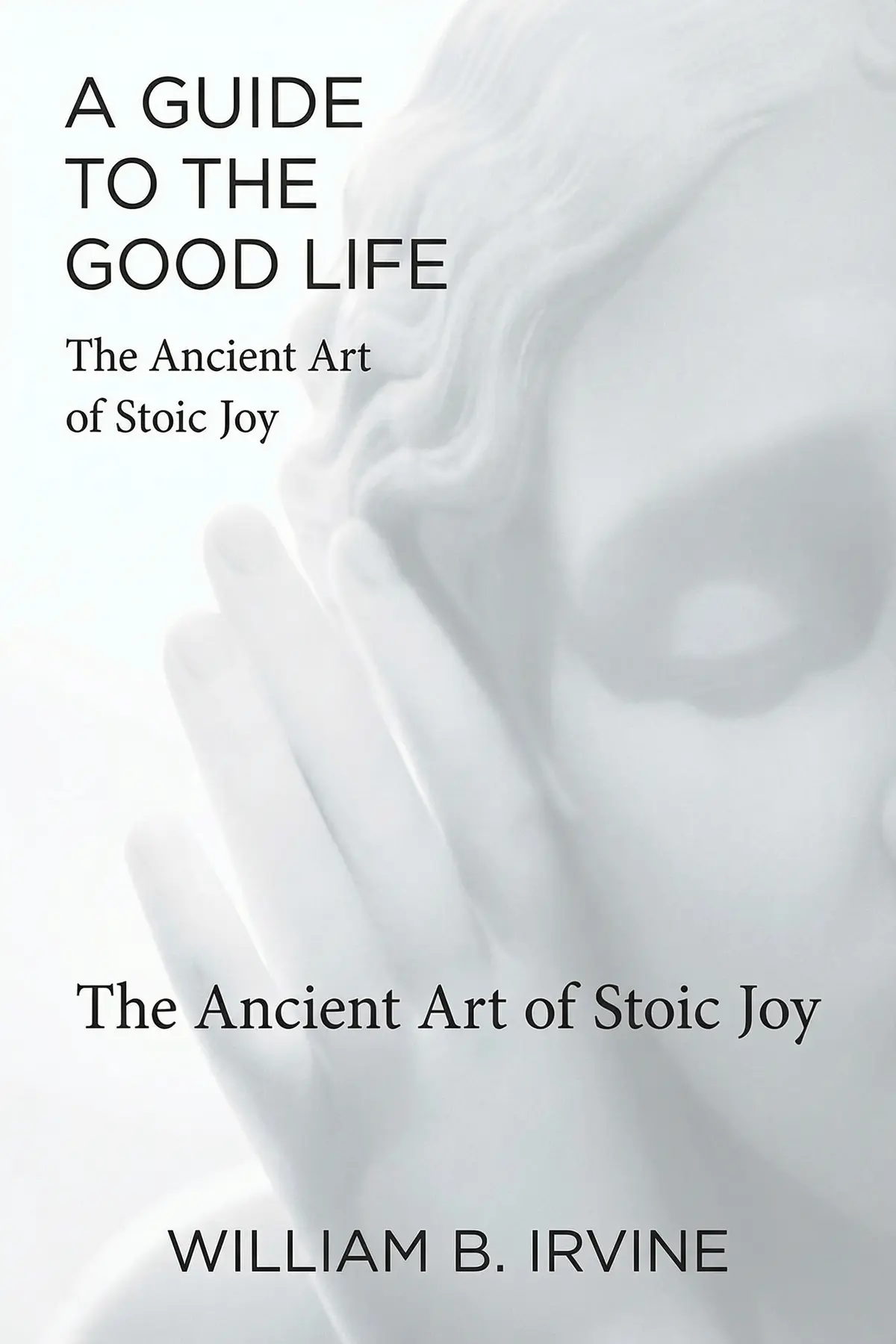
A Guide to the Good Life: The Ancient Art of Stoic Joy
William B. Irvine
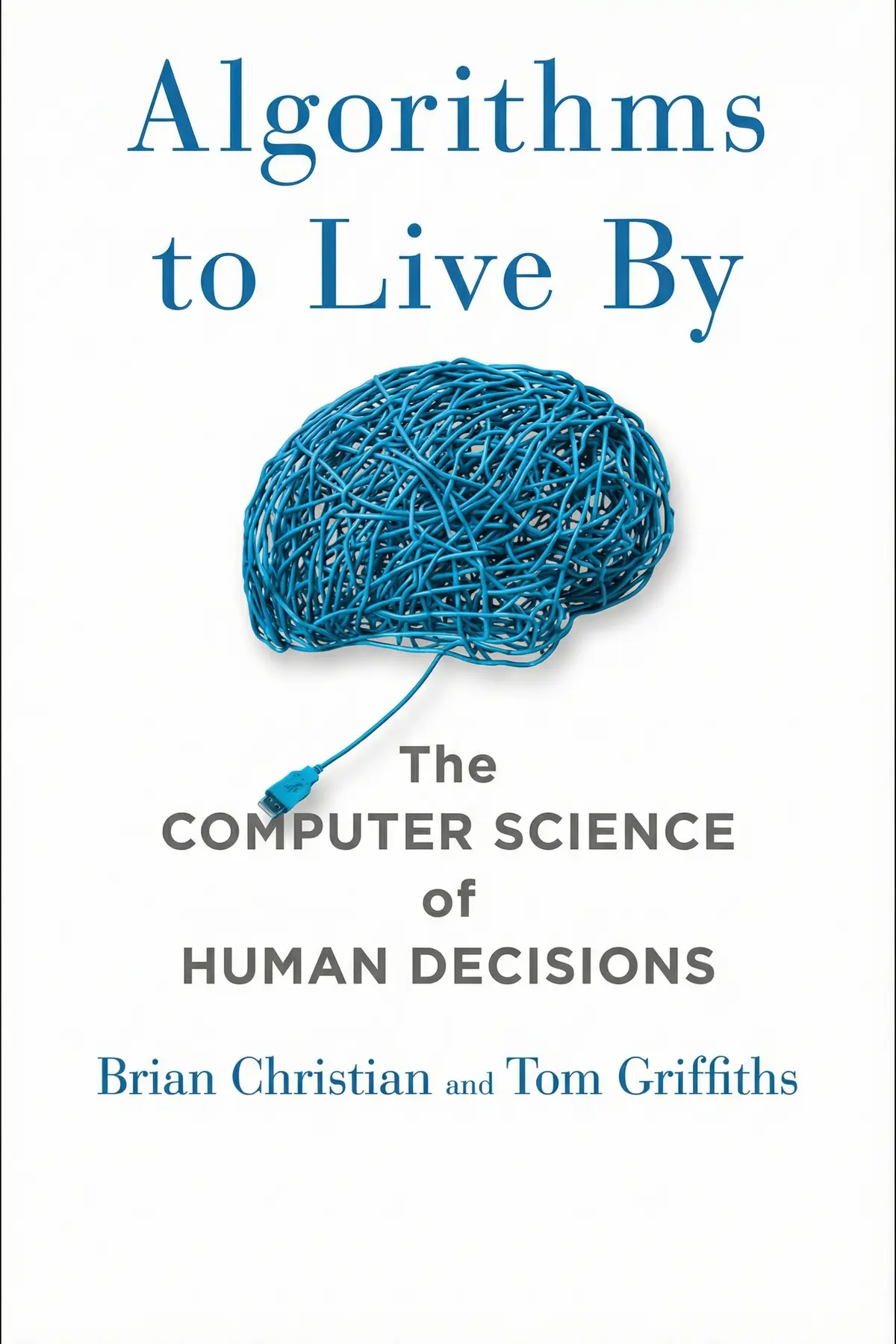
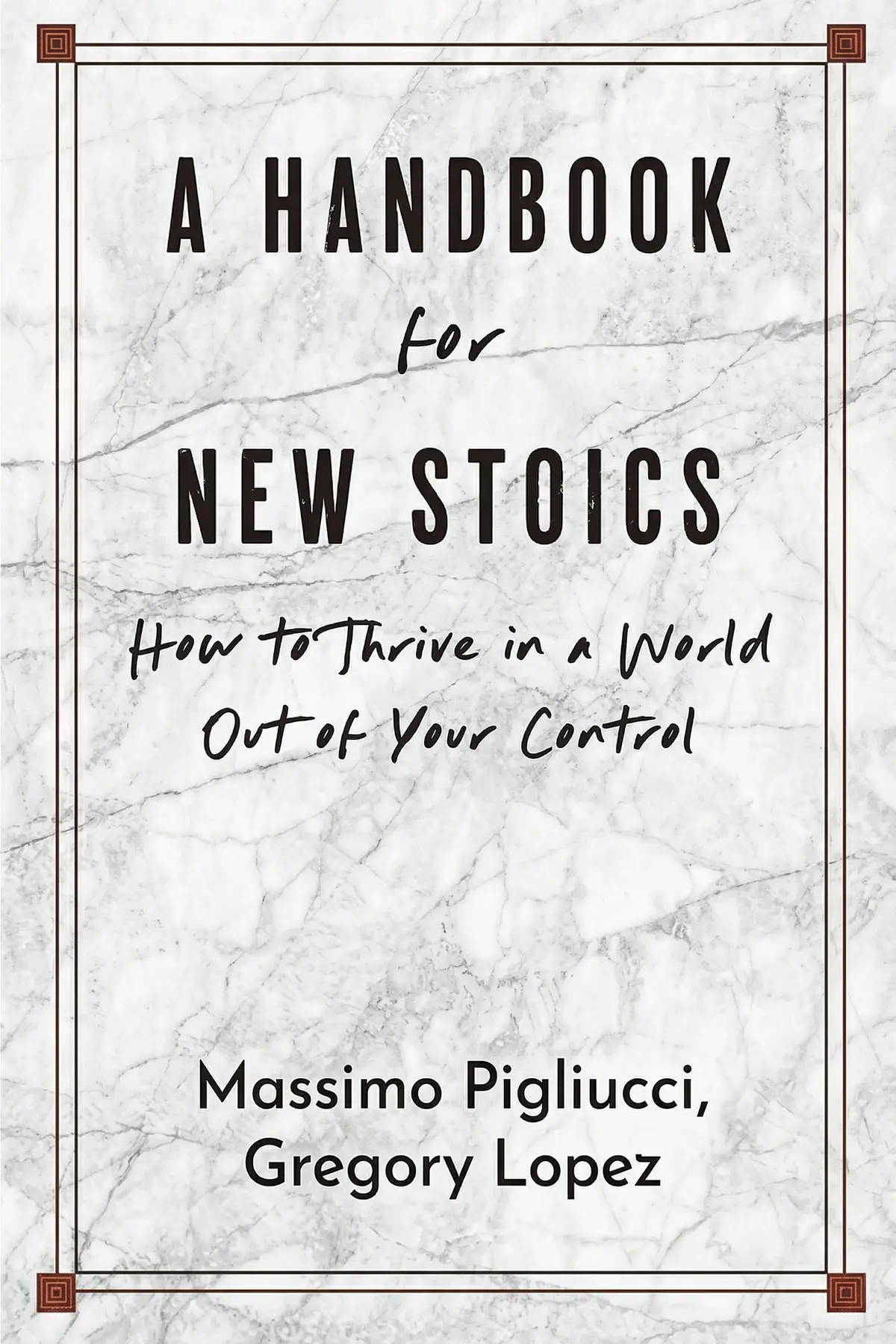
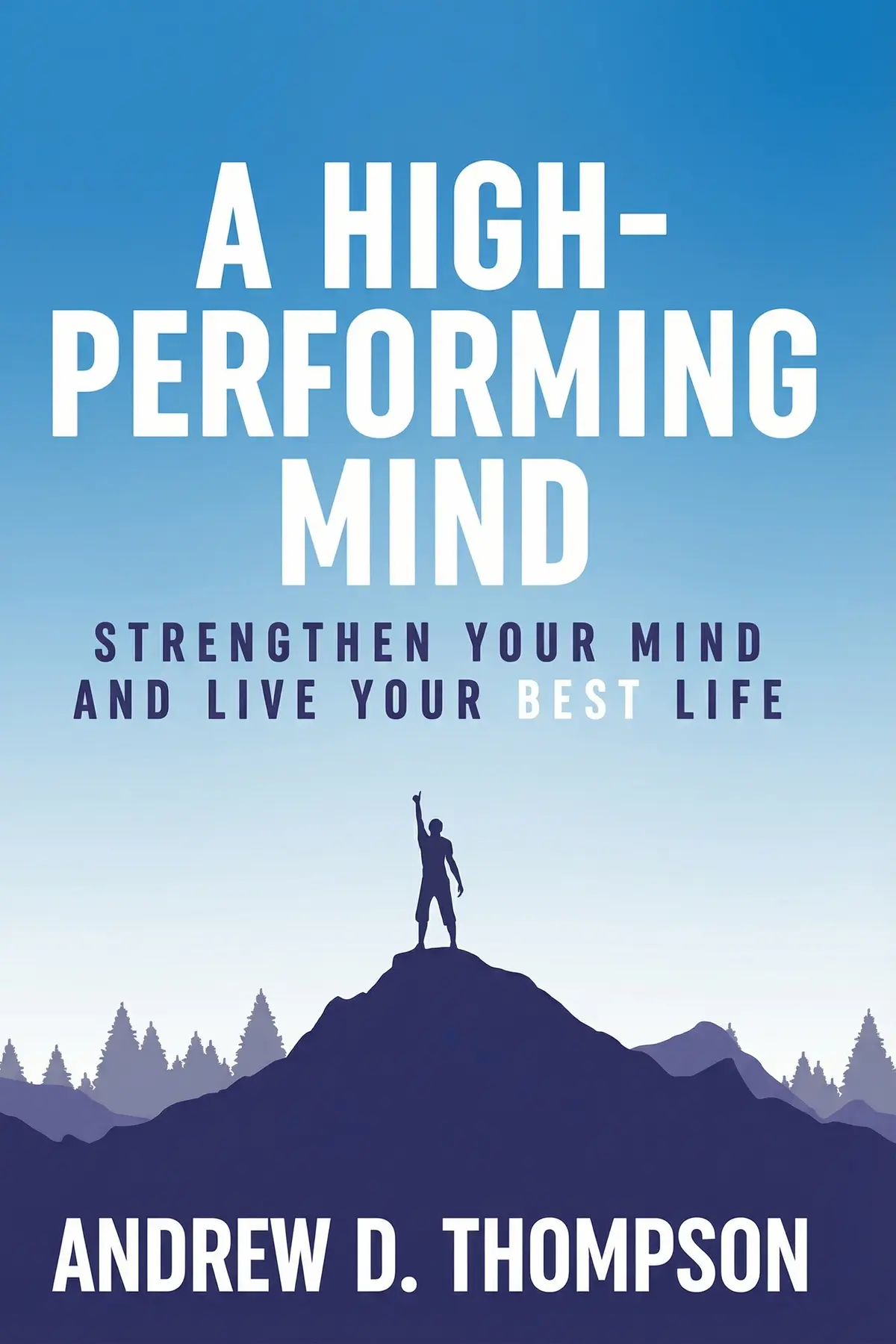
A High-Performing Mind: Strengthen Your Mind and Live Your Best Life
Andrew D. Thompson
Abundance: The Inner Path to Wealth
Deepak Chopra
AUDIO SUMMARY AVAILABLE
Listen to The Upside of Stress in 15 minutes
Get the key ideas from The Upside of Stress by Kelly McGonigal, plus 5,000+ more titles in English and Thai.
- 5,000+ titles
- Listen as much as you want
- 7-day free trial
- Cancel anytime







