
25 min 37 sec
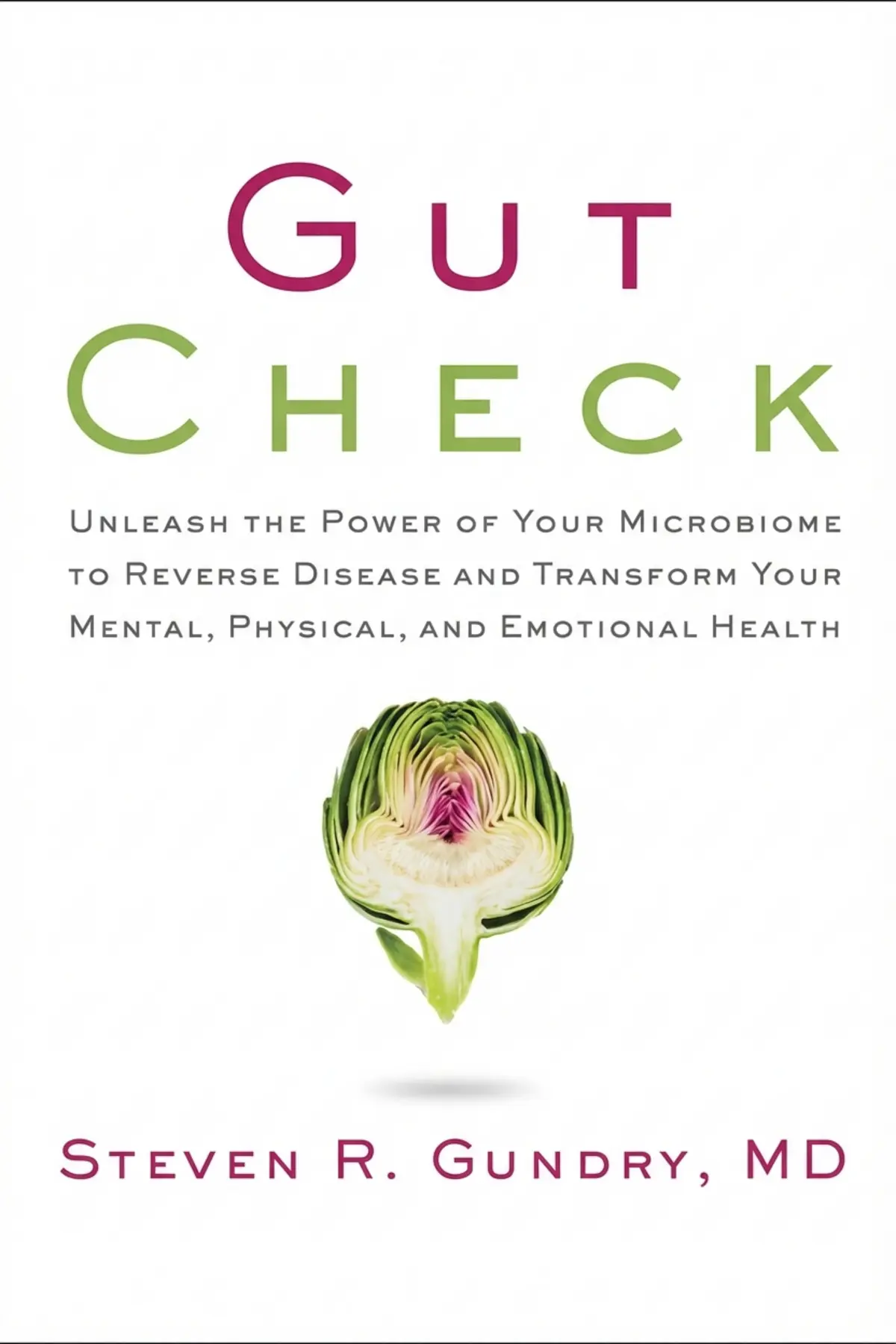
The Longevity Paradox: How to Die Young at a Ripe Old Age
Dr. Steven Gundry explores the biological secrets of aging, revealing how our gut microbiome, mitochondria, and intestinal barriers dictate whether we experience vitality or decline as we grow older.
Table of Content
1. Introduction
2 min 01 sec
When we think about the passage of time, most of us find ourselves caught in a peculiar contradiction. On one hand, the idea of a long life is a universal goal; we want to see our children grow, travel the world, and experience all that life has to offer. On the other hand, the prospect of actually becoming ‘old’ is often met with a sense of dread. This is the heart of what we might call the longevity paradox: we crave more years, but we fear the physical and mental decay that typically accompanies them. We want the wisdom of age without the frailty of the body.
For many, aging is synonymous with a slow transition into a state of diminished capacity—brittle bones, a fading memory, and the onset of chronic diseases. But what if the number of candles on your birthday cake didn’t have to dictate the way your body feels or functions? What if the decline we’ve come to expect as normal is actually an avoidable consequence of how we treat our internal biology?
In this exploration, we are going to look at the revolutionary idea that your health and vitality are not solely determined by your birth date. Instead, they are managed by a complex and ancient relationship between your human cells and the microscopic life forms that call your body home. We’ll uncover how the true secrets of youth are hidden in your gut, your cells, and the very barriers that protect your internal systems from the outside world.
As we move through these ideas, you’ll discover why some of our modern health trends might be doing more harm than good, and how small, strategic shifts in your lifestyle can signal your body to repair itself rather than break down. The goal isn’t just to add more years to your life, but to add more life to your years—to die young, but at a very ripe old age. Let’s dive into how you can bridge the gap between your current health and your maximum potential for vitality.
2. Redefining the Gap Between Lifespan and Healthspan
2 min 27 sec
Modern medicine has successfully extended our lives, but it hasn’t necessarily improved our quality of life, leading to a disconnect between how long we live and how well we feel.
3. The Invisible Masters of Our Longevity
2 min 42 sec
Your health is governed less by your own human genes and more by the trillions of bacteria living in your gut, acting as the true directors of aging.
4. The Bacterial Engines Within Our Cells
2 min 55 sec
Mitochondria, the energy producers of your cells, are ancient descendants of bacteria that hold the power to reverse or accelerate physical aging.
5. Maintaining the Integrity of the Internal Border
2 min 49 sec
The gut wall serves as a critical single-cell barrier; if it fails, toxic waste can leak into your system, triggering the chronic inflammation that causes aging.
6. Identifying the Modern Saboteurs of the Gut
2 min 51 sec
Common staples of the Western diet, like grains and even some pain relievers, act as hidden wrecking balls that destroy your body’s internal defenses.
7. Harnessing the Power of Beneficial Stress
2 min 34 sec
Strategic challenges to your system, known as hormesis, can trigger your cells to clean themselves and become stronger through a process called autophagy.
8. Moving and Eating for Maximum Vitality
2 min 47 sec
The right kind of exercise and the consumption of plant-based compounds like polyphenols can provide the perfect signal for your body to defend against aging.
9. The Strategic Benefits of Caloric Scarcity
2 min 28 sec
Occasional fasting or calorie restriction mimics ancient periods of scarcity, forcing your body to multiply its energy-producing mitochondria and reduce toxic waste.
10. Conclusion
2 min 03 sec
As we reach the end of this journey into the mechanics of aging, it becomes clear that the longevity paradox isn’t a mystery we are helpless to solve. The power to influence how we age lies within the complex, invisible world of our gut bacteria, the integrity of our intestinal barriers, and the efficiency of the mitochondria within our cells. We’ve learned that the decline we often associate with ‘getting old’ is frequently just the outward manifestation of internal inflammation and cellular clutter—issues that we can actively address through our choices.
To put these ideas into practice, start by being a better ‘landlord’ to your microbiome. Focus on feeding your beneficial bacteria with plenty of prebiotic fibers and protective polyphenols, while cutting back on the sugars and lectins that act as their enemies. Consider the ‘less is more’ approach to exercise, favoring natural movements like walking and short bursts of activity over grueling endurance routines that can cause excessive oxidative stress.
One of the most immediate and enjoyable changes you can make is to embrace the regular use of high-quality olive oil. As a cornerstone of the world’s healthiest diets, olive oil provides a wealth of polyphenols and serves as a powerful trigger for cellular cleaning and repair.
Finally, don’t fear a little bit of hunger. By occasionally restricting your caloric intake, you are giving your body the signal it needs to renew itself, multiply its energy sources, and dampen the fires of inflammation. Aging is an inevitable chronological process, but physical and mental decay doesn’t have to be. By understanding and respecting the needs of the trillions of tiny organisms that sustain you, you can unlock a future where you remain vibrant, sharp, and active for as long as possible. You have the tools to live a long, full life and, when the time finally comes, to die young at a very ripe old age.
About this book
What is this book about?
The Longevity Paradox explores the fascinating and often misunderstood biological mechanisms that determine how we age. Rather than accepting physical and mental decline as an inevitable consequence of time, Dr. Steven Gundry argues that our health span is largely governed by the trillions of tiny organisms living within us. The book focuses on the symbiotic relationship between our human cells and our gut bacteria, explaining how this internal ecosystem influences everything from energy levels to chronic inflammation. By examining the roles of the gut wall, the energy-producing mitochondria, and the inflammatory triggers found in the modern Western diet, the book provides a roadmap for maintaining youthfulness at any age. It promises to reveal why common habits, like certain types of exercise or seemingly healthy foods, might actually be accelerating the aging process. Ultimately, the book offers a strategy for strengthening the body’s internal defenses through specific dietary choices, strategic lifestyle shifts, and the practice of beneficial biological stress, ensuring that our later years are defined by vitality rather than disease.
Book Information
About the Author
Steven R. Gundry
Dr. Steven R. Gundry is the founder and director of the International Heart and Lung Institute as well as the Center for Restorative Medicine. In these roles, he focuses on clinical practice and independent medical research. Previously, he served as a professor at the University of Maryland School of Medicine and Loma Linda University School of Medicine. He is also a celebrated author, known for his New York Times bestsellers, including The Plant Paradox and its companion cookbook.
Ratings & Reviews
Ratings at a glance
What people think
Listeners find this book to be an exceptional resource featuring robust, research-driven citations and thorough details that resolve many questions regarding health concerns. It outlines a strategy for achieving wellness, specifically through effective techniques for healing the gut, which listeners describe as both transformative and inspiring. They appreciate the book's utility, with one listener calling it a comprehensive yet practical program, and many share that they experienced great results by sticking to the nutritional plan. Although some listeners feel it is easy to grasp, others find the material perplexing.
Top reviews
Rod
This book is a total game-changer for anyone struggling with chronic inflammation or mystery digestive issues. I’ve read dozens of health books, but this is the first one that explained the 'why' behind my symptoms in a way that actually led to a solution. The focus on the intestinal barrier and how things like Advil can blow holes in it was a huge wake-up call for me. Truth is, we are what our 'gut buddies' eat. Since switching to the recommended fats like avocado and walnuts and ditching the 'healthy' whole grains, my brain fog has completely lifted. I also love the emphasis on sardines and anchovies for brain health. It’s a detailed, research-backed roadmap that provides a clear plan to follow. It’s not just a diet; it’s a manual for how to keep your biological machinery running for a hundred years. I can’t recommend this enough to anyone who wants to take their health into their own hands.
Show moreCholada
The Longevity Paradox offers a surprisingly comprehensive roadmap for aging gracefully without the typical decline we’ve come to accept. Dr. Gundry breaks down the myths of aging with such clarity that it’s hard not to feel motivated. I was particularly struck by the information on stem cell activation through temporary stressors like fasting and ketosis. It’s fascinating stuff! I’ve been incorporating the 'handful of nuts' rule (walnuts and pistachios only, no peanuts!) and sticking to the leafy greens daily. My energy is through the roof. What I appreciate most is that he provides a one-month plan that is actually doable if you're committed. The results have been life-changing for my digestion. Even though he mentions his own products, he’s very clear that you don’t actually need them to see results if you eat the right whole foods. This is easily one of the most important books I’ve read this year. Highly recommended for anyone over forty!
Show moreThida
Wow, the level of detail regarding mitochondrial health and the 'sister' relationship with our gut bacteria blew my mind. This isn't just another weight loss book; it's a deep dive into the cellular mechanics of aging. I was captivated by the discussion on how glyphosate and blue light are secretly aging us. Gundry manages to take very high-level science and turn it into actionable advice, like using glassware instead of plastic and avoiding conventional chicken. The section on polyamines and how shellfish can promote autophagy was particularly interesting. I’ve been following the protocol—lots of olive oil, cruciferous veggies, and limited animal protein—and I’ve already lost ten pounds without even trying. More importantly, my skin looks younger and I have more stamina during the day. This book is an amazing resource that answers so many questions about why our modern diet is failing us. It’s an enlightening, practical program that everyone should read if they care about their future.
Show moreOak
Finally got around to reading this after a friend swore it cured their joint pain, and I have to admit, the results are hard to argue with. I’ve been following the basic principles—limiting animal protein and loading up on leafy greens and olive oil—for about three weeks now. The inflammation in my knees has subsided significantly. Is it a bit extreme? Absolutely. Do I think he’s trying to sell too many supplements? Definitely. But the core message about healing your gut to heal your body seems to hold weight in my experience. The concept of WGA in whole wheat was a new one for me, and cutting that out made an immediate difference in my bloating. It’s not a perfect book, and some of the science feels like a stretch, but if you’re struggling with health issues that doctors can’t explain, this might offer the path you’ve been looking for. Just be prepared for a very strict lifestyle shift.
Show moreArnav
As someone who follows health trends closely, I found Gundry's take on the 'Longevity Paradox' to be a refreshing, albeit controversial, addition to my shelf. He challenges the standard Mediterranean diet myths by looking deeper into what actually makes those populations healthy. It’s not the pasta; it’s the polyphenols and the lack of glyphosate. Look, I know people get riled up about the lectin theory, but the way he explains the relationship between our gut bacteria and our mitochondria is quite compelling. The book offers a comprehensive program that goes beyond just eating; it covers light exposure, exercise like planks and squats, and the importance of social connections. I didn’t buy any of his branded supplements, and I still feel like I gained a lot of value. Some of the food recommendations are hard to find, like Pu’erh tea or specific roots, but the overall philosophy is motivating. It’s a solid four-star read for anyone interested in biohacking their way to a longer life.
Show moreDivya
Ever wonder why we age so poorly in the West compared to other cultures? Dr. Gundry argues it’s because we’ve declared war on our own gut microbiomes through antibiotics, sugar, and industrial farming. This book is a deep dive into how to fix that. I loved the section on 'brain washing'—the idea that our brains need a fasting period at night to clear out plaques. I’ve started stopping my meals at 7:00 PM and my sleep quality has skyrocketed. While I think some of his claims about fruit being 'poison' are a bit over the top, his advice on eating seasonally makes sense from an evolutionary perspective. The writing style is digestible and fast-paced, which helps when you’re wading through talk of stem cells and saccharides. It’s a very practical guide if you can ignore the parts that feel like a late-night infomercial. My gut feels better than it has in years, so I'm staying with it.
Show moreNattapong
Take everything in these pages with a massive grain of salt—though Gundry would probably tell you the salt has to be from a specific ancient sea bed. Personally, I found the information on the microbiome to be quite enlightening, and I’ve started paying much more attention to my fiber intake. However, I can’t get past the blatant supplement hawking. He suggests an exhausting list of substances that are supposedly necessary for longevity, many of which he just happens to sell. It’s a bit of a mixed bag. On one hand, the 'brain washing' cycle and the importance of a four-hour window before bed make a lot of sense. On the other hand, his war on whole grains contradicts almost every other longevity study I’ve ever read. It’s an interesting read if you can filter out the sales pitch and the more extreme claims. Just don't go into it expecting a simple, easy-to-follow lifestyle change.
Show moreNathan
The chapter on the microbiome is genuinely fascinating, even if the dietary protocols feel like they were designed for someone with a personal chef and a limitless bank account. Gundry writes in a way that makes complex biological processes like autophagy and mitochondrial signaling easy to grasp for the average person. I appreciate the focus on 'gut buddies,' even if the name is a bit cheesy. Still, the book is incredibly confusing at times. One minute he’s praising the Blue Zones, and the next he’s telling you to avoid the very beans and grains that those populations thrive on. It feels contradictory. To be fair, I did try the olive oil recommendations and felt a slight boost in my energy levels, but the sheer volume of 'forbidden' foods is overwhelming. It’s a decent resource for learning about gut health, but I’d suggest cross-referencing his 'scientific' claims before you throw out all the tomatoes in your kitchen.
Show moreConnor
Why is it that every health guru these days demands we cut out literally everything that makes life worth living? This book is another extreme entry in the 'good food vs. bad food' craze that seems to ignore cultural history. Gundry claims that things like cashews, tomatoes, and beans are essentially poisoning us. Seriously? Look, some of the advice on reducing sugar and processed junk is solid, but the lectin obsession feels like a massive stretch. The plan is so restrictive that it’s nearly impossible to follow for anyone with a social life or a budget. I found the tone to be a bit condescending, especially with the 'gut buddies' terminology. It felt like I was being sold a lifestyle brand rather than receiving objective medical advice. I gave it two stars because the section on sleep and community was actually decent, but the dietary stuff is just too out there for me to recommend.
Show moreKru
I wanted to believe this book had the answers, but the deeper I dug into the citations, the more the house of cards collapsed. To be fair, Dr. Gundry is a skilled writer, yet his 'science' is remarkably thin once you look past the medical jargon. Many of the studies he uses to justify avoiding lectins were performed on nematodes or mice, not humans. Truth is, telling people to stop eating beans and whole grains—staples of the longest-living populations on Earth—is irresponsible. It feels like he cherry-picked data to support a very specific, very expensive narrative. Then there is the constant push for his own line of supplements. If the diet is so revolutionary, why do I need to buy thirty different pills from your website to make it work? It's more of a marketing brochure than a medical text. Frankly, I expected more from a heart surgeon than anecdotal evidence and questionable biology.
Show moreReaders also enjoyed
AUDIO SUMMARY AVAILABLE
Listen to The Longevity Paradox in 15 minutes
Get the key ideas from The Longevity Paradox by Steven R. Gundry, plus 5,000+ more titles in English and Thai.
- 5,000+ titles
- Listen as much as you want
- 7-day free trial
- Cancel anytime







