
16 min 12 sec
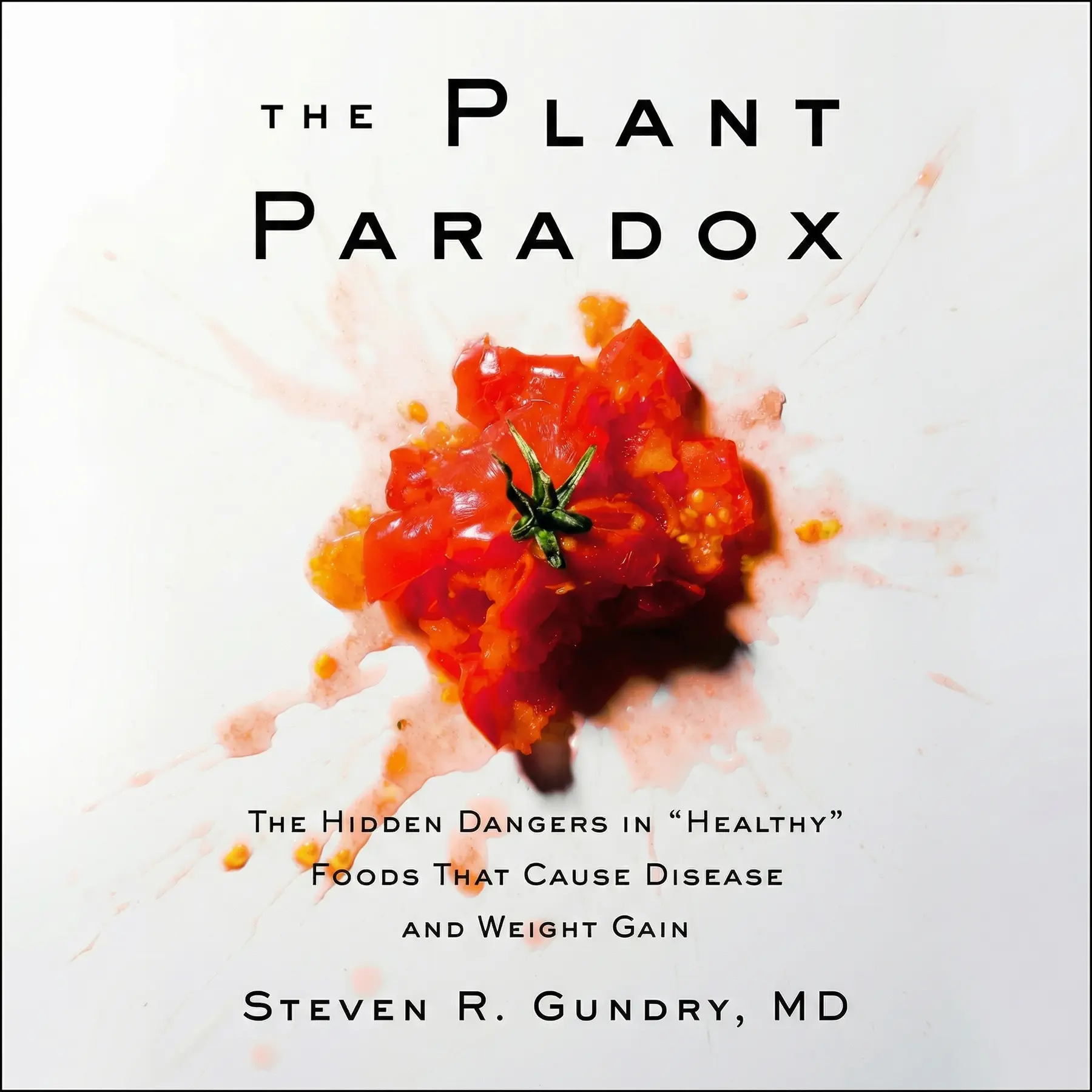
The Plant Paradox: The Hidden Dangers in “Healthy” Foods That Cause Disease and Weight Gain
The Plant Paradox explores how hidden proteins called lectins in supposedly healthy foods trigger inflammation and weight gain, offering a comprehensive dietary roadmap to restore gut health and overall vitality.
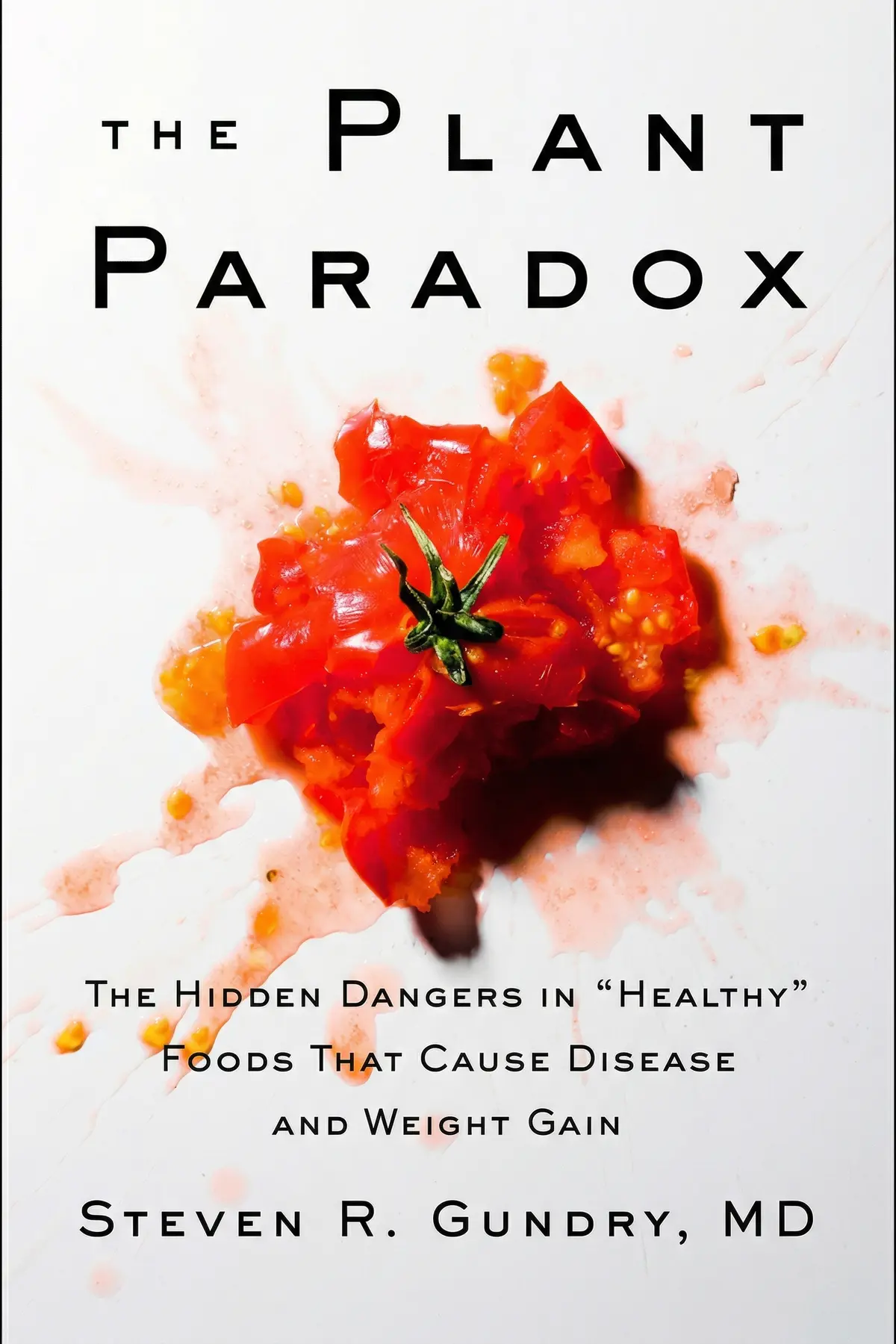
Table of Content
1. Introduction
1 min 35 sec
In our modern world, we are constantly bombarded with advice on how to eat better. We are told to load our plates with colorful vegetables, swap white rice for brown, and snack on superfoods like quinoa and chia seeds. It’s a message that seems impossible to argue with: if it comes from a plant, it must be good for you. But what if some of the very foods we’ve been taught to view as the pinnacle of health are actually the hidden sources of our fatigue, our stubborn weight gain, and our chronic inflammation?
This is the central premise of the revolutionary perspective we are exploring today. It’s a concept that turns traditional nutrition on its head, suggesting that we have been overlooking a critical factor in human biology: the plant’s own will to survive. We often think of plants as passive participants in the food chain, sitting quietly in a field waiting to be harvested. However, plants are living organisms that have spent millions of years evolving complex ways to protect themselves from being eaten.
By looking at the chemical warfare plants wage against their predators, we can begin to understand why so many of us struggle with health issues despite our best efforts to eat “clean.” We will delve into the world of lectins—tiny proteins that act as biological weapons—and see how they interact with our bodies in ways that ancient humans understood intuitively, but that we have largely forgotten. Over the course of this summary, we’ll see how our history with agriculture changed our biology, why your gut is like a high-stakes containment facility, and how a strategic shift in what you choose to leave off your plate can be more powerful than any supplement you might add to it.
2. The Chemical Defense Systems of Plants
2 min 20 sec
Plants are not passive victims in the food chain; they use sophisticated chemical weapons called lectins to disrupt the health and focus of anyone who tries to eat them.
3. The Historical Shift to Problematic Grains
2 min 24 sec
Our ancestors turned to grains and legumes out of survival necessity after the Ice Age, trading long-term health for short-term caloric security.
4. The Biological Integrity of the Gut
2 min 15 sec
Your intestinal tract functions like a containment shield for trillions of microbes; when lectins compromise this shield, the body begins to attack itself.
5. The Core Philosophy of Elimination
1 min 50 sec
True health isn’t about what you add to your diet, but about what you have the discipline to remove, especially high-lectin legumes.
6. Restoring the Internal Environment
1 min 52 sec
Before long-term changes can take root, a three-day intensive cleanse is necessary to halt inflammation and allow the gut to begin its repair process.
7. Navigating the Nutrient Deficiency of the Modern World
2 min 02 sec
Because modern farming has depleted the minerals in our soil, targeted supplementation is a necessary bridge to achieve the health our ancestors enjoyed.
8. Conclusion
1 min 54 sec
As we reach the end of this journey through the hidden world of plant biology, the core message is clear: the path to health is often found in the things we choose to leave behind. For years, we have unknowingly participated in a biological conflict with the very foods we thought were keeping us well. The lectins found in grains, beans, and certain vegetables have been acting as a silent disruptor, causing weight gain, mental fog, and internal inflammation. By adopting the Plant Paradox Program, you aren’t just starting a diet; you are declaring a truce with your own body.
Through a strategic three-day cleanse and a long-term commitment to avoiding high-lectin foods, you can repair your gut, calm your immune system, and rediscover the energy you thought was lost to age or stress. Remember, the goal is to protect that vital barrier in your intestinal tract and support the trillions of microbes that work on your behalf every day.
To take your first step today, consider a piece of actionable advice that goes beyond just lectins: pay close attention to the chemicals used in processed foods. For example, many fast-food chains use a substance called azodicarbonamide to bleach their flour and condition their dough. This same chemical is used to manufacture yoga mats. It makes the gluten in bread more aggressive toward your digestive system, irritating your gut almost instantly. By simply walking away from these industrial food products and choosing whole, lectin-free alternatives, you are taking a powerful stand for your health. The paradox of the plant world is that the foods that seem the most harmless can be the most defensive, but now that you have the key to understanding their secrets, you have the power to choose a truly healthy life.
About this book
What is this book about?
The Plant Paradox challenges the conventional wisdom of modern nutrition by identifying a hidden culprit behind many chronic health issues: lectins. These are defensive proteins found in a wide variety of plant-based foods, including many that we have long considered to be nutritional superstars, such as whole grains, legumes, and certain fruits and vegetables. Steven R. Gundry argues that these proteins are part of a sophisticated chemical defense system designed by plants to discourage predators by causing them physical and neurological distress. The book explains the biological mechanisms through which lectins disrupt our cellular communication, damage our intestinal lining, and confuse our immune systems. By tracing the history of the human diet from our hunter-gatherer ancestors to the agricultural revolution, it reveals why our bodies are ill-equipped to handle these modern dietary staples. The promise of the book is a transformative dietary protocol—the Plant Paradox Program—which focuses on eliminating these toxic proteins to reverse disease, melt away stubborn weight, and repair the delicate ecosystem of the gut microbiome, ultimately leading to a state of optimized health and energy.
Book Information
About the Author
Steven R. Gundry
Steven R. Gundry is a former professor of cardiothoracic surgery at Loma Linda University and currently serves as the director of the Center for Restorative Medicine in California. A renowned medical professional and researcher, he has also authored Dr. Gundry’s Diet Evolution, focusing on using nutrition to improve cardiovascular and metabolic health.
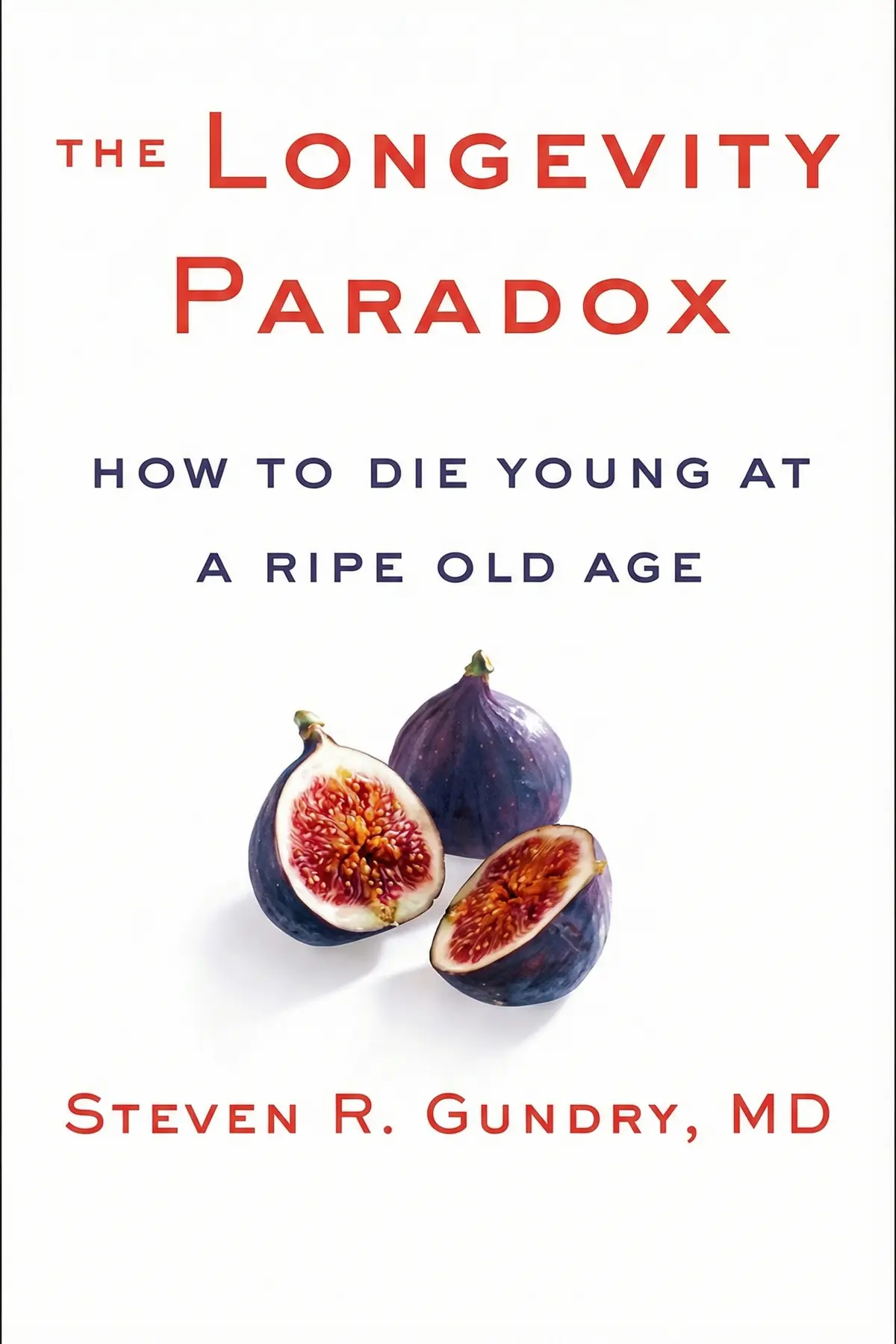
The Longevity Paradox: How to Die Young at a Ripe Old Age
Steven R. Gundry
Ratings & Reviews
Ratings at a glance
What people think
Listeners find this work revelatory and well-researched, with one noting it fills in missing facts about peanuts. Moreover, they appreciate how it helps reverse major health issues and improves quality of life, as many report reduced aches and joint pains. The book is also easy to read and follow; notably, one listener highlights its technical information presented in a readable style. However, opinions on value for money are mixed, with some finding it well worth the investment while others consider it not worth the cost.
Top reviews
Sing
Picked this up after years of struggling with mysterious joint inflammation that no doctor could explain. Gundry's take on lectins is definitely controversial, but I can't argue with the results I've seen in my own body. For me, the section on peanuts was the biggest lightbulb moment because I was practically living on peanut butter while my knees throbbed. To be fair, the dietary restrictions are intense and will test your willpower to the absolute limit. However, the trade-off for a life without constant aches feels well worth the investment of time and money. It’s written in a very accessible way, so you don't need a medical degree to grasp the biochemistry and start feeling better immediately.
Show moreSawit
Finally got around to reading this and I’m honestly blown away by the improvement in my quality of life. For years, I dealt with brain fog and lethargy that I just assumed were part of getting older. Following the 3-day cleanse was brutal, but once I transitioned into Phase 2, the inflammation in my hands completely vanished. I love how he breaks down the 'Do' and 'Avoid' lists so clearly, making grocery shopping much less of a headache. Frankly, even if only half of what he says is true, the results speak for themselves. This book is a must-read for anyone dealing with autoimmune issues who feels like they’ve run out of options.
Show moreSeksan
Not what I expected at all, but I’m so glad I gave it a chance. I’ve tried every diet under the sun, from Paleo to Keto, and nothing seemed to address my underlying health issues. This book provides a much-needed missing piece of the puzzle by focusing on the hidden toxins in our food supply. The truth is, our modern diet is a disaster, and Gundry’s research into how 'natural' labels are often meaningless is spot on. I’ve lost 15 pounds in the first month without ever feeling like I was starving myself. If you’re tired of feeling sick and tired, just buy the book and commit to the six weeks he asks for—you won't regret it.
Show moreSomboon
Wow, I never thought I’d be the person telling people to stop eating whole wheat and beans. Gundry’s approach is radical, but the way he connects gut health to neurological problems and heart disease is incredibly compelling. The book is well-researched and easy to understand, even when he dives into the nitty-gritty of biochemistry. I did find the constant mention of his own supplement line a bit annoying, but the core dietary advice seems solid. Since starting the program, my blood pressure has stabilized and I finally have the energy to exercise again. It’s an investment in your future that pays off in ways you wouldn't believe until you try it for yourself.
Show moreMeen
After hearing about the 'lectin-free' craze from friends, I decided to see what all the fuss was about. Gundry presents some truly eye-opening information regarding how certain plants protect themselves from being eaten. I appreciated how he explains complex biological processes in a style that is readable for the average person without being too simplistic. While I’m not totally convinced about cutting out every single nightshade, the logic regarding 'New World' fruits like zucchini and tomatoes gave me a lot to think about. Gotta say, I’ve noticed a significant boost in my energy levels since I started being more selective about my produce. It’s a bit pricey for a diet book, but the insights into gut health are valuable.
Show moreVera
The chapter on lectins and inflammation changed the way I look at my dinner plate forever. I never realized that my 'healthy' salads were actually packed with plant toxins that were aggravating my digestive tract. Not gonna lie, giving up my favorite fruits was the hardest part, but my skin has never looked better and my sleep has improved. Gundry has a way of presenting technical information that keeps you engaged even when the subject matter gets a bit dense. There is some minor frustration with how restrictive the early phases are, but the long-term benefits are undeniable. It's a polarizing read, but for those of us with chronic stomach issues, it feels like a lifesaver.
Show moreNikolai
As a long-time vegetarian, this book was a massive shock to my system. I’ve spent my entire adult life believing that beans and brown rice were the pinnacle of healthy eating. Gundry argues that these 'healthy' staples are actually wreaking havoc on our gut bugs and causing systemic inflammation. To be honest, I found his 'rewards' system for reintroducing foods in Phase 3 to be a bit yucky and hard to swallow. I’m giving it three stars because while the science feels a bit shaky in spots, the section on fats and oils was very informative. It’s a tough pill to swallow, literally and figuratively, but it might be worth a look if you’re stuck in a rut.
Show moreDimitri
Ever wonder why humans have survived for thousands of years on the very foods this author claims are 'toxic'? The central premise that we haven't adapted to 'New World' plants seems to ignore the reality of human evolution and diverse global diets. Personally, I found the three-phase structure of the plan to be needlessly complicated and confusing to track daily. One page he's telling you to avoid something entirely, and the next he’s explaining how to reintroduce it under very specific conditions. It feels less like a sustainable lifestyle and more like a series of rigid rules designed to make you feel guilty. While there’s some decent advice about cutting sugar, the rest feels like a reach.
Show morePun
This is just a glorified infomercial dressed up in a fancy book jacket. It is genuinely disheartening to see a doctor use his credentials to peddle high-priced supplements while dismissing healthy staples like beans and whole grains. If you do even a shred of outside research, you'll find that his 'clinically proven' claims aren't actually published in any reputable, peer-reviewed journals. Truth is, he’s cherry-picking data to support a narrative that happens to make him a lot of money. I found the tone condescending and the advice dangerously opposite to what most nutritional science suggests for long-term health. Save your money and just eat your vegetables instead of following this junk science.
Show moreSatit
How does a Yale-educated surgeon sleep at night while publishing such a collection of fictional conspiracy theories? The idea that we should fear tomatoes and squash while eating fatty meats is absolutely outrageous. This book reads more like a script for a late-night TV commercial than a serious medical text on nutrition. He makes these grand claims about curing stage 4 cancer patients without providing a single case study or publication to back them up. Look, if you want real health advice, go to a library and look up actual scholarly journals instead of this profit-driven junk. It’s a sad attempt to rake in cash from people who are desperate for a 'magic bullet' for weight loss.
Show moreReaders also enjoyed

AUDIO SUMMARY AVAILABLE
Listen to The Plant Paradox in 15 minutes
Get the key ideas from The Plant Paradox by Steven R. Gundry, plus 5,000+ more titles in English and Thai.
- 5,000+ titles
- Listen as much as you want
- 7-day free trial
- Cancel anytime







