
14 min 41 sec
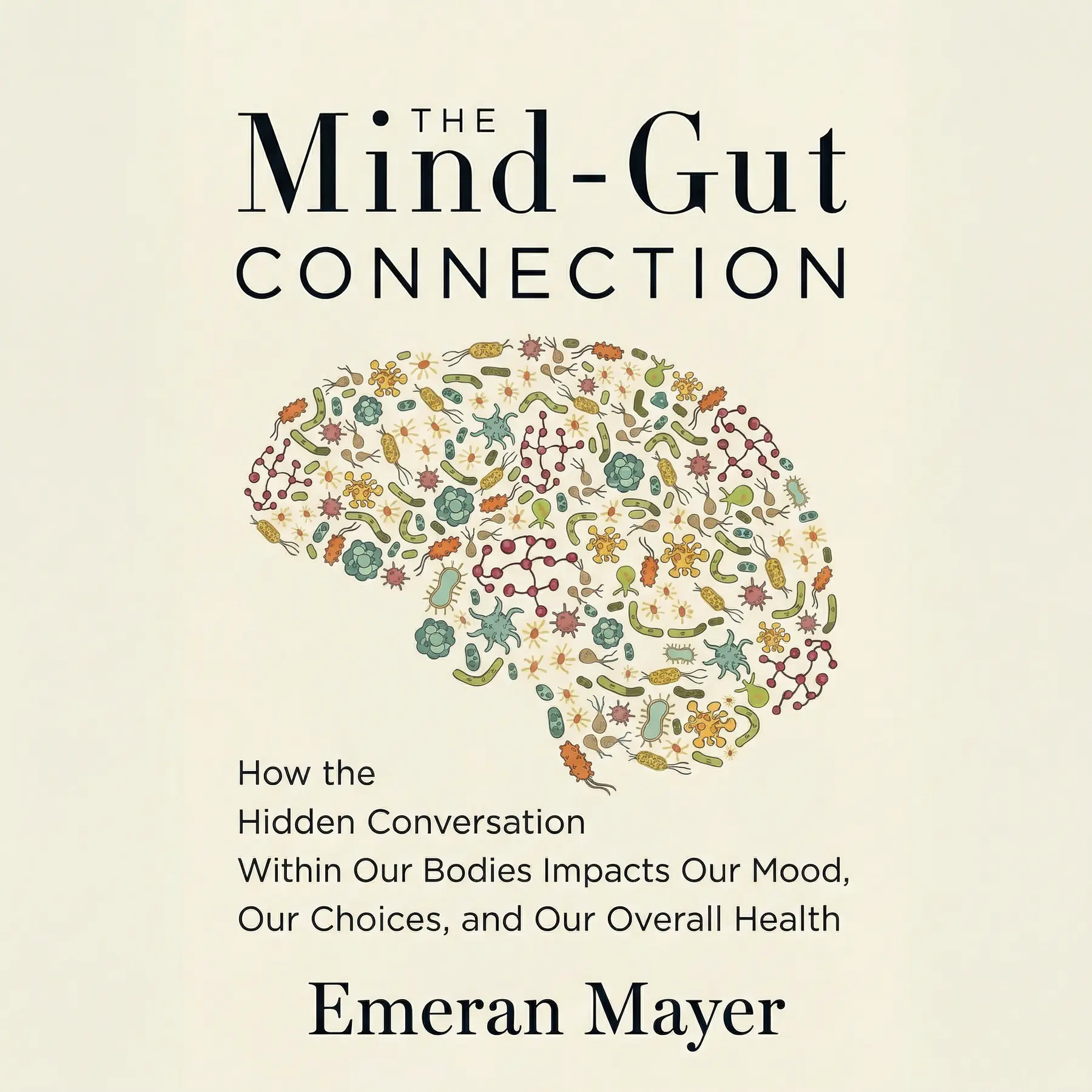
The Mind-Gut Connection: How the Hidden Conversation Within Our Bodies Impacts Our Mood, Our Choices, and Our Overall Health
By Emeran Mayer
Explore the biological dialogue between your brain and digestive system. This guide reveals how the mind and gut influence each other, offering a new perspective on mental health and physical well-being.
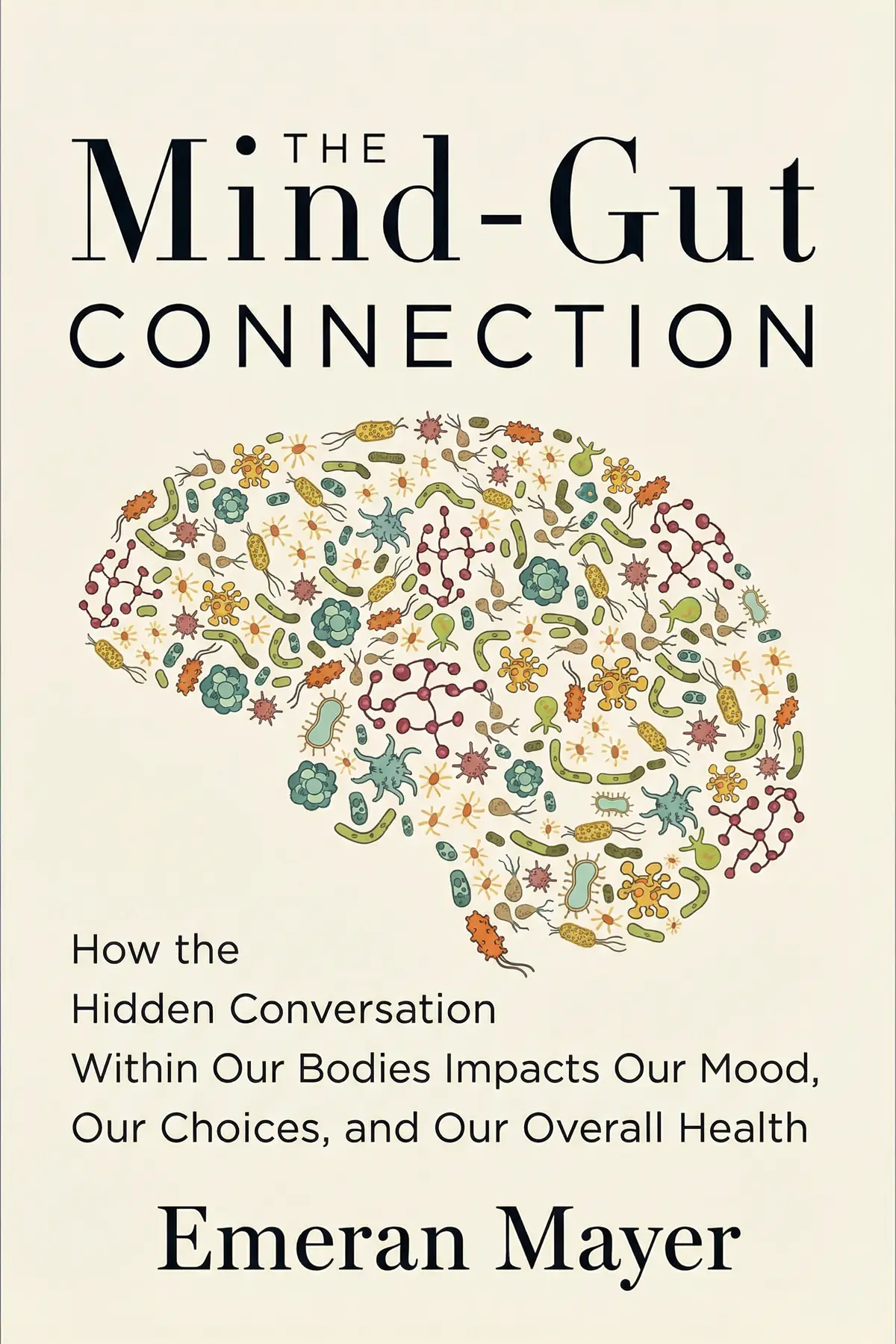
Table of Content
1. Introduction
1 min 31 sec
Have you ever felt ‘butterflies’ in your stomach before a big presentation, or perhaps a ‘pit’ in your gut when you received bad news? We often dismiss these sensations as mere figures of speech, but they are actually physical evidence of one of the most complex and vital relationships in the human body. For a long time, the medical world treated the brain and the digestive system as two entirely separate entities, managed by different specialists who rarely consulted one another. However, a scientific revolution is currently underway, shifting our focus to the profound link between what happens in our minds and what occurs in our bellies.
This summary dives into the world of neurogastroenterology to explore how our thoughts and emotions are physically reflected in our digestive health, and how our gut, in turn, sends constant signals that shape our mental state. This isn’t just about digestion; it’s about the very core of our well-being. We will look at how this dialogue is formed, why it matters for our daily lives, and how we can begin to nurture this connection to improve our overall health. Through the work of Dr. Emeran Mayer, we will see that the gut is far more than a tube for processing nutrients—it is a sophisticated sensory organ and a vital partner to the brain. By the end of this journey, you’ll see your body not as a collection of isolated parts, but as a beautifully integrated system where every ‘gut feeling’ has a biological purpose.
2. The Dual-Command Center of the Body
1 min 58 sec
Discover the sophisticated ‘second brain’ residing in your gut and how it operates with a level of independence that rivals the primary brain in your head.
3. The High-Speed Information Highway
2 min 04 sec
Unpack the physical connections that allow your brain and gut to stay in constant, rapid communication, shaping your reactions and health.
4. The Emotional Mirror in Your Belly
1 min 58 sec
Learn how your gut physically responds to your emotions, proving that stress and anxiety are never just ‘in your head.’
5. The Microbes as Silent Partners
1 min 55 sec
Explore the vital role of the trillions of microscopic inhabitants in your gut and how they contribute to your brain’s health.
6. The Foundations of the Connection
1 min 50 sec
Discover how the mind-gut axis is established early in life and why those formative years are crucial for long-term health.
7. Listening to Your Gut Instincts
1 min 58 sec
Unlock the biological reality behind intuition and learn how to use your gut’s wisdom to make better decisions.
8. Conclusion
1 min 27 sec
The journey through the mind-gut connection reveals that our bodies are far more integrated than we once imagined. We have seen that the digestive system is not just a secondary organ, but a sophisticated partner to the brain, equipped with its own nervous system and a massive community of microbial allies. This bidirectional highway, linked by the vagus nerve and a complex array of chemicals, ensures that our mental states and our physical health are inextricably linked.
To truly nurture this connection, we must adopt a more holistic view of our health. It’s not enough to focus solely on what we eat or solely on how we manage our stress; we must address both simultaneously. Dr. Emeran Mayer’s insights suggest that by eating mindfully, supporting our microbial diversity, and becoming more aware of the physical sensations of our emotions, we can optimize this internal dialogue.
The ultimate takeaway is one of empowerment. You are not a victim of your ‘gut feelings’ or your digestive issues; you are the steward of a complex and dynamic system. By listening to the signals your body sends and responding with care, you can foster a mind-gut connection that supports a lifetime of resilience, clarity, and well-being. As you move forward, remember that every meal and every thought is a chance to strengthen this vital bond, leading to a healthier, more balanced you.
About this book
What is this book about?
The Mind-Gut Connection investigates the intricate and often overlooked communication system linking our brains to our digestive tracts. For decades, science viewed the gut as a simple processing plant for food, but modern research in the field of neurogastroenterology reveals it is actually a highly sophisticated command center. This book promises to show you that your digestive system and your brain are in a constant, bidirectional conversation, influencing everything from your daily mood to your long-term physical health. By understanding the biological mechanisms behind this relationship—including the role of the nervous system and the trillions of microbes living within us—readers can learn to listen to their bodies more effectively. The book offers a holistic look at how stress, diet, and emotions are mirrored in our gut health, and conversely, how our digestive state can color our mental outlook. It is a journey into the 'second brain' that aims to provide actionable insights for achieving a more balanced and resilient life through the nurturing of this vital internal bond.
Book Information
About the Author
Emeran Mayer
Emeran A. Mayer, MD is the author of The Mind-Gut Connection and The Gut-Immune Connection. His books are informed by 40 years of studying mind-brain-body connections. He is the executive director of the Oppenheimer Center for Neurobiology of Stress and Resilience and the Co-director of the CURE: Digestive Diseases Research Center.
Ratings & Reviews
Ratings at a glance
What people think
Listeners find this book to be thoroughly researched and captivating, providing pioneering details regarding the mind-gut connection. The writing is lucid and uncomplicated, making it reachable for general audiences, and listeners value the practical suggestions and its significance to gut health. They feel the content is stimulating, with one listener mentioning how it explains the intricate mind-gut balance.
Top reviews
Sook
As someone who has struggled with IBS for years, this book felt like the missing piece of the puzzle I've been trying to solve. Dr. Mayer explains the intricate dance between our enteric nervous system and our emotional state with incredible clarity. I was fascinated to learn that 95% of our serotonin is actually stored in the gut, which explains so much about my own recurring "gut feelings." While some of the research is still in early stages and relies on animal studies, the practical advice regarding fermented foods and mindfulness is life-changing. It isn't just a diet book; it's a manual for understanding how our internal biology dictates our mental well-being. The writing style is professional yet accessible, avoiding the dry, academic tone you might expect from a UCLA professor. I highly recommend this to anyone interested in the future of personalized medicine and the gut-brain axis.
Show moreKwan
Finally got around to reading this and I'm blown away by the complexity of our bodies. The way Dr. Mayer connects our emotional and spiritual health to the physical state of our gut is truly eye-opening. I loved the section discussing the Yanomami people and how their environment contributes to a diverse, healthy microbiome compared to our Westernized systems. It makes you realize how much we have lost in our transition to highly processed, convenient diets. The book provides practical tips like fasting and eating fermented dairy, which I’ve already started implementing with great results. Some people might find the science a bit dense, but the author’s clear writing style helps navigate the tougher concepts. It’s a first-rate exploration of what it means to be healthy in the 21st century.
Show moreNit
What a thought-provoking read! I never realized that my gut has as many nerve cells as my spinal cord, which really puts the term "second brain" into perspective. This book explains the mind-gut balance in a way that is easy to understand without being patronizing to the reader. The connections drawn between stress, cytokines, and digestive disorders like IBS are incredibly well-researched and relevant to my daily life. I've already recommended this to several friends who deal with anxiety, as the link between our emotions and our microbes is undeniable here. The author’s expertise as a researcher shines through every page, providing a sense of authority that many health books lack. It’s rare to find a book that is both intellectually stimulating and practically useful.
Show moreSupranee
The chapter on the vagus nerve alone made this worth the purchase for me. Mayer does an excellent job bridging the gap between traditional wisdom and modern food science, reinforcing why a plant-based diet matters. To be fair, he echoes a lot of Michael Pollan’s advice about eating real food, which might feel repetitive if you’re already a health nut. However, the scientific deep dive into the microbiome's development from birth provides a much-needed layer of biological context. It’s fascinating to see how our early life experiences shape our gut health decades later. My only real gripe is that the book tends to reiterate its main points a bit too often toward the middle. Despite that, the information is cutting-edge and presented in a way that feels both urgent and actionable for the average reader.
Show moreHunter
Ever wonder why you get butterflies in your stomach before a big presentation? This book explains that those feelings are far more than just metaphors; they are direct signals from your "second brain." Dr. Mayer illustrates how the gut-brain link influences everything from our basic moods to chronic digestive issues like IBS. I appreciated the mix of patient anecdotes and research, though some sections on industrial agriculture felt a bit outside the book's main scope. In my experience, the advice to eat organic and avoid processed additives is standard, but the biological "why" behind it is what makes this read valuable. It’s a thought-provoking look at how our modern lifestyle clashes with our ancient evolutionary biology. Definitely worth a read if you want to understand the intricate balance of your internal ecosystem.
Show morePairot
Mayer’s work is a fascinating bridge between neurology and gastroenterology. The book does a wonderful job of explaining how our microbes might influence our brains from the moment of birth. I was particularly struck by the discussion on how prenatal stress can impact the baby's future gut health. In my experience, most doctors treat the body as a collection of separate parts, so seeing this holistic view was incredibly refreshing. The writing is clear and engaging, though it does get a bit repetitive when discussing the dangers of the modern American diet. Even so, the insight into the enteric nervous system is worth the price of admission alone. It’s a necessary read for anyone trying to navigate the confusing world of modern nutrition and mental health.
Show moreLayla
Not what I expected given the hype around the gut-brain axis in recent years. While the basic premise is compelling, the book relies heavily on "maybe" and "potentially" rather than offering concrete scientific certainties. I found it frustrating that many of the cited clinical studies involved rats instead of human subjects, making some conclusions feel like a reach. Frankly, a lot of the content felt like filler that could have been condensed into a long-form magazine article without losing the core message. It's an okay introduction for a total beginner, but if you’ve already read Pollan or Greger, you won't find much new information here. The layout is a bit scattered, making it difficult to follow the author's primary argument at times. It’s a decent primer, but don't expect a groundbreaking scientific revelation.
Show moreTanyaporn
Honestly, the information here is quite basic if you follow health news even casually. The author spends a lot of time on anecdotal stories from his practice, which are interesting but don't always feel backed by rigorous data. I felt like the writing was aimed at a YA reader level, which makes it easy to digest but lacks the scientific depth I was craving. Truth is, most of the dietary advice—eat more plants, avoid processed junk—is stuff we've all heard a thousand times before. I was also disappointed by the lack of direct footnotes throughout the chapters, though there is a bibliography in the back to sort through. If you are new to the concept of the microbiome, this is a solid start. For anyone looking for a deep, technical dive into microbiology, you might find this a bit too surface-level.
Show morePruet
After hearing so much about this book, I found it a bit of a mixed bag. On one hand, the science regarding the vagus nerve and the ENS is genuinely interesting and well-explained. On the other hand, the author leans too heavily on Michael Pollan’s previous work rather than carving out a totally new perspective. I also found the constant references to animal studies a bit tiring, as I wanted more human-centric data. To be fair, the field is still evolving, so some speculation is expected, but the book could have been about 50 pages shorter. It’s an informative read if you are new to the subject, but seasoned health readers might find it a bit redundant. Still, the advice on fermented foods and mindfulness is solid, even if it’s not particularly revolutionary.
Show moreAnucha
Picked this up hoping for a scientific breakdown, but found mostly speculation and "gut feelings." My biggest issue is that the author presents lifestyle changes as simple choices without acknowledging the social and economic adversity many people face. He raves about natural births in the jungle but offers no balanced analysis of the risks or the context of modern medicine. Furthermore, too many conclusions are drawn from mice studies, which don't always translate to human biology. The book is filled with repetitive advice about buying organic produce that simply isn't accessible to everyone. Look, the concept of the gut-brain axis is fascinating, but this particular execution felt preachy and scientifically thin. It’s a lot of filler wrapped around a few basic facts you could find on a health blog.
Show moreFeatured in
Readers also enjoyed



Alien Earths: The New Science of Planet Hunting in the Cosmos
Lisa Kaltenegger





A Life Decoded: My Genome: My Life
J. Craig Venter
AUDIO SUMMARY AVAILABLE
Listen to The Mind-Gut Connection in 15 minutes
Get the key ideas from The Mind-Gut Connection by Emeran Mayer, plus 5,000+ more titles in English and Thai.
- 5,000+ titles
- Listen as much as you want
- 7-day free trial
- Cancel anytime







