Exercised: Why Something We Never Evolved to Do Is Healthy and
Daniel Lieberman
Explore the multi-million-year evolution of the human body and discover why our modern environment often clashes with our prehistoric biology, leading to today's most common chronic health conditions.
2 min 00 sec
Have you ever wondered why, despite all our medical advancements, we seem to be getting sicker in ways our ancestors never did? To find the answer, we have to look back much further than a few generations. We have to look back millions of years. Nature, as it turns out, is a remarkably slow architect. It builds over millennia, refining the human body through a painstaking process of trial and error. For the vast majority of our history, our biological development was in perfect sync with our environment. We were designed for a world of constant movement, seasonal scarcity, and high physical stakes.
However, a massive rift opened up during the age of industrialization. Suddenly, social and technological history began moving at light speed, while our deep biological time remained anchored in the past. Today, we live in what could be called an embarrassment of riches. We are surrounded by high-calorie foods and modern conveniences that minimize physical effort. This has created a profound mismatch between our prehistoric bodies and the office-bound, sugar-saturated world we currently inhabit. Conditions like obesity, diabetes, and bone loss are not just random misfortunes; they are the logical outcomes of this biological disconnect.
In this exploration of our physical history, we are going to trace the long, winding path of our species. We will journey from the savannas of central Africa to the modern city, looking at how every major shift—from the way we walk to the way we eat—has left a permanent mark on our DNA. By understanding the true story of the human body, we can begin to see our health challenges in a new light. This isn’t just about fossils and old bones; it’s about understanding who we are today and how we can bridge the gap between our ancient biology and our modern lives. Let’s begin by looking at the engine that drives this whole story: the logic of evolution.
2 min 48 sec
Understand the three pillars of Darwinian evolution and learn why nature often prefers the status quo unless a changing environment demands a radical new adaptation.
2 min 51 sec
Explore why the transition to two feet was the defining moment for humanity and how it provided a critical energy advantage during a time of climate crisis.
2 min 30 sec
Trace the transition from fruit-eating primates to versatile foragers and learn how ‘fallback foods’ like roots and tubers saved early humans from extinction.
2 min 51 sec
Meet Homo erectus, the first great athlete of the human lineage, and see how endurance running and cooperation revolutionized our survival strategy.
2 min 47 sec
Discover why the Ice Age favored the development of larger brains and why this required the human body to become uniquely efficient at storing fat.
2 min 59 sec
Learn how symbolic art, complex social networks, and specialized tools allowed Homo sapiens to eventually outcompete every other human species.
2 min 42 sec
Was farming the ‘worst mistake’ in history? Examine how the transition to agriculture traded quality for quantity and invited new forms of disease.
2 min 36 sec
Reflect on how the Industrial Revolution transformed our daily lives and how visionaries like Louis Pasteur paved the way for unprecedented longevity.
2 min 25 sec
Investigate why our ancient craving for sugar and fat has become a death trap in a world of abundance and how visceral fat ruins our metabolism.
2 min 38 sec
Discover how a lack of physical stress leads to fragile bones and crowded teeth and why our ‘modern’ bodies are literally failing to develop properly.
2 min 35 sec
If we can’t evolve faster, we must change our surroundings. Explore how policy, urban design, and simple habits can help us close the evolutionary gap.
2 min 27 sec
The journey of the human body is a saga of incredible resilience and adaptation. For millions of years, our ancestors were sculpted by the demands of the natural world—honed for endurance, designed for energy efficiency, and programmed to survive in the face of scarcity. We are the descendants of the ultimate survivors, equipped with a biological toolkit that allowed us to conquer every corner of the globe. But that same toolkit, which served us so well on the savanna, is now struggling to function in the land of the cubicle and the drive-thru.
This is the core takeaway of Daniel Lieberman’s work: our health problems are largely the result of a profound mismatch between our ancient genes and our modern environment. We are not ‘broken’ or ‘lazy’ by nature; we are simply organisms living out of time. Our bodies expect movement, but we give them chairs. Our bodies expect seasonal variety and fiber, but we give them year-round sugar and processed flour. The result is a surge in chronic diseases that modern medicine can manage but cannot truly cure without addressing the underlying environmental causes.
So, where do we go from here? The answer lies in listening to the deep history written in our DNA. We can’t change our evolutionary past, but we can change our present. Small, conscious adjustments can make a significant difference. One simple but profound suggestion is to try barefoot running or wearing minimalist shoes. Modern footwear, while comfortable, often numbs the feet and changes our natural stride, potentially leading to injuries. Returning to a more ‘natural’ way of movement encourages us to land on the balls of our feet, using our body’s built-in shock absorbers just as our ancestors did for millennia.
In the end, the story of the human body is still being written. We are the first species in history to have the knowledge and the tools to consciously shape our own environment. By acknowledging our evolutionary legacy, we can build a world that doesn’t just cater to our modern convenience, but actually supports our ancient, remarkable biology. It’s time to stop fighting against our nature and start working with it to lead healthier, more fulfilling lives.
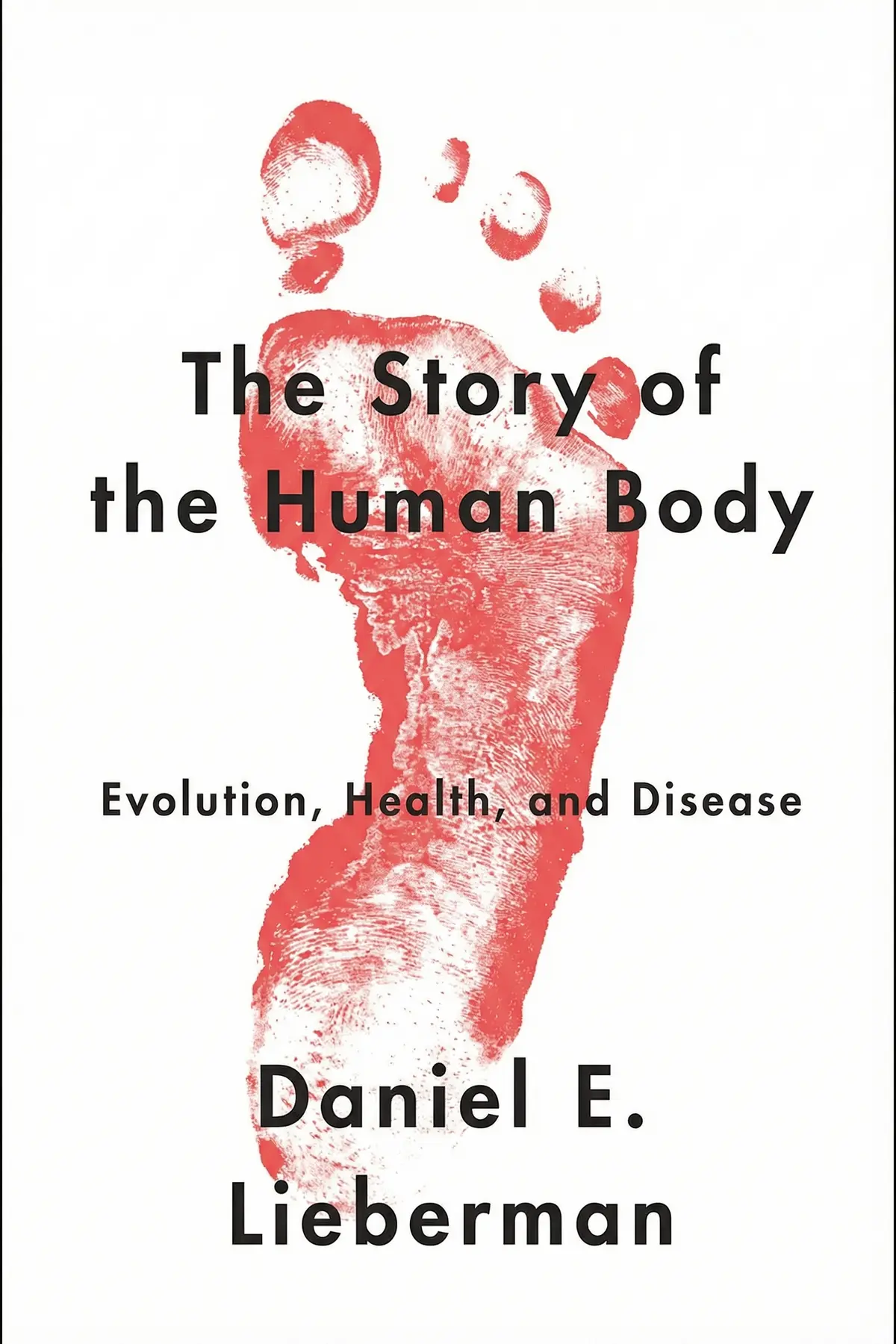
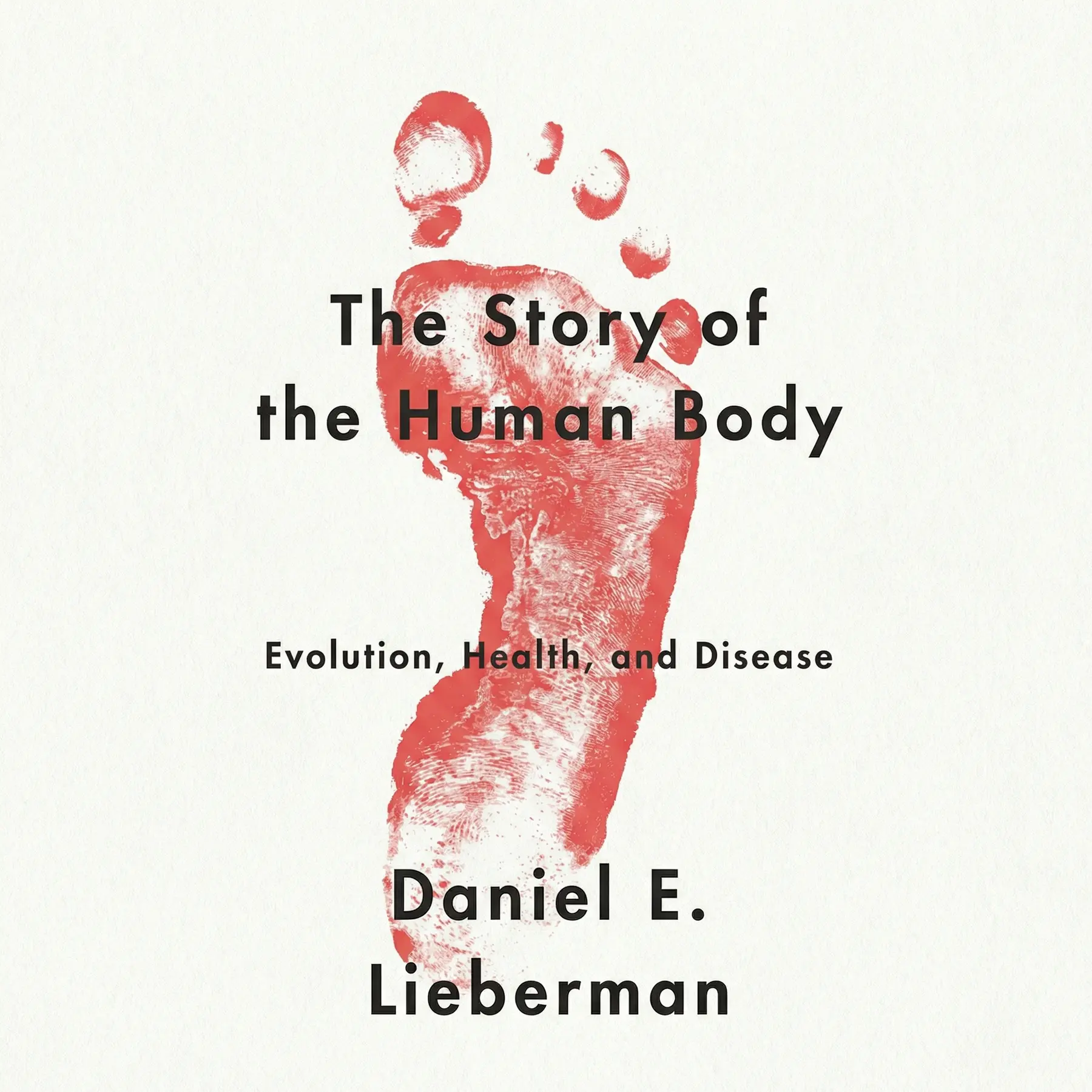
The Story of the Human Body offers a sweeping exploration of human evolution, tracing our journey from our earliest bipedal ancestors to the sedentary office workers of the modern age. It examines how major milestones—like walking upright, transitioning to a hunter-gatherer lifestyle, and the birth of agriculture—fundamentally reshaped our anatomy and physiology. By understanding where we came from, we can better understand the current health crises we face. The book introduces the concept of evolutionary mismatch: the idea that our bodies are adapted for an environment that no longer exists. While our ancestors struggled with scarcity and high physical demands, we live in a world of caloric abundance and physical ease. This disconnect is at the heart of many modern ailments, from type 2 diabetes to osteoporosis. The promise of this summary is to help you see your own body through an evolutionary lens, providing a framework for understanding health not just as a medical issue, but as a biological legacy that we must learn to manage in a rapidly changing world.
Daniel Lieberman is a paleoanthropologist at Harvard University, where he is chair of the department of human evolutionary biology. He is best known for his prize-winning research into the evolution of the human head and body. He has authored over a hundred articles for prestigious scholarly journals including Nature and Science. His previous books include The Evolution of the Human Head (2011).
Listeners find the book captivating and skillfully written, featuring lucid explanations grounded in scientific research. Furthermore, the work delivers a superior chronicle of human health and evolution, presenting fresh perspectives on exercise and dietary habits. They also value the narrative approach, with one listener mentioning it reads like an adventure tale, while another points out that the biocultural perspective is effective for framing evolutionary shifts.
Lieberman has crafted a fascinating narrative that traces our journey from forest-dwelling apes to modern humans. Walking upright is complex. The author manages to make the mechanics of bipedalism feel like a high-stakes adventure through deep time. It’s not just a history lesson, though. The second half shifts into a compelling, often frightening analysis of how our current lifestyles clash with our biological heritage. This leads to what he calls 'mismatch diseases.' Truth is, I’ll never look at a flight of stairs or a sugary snack the same way again. The science is robust. However, it remains incredibly accessible for those without a PhD in biology. This is essentially a user manual for the human species that explains why we struggle with obesity and back pain in an age of abundance.
Show moreEver wonder why it's so incredibly easy to gain weight but such a monumental struggle to lose it? Lieberman answers this by diving deep into our evolutionary history. He explains how we were selected to store fat for survival during lean times. The book reads like an epic detective story, piecing together fossil evidence to show how we became the 'marathon monks' of the animal kingdom. I loved the focus on calorie consumption and the trade-offs involved in growing massive brains. While some might find his critique of modern agriculture harsh, I found it eye-opening and scientifically grounded. It’s rare to find an academic who writes with such clarity and verve. This should be required reading in every high school health class. It explains our bodies perfectly.
Show moreDaniel Lieberman has written a masterpiece that manages to bridge the gap between complex evolutionary biology and practical health advice. The way he describes the evolution of the human brain as a hungry organ requiring a massive caloric budget was a total 'lightbulb' moment for me. It explains so much about our innate drive for high-energy foods. Unlike many science books that dryly list facts, this one weaves a coherent story about who we are and why we are built this way. I was fascinated by the discussion on how our feet changed for bipedalism and what that means for modern footwear. It’s a profound reminder that we are essentially Stone Age bodies living in a Space Age world. Engaging, well-researched, and ultimately very empowering for anyone trying to get healthy.
Show moreWow. This is one of those rare books that actually changes the way you live your life. I’m now much more conscious of how I move and eat, thanks to Lieberman's clear-eyed look at our evolutionary needs. The transition from bipedalism to the industrial revolution is handled with such narrative skill that it almost feels like reading an adventure novel. I was particularly interested in the concept of 'libertarian paternalism' he suggests for public health; it’s a practical way to address the mess we’ve made of our environment. The book is packed with 'did you know?' facts that I kept sharing with my friends. It’s a long read, but every page feels necessary to understand the full scope of our biological story. Highly recommended for any curious mind.
Show moreAfter hearing so much buzz about this on various podcasts, I finally dove into Lieberman’s exploration of biocultural evolution. The first few chapters are absolute gold. I was especially struck by the parts detailing how our ancestors transitioned to a non-fruit-based diet to support larger, energy-hungry brains. However, I have to admit the section on the industrial revolution felt a bit repetitive compared to the fresh insights of the earlier archaeological chapters. He makes a strong case for 'dysevolution,' where we treat symptoms rather than causes. It really makes you think about our failing healthcare system. It’s a bit depressing at times to realize how much our environment works against us, but the 'nudge' theory at the end provides a glimmer of hope. Definitely a solid read.
Show morePicked this up on a whim and was pleasantly surprised by how much it changed my perspective on daily exercise. Lieberman doesn’t just tell you to run; he explains why we evolved to be endurance athletes. Our sedentary culture is literally making us sick. The chapters on 'mismatch' conditions like Type II diabetes and osteoporosis were particularly enlightening, if a bit scary. I did feel like he spent a lot of time dunking on the agricultural revolution, which felt a bit lopsided at times. Still, the way he connects our ancient past to our current health crises is brilliant. It’s a chunky book, but the prose flows well enough that you don't feel bogged down in jargon. A very thought-provoking look at the biological cost of our modern comforts.
Show moreAs someone who has always struggled with chronic lower back pain, the section on the evolutionary trade-offs of walking upright was a revelation. Lieberman explains that our spines didn't necessarily evolve for comfort, but for efficiency in a very different environment. Gotta say, the book does a great job of explaining the 'mismatch' between our ancient cravings and our modern grocery stores. I appreciated the nuance he brought to the discussion of 'dysevolution.' We keep passing on traits that lead to sickness because we've become so good at treating symptoms rather than causes. The writing is clear, though I'll admit the middle section on the transition to farming dragged a bit for me. Overall, it’s a very informative read that offers a unique lens on the obesity epidemic.
Show moreFinally got around to reading this classic, and it lives up to the hype for the most part. Lieberman is a fantastic guide through the millions of years of our history. He makes the shift from the forest floor to the savannah feel incredibly vivid. He treats our ancestors as creatures perfectly adapted to their specific niches. They weren't just 'lesser' humans. The transition to the second half is jarring. My only real gripe is that he can be quite repetitive with his 'mismatch' thesis. We get it. Still, the science is top-notch and his passion for the subject is infectious. It’s an essential piece of the puzzle for understanding the human condition and why our modern world makes us so sick.
Show moreThis book provides a decent introduction to human evolution, but if you’ve already read Diamond or Harari, a lot of this will feel like treading familiar ground. To be fair, Lieberman’s specific focus on the body’s mechanics—like the development of the arched foot and the gluteus maximus—is quite detailed. I loved the arched foot section. However, I found the tone in the latter half to be a bit overly pessimistic regarding modern technological progress. He seems to pine for a hunter-gatherer lifestyle. That just isn't feasible for eight billion people. The concept of 'mismatch diseases' is vital, yet the book glosses over recent developments in epigenetics that could have added more depth. It’s a fine starting point for a novice, but seasoned science readers might find it redundant.
Show moreNot what I expected based on the glowing reviews. While the first third of the book offers a competent overview of early hominids and bipedalism, the rest of the text devolves into a repetitive lecture on how terrible modern life is. Lieberman’s romanticization of hunter-gatherer societies felt naive. They faced high infant mortality and lacked modern medicine. Frankly, the constant focus on 'mismatch diseases' felt more like a health manifesto than a rigorous scientific history. I was looking for a deep dive into evolutionary biology, but instead, I got a lot of advice on standing desks and barefoot running. It’s well-written, sure, but the agenda-driven tone really put me off. If you want a balanced view of human progress and cultural evolution, you should probably look elsewhere.
Show more
Lisa Kaltenegger
J. Craig Venter
AUDIO SUMMARY AVAILABLE
Get the key ideas from The Story of the Human Body by Daniel Lieberman, plus 5,000+ more titles in English and Thai.