
17 min 05 sec
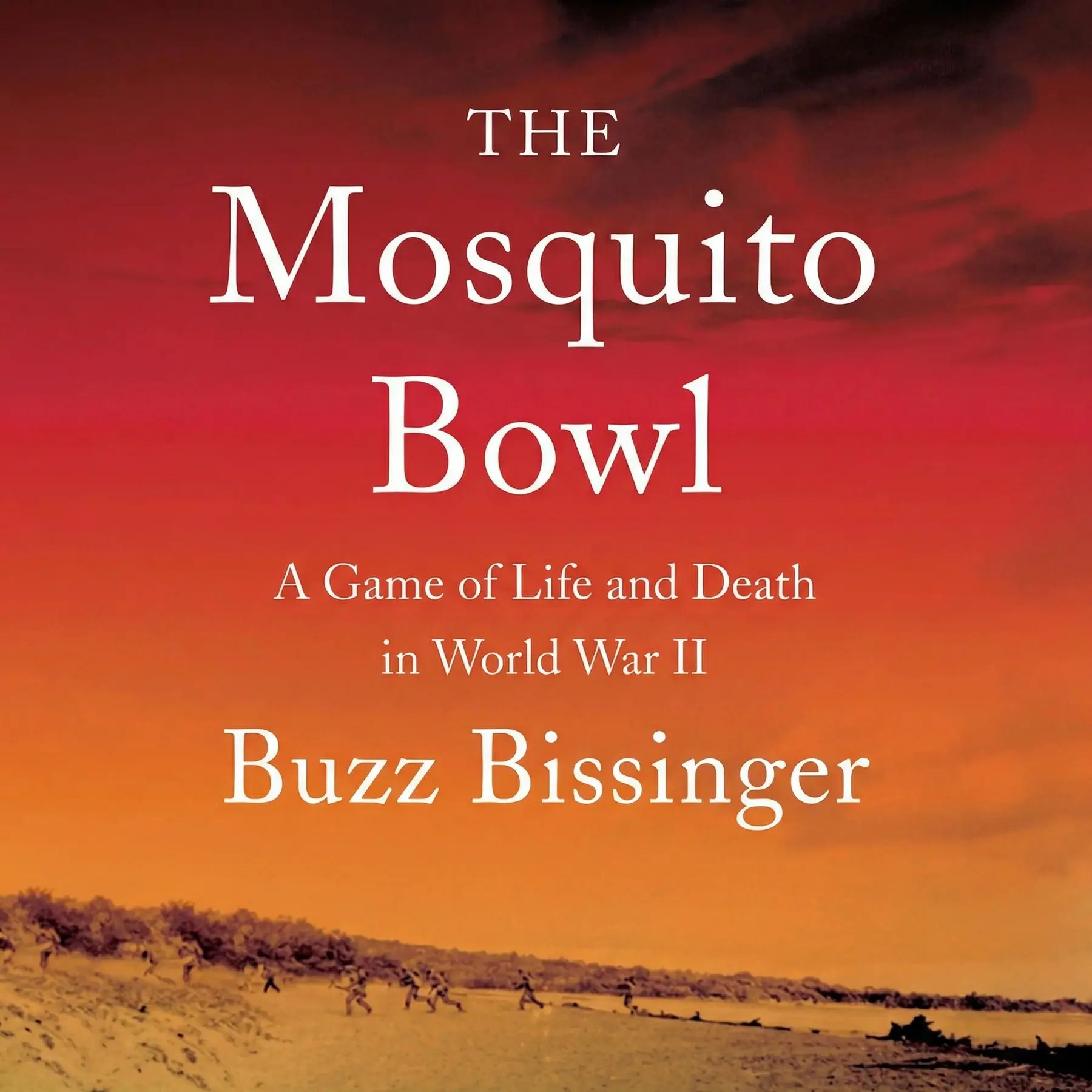
The Mosquito Bowl: A Game of Life and Death in World War II
The Mosquito Bowl recounts the tragic and heroic true story of elite college football stars who traded their jerseys for Marine uniforms to fight the most brutal battles of World War II.
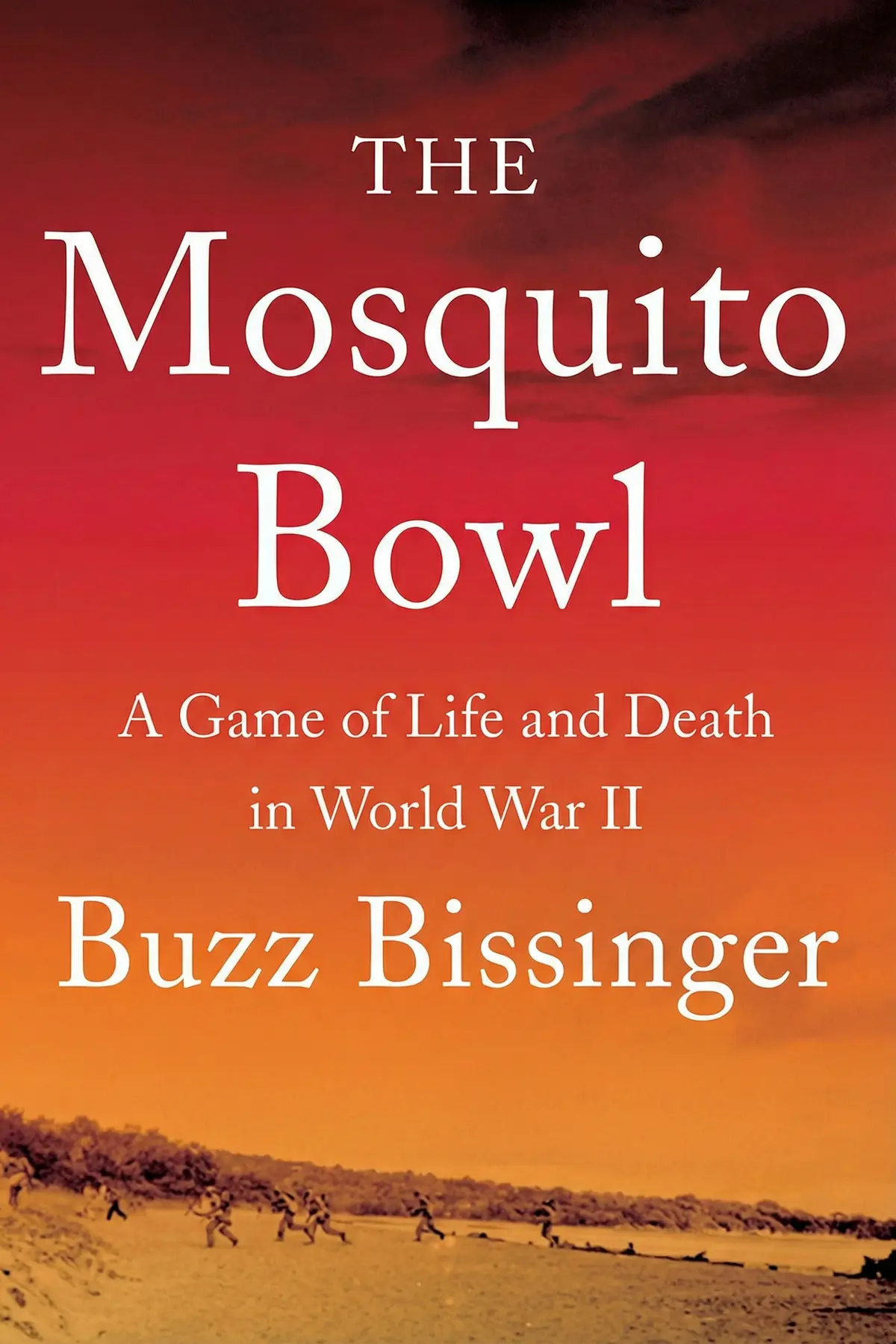
Table of Content
1. Introduction
1 min 26 sec
In the early 1940s, college football was more than just a pastime; it was a cultural phenomenon that captivated the American public. But as the shadows of World War II lengthened, the roar of the stadium was replaced by the call to duty. Elite athletes, who were once the heroes of Saturday afternoons, suddenly found themselves traded from the gridiron to the front lines.
This is the story of a remarkable group of men who shared a common bond: they were among the finest football players in the country, and they were all members of the United States Marine Corps. By 1944, a strange coincidence of military assignments placed over fifty former college stars in two specific regiments on the same Pacific island. What followed was a moment of levity amidst the gloom—a legendary football game known as the Mosquito Bowl.
However, the story is about far more than a single game of football. It is a deep dive into the lives of the men who played it, the families they left behind, and the systemic issues of the era they lived through. From the immigrant struggle in the coal mines of the Midwest to the segregated training camps of the South, we see the diverse threads that wove these lives together. As we walk through this history, we’ll explore how these young men carried the virtues of their sport—courage, teamwork, and resilience—into a theater of war where the stakes were far higher than any scoreboard could record. This is a journey through their throughline: a path of celebrity, service, and sacrifice.
2. The Immigrant's Field of Dreams
1 min 50 sec
Discover how the sons of a Croatian immigrant used the grit of the Illinois coal mines and the glory of sports to forge an American identity before the war.
3. From the Stadium to the Training Camp
1 min 39 sec
See how the transition from athletic stardom to military service was fueled by a sense of duty, even as elite players were used as propaganda tools.
4. The Unseen Battle of Systematic Inequality
1 min 40 sec
Explore the stark reality of the segregated military through the eyes of an Ivy League star who witnessed the injustice faced by Black Marines.
5. The Bloody Lessons of Amphibious Warfare
1 min 44 sec
Understand the terrifying strategic mistakes of the early Pacific campaign that shaped the survival instincts of the Marines heading toward Japan.
6. A Game of Life and Death on Guadalcanal
1 min 49 sec
Step onto the dirt and coral field of the Mosquito Bowl, where the world’s best athletes played one final game under the shadow of war.
7. The Descent into the Inferno of Okinawa
1 min 31 sec
Witness the transition from the festive atmosphere of the Mosquito Bowl to the grim reality of the final major battle for Okinawa.
8. The High Cost of the Final Fortress
1 min 31 sec
Follow the tragic fates of the Mosquito Bowl’s stars as the Battle of Okinawa claims the lives of those who once seemed invincible.
9. The Resilience of the Survivor
1 min 16 sec
Trace the post-war journey of John McLaughry, who carried the memories of his fallen comrades back to the football fields of America.
10. A Legacy of Sacrifice
1 min 18 sec
Reflect on the staggering human price paid by the 6th Marine Division and the lasting impact of their story on the American consciousness.
11. Conclusion
1 min 21 sec
The story of the Mosquito Bowl serves as a powerful bridge between the idealized world of sports and the brutal reality of war. It reminds us that the virtues we often celebrate in our athletes—loyalty, perseverance, and courage—are the very same traits that were demanded of them on the battlefields of the Pacific. These men were not just icons of a game; they were individuals with families, dreams, and a deep-seated sense of obligation to their fellow citizens.
As we reflect on the lives of Tony Butkovich, Dave Schreiner, and the many others who did not return, the lesson is clear: the cost of our collective freedom is measured in the individual lives of those willing to stand in the gap. The Mosquito Bowl was the final time many of these men felt the simple, unadulterated joy of competition before facing an enemy that played by no rules.
In our own lives, we can carry forward their legacy by recognizing the importance of duty and the value of community. Whether it’s in the way we handle our professional responsibilities or how we support those around us, the integrity shown by men like Schreiner and the resilience of survivors like McLaughry offer a blueprint for character. Their story encourages us to look past the surface of celebrity and recognize the human heart beneath the jersey, honoring a generation that gave up its games so that future generations could play theirs in peace.
About this book
What is this book about?
The Mosquito Bowl tells the gripping, true story of America’s most celebrated athletes during the 1940s—men who were at the pinnacle of college football fame before being thrust into the horrors of the Pacific Theater. At its heart is an improbable event: a football game played on the jagged coral of Guadalcanal on Christmas Eve, 1944, featuring dozens of former stars from the 4th and 29th Marine Regiments. This summary follows the lives of four specific men—Tony Butkovich, Dave Schreiner, Bob Bauman, and John McLaughry—as they navigate the transition from sports icons to frontline soldiers. It explores the cultural backdrop of the era, including the immigrant experience and the deep-seated racial tensions within the military. Ultimately, it serves as a poignant reminder of the staggering human cost of war, tracing these athletes from their final moments of glory on the gridiron to their ultimate sacrifices on the blood-soaked shores of Okinawa.
Book Information
About the Author
Buzz Bissinger
Buzz Bissinger is a highly acclaimed author of six books, most notably the best-selling Friday Night Lights, which sold nearly two million copies and served as the inspiration for both a major motion picture and a hit television series. A recipient of the Pulitzer Prize for investigative reporting during his tenure at the Philadelphia Inquirer, Bissinger is a seasoned journalist. He currently serves as a contributing editor at Vanity Fair and a sports writer for the Daily Beast. His distinguished work has been featured in prominent publications such as the New York Times, the New Republic, and Time magazine.
Ratings & Reviews
Ratings at a glance
What people think
Listeners find that this title ranks among the top World War II books and flows with the pace of a novel, earning praise for its deep research and gripping narrative. Furthermore, the writing is superb, and listeners value the historical information provided, with one mentioning it offers a meticulous look at the 82-day battle for Okinawa. The work also receives acclaim for its emotional impact, with one listener noting how it illustrates the true scale of the sacrifices made, as well as for its focus on developing real-life figures.
Top reviews
Por
Bissinger has a way of turning dry military history into something that feels like a high-stakes, gripping novel. I was completely captivated by the way he humanized these young men, moving from their glory days on the college gridiron to the absolute hell of the Pacific theater. To see All-Americans from schools like Notre Dame and Wisconsin reduced to mere survivors—or casualties—on Okinawa was a visceral experience. The research here is clearly exhaustive, with over a hundred pages of notes that back up every tragic detail of the 82-day battle. While some people might complain about the lack of actual football strategy, I found the focus on the Marines' individual journeys much more rewarding. It’s a haunting, beautifully written tribute to a group of boys who were forced to grow up in the most violent way imaginable. If you want to understand the magnitude of sacrifice during WWII, this is the book to read.
Show morePun
Ever wonder what happened to those elite college athletes who traded their jerseys for Marine dungarees during the height of the war? This book provides a staggering, detailed answer. I was floored by the storytelling. Bissinger doesn't just tell you they were heroes; he shows you their flaws, their fears, and their youthful arrogance before the war stripped it all away. The contrast between the trash-talking on the dirt field of Guadalcanal and the horrific flame-thrower attacks on Okinawa is stark. It’s a brilliant character study that happens to be set against the backdrop of one of the bloodiest battles in human history. The ending is particularly moving, as it lists the fates of the men who played in that Christmas Eve game. It’s a sobering reminder that war doesn't care about your Heisman trophies or your NFL draft status. This is easily one of the best WWII books I have ever read.
Show moreBua
Wow, the level of detail Buzz Bissinger put into these biographies is honestly staggering. This isn't just a book about war; it’s a book about the American dream being interrupted by the reality of global conflict. I loved the deep dives into the lives of the Bauman brothers and Dave Schreiner. You really feel like you know these guys by the time they hit the beaches of Okinawa, which makes the final chapters almost impossible to get through without tearing up. The writing is sharp, and the author isn't afraid to criticize the 'Greatest Generation' while still honoring their incredible sacrifice. He paints a picture of a complicated America—one with immigration bans and lynchings—that fought for freedom abroad while denying it at home. It’s a nuanced, mature look at history that doesn't shy away from the ugly parts. This is a masterpiece of immersive journalism that stays with you long after the final page.
Show morePrinya
After hearing so much about the Mosquito Bowl, I finally dove into this mammoth of a book. It’s phenomenal. Bissinger captures the loss of innocence in a way that feels incredibly modern. He shows us these boys—captains of their teams, NFL prospects, local heroes—and then shows us the mud, the blood, and the senselessness of their deaths on a distant island. The irony of the 0-0 tie in the football game, compared to the total destruction that followed at Okinawa, is a powerful metaphor for the futility of war. I appreciated that he didn't sugarcoat the experience or rely on easy platitudes about heroism. Instead, he gave us a gritty, realistic account of what it was actually like for these athletes to serve. The character development is second to none for a nonfiction book. It’s emotional, informative, and deeply respectful of the men it portrays. Highly recommended for any history or sports fan.
Show moreDarawan
Few books have left me feeling as hollow and heartbroken as this one. Buzz Bissinger manages to bridge the gap between sports and slaughter with incredible precision. I didn’t know much about the invasion of Okinawa before this, but the descriptions of the Japanese underground bunkers and the sheer brutality of the fighting were eye-opening. The way he follows specific players like George Murphy and Tony Butkovich makes the eventual casualty lists feel personal rather than just statistics. My only real gripe is that the marketing leads you to believe the football game is the centerpiece, when it’s really just a footnote in a much larger, darker narrative. However, the writing quality is top-notch, and the emotional depth is undeniable. It’s a heavy read that demands your full attention, but it pays off by giving a face to the 'Greatest Generation' that feels authentic rather than just a tired cliché.
Show moreSiraporn
As someone who usually reads about the European theater, this was a brutal wake-up call regarding the reality of the Pacific. We often focus on the Nazis, but the battle for Okinawa was a different kind of nightmare. Bissinger captures the terror of the interlocking tunnel systems and the sheer desperation of the Japanese forces with vivid, often uncomfortable detail. The 'Mosquito Bowl' game serves as a clever, if slightly under-utilized, frame to introduce us to these kids before they were sent into the meat grinder. I actually appreciated the commentary on how the military used these athletes for recruiting—it added a layer of realism to the 'patriotic' narrative we usually get. It’s not a perfect book, as the author does tend to get a bit repetitive with his political themes, but the core story of these fifteen men who died is powerful. It’s a testament to bravery that avoids being overly sentimental.
Show moreTalia
Picked this up because I’m a huge fan of Friday Night Lights, but this is a very different beast. It’s a bit of a mixed bag for me. On one hand, the historical content regarding the '90-day wonders' and the hierarchy of the service academies was fascinating. I never knew that West Point players were essentially seen as draft dodgers because of their deferments! On the other hand, the structure is a mess. Bissinger bounces around so much between the different men that I occasionally lost track of who was who. The book is heavily researched, which I appreciate, but it sometimes feels like he’s trying to cram every single fact he found into the prose. It’s a solid piece of nonfiction, but the pacing drags in the middle sections. If you’re looking for a quick sports story, look elsewhere. This is a dense military history that just happens to feature athletes.
Show moreDao
Frankly, it's a bit of a slog in the middle, but the ending is worth the effort for the historical perspective. I went into this expecting something like a WWII version of Friday Night Lights, and while the writing quality is high, the focus is much more on the 'death' part of the subtitle than the 'game' part. The descriptions of the 82-day battle for Okinawa are incredibly detailed, perhaps a bit too much for a casual reader. There are so many names and ranks to keep track of that I found myself flipping back to the beginning quite often. I also found the author's frequent sidebars about social issues to be a bit heavy-handed at times, though they did provide some interesting context. It’s a respectable piece of work and clearly a labor of love, but it lacked the punchy, focused narrative I was hoping for. It’s an okay read, just be prepared for a long journey.
Show moreWichai
To be fair, I was expecting a sports book, not a long-winded lecture on social justice and the failures of American policy. The title is quite a bait-and-switch. You’d think a book called The Mosquito Bowl would spend more than a dozen pages on the actual football game, but it’s mostly just an excuse for the author to air his grievances about racism and misogyny. I found his constant interjection of 'woke' commentary to be a major distraction from what should have been a heroic story about the Marines. Why tear down the United States Army just to puff up the Marine Corps? It felt petty and unnecessary. The prose is often turgid, and the endless lists of names in the final section felt like an exercise in filler rather than a meaningful tribute. I loved Friday Night Lights, but this was a slog that I only finished out of stubbornness. Definitely wouldn't recommend it.
Show moreYam
The title is incredibly misleading if you are actually looking for a book about a football game. I felt like the Mosquito Bowl itself was barely a footnote in what turned out to be a 400-page military history book. While I respect the research that went into this, the author’s tone felt very cynical and occasionally even anti-American. He goes out of his way to highlight every flaw in US strategy and every instance of systemic racism, which felt out of place in a book marketed as a tribute to Marine bravery. I found the narrative to be quite disjointed, jumping from one person’s life story to an encyclopedic entry about a battle without much flow. It was a frustrating experience. I wanted to hear about the game, the camaraderie, and the sportsmanship, but instead, I got a grim diatribe on the horrors of war and the failures of the era. It just wasn't for me.
Show moreReaders also enjoyed
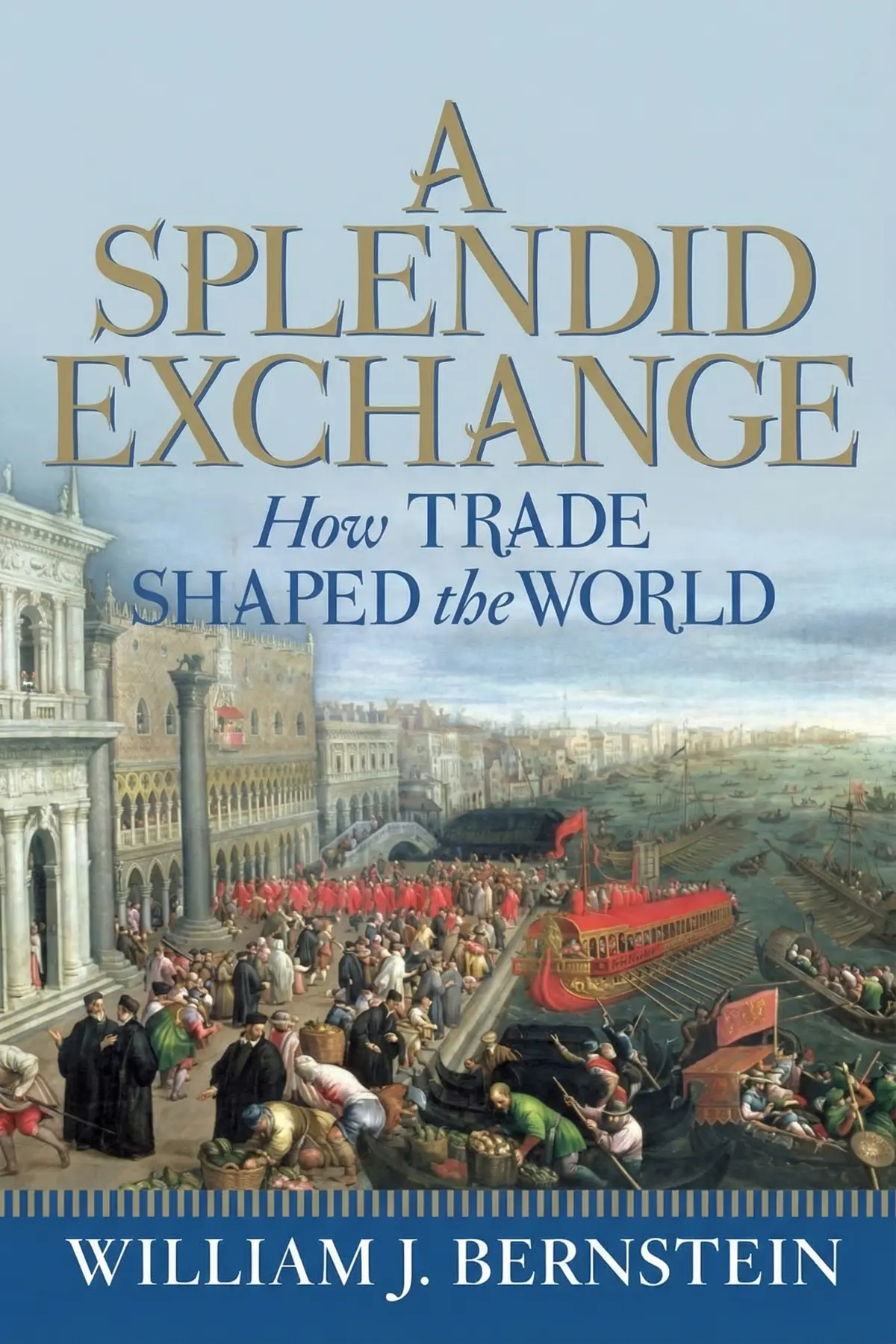
A Splendid Exchange: How Trade Shaped the World
William J. Bernstein
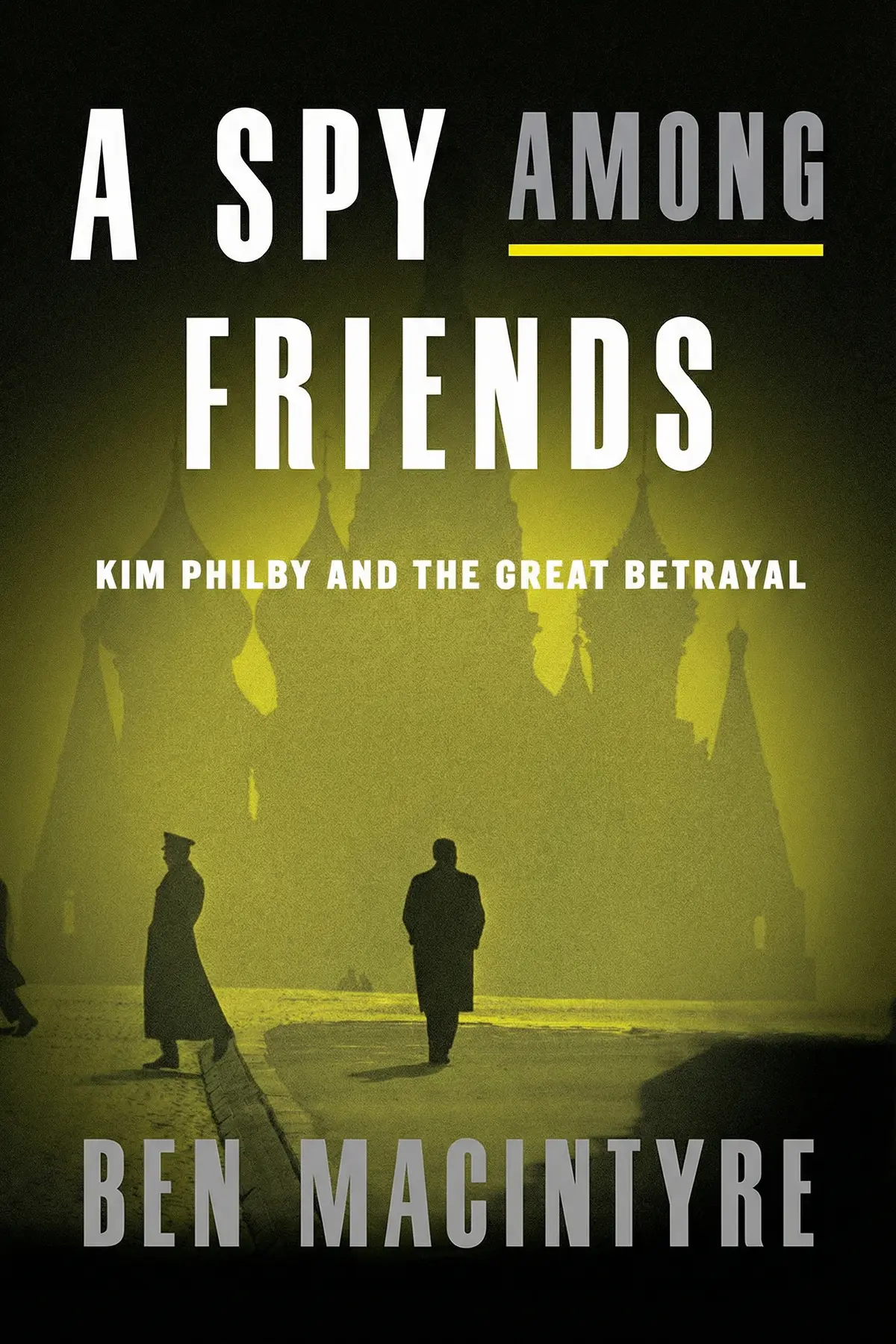
A Spy Among Friends: Philby and the Great Betrayal
Ben Macintyre
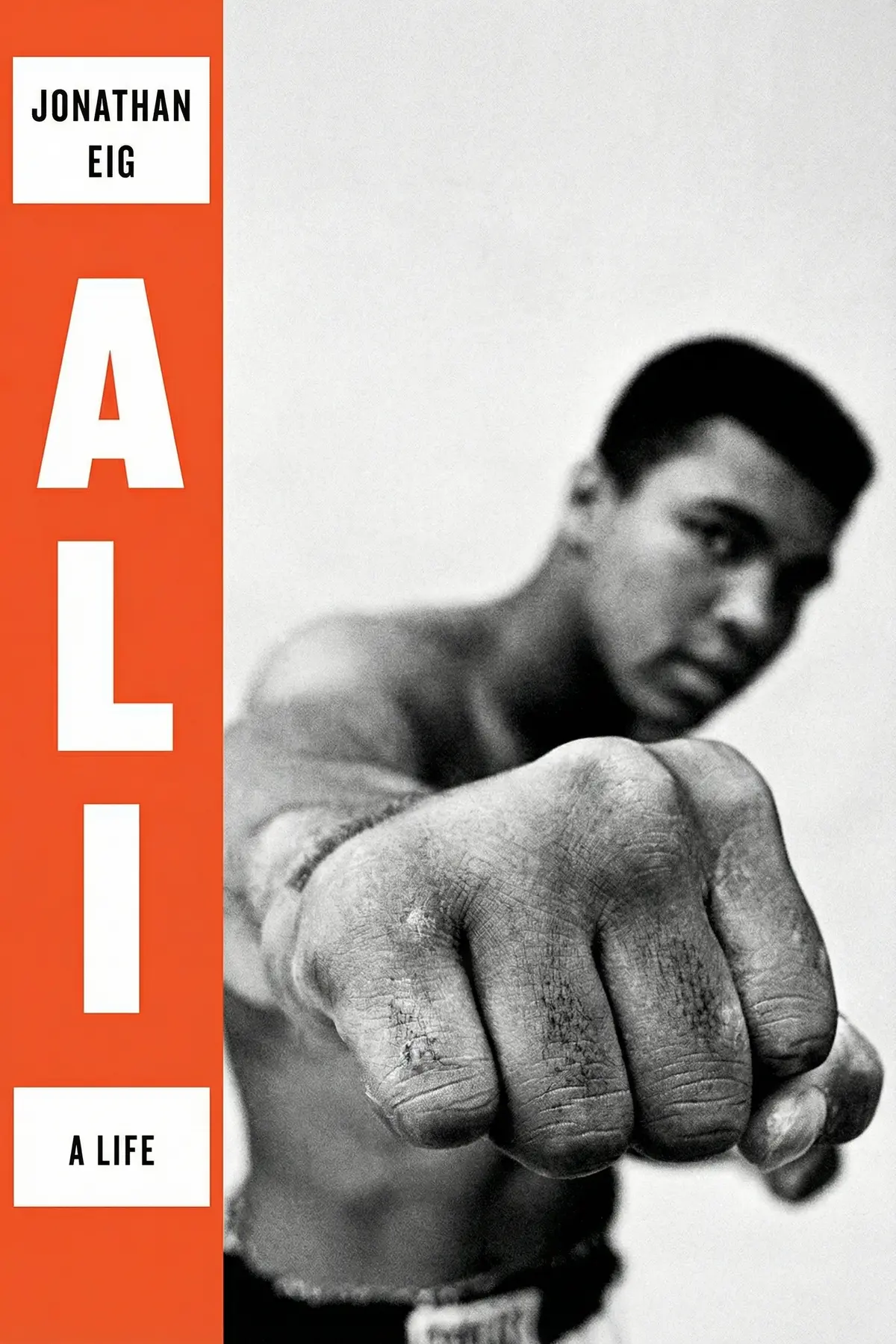
Ali: A Life
Jonathan Eig
1491: New Revelations of the Americas Before Columbus
Charles C. Mann

A Year in the Life of William Shakespeare: 1599
James Shapiro
1929: Inside the Greatest Crash in Wall Street History--and How It
Andrew Ross Sorkin
AUDIO SUMMARY AVAILABLE
Listen to The Mosquito Bowl in 15 minutes
Get the key ideas from The Mosquito Bowl by Buzz Bissinger, plus 5,000+ more titles in English and Thai.
- 5,000+ titles
- Listen as much as you want
- 7-day free trial
- Cancel anytime







