
18 min 27 sec
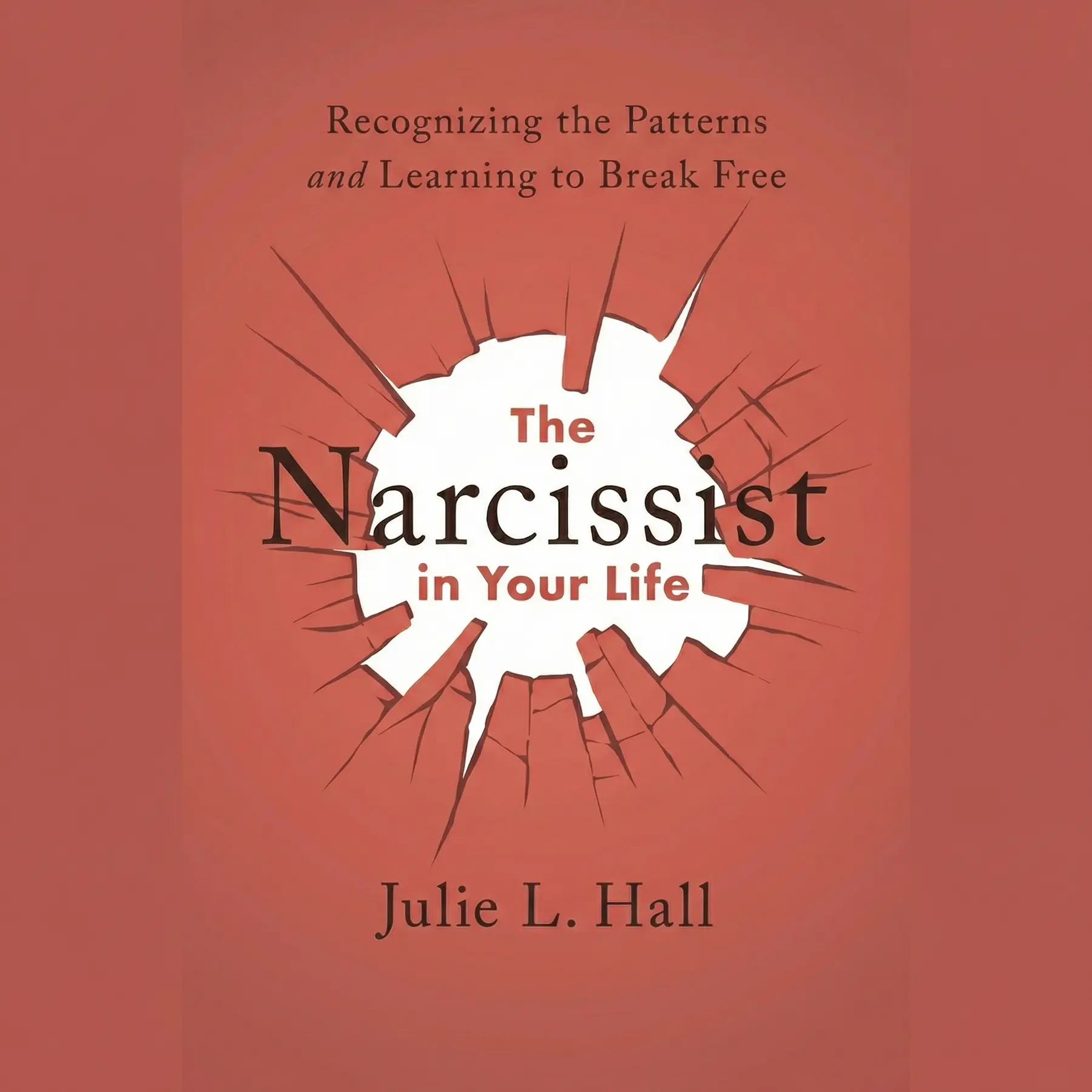
The Narcissist in Your Life: Recognizing the Patterns and Learning to Break Free
A deep exploration of Narcissistic Personality Disorder, offering survivors of toxic family and romantic dynamics the tools to recognize manipulative patterns, establish firm boundaries, and begin the journey toward emotional recovery.
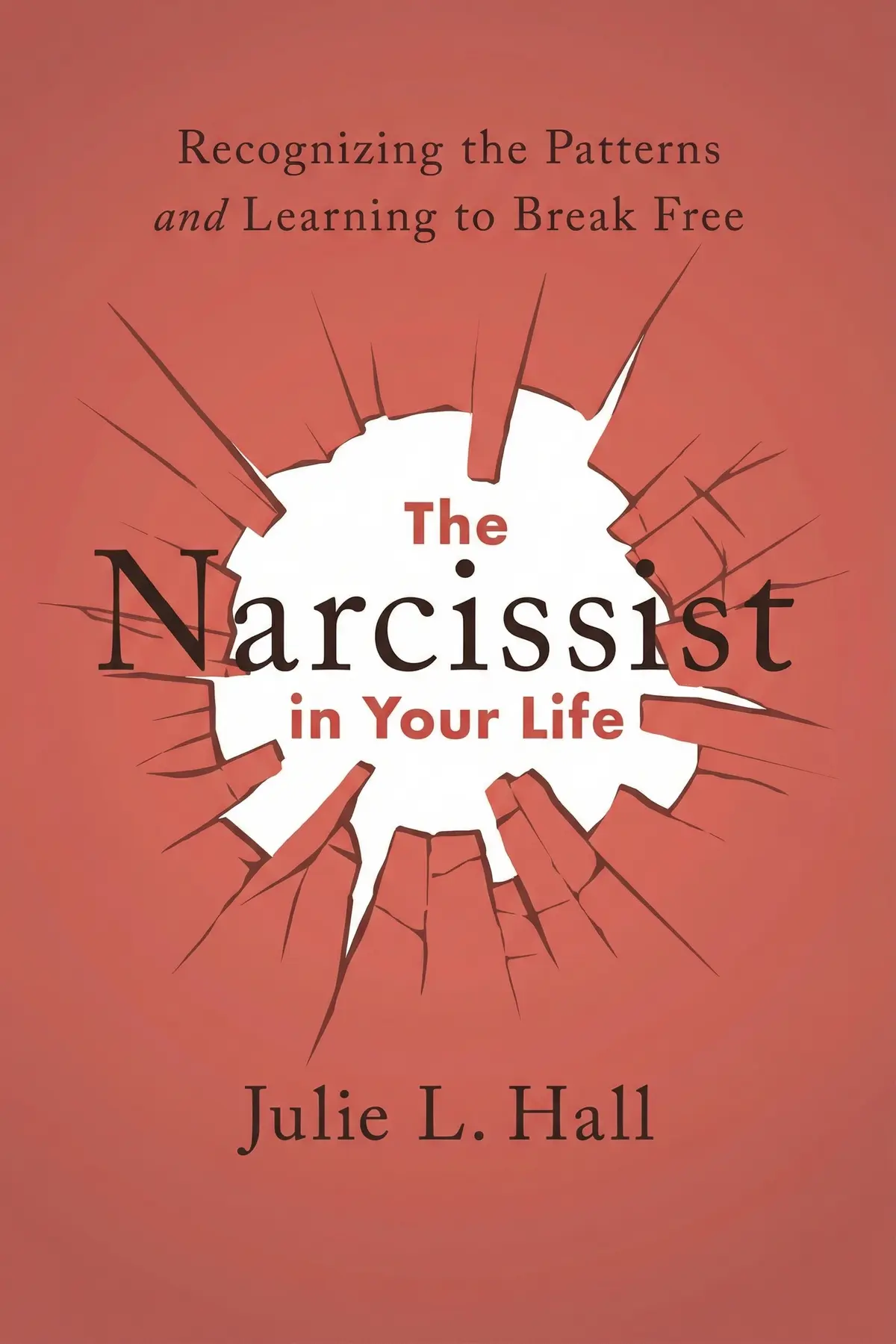
Table of Content
1. Introduction
1 min 57 sec
Have you ever felt like you were walking on eggshells, constantly adjusting your behavior to avoid a sudden outburst or a cold shoulder from someone close to you? Or perhaps you’ve wondered why a certain person in your life seems to demand absolute loyalty while offering nothing but criticism in return. These are the hallmarks of a dynamic that affects millions of people, yet often remains hidden behind a veil of charm, professional success, or social status. This is the world of pathological narcissism, a psychological reality that leaves a wake of confusion and emotional trauma for those caught in its orbit.
In our exploration of Julie L. Hall’s insights, we are going to pull back the curtain on Narcissistic Personality Disorder, or NPD. We often use the word ‘narcissist’ casually to describe someone who is a bit full of themselves or enjoys a few too many selfies, but the clinical reality is far more complex and far more damaging. It is a deeply rooted personality disorder that fundamentally alters how a person interacts with the world, turning relationships into battlegrounds of control and exploitation.
Our journey today isn’t just about identifying a list of symptoms; it’s about understanding the throughline of this behavior. We will see how a narcissist’s fragile internal world dictates their external actions, and how this ripple effect creates specific, predictable patterns in families and romantic partnerships. More importantly, we are going to look at the path toward liberation. For anyone who has been made to feel small, invisible, or responsible for someone else’s erratic emotions, this is about reclaiming your narrative. We’ll look at the roles children are forced into, the traps of codependency, and finally, the steps toward building a life that belongs to you and no one else. Let’s begin by looking at what actually happens beneath the surface of a narcissistic personality.
2. The Paradox of the Narcissistic Mask
2 min 49 sec
Beneath the facade of grandiosity lies a fragile self-image fueled by shame and a desperate need for external validation that never truly satisfies.
3. The Magnetic Trap of the Narcissistic Relationship
3 min 14 sec
Explore how charisma and flattery can mask a destructive cycle of idealization and devaluation that leaves partners feeling drained and confused.
4. The Theater of the Dysfunctional Family
2 min 50 sec
In a narcissistic household, children are cast into specific roles that serve the parent’s ego, sacrificing their true selves for family stability.
5. The Long Shadow of Narcissistic Parenting
2 min 59 sec
Growing up with a narcissist often means experiencing a confusing mix of over-involvement and profound emotional neglect.
6. Reclaiming the Self and Finding True Liberation
3 min 10 sec
True recovery from narcissistic abuse involves more than just distance; it requires rewriting your personal story and embracing self-compassion.
7. Conclusion
1 min 28 sec
In concluding our look at The Narcissist in Your Life, we return to the central theme: awareness is the catalyst for change. We have seen how Narcissistic Personality Disorder is not just about vanity, but a profound emotional disability that creates a wake of destruction in families and partnerships. By understanding the ‘False Self,’ the rigid family roles like the Scapegoat and the Golden Child, and the mechanics of codependency, we begin to see the dysfunction for what it truly is—a system that was never designed to nurture you.
The throughline of Julie L. Hall’s work is that while you cannot change a narcissist, you have absolute power over your own recovery. Healing is a process of reclaiming the identity that was suppressed and the voice that was silenced. It involves setting boundaries that protect your peace, processing the grief of what was lost, and ultimately, choosing yourself.
As you step away from the throughline of this summary and back into your daily life, remember that the patterns you’ve identified are the keys to your freedom. Whether you are navigating a difficult relationship right now or healing from a past one, the most important relationship you will ever have is the one with yourself. By choosing self-compassion over self-blame, you are breaking the cycle of narcissism and building a foundation of true, lasting health. You have the right to be seen, to be heard, and to live a life that is authentically yours.
About this book
What is this book about?
The Narcissist in Your Life provides an in-depth look at the complex and often devastating world of pathological narcissism. It breaks down the internal mechanics of Narcissistic Personality Disorder (NPD), revealing how a fragile, shame-filled core can manifest as a persona of grandiosity and entitlement. By examining how these traits infiltrate both romantic relationships and family structures, the book illuminates the hidden damage caused by emotional exploitation. The book promises a path toward healing for those who have lived in the shadow of a narcissist. It details the specific roles children are forced to play in dysfunctional homes—such as the scapegoat or the golden child—and explains how these dynamics persist into adulthood. Ultimately, it offers a guide for survivors to reclaim their autonomy, process their grief, and build a life defined by self-compassion and genuine connection rather than manipulation and control.
Book Information
About the Author
Julie L. Hall
Julie L. Hall is a writer, educator, and consultant who specializes in helping people understand and heal from narcissistic abuse. She is the founder of The Narcissist Family Files, a popular online resource for adult children, partners, and others affected by narcissism. Drawing on both professional research and personal experience, her work offers practical guidance for breaking free from the destructive patterns of narcissistic relationships.
Ratings & Reviews
Ratings at a glance
What people think
Listeners find this work highly beneficial for deciphering narcissistic patterns, specifically in family units, and respect its deep research and thorough treatment of the theme. They call it a top-tier listen that brings clarity, and one listener points out that it functions as a vital asset for medical professionals. The title is lauded for helping people recover and flourish as survivors, and listeners appreciate its trustworthiness, with one review noting its straightforward breakdown. Even though listeners feel the book is redemptive and empowering, views on its emotional weight are divided.
Top reviews
Charles
Wow. This hit me like a freight train. Julie L. Hall doesn't just describe the "false self" of the narcissist; she effectively dissects how it erodes the sanity of everyone around them. For years, I felt like I was losing my mind, but seeing terms like "gaslighting" and "projection" explained so clearly provided a level of validation I didn't know I needed. The section on family dynamics—especially the specific roles of the golden child and the scapegoat—was particularly eye-opening for my own situation. While the author’s tone is occasionally quite sharp and abrasive, her righteous anger feels entirely justified given the emotional destruction she’s documenting. It’s not just a book; it’s a roadmap for survival and eventual liberation from toxic cycles. If you’ve ever felt "less than" in a relationship without knowing why, buy this immediately. You won't regret it.
Show moreMilk
The chapter on family roles alone makes this worth the price of admission. Hall manages to take complex psychological concepts and translate them into something accessible for the average person. I found the breakdown of how narcissism trickles down through generations to be incredibly insightful, if a bit painful to read. To be fair, some sections felt a bit repetitive in the middle, and a few more hard clinical data points would have bolstered the academic side of the argument. However, the author’s background as a journalist and advocate shines through in the way she structures the narrative—it's compelling and moves at a very good pace. It’s an essential resource for anyone trying to untangle themselves from a toxic web of manipulation. This is one of the most informed non-professional guides I've found.
Show moreBun
Every healthcare professional should have a copy of this on their shelf. As someone in the field, I appreciate how Hall bridges the gap between clinical definitions and the lived reality of domestic abuse. She moves beyond the surface-level "vanity" trope of narcissism to expose the deep-seated entitlement and lack of empathy that define the disorder. The focus on recovery and becoming a "thriving survivor" is what sets this apart from other gloom-and-doom texts on the market. It offers genuine hope. My only minor complaint is that the author's personal bias occasionally colors the advice given, but the overall framework is incredibly sound. It’s a comprehensive, liberating guide that provides much-needed clarity for those stuck in the fog. Truly an excellent read.
Show morePun
This book feels like the light at the end of a very long, dark tunnel. It’s candid, brutal, and ultimately healing for the soul. Hall doesn't sugarcoat how destructive these individuals are, which is exactly what victims need to hear to finally stop the cycle of self-blame. The sections on how narcissists "sort" their family members into specific roles were eerily accurate to my own experience. I felt like the author had been a fly on the wall in my childhood home during my worst moments. It’s an excellent read for anyone who needs to understand the "why" behind the chaos. The focus is firmly on the victim's recovery, which is exactly where it belongs. I feel much more empowered to move forward now.
Show moreSomkid
Ever wonder why certain people in your life make you feel constantly drained and confused? Julie L. Hall answers that question with surgical precision. She compares narcissists to parasites who drain their targets of emotional energy, and the analogy fits perfectly. The book is well-researched and covers everything from childhood wounds to adult relationship patterns. I found the advice on protecting yourself to be the most valuable part of the entire work. It’s not about "fixing" the narcissist—because you can’t—it’s about saving yourself. The tone is compassionate but firm throughout. I’ve recommended this to several friends already because the clarity it provides is truly life-changing for anyone dealing with a toxic person.
Show moreTum
Picked this up after seeing it on several recommendation lists, but I have slightly mixed feelings despite the high quality. On one hand, Hall is clearly knowledgeable and writes with a lot of compassion for survivors of abuse. On the other hand, if you’ve already spent a significant amount of time researching NPD online or in therapy, you might find that there isn't much "new" information here. The book leans heavily into the "blogger" style, focusing more on anecdotes and general patterns than deep academic analysis. Frankly, it felt a bit long-winded in the middle, and I found myself skimming the parts that repeated the same warnings about emotional withdrawal. It's a solid introduction for beginners, but seasoned readers of pop-psychology might find the content a bit basic. Still, for a newcomer, it’s a goldmine.
Show moreRosa
Finally got around to reading this one after years of struggling with a difficult parent. The way Hall describes the "cycle of idealization and devaluation" gave me words for experiences I’ve had since I was five years old. It’s a heavy, emotional read—be prepared for some triggers—but the path toward self-liberation she charts is realistic. I particularly liked the "gray rock" mentions and the practical tips for setting boundaries with people who refuse to respect them. I will say, the book focuses very heavily on parents and partners, so if your narcissist is a coworker or a distant friend, you might have to do some mental translation. Regardless, the core truths about ego and manipulation remain universal and highly effective for any victim.
Show moreKae
As someone who grew up in a confusing household, I found this book incredibly validating. It’s written in a very simple, digestible way that doesn't require a psychology degree to understand. Hall does a great job of explaining how narcissists use their "false self" to hide a deep-seated sense of worthlessness. I did feel that the book was a bit abrasive in the first half; the author’s anger is very close to the surface, which might be jarring for readers looking for a more clinical tone. But the second half, which focuses on healing, is pure gold. It helped me realize that I wasn't the problem, and that realization alone is worth everything. A must-read for anyone seeking to break free from the chains of their past.
Show moreKaen
Truth is, I wasn't sure if I needed another book on narcissism, but I’m glad I picked this up. It’s a very comprehensive look at the disorder, especially the way it manifests in complex family systems. The chapters are well-organized, allowing you to jump to the sections most relevant to your specific situation. Some of the psychological theories, like object relations, are explained in a way that is easy for a layperson to grasp. While the author does tend to repeat herself to drive points home, the validation she offers to those who have suffered under a "false self" mask is profound. It’s a solid 4-star read that offers both a diagnosis of the problem and a cure for the heart.
Show moreAim
Not what I expected based on the hype. While I don't doubt the author’s expertise or her good intentions, the writing style just didn't work for me. It felt more like a series of compiled blog posts than a cohesive, professional book. The lack of professional clinical data was disappointing for someone looking for hard facts. There is a lot of "authoritative" advice given by a layperson, which made me a bit skeptical of certain grand claims. Also, the repetition is relentless—how many times do we need to be told that narcissists lack empathy in the exact same phrasing? It’s an okay starting point if you’ve never heard of NPD before, but there are better-researched books by actual doctors that offer a more balanced and less emotional perspective.
Show moreReaders also enjoyed
Alcoholics Anonymous
Alcoholics Anonymous World Services
A Liberated Mind: How to Pivot Toward What Matters
Steven C. Hayes
ADHD an A-Z: Figuring It Out Step by Step
Leanne Maskell
AUDIO SUMMARY AVAILABLE
Listen to The Narcissist in Your Life in 15 minutes
Get the key ideas from The Narcissist in Your Life by Julie L. Hall, plus 5,000+ more titles in English and Thai.
- 5,000+ titles
- Listen as much as you want
- 7-day free trial
- Cancel anytime







