
Age of Propaganda: The Everyday Use and Abuse of Persuasion
Anthony Pratkanis
Explore how the autonomic nervous system shapes human behavior. This summary explains the biological foundations of emotions, safety, and social connection, offering a new perspective on stress and interpersonal relationships.
1 min 14 sec
Have you ever walked into a room and felt an immediate wave of comfort, or perhaps an inexplicable sense of dread, before anyone even spoke? We often call these gut feelings or instincts, but there is a profound biological engine driving these reactions. This is the world of the Polyvagal theory, a framework that bridges the gap between our internal physiology and our external social lives. Developed by Dr. Stephen Porges, this theory suggests that our nervous system is constantly making decisions for us, long before our conscious mind gets a chance to weigh in.
At the heart of this exploration is the vagus nerve, a massive neural highway that connects the brain to the heart and other vital organs. By understanding how this system functions, we gain a map of why we react the way we do under stress, how we bond with others, and how we can learn to regulate our emotional states. The throughline here is simple but revolutionary: our physiological state is the foundational platform upon which all our behavior is built. When we change the state of our bodies, we change the possibilities of our minds. Let’s dive into the core principles that explain how our biology dictates our social reality.
1 min 50 sec
Discover the hidden internal surveillance system that scans your environment for danger and determines whether you are ready to bond or forced to defend yourself.
2 min 00 sec
Learn about the three distinct neural pathways that govern our survival, from modern social connection to the ancient, primitive freeze response.
2 min 00 sec
Explore the biological markers that reveal how well your body handles stress and why your heart rate holds the key to your emotional flexibility.
1 min 00 sec
In concluding our journey through the Polyvagal theory, we can see that our behaviors, emotions, and social interactions are not just products of our thoughts, but are deeply rooted in our biology. Dr. Stephen Porges has given us a new vocabulary to describe the human experience—one where the ‘smart vagus’ facilitates our deepest connections and our ancient defense circuits protect us when safety is lost.
The most important takeaway is the realization that we can influence our physiological state to improve our well-being. By fostering environments that promote a sense of safety and utilizing the social engagement system, we can help ourselves and others move out of defensive states and back into a place of connection and growth. Whether in a clinical setting, a classroom, or a simple conversation at home, remembering that the body speaks before the mind can change the way we approach every interaction. When we honor our biology, we unlock the full potential of our social and emotional lives.
The Polyvagal Theory presents a transformative framework for understanding the human nervous system's role in our daily lives. At its core, the book explores how our bodies subconsciously evaluate safety and danger through a process called neuroception. It moves beyond the traditional view of the autonomic nervous system as a simple two-part balance between stress and relaxation, introducing a more complex three-part hierarchy. By examining the different branches of the vagus nerve, the book explains why we sometimes seek connection and other times shut down or prepare for battle. It provides the biological explanation for why social engagement is essential for health and how physiological states dictate our emotional and behavioral possibilities. This summary promises a deeper look into the science of resilience, the mechanics of bonding, and the clinical indicators that help us measure our internal state of well-being.
Stephen W. Porges is a distinguished scientist and researcher specializing in the field of psychophysiology. He is renowned for developing the Polyvagal theory, which has fundamentally changed the scientific understanding of the autonomic nervous system, human behavior, and mental health. Porges has served as a professor at the University of North Carolina and was the founding director of the Traumatic Stress Research Consortium at Indiana University Bloomington. He has also shared his expertise as the coauthor of Our Polyvagal World.
Listeners find that the book provides revolutionary new perspectives on the polyvagal theory and is especially valuable for comprehending trauma. Additionally, they deem it a worthwhile purchase and an engaging read. However, the prose receives varied reactions, with some considering it well-crafted while others feel differently. Furthermore, the volume's legibility is questioned due to its tiny font making it hard to read, and several listeners point out that the content is repetitive.
This seminal work completely redefines how we conceptualize the human nervous system's response to threat and safety. Porges moves beyond the simple binary of the sympathetic and parasympathetic systems, introducing a nuanced, three-part hierarchy that is essential for modern trauma therapy. While the prose is undeniably dense and clinical, the concept of "neuroception" provides a bridge between subconscious biological scanning and conscious emotional experience. It is a revolutionary text, though you might find yourself needing a highlighter and several sittings to digest the heavier chapters on myelinated vagal pathways. Truth is, the tiny font in this edition makes the reading experience physically taxing, but the sheer intellectual payoff is immense. If you work in mental health, ignoring this theory is no longer an option.
Show moreFinally, a scientific explanation that validates the "freeze" response many of us have experienced during high-stress situations. Before reading this, I thought my body was failing me, but Porges illustrates how the dorsal vagal complex actually acts as a primitive survival mechanism. The book is undeniably thick with scientific data, yet I found a strange kind of comfort in the cold, hard facts of my anatomy. Looking at trauma through the lens of evolutionary biology takes away the shame and replaces it with a sense of awe for our innate resilience. It isn't an easy book to get through, and the print size is frustratingly small, but the knowledge within these pages is life-altering. This is a foundational text for a reason.
Show moreEver wonder why your heart races even when you know you are logically safe? This book dives deep into the "biological rudeness" of our nervous systems and how our vagus nerve controls our capacity for intimacy. It’s an essential purchase for anyone serious about psychology, even if the writing style is more "textbook" than "bestseller." I found the sections on the middle ear muscles and vocal prosody particularly fascinating because they explain why some environments feel so jarring. The content is dense and requires a lot of focus, but it’s worth every penny for the shift in perspective it offers. This is the kind of book you keep on your shelf and refer back to for years.
Show moreWow. This book completely flipped my understanding of human behavior on its head. By focusing on the autonomic nervous system as a tiered response system, Porges explains the "why" behind so many of our reflexive emotional states. I finally understand the difference between active mobilization and the heavy, immobilized state of total shutdown. While I've read some complaints about the technical nature of the writing, I actually appreciated the precision and the refusal to oversimplify complex biological processes. The book is a heavy lift, physically and mentally, but it offers a path toward healing that feels grounded in actual science rather than vague metaphors. It’s a masterpiece of neurobiology that everyone in the helping professions should own and study.
Show morePicked this up after my therapist mentioned it, and I’m glad I braved the technical terminology to get to the heart of the message. The way Porges describes the "social engagement system" explains so much about how we regulate one another through facial expressions and vocal tone. It’s an eye-opening look at how our bodies prioritize safety over almost everything else, often in ways we don't consciously realize. Just be prepared for a very dry read that feels more like a collection of academic papers than a cohesive narrative. Some sections are so bogged down in physiological minutiae that it’s easy to lose the forest for the trees. Still, the underlying framework is a game-changer for anyone trying to heal from a dysregulated nervous system.
Show moreAs someone who has followed the work of Peter Levine and Bessel van der Kolk, I felt it was time to go straight to the source material. Porges provides the biological "missing link" for why body-based therapies are so effective for processing deep-seated emotional trauma. He argues that our physiological state is the fundamental filter through which we perceive the world, and his "taxonomy of tires" analogy holds up well under scrutiny. However, I agree with other reviewers that this book shouldn't be your only resource; pairing it with Panksepp’s work on affective neuroscience provides a much fuller picture. The writing is certainly dense, and the physical book is a bit of a nightmare to read due to the formatting choices. If you can push past the technical barriers, the insights are profound.
Show moreAfter hearing so much buzz about the Polyvagal Theory in my yoga teacher training, I decided to tackle the original text myself. Look, this isn't a beach read by any stretch of the imagination, and the author definitely loves to use complex terminology. That said, the actual meat of the theory is incredible and helps explain everything from autism to social anxiety in a new light. I struggled with some of the more repetitive chapters, which felt like they were rehashing the same points in slightly different ways. But once I got into the flow, the connection between our anatomy and our ability to feel safe with others became crystal clear. It’s a bit of a slog, but definitely a rewarding one for the patient reader.
Show moreThe content here is five stars, but the delivery is quite clinical, so I’m settling on a four. I appreciate the depth of Porges' research, yet the book feels like it desperately needed a more aggressive editor to trim the fat. You’ll find the same definitions of the "ventral vagus" and "evolutionary hierarchy" appearing over and over again throughout the text. It’s almost as if the book is a collection of papers that weren't quite smoothed out into a single, cohesive narrative. If you have the patience to dig through the repetition, you'll find pearls of wisdom about how the body manages stress. Just don't expect a smooth ride or a particularly engaging writing voice; it's a technical manual through and through.
Show moreWhy does this book have to be so incredibly repetitive? I understand that Porges is a scientist, but the sheer volume of jargon and the circular nature of the arguments made this a three-month slog for me. The core theory—that our vagus nerve dictates social engagement and survival—is fascinating and logically sound, yet it feels buried under a mountain of academic fluff. To be fair, I think this information is vital for understanding why trauma survivors get "stuck," but the presentation is anything but accessible to a layperson. I found myself frequently referencing outside sources just to translate the technical descriptions of cranial nerves into something usable. Unless you have a background in neurobiology, you might be better off starting with one of his more concise guides.
Show moreNot what I expected at all, and I feel like I'm drowning in a sea of unnecessary "academic-speak." The theory itself is quite interesting, but the author takes 500 pages to say what could easily have been summarized in a lengthy essay or a few chapters. It is brutally dry, repetitive, and organized in a way that feels disjointed, perhaps because it's a compilation of previously published research. Frankly, unless you are a neuroscientist or a doctoral student, the level of detail regarding specific nerve clusters will likely feel like overkill. I appreciate the ground-breaking nature of the research, but as a reading experience, it was an absolute chore. I’d recommend looking into Lisa Feldman Barrett or Daniel Siegel if you want a more integrated approach.
Show moreAnthony Pratkanis

Alcoholics Anonymous World Services

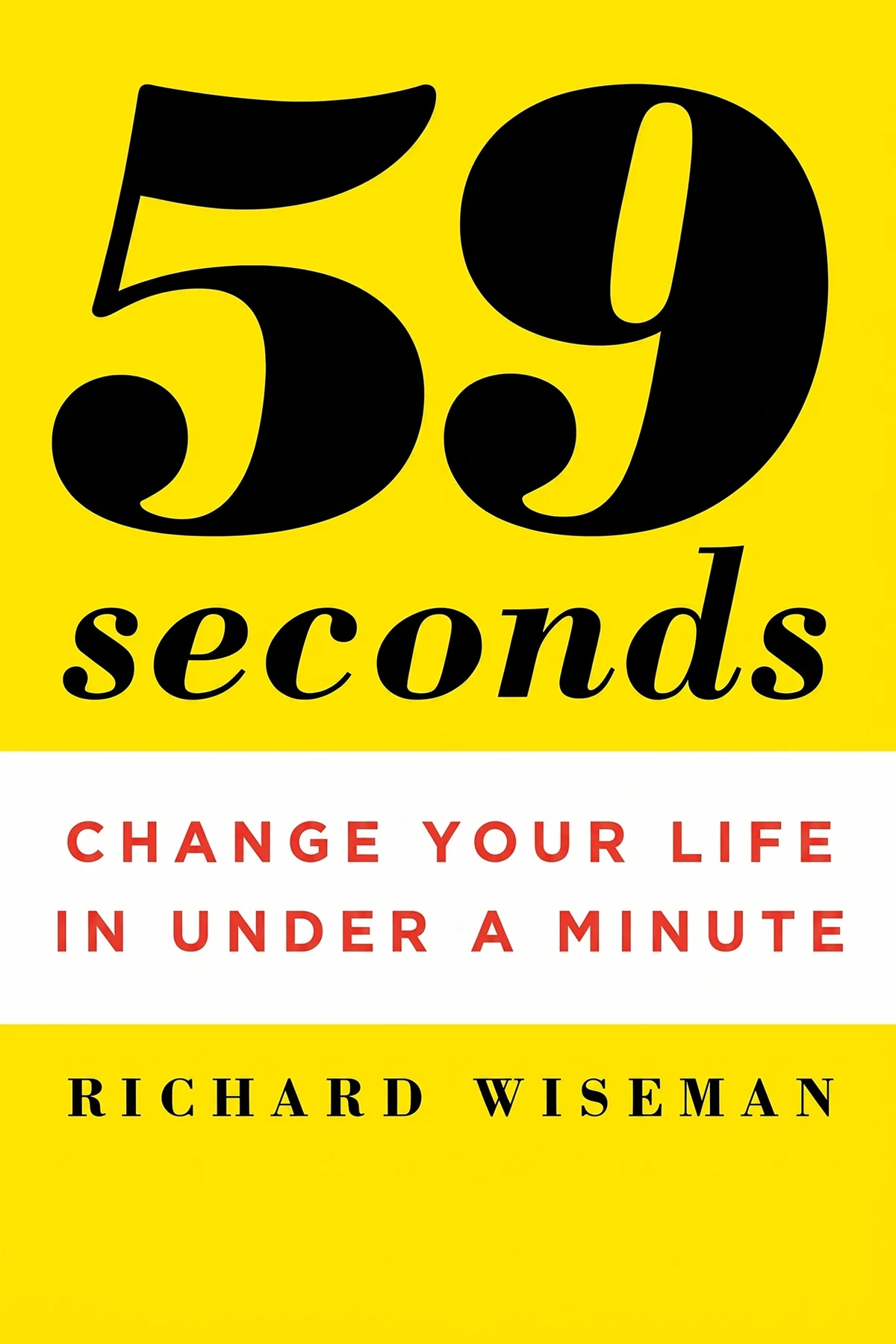
Richard Wiseman
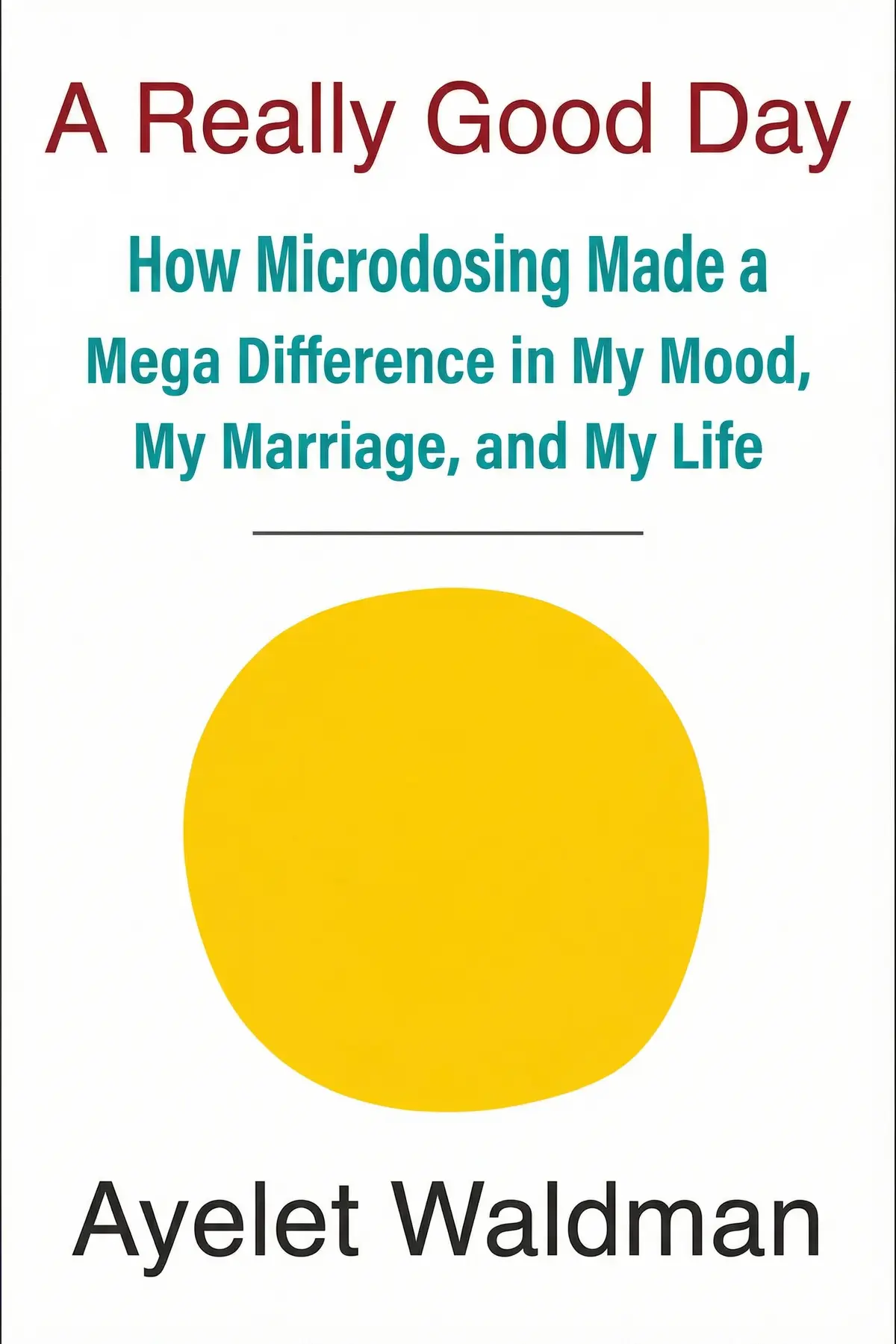
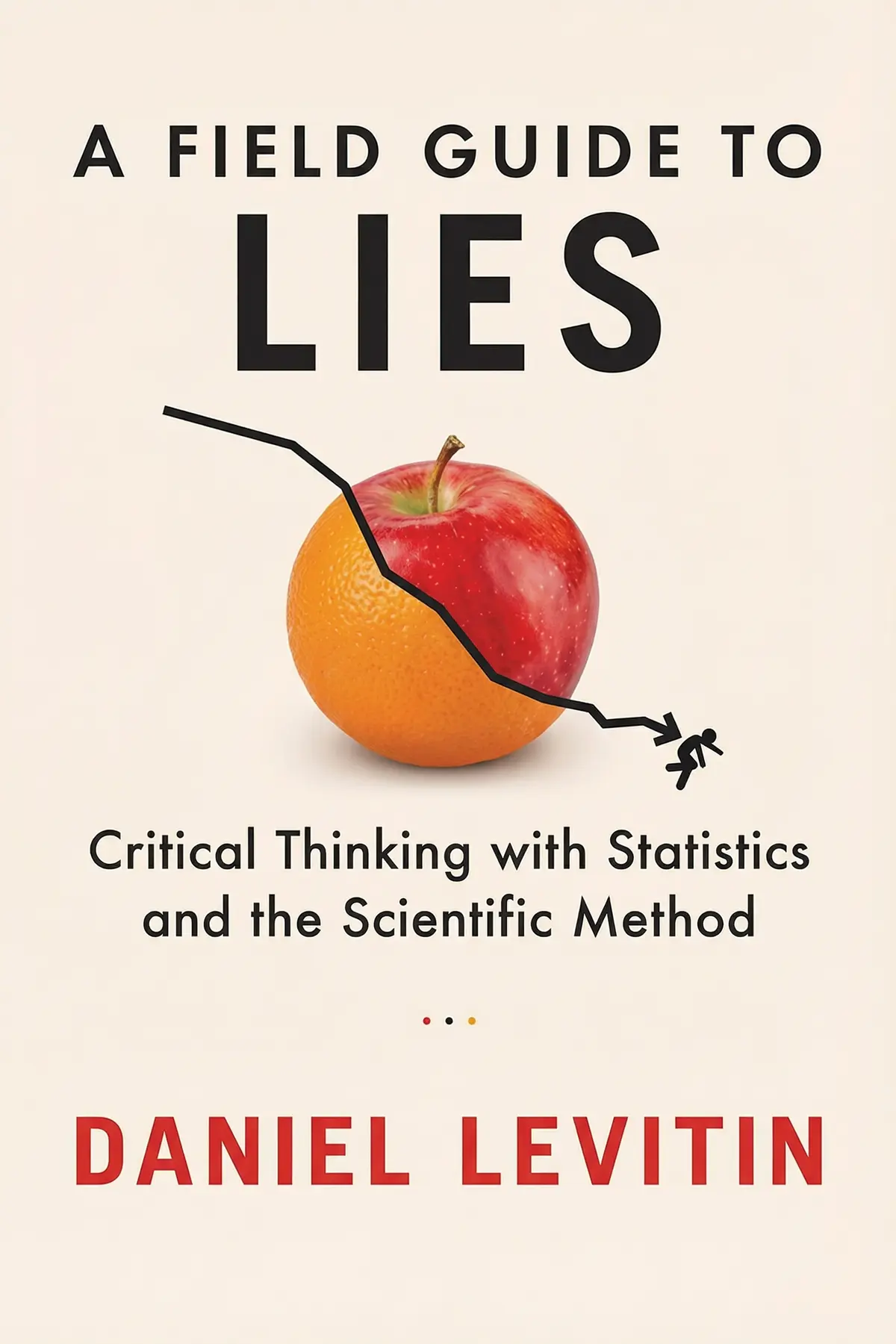
AUDIO SUMMARY AVAILABLE
Get the key ideas from The Polyvagal Theory by Stephen W. Porges, plus 5,000+ more titles in English and Thai.







