
24 min 56 sec
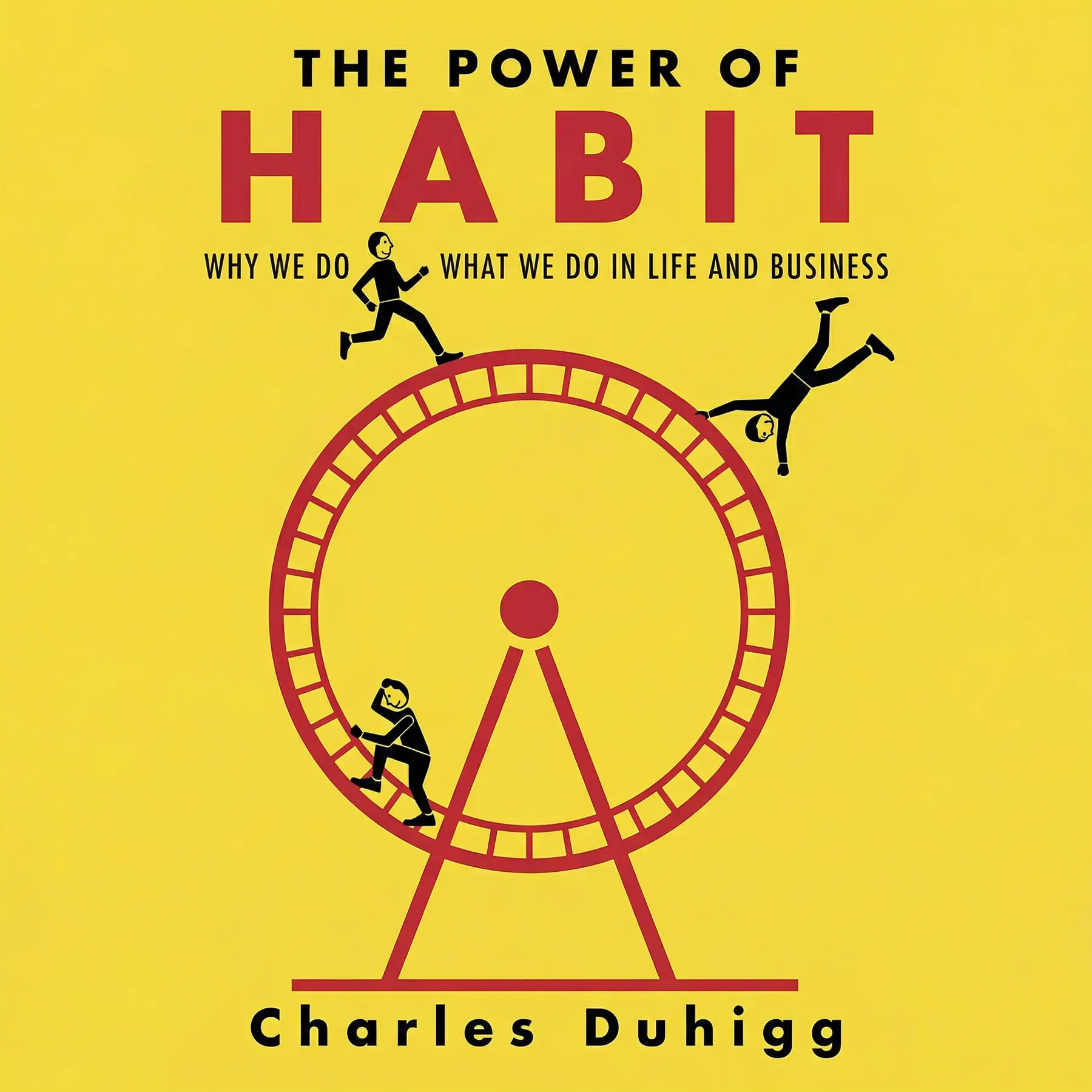
The Power of Habit: Why We Do What We Do in Life and Business
Discover the hidden neurological loops that drive your daily actions. This guide explores how to identify habits, manipulate their mechanics for personal growth, and leverage them for organizational success.
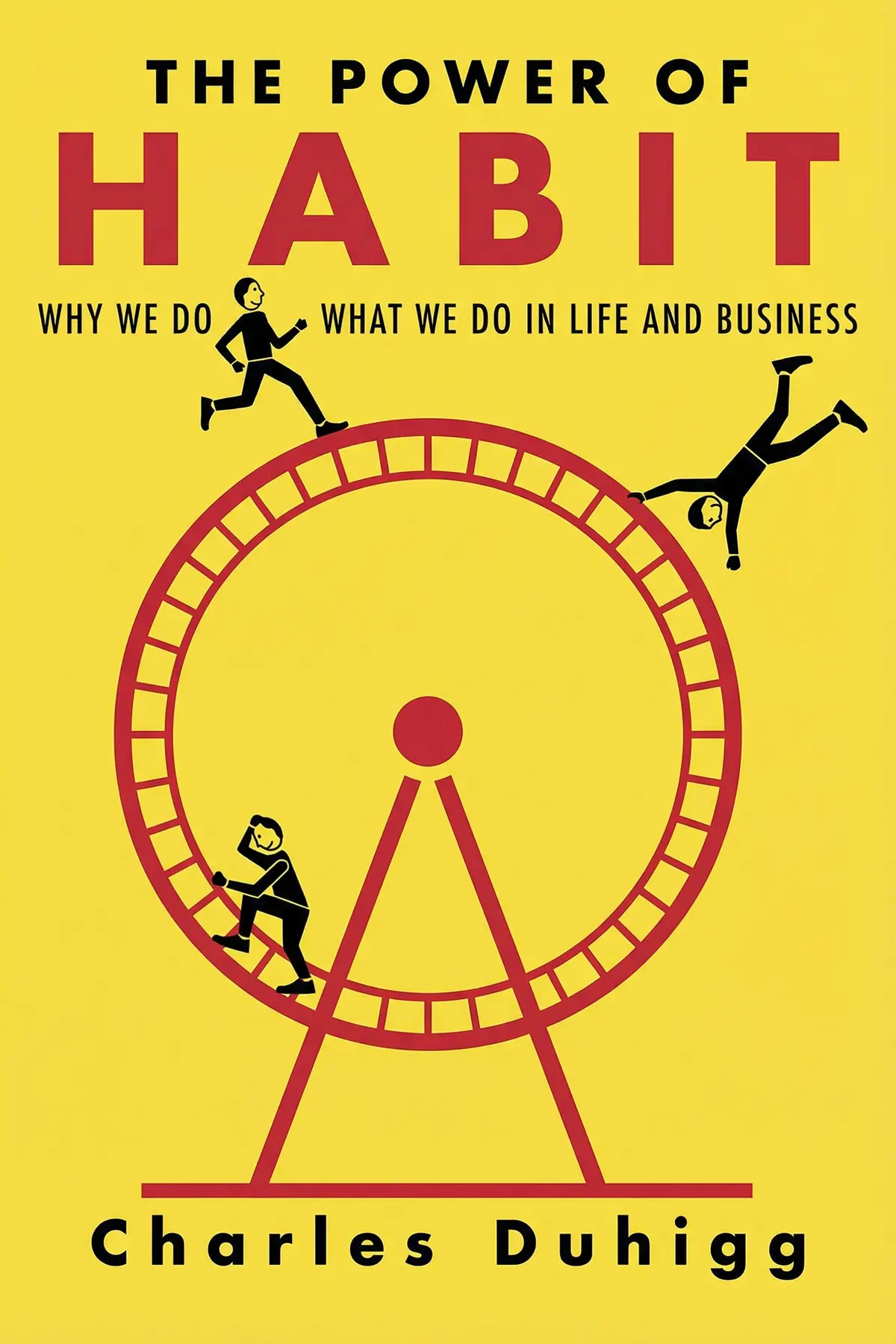
Table of Content
1. Introduction
1 min 36 sec
Every day, we wake up and embark on a series of actions that feel like conscious choices. We decide to brush our teeth, we choose which route to take to work, and we pick what to have for lunch. But if we look closer at the mechanics of the human brain, a startling reality emerges: many of these actions are not decisions at all. They are habits—automatic routines that our brains have developed to save energy and effort. The struggle to change these behaviors is something almost everyone has experienced. You might start a new year with the firmest intentions to exercise every morning or stop snacking late at night, only to find yourself back in your old patterns within a few weeks. It feels like an uphill battle against your own mind.
This isn’t a failure of character; it’s a result of how our neurology is wired. Within the pages of this summary, we are going to pull back the curtain on the science of behavior. We will explore why habits are so resilient, how they take root in the deepest parts of our brains, and how they influence everything from our personal health to the success of multi-billion dollar companies and even the trajectory of social revolutions.
By the end of this journey, you will understand the three-part architecture of a habit and how to identify the hidden cravings that keep them locked in place. We will look at how high-performers use willpower as a muscle and how organizations use “keystone habits” to turn failure into massive profitability. Most importantly, we will establish a framework for change. While habits never truly disappear, they can be replaced. Once you understand the mechanics of the loop, you gain the power to redesign your life. Let’s begin by looking deep into the brain to see where these patterns are born.
2. The Neurological Loop of Habit
2 min 24 sec
Discover how your brain saves energy by turning complex actions into automatic routines through a process called chunking.
3. The Power of Neurological Craving
2 min 33 sec
Uncover the hidden engine that drives habits: the anticipation of a reward that creates an irresistible psychological pull.
4. The Golden Rule of Habit Change
2 min 31 sec
Learn the most effective strategy for transformation: you don’t extinguish a habit, you replace it.
5. The Strategic Power of Keystone Habits
2 min 26 sec
Find out how certain small changes can create a ripple effect that transforms entire organizations and personal lives.
6. Willpower as a Biological Resource
2 min 21 sec
Understand why willpower isn’t just a character trait, but a muscle that can be strengthened through practice and planning.
7. The Hidden Truces in Organizations
2 min 15 sec
Explore how organizational habits can either keep the peace or lead to disaster, and how crisis can be a catalyst for reform.
8. Marketing and the Habitual Consumer
2 min 18 sec
Learn the sophisticated ways companies track your data and manipulate your routines to influence what you buy.
9. The Social Anatomy of Movements
2 min 14 sec
See how social change is driven by the combination of close friendships, community pressure, and the formation of new collective habits.
10. The Moral Responsibility of Habit
2 min 20 sec
Reflect on the ethical implications of habit: once you understand your automatic behaviors, do you have a moral obligation to change them?
11. Conclusion
1 min 58 sec
We have traveled from the deep structures of the mouse brain to the bustling aisles of modern supermarkets and the historical streets of the civil rights movement. Through all these examples, a single truth remains constant: habits are the invisible architecture of our lives. They are the routines that make our existence efficient, but they are also the chains that can keep us stuck in cycles of frustration and failure. The discovery that our brains never truly lose an old habit is a reminder that we must be vigilant, but the discovery that habits can be redesigned is a message of profound hope.
Remember the core framework we have discussed. Every habit is a loop: a cue, a routine, and a reward. If you want to change, don’t focus on the routine alone. Look for the underlying craving. What is your brain really looking for when you reach for that snack or pick up that cigarette? Once you identify the reward, you can begin the work of substitution. Start with small wins. Find a keystone habit—like making your bed or taking a ten-minute walk—and let its success ripple through your day. Treat your willpower like a muscle that needs both rest and exercise, and prepare yourself for the inflection points where you know you will be tempted.
Ultimately, the science of habit is about more than just productivity or health; it is about self-agency. By bringing the automatic processes of your basal ganglia into the light of your conscious mind, you reclaim the power to decide who you want to be. Whether you are leading a company, raising a family, or simply trying to improve your own daily life, the tools of transformation are now in your hands. You are no longer just a product of your past routines. With the right strategy and a belief in the possibility of change, you can build a future that is defined not by your old habits, but by your conscious choices. It starts with one loop, one routine, and one small win. The path to a better life is already wired into your brain; you just have to choose which path to take.
About this book
What is this book about?
Have you ever wondered why it is so difficult to stick to a new diet or why you find yourself mindlessly checking your phone? This exploration into human behavior reveals that nearly half of our daily actions are not conscious choices but deeply ingrained patterns stored in the brain. By breaking down the three-part loop of cue, routine, and reward, the book provides a roadmap for transformation. You will learn how cravings function as the neurological engine of habit and why certain "keystone" habits can trigger a cascade of positive changes across your entire life. From the boardrooms of major corporations to the front lines of social movements, the promise of this work is a profound understanding of how behavior is shaped and, more importantly, how it can be redesigned. Whether you are looking to improve your personal health, lead a more productive team, or understand the marketing tactics used by retailers, these insights offer the tools to take control of the automatic brain.
Book Information
About the Author
Charles Duhigg
Charles Duhigg is a highly respected investigative reporter who has been nominated for a Pulitzer Prize. His distinguished career includes writing for the New York Times, where he has explored complex topics with depth and clarity. Duhigg's expertise has earned him numerous accolades in the field of journalism, and he is a frequent contributor to prominent television programs, including Frontline and The NewsHour with Jim Lehrer.
Ratings & Reviews
Ratings at a glance
What people think
Listeners find this work highly educational and thoroughly investigated, featuring fascinating narratives and useful tips from start to finish. The prose is also captivating, with one listener characterizing it as a thought-provoking read. Furthermore, listeners value the inspiration it provides, mentioning its potential to assist individuals in becoming better versions of themselves.
Top reviews
Tar
After hearing everyone at my office rave about this for months, I finally decided to see what the fuss was about. Duhigg is a master storyteller, and he weaves scientific research into narratives that feel both urgent and deeply personal. I was particularly gripped by the case study on Target’s predictive analytics; it’s terrifyingly impressive how much companies know about our subconscious patterns. The book argues that habits aren't just quirks, but the very fabric of our productivity and social movements. To be fair, some sections on organizational habits felt a bit stretched, but the core 'habit loop' concept is pure gold. This isn't just a dry academic text; it's a motivational roadmap for anyone looking to reclaim their time. If you want to understand why you do what you do, start here.
Show moreTang
Ever wonder why you can't stop checking your phone the second it dings? Duhigg explores the science of cravings in a way that is both enlightening and easy to digest for the average reader. I found the history of Pepsodent and the 'tingling' sensation particularly fascinating because it shows how easily we are manipulated by marketing. The book suggests that willpower is like a muscle that tires out, which explains so much about my late-night decision-making. I’ve started 'sandwiching' new behaviors between old ones as he suggests, and the results are surprisingly immediate. It’s a compelling read that bridges the gap between high-level neuroscience and everyday life improvements. Definitely worth the time if you're serious about personal growth.
Show moreIngrid
Wow. I didn't expect a book about psychology to read like a fast-paced thriller, but Duhigg’s storytelling is truly top-tier. The deep dive into how Febreze went from a market failure to a billion-dollar product by identifying the right 'reward' was brilliant. It’s a perfect example of how understanding human behavior can lead to massive success in the business world. Personally, I found the explanation of how habits form in the basal ganglia to be the most rewarding part of the book. It’s not just about 'trying harder'; it’s about understanding the mechanics of your own brain. While the book is quite long-winded at times, the insights provided are invaluable for anyone in leadership. This is a must-read for managers and entrepreneurs alike.
Show moreRiley
Finally got around to reading this and I’m kicking myself for waiting so long to pick it up. The Golden Rule of habit change—replacing the routine while keeping the cue and reward—is a total game-changer for breaking bad cycles. I loved the story of Michael Phelps and how his coach used 'mental videotapes' to create a habit of winning. It’s incredibly motivational to see how small, consistent changes can lead to such massive achievements. Some might find the prose a bit verbose, but I enjoyed the deep dives into the history of these various organizations. It makes the lessons feel more grounded in reality rather than just being empty platitudes. If you're looking for a better version of yourself, this book is a great place to start.
Show moreSuwit
The chapter on the 'habit loop'—cue, routine, and reward—completely changed how I view my afternoon snack cravings. Frankly, I used to think I just lacked discipline, but understanding the neurological cravings involved makes change feel much more attainable. Duhigg explains that we can't truly erase old habits, only replace them with better ones by keeping the same cues. The story about Tony Dungy and the Colts was a highlight for me, proving these theories work under immense pressure. My only gripe is that the writing can be a bit repetitive, as he constantly reminds you of the main points. However, the practical appendix at the end is a fantastic resource that distills everything into actionable steps. It’s a well-researched piece of investigative journalism that actually offers utility.
Show moreOm
This book provides a fascinating look into the neurological pathways that dictate our daily routines and societal structures. One of the most powerful sections covers the social habits that fueled the Montgomery bus boycott and Rosa Parks' pivotal role. It was eye-opening to see how social ties and community pressure can trigger massive cultural shifts through collective habit change. Duhigg’s writing style is engaging, though he does occasionally slip into a condescending tone when discussing personal failures. Despite that, the research into the basal ganglia and how our brains 'chunk' information is incredibly well-presented. Truth is, I think James Clear’s Atomic Habits is more practical for daily use, but this book provides a deeper scientific context.
Show moreThida
As someone who has struggled with procrastination for years, the concept of willpower being a finite muscle was a total lightbulb moment. I finally understand why my self-discipline evaporates by 6:00 PM after a long day of making tough decisions at work. The book is well-researched and provides a great mix of individual success stories and big-picture corporate analysis. I particularly enjoyed the section on Starbucks and how they teach their employees to handle stress through pre-planned routines. Gotta say, the way Duhigg structures his stories can be a little jarring when he jumps between different timelines. However, the motivational value of the book outweighs the minor structural annoyances. It’s a thought-provoking read that will make you look at your morning cup of coffee in a whole new light.
Show moreChamp
Frankly, I found the middle section on corporate habits a bit dry, but the overall message is too important to ignore. The idea that certain 'keystone habits' can trigger a chain reaction of positive change is something I’ve already started implementing in my own life. I’ve focused on just one small change—making my bed every morning—and it really does seem to spill over into other areas. Duhigg is an investigative reporter, and his attention to detail shows in every case study, from Olympic athletes to hospital staff. In my experience, the book is best read in small chunks so you can actually digest the research without getting bored by the anecdotes. It’s a highly informative read that successfully bridges the gap between science and self-help.
Show moreKae
Picked this up hoping for a step-by-step manual, but it felt more like a collection of long-form journalism pieces. Look, the anecdotes are undeniably interesting, but I found myself screaming 'I get the point already!' during some of the longer chapters. The author has a habit of breaking a story in half only to finish it thirty pages later, which felt like a cheap way to build suspense. I did appreciate the sections on 'keystone habits' and how Alcoa transformed their entire culture by focusing on worker safety. That being said, the book could have been half as long if he had trimmed the fluff. If you are looking for a quick fix, just read the appendix and move on. It’s informative, but the verbose style won't be for everyone.
Show moreCholada
Not what I expected based on the hype, especially with more concise books like Atomic Habits available now. The truth is, most of this felt like 'pop psychology' mixed with cherry-picked stories that didn't always support the grand conclusions he was drawing. I found the section on the woman who lost everything to gambling to be particularly problematic and borderline victim-blaming. He spends way too much time on these dramatic tales and not enough on the actual biological mechanisms he promises to explain. The 'habit loop' is a great concept, but it doesn't need 300 pages of anecdotal fluff to get the message across. It felt like reading a series of New York Times articles stitched together without a cohesive, practical plan. I struggled to finish it because of the redundant, convertible tiny tales.
Show moreFeatured in
Readers also enjoyed
Age of Propaganda: The Everyday Use and Abuse of Persuasion
Anthony Pratkanis
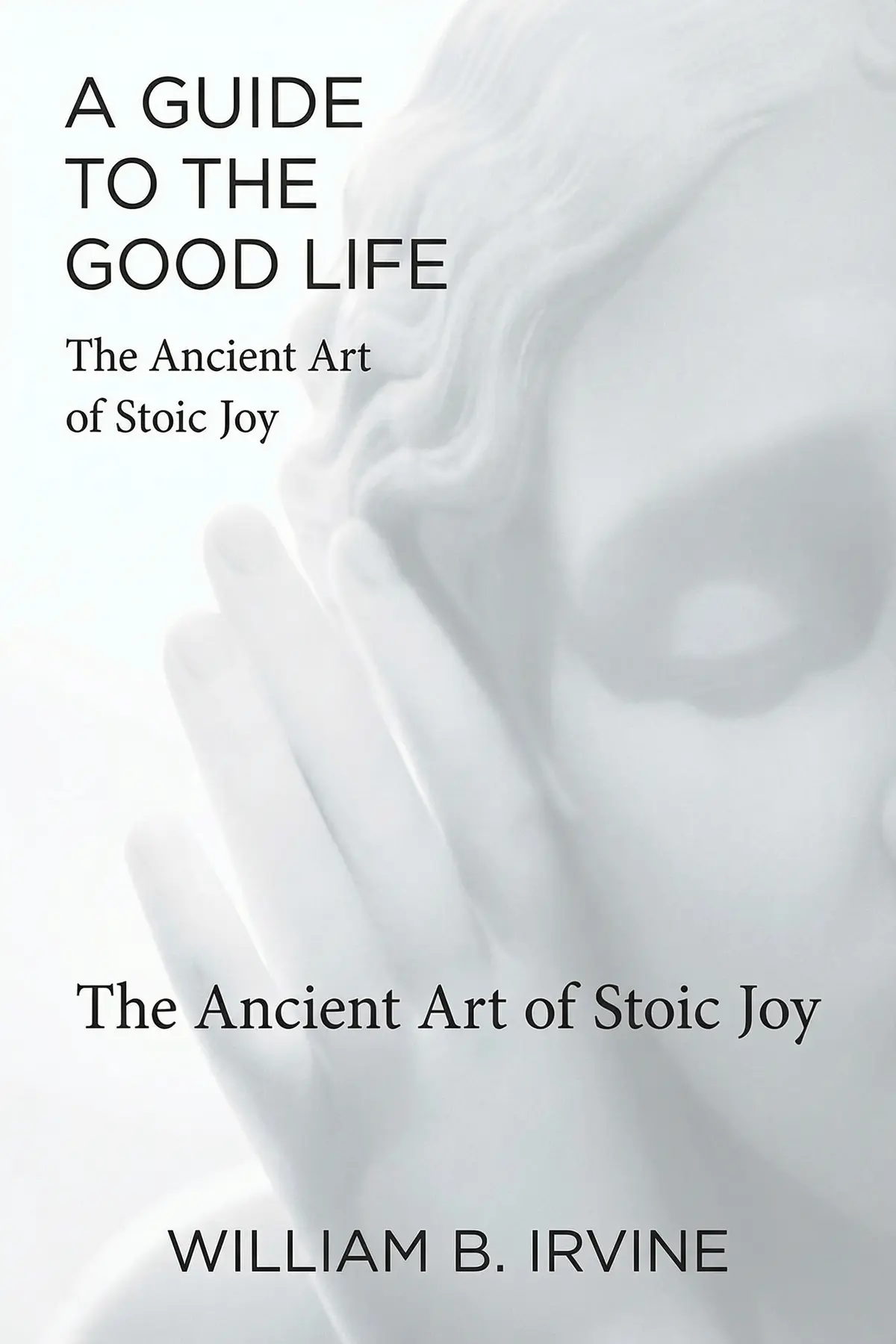
A Guide to the Good Life: The Ancient Art of Stoic Joy
William B. Irvine
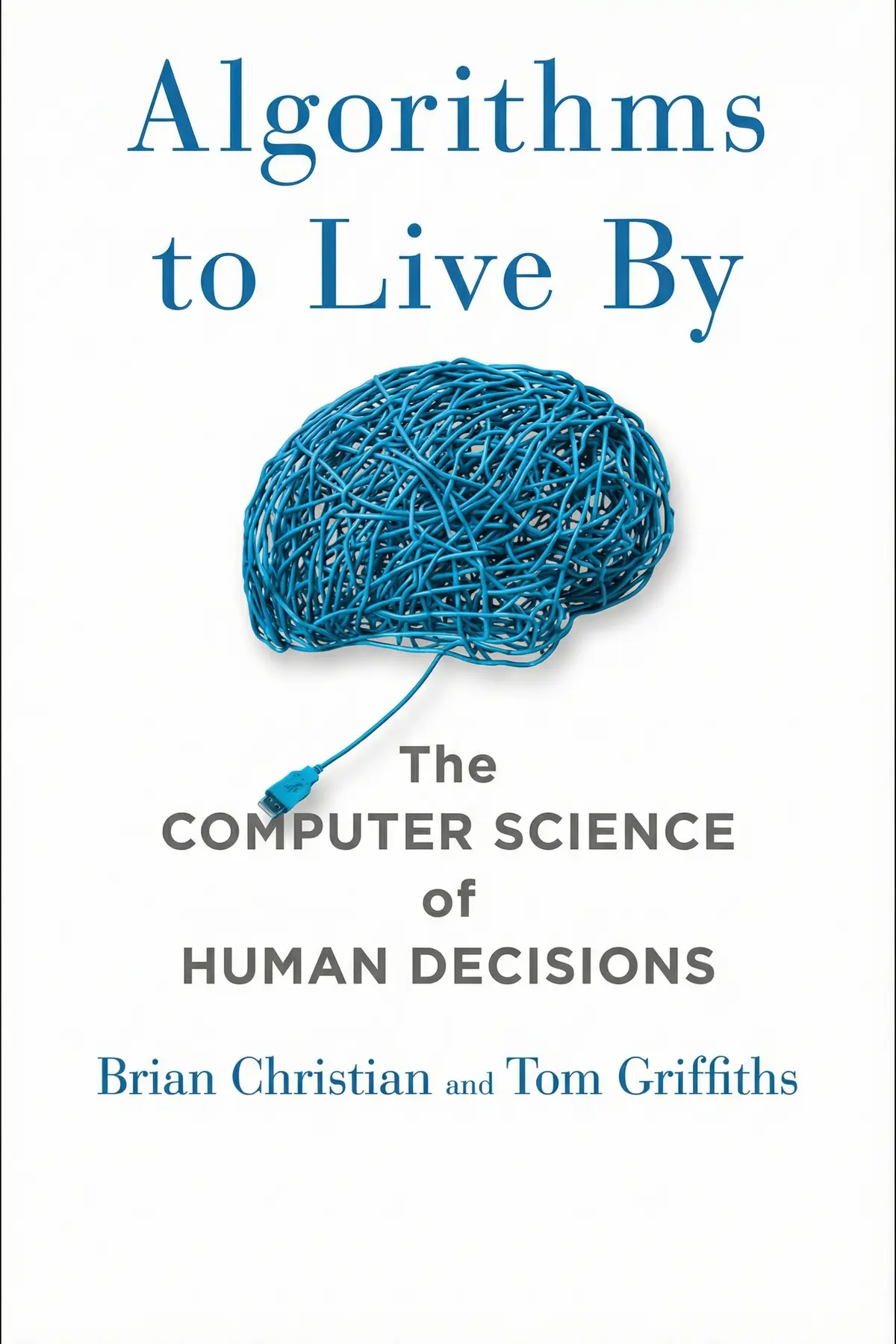
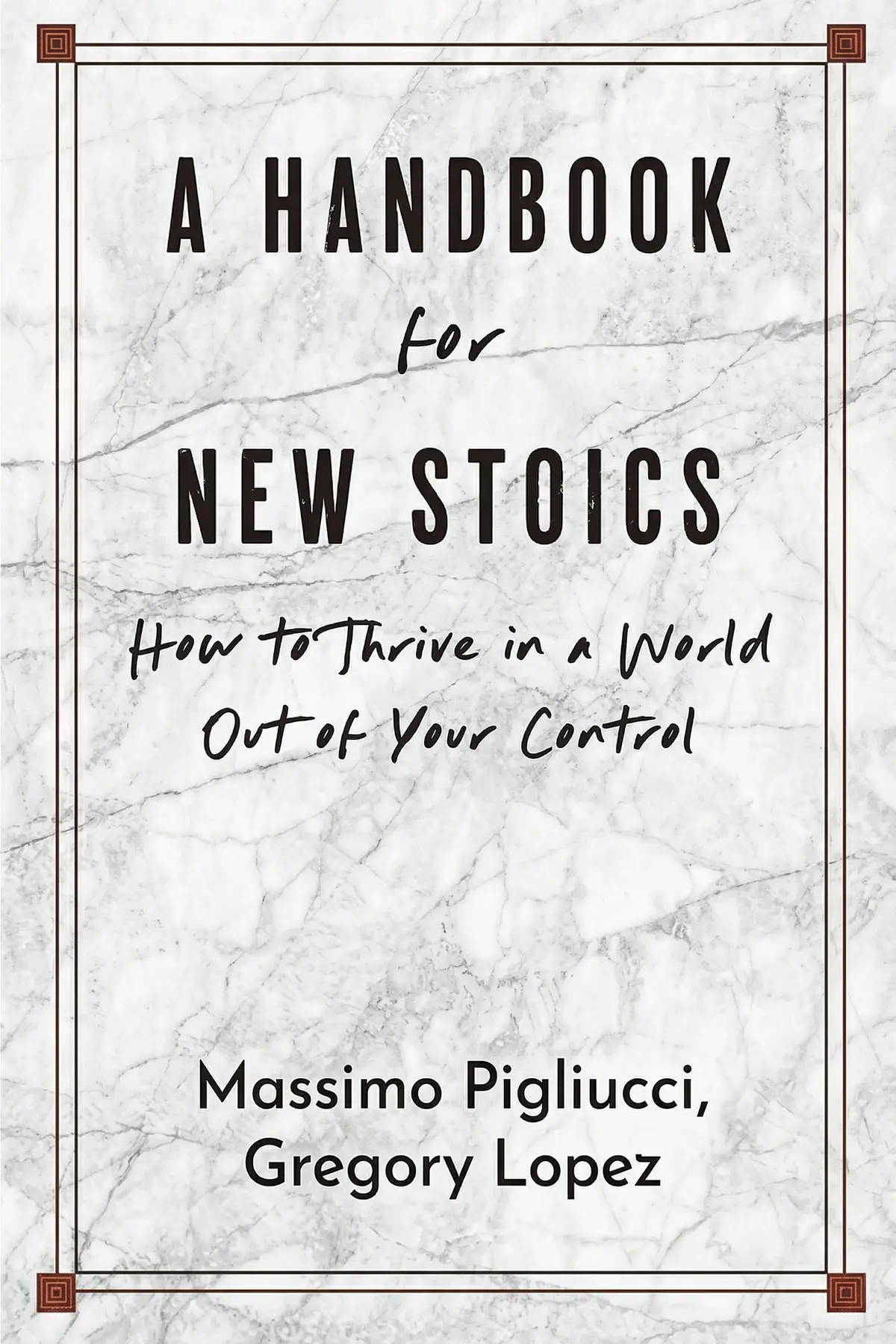
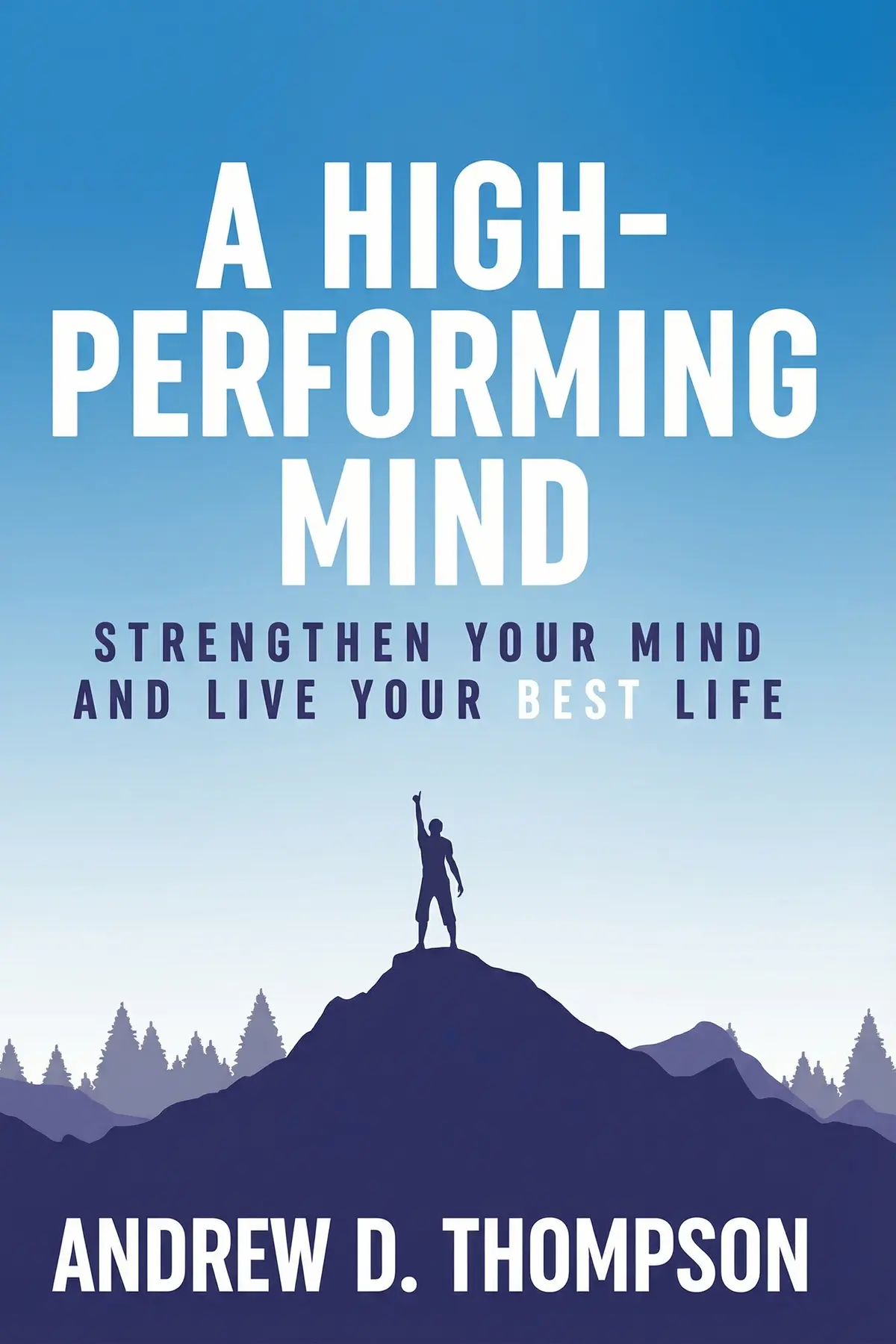
A High-Performing Mind: Strengthen Your Mind and Live Your Best Life
Andrew D. Thompson
Abundance: The Inner Path to Wealth
Deepak Chopra
AUDIO SUMMARY AVAILABLE
Listen to The Power of Habit in 15 minutes
Get the key ideas from The Power of Habit by Charles Duhigg, plus 5,000+ more titles in English and Thai.
- 5,000+ titles
- Listen as much as you want
- 7-day free trial
- Cancel anytime







