
15 min 29 sec
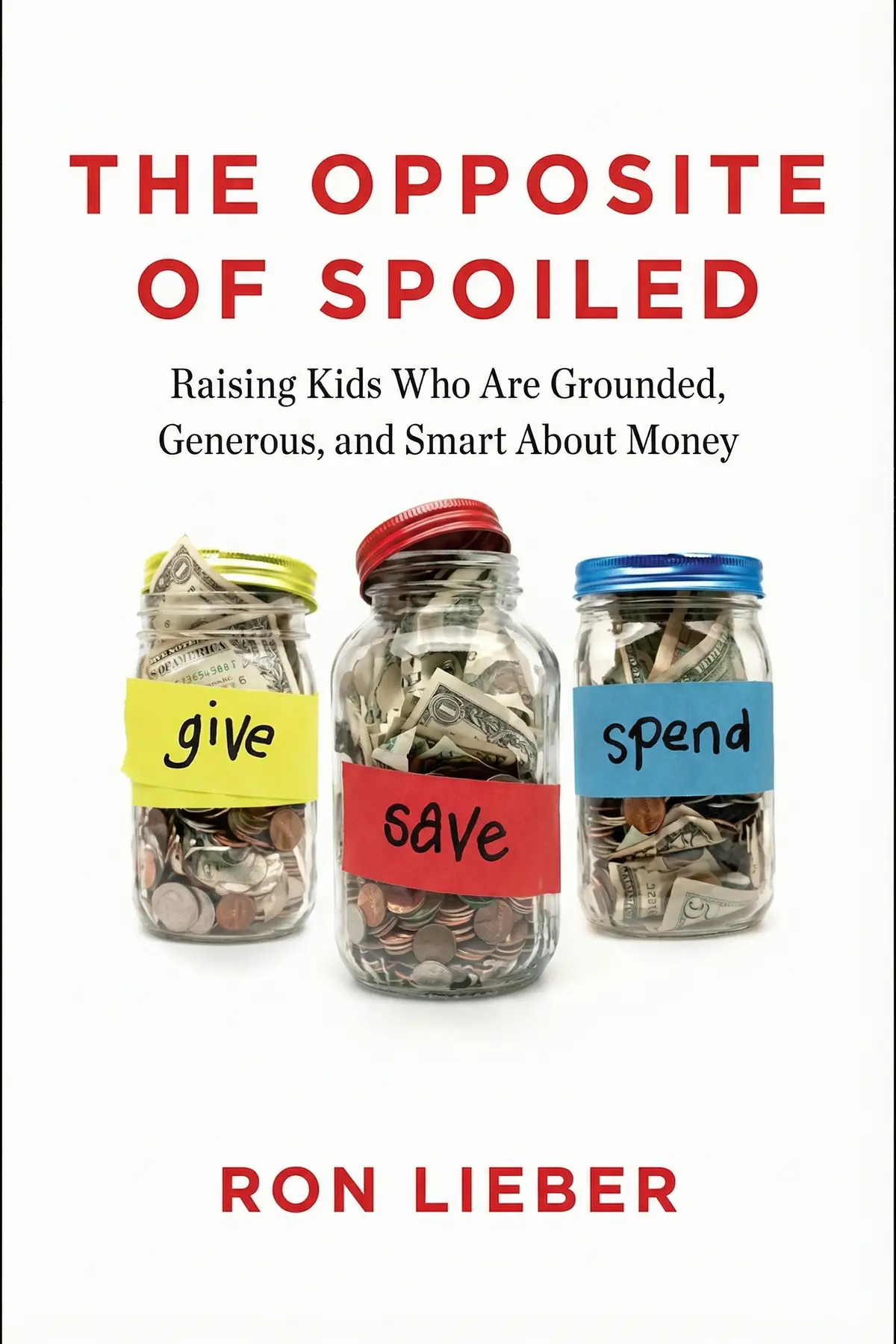
The Price You Pay for College: An Entirely New Road Map for the Biggest Financial Decision Your Family Will Ever Make
By Ron Lieber
A comprehensive guide to decoding the high cost of higher education, offering strategies for families to find value, secure aid, and make informed financial choices in a complex market.
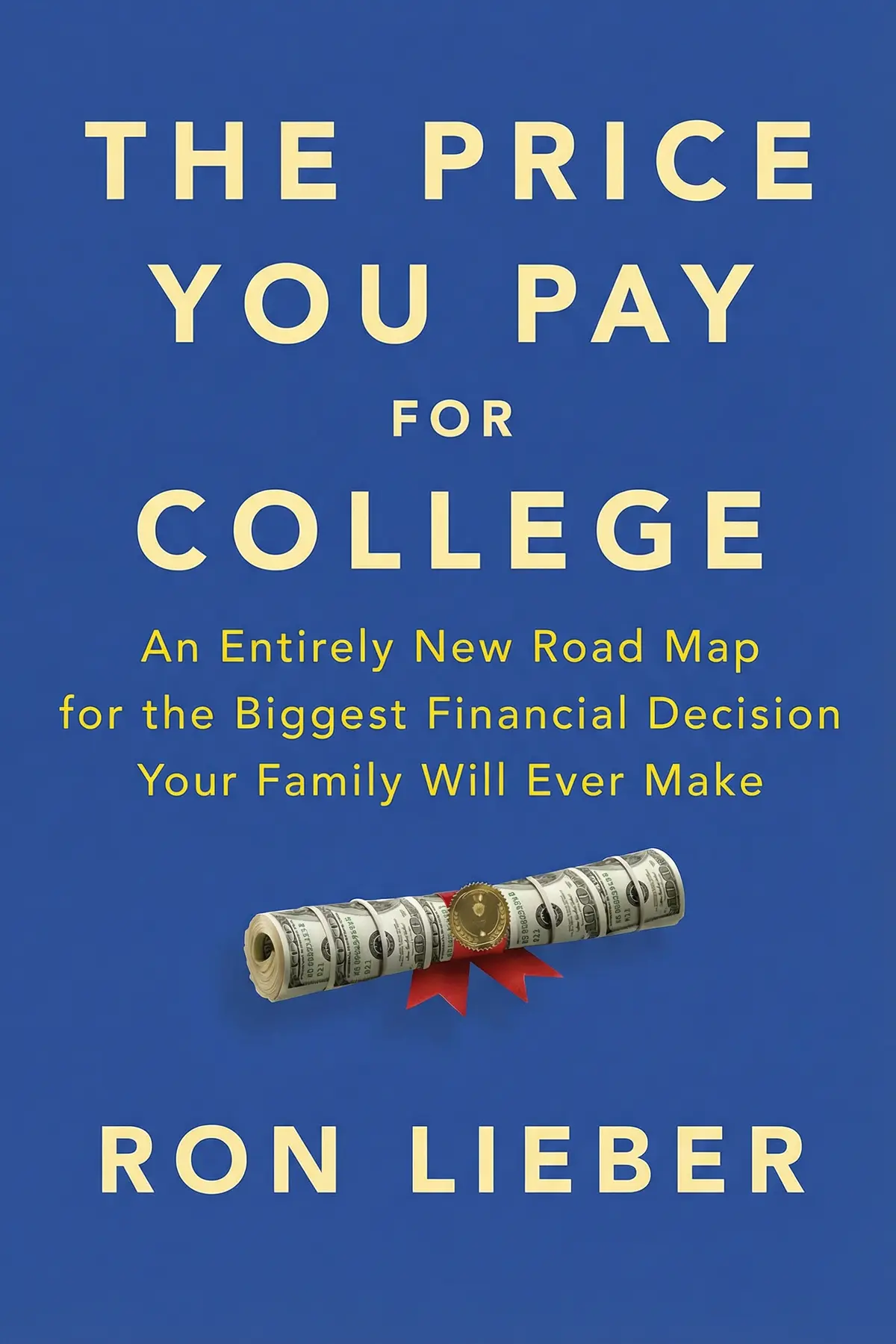
Table of Content
1. Introduction
1 min 28 sec
For many families, the transition from high school to higher education represents more than just an academic milestone; it is the single largest financial transaction they will ever undertake, perhaps second only to buying a home. The weight of this decision can be paralyzing. As students grapple with the excitement of new beginnings, parents are often left staring at a confusing landscape of applications, financial aid forms, and staggering price tags. The questions are relentless: Which school is the right fit? What are we actually paying for? And perhaps most importantly, how will we ever afford it?
This summary provides a much-needed road map through this complex terrain. We are moving beyond the simple rankings and promotional brochures to look at the machinery of college pricing and the true value of an undergraduate degree. The goal here is to shift the perspective from seeing college as a mystery to seeing it as an informed investment.
Throughout this exploration, we will uncover the hidden dynamics of the higher education market. We will learn why the list price is often a marketing tactic rather than a firm requirement, and how the pursuit of research prestige can sometimes come at the expense of actual student learning. We will also dive into the practical data points that can help you predict a school’s impact on a student’s future career. By the end, you will have a clearer understanding of how to balance the emotional desire for a ‘dream school’ with the practical reality of what that school actually delivers. This is about making life-changing decisions with your eyes wide open, ensuring that the price paid results in a lifetime of value.
2. The Discrepancy Between List Price and Reality
2 min 26 sec
Discover why the staggering cost printed in college brochures is rarely what families actually pay and how schools use discounts as a recruitment tool.
3. The Reality and Limitations of Financial Aid
2 min 03 sec
Learn about the complexities of the FAFSA and why the government’s calculation of what you can afford might not match your bank account.
4. Prioritizing Teaching Over Research Prestige
2 min 10 sec
Uncover the hidden shift in higher education where research goals often overshadow the quality of undergraduate instruction and mentorship.
5. Calculating the Return on the Educational Investment
1 min 55 sec
Explore how to use data on graduation rates and future earnings to ensure your college choice is a sound financial decision.
6. Finding Value in Unfamiliar Institutions
1 min 55 sec
Learn how to look beyond the famous brand names of the Ivy League by utilizing the Common Data Set and strategic institutional plans.
7. A Practical Strategy for Financing the Dream
2 min 06 sec
Demystify the massive total cost of college by breaking it down into a manageable ‘rule of quarters’ that combines savings, loans, and income.
8. Conclusion
1 min 26 sec
Navigating the world of higher education costs is undeniably one of the most stressful experiences a family can go through. The system is often opaque, the numbers are astronomical, and the emotional stakes are incredibly high. But as we have explored, you are not powerless in this process. By looking past the ‘sticker price’ and understanding the mechanics of merit aid, you can uncover opportunities that initially seemed out of reach.
The core message to take away is that information is your greatest asset. Whether you are using the College Scorecard to check graduation risks, digging into the Common Data Set to see how a school distributes its money, or looking for institutions that prioritize mentorship over research, you are taking control of the narrative. You are moving from a passive consumer to an informed investor.
As a final piece of actionable advice, consider looking beyond traditional rankings and check out systems that measure alumni satisfaction. Schools like Centre College in Kentucky might not have the brand recognition of an Ivy, but they often rank incredibly high in terms of how satisfied their graduates are with their lives and careers. This suggests that the ‘best’ school isn’t always the most famous or the most expensive—it’s the one that delivers on the promise of growth, mentorship, and a solid foundation for the future. By following this road map, you can ensure that the price you pay for college is a fair trade for the life-changing value it provides.
About this book
What is this book about?
The Price You Pay for College serves as a vital compass for families facing one of the most significant financial hurdles of their lives: the cost of a university degree. It peels back the curtain on the confusing world of higher education pricing, explaining why the 'sticker price' is rarely what families actually pay. The book explores the nuances of merit aid versus need-based aid and challenges the notion that the most expensive schools are always the best investments. Beyond just the numbers, the book promises to help parents and students evaluate the actual quality of the education they are buying. It focuses on the importance of mentorship, teaching quality, and future earning potential. By providing a practical road map for saving and a guide to using publicly available data, it empowers families to approach the college selection process with clarity and confidence, ensuring they get the best possible return on their educational investment.
Book Information
About the Author
Ron Lieber
Ron Lieber is a distinguished financial journalist who writes the Your Money column for the New York Times. His expertise in personal finance is well-established through his previous contributions to prominent publications like the Wall Street Journal, Fast Company, and Fortune. Lieber is also the acclaimed author of The Opposite of Spoiled.
Ratings & Reviews
Ratings at a glance
What people think
Listeners describe the work as thoroughly researched and accessible, suggesting it's essential reading for families. Furthermore, the prose is intentionally developed, and listeners value the sympathetic tone. They also find the informative material useful; specifically, one listener mentions its hands-on advice for bargaining with institutions. Listeners feel the guide provides good value for the cost, with one individual praising its detailed breakdown of how colleges determine their prices. Nevertheless, opinions on the material are varied, as one listener points out that the book contains too many chapters.
Top reviews
Udom
Ron Lieber has done every parent a massive favor by pulling back the curtain on the opaque world of higher education financing. Personally, I found the breakdown of how 'merit aid' is actually just a strategic discount to be one of the most eye-opening parts of the text. The book is incredibly well-researched, yet it remains easy to read despite the heavy subject matter. I appreciated the compassionate tone Lieber uses throughout, as it's clear he understands the immense pressure families feel. The practical advice on how to negotiate with financial aid offices is worth the cover price alone. If you have a child entering high school, this should be considered essential reading. It won't make the cost of college disappear, but it will certainly give you the tools to navigate the system with your eyes wide open.
Show moreRungrat
Wow, the section on how schools like High Point and Rice University use tuition pricing to manipulate their perceived prestige was a total eye-opener for me. Lieber explains the 'economic' side of higher ed for both the buyers and sellers with a level of clarity I haven't seen elsewhere. It’s a scathing look at a system that relies on families being confused and overwhelmed. Gotta say, the advice on how to look past the US News & World Report rankings is something every high school counselor should be teaching. The book is thoughtfully crafted, making a very stressful topic feel manageable through organized, thematic parts. Even if you only have time to skim the chapters that apply to your specific financial situation, you will walk away with a much better understanding of the 'sticker price' vs. what people actually pay. Absolutely essential for parents.
Show moreDek
Ever wonder why a school with a climbing wall costs so much more than a public flagship? This book provides the answers in a way that is both entertaining and deeply informative. Ron Lieber has a way of taking complex financial aid formulas and turning them into a narrative that any parent can follow. Frankly, I think this should be required reading before anyone signs a student loan agreement. The way he dissects the 'merit' scholarship as a simple marketing discount was particularly brilliant and changed my entire outlook on the admissions process. The book is organized so that you can skip the parts that don't apply to you, which is great because there is a lot of information to digest. It’s a 5-star resource for anyone trying to survive the admissions industrial complex without going completely broke in the process.
Show moreSupatra
After hearing so much buzz about this title, I finally dove in and was stunned by the breakdown of how algorithms now determine our children's financial future. The truth is, colleges are tracking 'demonstrated interest' through website clicks and email opens just to figure out how little aid they can get away with offering you. This book is a must-read for families because it exposes these predatory practices in a way that is both educational and infuriating. I loved the chapters on the residential experience and mental health support, though the book does feel a bit bloated with too many chapters in the middle. Still, the depth of material here goes well beyond simple savings plans. It forces you to ask what you actually value in an education—is it the credential, the learning, or the networking? It’s a thought-provoking guide for a stressful time.
Show moreSamuel
As someone who is just starting to think about my toddler's future, I appreciated Lieber’s compassionate and surprisingly human approach to a cold financial topic. The book doesn't just focus on the numbers; it asks deep questions about what makes a college experience actually worth the investment. I was fascinated by the discussion of 'flashy' amenities like lazy rivers and climbing walls and how schools use them to signal quality to unsuspecting families. In my experience, most financial guides are dry and boring, but Lieber's storytelling kept me engaged through the more technical sections on FAFSA and merit aid. My only real gripe is that it focuses so heavily on the elite private schools and flagship publics. It would have been nice to see more representation of the smaller or less 'prestigious' institutions that most students actually attend.
Show moreOn
The chapter on the scripts you can use to talk to financial aid offices is probably worth the price of the entire book. Lieber provides a very practical application for his research, allowing parents to feel empowered rather than helpless when facing a sixty-thousand-dollar bill. To be honest, I found the author’s background at Amherst to occasionally color his view of what a 'good' school looks like, which can be a bit annoying if you aren't aiming for the Ivy League. However, the quality and depth of the material are undeniable. He hits on everything from diversity awareness to the importance of undergraduate teaching quality. I also liked the bibliography, which serves as a great jumping-off point for even more research. It’s a comprehensive guide that tackles the ridiculous financial burden of US universities head-on without promising any easy magic bullets.
Show morePing
Picked this up expecting a dry manual on 529 plans, but what I got was a deep dive into the soul of the American university system. The author explores why we pay what we pay and whether the 'prestige' of a school actually translates into future financial success. Not gonna lie, some of the stats about how colleges use predictive modeling to reduce aid packages made me want to throw the book across the room. It’s a well-researched and easy-to-read indictment of a system that treats students like consumers first and learners second. While there are perhaps a few too many chapters on niche topics, the overall educational content is top-notch. It helped me reframe how I’m going to approach the search process with my daughter. Lieber’s writing is clear, sharp, and mostly avoids the typical jargon of the financial sector.
Show moreMoo
Not what I expected, but in a good way! I thought this would be more about saving, but it’s really more about the 'value' of the degree and the bizarre games schools play with their pricing. I particularly found the analysis of 'noveau riche' schools like Northeastern to be the most fascinating part of the book, as it shows how branding can outpace actual history. The writing style is very accessible, though I did feel the author’s elitism creeping in when he spoke about certain tiers of schools. Regardless, the advice on navigating the financial aid mess is solid and very much needed. It’s a comprehensive explanation of why college costs so much and how you can try to pay a little bit less. If you’re a parent of a high schooler, get this book and keep it on your nightstand for the next four years.
Show moreMax
Frankly, while the research in this book is undeniably thorough, the perspective felt heavily skewed toward families who are already quite comfortable. I learned a fair bit about the 'merit' scholarship game, but most of the advice is aimed at high earners who can actually afford to play that game. The realities of students facing truly crippling loans were largely waved off in favor of discussing whether a 'prestige' school is worth the extra fifty thousand dollars. To be fair, Lieber’s writing is engaging, and he does a great job explaining the history of schools like Northeastern or Tulane climbing the rankings. However, the whiff of elitism was hard to ignore at times, especially when the author dismisses non-flagship public universities as if they barely exist. It's informative, but definitely written for a specific, privileged demographic.
Show moreGabriel
This book is definitely a slog in the middle sections due to the sheer volume of chapters and hyper-specific data points. While I found the author’s wit refreshing, his suggestion that parents should act as investigative journalists when questioning college administrators felt a bit unrealistic for the average person. Look, I appreciate the transparency regarding tuition pricing, but the 'scripts' provided for talking to schools felt slightly patronizing and man-splaining in their execution. As a parent of a younger child, I also found that much of the data is so specific to the current post-pandemic moment that it might not even be relevant by the time my kids are applying. It’s a decent resource if you’re currently in the thick of applications, but it lacks the timelessness I was hoping for. It feels more like a long series of New York Times columns than a cohesive narrative.
Show moreReaders also enjoyed
AUDIO SUMMARY AVAILABLE
Listen to The Price You Pay for College in 15 minutes
Get the key ideas from The Price You Pay for College by Ron Lieber, plus 5,000+ more titles in English and Thai.
- 5,000+ titles
- Listen as much as you want
- 7-day free trial
- Cancel anytime







