
Adults in The Room: My Battle With Europe’s Deep Establishment
Yanis Varoufakis
Explore the high-stakes world of British leadership through a deep dive into the personalities and political maneuvers of the prime ministers who shaped the United Kingdom from Harold Wilson to Theresa May.
1 min 39 sec
Picture the scene at the House of Commons: a theater of sharp tongues, high-wire politics, and careers that can be dismantled in a single afternoon. This is the heart of British power, a place where the drama is often compared to a Shakespearean tragedy. At the center of this whirlwind stands the Prime Minister, a figure who usually begins their journey on a triumphant peak, only to find that in the world of Westminster, happy endings are a rare commodity. Most leave office with their reputations battered and their ultimate fates sealed by the very tides they once tried to command.
But to truly understand the modern United Kingdom—to grasp why it struggles with its relationship with Europe, why its economic landscape looks the way it does, and why social attitudes have shifted so dramatically—we have to look closely at the individuals who held the reins. It isn’t just about the policies they signed into law; it’s about the people they were. What drove them? What were the psychological traits that enabled one person to survive a decade while another crumbled in months?
In this exploration, we aren’t just looking at a timeline of events. We are conducting a character study of twelve leaders who navigated the most turbulent eras of recent history. We will see the cunning survival instincts of Harold Wilson, the uncompromising radicalism of Margaret Thatcher, and the overconfident gambles of David Cameron. We’ll examine how the office itself shapes the person, and how, in turn, those personalities have etched themselves into the fabric of the nation. By the end, you’ll see that the story of Britain is essentially the story of its leaders, their private convictions, and their very public struggles to maintain control in a world that is constantly shifting beneath their feet.
3 min 15 sec
Becoming the head of government requires a rare blend of supernatural luck and media savvy. Discover how the most successful leaders used communication to survive.
2 min 49 sec
Public perception is often shaped by simplistic media caricatures. Learn how these distorted images can define, and sometimes destroy, a leader’s legacy.
2 min 35 sec
Harold Wilson was a master of political maneuvering. Explore the strategic guile he used to keep a divided party together and survive the economic storms of the 70s.
2 min 37 sec
Margaret Thatcher didn’t just lead a party; she upended an entire way of life. Learn how she dismantled the old consensus and reshaped the British economy.
2 min 39 sec
After the fire of Thatcherism, John Major attempted to heal a divided nation. Discover how he tried to soften the state’s edges before being consumed by the European question.
2 min 40 sec
Tony Blair transformed the Labour party by learning from a decade of defeat. Explore the strategy behind his landslide victory and his ‘Third Way’ of governing.
2 min 29 sec
David Cameron rose to power with ease, but his lack of political struggle left him ill-prepared for the Brexit storm. Examine the gamble that ended his career.
2 min 33 sec
Theresa May inherited a nation in crisis, but her inflexible leadership style led to a shattered authority. Discover why her Brexit strategy ultimately failed.
1 min 42 sec
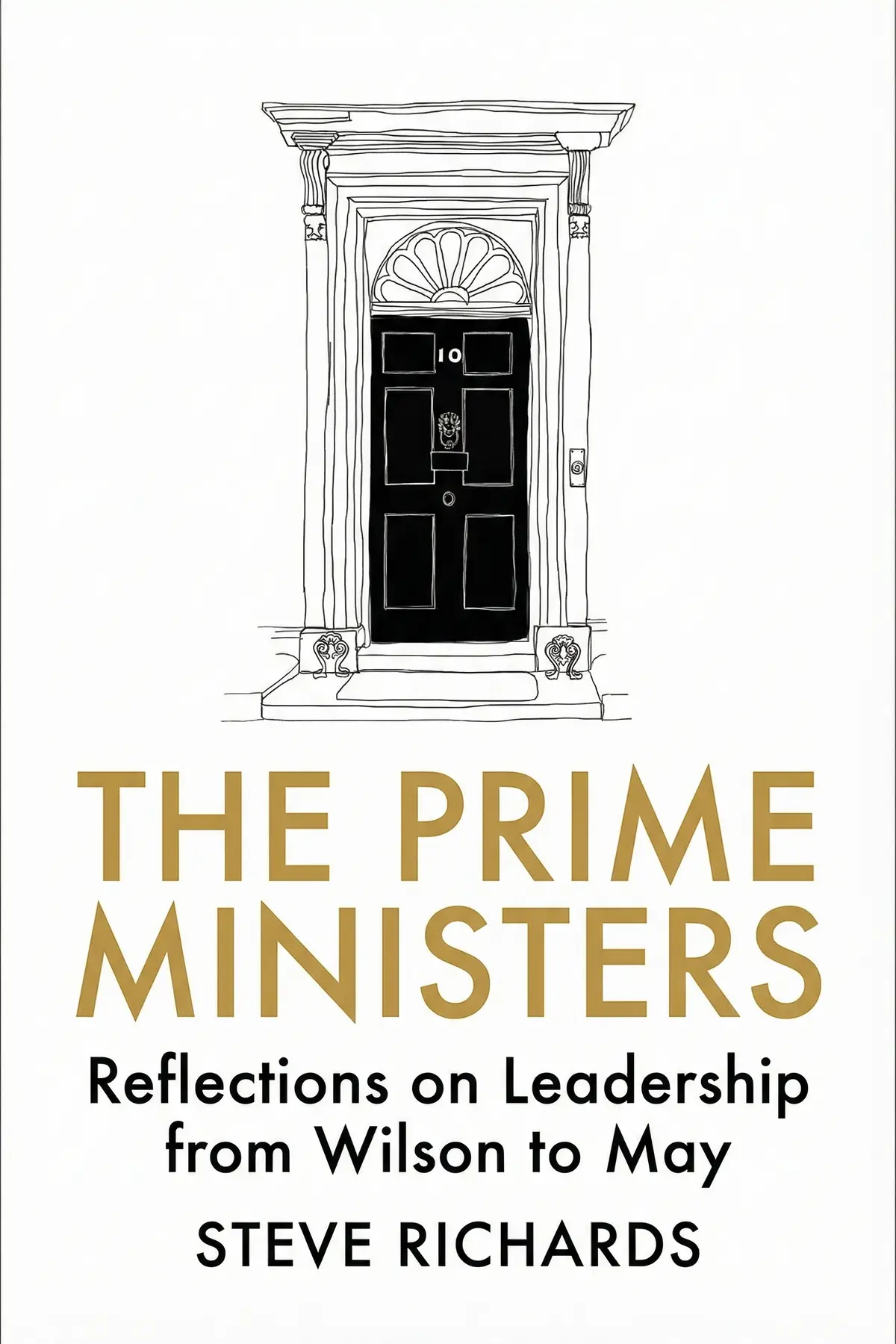
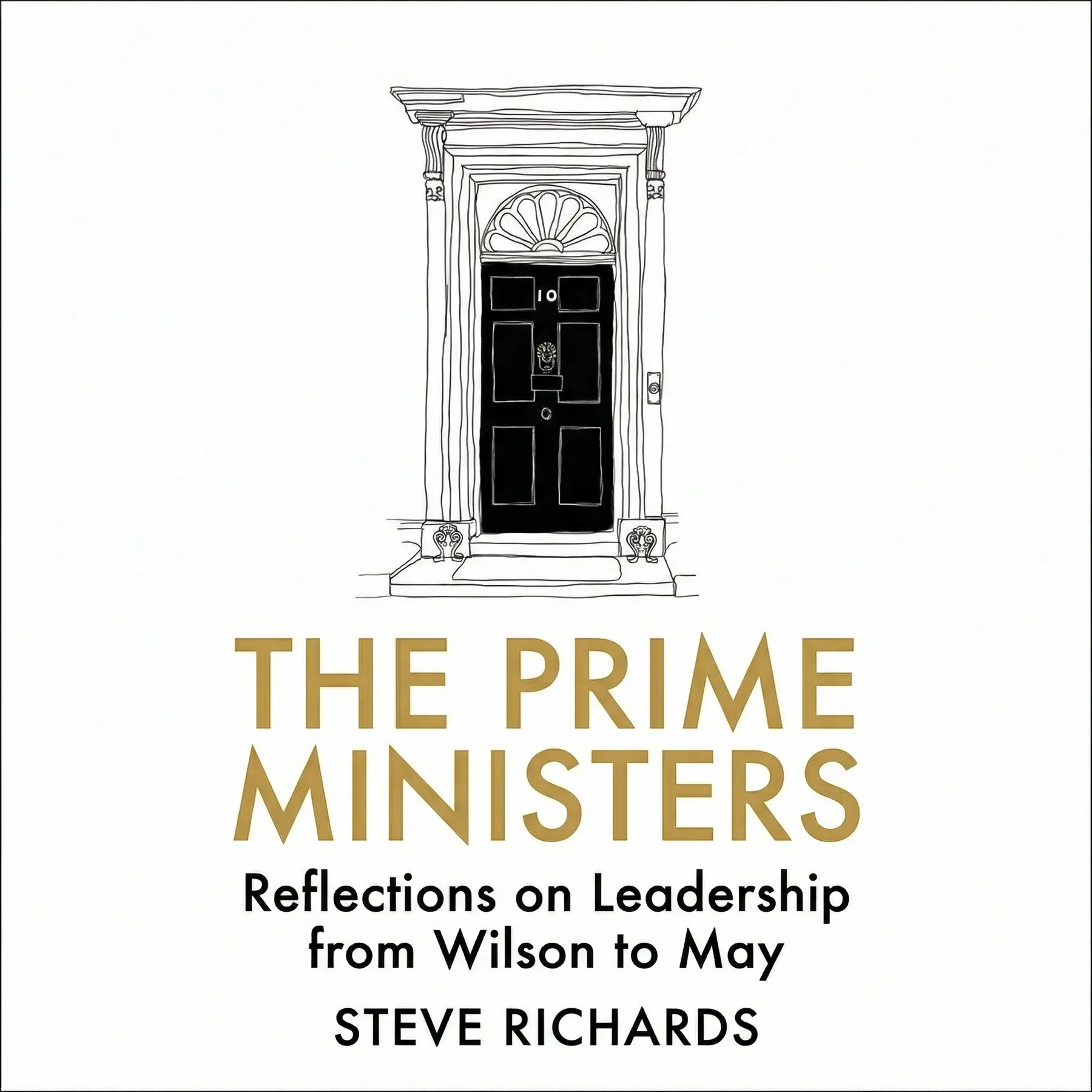
As we look back at the stretch of history from Harold Wilson to Theresa May, a clear pattern emerges. Each of these leaders entered the black door of Downing Street with a vision, yet each was ultimately shaped and often broken by the relentless pressures of the office. We’ve seen how the ability to communicate, to manage the media, and to maintain party unity are not just useful skills, but essential survival traits. When these qualities are absent, the consequences for both the leader and the nation are profound.
The story of the modern United Kingdom is written in the successes and failures we’ve explored. From Thatcher’s radical economic shift that still defines the country’s wealth distribution, to the European question that acted as a slow-burning fuse, finally exploding under Cameron and May, the legacy of these twelve individuals is everywhere. They were not the simple heroes or villains often depicted in the press; they were complex, flawed human beings trying to steer a massive ship through uncharted and often stormy waters.
Understanding this history is vital for anyone trying to make sense of the UK today. It teaches us that leadership is as much about temperament as it is about policy. It reminds us that the narratives we see in the headlines are often just thin veneers covering a much more interesting and human reality. As you move forward, consider the leaders of today and tomorrow. Ask yourself: do they have the agility of a Blair, the tactical guile of a Wilson, or the uncompromising conviction of a Thatcher? And perhaps more importantly, have they learned the lessons of those who went before them? The theater of Westminster continues, and the next chapter of this history is being written right now.
Stepping through the famous black door of Number 10 Downing Street requires more than just a desire for power; it demands a unique cocktail of charisma, tactical brilliance, and the ability to weather a relentless media storm. This summary examines the legacy of modern British prime ministers, revealing how their individual temperaments and ideological convictions fundamentally altered the nation's trajectory. You will journey through the shifting sands of Westminster, from the industrial unrest of the 1970s to the seismic shock of the Brexit referendum. By analyzing the successes and failures of leaders like Margaret Thatcher, Tony Blair, and David Cameron, this narrative provides a lens through which to understand the contemporary United Kingdom. It promises to move beyond the shallow headlines and caricatures, offering a nuanced look at the human beings behind the titles and the high-stakes decisions that continue to echo through British society today.
Steve Richards is a distinguished British political journalist, columnist, and broadcaster. He is the voice behind the BBC Radio 4 program The Week in Westminster and has produced insightful radio series focused on the leadership of Tony Blair, Gordon Brown, David Cameron, and Theresa May. His career as a journalist has allowed him to observe the inner workings of British government and the personalities of its leaders at an exceptionally close distance.
Listeners find this work to be a perceptive and easy-to-follow guide to contemporary British history, centered on the distinct traits and pressures of leading a nation. Even though some listeners believe the writer’s own political leanings sometimes influence the study, they value the mostly fair outlook and "insistent generosity of spirit" expressed toward the figures. Furthermore, they appreciate the way the content disputes established cliches, as one listener pointed out that the rehabilitative assessments of Edward Heath and Gordon Brown are especially stimulating. Also, the prose is lauded for its clarity and appeal; they likewise state that it offers a seemingly honest, expert insider’s perspective on the characters inside 10 Downing Street.
After hearing Richards on the BBC, I had high hopes for this book, and it didn't disappoint. It is essentially a masterclass in political character study that avoids getting bogged down in the minutiae of every single policy. Instead, we get a deep dive into the psychological toll of the office and how media has fundamentally changed the requirements for the job. To be fair, you can tell he has a soft spot for the 'giants' of the past, but his breakdown of Margaret Thatcher's leadership style was surprisingly balanced. He manages to humanize these figures without excusing their failures, which is a rare feat in today's polarized climate. The way he describes Gordon Brown's struggle with the media age actually made me reconsider my previous views on his premiership. This isn't just for political geeks; it’s for anyone who wants to see the human being behind the podium.
Show moreThe chapter on Gordon Brown was a total revelation for me. Most media coverage of that era was so focused on his personality flaws, but Richards looks at the actual substance of his leadership during the financial crisis. This book is brilliant because it challenges the stereotypes we’ve all accepted as fact for decades. It’s clear that Richards has spent a lifetime observing these people up close. He writes with a sense of empathy that you don't often find in political journalism. I loved how he compared the relative stability of the early Wilson years to the fractured landscape Theresa May had to navigate. Whether you love or hate the figures involved, you'll come away with a much deeper understanding of the institutional constraints that make being PM such a nightmare. Highly recommended for a thoughtful Sunday read.
Show moreFinally got around to finishing this, and I’m struck by the 'insistent generosity' the author shows to his subjects. In an age where we’re taught to despise every politician, Richards reminds us that the office of Prime Minister is a grueling, often thankless task. He manages to find something of value in everyone from the 'hapless' Jim Callaghan to the polarizing Margaret Thatcher. The insights into how the media cycle has compressed the time leaders have to think are especially poignant today. His writing is crisp, professional, and never boring. I particularly appreciated the way he debunked some of the myths surrounding Edward Heath’s time in office. This is a must-read for anyone interested in the mechanics of power and the human cost of high office. It’s easily one of the best political books I’ve picked up this year.
Show moreSteve Richards brings a really fresh eye to the occupants of Number 10, moving past the usual caricatures we see in the daily tabloids. He frames his analysis around the 'television era,' starting with Harold Wilson and ending with the chaotic resignation of Theresa May. Frankly, I found his attempt to rehabilitate the reputations of figures like Edward Heath and Gordon Brown to be the most compelling parts of the narrative. While Richards clearly has his own political leanings, he tries his best to maintain a level of 'insistent generosity' toward every subject, even those he likely disagrees with fundamentally. The writing is punchy and accessible, feeling more like a high-level briefing from an insider than a dry academic text. My only real gripe is that the chapters on more recent leaders felt slightly rushed compared to the heavyweights of the 70s and 80s. It’s a great primer for anyone wanting to understand the impossible burdens of modern leadership.
Show morePicked this up on a whim, despite not usually being a massive political junkie. I was pleasantly surprised by how much I enjoyed the narrative flow; it never feels like a slog or a textbook. Richards focuses heavily on the 'media age' and how different leaders navigated the 24-hour news cycle, which is a fascinating lens to look through. Some of the anecdotes about the figures who never quite made it to the top, like Tony Benn or Michael Heseltine, added some great flavor to the main profiles. I particularly liked the chapter on John Major, as he is so often overlooked in favor of Blair or Thatcher. Richards gives him his due. The book does lean a bit toward the left, but the author is honest about his perspective, which I appreciate. It’s an insightful, professional look at the crushing weight of power.
Show moreAs someone who lived through the Thatcher years, I found the author's attempt at a balanced assessment quite refreshing. It’s easy to be partisan about that era, but Richards looks at her through the lens of leadership qualities rather than just ideology. He makes a great point that her decision regarding the Falklands was essentially a gamble for her political life. The book is full of these little 'insider' observations that make the history feel alive. I did find the later sections on Brexit and the recent PMs to be a bit less polished, probably because we are still living through the fallout. However, his core thesis—that all these people were genuinely trying to do good in a near-impossible role—is a welcome change from the usual cynicism. It’s a solid, well-researched book that kept me turning the pages.
Show moreRichards writes with the authority of someone who has spent decades watching these figures from the front row. The book is structured beautifully, giving each PM enough space to breathe without overstaying its welcome. I loved the focus on the specific 'qualities' of leadership, even if I didn't always agree with his conclusions. For instance, his take on the 2017 election and the 'danger' of early elections was proven wrong almost immediately by Boris Johnson's majority, but that’s the risk of writing contemporary history. Look, it’s a journalist’s book, so it’s heavy on narrative and light on academic theory, but that makes it much more readable for the average person. It’s a fascinating look at the evolution of the British premiership over the last fifty years. Definitely worth a spot on your shelf.
Show moreIs the job of Prime Minister actually impossible? That seems to be the central question Richards explores, but the results are a bit of a mixed bag for me. On one hand, the prose is incredibly engaging and he packs a lot of insight into forty-page snapshots. However, the author’s personal biases definitely start to leak through once we reach the David Cameron and Theresa May years. I felt he was far more forgiving of Jim Callaghan’s economic struggles in the 70s than he was of the challenges faced by more recent Conservative leaders. Truth is, his argument that politicians used to be 'giants' compared to today's 'pygmies' felt more like nostalgia than rigorous analysis. It’s a decent read for a quick overview of modern British history, but take some of the 'leadership lessons' with a grain of salt.
Show moreNot what I expected from a book about political history, but it grew on me. It’s less about the dates and more about the personalities in the room. Richards is a veteran journalist, and it shows in his smooth, conversational style. I enjoyed the bits about Tony Blair’s early charisma and the subsequent fallout from the Iraq War, though I wish there was more on the actual policy shifts. The main drawback for me was the inconsistency in tone between the older PMs and the modern ones. He seems to have much more respect for the politicians of the 1960s and 70s, which makes the chapters on Cameron and May feel a bit dismissive by comparison. It’s an easy read and provides a good bird’s-eye view, but it doesn't quite reach the depths I was hoping for.
Show moreTo be fair, I expected a more rigorous historical analysis than what is essentially a series of expanded character sketches. The author’s 'leadership lessons' at the end of each section felt a bit repetitive and, at times, quite shallow. I also found the exclusion of Harold Macmillan to be a strange choice just because he didn't fit into the 'television era' as neatly. While the writing is clear, the insights often feel like recycled journalist gossip rather than deep political science. Not gonna lie, I was disappointed by the lack of hard data or economic context for the decisions being made. It's okay as a light introduction for someone who knows nothing about British PMs, but if you’re looking for a serious history of the era, you might want to look elsewhere. The bias against recent leaders is also a bit too obvious to ignore.
Show moreYanis Varoufakis
Yuval Noah Harari
Jacinda Ardern
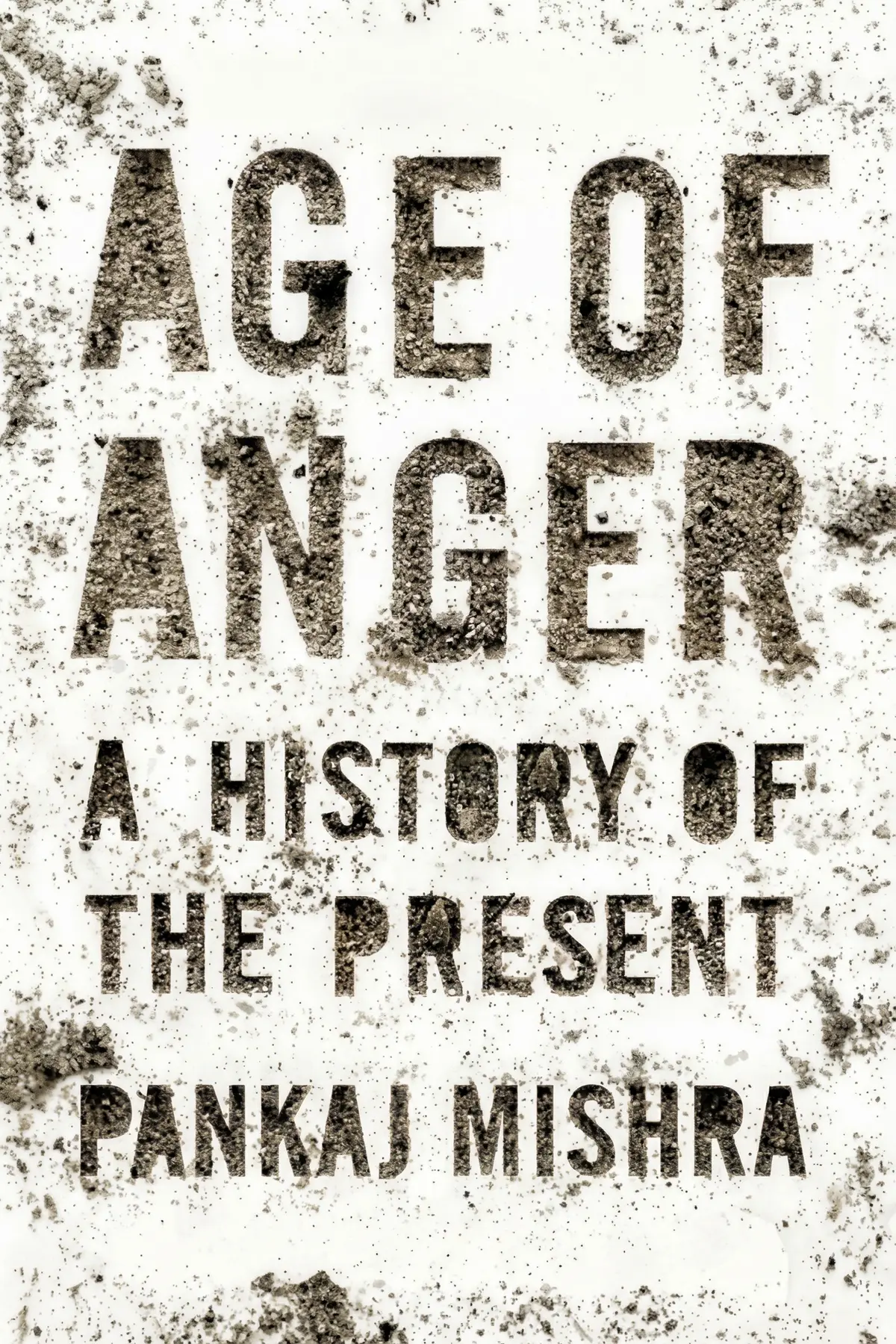
Pankaj Mishra
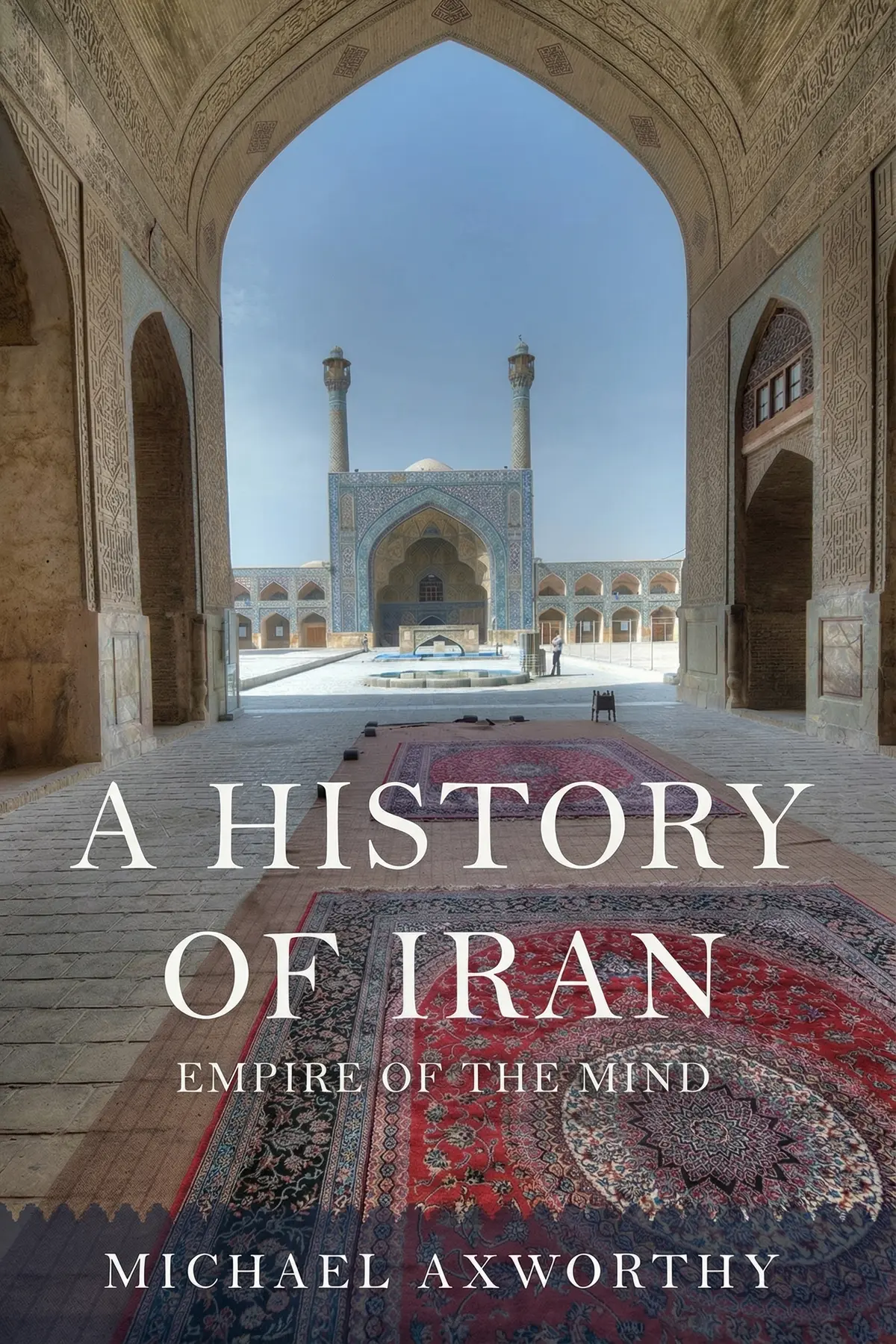
Michael Axworthy
James Comey
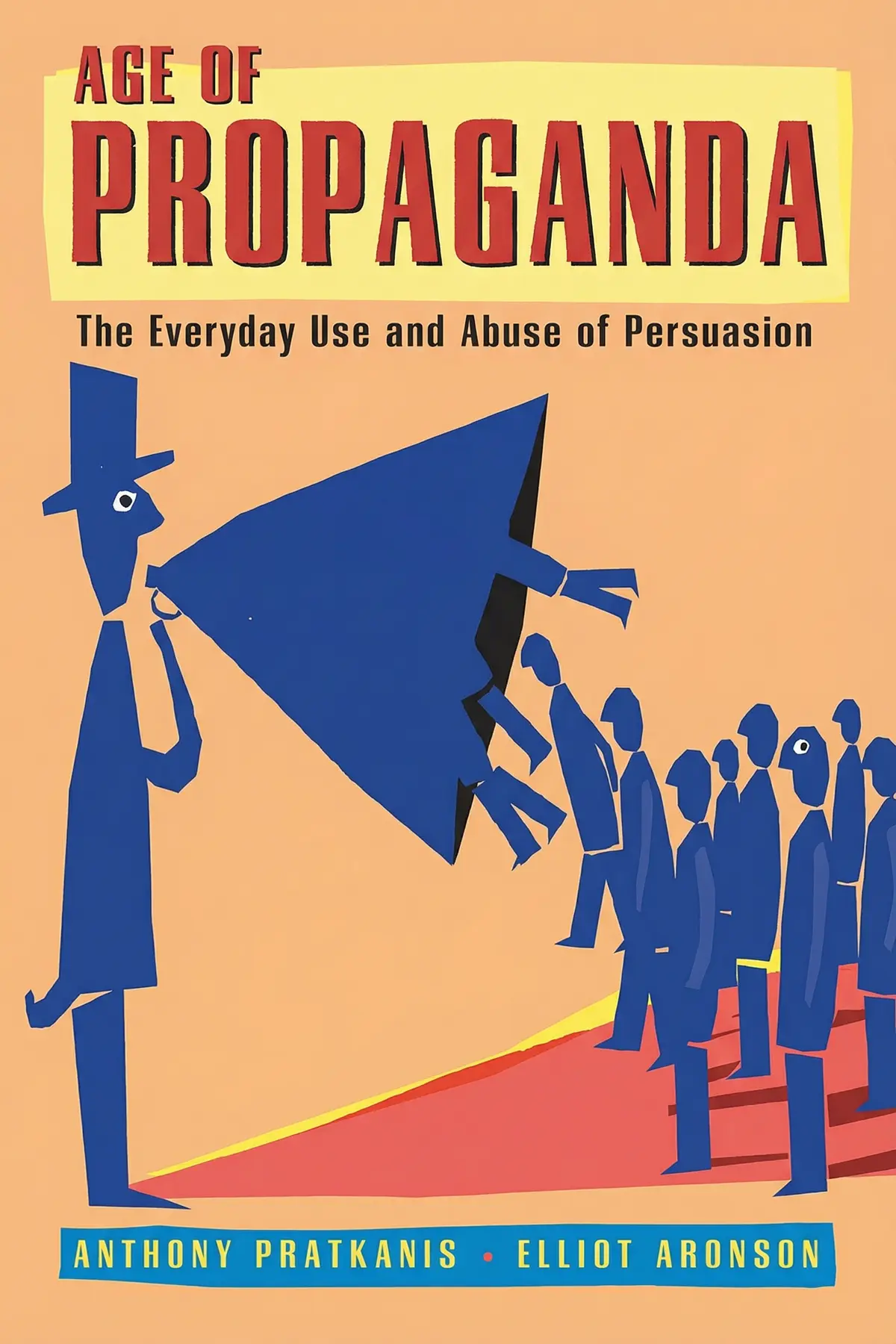
Anthony Pratkanis
AUDIO SUMMARY AVAILABLE
Get the key ideas from The Prime Ministers by Steve Richards, plus 5,000+ more titles in English and Thai.







