
19 min 25 sec
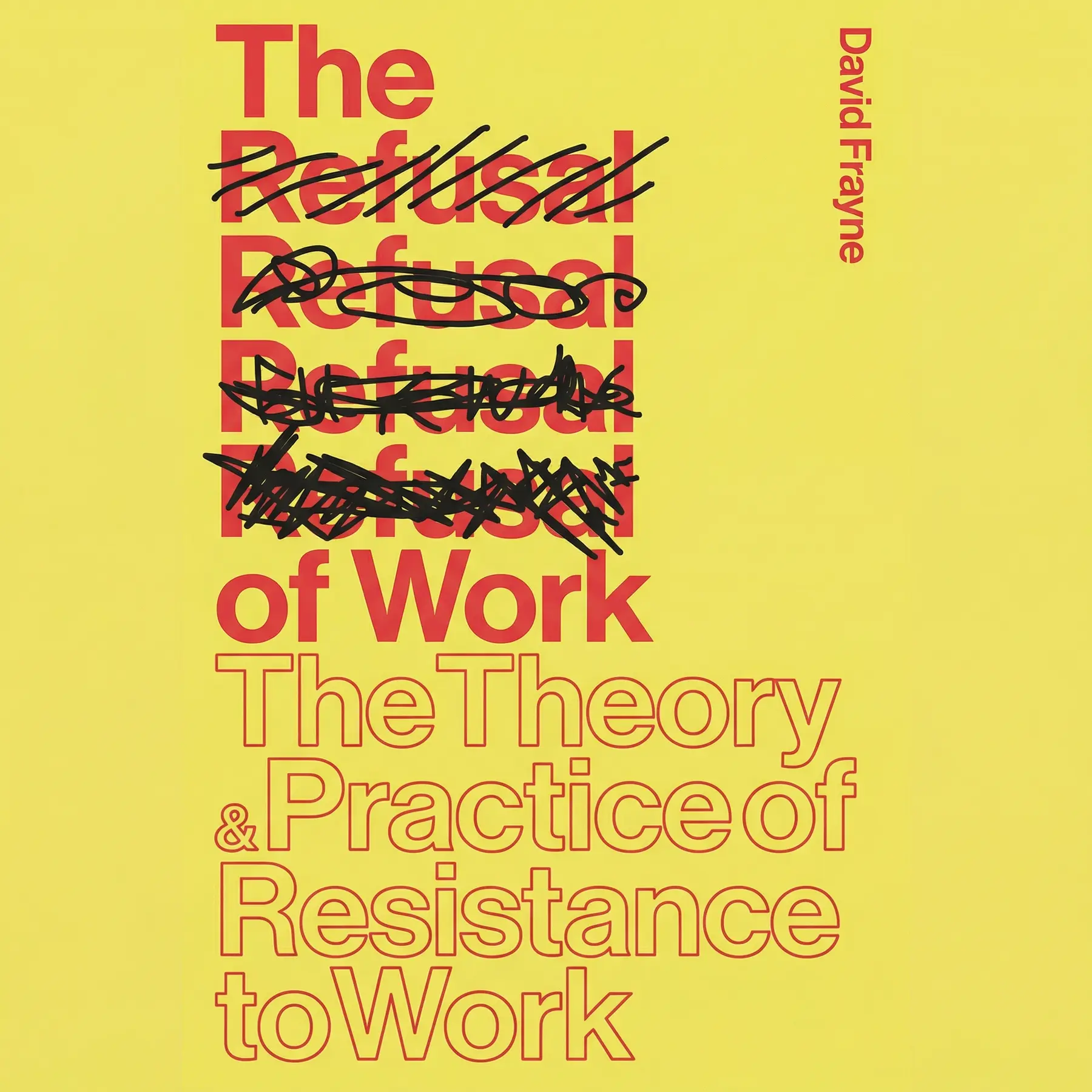
The Refusal of Work: The Theory and Practice of Resistance to Work
By David Frayne
The Refusal of Work challenges the modern obsession with labor, exploring how we can reclaim our lives from wage labor to prioritize creativity, deep community connection, and authentic leisure.
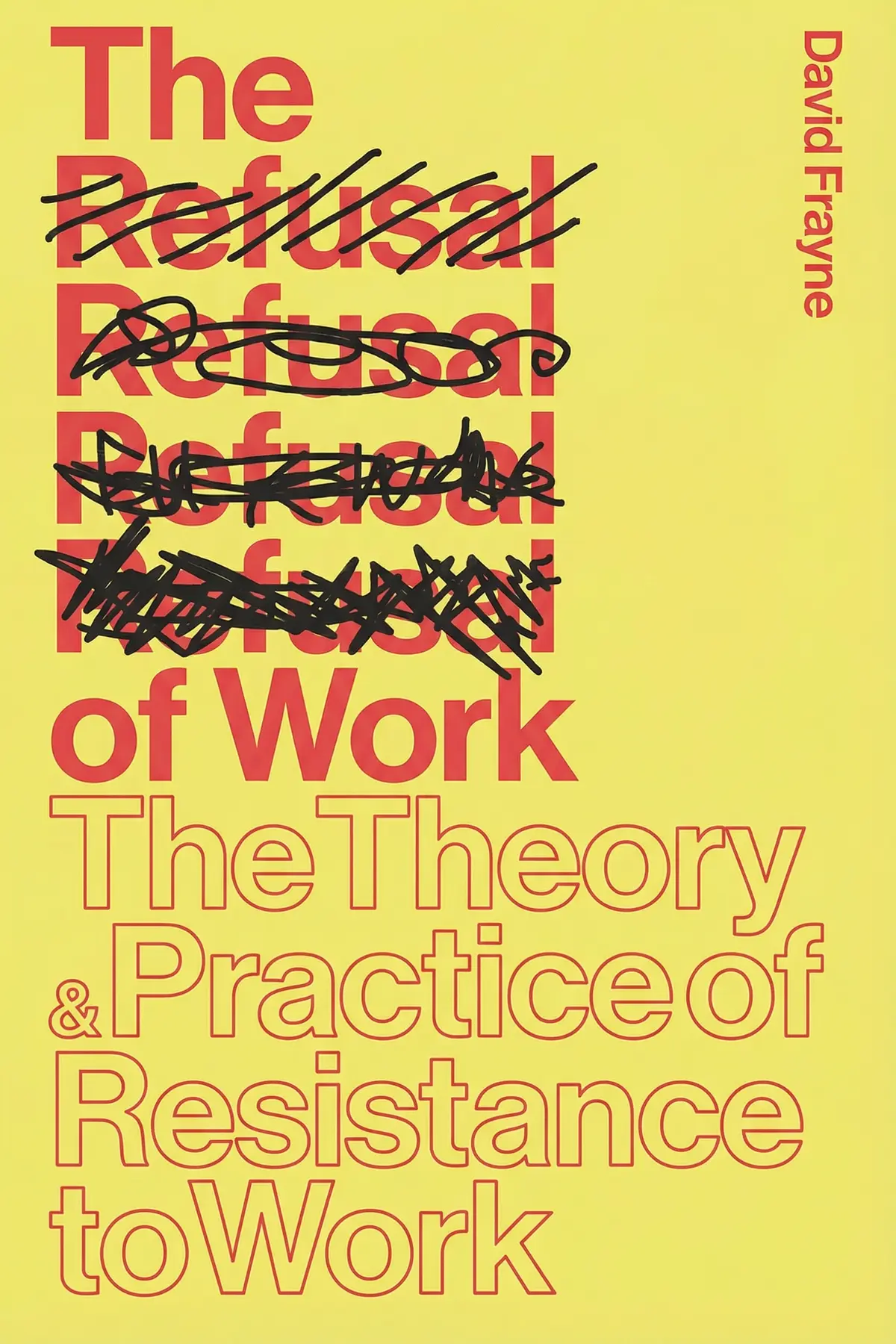
Table of Content
1. Introduction
1 min 52 sec
In the modern world, the first question we often ask a stranger is: “What do you do?” This simple inquiry reveals a profound truth about our current era—that our work has become the primary lens through which we view ourselves and others. We live in a society where productivity is equated with moral worth, and where the hours we spend at a job are seen as the most significant part of our day. But what if this obsession with labor is actually standing in the way of our collective happiness?
David Frayne’s work invites us to step back and look at the scaffolding of this work-centric existence. In this summary, we will explore the themes of The Refusal of Work, a book that deconstructs the history and current state of our work ethic. Frayne isn’t just talking about laziness or taking a few more vacation days; he is presenting a radical critique of how wage labor consumes our time, our energy, and our ability to connect with one another.
As we move through these ideas, we’ll look at how the value of labor was historically constructed and how it evolved into the modern manifestation we see today—a system where work is often sought for its own sake, regardless of its utility or the fulfillment it provides. We will examine the tension between consumer culture and genuine satisfaction, and we will discover how reclaiming our time might allow for a resurgence of creativity and community.
This journey is about more than just employment; it is about the sociology of happiness and the possibility of building a life that doesn’t revolve around a paycheck. Whether you feel burnt out by the grind or are simply curious about why we work the way we do, these insights offer a path toward a more liberated and human-centric way of living. Let’s begin by looking at why work has such a powerful grip on our modern identity and what happens when we start to question its dominance.
2. The Moral Foundation of the Modern Work Ethic
2 min 33 sec
Explore how the modern world transformed labor from a simple necessity into a moral duty that defines our standing in society and our sense of self.
3. The Historical Shift from Survival to Obsession
2 min 39 sec
Trace the history of labor to see how the meaning of work has shifted from a means of survival to an all-consuming social requirement.
4. The High Cost of Wage Labor on Personal Autonomy
2 min 41 sec
Understand the hidden psychological and social price of trading your time for a wage, and how it impacts your sense of freedom.
5. Redefining Leisure as a Radical Act
2 min 33 sec
Learn why true leisure is more than just a break from your job; it is a vital space for self-discovery and a challenge to consumerism.
6. The Role of Creativity and Community in a Post-Work Life
2 min 34 sec
Discover how stepping away from a work-centered life can unlock new opportunities for creative expression and deeper social bonds.
7. The Practical Path to the Refusal of Work
2 min 38 sec
Explore the real-world strategies and psychological shifts needed to distance yourself from the pressures of modern labor.
8. Conclusion
1 min 55 sec
As we conclude our look at The Refusal of Work, it’s clear that David Frayne’s insights offer a powerful challenge to the status quo. We have explored how the modern work ethic has become a moral trap, how history was shaped to make labor our central focus, and how wage labor often costs us our most valuable asset: our autonomy. We’ve also seen the beautiful possibilities that emerge when we reclaim our time—through active leisure, creative expression, and the building of true community.
The throughline of this summary is the idea that our current way of living is a choice, not a necessity. We have inherited a system that prioritizes production over people, but we are not obligated to accept its definitions of success or happiness. By questioning the role of work in our lives, we can begin to shift our focus toward things that truly matter.
What this really means for you is that you have the power to start small. You can begin by setting firmer boundaries between your job and your life. You can choose to spend your next free hour on something creative or communal rather than something commercial. You can start to untangle your identity from your job title. These small acts of refusal are the building blocks of a much larger transformation.
Frayne’s work is a call to imagine a future where the pressure to produce is replaced by the freedom to exist. It’s a vision of a world where we work to live, rather than live to work. As you move forward, keep these ideas in mind. Remember that your value is inherent and that your time is your own. By daring to refuse the total dominance of work, you open the door to a richer, more meaningful, and more connected way of life. The path to a better world starts with reclaiming the hours of our days and the passions of our hearts.
About this book
What is this book about?
The Refusal of Work is a deep dive into the psychological and social structures that keep us tethered to our jobs. David Frayne examines the historical development of the work ethic and questions why, in an era of technological advancement, we are still working harder than ever. He argues that our identity has become dangerously intertwined with our professional roles, often at the expense of our mental well-being and social vitality. The book promises a radical shift in perspective, moving away from the idea that work is the sole source of human dignity. By analyzing the intersection of consumer culture and happiness, Frayne offers a vision of a world where leisure is not just a break from work, but the foundation of a meaningful life. It encourages readers to imagine a future where creativity and community take center stage, providing a framework for those looking to distance themselves from the pressures of modern wage labor.
Book Information
About the Author
David Frayne
David Frayne is a lecturer and social researcher based at Cardiff University. Originally from South Wales, his academic work focuses on consumer culture, the sociology of happiness, alternative education, and radical perspectives on work. The Refusal of Work is his first book, drawing on his extensive research into how modern society constructs value and meaning around labor.
Ratings & Reviews
Ratings at a glance
What people think
Listeners find this an intellectually stimulating and affirming investigation of contemporary labor, though perspectives vary regarding the author’s scholarly tone and cyclical arrangement. Listeners value the book’s robust conceptual framework and its articulation of the mental burden caused by overwork, with one listener mentioning that it supplied a "useful lexicon" for their personal defiance of standard employment. Additionally, many highlight the qualitative interviews featured in the second half as a perceptive look at the everyday realities and hurdles of choosing to work less. They also note that the writing successfully disputes societal expectations about identity, with another listener describing the volume as "tremendously psychologically validating" for those who feel estranged by the typical 9-to-5 grind.
Top reviews
Prapaiwan
Ever wonder why we are so obsessed with being busy even when the work itself feels totally meaningless? This book provided a much-needed lexicon for feelings I’ve had for years but couldn't quite put into words. Frayne moves beyond simple complaints about bad bosses and instead questions the very foundation of the 'work ethic.' I found the concept of a 'worthwhile ethic' to be incredibly refreshing. It suggests that our value doesn't have to come from a paycheck, but from what we actually find meaningful. While the writing can get a bit academic, the psychological validation it offers is well worth the effort. It’s a brave look at how we might reclaim our time and our identities from the clutches of corporate life. Truly life-changing perspective.
Show moreSun
Picked this up because I’ve been feeling a total disconnect between my job and who I actually am. One interviewee in the book compares realizing the falsity of the work ethic to finding out there is no Santa Claus, and that really hit home for me. Once you see through the disguise, you can't go back to the autopilot of the 9-to-5 grind. Frayne treats his subjects with immense respect, showing that their refusal to work isn't about laziness, but about a desire for autonomy and creative freedom. He doesn't sugarcoat the financial struggles they face, which makes the book feel much more authentic. It’s a radical, challenging, and ultimately hopeful book that everyone should read before they commit another forty years to a cubicle.
Show moreCarter
Look, the truth is that Frayne relies heavily on the work of André Gorz, but he updates those ideas for our 21st-century gig economy brilliantly. I was particularly struck by his discussion on the 'politics of time.' He argues that we need a collective movement to reclaim our hours, rather than just individual escapes. This intersects so well with current concerns about climate change and over-consumption. If we work less, we consume less, and we might actually have the time to be active citizens again. The writing is definitely on the scholarly side, but the arguments are accessible enough if you take your time with them. This book gave me the lexicon I needed to explain my own desire for a slower, more meaningful life.
Show moreAmy
Finally got around to finishing this, and I'm left with a profound sense of both hope and frustration. It’s an incredible piece of cultural criticism that exposes how deeply entrenched work has become in our repositories of power. Frayne is careful to acknowledge that refusing work is a privilege that many can't afford, yet he insists it’s a struggle we should all partake in. The stories of people living on the margins to protect their time were fascinating and grounded the theory perfectly. They showed that a less materialistic 'good life' is possible, even if it’s difficult. This book isn't a 'how-to' guide for quitting your job, but it is a vital 'why-to' for anyone questioning the sanity of our modern work-centered society.
Show moreNarongrit
After hearing a lot of buzz about the 'anti-work' movement, I decided to give this a shot to understand the intellectual side of things. Frayne does an excellent job of tracing the history of how work became the center of our lives. The second half of the book, which features qualitative interviews with people in the UK who have stepped back from traditional employment, was the highlight for me. Hearing their stories made the theory feel grounded and real. They talk about the 'breaking point' where they realized the 9-to-5 life was just a social construct. My only real gripe is that the sample size is quite small—just 17 people—and they all seem to be from a similar geographic area. It's a great starting point, but I would have loved to see more diverse data.
Show moreRoongsak
Wow. This was exactly what I needed to read after another soul-crushing week at my corporate desk. Frayne captures the psychological toll of overwork in a way that feels deeply personal and validating. He doesn't just argue for better wages; he argues for the right to exist outside of our job titles. I loved the distinction he makes between work as an activity and work as a wage-earning necessity. The book definitely makes you look at your own life and wonder what you could be doing with those forty-plus hours every week. It’s not a light read, and the academic tone can be heavy at times, but the ideas are revolutionary. It’s a powerful reminder that we are more than just our resumes.
Show moreSuthee
The chapter on 'The Breaking Point' is easily the most compelling part of this entire volume. Frayne captures that precise moment when the veil drops and you realize that the 'work ethic' you’ve been fed since childhood is actually quite arbitrary. He explores how work colonizes our time, leaving us too exhausted to even participate in our own communities or politics. Personally, I appreciated his focus on identity. We are constantly asked 'what do you do?' as a way to define our worth, and Frayne pushes back against that with grace. The book is a bit lopsided, focusing heavily on Marxist theory in the beginning, but it eventually finds its stride. It’s a thought-provoking read for anyone feeling alienated by the modern economy.
Show moreOak
In my experience, few books manage to dismantle the cultural pedestal of 'work' as effectively as this one does. Frayne asks the hard questions: why, at our peak of productivity, are we still working so much? Why is unemployment treated like a moral failing? The 'worthwhile ethic' he proposes is a beautiful alternative to the grind. My only criticism is that the book can be quite dry, and the author's personal interpretations sometimes overshadow the voices of the people he interviewed. Still, the core message is vital. It’s a tremendously validating read for those of us who feel like the current system is designed to drain us of our humanity. It provides a strong theoretical backbone for anyone looking to resist the status quo.
Show moreRuangrat
David Frayne’s text is a bit of a mixed bag, sitting somewhere between a radical manifesto and a dry sociology dissertation. On one hand, his critique of modern labor is razor-sharp and deeply necessary in an age of burnout. However, the structure is incredibly repetitive, often feeling like a summary of André Gorz’s work rather than something entirely original. Honestly, Gorz is cited so frequently—appearing on what feels like every third page—that I started to wonder if I should have just read his books instead. The first half is quite dense with theory, which might turn off casual readers looking for practical advice. It’s an important contribution to the field, but it could have been much tighter. I agree with the message, but the delivery was a bit of a slog.
Show morePatcharaporn
To be fair, I went into this with very high expectations that weren't quite met. I am fully on board with the idea of working less, but this book felt padded to reach a certain word count. It’s deeply repetitive, circling back to the same points about Gorz and the harms of capitalism without offering much new evidence. The research in the second half is based on a tiny group of 17 individuals, which feels thin for a book making such broad claims. It reads more like an academic lit review than a groundbreaking piece of original research. If you’ve already read Kathi Weeks or other labor theorists, you probably won’t find much new here. It’s okay as a primer, but it was ultimately quite disappointing for me.
Show moreReaders also enjoyed
All About Love: New Visions
bell hooks

A Biography of Loneliness: The History of an Emotion
Fay Bound Alberti
A Force for Good: The Dalai Lama's Vision for Our World
Daniel Goleman

A Room of One’s Own
Virginia Woolf
Abolish Rent: How Tenants Can End the Housing Crisis
Tracy Rosenthal
Abortion: Our Bodies, Their Lies, and the Truths We Use to
Jessica Valenti
AUDIO SUMMARY AVAILABLE
Listen to The Refusal of Work in 15 minutes
Get the key ideas from The Refusal of Work by David Frayne, plus 5,000+ more titles in English and Thai.
- 5,000+ titles
- Listen as much as you want
- 7-day free trial
- Cancel anytime







