
19 min 28 sec
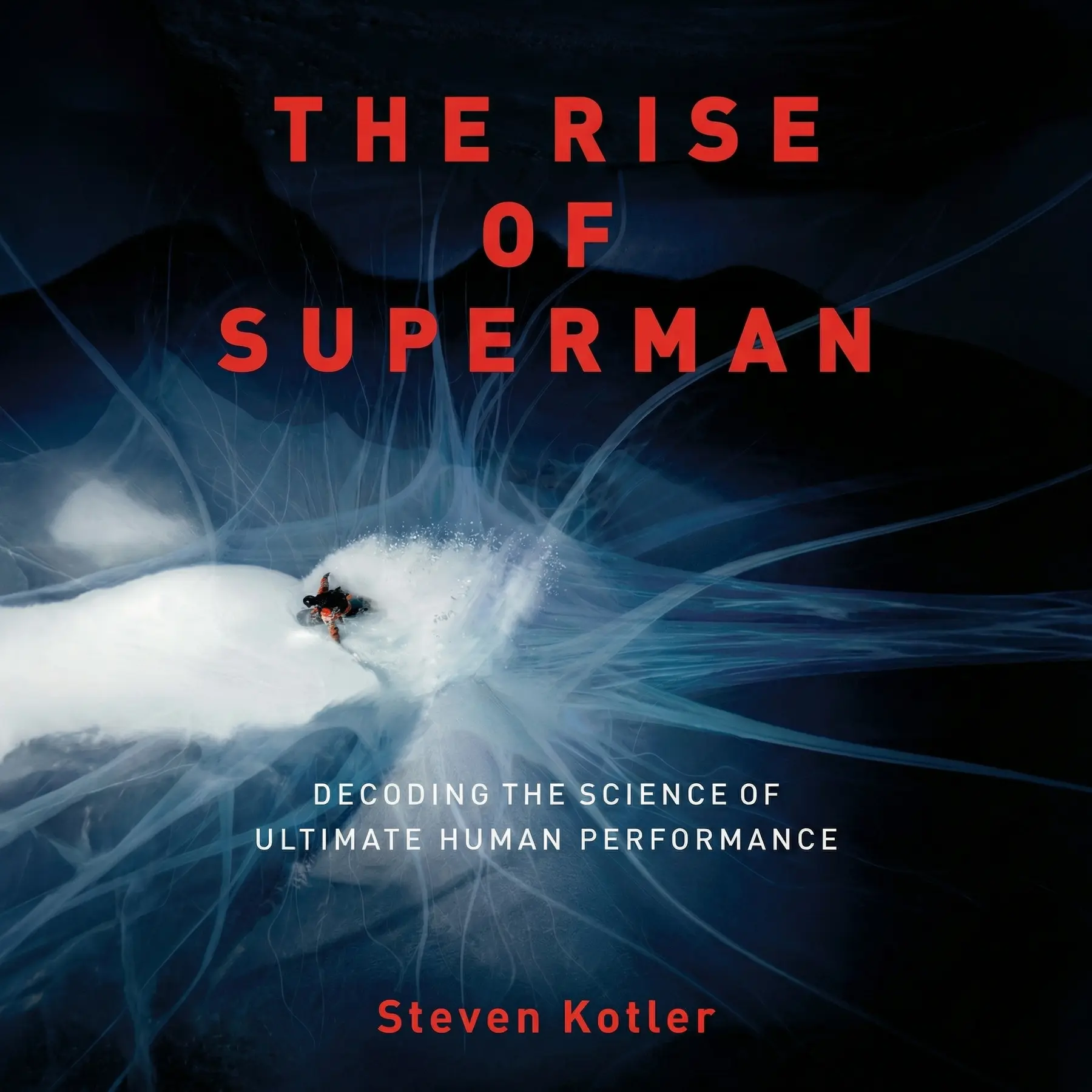
The Rise of Superman: Decoding The Science of Ultimate Human Performance
Explore the revolutionary science of flow and discover how extreme athletes harness peak performance states to redefine human capability, providing a roadmap for anyone to unlock their hidden potential and master their craft.
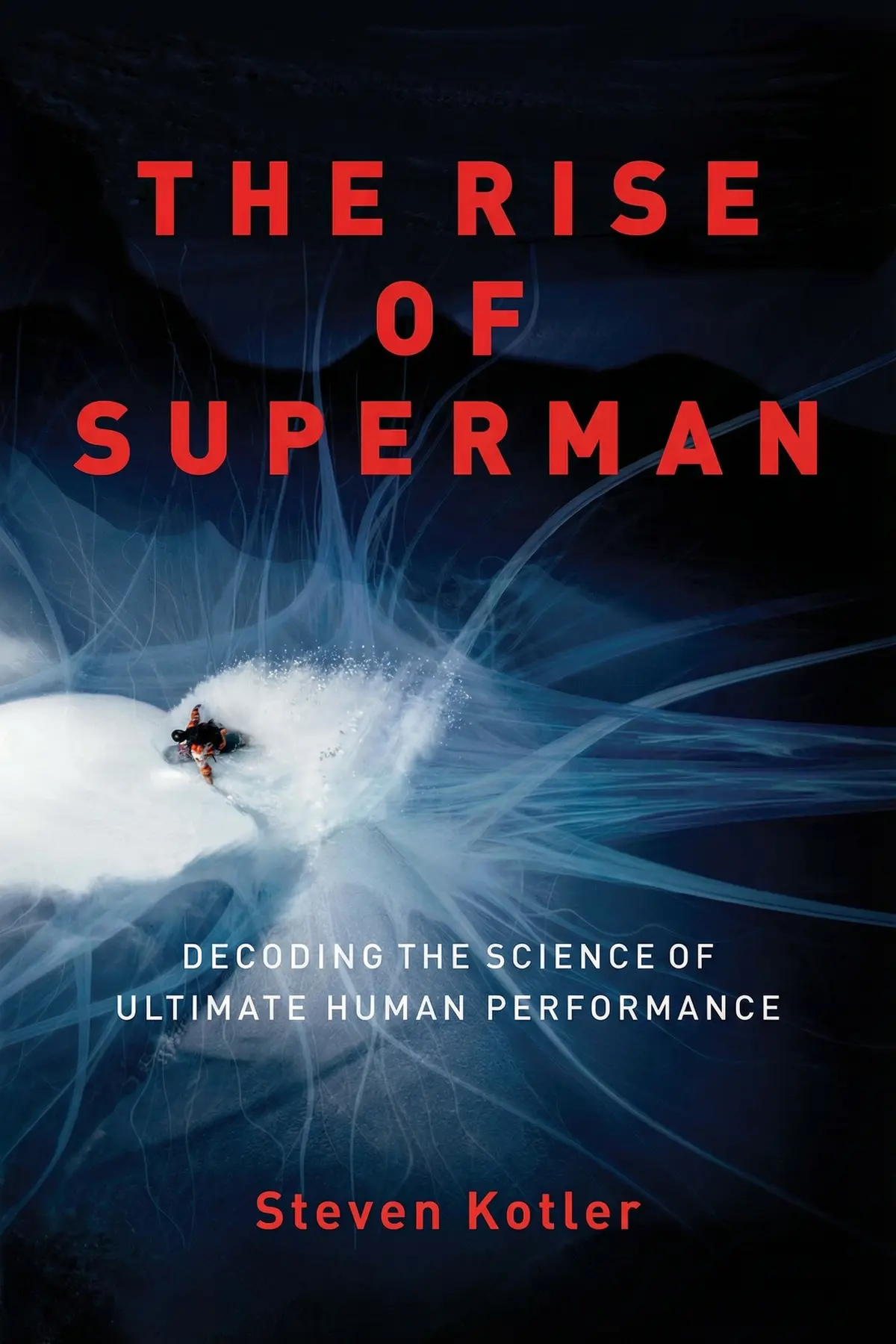
Table of Content
1. Introduction
1 min 39 sec
Have you ever wondered how some people manage to achieve feats that look like they belong in a superhero movie? We see mountain climbers scaling vertical faces of ice without ropes, or surfers disappearing into waves the size of apartment buildings, only to emerge unscathed. It is tempting to think these individuals are just built differently—that they possess some genetic mutation or alien biology that makes them immune to fear and capable of impossible grace. But the reality is far more interesting and, surprisingly, far more accessible to the rest of us.
In our exploration of The Rise of Superman, we are going to look behind the curtain of extreme performance to find a mental state called flow. You might know it as being in the zone. It is that magical window of time where your sense of self vanishes, time seems to warp, and every action you take follows seamlessly from the last. For a long time, this was seen as something mystical or random, a stroke of luck that hit athletes on their best days. However, as we will see, flow is not a mystery at all. It is a specific, measurable biological process.
Over the course of this summary, we will break down the neurology of this state—how the brain actually shuts down certain areas to help us move faster and think more creatively. We will look at the chemical cocktail that gives us a natural high and pushes our physical limits. More importantly, we will discuss the specific triggers you can use to invite flow into your own life, whether you are trying to write a book, run a business, or master a new hobby. By the end, you will see that the line between the ordinary and the superhuman is thinner than you think, and that anyone can learn to cross it.
2. Defining the Flow State
2 min 16 sec
What if your most productive moments weren’t accidents? Discover the profound mental shift where effort vanishes and creativity takes over the driver’s seat.
3. The Brain's Internal Pharmacy
2 min 11 sec
Your brain holds a powerful cocktail of chemicals that can boost focus and kill pain. Learn how flow unlocks this natural performance-enhancing toolkit.
4. The Benefits of a Quieter Mind
1 min 52 sec
It sounds counterintuitive, but peak performance requires parts of your brain to actually shut down. Explore the phenomenon of transient hypofrontality.
5. The Four Percent Rule for Engagement
2 min 01 sec
Finding the sweet spot between boredom and anxiety is the secret to consistent flow. Learn the specific formula for setting the right challenge.
6. Developing the Mindset for Growth
1 min 52 sec
Is talent born or built? How you answer that question determines whether you will ever reach the heights of the world’s best performers.
7. The Power of the Group
1 min 59 sec
Flow isn’t always a solo journey. Discover how communities and shared passions can act as a force multiplier for individual performance.
8. Mapping the Interior World
2 min 10 sec
Technology is finally catching up to the mysteries of the mind. See how modern tools are being used to decode and replicate peak performance.
9. The Upward Spiral of Human Potential
2 min 07 sec
Why do records that stood for decades suddenly get broken over and over again? Explore how human achievement creates a psychological domino effect.
10. Conclusion
1 min 21 sec
As we have seen throughout our look at The Rise of Superman, the extraordinary feats we see in the world of extreme sports are not the result of magic, but of a highly optimized state of consciousness called flow. By understanding the neurochemistry that fuels this state and the psychological triggers that invite it, we can begin to see that peak performance is a repeatable process. We’ve learned that flow requires a delicate balance of challenge and skill, a quieted mind that stops overthinking, and a growth mindset that isn’t afraid to push into the unknown.
The most important takeaway is that these tools are not just for elite athletes. Whether you are a writer, an artist, a business leader, or a student, you can use the principles of flow to enhance your own life. Start by setting clear, immediate goals. Don’t worry about the finish line a year from now; focus on the next small win you can achieve in the next twenty minutes. Look for that 4 percent challenge—the task that makes you a little nervous but also excites you. By intentionally seeking out the zone, you can move past your perceived limitations and discover a version of yourself that is more creative, more capable, and more resilient. The science is clear: the potential for greatness is already wired into your biology. All you have to do is learn how to flip the switch.
About this book
What is this book about?
The Rise of Superman investigates the mysterious and powerful state of consciousness known as flow. We often refer to this as being in the zone, a moment when our focus becomes so intense that the rest of the world seems to vanish, and our performance skyrockets. Through the lens of extreme sports—from big-wave surfing to high-altitude climbing—the book decodes the biological and psychological triggers that allow humans to achieve the seemingly impossible. This isn't just a study of athletes, however. It is a promise that these peak states are accessible to everyone. By understanding the neurochemistry and the specific triggers that lead to flow, you can learn to prime your mind for optimal performance in any field. The book explains how the brain's prefrontal cortex actually slows down to allow for faster decision-making and how a specific cocktail of chemicals creates a sense of oneness and heightened creativity. Ultimately, it provides a blueprint for pushing past your own perceived limits to reach a new level of excellence.
Book Information
About the Author
Steven Kotler
Steven Kotler is an award-winning journalist and a New York Times bestselling author. He serves as the co-founder and director of research for the Flow Genome Project. This organization is a leading research body dedicated to uncovering the biological blueprint of the flow state and making peak performance accessible to all.
The Art of Impossible: A Peak Performance Primer
Steven Kotler
Ratings & Reviews
Ratings at a glance
What people think
Listeners find this work a captivating experience that offers thorough insights through extensive real-world stories, especially those centered on extreme sports. The writing is skillfully executed and the subject matter is intriguing, with one listener noting how it turns clinical information into something engaging. Furthermore, the book effectively examines the state of flow, with one listener highlighting how extreme athletes demonstrate flow-hacking methods, and listeners appreciate the stimulating material that encourages them to seek out flow in their own lives.
Top reviews
Kru
Picked this up after seeing a documentary on Alex Honnold, and Kotler didn’t disappoint in capturing that raw intensity. The way he bridges the gap between terrifying physical feats and the quiet neurobiology of the brain is masterfully done. You get these high-octane stories about Danny Way jumping the Great Wall mixed with deep dives into dopamine and prefrontal cortex "darkness." Honestly, it’s a bit light on how a regular office worker can trigger these states without risking a broken neck, but the inspiration alone is worth the price. The writing is snappy and keeps you moving through the pages as fast as a big-wave surfer. If you’re looking for a dry textbook, this isn’t it; it’s a visceral exploration of what humans can actually do when we stop overthinking.
Show moreMax
Steven Kotler has a way of making clinical content feel like an adrenaline-fueled thriller. I went into this expecting a dry self-help book but ended up staying up late reading about Doug Ammons and the "mammalian dive reflex." It’s fascinating how these athletes are essentially hacking their own biology to achieve the impossible. The book effectively explores flow as a tool for survival, which is a perspective I hadn't considered before. Not gonna lie, the descriptions of near-death experiences are harrowing, but they serve a purpose in illustrating the stakes. It’s thought-provoking and makes you want to find your own "mega-ramp," even if it’s just in a creative project. Truly a masterpiece on the limits of the human mind and body.
Show moreGor
Wow, what a wild ride through the mechanics of human potential. This book is about the impossible becoming invisible through the power of focus. Kotler’s writing style is punchy and direct, which fits the subject matter perfectly. I loved the breakdown of the marshmallow test and how a growth mindset contributes to these flow states. It’s more than just a sports book; it’s a look at how we can all redefine our limits. Even if you never plan on putting on a wingsuit, the lessons about being fully present in the moment are universal. It’s one of those rare books that actually makes you think totally out of the box. Highly recommended for anyone obsessed with the "how" behind greatness.
Show moreOrawan
Ever wonder why surfers risk it all on 80-foot waves just for a few seconds of glory? Kotler answers this by decoding the "flow" state—that moment where time dilates and the self simply vanishes into the task. The book is an enthralling read that makes complex clinical content feel like a narrative thriller. I particularly liked the breakdown of the "flow cocktail" involving norepinephrine and anandamide. It explains so much about why these athletes become addicted to the rush. To be fair, some of the comparisons between Olympic athletes and "extreme" practitioners felt a bit biased toward the latter. However, the core message about pushing the boundaries of the possible is incredibly motivating. It’s a solid 4-star read for anyone interested in high-performance psychology.
Show moreWyatt
As someone who has always struggled to stay in the zone, this book provided a much-needed framework for understanding my own focus. Kotler takes the foundational work of Mihaly Csikszentmihalyi and updates it with modern neurobiology and high-stakes drama. The prose is well-crafted, and the pacing is excellent, moving quickly between technical explanations and heart-pounding action. I appreciated the section on "group flow" and how it applies to teams, even if the primary focus remained on solo daredevils. Truth is, I still don't know exactly how to "trigger" flow on command without a life-or-death situation, but I understand the triggers much better now. It’s a fascinating, high-energy look at what happens when the brain clicks into gear.
Show moreMalee
The chapter on big-wave surfing was a standout for me, perfectly capturing the terrifying allure of the ocean. Kotler does an excellent job of explaining the "invisible" mechanics behind "impossible" feats. He argues that flow isn't just a happy accident but a predictable biological process we can learn to harness. I found the discussion of time distortion particularly relatable, as I've felt that during intense gaming sessions or while painting. My only real gripe is that the book leans a bit too hard into the "extreme" side of things, sometimes ignoring the flow found in quiet, everyday mastery. Still, the reporting is top-notch and the enthusiasm is contagious. It definitely makes you want to push your own boundaries just a little bit further.
Show moreHugo
After hearing so much buzz about "flow" in the tech world, I finally dove into Kotler's work. The way he describes the "transient hypofrontality"—the temporary deactivation of the self-monitoring part of the brain—is a total game-changer for how I view productivity. It’s not about trying harder; it’s about getting out of your own way. The book is well-researched with enough facts and figures to keep a skeptic engaged, though some citations would have been nice for the more "out there" claims. The narrative accounts of extreme athletes are interspersed well with the technical commentary, making for a very readable experience. It’s a deep dive into the psychology of the "zone" that actually makes sense.
Show moreDimitri
While the science of neurochemistry is fascinating, I found the book's heavy reliance on extreme sports anecdotes a bit alienating for the average reader. Kotler spends hundreds of pages deifying skateboarders and wingsuit pilots as the ultimate models of human evolution. Look, I appreciate a 900-spin as much as the next guy, but is that really the peak of "human potential" in a meaningful sense? I was hoping for more practical "flow hacks" I could use during my workday or while studying. Instead, I got a lot of "if you don't die, you'll reach flow." If you want a more grounded, academic understanding of this state, you're much better off reading Csikszentmihalyi’s original work. This is more of a history of the X-Games with some brain science sprinkled on top.
Show moreNang
Gotta say, I'm torn on this one. On one hand, the stories about Danny Way and Alex Honnold are absolutely gripping and written with a journalist’s eye for detail. On the other hand, the book feels a bit like it has "skin in the game" since the author runs a flow research collective. It’s hard to tell where the hard science ends and the marketing for "flow hacking" begins. Personally, I found the lack of practical, low-risk applications for the average person to be a major oversight. Not everyone can go free-climbing to find their focus. If you enjoy reading about the history of extreme sports, you’ll love this. If you want a step-by-step guide to mastering your life, you might come away feeling a bit empty-handed.
Show moreNutnicha
Not what I expected based on the title, and frankly, I’m disappointed. I was looking for a roadmap to improve my personal productivity, but this felt more like a 200-page advertisement for the Flow Genome Project and energy drink companies. The author is clearly talented at writing, but his worship of adventure athletes gets exhausting after a while. He treats a skateboarder jumping over a wall as a more significant evolutionary leap than traditional mastery, which feels like an arbitrary yardstick. There are no clear footnotes for some of the wilder scientific claims, like the number of neurons in the gut versus the brain. To sum it up, it’s a collection of cool stories without much actionable substance for people who don't want to jump out of helicopters.
Show moreReaders also enjoyed


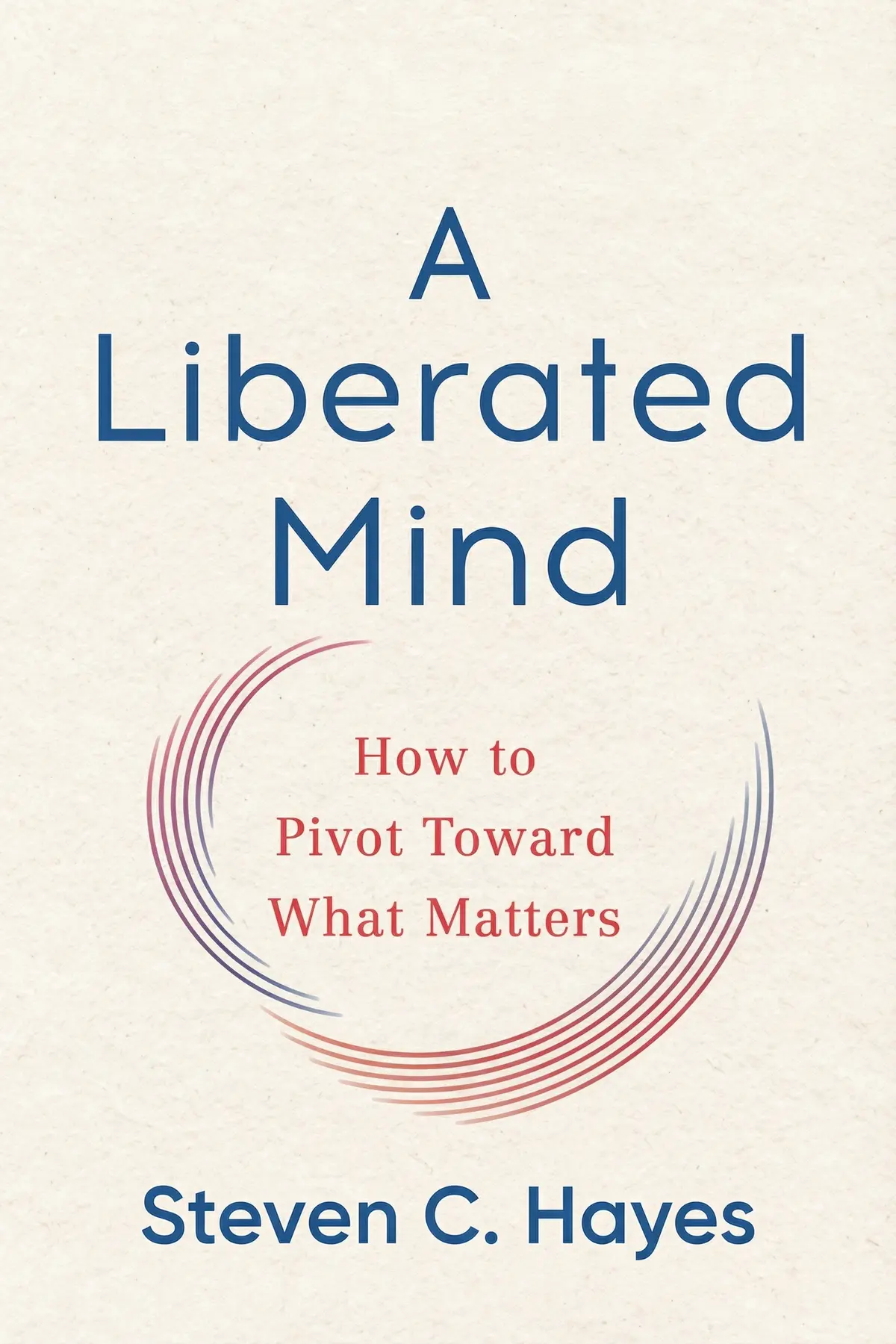
A Liberated Mind: How to Pivot Toward What Matters
Steven C. Hayes
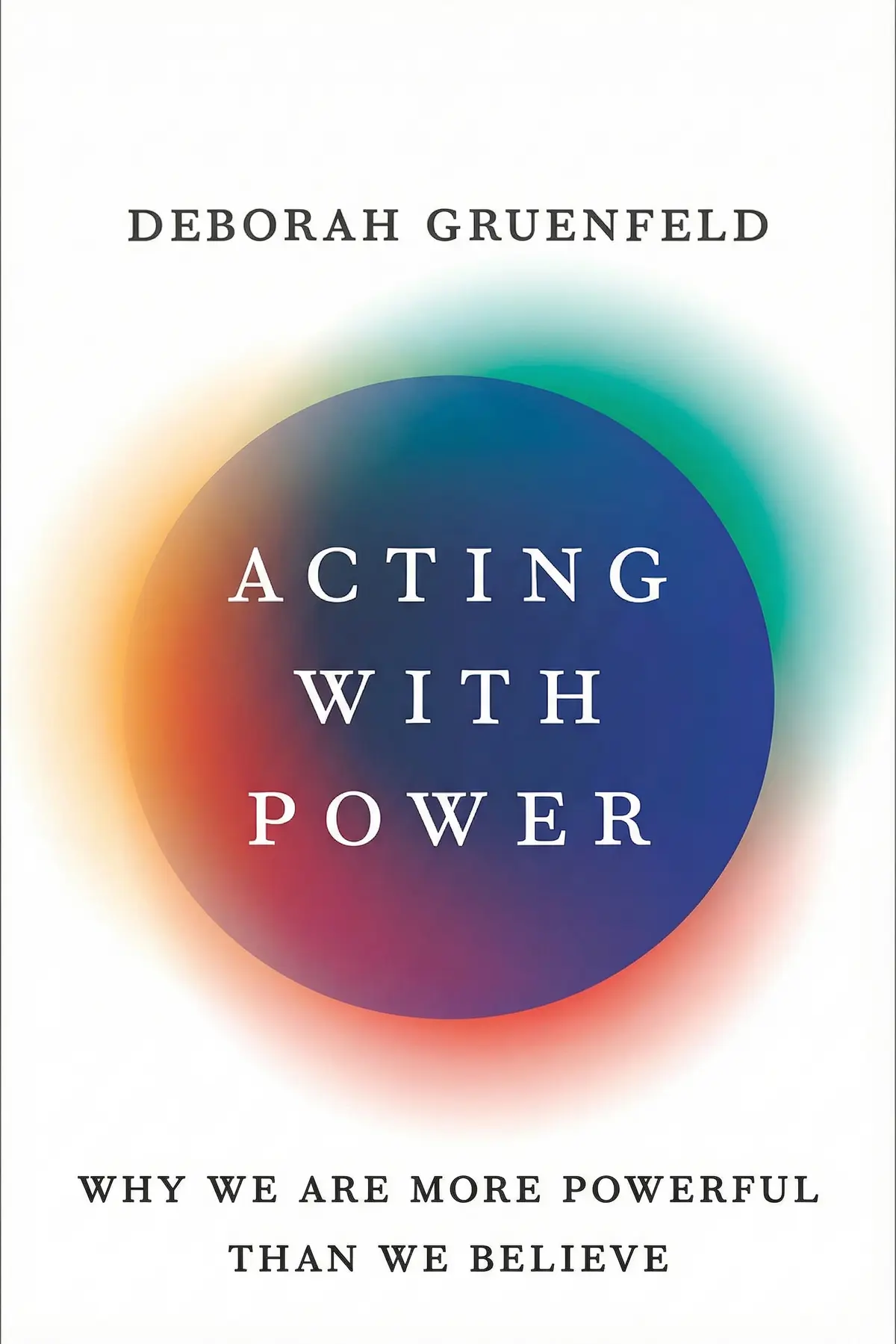
Acting with Power: Why We Are More Powerful Than We Believe
Deborah Gruenfeld


Age of Propaganda: The Everyday Use and Abuse of Persuasion
Anthony Pratkanis

Ali: A Life
Jonathan Eig
AUDIO SUMMARY AVAILABLE
Listen to The Rise of Superman in 15 minutes
Get the key ideas from The Rise of Superman by Steven Kotler, plus 5,000+ more titles in English and Thai.
- 5,000+ titles
- Listen as much as you want
- 7-day free trial
- Cancel anytime







