
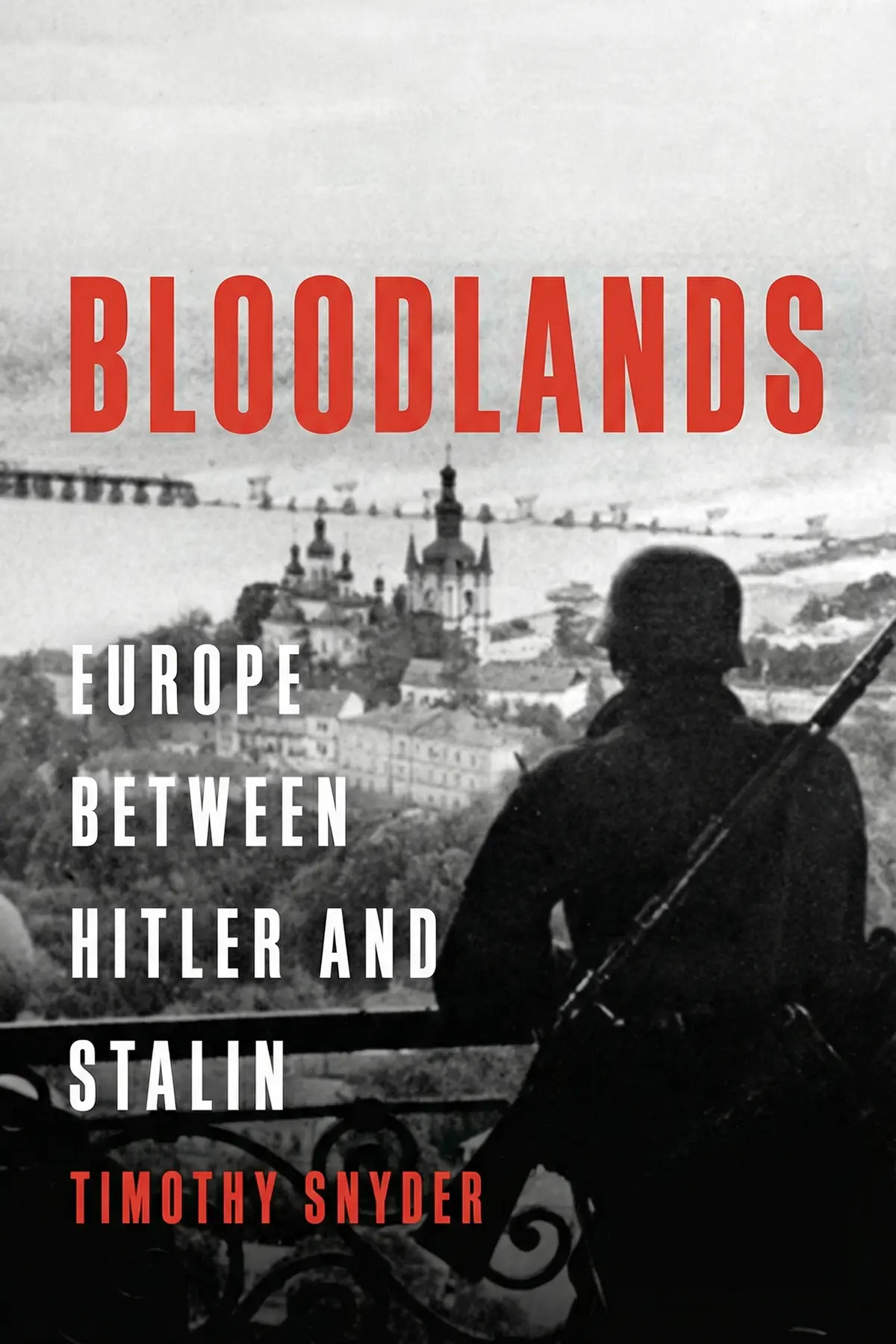
Bloodlands: Europe Between Hitler and Stalin
Timothy Snyder
Explore how modern authoritarianism rose through the weaponization of history and information. This summary details the shift from democratic inevitability to a cynical politics of eternity, fueled by Russian influence and digital warfare.
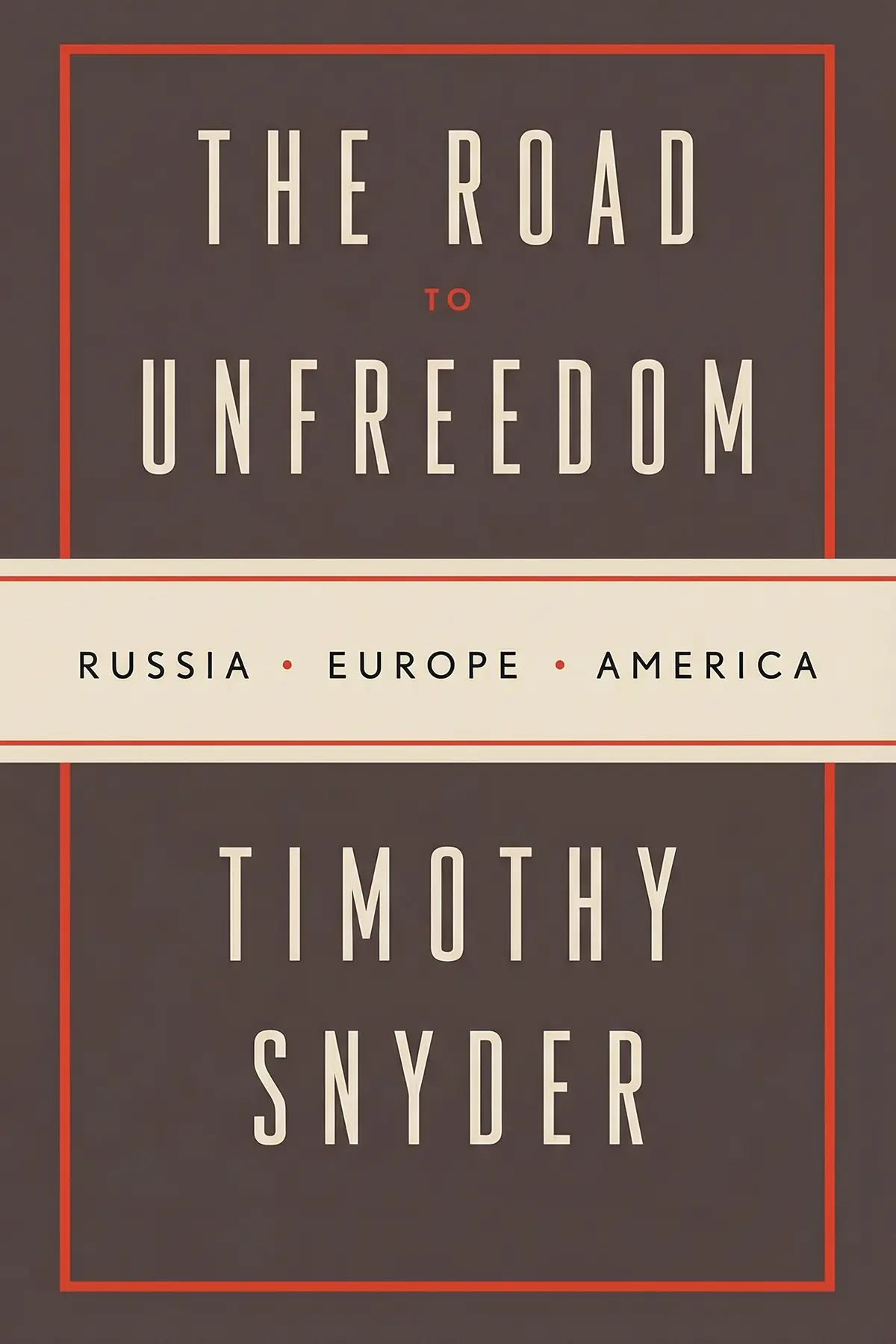
1 min 43 sec
For decades, many of us in the West lived under a comfortable assumption. We believed that after the fall of the Berlin Wall and the collapse of the Soviet Union, there was only one path forward for the world: liberal democracy. We viewed history as a one-way street leading toward greater freedom, more open markets, and the inevitable spread of human rights. This perspective wasn’t just an observation; it was a deeply held belief that blinded us to the shifts happening beneath our feet.
In this summary of Timothy Snyder’s work, we are going to explore why that assumption of safety was a dangerous mistake. Snyder argues that we have transitioned from a mindset of ‘Inevitability’—the idea that the future will naturally be better and more democratic—to a much darker state he calls the ‘Politics of Eternity.’ This shift isn’t accidental. It has been carefully manufactured and exported, primarily by a Russian regime that discovered that if it could not achieve progress at home, it could at least ensure that everyone else suffered the same decline.
Over the course of this narrative, we will trace the philosophical roots of modern Russian authoritarianism, the tactical use of cyberwarfare to destabilize Europe and America, and the ways in which the erosion of truth serves as the ultimate tool for those who wish to dismantle freedom. This isn’t just a book about foreign policy or recent elections; it’s a deep dive into the soul of modern politics and a warning about how easily the structures we take for granted can be dismantled when we lose our grip on history and fact. By the time we reach the end, you’ll see the throughline that connects the battlefields of Ukraine to the digital feeds of your smartphone, revealing a concerted effort to replace the rule of law with the rule of myth.
2 min 29 sec
Discover the two primary ways we misunderstand time and history, and how these misconceptions leave our democratic institutions wide open to manipulation and collapse.
2 min 05 sec
Trace the influence of a forgotten fascist philosopher whose ideas provided the moral and intellectual framework for modern Russia’s move away from the rule of law.
2 min 06 sec
Understand why a regime that cannot offer its own citizens a better future must resort to making the rest of the world look worse to maintain its grip on power.
1 min 55 sec
Examine how the 2014 conflict in Ukraine served as a testing ground for a new kind of war—one fought with both tanks and fabricated realities.
1 min 53 sec
Learn how the openness of Western digital society was turned into a vulnerability, allowing for the widespread manipulation of public opinion and the erosion of trust.
2 min 11 sec
Explore the specific tactics used to influence the American political landscape, and how a candidate’s persona perfectly aligned with the goals of the eternity mindset.
1 min 54 sec
See how the push for national isolationism in Europe, exemplified by Brexit, mirrors the Russian desire to replace integrated legal systems with fractured, competing myths.
2 min 09 sec
Analyze the essential link between social equality and the survival of democracy, and why the fight for truth is the only way to escape the trap of eternity.
1 min 44 sec
The journey from the ‘end of history’ to the ‘road to unfreedom’ has been a swift and sobering one. We have seen how the complacency of the West, rooted in the belief that democracy was inevitable, left us vulnerable to a new and sophisticated form of authoritarianism. We’ve explored how the Russian state, unable to provide a better life for its own people, chose instead to export its own instability, using the digital tools of the 21st century to dismantle the foundations of truth and law.
But the most important takeaway from Timothy Snyder’s analysis is that we are not helpless. The ‘politics of eternity’ only works if we remain in a state of historical amnesia and emotional reactivity. By recognizing the patterns of disinformation, by understanding the philosophical roots of the ‘redeemer’ myth, and by seeing the strategic goals behind the fragmentation of our alliances, we begin to regain our agency.
True freedom requires the courage to face facts, even when they are uncomfortable. It requires us to reject the easy narratives of victimhood and the seductive promise of a return to a mythical past. Instead, we must embrace the ‘politics of responsibility.’ This means acknowledging our flaws, fighting for a more equal society, and treating the truth as a sacred public good. The road to unfreedom is well-paved and easy to follow, but it is not the only path. By reclaiming our history and our facts, we can begin the hard, necessary work of building a future that is once again worthy of the name ‘free.’ Take a moment today to question the sources of your information and to consider how you can contribute to a more factual, shared reality in your own community.
The Road to Unfreedom offers a chilling analysis of the contemporary threats facing liberal democracies. It examines how Russia transitioned from a burgeoning democracy to an authoritarian state that exports instability to the West. Through the lens of history and philosophy, the book explains the move away from a world of facts and progress toward a world of myth and cyclical conflict. By dissecting the events of the last decade—from the invasion of Ukraine to the Brexit vote and the 2016 U.S. presidential election—this summary illustrates the strategies used to undermine truth. It reveals how inequality and the manipulation of digital media have created a path toward unfreedom, challenging us to recognize these patterns before the democratic experiment fails entirely.
Timothy Snyder is an American author and the Richard C. Levin Professor of History at Yale University. In addition to being a permanent fellow at the Institute for Human Sciences in Vienna, he has authored numerous critically-acclaimed historical works such as Bloodlands and On Tyranny: Twenty Lessons from the Twentieth Century.
Timothy Snyder
Timothy Snyder
Timothy Snyder
Timothy Snyder
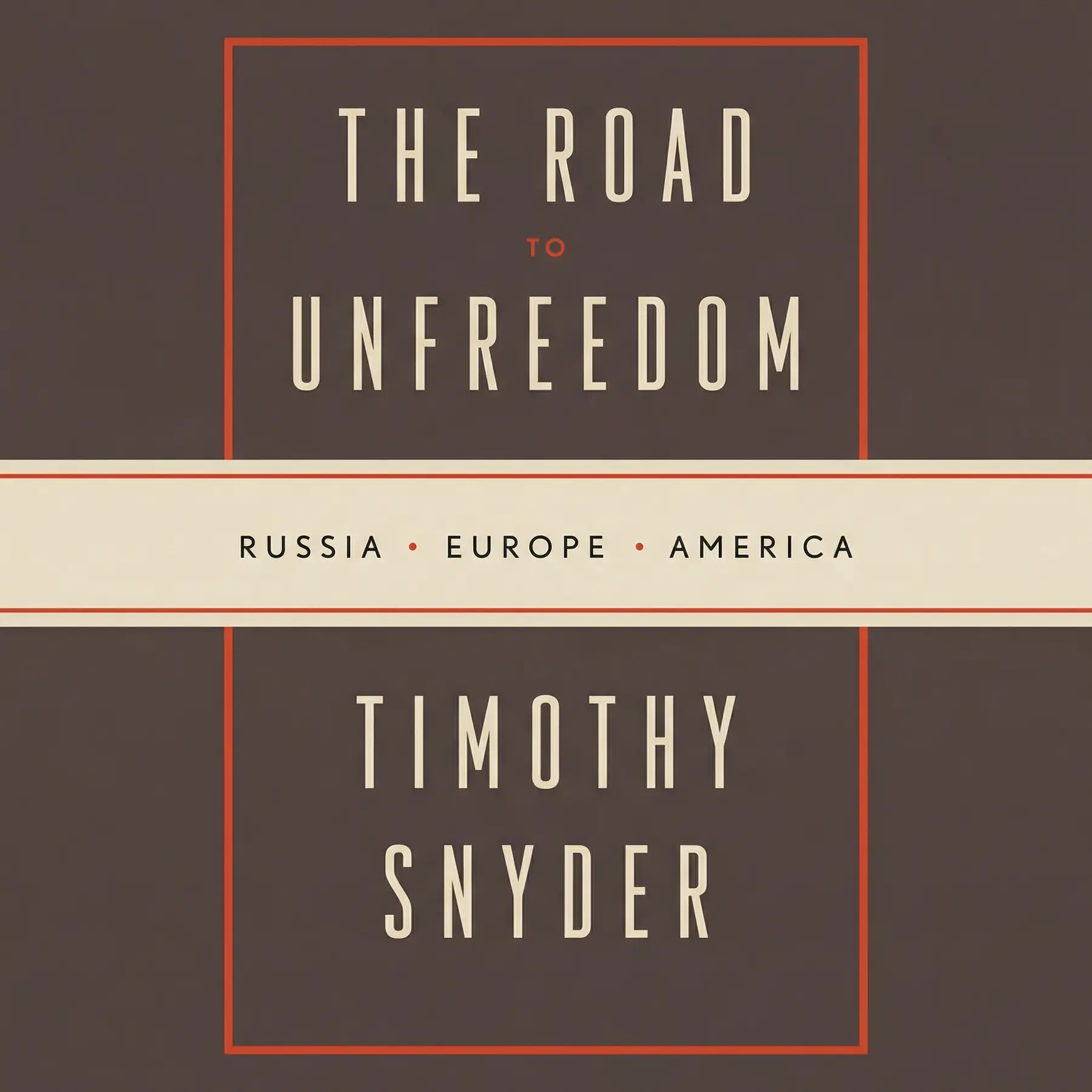
Listeners find the book factually excellent and extensively documented, featuring a lucid writing style that makes it essential reading. Furthermore, they consider it significant, with one listener characterizing it as a thoughtful guide to our times. However, the work draws varied responses regarding its level of alarm, political themes, and accuracy, as some perceive it as frightening while others do not. Finally, listeners hold differing opinions on how well the text explains Russia.
Wow. Snyder has a way of distilling complex political theories into something that feels immediate and, frankly, terrifying. This isn't just a history of modern Russia; it’s a warning about how easily our own perceptions of time and progress can be weaponized against us. The contrast between the "politics of inevitability" and the "politics of eternity" changed how I view the news cycle entirely. While some might find the links to the 2016 election a bit heavy-handed, the intellectual history of figures like Ivan Ilyin is worth the price of admission alone. It’s dense, yes, but the writing remains accessible for anyone willing to put in the effort. If you want to understand why the world feels so fractured, start here.
Show moreAfter hearing Snyder on a podcast, I knew I needed to dive into this, but I wasn't prepared for how unsettling the reality actually is. He meticulously documents how truth is systematically dismantled to pave the way for authoritarianism. The sections on "schizofascism"—where actual fascists call their opponents fascists—are particularly eye-opening and relevant to our current discourse. To be fair, the book is quite frightening because it shows how vulnerable our democratic institutions are to sophisticated cyber warfare and disinformation. It’s a deeply researched piece of scholarship that reads like a political thriller, except every word is backed by facts. My only minor complaint is that the pacing slows down during some of the more obscure philosophical tangents. Essential reading.
Show moreFinally got around to this after seeing it on so many "best of" lists, and it definitely lives up to the hype. Snyder’s prose is sharp and unforgiving. He doesn’t mince words when describing Putin’s regime as fascist, and he provides the receipts to prove it. Personally, I was fascinated by the idea that we’ve moved from a linear sense of progress to a cyclical sense of victimhood. It explains so much of the anger we see on social media every day. The book is definitely scary, but ignoring these trends won't make them go away. A must-read for anyone who cares about the survival of liberal democracy.
Show moreThis book provides a masterclass in how modern autocracies use "fictional problems" to control the masses. Snyder shows how Putin replaced real governance with a series of spectacles designed to keep people in a state of constant emotional agitation. The way the Kremlin uses anti-gay rhetoric as a weapon against Western "decadence" is explained with chilling precision. In my experience, very few authors can weave together high-level philosophy and gritty journalism as effectively as Snyder does here. The book is frighteningly relevant, especially considering the ongoing conflict in Ukraine. It isn’t just about Russia; it’s about the very nature of truth in the digital age. This is the kind of book that changes the way you view the world.
Show moreEver wonder why everything feels so chaotic lately? Snyder argues that it’s a deliberate strategy of "strategic relativism" meant to make us as miserable and cynical as the Russian public. The details on how bots and trolls influenced Brexit and the US election were absolutely eye-opening. Not gonna lie, it's a pretty grim read, but Snyder’s writing is so clear and engaging that I finished it in three days. He manages to make complex ideas like "schizofascism" feel intuitive. To be fair, some sections on 20th-century philosophers are quite heavy, but they provide the necessary foundation for his later arguments. It’s a superb piece of research that acts as a necessary wake-up call for the West.
Show moreThe chapter on the 2014 invasion of Ukraine is arguably the strongest part of the entire book. Snyder explains "strategic relativism" with such clarity that it’s impossible to look at Russian foreign policy the same way again. By making others weaker rather than making themselves stronger, the Kremlin has successfully exported its own instability to the West. I found his analysis of the Trump administration's ties to Russian capital to be quite compelling, though perhaps a bit speculative in certain spots. Look, the book is factually superb, even if you don't agree with every single conclusion the author draws regarding American politics. It demands a high level of concentration, but the reward is a much deeper understanding of our current geopolitical crisis. It’s a heavy lift, but a necessary one.
Show morePicked this up on a whim and found it much more dense than your average political bestseller. Snyder is a historian first, and it shows in his meticulous attention to detail regarding Russian intellectual history. Frankly, some of the philosophical stuff about Ivan Ilyin went over my head at first, but it eventually clicks into place. The way he connects Brexit, Trump, and the war in Ukraine into one cohesive narrative is brilliant, if a bit depressing. I do think he occasionally oversimplifies the internal causes of Western decline by focusing so heavily on external interference. However, his core argument about the death of truth is impossible to ignore. It’s a thoughtful guide to our times that deserves a spot on your shelf.
Show moreAs someone who follows geopolitics closely, I found Snyder's take on the "politics of eternity" to be the most compelling theory I've encountered in years. The book is factually superb, even if some of the connections he draws between different global events feel a bit strained. He is at his best when describing the mechanics of information warfare and the way facts are discarded for "mystique." Truth is, this book is less about specific politicians and more about the erosion of our collective ability to distinguish reality from desire. It’s a deeply researched and important work, even if it leaves you feeling a bit hopeless about the future of the rule of law.
Show moreSnyder is easily the best historian of our time, and this book proves it. He offers an incredibly learned history of how Putin's Russia shifted from the hope of the 90s into a dark, fascist present. The exploration of how Ivan Ilyin’s ideas were rehabilitated is fascinating and provides a crucial backdrop to the 2022 invasion. My only real issue is that the tone can be almost overwhelmingly bleak at times, which might turn off some readers. Still, the analysis of "strategic relativism" is a must-read for anyone trying to make sense of the current international order. It’s a factually superb guide that challenges you to be a more active and discerning citizen. Don't skip the footnotes!
Show moreNot what I expected. While the historical research into the Russian state is undeniably impressive, I felt the second half of the book leaned too heavily into partisan territory. Snyder is a brilliant scholar, but his desire to link every modern ill to Russian influence felt a bit reductive at times. Gotta say, I was hoping for more of a balanced look at domestic failures in the US and EU rather than seeing them mostly as victims of cyberwar. That being said, his definitions of "inevitability" and "eternity" are groundbreaking and help explain the current vibe of political despair. It’s a well-written book, but I would suggest reading it alongside other perspectives to get a more rounded view of the situation.
Show more
Miles Taylor
Tracy Rosenthal
Jessica Valenti
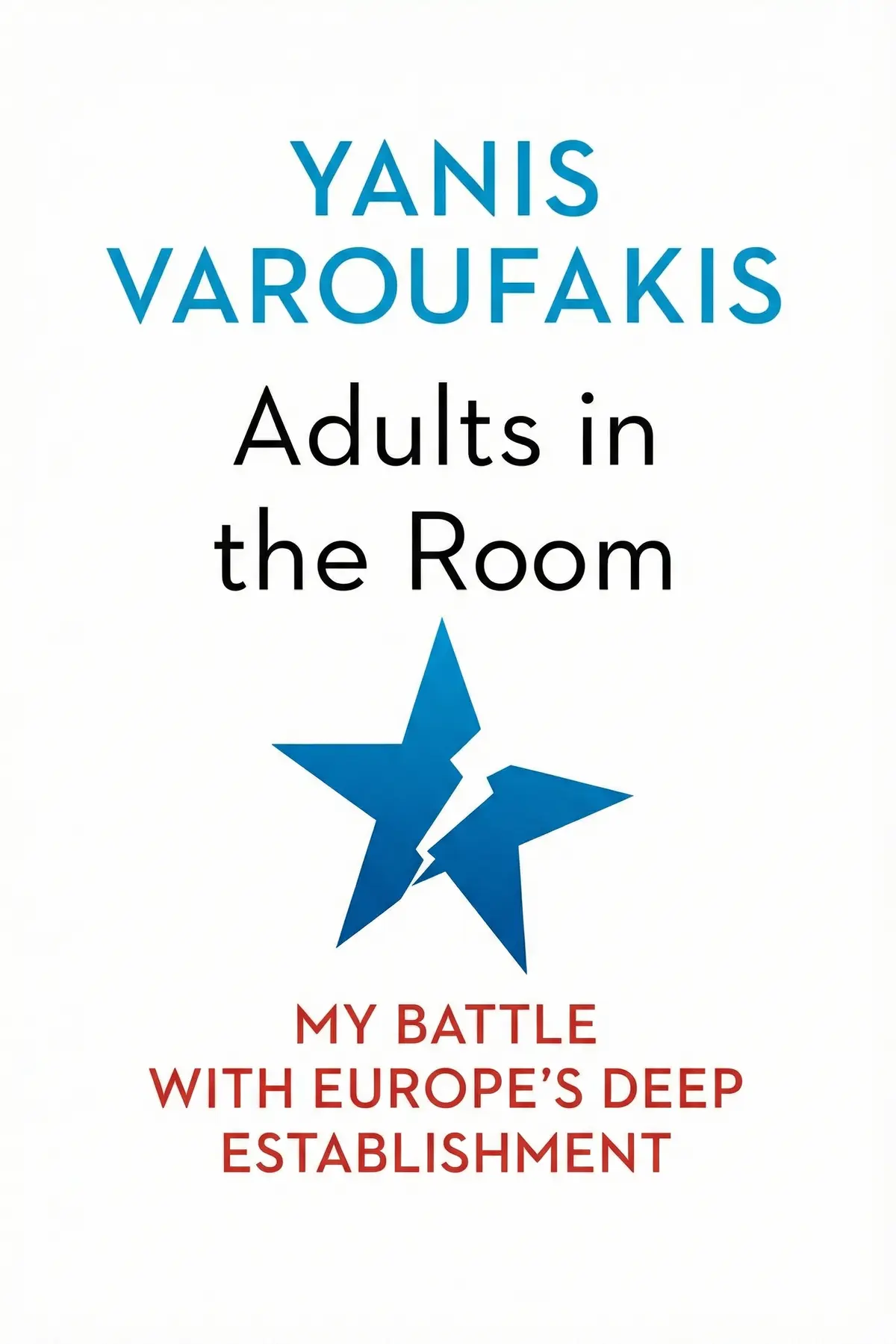
Yanis Varoufakis
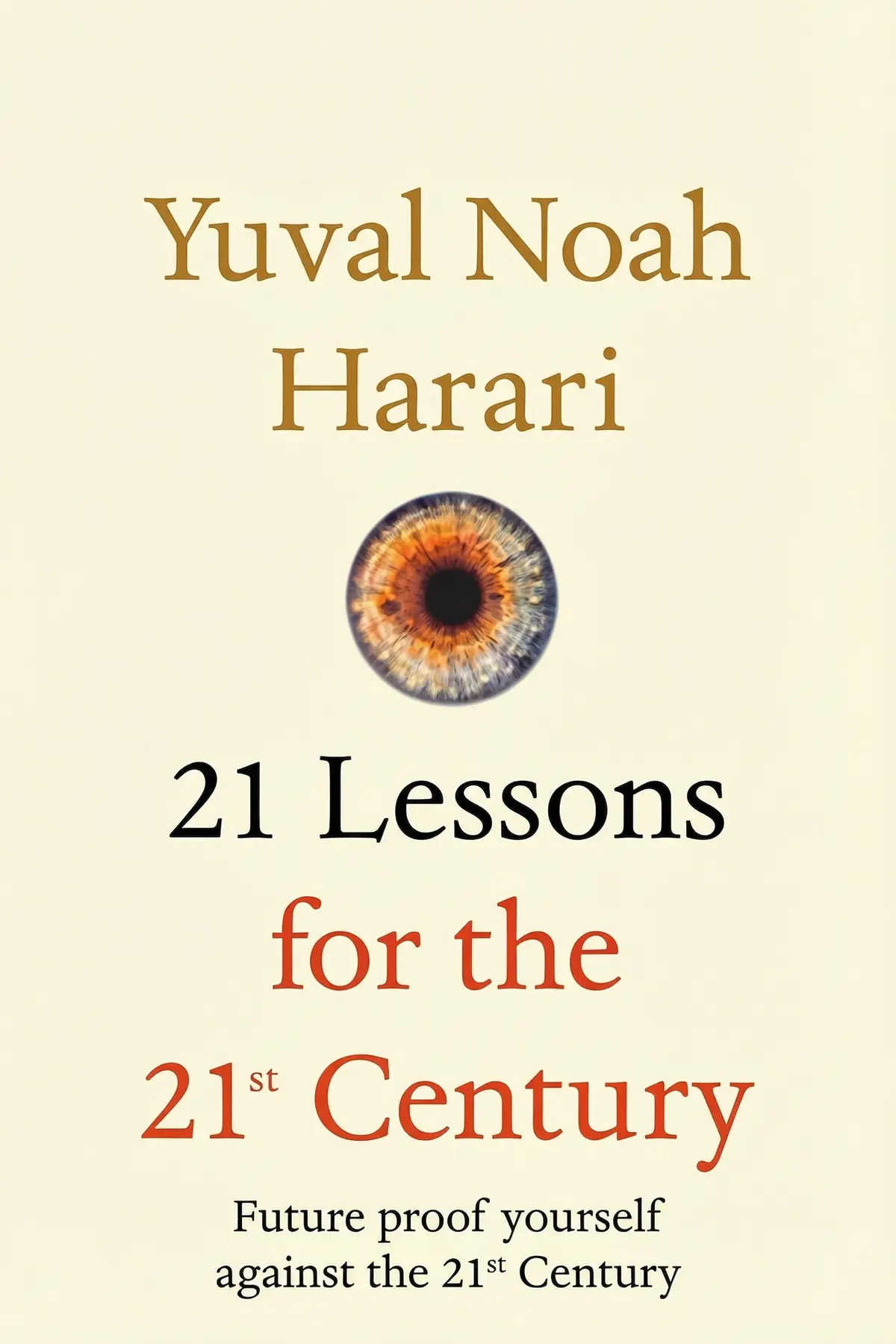
Yuval Noah Harari
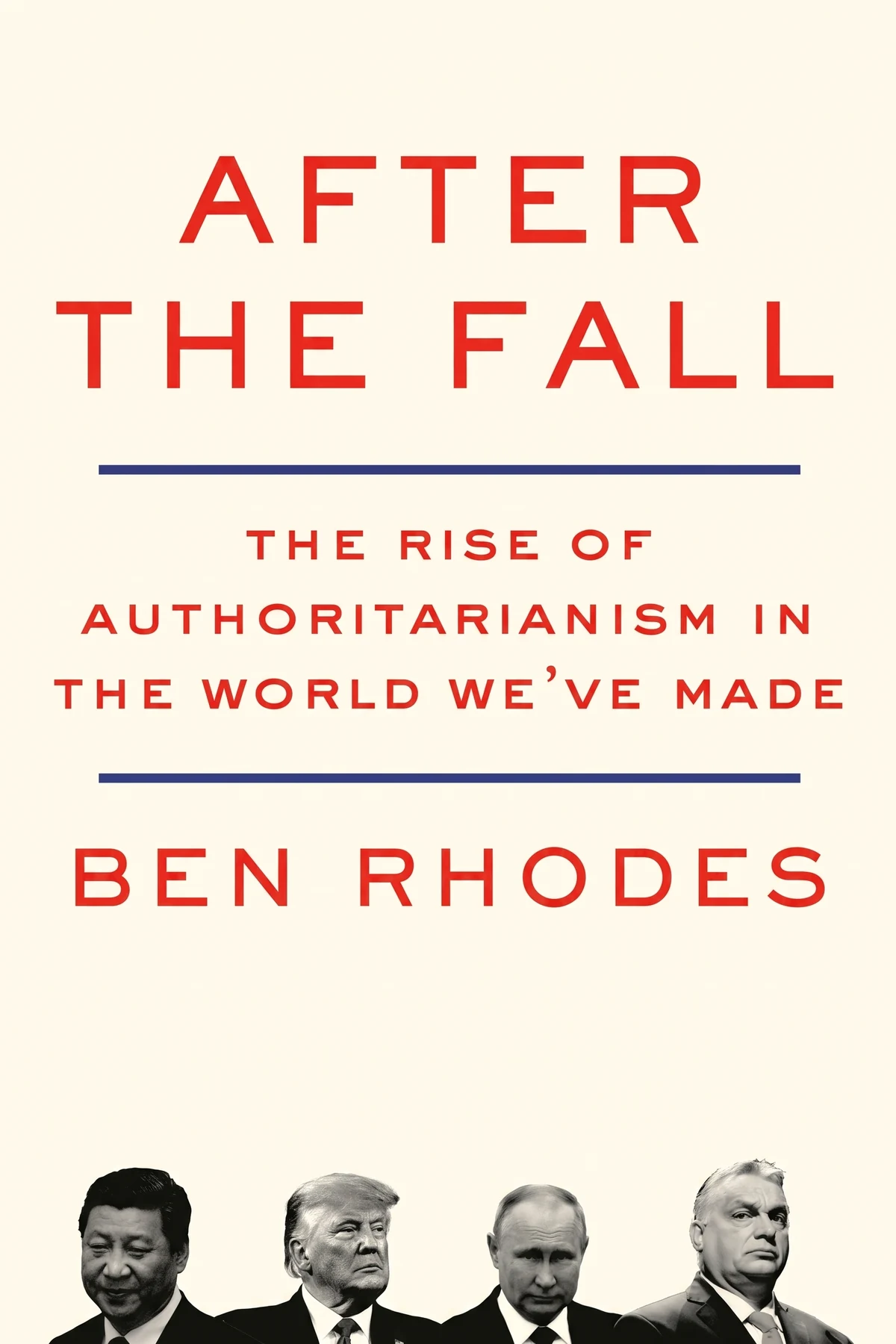
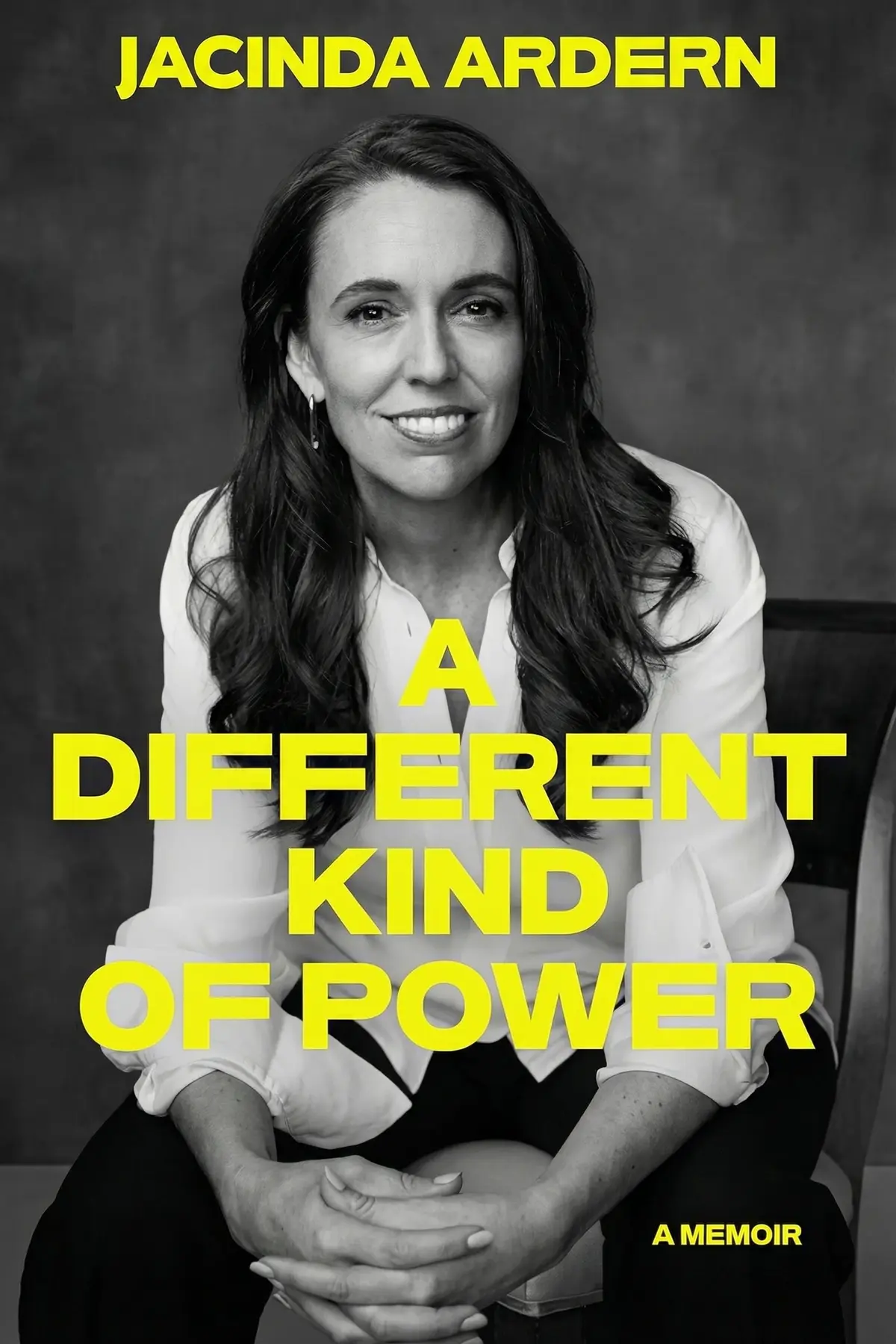
Jacinda Ardern
AUDIO SUMMARY AVAILABLE
Get the key ideas from The Road to Unfreedom by Timothy Snyder, plus 5,000+ more titles in English and Thai.







