
On Freedom
Timothy Snyder
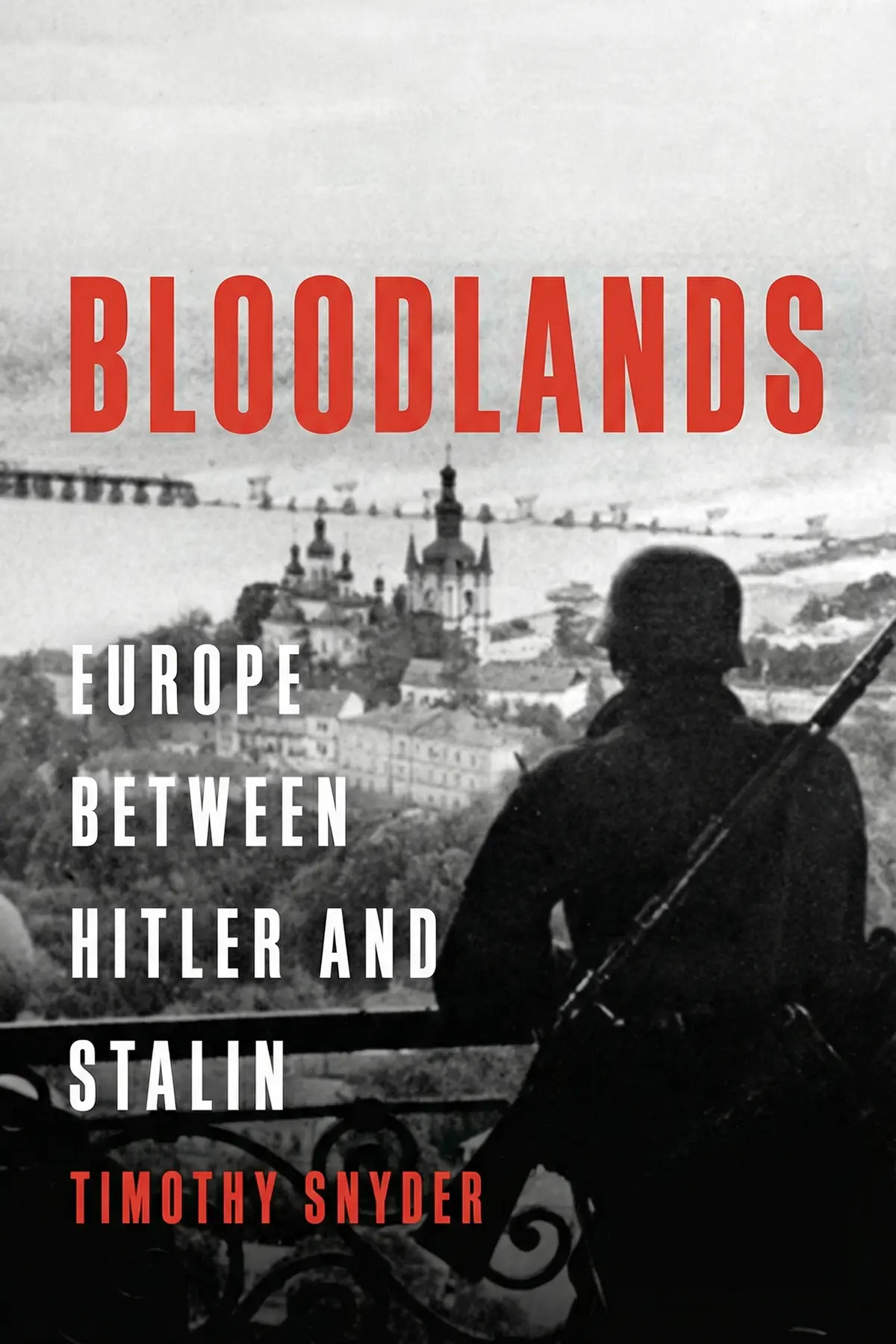
Bloodlands reveals the harrowing history of Eastern Europe between 1933 and 1945, where the dual terrors of Stalin and Hitler resulted in the mass murder of fourteen million innocent civilians.
2 min 01 sec
When we look back at the devastation of the twentieth century, our collective memory often settles on the battle lines of World War II or the liberated gates of concentration camps. But there is a darker, often overlooked geography of tragedy that exists between the borders of Berlin and Moscow. This territory, which Timothy Snyder identifies as the ‘bloodlands,’ served as the primary stage for the greatest human catastrophes in modern history. It is here, in the lands that today comprise Poland, Ukraine, Belarus, and the Baltic states, where the two most murderous regimes of the era—Stalin’s Soviet Union and Hitler’s Nazi Germany—intersected with lethal consequences.
Between 1933 and 1945, approximately fourteen million people were murdered in this region. Crucially, these were not soldiers dying in combat, but civilians and prisoners of war who fell victim to deliberate policies of mass killing. To understand the history of Europe is to understand what happened on this specific soil. It wasn’t just a matter of two dictators fighting a war; it was a period where human life was devalued to the point of extinction for the sake of radical ideologies and imperial expansion.
In this summary, we will trace the chronological and thematic layers of this violence. We’ll begin with the state-sponsored famines of the early 1930s and move through the targeted purges of ethnic minorities and social classes. We will see how the unexpected alliance between Hitler and Stalin in 1939 catalyzed the destruction of the Polish state and how their subsequent clash in 1941 turned the region into a charnel house. Finally, we will explore the evolution of the Holocaust and the brutal post-war ethnic cleansings that finalized the map of the modern East. This throughline reveals a terrifying truth: the horrors of the Nazi and Soviet regimes were not isolated incidents, but were deeply interconnected, each feeding off and reacting to the other in a spiral of inhumanity.
2 min 47 sec
Discover how a state-mandated transition to communal farming transformed one of Europe’s most fertile regions into a site of unprecedented mass starvation.
2 min 34 sec
Explore the paranoid logic of the Soviet purges, where labels like ‘kulak’ or ‘spy’ became death sentences for hundreds of thousands.
2 min 17 sec
Witness the shocking alliance between ideological enemies that trapped Poland in a pincer movement and initiated the total collapse of its sovereignty.
2 min 22 sec
Follow the shadow of the Soviet secret police as they systematically dismantled the social fabric of Eastern Poland through deportation and execution.
2 min 21 sec
Examine the early stages of the Nazi occupation of Poland, where dehumanization was transformed into a visible, public policy of isolation and slow death.
2 min 22 sec
Analyze the turning point of the war when Germany invaded the Soviet Union, unleashing a policy of intentional starvation that claimed millions of lives.
2 min 17 sec
Follow the dark evolution of Nazi policy as it moved from the displacement of Jewish populations to their systematic, industrialized extermination.
2 min 17 sec
Understand the tragic dilemma of the bloodlands’ inhabitants, where fighting back against one occupier often meant inadvertently aiding another.
2 min 26 sec
Witness the final act of the bloodlands tragedy, as the defeat of Nazi Germany brought not peace, but a new wave of Soviet-led ethnic cleansing and border shifts.
1 min 48 sec
The history of the bloodlands is not merely a chronicle of two separate regimes committing atrocities; it is a story of how those regimes interacted within a specific space to produce a unique and concentrated form of human suffering. Between the early 1930s and the aftermath of World War II, fourteen million people were killed in this region through deliberate policies of famine, terror, and industrialized genocide. This staggeringly high number represents a loss that reshaped the cultural, social, and political fabric of Europe forever.
By examining the shared geography of Stalin and Hitler’s victims, we move beyond a simplified view of the war. We begin to see that the atrocities committed by the Nazis and the Soviets were often reactionary and mutually reinforcing. Stalin’s famine set the stage for later Nazi hunger policies; the destruction of the Polish state by both powers created a lawless zone where the Holocaust could be carried out at an industrial scale. The ‘bloodlands’ were not a peripheral theater of war, but the very heart of the twentieth century’s darkness.
The ultimate lesson of Timothy Snyder’s work is the importance of recognizing the human lives behind the statistics. In a world of competing ideologies and grand political plans, it is the individual caught in the middle who pays the highest price. As we remember the millions who died in the fields of Ukraine, the ghettos of Poland, and the forests of Belarus, we are reminded of the fragility of civilization and the terrifying potential of state power when it is untethered from human rights. The throughline of the bloodlands is a call to vigilance, urging us to understand the mechanisms of mass murder so that we may better recognize and prevent them in the future. The map of Europe was written in blood, and it is our responsibility to read it with clear eyes and a commitment to the memory of those who were silenced.
This exploration of mid-twentieth-century history shifts the focus from the battlefields of World War II to the specific geographic region Timothy Snyder calls the bloodlands. This area—encompassing modern-day Poland, Ukraine, Belarus, and the Baltic states—was the site of unprecedented mass killing perpetrated by two of history’s most brutal regimes: the Soviet Union under Joseph Stalin and Nazi Germany under Adolf Hitler. Through a meticulous examination of policy and consequence, the book promises to contextualize the atrocities not as separate events, but as an interactive cycle of violence. Listeners will gain a deeper understanding of the Holodomor in Ukraine, the Great Terror in the Soviet Union, the Holocaust, and the ethnic cleansings that reshaped Europe’s borders forever. It is a sobering account of how ideology and totalitarian power transformed fertile lands into a vast cemetery for millions caught in the middle.
A professor at Yale University, Timothy Snyder specializes in European history and the Holocaust and has written several award-winning books, including The Reconstruction of Nations and The Red Prince.
Timothy Snyder
Timothy Snyder
Timothy Snyder
Timothy Snyder
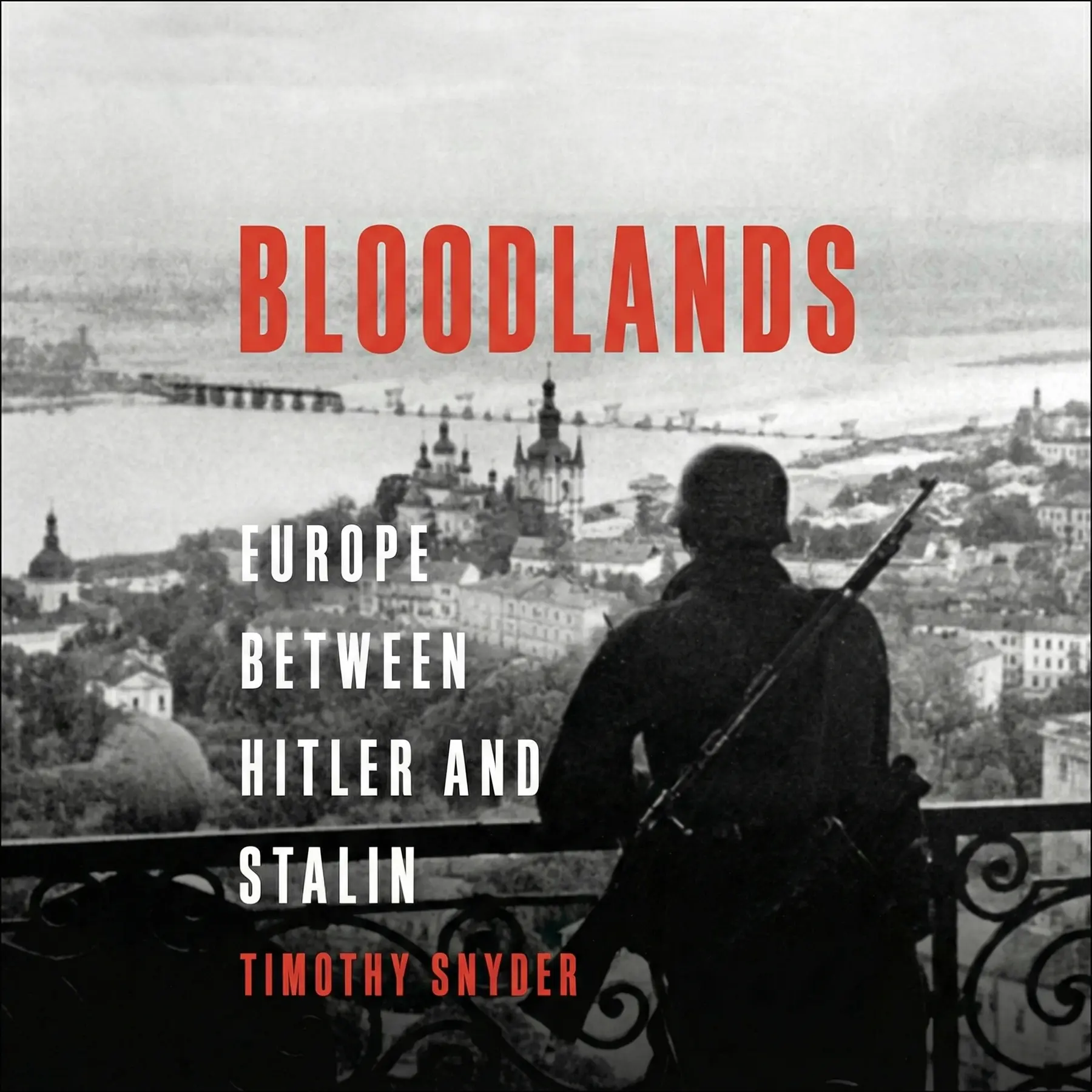
Listeners find this book to be indispensable reading, commending its thoroughly investigated material filled with incredible data and background details. They appreciate its significance as a superb chronicle of Eastern Europe during the Second World War, with one listener pointing out how it thoroughly covers vital subjects. The prose is remarkably polished, as one review highlights the inclusion of diverse original sources, and listeners value the intimate accounts from those who survived. The book draws a range of responses regarding its emotionally devastating subject matter.
Finally got around to finishing this, and I feel like I need a long walk in silence. Snyder takes the familiar narrative of WWII and completely shifts the lens toward the territory between Berlin and Moscow. The sheer scale of the statistics he provides is staggering, especially regarding the deliberate starvation of millions in Ukraine. This isn't just a military history; it's a profound examination of how two totalitarian regimes turned human beings into mere numbers. To be fair, the density of the data can be overwhelming at times, but it’s necessary to grasp the magnitude of the tragedy. Every chapter feels like a heavy weight, yet the prose is so well-crafted that you can’t look away. It’s an essential, if deeply painful, record of 14 million lives lost.
Show moreEver wonder why Eastern European politics are so fraught with historical trauma? Snyder provides the most comprehensive answer I’ve ever encountered. He masterfully weaves together the crimes of Hitler and Stalin, showing how they fed off each other’s brutality in a deadly dance across Poland and Ukraine. The accounts of the Warsaw Uprisings were especially moving, highlighting a level of resistance that is often overshadowed in American textbooks. Not gonna lie, I had to put the book down several times just to breathe because the descriptions are so vivid and bleak. The scholarship here is absolutely top-tier, pulling from archives that were inaccessible for decades. It is a haunting, masterful work of history that stays with you long after the final page.
Show moreAs someone who grew up hearing snippets of family stories from the war, reading this felt like finally seeing the whole, terrifying map. Snyder doesn't just list dates; he connects the ideological motivations of the NKVD and the SS to the actual ground where people lived and died. The distinction he makes between the concentration camps we know and the death pits of the East is a crucial historical correction. Frankly, the writing is beautiful in a tragic way, balancing cold hard facts with a deep sense of moral urgency. It is rare to find a history book that is both a rigorous academic achievement and a deeply personal lament for the dead. This should be required reading in every university.
Show moreThe chapter on the Soviet Famines is one of the most harrowing pieces of non-fiction I have ever read in my life. Snyder’s ability to take massive, incomprehensible numbers—like 3.3 million dead—and ground them in individual tragedies is what makes this book stand apart. He meticulously documents how Stalin used food as a weapon long before Hitler began his own campaign of extermination. This book is a masterpiece of research, drawing on sources from across the former Soviet bloc to tell a unified story of the Bloodlands. Got to say, the writing style is exceptionally clear despite the complexity of the political maneuvers being described. It’s a heartbreaking journey, but ignoring this history is simply not an option for an informed citizen.
Show moreAfter hearing Timothy Snyder speak in an interview, I knew I had to pick this up, and it exceeded every expectation. The way he challenges our traditional understanding of the Holocaust—reminding us that most victims never even saw a camp—is a total paradigm shift. He brings the forgotten sites like Babi Yar and Treblinka into sharp, painful focus. The scholarship is astounding, yet the narrative flows with the urgency of a witness testimony. In my experience, very few books manage to be this objective while still carrying such immense emotional weight. It is a monumental achievement that honors the dead by finally telling their stories with the precision they deserve.
Show moreTruly, this is the definitive account of how the mid-century's two great tyrannies collided on a single, tragic patch of earth. Snyder avoids the trap of simply comparing Hitler and Stalin; instead, he shows how their policies interacted to create a zone of unprecedented killing. His use of varied original documents—from secret police files to scrap-metal diaries—builds a panoramic view of the tragedy. To be fair, the sheer volume of names and locations can be taxing, but that serves to emphasize the scale of the loss. The prose is lean and muscular, refusing to look away from the most uncomfortable truths of our shared human history. It’s a heavy book, both physically and emotionally, but absolutely vital.
Show moreThis book is a gut-punch that demands your full attention. While I've studied the Holocaust before, Snyder’s focus on the 'Bloodlands' specifically reveals how much the Western perspective often misses about the Eastern Front. I found the section on the 'Hunger Plan' and the Soviet famines particularly eye-opening and horrifying. He utilizes a vast array of original documents from multiple languages, which adds a layer of authenticity and depth that few other historians achieve. Look, it’s not an easy read by any stretch of the imagination, and the repetitive nature of the atrocities can feel numbing after 400 pages. However, the way he humanizes the victims through personal letters and diaries prevents them from becoming mere casualties. A necessary addition to any history buff's shelf.
Show moreNot what I expected, but incredibly important. I thought this would be a standard WWII history, but it’s much more about the civilian experience and the systematic destruction of entire cultures. The truth is, most of us in the West have a very sanitized view of what happened in the East. Snyder uses original documents to show the 'Hunger Plan' in all its calculated evil. My only minor gripe is that the map-heavy sections can get confusing if you aren't already familiar with the changing borders of the 1930s. Still, the statistics regarding the death toll in the Belarus marshes are absolutely astounding. It's a dark, essential read for anyone trying to understand the 20th century.
Show morePicked this up because of the rave reviews, and while the research is undeniable, I struggled with the structure. Snyder focuses so much on the 'Bloodlands' as a geographic concept that the broader context of the global war sometimes feels lost in the shuffle. It's an incredibly dense read, and the constant barrage of statistics—while impressive—eventually started to feel repetitive. I found myself skimming some of the middle sections on the partisan warfare in Belarus just because the tone was so consistently grim. That said, the personal accounts from survivors are the book's strongest point and provided much-needed grounding. It’s a significant historical work, but perhaps more for the academic than the casual reader.
Show moreWow, I really wanted to appreciate the scholarship here, but I found the experience utterly draining in a way that didn't feel productive. While I respect the immense research Snyder put into these 14 million stories, the relentless focus on suffering without any narrative 'hope' made it a slog to get through. The book is essentially a 500-page list of massacres, and the academic tone sometimes feels too detached from the visceral horror of what's being described. I also felt that some of his comparative arguments between the Nazis and Soviets were a bit strained. If you want a dry, data-driven account of mass murder, this is it, but I personally found it lacked the human spark I look for in history.
Show more
William J. Bernstein
Ben Macintyre
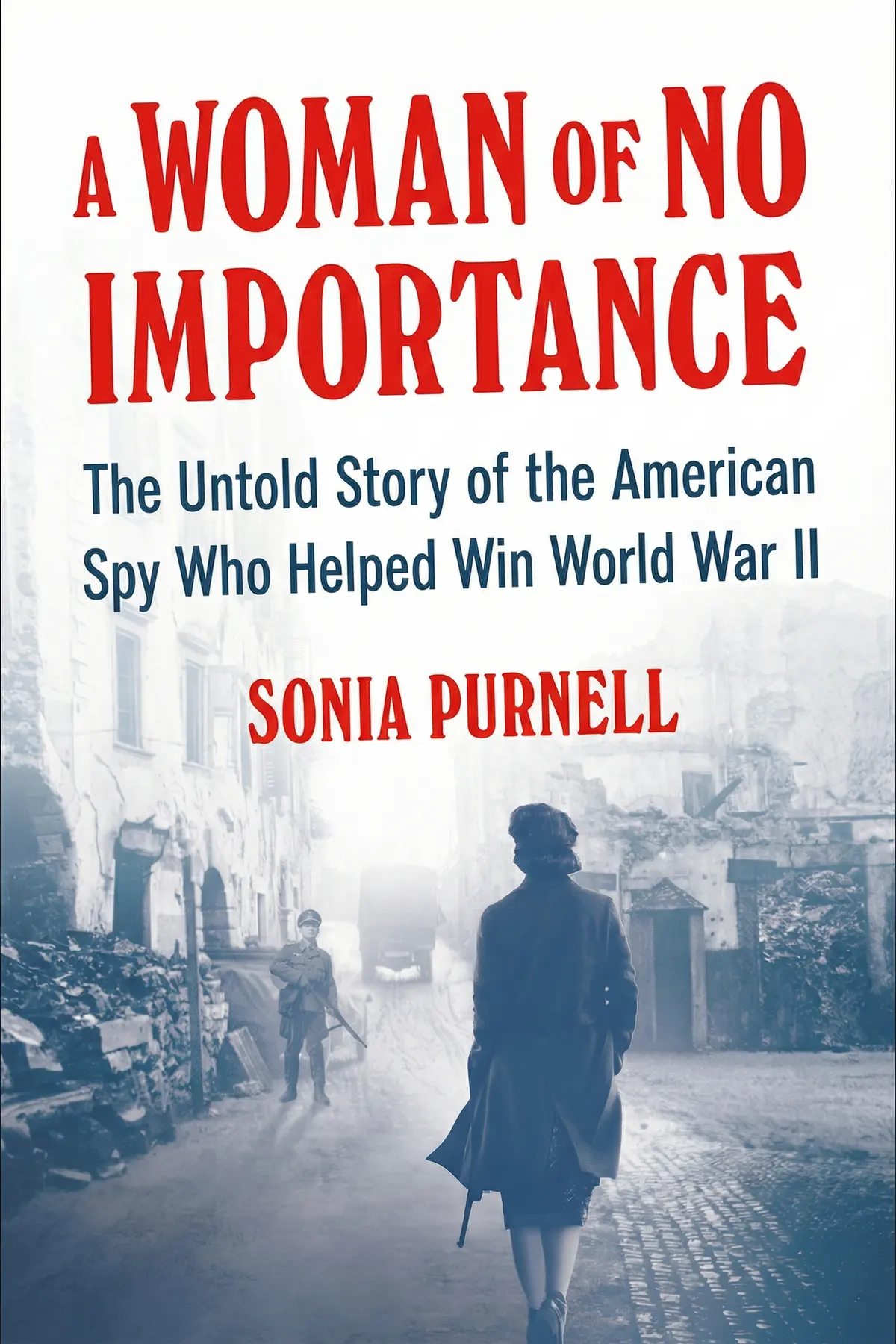
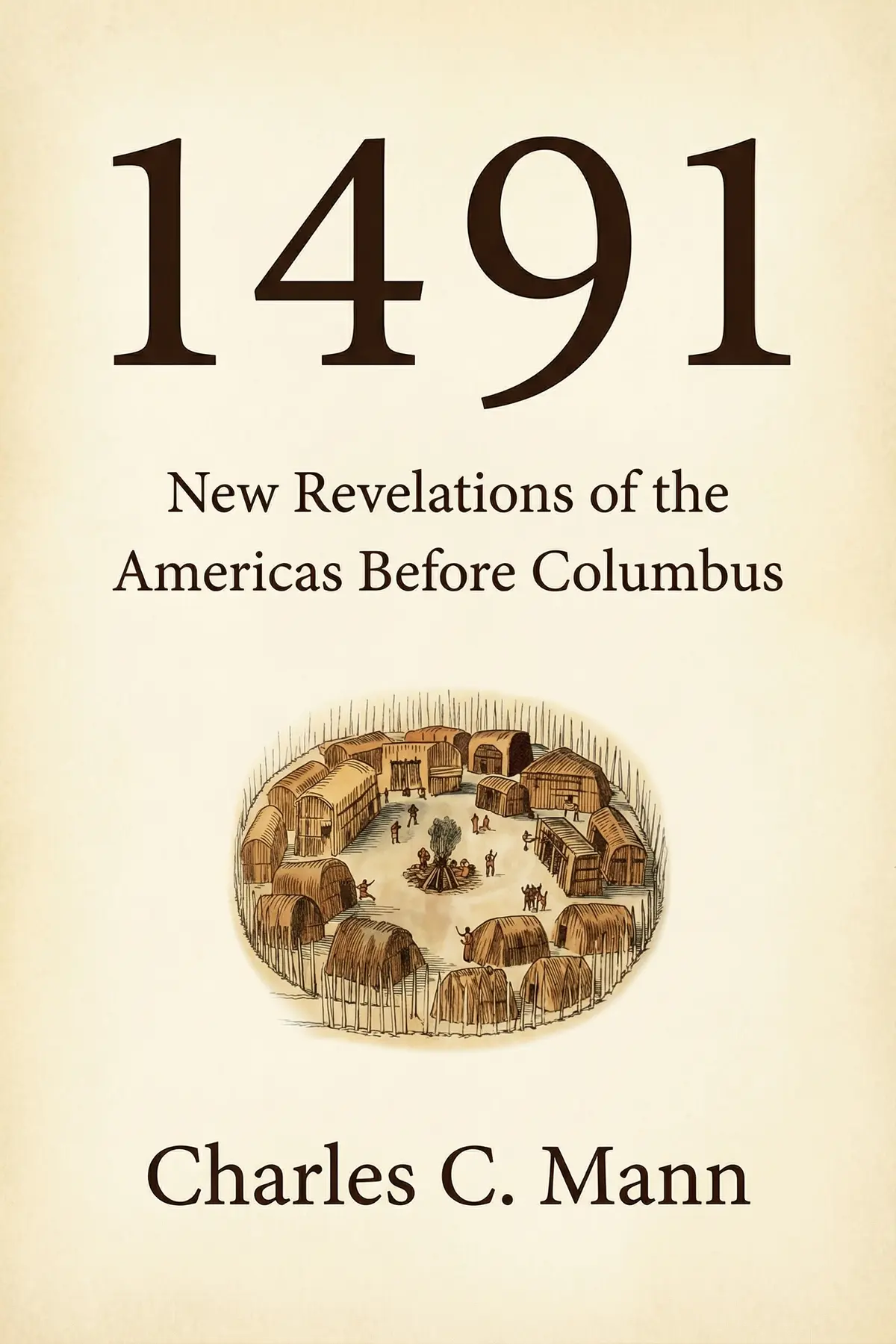
Charles C. Mann
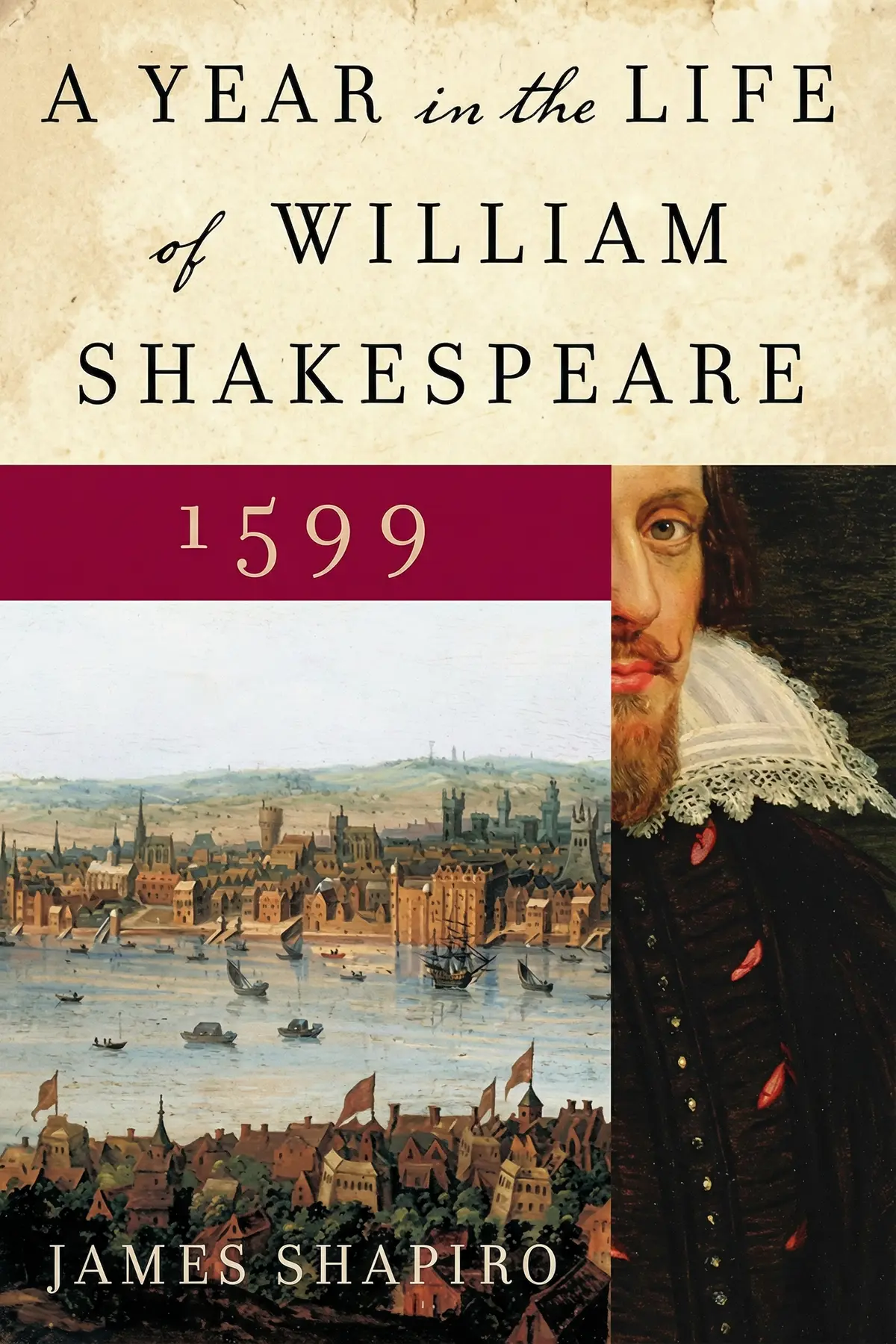
James Shapiro
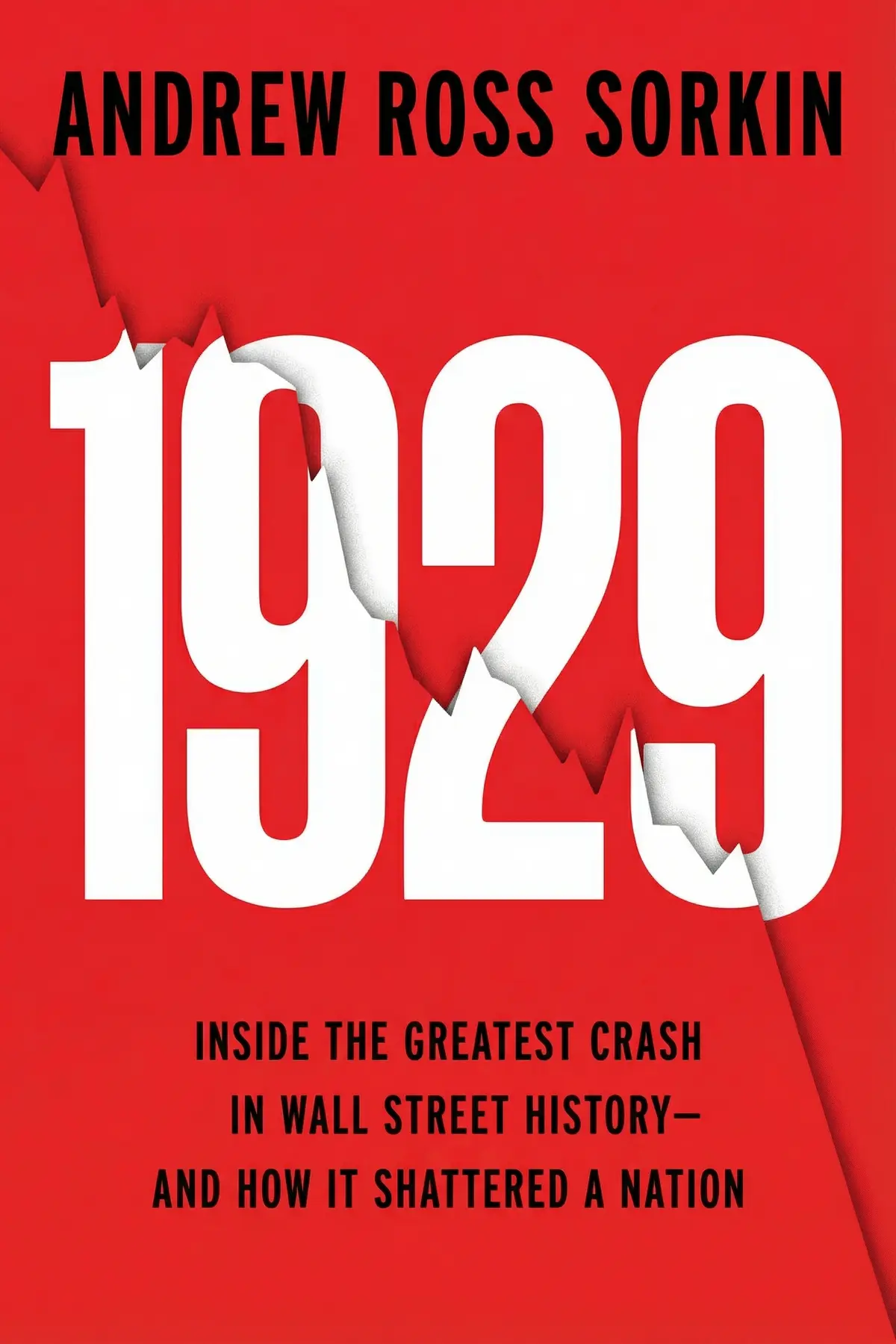
Andrew Ross Sorkin
AUDIO SUMMARY AVAILABLE
Get the key ideas from Bloodlands by Timothy Snyder, plus 5,000+ more titles in English and Thai.







