
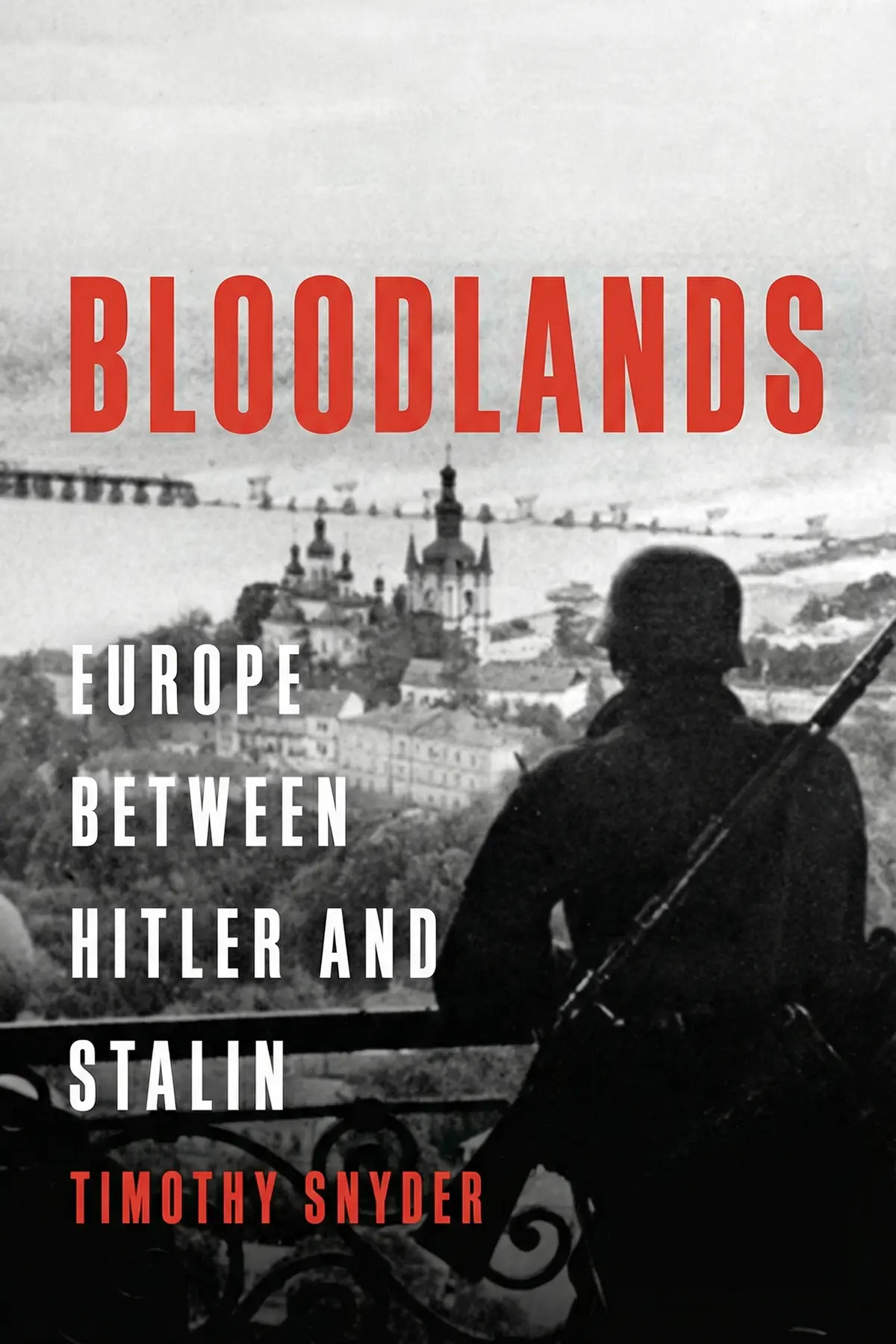
Bloodlands: Europe Between Hitler and Stalin
Timothy Snyder
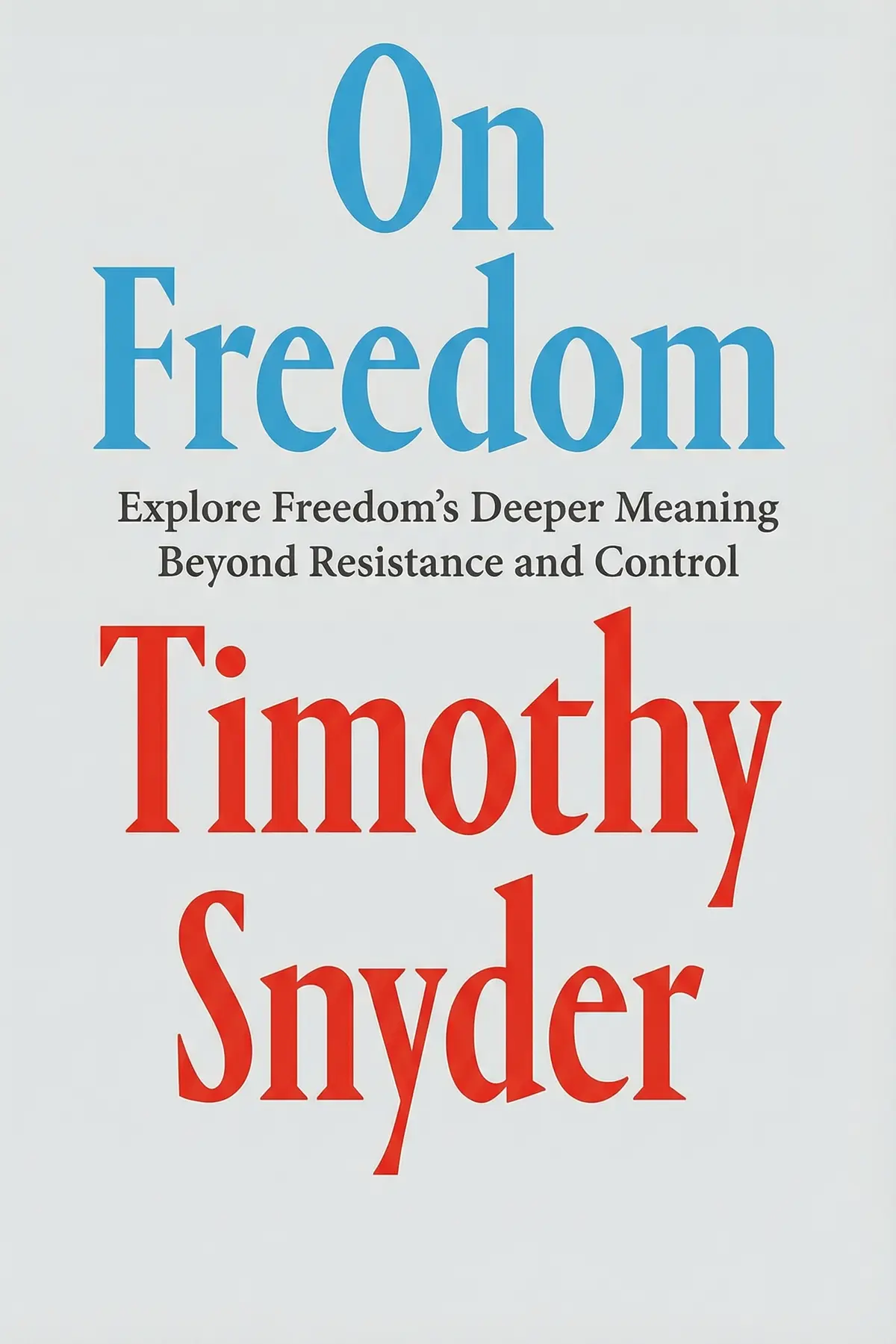
On Freedom redefines liberty not as the absence of government, but as a collective, active creation. Timothy Snyder explores five pillars essential for a thriving democracy and a meaningful individual life.
2 min 06 sec
Think back to the year 1976. For many Americans, that year was a grand celebration of liberty. It was the bicentennial of the United States, a moment where the story of a nation born in freedom was told with pride and conviction. As a young boy, Timothy Snyder was part of those celebrations, absorbing the myth that the Liberty Bell in Philadelphia had rung out in 1776 to announce the birth of a free people. It was a simple, powerful narrative: America was, and always would be, the land of the free.
However, as Snyder grew and his understanding of history deepened, he realized the story was far more complex. The Liberty Bell didn’t actually ring in 1776. More importantly, its significance wasn’t a static piece of the past; it was a symbol claimed by those who were distinctly unfree—slaves navigating the Underground Railroad and women marching for the right to vote. This realization shifted his perspective. Freedom wasn’t just a gift handed down from the founders; it was something people had to fight for, define, and build for themselves.
In the decades that followed, Snyder’s work as a historian in Eastern Europe and Russia during the collapse of the Soviet Union provided him with a front-row seat to the birth and death of political systems. He saw firsthand how easily people can slip from the hope of liberty into the grip of new forms of oppression. He began to ask: What are the actual conditions that allow a person to be free? Is it enough to just be left alone, or does freedom require something more substantial?
In this exploration of On Freedom, we are going to dive into a radical reimagining of what it means to live a liberated life in the twenty-first century. We will move past the idea that freedom is simply the absence of rules and look at it as a positive, creative force. We’ll explore five essential pillars—sovereignty, unpredictability, mobility, factuality, and solidarity—that form the architecture of a truly free society. By the end, you’ll see why freedom is not an individual possession, but a collective achievement that requires our constant attention and care.
2 min 20 sec
Discover why the simple absence of oppression isn’t enough to make a person truly free and how we must build the structures for a meaningful life.
2 min 04 sec
Explore the philosophical difference between seeing others as objects versus living beings and how this distinction forms the bedrock of personal autonomy.
1 min 50 sec
Learn how modern technology and algorithms are quietly eroding our freedom by making our choices more certain and less uniquely human.
2 min 05 sec
Investigate why economic inequality and the myth of the ‘free market’ have stalled the promise of advancement for millions.
2 min 00 sec
Understand why the pursuit of objective truth is not just a scientific necessity but a fundamental requirement for a free society.
1 min 51 sec
See why freedom can never be a solo journey and why looking out for one another is our best defense against dehumanization.
2 min 06 sec
Discover practical ways the government can transition from a passive observer to an active architect of human potential.
1 min 42 sec
As we wrap up our journey through Timothy Snyder’s On Freedom, it’s clear that our traditional understanding of liberty is in need of an upgrade. For too long, we have been told that being free simply means being left alone. But a person who is alone, disconnected, and without resources is not free—they are vulnerable.
To be truly free in the twenty-first century, we must embrace the five pillars we’ve discussed. We need sovereignty to know who we are, unpredictability to keep our lives our own, mobility to pursue our dreams, factuality to understand our world, and solidarity to protect one another. These aren’t just abstract concepts; they are the practical requirements for a meaningful life.
The throughline of Snyder’s work is a call to action. Freedom is not a destination we have already reached; it is a direction we must constantly choose to move toward. It requires us to be active participants in our democracy, to be skeptical of digital manipulation, and to be compassionate toward our fellow citizens.
What can you do starting today? You can begin by reclaiming your own unpredictability—step away from the screen and engage in an unplanned conversation. You can support factuality by subscribing to local news or verifying information before you share it. And you can practice solidarity by looking for ways to support the structures in your community that help others thrive.
Freedom is a collective endeavor. It is the work of many hands over many generations. By recognizing that our liberty is bound up with the liberty of those around us, we can stop simply reacting to the world and start building the one we actually want to live in. The future is not inevitable; it is something we create together, one free choice at a time.
What does it truly mean to be free? In this exploration, historian Timothy Snyder challenges the common American assumption that freedom is simply the absence of external restraint. Instead, he argues that true liberty is a positive force—something that must be built through social structures, shared truth, and mutual responsibility. The book outlines five essential elements: sovereignty, unpredictability, mobility, factuality, and solidarity. By examining history, philosophy, and contemporary politics, Snyder illustrates how our current obsession with 'freedom from' government has actually left us more vulnerable to manipulation and inequality. He offers a vision for the future where freedom is an active, ongoing project supported by healthy institutions and a commitment to one another. It is a call to move beyond the politics of inevitability and rediscover our power to shape the world.
Timothy Snyder is an American historian and professor at Yale University. He is widely recognized for his expertise in the history of Central and Eastern Europe, the Holocaust, and the rise of totalitarianism. Snyder is the author of several acclaimed books, including Bloodlands and On Tyranny. His work frequently emphasizes the vital importance of democracy, individual responsibility, and historical awareness in navigating modern political challenges.
Timothy Snyder
Timothy Snyder
Timothy Snyder
Timothy Snyder
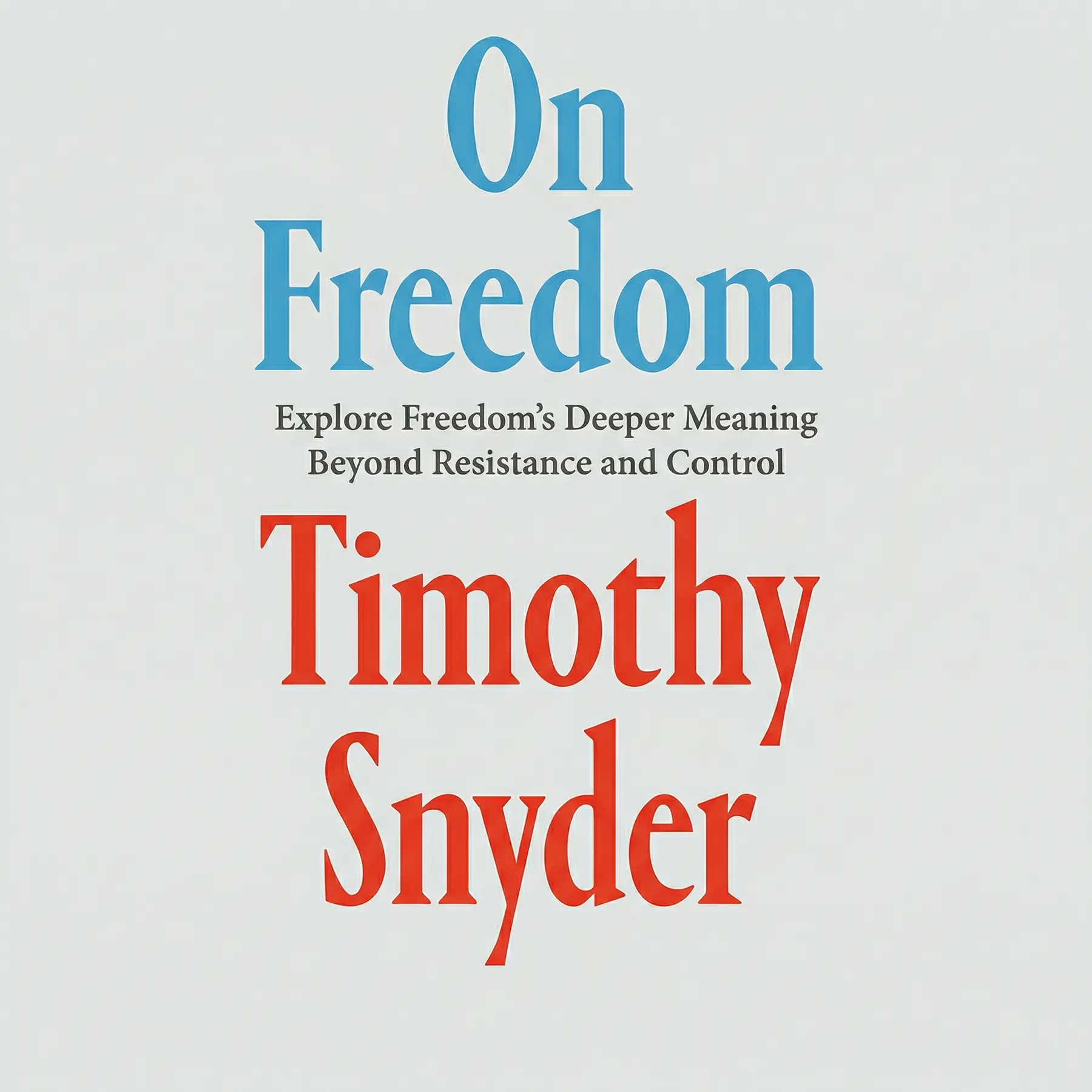
Listeners find this book a vital read, commending its deep research and successful effort to characterize freedom. The way it is written gets favorable reviews, with one listener mentioning its accessible language, and listeners value its reflective tone and ideas regarding building democratic states. Although listeners perceive the work as an easy read, views on its readability are mixed.
Timothy Snyder has a way of distilling complex political philosophy into something that feels urgently personal. While many of us grew up thinking of freedom simply as the absence of government overreach—the "negative freedom" he describes—this book pivots toward a much more robust, "positive" definition. It’s about the capacity to actually choose and create a life worth living. I found the five pillars of sovereignty, unpredictability, mobility, factuality, and solidarity to be incredibly helpful frameworks. Honestly, the chapter on solidarity moved me to tears. He argues that we cannot be truly free if we are isolated or if we view our neighbors as threats to our own "slice of the pie." It’s a dense read at times, but the message about democratic nation-building is vital for our current moment. This isn't just another history book; it’s a manual for how to be a citizen in the 21st century.
Show moreFinally, a book that dares to define what we are actually fighting for, rather than just what we are fighting against. Snyder’s breakdown of "positive freedom" is the most refreshing thing I’ve read in years. We’ve become so used to the idea that freedom is just being left alone, but he shows how that leads to isolation and eventually, the rise of "strongmen." The way he links factuality to freedom is particularly brilliant—you can’t be a free agent if you can’t agree on what is real. I loved the emphasis on mobility and how a stagnant society is a vulnerable one. It’s a thoughtful, deeply researched call to action that doesn't shy away from the moral responsibility we owe to one another. If you’re feeling cynical about the state of democracy, this is the perfect antidote. It’s simple enough to follow but deep enough to keep you thinking for weeks.
Show moreAfter finishing the final chapter, I felt a strange sense of relief. For so long, the word "freedom" has been hijacked by people who use it to justify being selfish or cruel. Snyder takes the word back. He explains that true liberty isn't about throwing the "pie" away so no one else can have a piece; it’s about making sure the pie is big enough and accessible enough for everyone to flourish. His writing is elegant, and despite the heavy subject matter, there’s an underlying sense of hope. He doesn't just point out the cracks in our system—like our capitulation to banks—he offers a blueprint for democratic nation-building. It’s the kind of book you want to buy for every person you know who is tired of the shouting matches on cable news. Truly a masterpiece of modern political thought.
Show moreThe chapter on unpredictability changed my entire perspective on social media. Snyder argues that when we become predictable, we become easy to control, which is the exact opposite of being free. It’s a profound realization. This book is a massive undertaking, covering everything from the Founding Fathers to the ecological impact of our internet usage. I was particularly struck by his "freedom to" vs. "freedom from" distinction. It explains so much of the political divide in America today. While some might find his personal stories about his health or his time in Europe a bit much, I thought they added a necessary human element to the high-level philosophy. He’s telling us that freedom isn't an abstract concept; it’s something that happens in our actual, physical bodies. Essential reading for 2024 and beyond.
Show moreEver wonder why we feel so stuck despite living in a "free" country? Snyder’s latest work provides the answer by looking at the foundations of our democracy. He moves beyond the usual talking points to discuss how mobility and factuality are the literal precursors to a free life. If you can’t move to a new job or if you can’t tell what’s true on the news, are you really free? I love that he doesn't just blame one side of the political aisle; he looks at the systemic ways we’ve allowed our autonomy to be eroded by both the state and massive corporations. The writing is accessible but never feels like it's "dumbing things down." It’s a deeply moral book that asks us to take responsibility for our own liberty. Definitely the most important thing I’ve read this year.
Show morePicked this up because I wanted to see if Snyder could top his work in "On Tyranny," and I found something much more meditative and, at times, a bit rambling. Snyder spends the first half of the book weaving in personal anecdotes and a somewhat clunky distinction between "Leib" (the living body) and "Körper" (the physical object). To be fair, his autobiographical writing isn't as sharp as his historical analysis. However, once he gets into the meat of how our obsession with "freedom from" regulation has actually enslaved us to algorithms and market whims, the book really takes flight. His critique of how we’ve traded our unpredictability for the convenience of touchscreens is spot on. It’s a bit more academic and parochial than his previous work, which might alienate some readers looking for quick answers. Still, the core argument that freedom requires a foundation of truth and social trust is impossible to ignore.
Show moreAs a longtime fan of Snyder’s lectures, I was eager to see how he handled the concept of sovereignty. He argues that the state shouldn't be the one holding all the power; instead, sovereignty must belong to the individual. But here's the catch: we can only be sovereign if we have the health, education, and social safety nets to make real choices. I appreciated the critique of how "freedom" is often used as a shield for corporate corruption and environmental destruction. My only gripe is that the writing style is a bit dense in the middle sections. Some of the philosophical jargon felt unnecessary when his historical examples are usually so clear. Nevertheless, his message about the "notalitarianism" of a world without values is a wake-up call we all need. It’s a necessary follow-up to "On Tyranny" that focuses on building up rather than just resisting.
Show moreDoes anyone else feel like their life is being run by an algorithm? Snyder nails this feeling in his chapter on unpredictability. He suggests that being a "free" person means being capable of doing something that a computer or a marketing firm couldn't have guessed. I found that idea incredibly empowering. The book is structured around five key ingredients, and while some are more compelling than others, they form a cohesive vision for a better society. Look, it’s not always an easy read. The tone shifts between academic history and personal reflection quite abruptly. I found the section on "Polish Solidarity" to be a highlight, showing how collective action is actually the ultimate expression of individual freedom. It’s a book that demands your full attention, which is ironic considering how much he warns us about the distractions of our digital age.
Show moreLook, I really wanted to love this, but it's not what I expected after the directness of his previous work. There is no denying that Snyder is a brilliant historian, but this foray into philosophical memoir feels somewhat self-indulgent. The "Leib" concept he introduces to explain empathy and authoritarianism just didn't land for me; it felt more like an intellectual exercise than a practical tool for the average reader. Frankly, the first hundred pages were a slog of personal history that didn't always connect back to the broader political points. It feels like a book written for a specific class of educated liberals rather than the wide audience that needs to hear this message. That said, his analysis of "negative freedom" in the second half is excellent. He correctly identifies how a lack of guardrails allows the most selfish actors to destroy the environment and the economy in the name of liberty.
Show moreTruth is, I struggled with this one more than his earlier books. While I agree with almost every political point Snyder makes, the structure of this volume felt fragmented. He tries to combine a memoir about his own brush with death and his observations on history into a unified theory of freedom, but the seams are showing. The "Leib" vs. "Körper" stuff felt a bit ham-fisted and didn't really help me understand the political arguments any better. I found myself skimming the autobiographical parts to get to his brilliant insights on "factuality" and "solidarity." It’s a very smart book, but it lacks the populism and punchy "how-to" energy of "On Tyranny." It feels like it was written for a seminar room rather than a protest line. I still recommend it for the insights on "negative freedom," but be prepared for some dense philosophical detours.
Show more
Barack Obama
Masaji Ishikawa
John Rawls
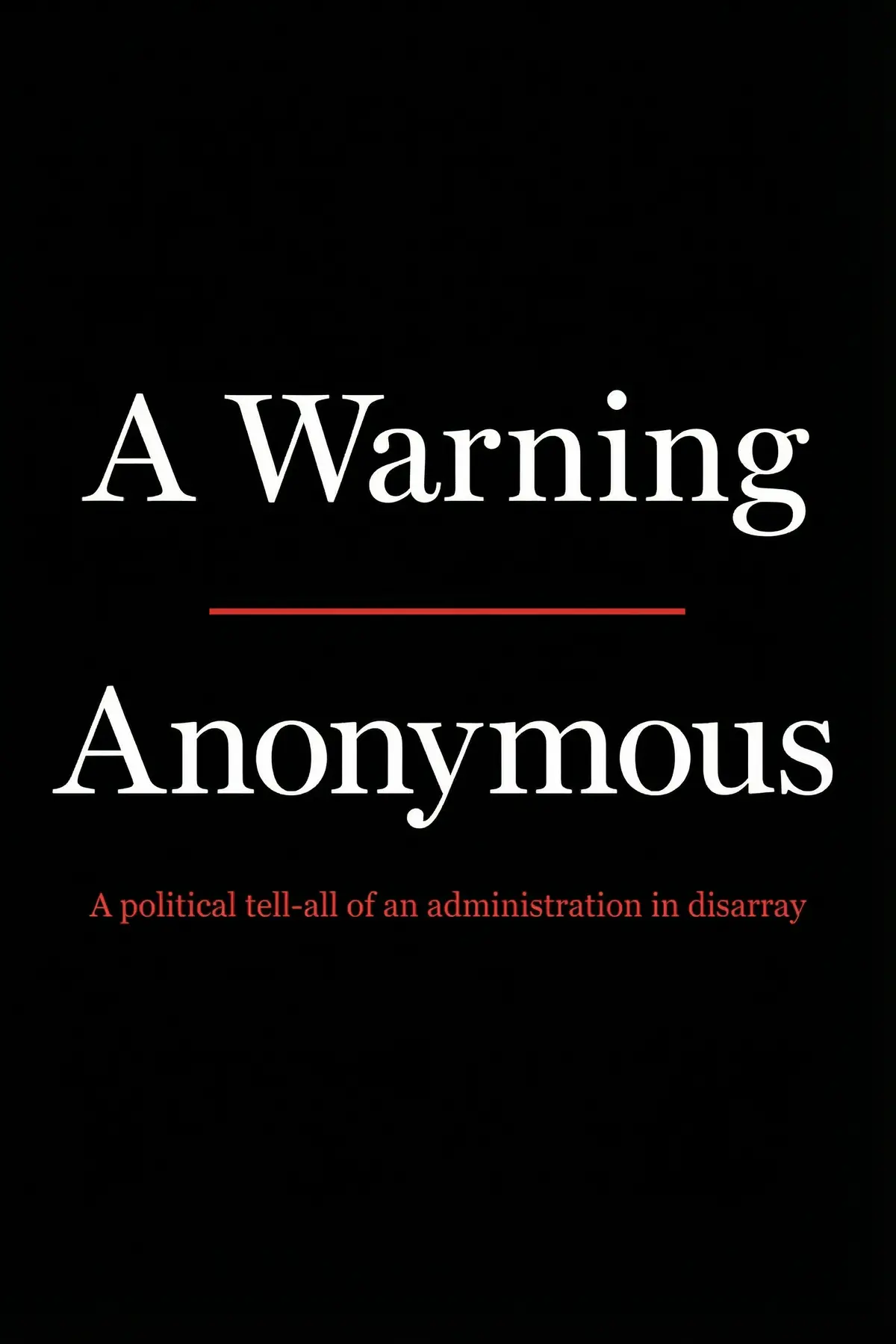
Miles Taylor
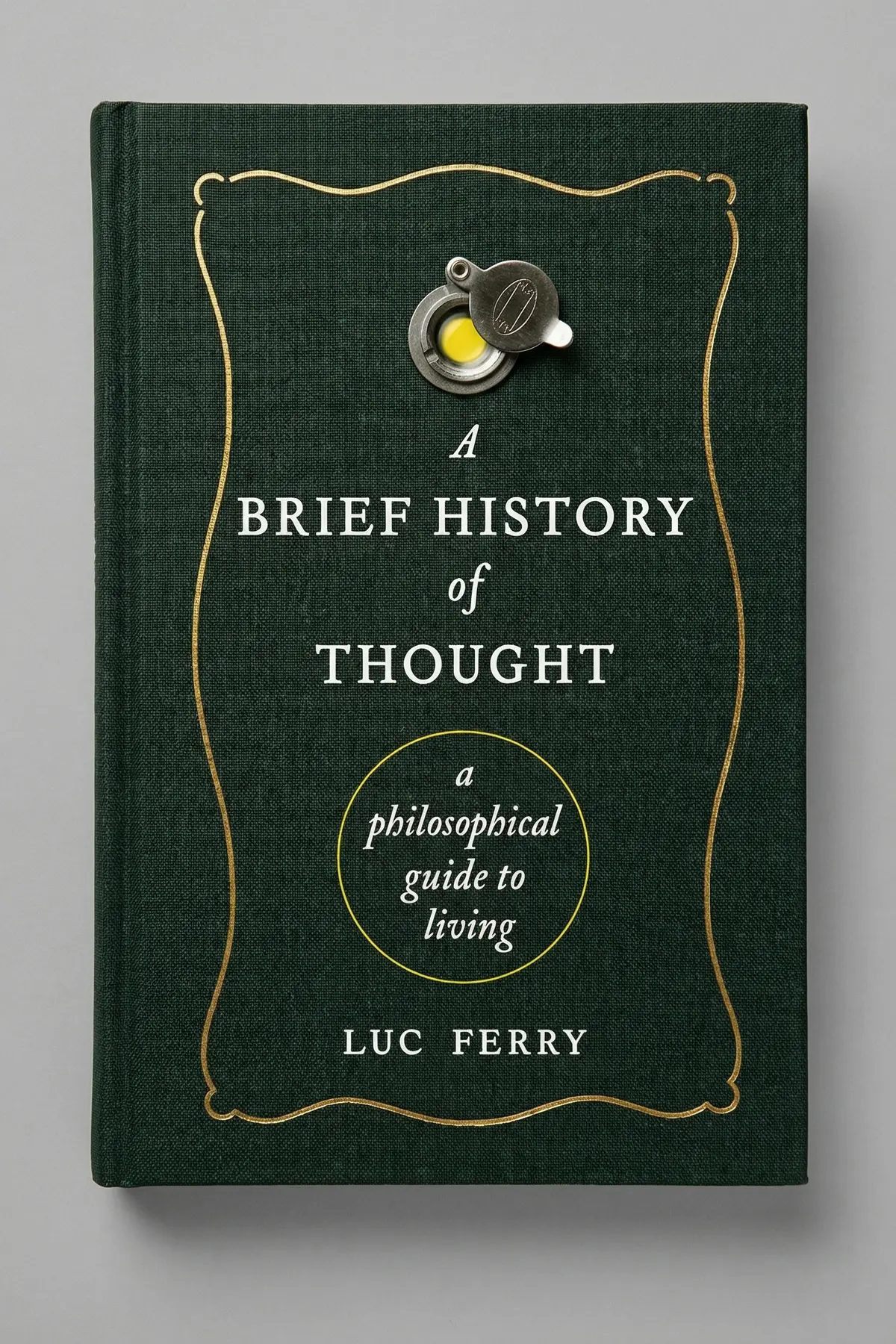
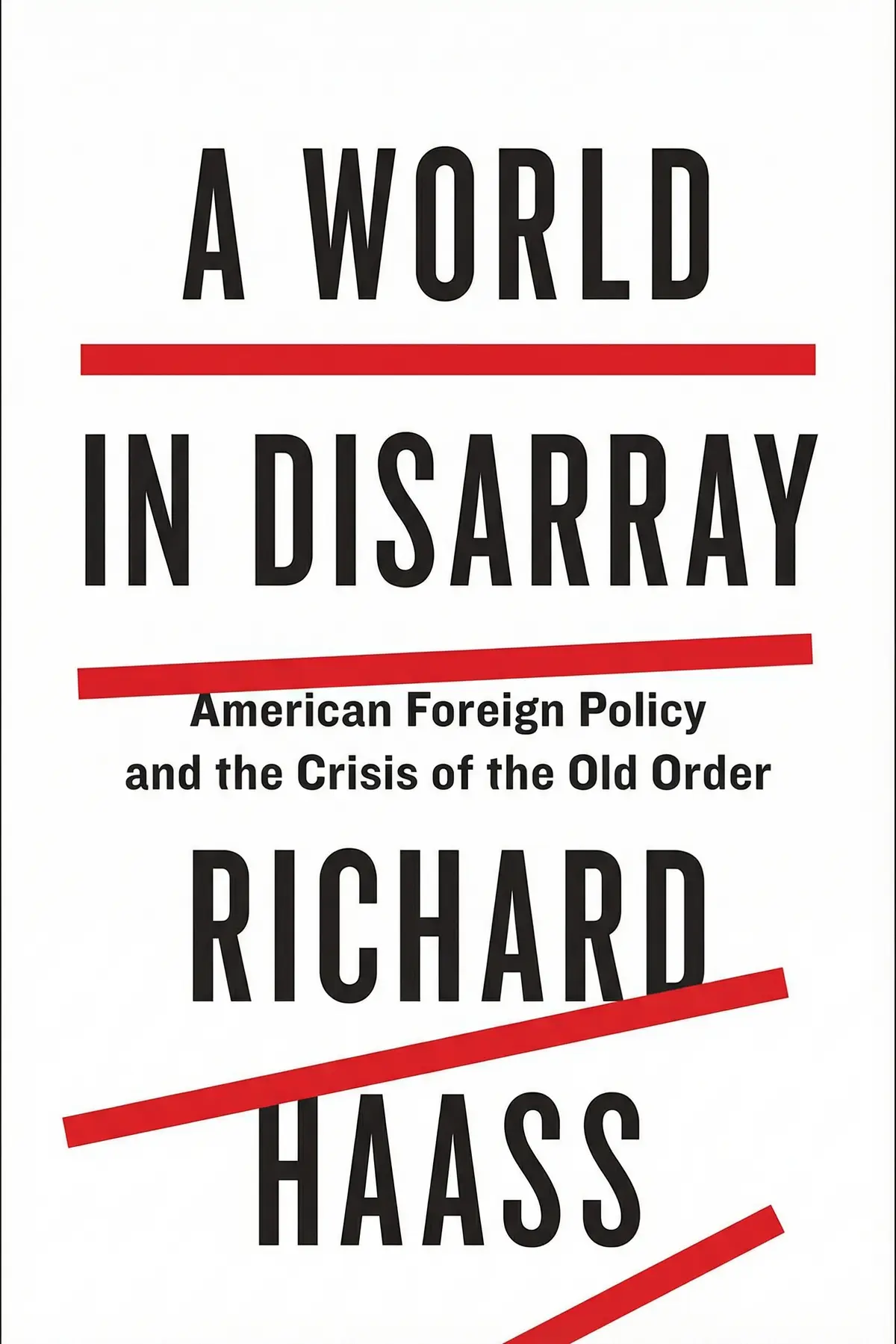
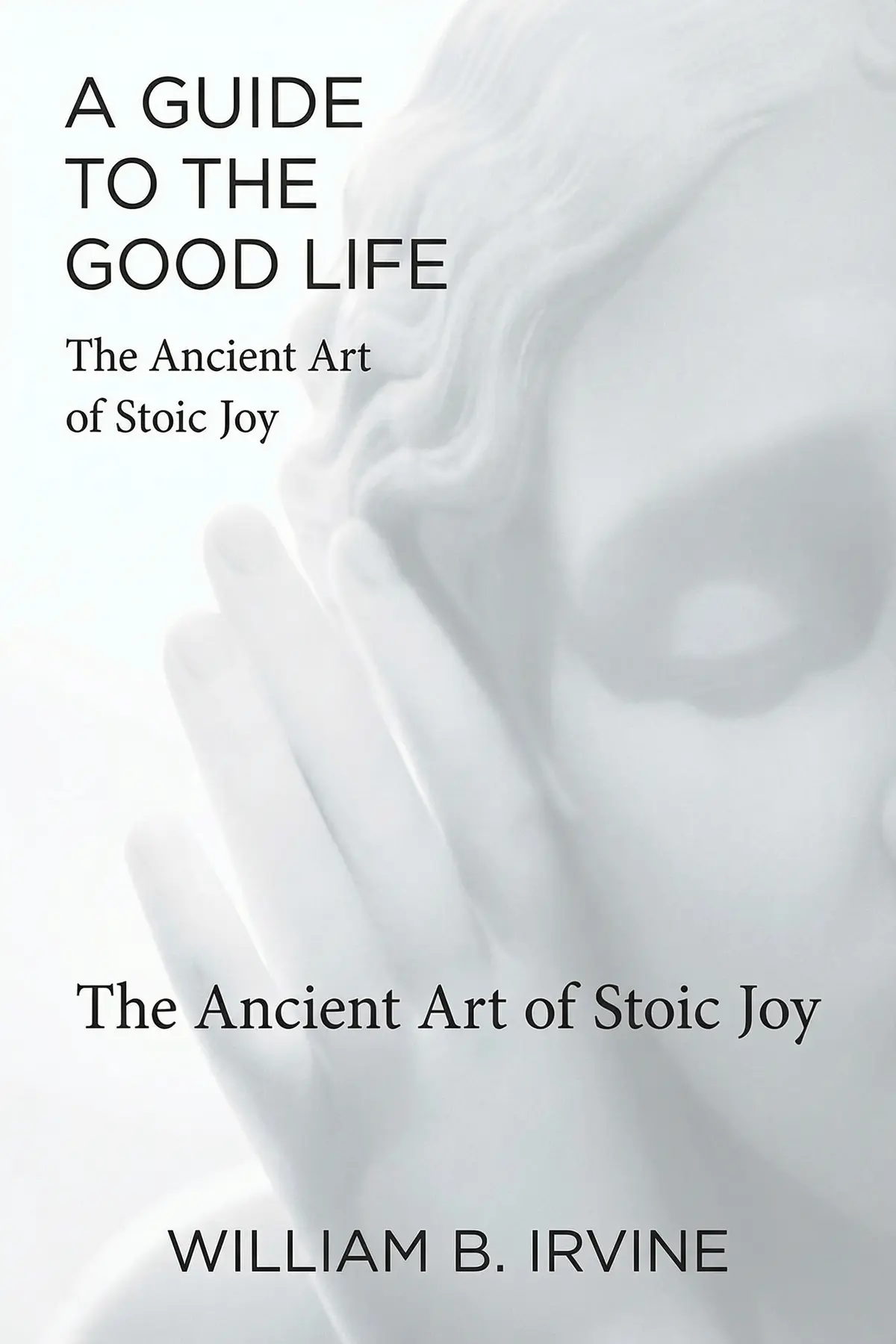
William B. Irvine
AUDIO SUMMARY AVAILABLE
Get the key ideas from On Freedom by Timothy Snyder, plus 5,000+ more titles in English and Thai.







