
11 min 12 sec
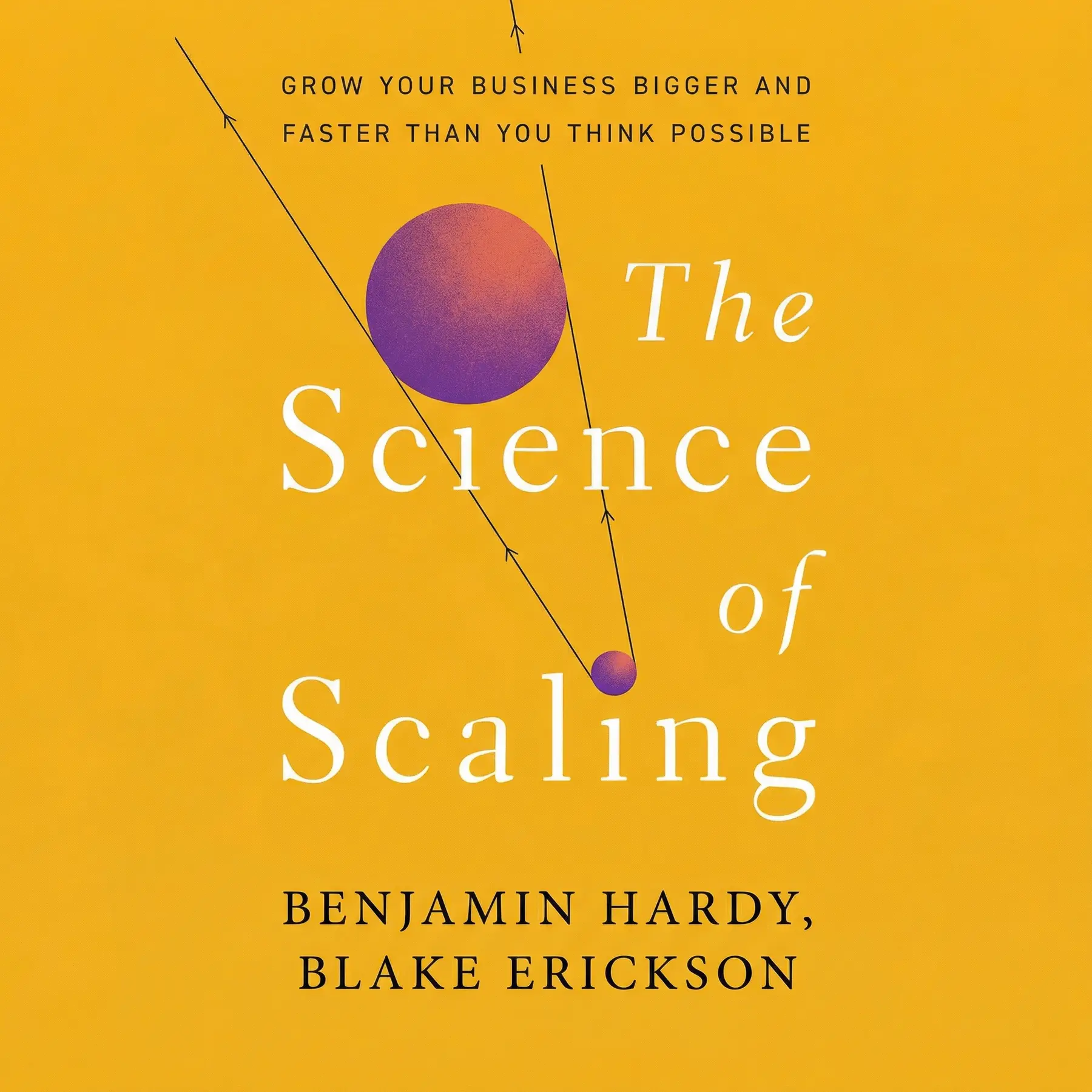
The Science of Scaling: Grow Your Business Bigger and Faster Than You Think Possible
The Science of Scaling challenges entrepreneurs to abandon incremental growth. By setting impossible goals and raising operational standards, leaders can strip away complexity and build high-performing organizations that thrive without founder dependency.
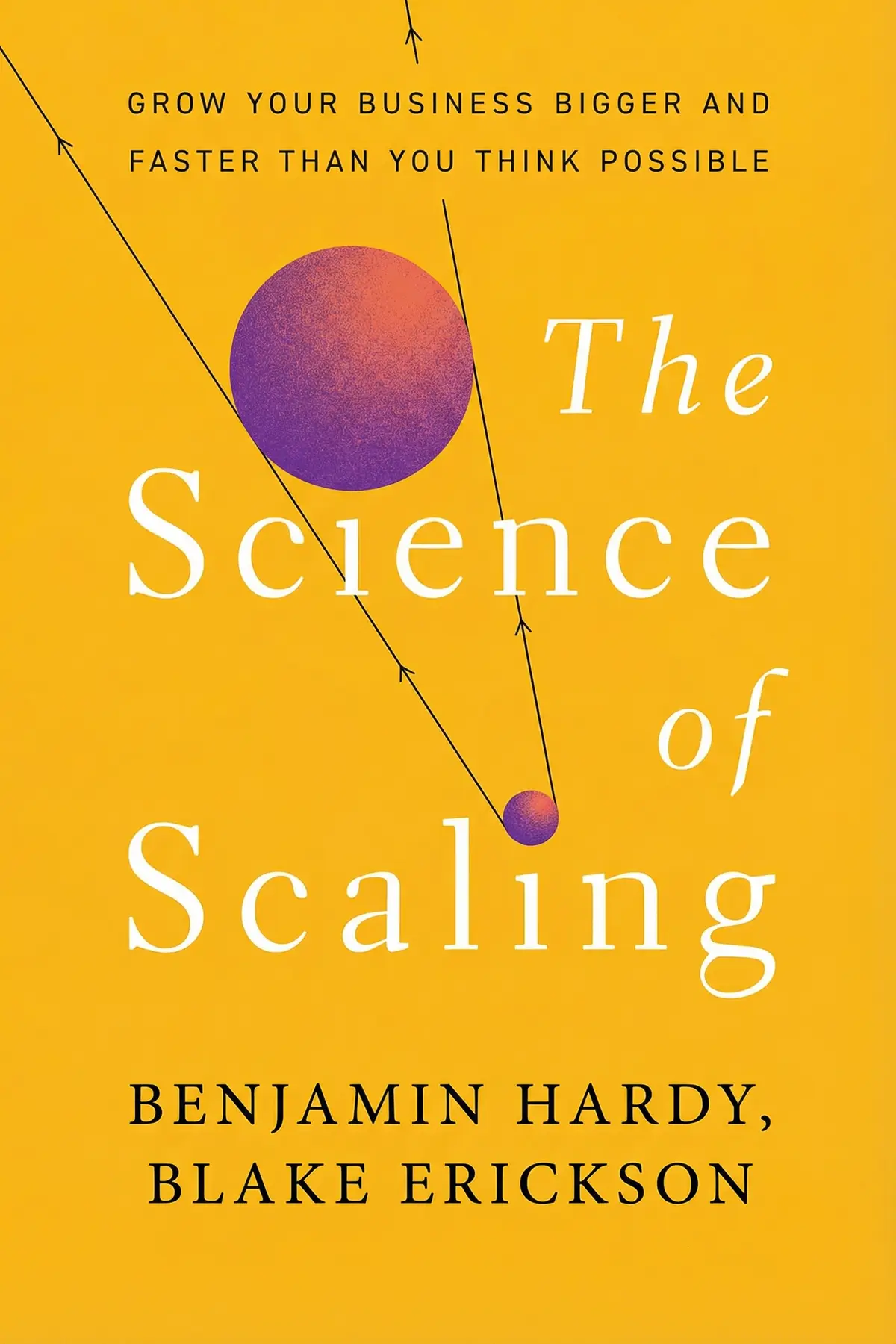
Table of Content
1. Introduction
1 min 34 sec
Imagine your business has reached a point where, despite every ounce of effort you pour into it, the needle simply won’t move. You’ve followed the standard playbook: you’ve optimized your workflows, you’ve brought on more staff, and you’ve tinkered with your marketing. Yet, you find yourself staring at the same revenue numbers or the same growth rate month after month. It’s a frustrating plateau that many entrepreneurs mistake for a lack of grit or a saturated market. But what if the problem isn’t your work ethic? What if the very way you are thinking about growth is the thing holding you back?
In this exploration of The Science of Scaling, we dive into a radical perspective on business expansion. The core premise is that most leaders are trapped in a mental model of incrementalism. They aim for ten or twenty percent growth, which sounds responsible, but actually keeps them tethered to their current, inefficient systems. To truly scale, you have to stop trying to do more of the same and start aiming for the impossible.
Throughout this summary, we will look at how an impossible goal acts as a powerful strategic filter. We will see how tightening your deadlines and raising your minimum standards of performance can strip away the complexity that kills most companies. We’ll also examine the shift from being a founder who does everything to a leader who empowers elite talent. By the end, you’ll see that scaling isn’t about adding more weight to your shoulders—it’s about building a vehicle that is designed for speed and clarity from the ground up. Let’s look at how you can rewire your approach to business to achieve results that currently seem out of reach.
2. The Power of the Impossible Frame
2 min 00 sec
Discover why setting a goal that seems completely unreachable is actually the most practical way to identify the weaknesses in your current business structure.
3. Collapsing Timelines to Force Innovation
2 min 05 sec
Learn how drastically shortening your deadlines can act as a catalyst for efficiency and clear away the distractions of long-term planning.
4. Scaling Through Strategic Subtraction
1 min 56 sec
True growth isn’t about adding more tasks; it’s about raising your ‘floor’ by eliminating the low standards and complexity holding you back.
5. The Shift from How to Who
2 min 10 sec
Breaking the founder’s bottleneck requires a shift in focus from managing tasks to finding elite talent that can solve problems better than you can.
6. Conclusion
1 min 27 sec
The journey of scaling a business is ultimately a psychological one. As we’ve seen in this summary of The Science of Scaling, the barriers to your growth are rarely external; they are built into the way you view your goals, your time, and your standards. By shifting your frame toward the impossible, you stop settling for the slow, grinding path of incremental improvement. You begin to see that your business isn’t a collection of tasks to be managed, but a system to be refined and a mission to be led.
The most important takeaway is that growth is fueled by clarity. That clarity comes when you have the discipline to raise your floor and the courage to stop doing things that don’t serve your ultimate vision. It comes when you stop trying to be the hero of your own story and instead focus on finding the ‘Whos’ who can bring your vision to life. Scaling is a process of stripping away everything that is non-essential until only the most powerful, most effective elements of your business remain.
As you move forward, ask yourself: What is the impossible goal that would make my current problems irrelevant? What would I do if I only had a fraction of the time I think I need? And who are the elite people I need by my side to reach that destination? When you start answering these questions, you stop just running a business and start building a legacy. The path to exponential growth is open to anyone willing to trade their comfortable ‘realistic’ goals for the transformative power of the impossible.
About this book
What is this book about?
Many businesses hit a plateau not because of a lack of effort, but because their goals are too small to force necessary changes. The Science of Scaling provides a psychological and strategic framework for breaking through these ceilings. It argues that true expansion comes through subtraction—eliminating the mediocre products, clients, and processes that clutter a company’s potential. Benjamin Hardy and Blake Erickson introduce a three-part model: Frame, Floor, and Focus. By establishing a seemingly impossible goal and a compressed timeline, leaders create a filter that reveals what is truly essential. The book outlines how to transition from being a solo hero to a leader who attracts top-tier talent, ensuring the business can scale exponentially and sustainably in any market environment.
Book Information
About the Author
Benjamin Hardy
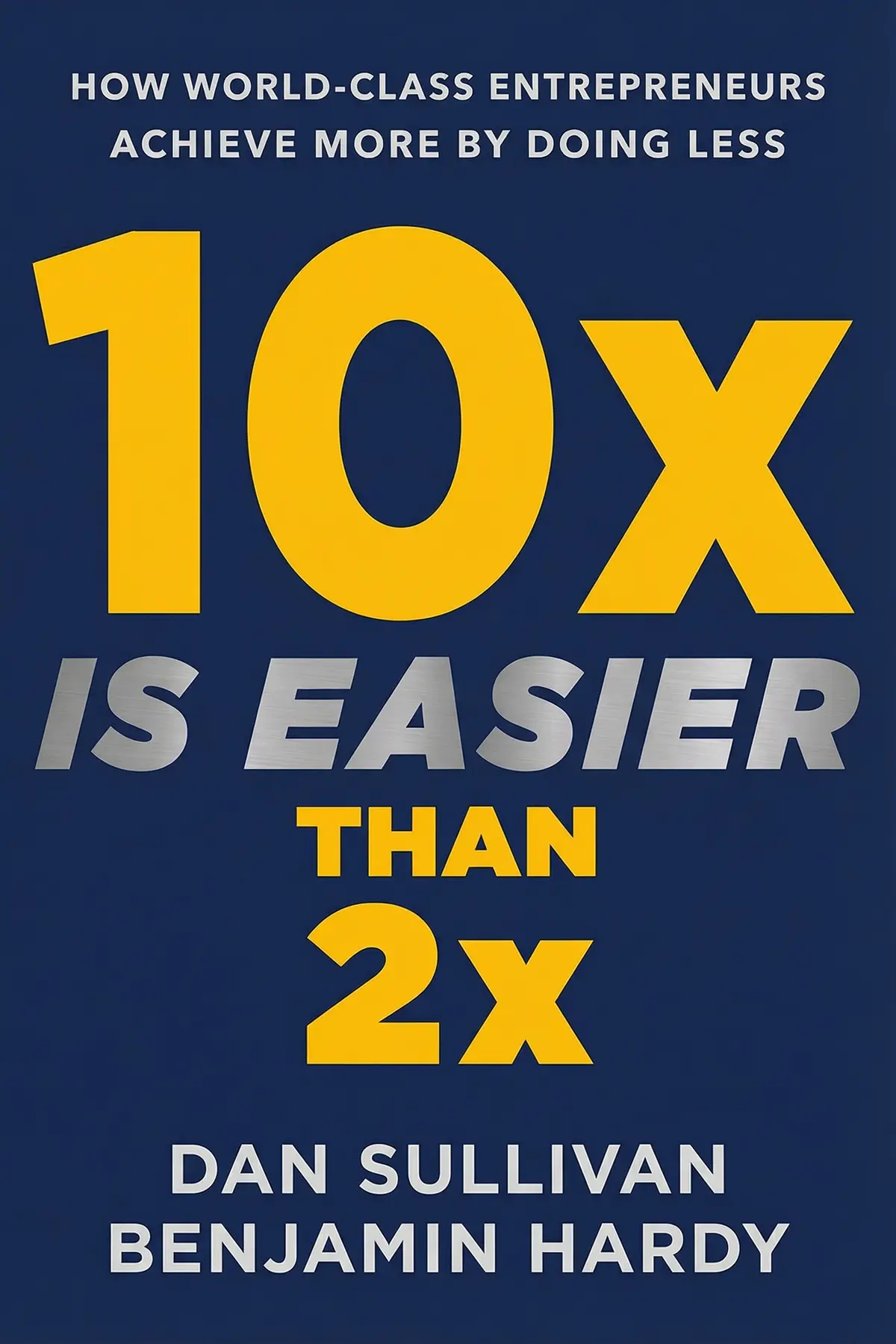
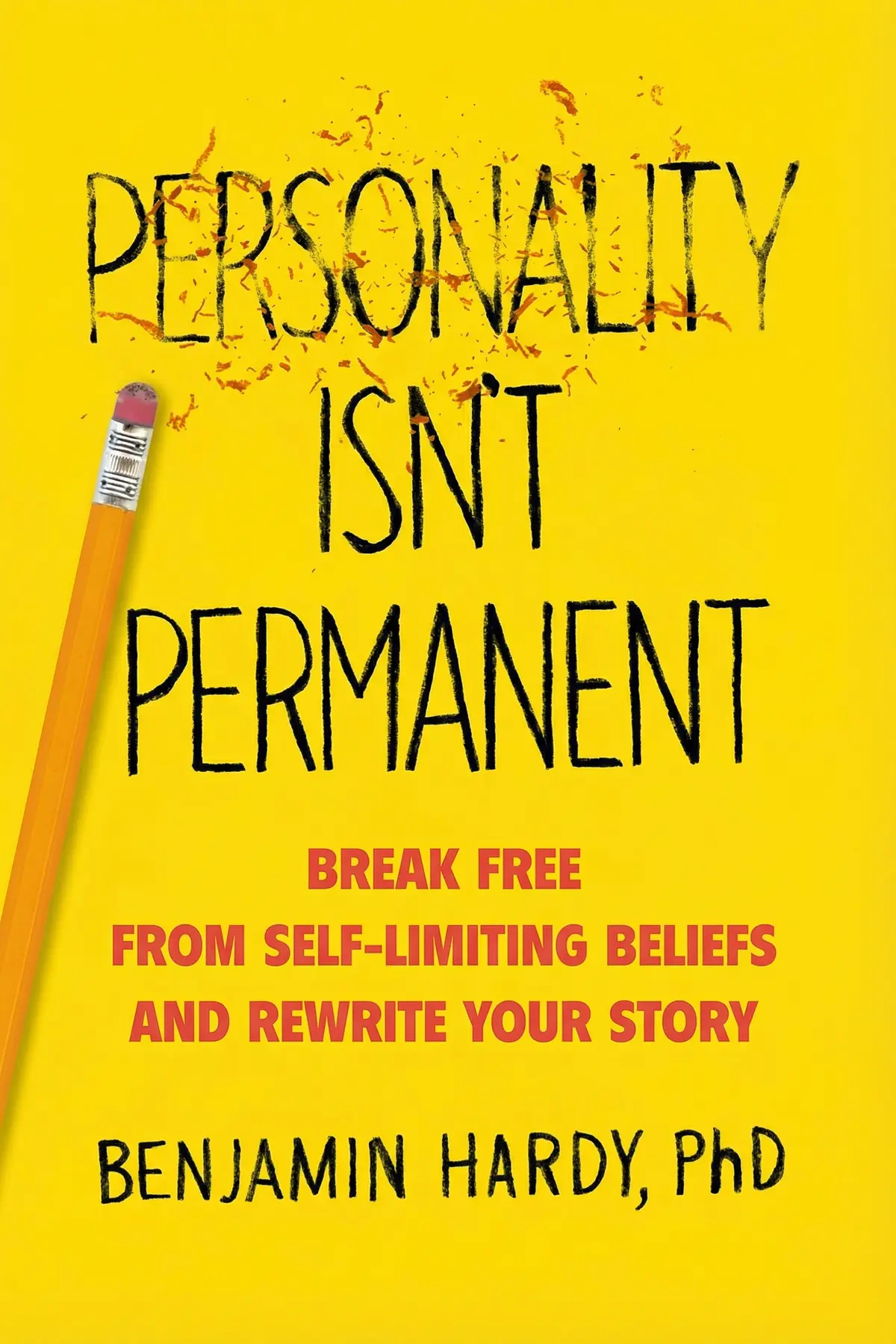
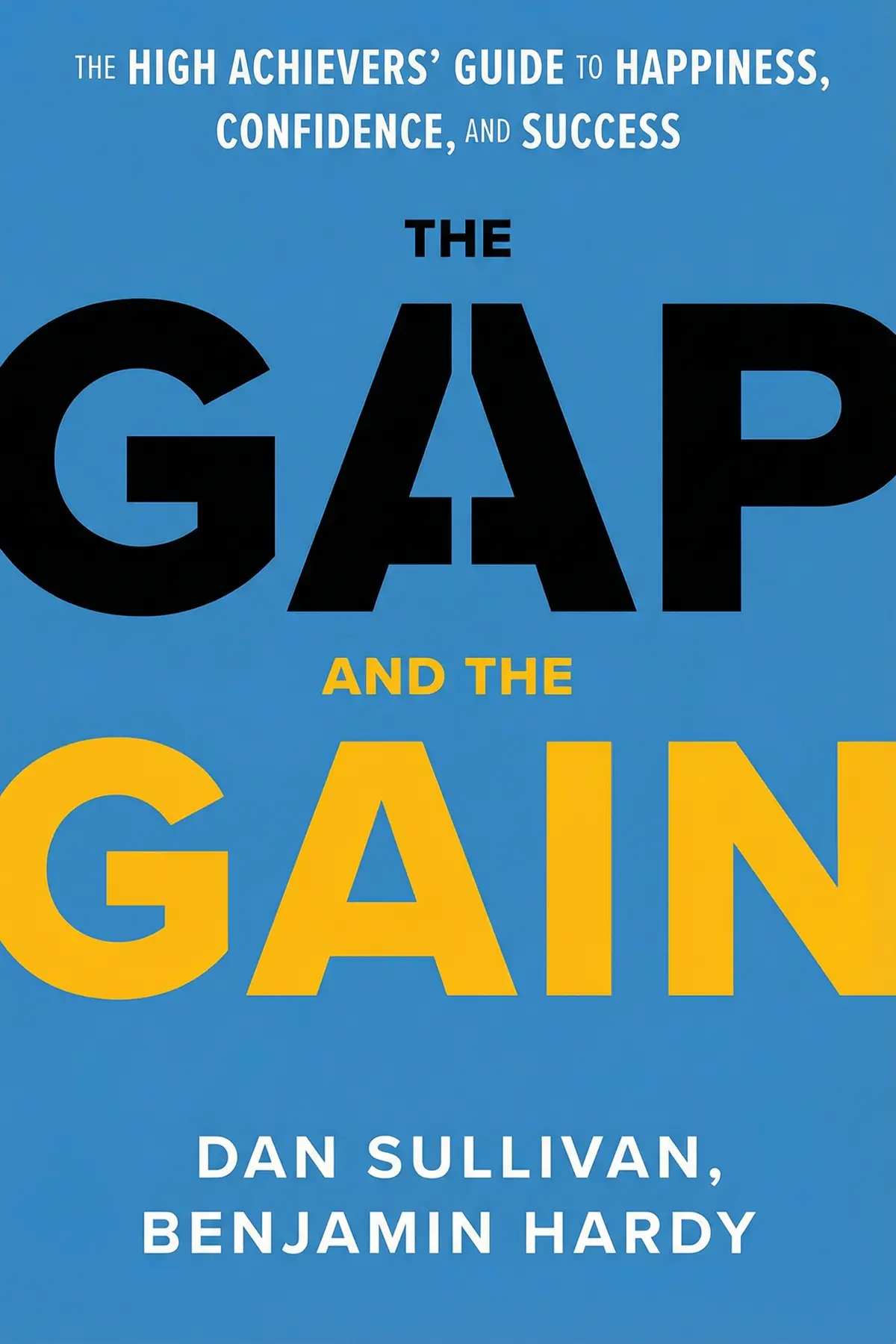
Benjamin Hardy is an organizational psychologist and the cofounder of Scaling.com, a performance-based scaling program. His other works include 10x Is Easier Than 2x and Personality Isn’t Permanent. Blake Erickson, the cofounder of Scaling.com, is dedicated to helping entrepreneurs scale beyond what they thought possible. He previously built a sales organization from zero to eight figures within four years.

Ratings & Reviews
Ratings at a glance
What people think
Listeners find this book engaging from start to finish, filled with actionable frameworks that make it essential for business owners. It delivers deep wisdom through captivating real-world examples and integrates psychological principles, providing a perspective shift that enables leaders to follow a verified strategy. Listeners value the clarity and impact of the material, with one noting how it organizes growth into effective phases, while another mentions achieving results within 3 years or less.
Top reviews
Manika
This book provides a masterclass in psychological leverage for entrepreneurs who feel stuck in the linear growth trap. Hardy and Erickson argue that your current systems are actually designed for the small goals you have right now. By setting an "impossible" frame—like the JFK moonshot example—you force your brain to stop adding tasks and start subtracting the noise. I found the Alicia Ault story particularly striking because it proves that 10x isn't about working harder; it's about shifting the entire paradigm of how you approach a market. Personally, I've already started raising the "floor" in my own agency by cutting low-margin services that were just eating up mental bandwidth. It’s not a comfortable read, but it’s a necessary one if you want to stop playing small.
Show moreSuthinee
As someone who has struggled to delegate for years, the section on hiring "Super Whos" was a total epiphany for me. Hardy explains that you cannot be the center of your business if you ever hope to scale beyond yourself. Most of us hire average people and then complain that we have to manage them, but the book argues for hiring excellence that drives the vision forward independently. Look, it’s a mindset shift that requires you to shrink your own operational footprint so your strategic magnetism can expand. I’ve read a lot of business books, but the emphasis here on the psychology of the leader is what sets this apart. The stories of Richard Bryan and Reed Hastings perfectly illustrate how high-leverage people change the entire trajectory of a firm.
Show moreKru
Wow. Just finished this and my brain is spinning in the best way possible. I’ve always been a fan of Hardy’s work, but this feels like his most practical application of high-performance psychology yet. The idea that we subconsciously engineer incremental outcomes because our goals are too small is a total gut punch. I loved the Alicia Ault example where her behavior changed instantly the moment she jumped from 100 to 1,000 clients. It proves that the goal itself is the system-builder. This isn’t just a business book; it’s a manual for personal transformation as a leader. If you’re tired of the same old "hustle harder" advice, grab this copy and prepare for a serious perspective shift.
Show moreVera
Finally got around to reading this and it’s easily the most influential business book I’ve picked up this year. The core thesis—that scaling requires a psychological commitment before it manifests operationally—is something most founders completely miss. We try to fix the systems first, but Hardy shows that the goal is what actually determines the process. The focus on "Super Whos" instead of average teams is a lesson I wish I’d learned five years ago. It’s not about working more hours; it’s about having a future so compelling that your present reality has no choice but to evolve. It’s a fast-paced, high-energy read that provides a proven path for anyone ready to stop playing the incremental game.
Show moreSaranya
Ever wonder why your business hits a ceiling no matter how many new hires you bring on? The Science of Scaling offers a blueprint that focuses on subtraction, suggesting that complexity is the enemy of exponential growth. The three-step framework—Frame, Floor, and Focus—is simple to understand but incredibly difficult to execute in a world that praises "more." I appreciated the dive into Steve Jobs returning to Apple; it serves as a brutal reminder that killing 340 products was what saved the company. To be fair, some of the political examples, like the Musk or JFK references, felt a bit shoehorned into a business context. However, the core psychological insights regarding Parkinson’s Law and compressed timelines are absolute gold for any founder.
Show moreSarawut
Picked this up after seeing it all over LinkedIn and found the chapter on time as a strategic weapon to be the highlight. The authors argue that long timelines actually create sluggish execution because we allow work to expand into the space we give it. By setting "impossible" deadlines, you’re forced to strip away every non-essential activity immediately. Truth is, I tried applying this to a product launch last week and was shocked at how many "necessary" steps were actually just fluff. My only gripe is that the writing style can feel a bit repetitive at times, hammering the same points over and over. Still, the practical value of the "Frame, Floor, Focus" model makes it worth the read for any serious entrepreneur.
Show moreBook
This book makes a clear and aggressive distinction between linear growth and true exponential scaling. Most companies are just trying to do "more" of what they are already doing, which Hardy argues is a recipe for stagnation and burnout. The concept of the "Impossible Frame" forces you to abandon conventional logic because you realize your current path cannot possibly lead to the new target. Frankly, it’s a bit scary to think about "violently eliminating" parts of your business, but the case studies show it’s the only way to make room for the future. I appreciated the clarity of the writing, even if the tone is a bit intense for my daily taste. It’s a great kick in the pants for anyone who has become comfortable with "good enough" results.
Show morePhu
After hearing several colleagues mention the "Frame, Floor, Focus" model, I decided to see if the hype was justified. The book is essentially a psychological deep dive into Parkinson’s Law and the Pareto Principle, but applied with a much more radical edge. Erickson and Hardy do a great job explaining how a higher "floor"—your minimum standard—is actually what dictates your success more than your ceiling. The Steve Jobs stories are classic, of course, but the authors use them effectively to show that scaling is an act of subtraction. I found some of the sections on "Super Whos" a bit brief, as I would have liked more tactical advice on finding those people. Overall, it's a substantive read that avoids the typical fluff of the pop-science business genre.
Show moreTak
The chapter on raising the floor offers some decent advice on eliminating mediocrity, but the rest of the book feels like a weird blend of business strategy and New Age spiritualism. While I agree that mindset is important, the authors lean so heavily into "impossible" goals that it starts to sound like magical thinking. It’s almost as if they want you to conduct market research via tarot cards rather than spreadsheets and data. To be fair, the framework of Frame-Floor-Focus is a solid organizational tool, but the delivery is wrapped in so much hyperbole that it’s hard to stay grounded. If you can filter out the hero-worship of billionaires and the "chakras aligning" vibe, there are some useful nuggets. It just isn't the systematic, concrete blueprint I was hoping for based on Hardy's earlier books.
Show moreCarlos
Not what I expected at all, especially coming from Dr. Hardy’s previous work which I usually find quite grounding. This felt like a rushed manifesto for "move fast and break things" without any of the actual safety nets required for a real business. The logic seems to be: set a goal that’s impossible, fire everyone who doesn't fit, and hope for a miracle. It glorifies radicalism to a point that feels almost dangerous or even cult-like, using billionaires like Musk as the only valid templates for success. Not gonna lie, the constant name-dropping of controversial figures made me lose interest halfway through. To make matters worse, the final chapters felt like a long-winded sales pitch for the authors' own high-ticket scaling program. I’m giving it two stars only because the concept of the "floor" has some merit if you ignore the hyperbole.
Show moreReaders also enjoyed
7 Powers: The Foundations of Business Strategy
Hamilton Helmer
Alibaba: The House That Jack Ma Built
Duncan Clark

Be Obsessed or Be Average
Grant Cardone
Being Boss: Take Control of Your Work and Live Life on Your
Kathleen Shannon
Better and Faster: The Proven Path to Unstoppable Ideas
Jeremy Gutsche
AUDIO SUMMARY AVAILABLE
Listen to The Science of Scaling in 15 minutes
Get the key ideas from The Science of Scaling by Benjamin Hardy, plus 5,000+ more titles in English and Thai.
- 5,000+ titles
- Listen as much as you want
- 7-day free trial
- Cancel anytime







