
15 min 56 sec
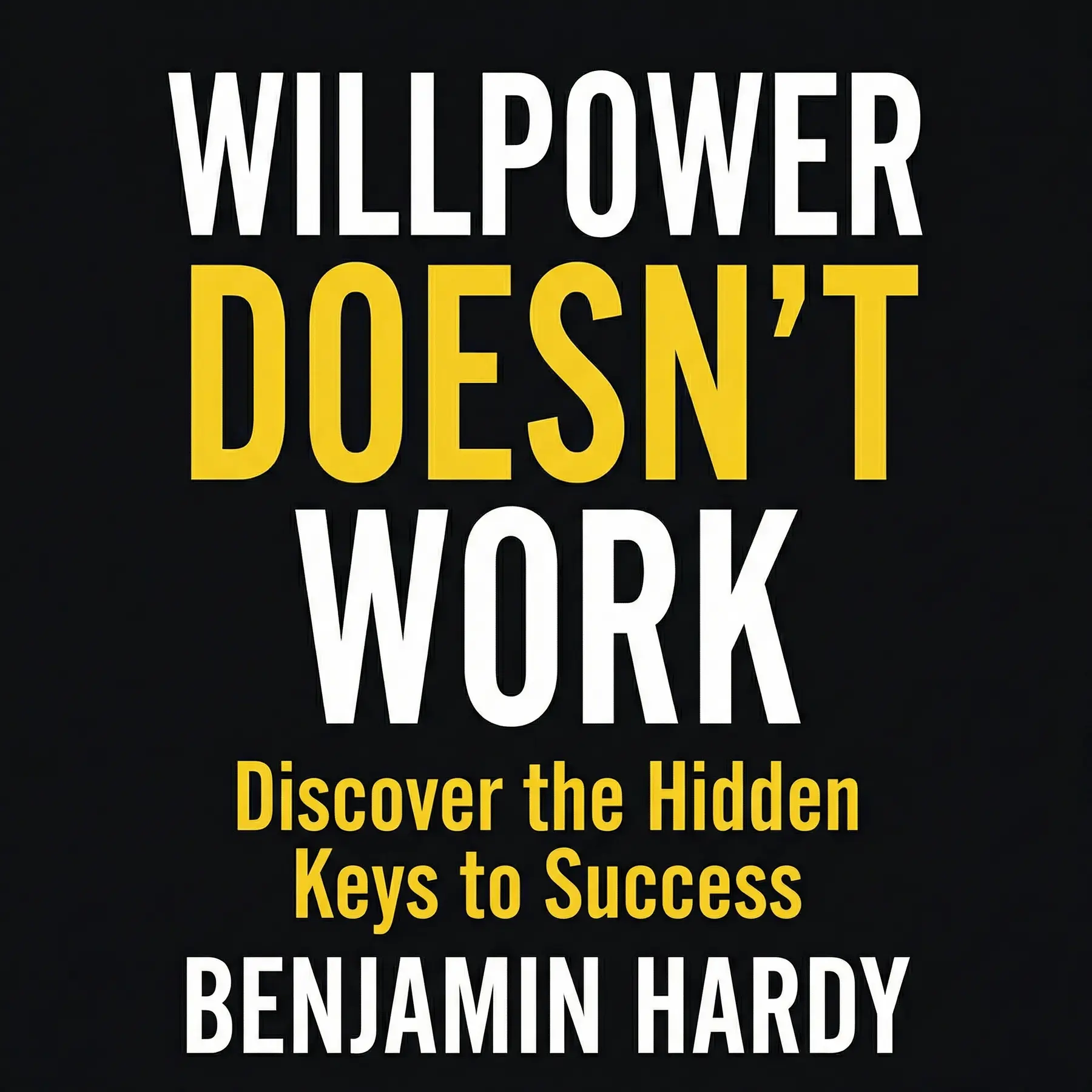
Willpower Doesn’t Work: Discover the Hidden Keys to Success
Stop fighting yourself and start winning by design. This summary explores how to replace the exhausting struggle of willpower with a powerful, supportive environment that makes success your natural and inevitable outcome.
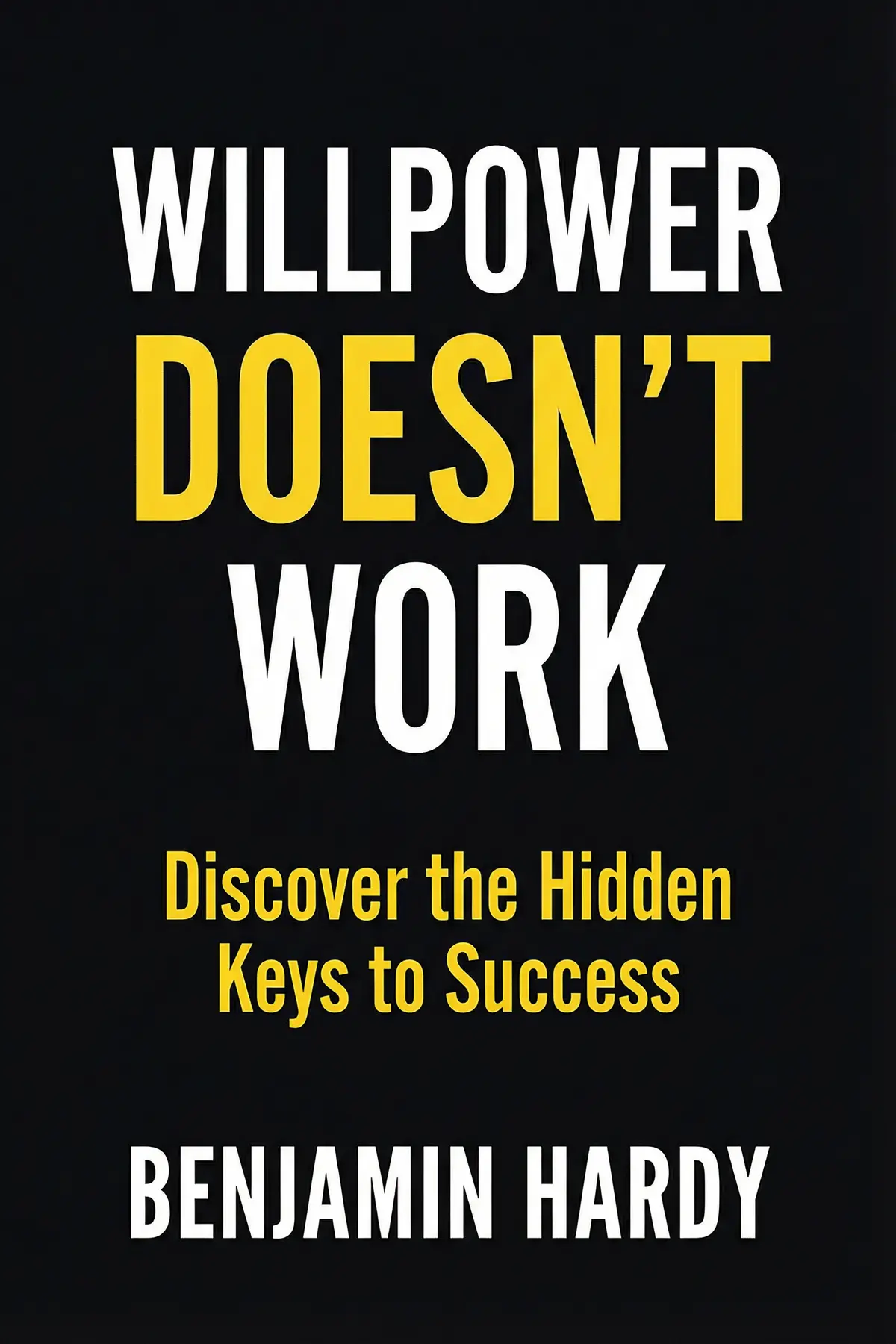
Table of Content
1. Introduction
1 min 40 sec
Have you ever started a new year with a list of ambitious resolutions, only to find that by February, you’ve slipped back into your old habits? We’ve all been there. We tell ourselves that this time will be different—that we’ll work harder, eat better, and finally get organized. We treat our success as a test of character, believing that if we just had more grit and more self-control, we’d finally reach our goals. But here is the uncomfortable truth: that internal struggle is actually a sign that your approach is fundamentally flawed. Relying on your own mental strength to change your life is like trying to swim upstream against a powerful current. You might make progress for a while, but eventually, you’ll get tired, and the water will carry you right back to where you started.
In this summary, we are going to explore why your environment, not your willpower, is the ultimate architect of your destiny. We will see how the world around you—your physical space, the people you spend time with, and even the settings on your phone—quietly dictates your behavior every single day. The throughline of this journey is simple: you cannot consistently outperform your environment. If you want to change your life, you have to stop trying to change yourself from the inside out and instead start engineering the conditions that make success inevitable.
We’ll dive into the mechanics of eustress, the importance of recovery, and the practical ways you can remove the “dead weight” that is holding you back. By the end of this, you’ll see that becoming your best self isn’t about a painful daily battle with temptation. It’s about building a world that pulls you toward greatness without you even having to think about it. Let’s look at how to stop fighting the current and start letting the environment do the heavy lifting for you.
2. The Dominance of Environment Over Internal Grit
2 min 20 sec
Think your self-control is a powerhouse? Think again. Discover why our surroundings are the invisible hands shaping our habits and why even the strongest resolve eventually bends to environmental pressure.
3. Optimizing Performance Through Separate Spaces
2 min 05 sec
Why does working from your couch feel so sluggish? Learn the secret of ‘zoning’ your life to trigger peak productivity in one place and deep, creative recovery in another.
4. Cultivating Growth Through Peak Experiences
2 min 08 sec
Break out of your daily rut and find your true ‘Why.’ Explore how stepping into the unfamiliar and using focused reflection can spark life-changing breakthroughs and creative clarity.
5. Purging Dead Weight and the Paradox of Choice
1 min 59 sec
Is your life cluttered with ‘maybe’ options? Discover why having too many choices actually paralyzes your progress and why radical elimination is the fastest path to decisive action.
6. The Power of If-Then Planning
2 min 03 sec
Success isn’t about avoiding failure—it’s about planning for it. Learn how to use ‘implementation intentions’ to automate your best decisions before you even face a challenge.
7. Engineering Success with Forcing Functions
2 min 00 sec
Don’t just try to be better—force yourself to be better. Explore the ‘forcing functions’ that high-achievers use to stay focused, from dead laptop batteries to social accountability.
8. Conclusion
1 min 41 sec
As we wrap up this exploration, the most vital takeaway is that your success is not a reflection of your internal fortitude, but a reflection of the world you’ve built around you. We’ve seen that willpower is a fickle friend—it’s there when things are easy, but it vanishes the moment we are tired, stressed, or overwhelmed. Instead of beating yourself up for not having enough ‘grit,’ start looking at your surroundings with a critical eye. Are your spaces optimized for the task at hand? Have you removed the dead weight that triggers your worst impulses? Are you using forcing functions to create a sense of healthy urgency?
One practical way to apply these ideas immediately is to rethink the traditional nine-to-five workday. In a world that values creativity and mental output, sitting at a desk for eight hours just because it’s ‘the schedule’ is often counterproductive. Try compressing your high-intensity work into shorter, distraction-free windows where you utilize eustress to its fullest, and then allow yourself the luxury of total recovery.
What this really means is that you have the power to stop the internal war. You can stop waking up every day and fighting the same battles against the same temptations. By designing an environment that supports your goals, uses implementation intentions to handle setbacks, and leverages social accountability, you turn success from a struggle into a habit. You don’t have to be a superhero to reach your potential; you just have to be a good architect. Take one small step today to change your environment, and watch as your behavior begins to transform without the effort you once thought was necessary. Your environment is the garden in which your future self grows—make sure you’ve prepared the soil for something extraordinary.
About this book
What is this book about?
Most self-help advice centers on the idea of internal strength—the notion that if you just try harder and want it more, you will succeed. Benjamin Hardy turns this concept on its head, arguing that relying on willpower is a losing battle. Because our environment is more powerful than our internal resolve, the secret to transformation lies not in changing our minds, but in changing our surroundings. This guide explains how to engineer your life to promote growth, focus, and recovery. You will discover the importance of separating your high-intensity work zones from your relaxation spaces, how to utilize peak experiences to gain clarity on your life goals, and the psychological benefits of removing options that lead to distraction. By implementing "forcing functions" and "if-then" planning, you can move toward your goals with a sense of inevitability rather than exhaustion. The promise is simple: when you design the right conditions, you no longer have to force yourself to be your best self—you simply adapt to the greatness you've built around you.
Book Information
About the Author
Benjamin Hardy
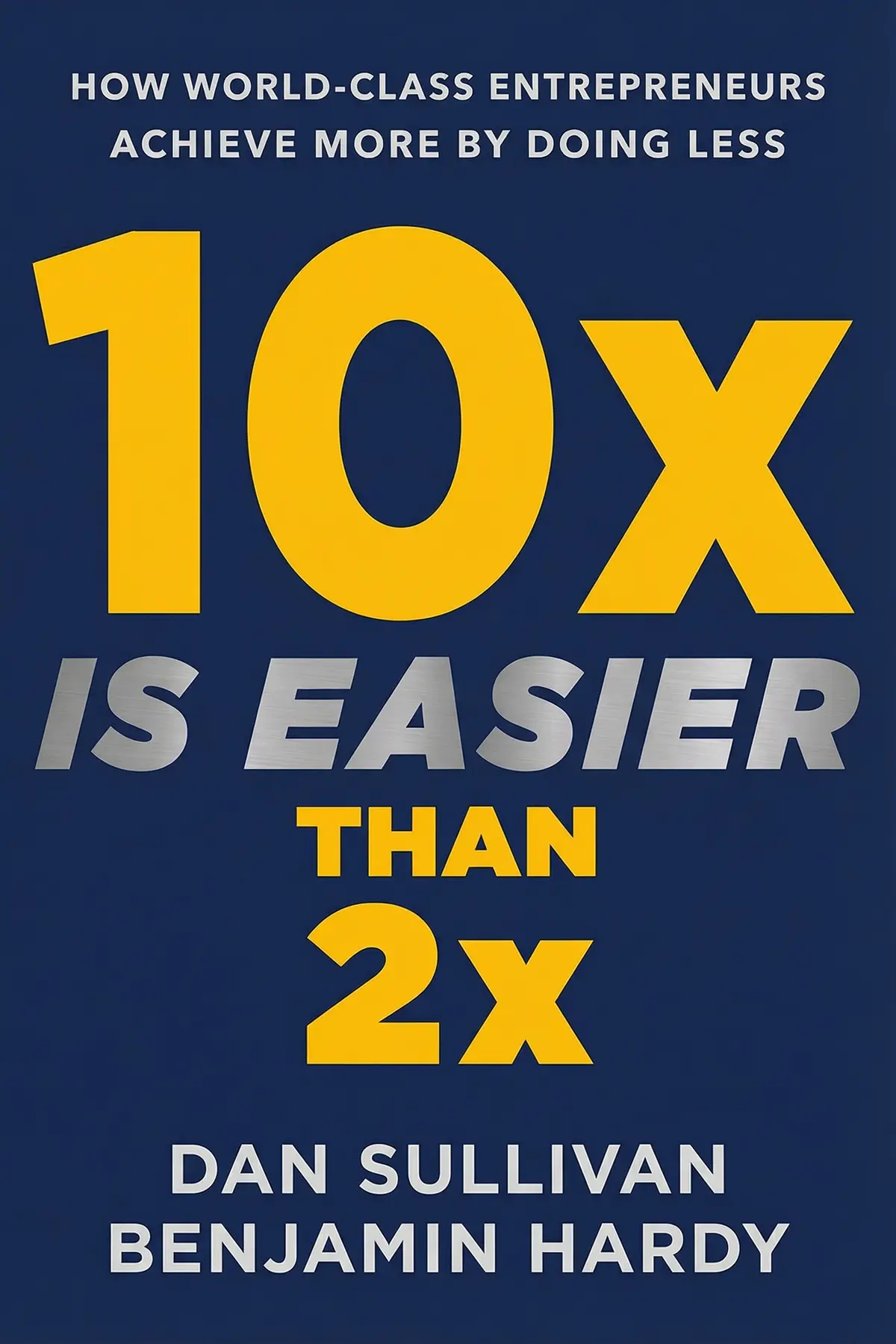
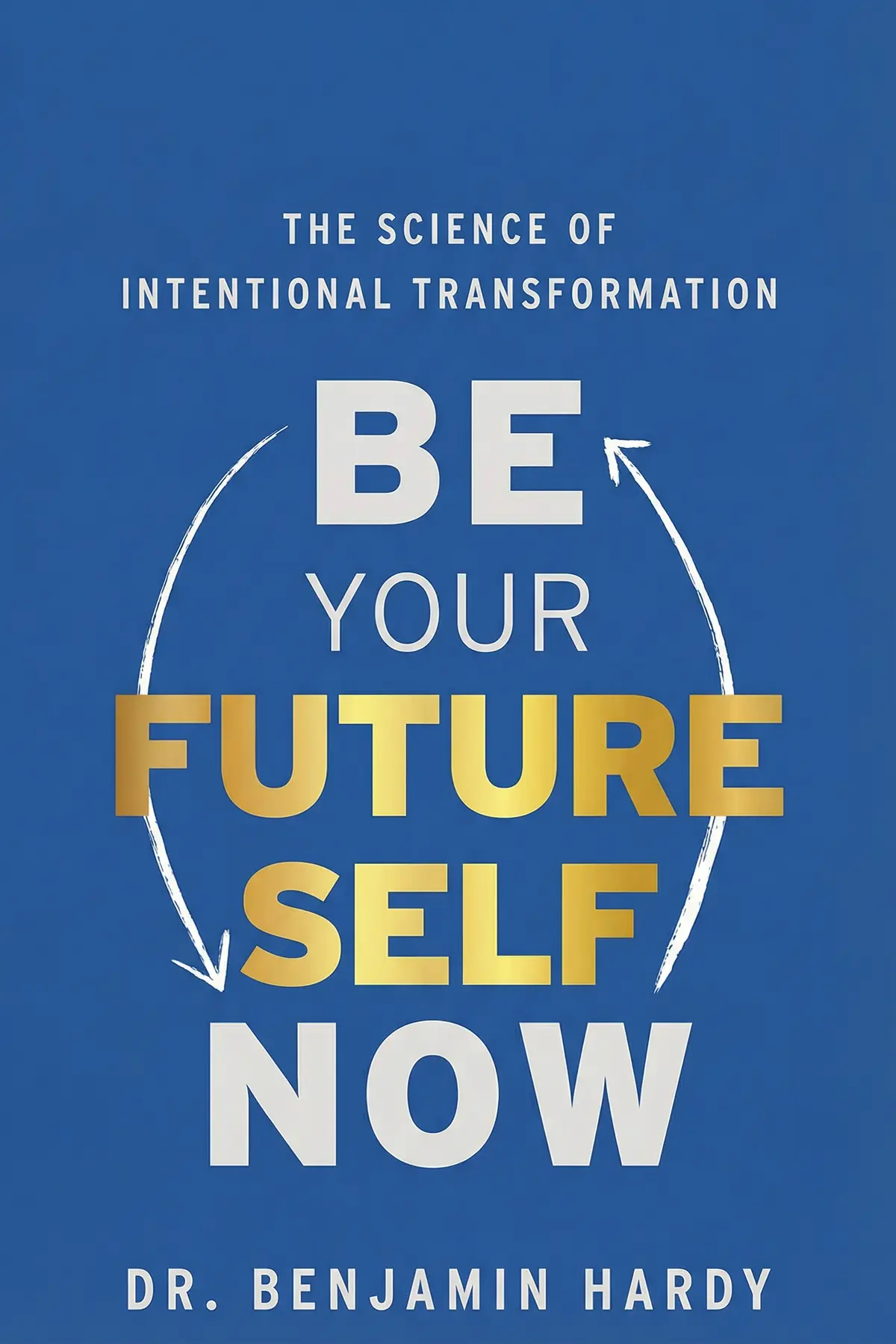
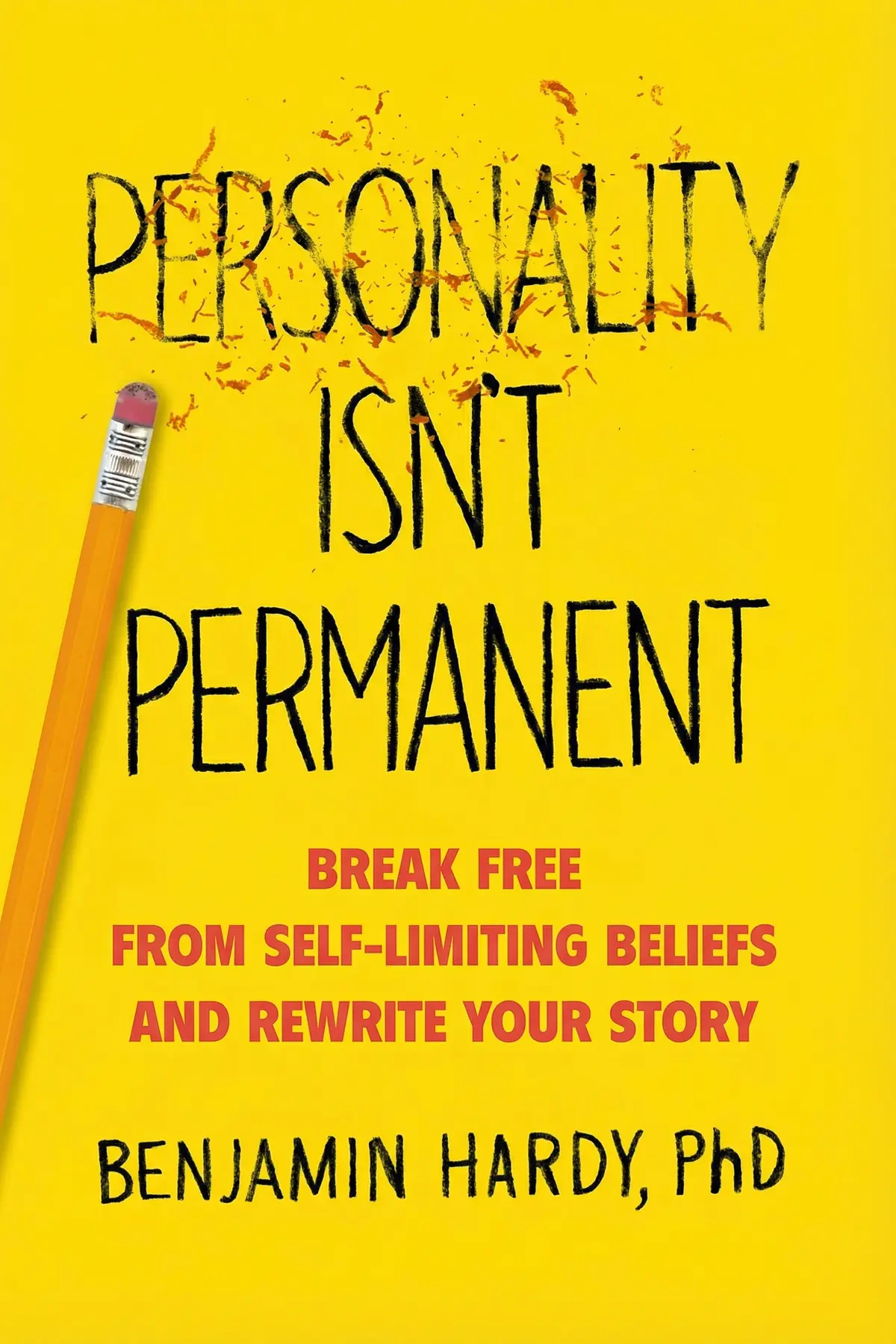
Benjamin Hardy is a prominent organizational psychologist and best-selling author who earned his PhD from Clemson University. His insightful research on human behavior and performance has been showcased in major publications such as Forbes, Fortune, and Psychology Today. In addition to his work on environmental design, he is the author of Personality Isn't Permanent, where he explores how people can consciously shape their future selves.
Ratings & Reviews
Ratings at a glance
What people think
Listeners find this book deeply perceptive, with one listener noting its thought-provoking examples, and many rank it among the most intriguing works they have experienced. This practical resource offers uncomplicated methods for self-improvement, and listeners value how it aids in designing a lifestyle geared toward reaching goals. The content is clear and well-crafted, leading listeners to consider it life-altering, with one review describing it as a useful roadmap to success. However, perspectives on its utility are divided; some find the advice powerful while others disagree.
Top reviews
Sarocha
Finally got around to reading Benjamin Hardy, and it is genuinely transformational. For years, I felt like a personal failure because I couldn’t maintain the 'hustle' through sheer mental grit, but this book lifted that weight off my shoulders. Frankly, hearing that my environment was the culprit, not my character, changed my entire perspective on personal growth. I have already started implementing a 'sacred space' for my morning rituals and journaling, and the difference in my daily clarity is night and day. Hardy’s advice about jumping into the 'cold pool' instead of just dipping a toe in is exactly what I needed to hear to finally make a career pivot. It is not just a book; it is a useful roadmap for anyone who is tired of fighting themselves every single day. If you want to stop the cycle of New Year’s resolutions that fizzle out by February, read this now.
Show morePreeda
Ever wonder why you can never stick to a diet even when you really want to change? This book explains exactly why: your environment is actively working against you! I loved the example of the cake—if it’s in your house, you’ll eventually eat it, no matter how much willpower you think you have. The truth is, we are hard-wired to adapt to our surroundings. Hardy provides a brilliant, thought-provoking guide on how to 'hack' those surroundings so success becomes the path of least resistance. The concept that our behavior actually shapes our personality, rather than the other way around, blew my mind. It’s a very interesting take that goes against everything we are usually taught about 'finding ourselves.' This is easily one of the most insightful books I have read this year. It’s simple, direct, and incredibly practical.
Show morePear
Hardy makes a compelling case for why trying harder is actually the wrong strategy for most people. I’ve always been someone who struggled with consistency, and this book provided the simple techniques I needed to finally break my old patterns. The idea that we are a product of our five closest friends—and even their friends—really made me rethink my social circle. Frankly, it’s a bit of a wake-up call. The book is well-written and serves as a roadmap to success that focuses on external changes rather than internal battles. I especially liked the part about 'investing in yourself' to increase your commitment level. It’s a transformational read if you are willing to actually follow the steps and move your furniture, change your commute, or find a new mentor. Highly recommended for entrepreneurs.
Show moreRatchanee
This book is essentially a blueprint for anyone tired of the constant internal battle against their own urges. Most of us think we need more discipline, but Hardy proves we actually just need a better kitchen pantry and a different set of friends. The truth is, your environment has an agenda whether you design it or not, so you might as well be the one in charge. I specifically appreciated the section on how behavior creates personality, rather than the other way around. It is a bold claim that challenges the 'find yourself' narrative. While some parts felt slightly repetitive, the core message is too important to ignore. It is a quick read but provides a very useful roadmap to success. If you are serious about 'raising the bar' for your life, this is a must-read.
Show moreDimitri
Picked this up after hitting a wall with my usual productivity hacks. Truth is, I was exhausted from trying to 'white-knuckle' my way through every goal. Hardy’s core argument that environment matters more than internal grit is a total game-changer. I particularly enjoyed the section on 'forced necessity' and how our situations can actually double our productivity if we set them up correctly. The writing is very accessible and feels like a practical roadmap for anyone who feels stuck. I did notice some of the ideas felt a bit like a mashup of other famous self-help books, and the lack of formal citations for some of the more scientific claims was a bit disappointing. However, the actionable advice on creating 'sacred spaces' for work and leisure made the purchase worth it. It’s a solid 4-star read that offers a refreshing perspective on habit formation.
Show moreAom
The chapter on sacred spaces versus high-stress work environments changed how I view my home office. In my experience, we tend to blame our own laziness when we are actually just victims of a poorly designed workspace. Hardy's focus on 'effective defaults' is a masterclass in behavioral design. He uses some great examples, like how Michael Jordan made a decision once and then never had to think about it again. That kind of clarity is what I’ve been missing. While I agree with other reviewers that he could have been more rigorous with his scientific citations, the anecdotal evidence was still very compelling and easy to relate to. It’s a fast-paced read that provides a clear roadmap to success. Just be prepared for a bit of a 'salesy' tone in certain chapters where he markets his own philosophy.
Show moreJin
Not what I expected, but in a good way. Most self-improvement books tell you to just 'want it more,' which is why Hardy’s take is so refreshing. He argues that we are like chess pieces whose value changes depending on where we are on the board. I loved the idea of creating 'forced necessity' to drive productivity. For example, his suggestion to invest heavily in mentors so that you are financially and emotionally committed to the result really resonated with me. The writing style is punchy and lacks the usual academic jargon, though I do wish there were more footnotes for the studies he mentions. Even so, the concepts of 10x goals and effective defaults are powerful tools. It is a solid roadmap for designing a life that moves you toward your goals automatically.
Show moreCha
As someone who has read a lot of self-help, this felt like a decent aggregate of better books I’ve already finished. To be fair, the advice on environmental design is useful, but it’s somewhat trivial if you’ve already read 'Deep Work' or 'Essentialism.' Hardy skims the surface of many great topics without ever going deep enough into the 'how-to' for my liking. For instance, he tells you to offload willpower to your environment, but doing that still requires a massive amount of initial willpower, which feels like a contradiction he never fully addresses. The book is easy to understand and well-written, which I appreciate. But I found the constant self-promotion and the mention of his own courses a bit distracting. It’s an okay primer for beginners, but seasoned readers of the genre might find it repetitive and lacking in original research.
Show moreOrm
While the advice on environmental design is useful, I found the author’s marketing tactics a bit off-putting throughout the text. It’s a bit ironic to read about 'deep work' and avoiding distractions when the book itself feels like a lead-magnet for his online courses. To be fair, the core message is valuable: stop relying on willpower because it’s a finite resource that will eventually fail you. I appreciated the tips on morning rituals and the importance of having two different environments for work and leisure. However, the lack of academic rigor and the reliance on 'little-known' experts made me take some of the claims with a grain of salt. It’s a decent, easy-to-read book, but it doesn't quite live up to the 'life-changing' hype promoted on social media. It's a 3-star aggregate of better-researched material.
Show moreKet
Look, the central premise that environment shapes behavior is solid, but the execution here is frustratingly shallow. To be fair, Hardy writes in an engaging way that makes complex ideas feel simple, but that is also the primary problem. He frequently relies on anecdotal stories or quotes from non-academic sources rather than citing hard science. The inclusion of controversial figures like Bruce Lipton and theories on epigenetics without proper peer-reviewed backing is a major red flag for me. If you are looking for a scholarly deep dive, you would be much better off reading Dweck’s 'Mindset' or '7 Habits.' This felt more like a collection of blog posts stitched together than a rigorous, transformational roadmap. Additionally, the aggressive marketing surrounding the book's release—like the Tesla giveaways—makes some of the hype feel a bit manufactured and less than authentic.
Show more
Readers also enjoyed
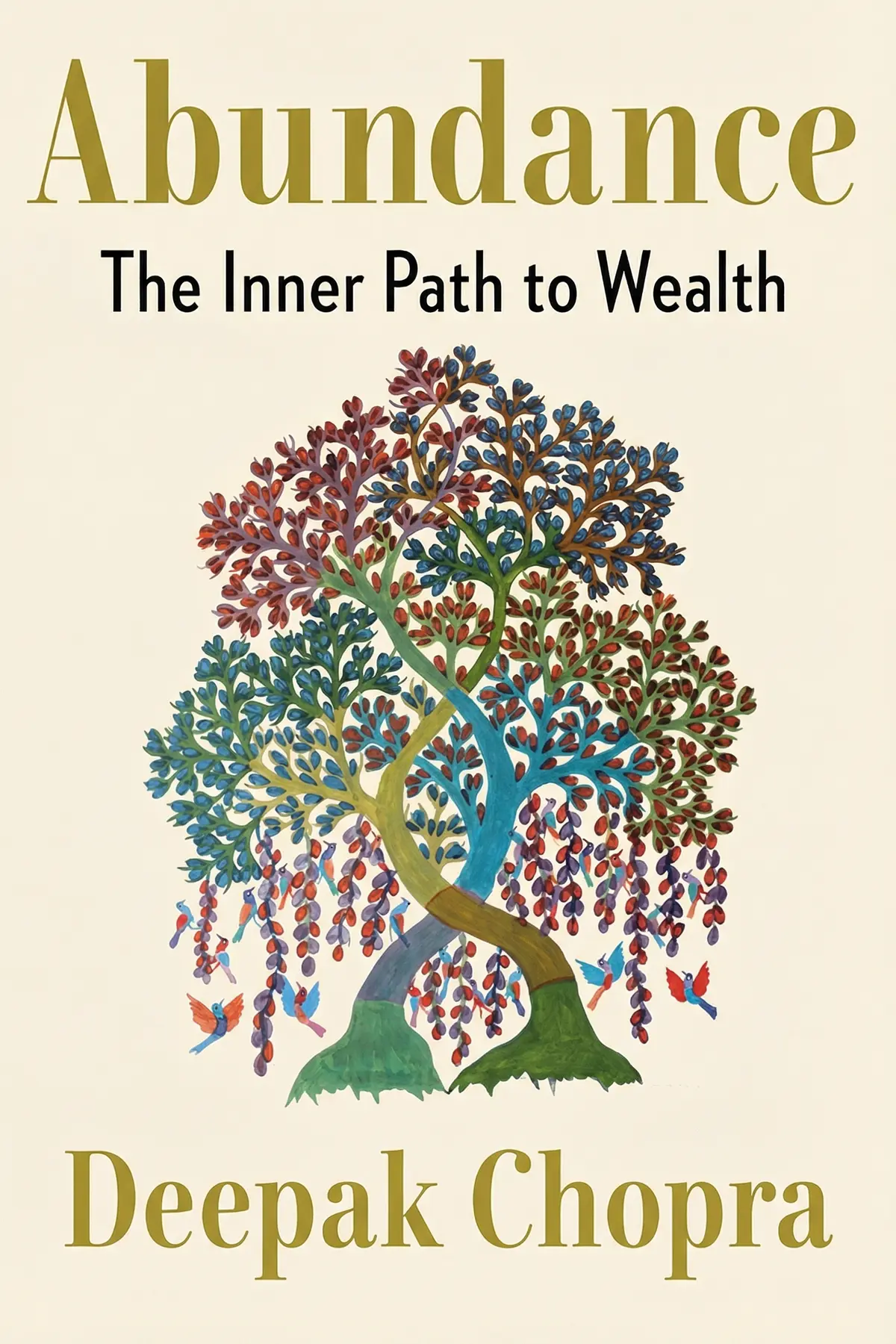
Abundance: The Inner Path to Wealth
Deepak Chopra
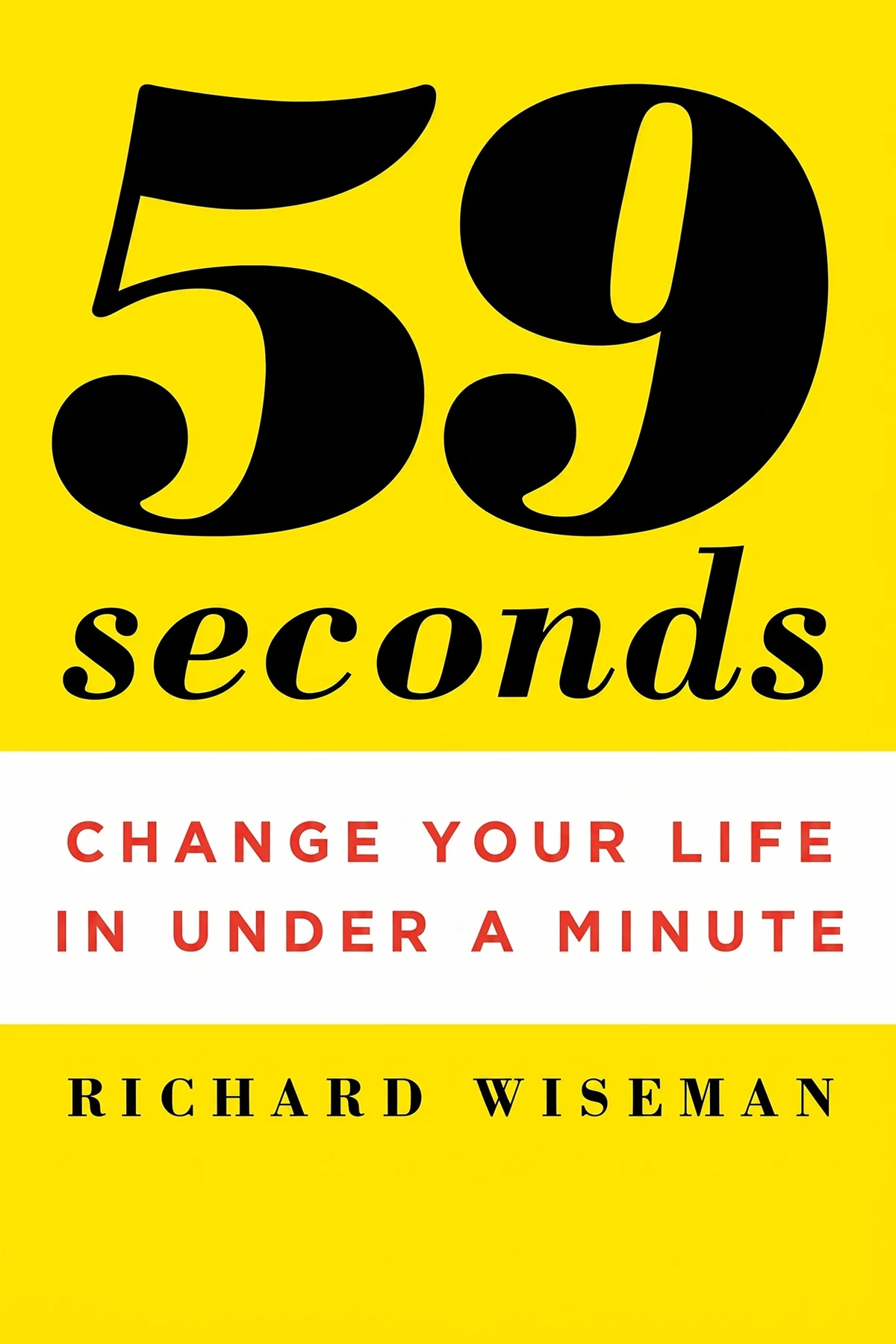
59 Seconds: Change Your Life in Under a Minute
Richard Wiseman
A Guide to the Good Life: The Ancient Art of Stoic Joy
William B. Irvine
AUDIO SUMMARY AVAILABLE
Listen to Willpower Doesn’t Work in 15 minutes
Get the key ideas from Willpower Doesn’t Work by Benjamin Hardy, plus 5,000+ more titles in English and Thai.
- 5,000+ titles
- Listen as much as you want
- 7-day free trial
- Cancel anytime







