
20 min 41 sec
Who Not How: The Formula to Achieve Bigger Goals Through Accelerating Teamwork
Who Not How challenges the traditional solo-hustle mentality, teaching you to achieve massive goals by finding the right partners. Learn to delegate effectively, reclaim your time, and multiply your impact through collaboration.
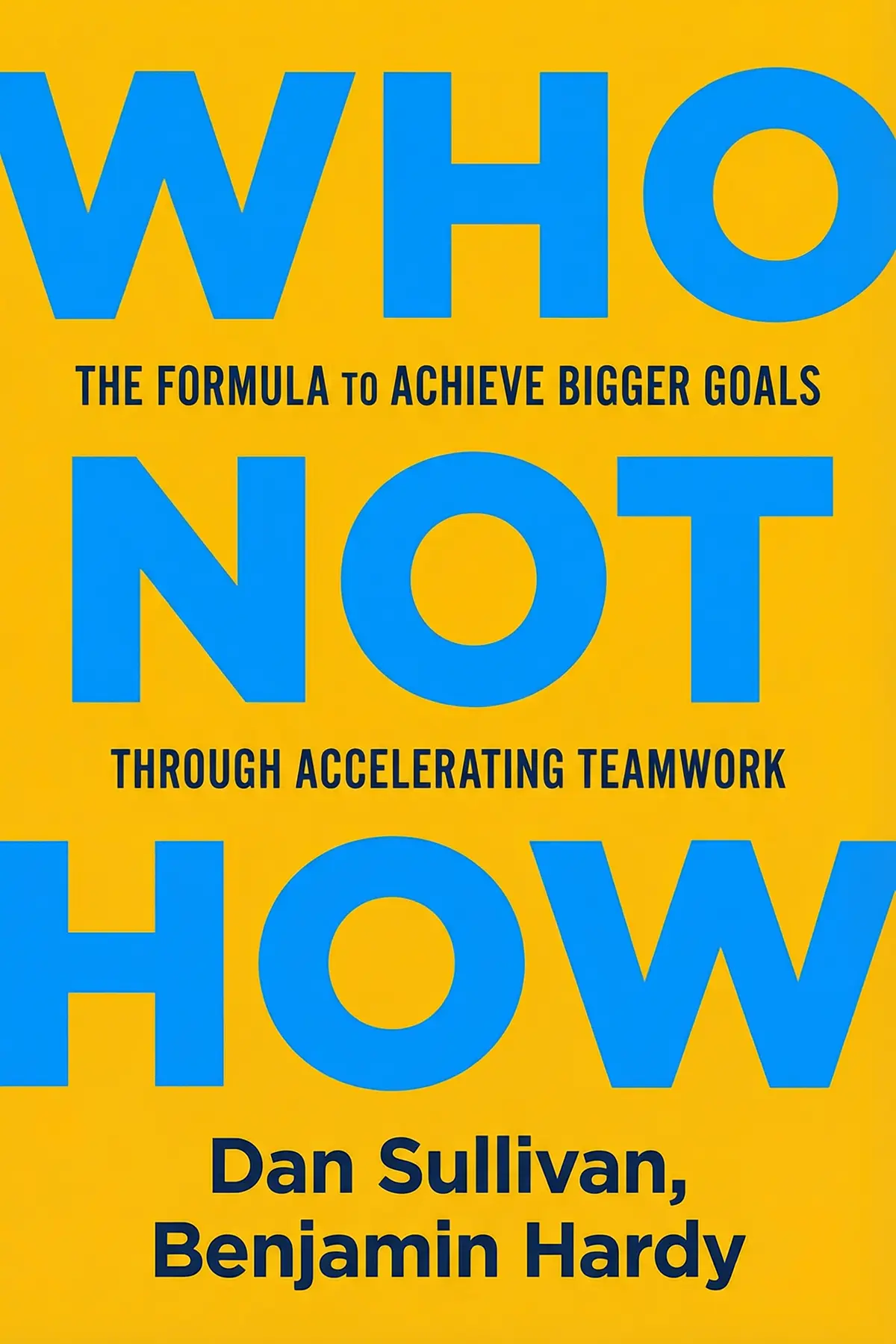
Table of Content
1. Introduction
1 min 36 sec
Think about the last time you felt truly excited about a new project or a big life goal. In that initial spark of inspiration, what was the very first question that popped into your head? For most of us, the reflexive answer is: How do I make this happen? We immediately start plotting out steps, calculating the hours required, and wondering if we have the skills to pull it off. But here is the problem: asking ‘how’ creates an immediate ceiling on your potential. It turns every dream into a to-do list where you are the only worker. This creates a cycle of stress and exhaustion that ultimately stalls your progress.
In this summary of the concepts developed by Dan Sullivan and Benjamin Hardy, we are going to explore a fundamental shift in perspective. Instead of looking at a goal and asking how you can achieve it, you should be asking who can help you achieve it. This change isn’t just about being more efficient; it’s about a completely different way of interacting with the world. It’s about moving away from the isolated struggle and toward a life of collaboration, freedom, and vastly expanded possibilities.
Throughout this journey, we’ll look at real-world examples of how this mindset works in practice. We’ll see how a legendary athlete realized he couldn’t win on his own, how a lawyer reclaimed her life from 100-hour workweeks, and how you can use simple tools to stop procrastinating and start producing. By the end, you’ll see that your biggest goals don’t require more effort from you—they require the right people around you. Let’s dive into how you can start looking for your ‘Whos’ and leave the ‘Hows’ behind.
2. Moving Beyond the Limits of Individual Excellence
2 min 18 sec
Individual talent can take you far, but it rarely leads to the highest level of success. Discover why even the greatest legends need a team to reach their ultimate goals.
3. The Influence of Context on Personal Efficacy
2 min 15 sec
Your ability to succeed isn’t fixed; it’s heavily influenced by the people around you. Learn how the right support can dramatically expand what you are capable of achieving.
4. Reframing Procrastination as a Creative Signal
2 min 02 sec
Procrastination isn’t just a bad habit; it’s a message from your brain. Learn how to decode this signal and use it to find the support you’re missing.
5. Investing in Time to Unlock Greater Wealth
2 min 19 sec
It’s easy to focus on the cost of hiring help, but the real cost is the time you lose doing everything yourself. Learn how to trade money for the freedom to earn more.
6. The Shift from Transactional to Transformational Leadership
2 min 04 sec
Micromanagement is the ultimate ‘How’ trap. Learn how to lead by focusing on outcomes rather than processes, empowering your team to deliver their best work.
7. Building Lasting Value through Transformational Relationships
2 min 12 sec
Networking isn’t about what you can get; it’s about what you can give. Discover how a contribution-first mindset can open doors to the world’s most successful people.
8. The Power of Collaboration Over Isolation
2 min 10 sec
We are often taught that getting help is ‘cheating,’ but in the real world, it’s the only way to achieve greatness. Learn to embrace partnership as a necessity for growth.
9. Using the 80 Percent Rule to Accelerate Progress
2 min 08 sec
Perfectionism is a ‘How’ trap that leads to stagnation. Learn how to get your ideas moving quickly and let your team help you cross the finish line.
10. Conclusion
1 min 37 sec
The journey from ‘how’ to ‘who’ is more than just a productivity hack; it is a fundamental transformation of your identity. We have seen how shifting this single question can turn a frustrated athlete into a champion, a burnt-out entrepreneur into a visionary leader, and a stalled project into a published reality. The recurring theme throughout these lessons is that your greatest limitation isn’t your lack of talent or your lack of time—it is your insistence on carrying the burden alone.
As you move forward, remember the core pillars of this philosophy. First, recognize that your efficacy is tied to your team. You are as capable as the people you choose to surround yourself with. Second, listen to your procrastination; use it as a signal that it’s time to find a partner rather than a sign that you need more willpower. Third, value your time enough to invest in others. Buying back your freedom is the most profitable investment you will ever make. And finally, lead with contribution. When you focus on creating value for your ‘Whos,’ you build a network of transformational relationships that will support you for a lifetime.
Your challenge now is to look at your current to-do list and find one item that makes you feel stuck or drained. Instead of asking yourself how you are going to finish it, ask yourself: Who is already good at this? Who would enjoy doing this? Who can I empower to take this over? By making this shift, you aren’t just getting things done; you are opening the door to a life of greater purpose, deeper connection, and unlimited growth. Stop asking how. Start finding your who.
About this book
What is this book about?
Many high-achievers find themselves trapped by their own success, stuck in a cycle of endless tasks and mounting pressure. The natural response to a new goal is usually to ask, How can I do this? However, this approach often leads to burnout, procrastination, and limited growth because it places the entire burden of execution on one person. This summary explores a radical alternative: shifting from the question of How to the question of Who. By identifying others who possess the skills, time, and interest to handle specific tasks, you can free yourself to focus on your highest-level talents. This isn't just about delegation; it's about building transformational relationships that expand your vision and your earning potential. Through stories ranging from professional sports to entrepreneurship, you will discover how to stop being your own bottleneck and start leveraging the power of teamwork to reach levels of success that would be impossible to achieve alone.
Book Information
About the Author
Dan Sullivan
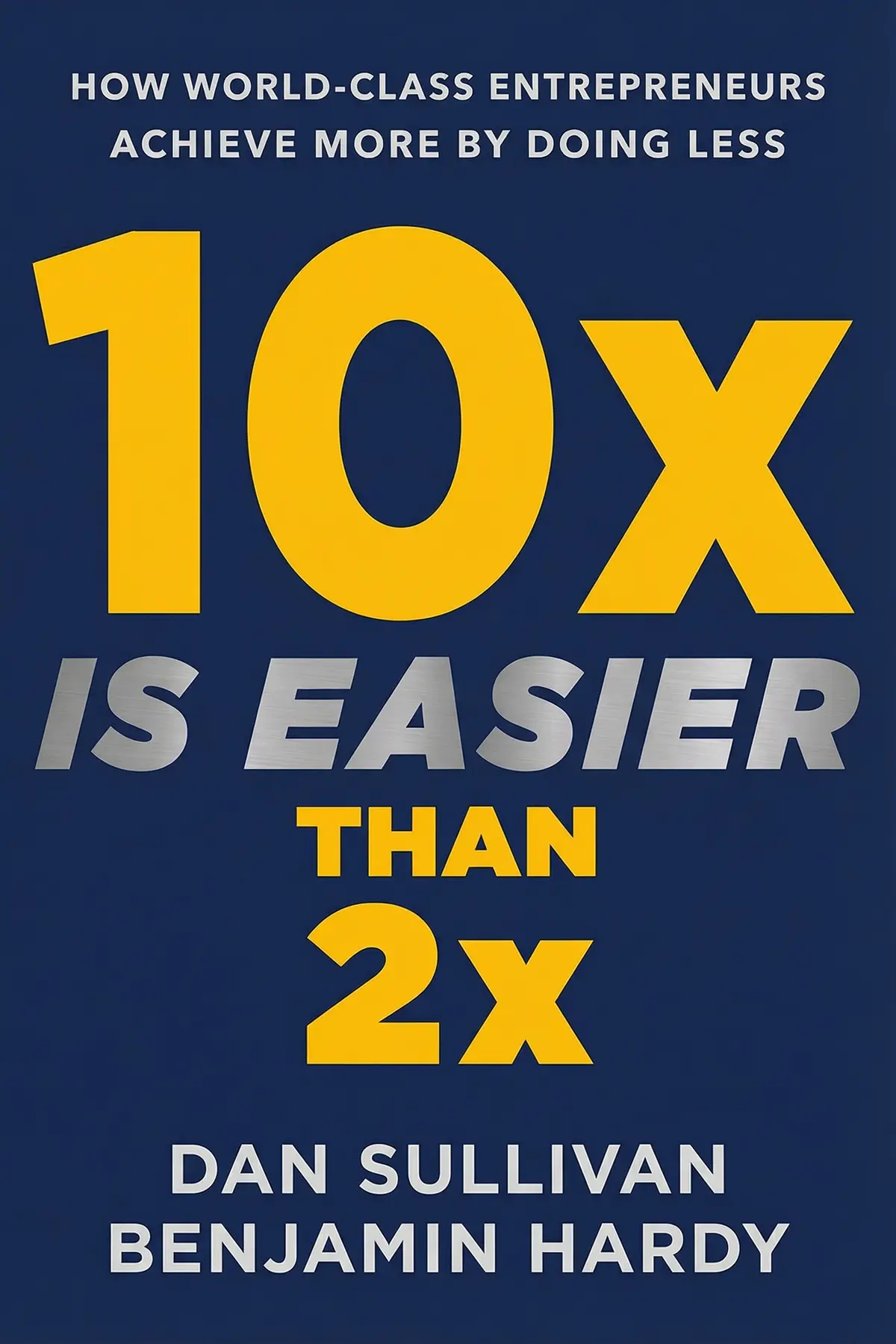
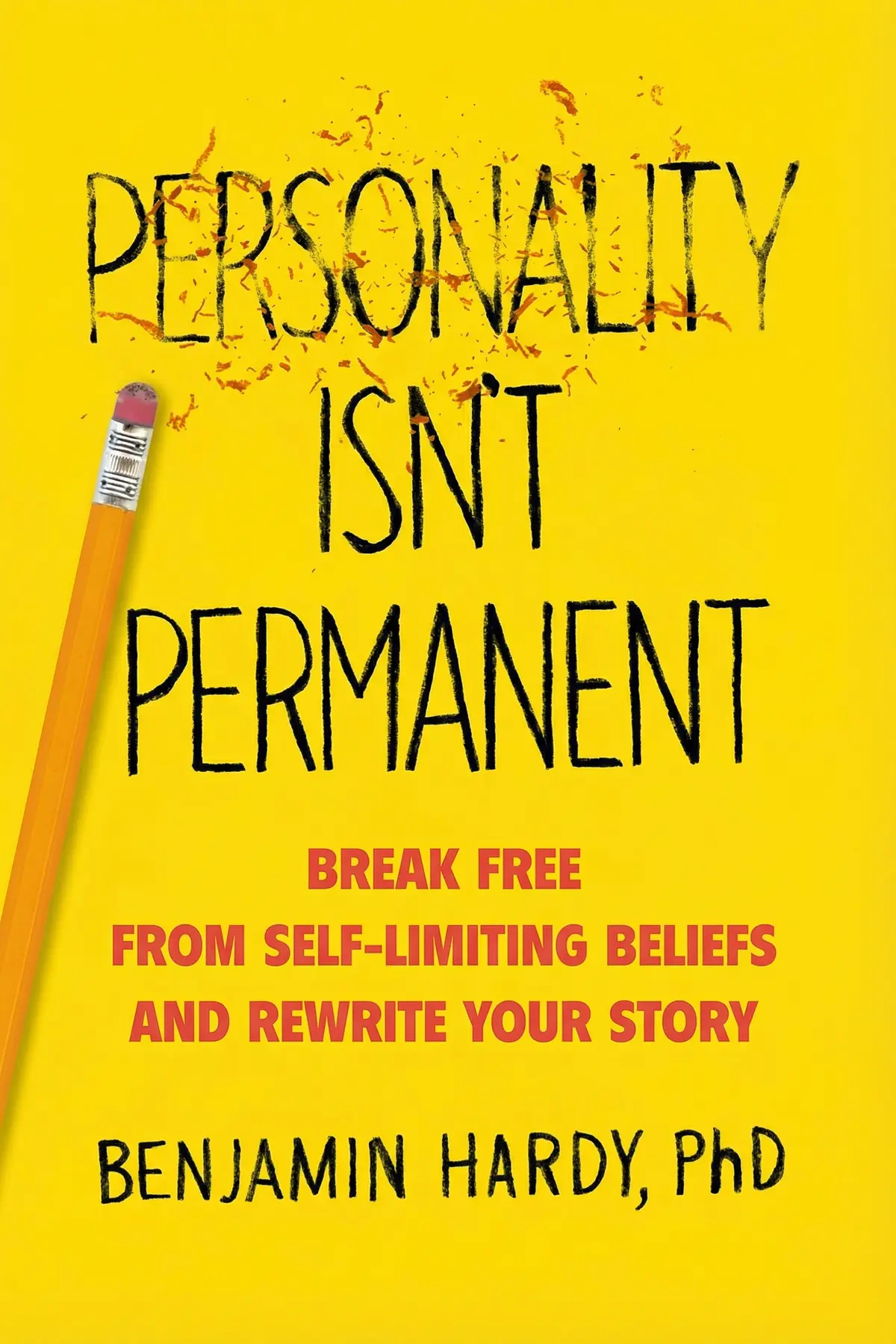
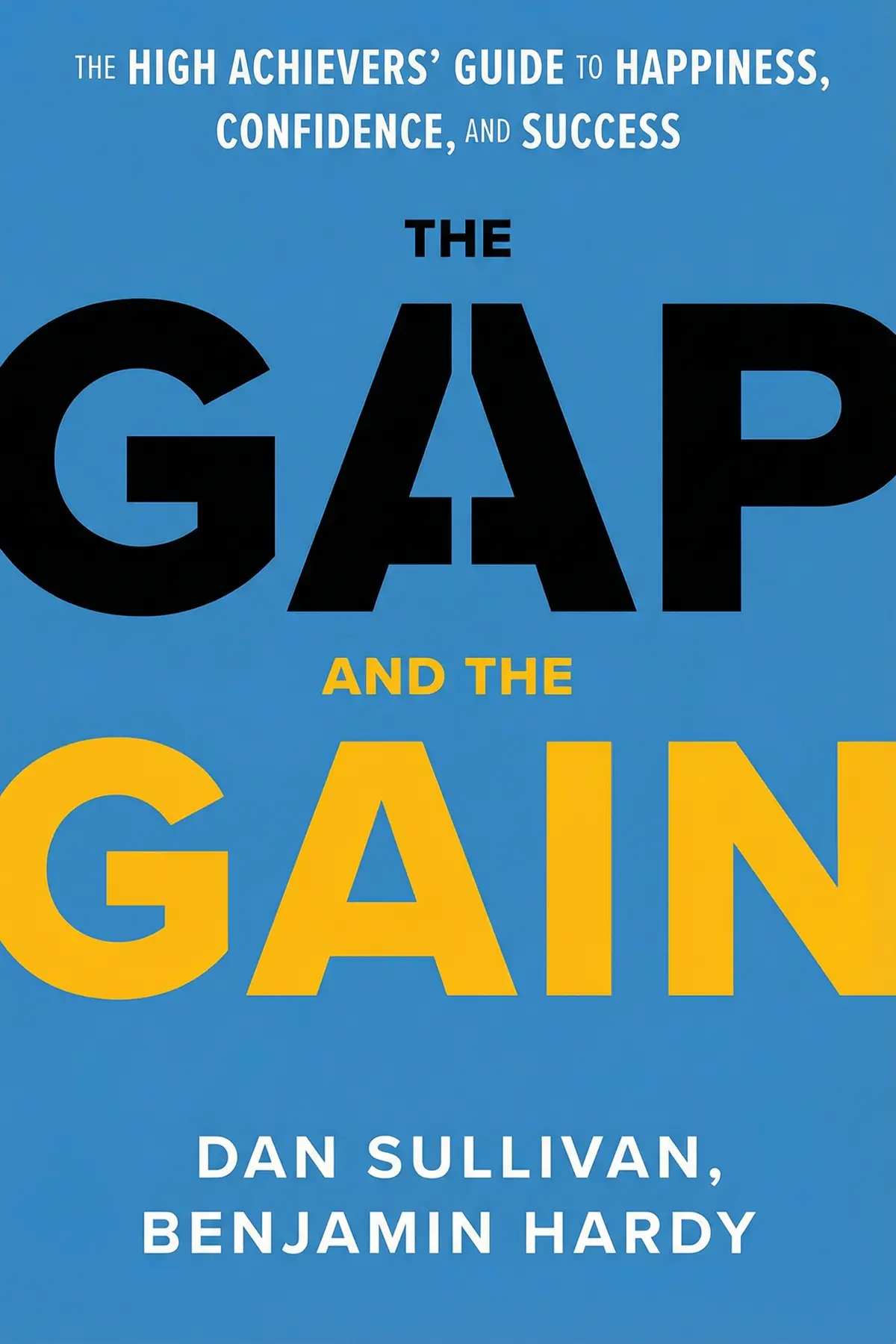
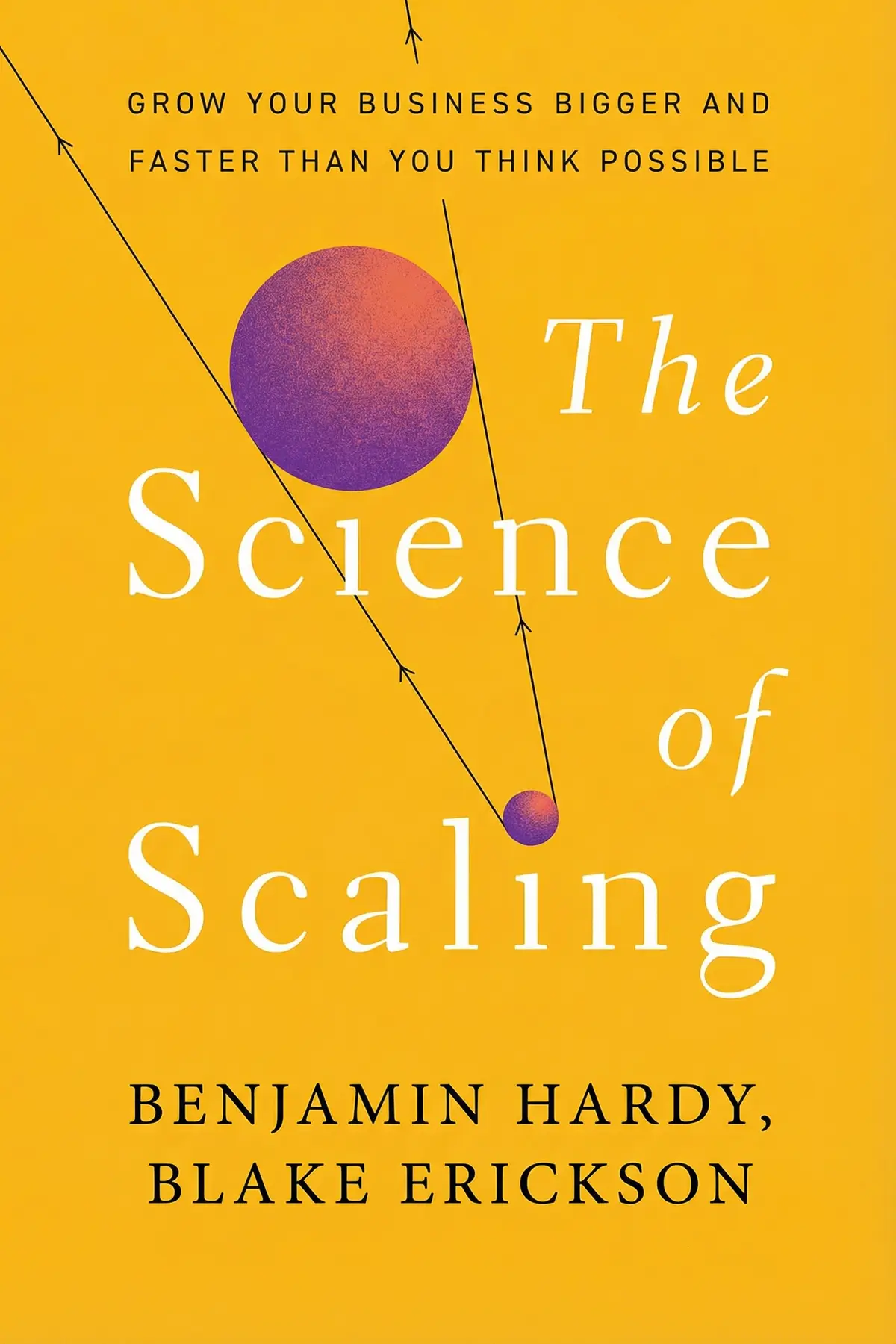
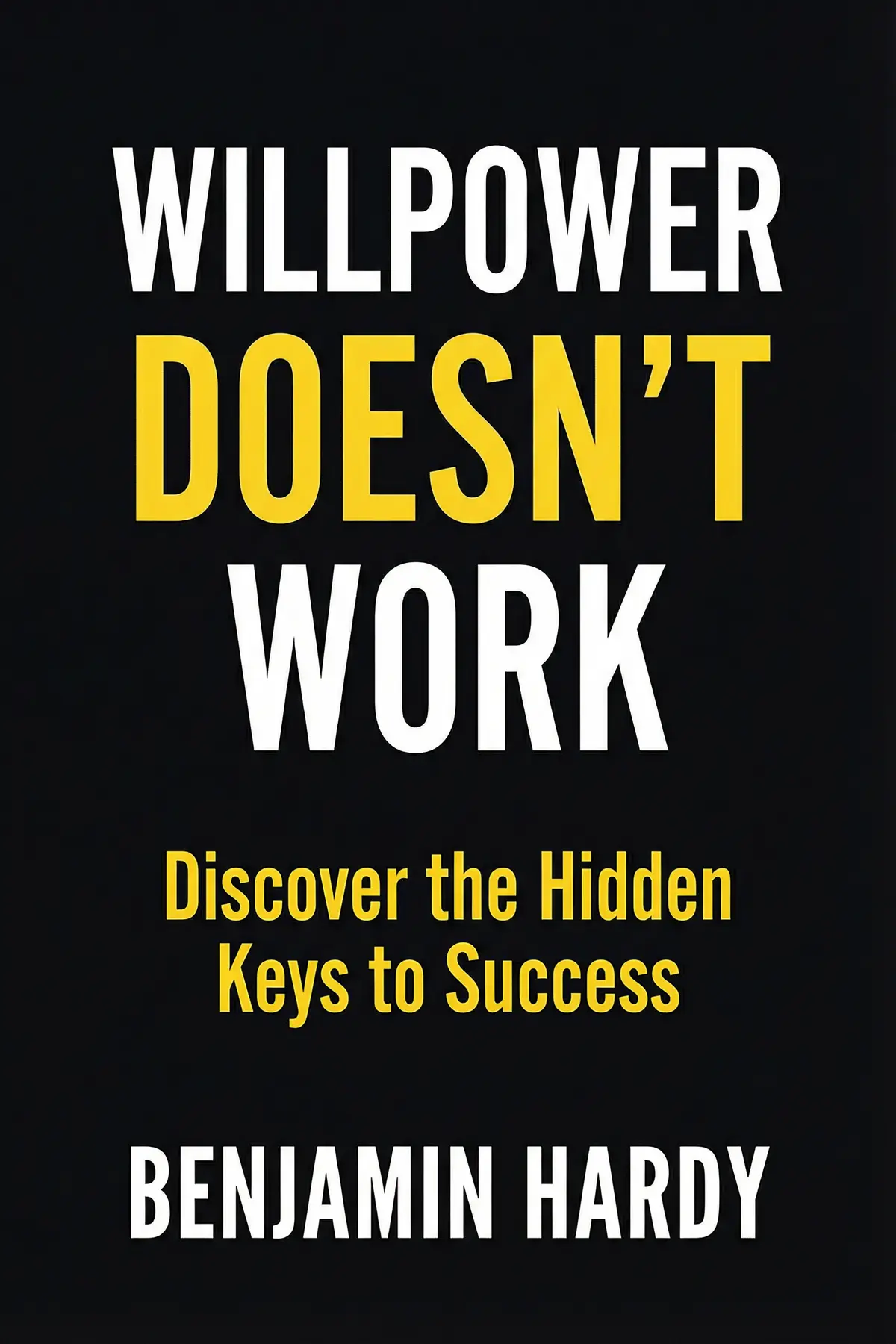
Dan Sullivan is an entrepreneurial coach, consultant, and strategic planner. As founder and president of The Strategic Coach Inc., Sullivan has helped entrepreneurs around the world accomplish personal and professional goals. He’s the author or coauthor of numerous books and publications, including Who Do You Want To Be A Hero To? and The Gap and the Gain. Dr. Benjamin Hardy is an organizational psychologist whose work has reached over 100 million people. He has been featured in the New York Times and Harvard Business Review. He also cowrote The Gap and the Gain with Dan Sullivan and is the author of Willpower Doesn’t Work and Personality Isn’t Permanent.

Ratings & Reviews
Ratings at a glance
What people think
Listeners find this work life-changing, delivering impactful perspectives and useful tips for hitting larger targets via collaboration. They value the surprisingly uncomplicated framework and high level of clarity, with one listener mentioning how it inspires them to think bigger. Listeners praise the prose and consider it essential for business owners, with one review noting how it increases delegation of tasks and projects.
Top reviews
Supatra
This book is a mental reset for anyone stuck in the exhausting "How can I do this?" loop. Sullivan and Hardy articulate a simple but seismic shift toward collaboration over self-reliance. Truth is, I spent years trying to master every technical skill myself, only to end up burnt out and stagnant. By shifting the focus to finding the right people—the "Whos"—I’ve unlocked projects that previously felt impossible. It’s a shockingly simple approach that empowers you to think bigger than your own limited capacity. While some might find the examples a bit repetitive, the core principle is worth the repetition until it sticks. This is truly transformative for entrepreneurs who are the bottleneck in their own growth. It turns your biggest problems into opportunities for connection.
Show morePraepimon
Ever wonder why some entrepreneurs seem to scale effortlessly while others stay stuck in the weeds? This book provides the answer by dismantling the "I’ll do it myself" hero complex that holds so many back from reaching their full potential. I’ve read plenty of business books, but Hardy and Sullivan manage to distill a complex psychological barrier into a manageable framework. It focuses on the value of time and the power of human connection. To be fair, you could probably get the gist from the introduction, but the reinforcement throughout helps solidify the mindset shift. This is an important book to read because it changes how you view every goal. It’s not about better strategies; it’s about connecting with the right people.
Show moreAir
After hearing Dan Sullivan speak on various podcasts, I knew the book would be insightful, but the collaboration with Benjamin Hardy adds a great narrative layer. The "Who Not How" philosophy is a total game-changer for someone like me who tends to overwork and under-delegate. The writing is incredibly accessible, making complex organizational concepts feel like common sense. I appreciated how it encourages readers to define success clearly before bringing others on board. My only gripe is that it feels a little thin on the tactical "how-to" of finding these Whos when you’re just starting out on a budget. However, as a written reflection on teamwork, it is a big hit. It forces you to stop and think about your default state of doing everything alone.
Show moreSebastian
This project is essentially a powerful marketing lure for the authors' coaching programs, but that doesn't mean the message isn't vital. It’s a quick read that you can finish in a single afternoon, and the core message will stay with you long after you close the cover. The authors hammer the "Who Not How" phrase into your brain so often it practically becomes a mantra for every new challenge you face. While it’s definitely written from a perspective of significant wealth, the underlying principle of leveraging others' expertise is universal. In my experience, even small steps toward this mindset pay huge dividends in mental clarity. It’s shockingly simple but most people ignore it until they are forced to change.
Show moreWatcharee
Picked this up after seeing it all over my LinkedIn feed and I wasn't disappointed by the message. The concept of "Who Not How" is powerful, yet it completely flips the script on traditional productivity. Instead of grinding through tasks I hate, I’m now looking for the people who actually enjoy that specific work. Frankly, it’s a relief to realize I don’t have to be the expert in everything to be successful. The writing style is punchy and moves fast, though the book is fairly short and repeats the title phrase constantly. I wish there were more case studies for small-budget startups, but the shift from competition to collaboration is a game-changer. It’s an easy read that focuses on results over effort.
Show morePhu
The chapter on the "Genius Network" and the idea of investing in people really changed how I look at my monthly payroll. I used to see hiring as a major cost, but now I view it as a primary investment in my own freedom. It's a short book that could have been an essay, but the repetition is actually helpful for breaking old, stubborn habits. Not gonna lie, I’ve already started delegating more projects since finishing it last week. If you’re a control freak who feels like they’re drowning in tasks, this is the intervention you need. It increases your ability to delegate and lets you focus on your unique strengths. A must-read for any leader feeling overwhelmed.
Show morePat
Wow, what a powerful way to rethink the way we approach our goals and our lives. I’ve always been the type to try and figure out every technical "how" before starting, which usually leads to massive procrastination. By asking "Who" instead, I’ve already found two partners for my new venture who handle the tech side perfectly. Look, the book isn't a technical manual; it's a mindset shift. It’s about moving from competition to collaboration and reclaiming your free time for what actually matters. It’s a must-read for anyone who feels like they are the constant bottleneck in their own business. The writing is accessible and the message is undeniably practical for growth-minded people.
Show moreKofi
Finally got around to reading this and I can see why it’s a staple for high-performers and established business owners. The central premise is that your potential is limited only by your ability to find the right partners to handle the details. It’s an important book because it forces you to confront the ego involved in wanting to do everything yourself. Personally, I found the section on transforming relationships through collaboration the most impactful. It’s not just about business; it’s about creating a life where you focus on your unique strengths while letting others do the same. It’s a great little read that will expand your thinking, even if it feels a bit loop-de-looped onto itself at times.
Show moreGioia
Let’s be real: this is a big idea packaged in a very short, very repetitive book that could have been a blog post. However, the simplicity is exactly what makes it effective for busy entrepreneurs who don't have time for fluff. It’s not about being lazy or abandoning responsibility; it’s about being effective and valuing the specialized contributions of others. I took off a star because it lacks tactical depth on what to do when your "Whos" don't deliver as promised or how to assess their work. Still, the shift from "I must learn this" to "Who already knows this?" is the most important lesson I’ve learned this year. It's a transformative perspective for anyone feeling stuck in a box.
Show moreTawee
As someone who isn't already a millionaire CEO, I found large parts of this book incredibly out of touch. The authors suggest "Who Not How" as a universal fix, but it ignores the reality that many people simply don't have the capital to outsource their problems. The chapter titled "If You Have Enough Money to Solve a Problem, You Don't Have a Problem" felt like a slap in the face to anyone struggling with actual overhead. It’s a great theory if you have a massive budget, but for the average person, it feels like an elitist circle-jerk for those who can already afford $25k memberships. There is some value in the teamwork aspect, but the execution reeks of privilege. It basically tells you to abandon your responsibilities to others while you go on vacation.
Show moreFeatured in
Readers also enjoyed
Abundance: The Inner Path to Wealth
Deepak Chopra

168 Hours: You Have More Time Than You Think
Laura Vanderkam

59 Seconds: Change Your Life in Under a Minute
Richard Wiseman
AUDIO SUMMARY AVAILABLE
Listen to Who Not How in 15 minutes
Get the key ideas from Who Not How by Dan Sullivan, plus 5,000+ more titles in English and Thai.
- 5,000+ titles
- Listen as much as you want
- 7-day free trial
- Cancel anytime







