
11 min 37 sec
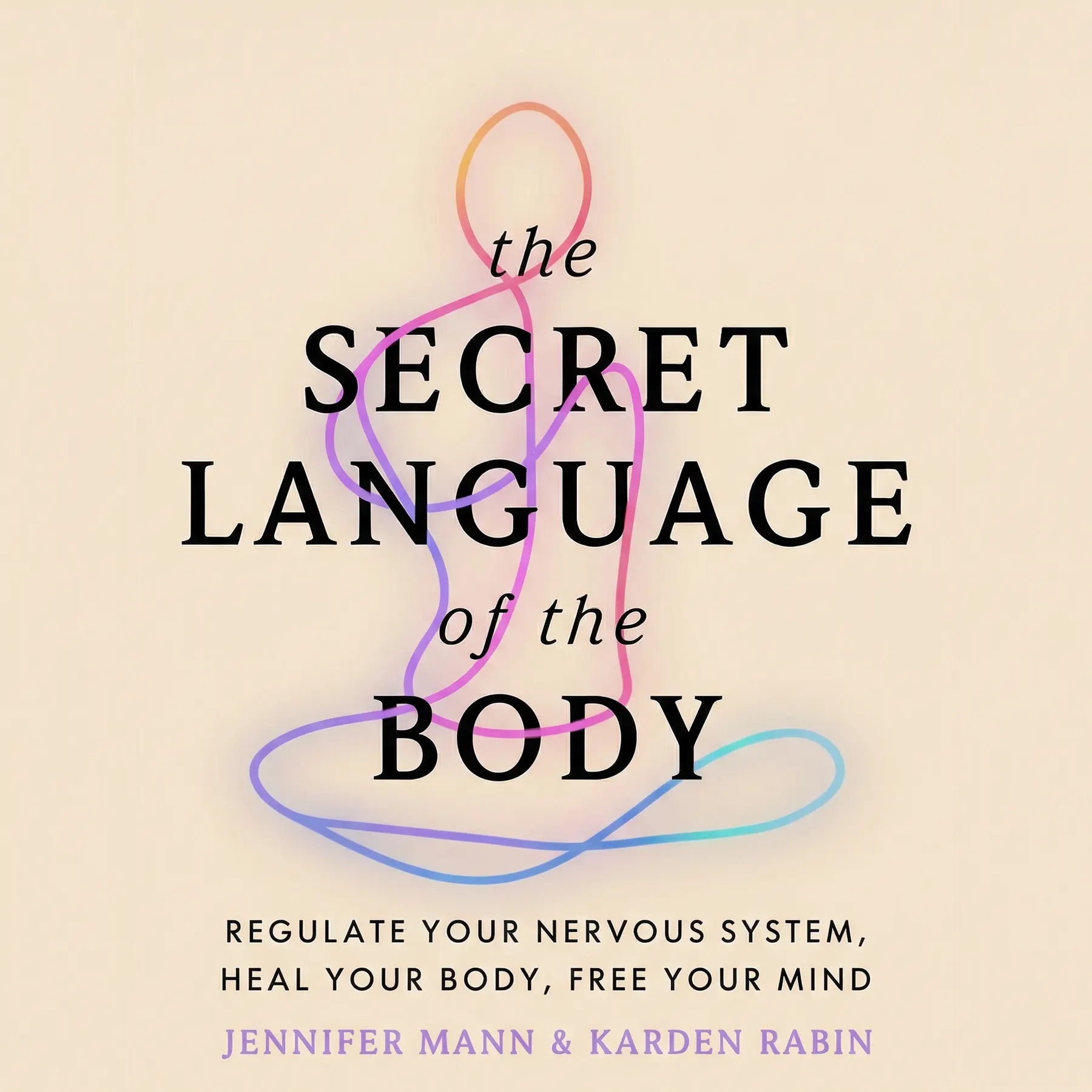
The Secret Language of the Body: Regulate Your Nervous System, Heal Your Body, Free Your Mind
Explore the connection between emotional health and physical symptoms. This guide introduces the AIR model to help you interpret your body’s signals, regulate your nervous system, and achieve lasting holistic well-being.
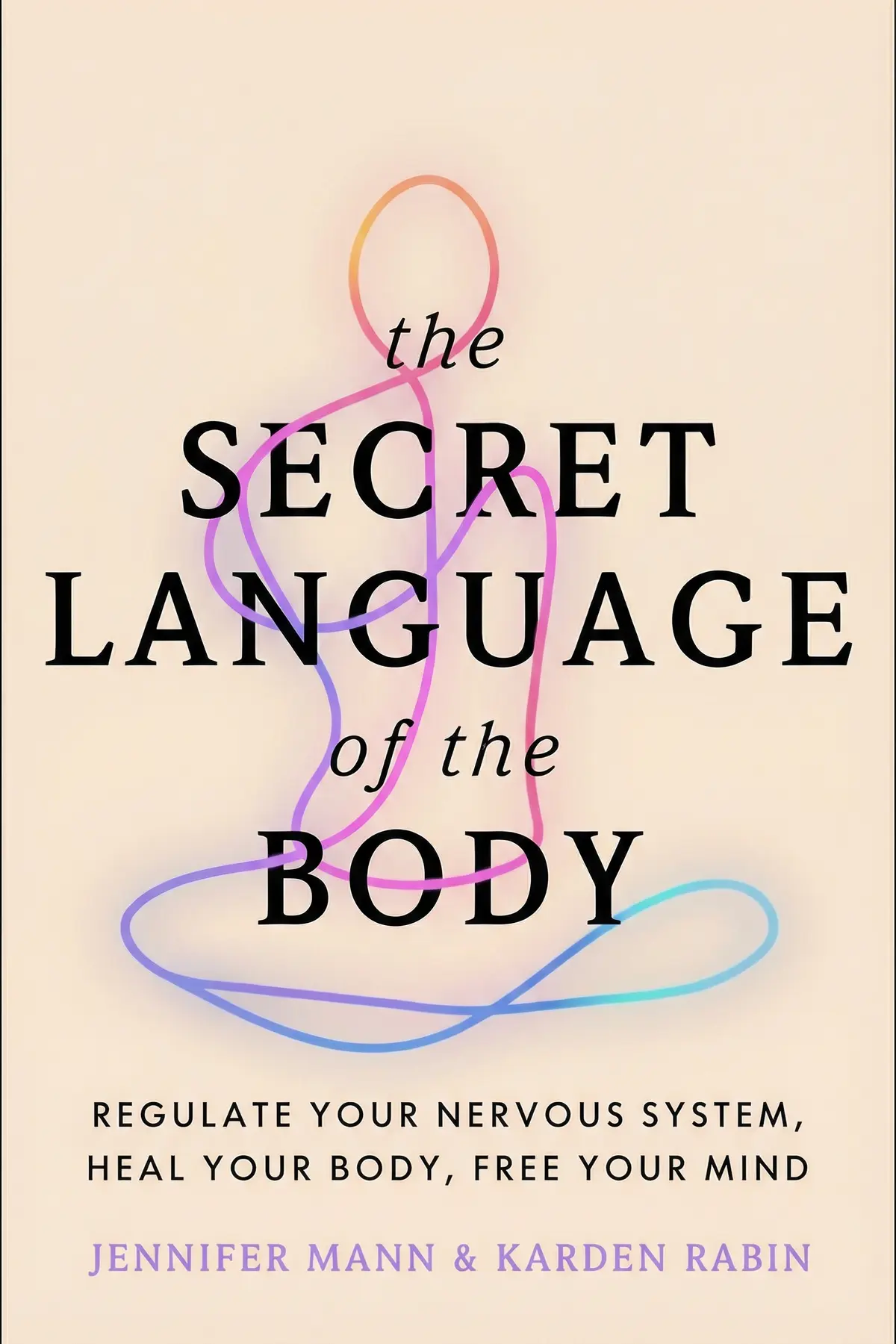
Table of Content
1. Introduction
1 min 12 sec
Have you ever felt like your body was working against you? Perhaps you’ve dealt with chronic tension that won’t go away, or a sense of exhaustion that sleep can’t touch. Most of us are taught to treat these issues as mechanical failures or inconveniences to be medicated. But what if these symptoms weren’t glitches at all? What if they were actually a highly sophisticated, albeit secret, language?
In this exploration of the mind-body connection, we are looking at how to stop fighting our physical responses and start listening to them. The central idea is that our nervous system is constantly trying to protect us, even when its methods—like chronic pain or anxiety—seem counterproductive. By using the AIR model—which stands for Awareness, Interruption, and Redesign—we can bridge the gap between our emotional experiences and our physical health. This journey isn’t just about feeling better in the moment; it’s about fundamentally changing how we inhabit our own skin. We’ll learn to move from a state of constant survival into a state of genuine peace. Over the next few sections, we will break down how to decode your body’s signals, why your nervous system reacts the way it does, and how you can rewire your responses to live a more liberated, healthy life.
2. Decoding the Body’s Signals Through Awareness
2 min 15 sec
Discover how to interpret the hidden messages of your nervous system by focusing on your breath, actions, sensations, and emotions to foster true internal alignment.
3. Navigating the Hierarchy of Survival States
2 min 10 sec
Learn how polyvagal theory explains your body’s shift between rest, fight-or-flight, and shutdown, and how neuroception keeps you constantly scanning for safety.
4. Interrupting Dysfunctional Patterns to Spark Change
2 min 17 sec
Find out how to use physical movement and sensory engagement to break the cycle of stress and teach your nervous system to find safety again.
5. Redesigning Your Internal Landscape for Lasting Health
2 min 33 sec
Learn to move beyond survival by building a new mental and physical framework based on curiosity, safety, and a deep sense of self-worth.
6. Conclusion
1 min 10 sec
The journey through the secret language of the body is one of profound transformation. We’ve seen that our physical symptoms are not enemies to be conquered, but messengers seeking to be understood. By applying the AIR model, you have a practical roadmap for this journey. Awareness allows you to listen to the BASE signals of your breath and emotions. Interruption gives you the tools to physically break the cycles of stress and survival. And Redesign allows you to build a new, resilient framework for your future.
What this really means is that you have the power to influence your own healing. You aren’t just waiting for symptoms to disappear; you are actively creating an internal environment where those symptoms are no longer necessary. As you learn to regulate your nervous system, you’ll find that you’re not just healing your body—you’re freeing your mind from the burdens of the past. The throughline of this work is simple: your body wants to be well, and once you learn to speak its language, you can finally provide the safety and care it has been asking for. Start today by simply noticing your breath, and remember that every moment of awareness is a step toward a more aligned and vibrant life.
About this book
What is this book about?
The Secret Language of the Body offers a transformative look at how our physical ailments are often the body’s way of communicating deep-seated emotional and neurological stress. Instead of viewing symptoms as problems to be suppressed, authors Jennifer Mann and Karden Rabin invite you to see them as a survival-based dialect that needs to be understood. The book introduces the AIR model—Awareness, Interruption, and Redesign—as a structured path to recovery. By engaging with the mind, body, and your overall being, the book promises a method to move beyond mere survival into a state of thriving. You will learn to decode your internal signals, break the cycle of chronic stress responses, and rebuild your internal landscape for better health. It combines principles of somatic therapy and polyvagal theory to provide a practical toolkit for anyone struggling with chronic pain, anxiety, or fatigue, aiming to free the mind and heal the body from the inside out.
Book Information
About the Author
Jennifer Mann
Jennifer Mann is the cofounder of Somia International and a cocreator of the Heal Program. Her expertise in holistic health has been highlighted in publications such as the Telegraph and on mindbodygreen.com. Karden Rabin is also a cofounder of Somia International and a cocreator of the Heal Program. Rabin is a veteran in the field of somatic therapy, having led courses for organizations including the Kripalu Center for Yoga and Health, Starbucks, and The Wounded Warrior Project.
Ratings & Reviews
Ratings at a glance
What people think
Listeners find the material beneficial and straightforward to follow, noting the lucid clarifications and hands-on activities provided after every chapter. They characterize the work as a transformative path toward understanding oneself and consider it the best book on healing the nervous system. The thoroughness is highly valued, with one listener highlighting how it weaves together complex topics.
Top reviews
Divya
Finally got around to reading this, and it’s a total game-changer for my chronic stress management. The AIR method—Awareness, Interruption, and Redesign—is explained so clearly that even someone in the middle of a major flare-up can follow along without getting overwhelmed. I’ve read a lot of somatic books, but Mann and Rabin weave these complex topics together in a way that actually feels manageable. Each chapter ends with practical exercises that aren't just fluff; they are actionable steps to retrain your nervous system. Personally, I found the section on 'Interruption' to be the most helpful, as it gave me real tools to stop my physiological spiraling. This isn't just a book you read once and put away. It’s a resource I keep on my nightstand to remind myself that my body isn't my enemy, it’s just speaking a language I’m finally learning to translate. Highly recommended for anyone seeking a life-changing journey of self-discovery.
Show moreArthit
Picked this up because I was tired of talk therapy not addressing my physical symptoms, and it was exactly what I needed. Mann and Rabin have created the best book on nervous system regulation I’ve encountered so far. Truth is, many trauma books are either too academic or too woo-woo, but this one hits the sweet spot with clear, scientific explanations of polyvagal theory. The way they break down the body’s 'secret language' makes sense of why my heart races for no reason or why I shut down during conflict. I loved that the exercises weren't buried in a back appendix but integrated throughout the chapters. It feels like a journey of self-discovery rather than a lecture. For the first time in years, I feel like I have a map for my own recovery that isn't just 'thinking positive' or ignoring the pain.
Show moreKiattisak
Wow. I have never felt more seen by a health book in my entire life. 'The Secret Language of the Body' explains the 'why' behind my chronic pain in a way that finally removed the guilt I’ve been carrying for not 'getting better' sooner. The authors treat the body as an active participant in our lives, not just a broken machine that needs parts replaced. In my experience, the exercises at the end of each chapter are where the real magic happens. They help you move from intellectual understanding to actual somatic change. It works. I’m slowly learning to listen to the messages my body is sending, and while I’m not 'cured' overnight, I feel more in control than I have in decades. This is essential reading for the chronic illness community. It is deep, compassionate, and truly transformative.
Show moreRodrigo
After hearing so much hype on social media, I finally dived in, and the hype is real. This book is basically a manual for your nervous system. Most people don't realize that their symptoms are actually 'sacred messages' from a body trying to survive, and this book teaches you how to answer those messages. The focus on neuroplasticity is incredibly hopeful because it proves we aren't stuck with the patterns we developed in childhood. Gotta say, the 'Redesign' phase of their model is what sets this apart from other somatic books because it gives you a plan for the future. It’s grounded in science and genuinely helpful for anyone who feels like their body has betrayed them. Stop scrolling and just buy the book! It’s an investment in your well-being that actually pays off with practical, daily tools.
Show moreMats
The chapter on developmental trauma was absolutely brilliant and explained so much about my own stress responses. Personally, I found the AIR method to be a very effective tool for managing my daily anxiety, and the writing is accessible despite the complex subject matter. Some reviewers say it’s overcomplicated, but I actually appreciated the depth because it weaves together so many different aspects of the mind-body connection. Truth is, you have to be willing to do the work, but the practical exercises provided make that possible. It really feels like a life-changing journey of self-discovery. Even if some of the case studies seem a bit fast, the underlying principles of nervous system regulation are solid. This is the best book I've found on the topic, and it has genuinely changed how I approach my health. It’s comprehensive and deeply informative.
Show morePalm
This book provides an incredibly deep dive into how our nervous system handles trauma, though I'll be honest, it gets a bit repetitive in the middle sections. The authors are clearly experts, but they tend to hammer home the same points about 'self-healing' over and over again. To be fair, the core concepts like the 'nervous system paradox' are brilliant and helped me understand why I feel stuck in a loop of exhaustion and anxiety. I really appreciated the case studies, although some of the recoveries described seem a bit too fast to be relatable for someone with a lifelong autoimmune condition. Despite the wordiness, the exercises are pure gold and worth the price of admission alone. If you can skim through the more repetitive bits, you’ll find a solid framework for somatic healing that actually works. It's a bit of a commitment but definitely informative.
Show moreRosa
While many authors focus only on the mind, this book treats the body as an active participant in our emotional health. As someone who has struggled with chronic fatigue for years, the focus on 'nervous system modifiers' offered a refreshing take on what it means to recover. Instead of promising a quick fix, the authors explain the long-term process of reconfiguring your physiological responses. The AIR method is super easy to remember, and I’ve already started using the 'Interruption' techniques during my workday. Frankly, some of the writing is a bit dense and took me a few tries to wrap my head around. However, the effort was worth it. It’s not just about 'fixing' yourself; it’s about understanding survival mechanisms. I appreciated the depth they went into regarding attachment wounds, though I wish there were more diverse examples of systemic stress. Definitely a solid resource for anyone into somatics.
Show moreParichat
Not what I expected, but in a good way. I thought this would be another generic book on mindfulness, but it’s actually a very deep exploration of how the brain and nervous system interact to create physical symptoms. The authors do a great job weaving together neuroplasticity, trauma, and physical health. My only real gripe is that it’s needlessly wordy and tends to repeat certain phrases until they lose their meaning. To be fair, the core message is vital, and the AIR model provides a very practical roadmap for anyone feeling constantly dysregulated. I found the section on the dorsal vagal state particularly eye-opening for my own patterns of shutdown. It takes some patience to get through the text, but the insights are profound enough to justify the effort. It’s easily one of the better books on the mind-body connection out there today.
Show moreAnong
The premise of the book is solid, but the execution felt a bit like a promotional pamphlet for their private coaching at times. I struggled with the writing style because there was so much fluff surrounding the actual techniques. Look, the AIR model is a great framework—I especially liked the 'Awareness' part where you learn to view sensations with curiosity instead of fear. However, I found myself getting lost in long, wordy sentences that didn't seem to say much. I’d suggest reading the physical copy rather than the audiobook so you can easily skip to the exercises at the end of each chapter. There is a lot of good info here, but you have to dig through some pretentiousness to find it. It's a useful resource for the somatic tools, just not as life-changing as the marketing suggests. It’s okay, but proceed with patience.
Show moreIsabella
Ever wonder why 'self-healing' books always feature people who go from bedridden to hiking mountains in a week? The case studies in this book felt incredibly unrealistic and, frankly, a bit predatory toward people who are truly suffering. While I believe the mind-body connection is real, the authors push the 'heal yourself' narrative so hard it starts to feel like a sales pitch for their $1,000 online courses. To be fair, the AIR exercises are okay, but they are buried under layers of overcomplicated fluff and repetitive 'doom and gloom' framing. Not gonna lie, I was disappointed that there was zero mention of how systemic issues like poverty or discrimination impact the nervous system. It’s all put on the individual to just 'redesign' their way out of structural trauma. It felt more like a marketing pamphlet than a manual for genuine health. No thank you.
Show moreFeatured in
Readers also enjoyed
Alcoholics Anonymous
Alcoholics Anonymous World Services
A Liberated Mind: How to Pivot Toward What Matters
Steven C. Hayes

AUDIO SUMMARY AVAILABLE
Listen to The Secret Language of the Body in 15 minutes
Get the key ideas from The Secret Language of the Body by Jennifer Mann, plus 5,000+ more titles in English and Thai.
- 5,000+ titles
- Listen as much as you want
- 7-day free trial
- Cancel anytime







