
15 min 19 sec
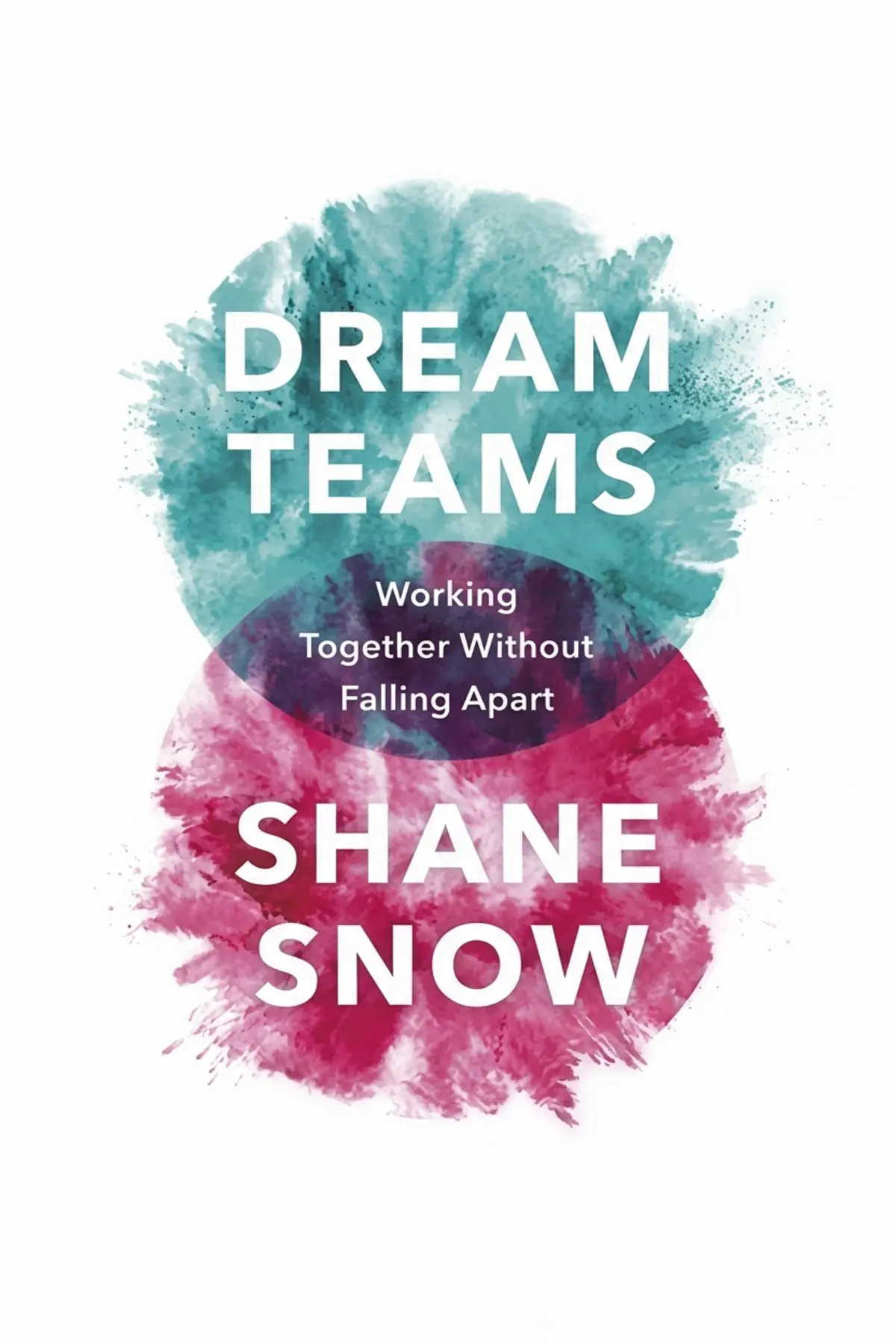
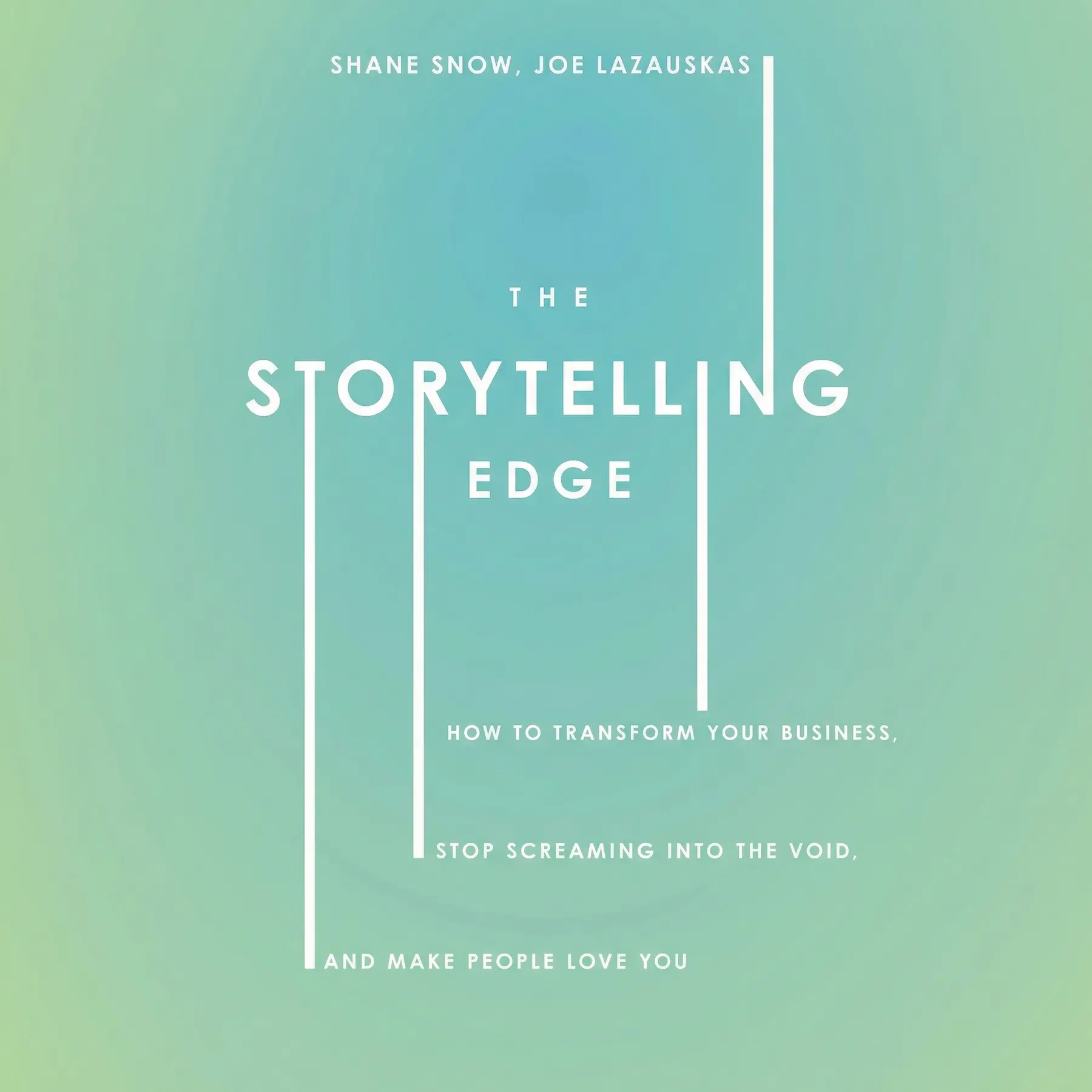
The Storytelling Edge: How to Transform Your Business, Stop Screaming into the Void, and Make People Love You
The Storytelling Edge explores the biological and psychological mechanics of narrative, offering a strategic framework for businesses to connect with audiences through authenticity, tension, and simplified, high-quality content delivery.
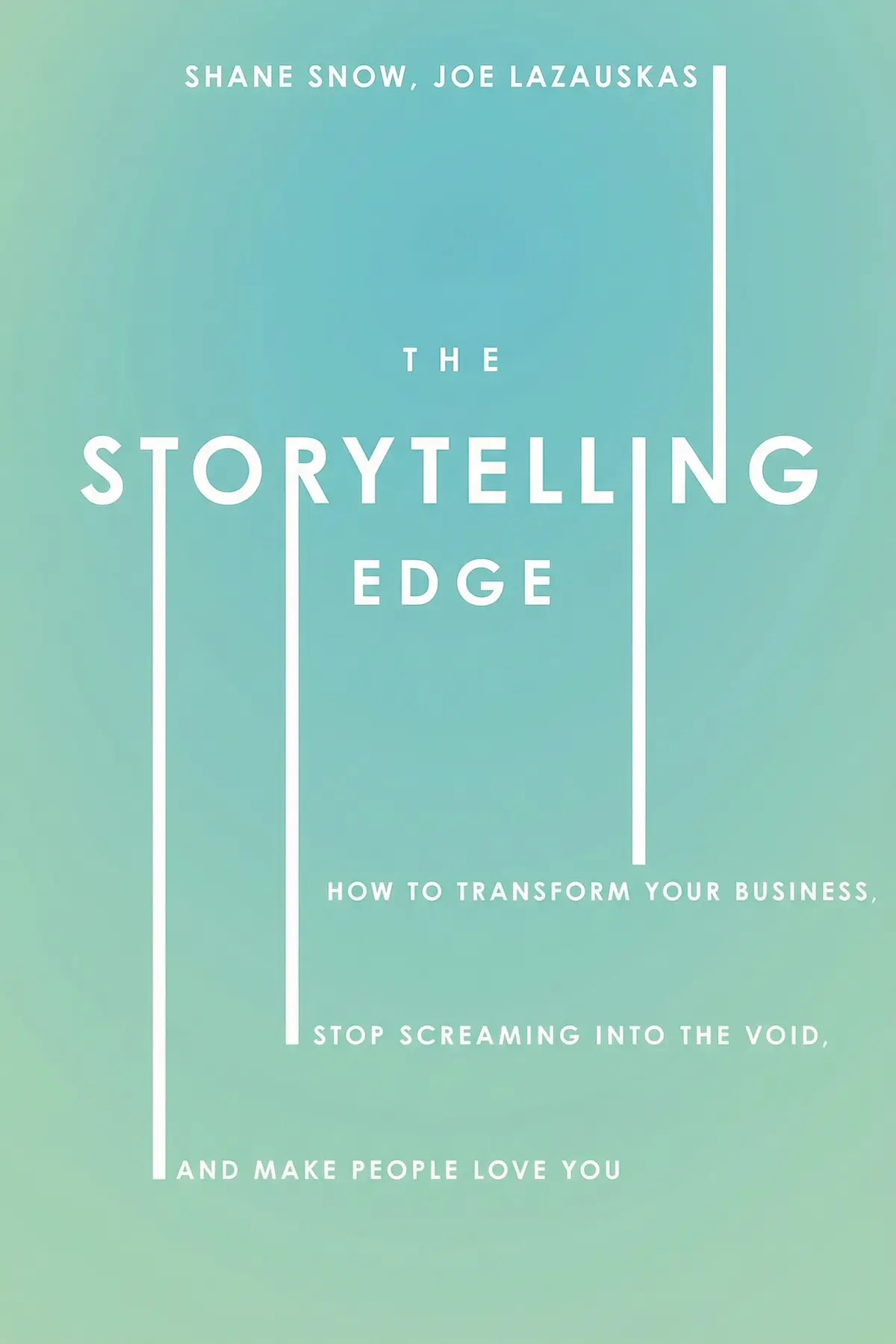
Table of Content
1. Introduction
1 min 45 sec
Think back to the last time you were truly moved by a piece of communication. Was it a spreadsheet? A list of features? Probably not. More likely, it was a story. Consider the case of musician Amanda Palmer. In 2012, she didn’t just ask for money for a new album; she shared a journey. She used a simple video and a series of signs to explain her break from a major label and her desire to treat her collaborators with the respect of a fair wage. By telling a human story rather than making a corporate pitch, she raised over a million dollars in a month. This is the power we are exploring today.
We often think of storytelling as a mystical talent, something you’re either born with or you aren’t. But the reality is far more practical. Storytelling is a refined skill, a tool that can be understood, deconstructed, and mastered by anyone willing to look at the mechanics of human connection. In this discussion, we are going to look under the hood of the human brain to see why we are biologically compelled to listen to a good tale. We’ll see how the principles that made Shakespeare a household name are the same ones that drive modern blockbusters and successful marketing campaigns.
Throughout this exploration, we will move through the evolution of communication—from the streets of the Renaissance to the digital empires of today. We’ll learn how to strip away complexity to find fluency and why creating a sense of ‘tribe’ is the most powerful thing a brand can do. The goal here is to bridge the gap between ‘what is’ and ‘what could be,’ helping you find your own storytelling edge in a world that is increasingly loud but rarely heard. By the end, you’ll see that storytelling isn’t just about entertainment; it’s about the very way we understand our world and each other.
2. The Neurological Advantage of Narrative
2 min 19 sec
Discover why our brains are biologically programmed to ignore abstract data while lighting up in response to a well-crafted story that bridges emotion and logic.
3. The Ingredients of Engagement
2 min 21 sec
Explore the essential trifecta of relatability, novelty, and tension that transforms a mundane sequence of events into a compelling and unforgettable journey.
4. The Virtue of Fluency
1 min 52 sec
Learn why the world’s most successful communicators favor simple, clear language over complex jargon to ensure their ideas flow directly into the listener’s mind.
5. Building a Digital Tribe Through Empathy
1 min 57 sec
Understand the biological role of oxytocin in storytelling and how vulnerability can turn a struggling brand into a beloved member of a community.
6. Strategic Optimization of Delivery
1 min 48 sec
Discover why the method of reaching your audience is as vital as the message itself, using lessons from Renaissance gossip to modern data-driven content.
7. The Premium on Depth and Quality
1 min 52 sec
In a world saturated with superficial content, learn how going deep and prioritizing quality can build a loyal, subscription-worthy following.
8. Conclusion
1 min 25 sec
As we wrap up this exploration into the art and science of narrative, the central takeaway is clear: storytelling is the most effective technology we have for moving human hearts and minds. It is a biological imperative, rooted in the way our neurons connect and the chemicals that drive our social bonds. We have seen that by focusing on relatability, novelty, and tension, we can capture attention. By prioritizing fluency and simplicity, we can ensure our message is understood. And by choosing depth over superficiality, we can build a tribe of loyal followers.
In your own work, whether you are leading a team, building a brand, or just trying to persuade a friend, remember that people don’t just want facts—they want to know how those facts fit into a larger story. They want to see themselves in your narrative. They want to feel the tension of the challenges you face and the relief of the solutions you find.
The next time you have a message to share, don’t just start with the ‘what.’ Start with the ‘who’ and the ‘why.’ Look for the human element, strip away the jargon, and don’t be afraid to show some vulnerability. In a world that is constantly screaming into the void, the person who tells the most human, fluent, and honest story is the one who will truly be heard. Take these tools, find your narrative edge, and start transforming the way you connect with the world.
About this book
What is this book about?
In an era of digital noise and constant distraction, many brands find themselves shouting into a void. This book provides the antidote, demonstrating that storytelling is not just a creative flourish but a fundamental human need. By examining the neuroscience of how our brains process information, the authors reveal why stories are more memorable and persuasive than raw data or aggressive marketing tactics. The book promises a journey through history and science, showing how everyone from Renaissance gossip-mongers to modern media giants has used narrative to capture attention. It offers a clear methodology for creating relatability, building tension, and ensuring that your message is delivered with maximum fluency. Ultimately, it guides readers on how to move from superficial content to deep, meaningful engagement that builds lasting tribal loyalty.
Book Information
About the Author
Shane Snow
Joe Lazauskas serves as the director of content strategy and editor-in-chief at Contently, a global technology firm that assists major companies in crafting impactful narratives. Contently was co-founded by Shane Snow, who also brings a deep expertise in wordsmithing to this work. Both authors have professional backgrounds in journalism, providing them with a unique perspective on the intersection of media, technology, and the art of storytelling.
Ratings & Reviews
Ratings at a glance
What people think
Listeners find the book a joy to consume and reflect upon, providing an in-depth look at the value of storytelling accompanied by various examples. Furthermore, the content strategy presents actionable concepts, and listeners appreciate the accessible way it is written. They also find the content marketing guidance and the focus on building rapport with others quite beneficial. However, the grammar receives a varied response, with some listeners pointing out certain grammatical issues.
Top reviews
Saowalak
Finally got around to reading this, and it’s a total game-changer for how I view brand development and audience engagement. The way Snow and Lazauskas explain that 'neurons that fire together, wire together' gave me a much deeper appreciation for the science behind why some ads work while others fail. I've been looking for a way to make my marketing feel more human, and the practical ideas for creating strategy here are exactly what I needed. Every page is packed with insights on how to foster genuine connection through relatable and novel content. It’s an entertaining guide that manages to be both informative and highly readable without being overly academic. If you want your messages to be more 'sticky' in an information-packed world, you need to read this.
Show moreSirichai
Ever wonder why some brands just stick in your head while others fade away almost instantly? This book answers that question by diving into the evolutionary traits that make us crave stories, from the tension of a good movie to the fluency of a great poem. I loved how the authors used the story of the blind beggar to show that just a few well-chosen words can change a person's entire perspective. It is an extremely efficient and entertaining guide that I would highly recommend to any entrepreneur or creative professional. The writing style is punchy and direct, making it very easy to digest the complex psychological concepts they introduce. It helped me realize that effective storytelling isn't just about what's on the page, but how it's delivered.
Show moreRin
This book is a joy to read and even more fun to think through if you're interested in the intersection of psychology and business. The authors provide a thorough examination of why storytelling remains the most powerful tool we have for influencing others and making our ideas memorable. Whether you're analyzing a Hemingway novel or a modern marketing campaign, the principles of relatability and novelty remain the same across the board. I found the Contently framework at the end to be incredibly practical for my own team's workflow. Even though it's a quick read, the concepts have stayed with me and have already changed how I approach my writing projects. Simply put, this is how our brains are designed to learn, and Snow and Lazauskas explain it perfectly.
Show moreAraya
Frankly, I found the framework for managing the content process to be one of the more useful parts of this book, even if it was a bit technical. It’s one thing to say 'tell a story,' but it’s another thing entirely to show how a company can do that consistently across different channels. I really enjoyed the examples involving Hemingway and the blind beggar, as they illustrated the power of empathy in communication beautifully. There were a couple of spots where the grammar felt a bit rushed, but the core message about quality over quantity really resonated with my current projects. It’s an efficient guide that helps you think through the strategy behind the stories we choose to tell our customers.
Show morePensri
As someone who struggles to bridge the gap between facts and engagement, I found this quite useful for my day-to-day work. The authors argue that since our brains are hardwired for stories, we have to prioritize fluency and tension if we want our message to actually stick with an audience. I liked how they contrasted the boring health teacher with the one who told a personal story about a student named Johnny. It really highlighted why logical statements alone often fail to change behavior or influence people. While some of the Star Wars examples felt a bit surface-level, the overall strategy for connecting with others through narrative is sound. It’s a very easy-to-understand book that provides plenty of food for thought for any professional communicator.
Show morePraepimon
The chapter on the neuroscience of story is easily the highlight here, explaining why we remember Johnny’s drug struggle more than a list of dry statistics. Truth is, the book is a joy to read in terms of flow, but it leans way too hard into the marketing side of things for my taste. I appreciated the Jacques Prévert anecdote and the discussion on how our gray cells work harder when we're picturing a scene. However, I was hoping for more practical tools for creative writing rather than just 'branded content' management. It’s a decent enough intro to basic concepts, but seasoned marketers might find it a bit elementary. A solid three stars for the effort and the readable style.
Show moreFilm
Look, if you're new to content marketing, this is a solid primer that explains why humans are wired to respond to narrative over raw data. The authors do a great job of showing how stories create connection, but they spend a lot of time on the strategy of managing teams rather than the art of the story itself. Not gonna lie, I felt like the last section was basically a manual for their own software platform, which felt a bit opportunistic. Still, it’s a quick read and offers some good reminders about why novelty and relatability matter in a crowded digital landscape. I'd recommend it for beginners, but don't expect it to turn you into a master novelist overnight.
Show moreJulian
After hearing so much buzz about Shane Snow, I was prepared to be blown away by some revolutionary insights. To be fair, the section on the neuroscience of storytelling—how our brains light up like switchboards when processing emotions—was interesting, but it wasn't exactly new information. The rest of the book felt like it could have been a series of standard blog posts. In my experience, the 'how-to' aspect was severely lacking, replaced instead by technical jargon about management and content strategy. It is an easy read, but it's very light on the nitty-gritty details of actually constructing a compelling narrative for a brand. I finished it in under two hours and felt like I’d just read a long-form advertisement.
Show moreWatcharaporn
Picked this up hoping for some deep insights into the craft of narrative, but I've read several business books over the last few years that cover this exact ground much more effectively. The grammar throughout the text was surprisingly hit-or-miss, which made it hard to take their advice on 'fluency' and 'quality' seriously at times. While they touch on the importance of tension and novelty, the examples provided felt recycled and lacked any real depth beyond a corporate perspective. Personally, I found the second half of the book to be little more than a promotional tool for the authors' own company. It’s a fast read, sure, but the lack of original, practical advice for someone outside the marketing bubble makes it a bit of a letdown.
Show moreIff
Not what I expected at all. I was looking for a deep dive into the craft of narrative, but instead, this felt like a glorified marketing brochure for Contently. Their breakdown of Star Wars felt incredibly shallow to me, showcasing a surface-level understanding of George Lucas's actual narrative arc that just pulled me right out of the experience. Frankly, the authors seem more interested in selling their specific content services than in teaching the actual soul of a story. I gave up about a quarter of the way through because the business-heavy tone was exhausting and didn't offer the creative spark I was promised. If you want to learn how to write, look elsewhere; if you want a sales pitch, you've found it.
Show moreReaders also enjoyed

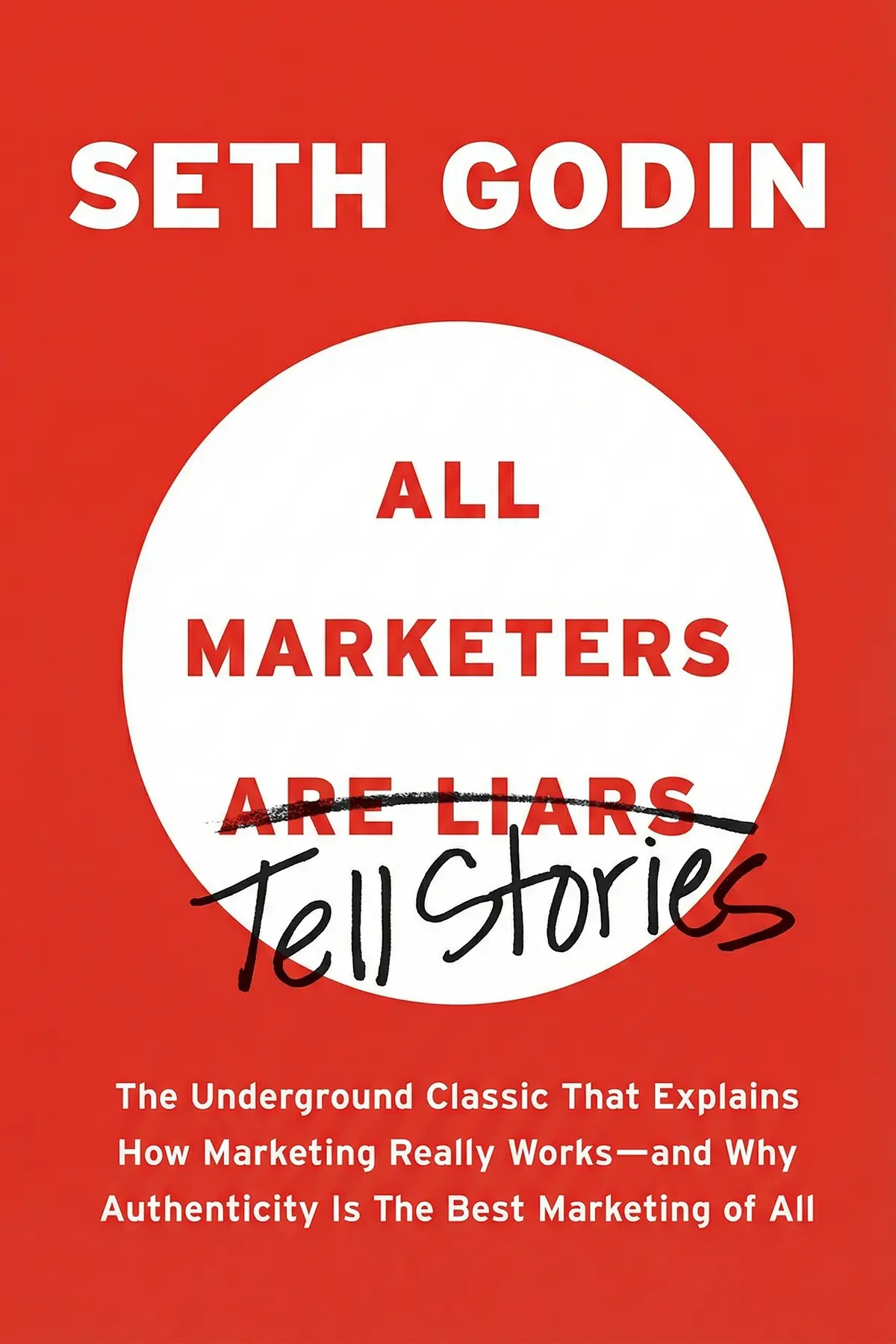
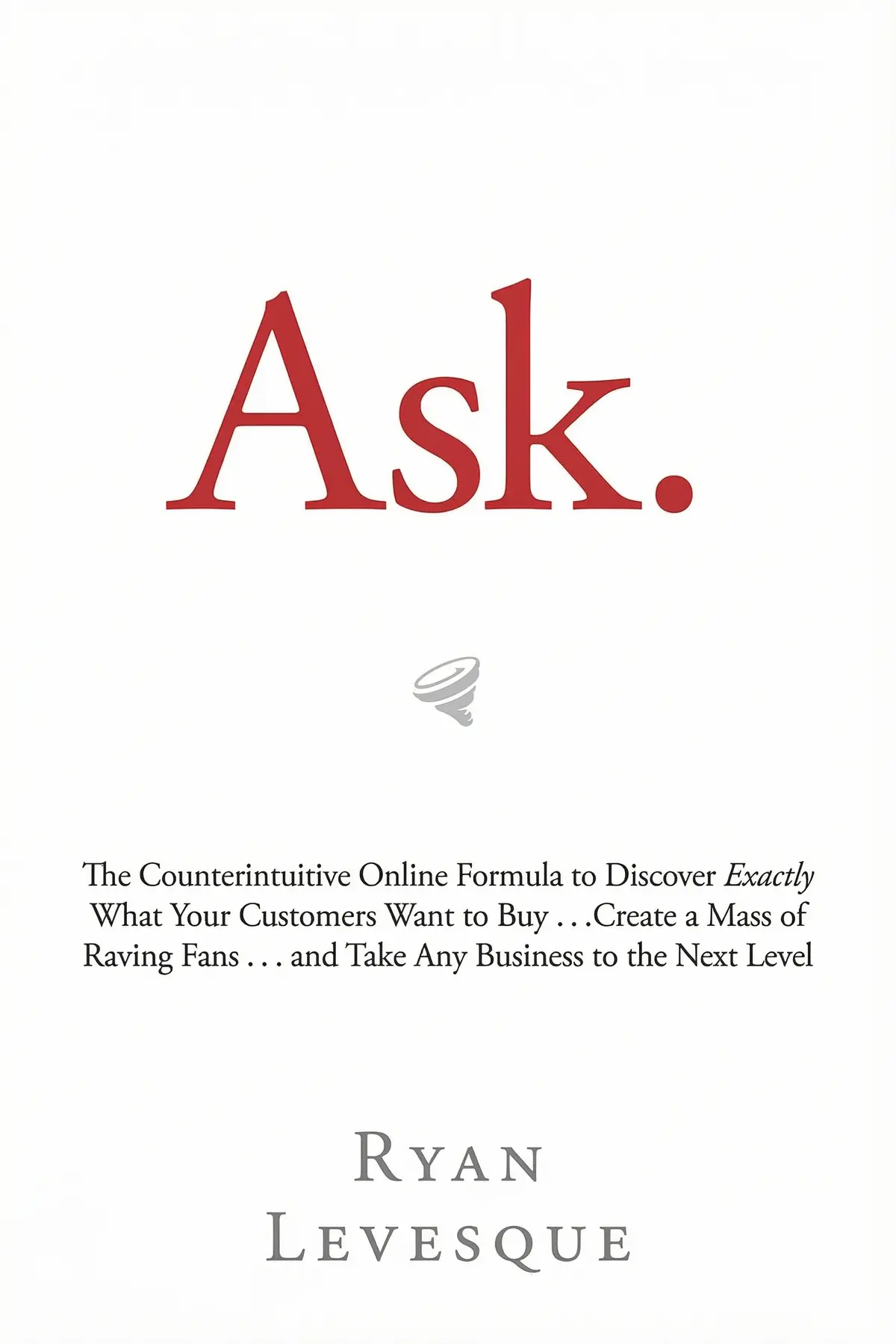
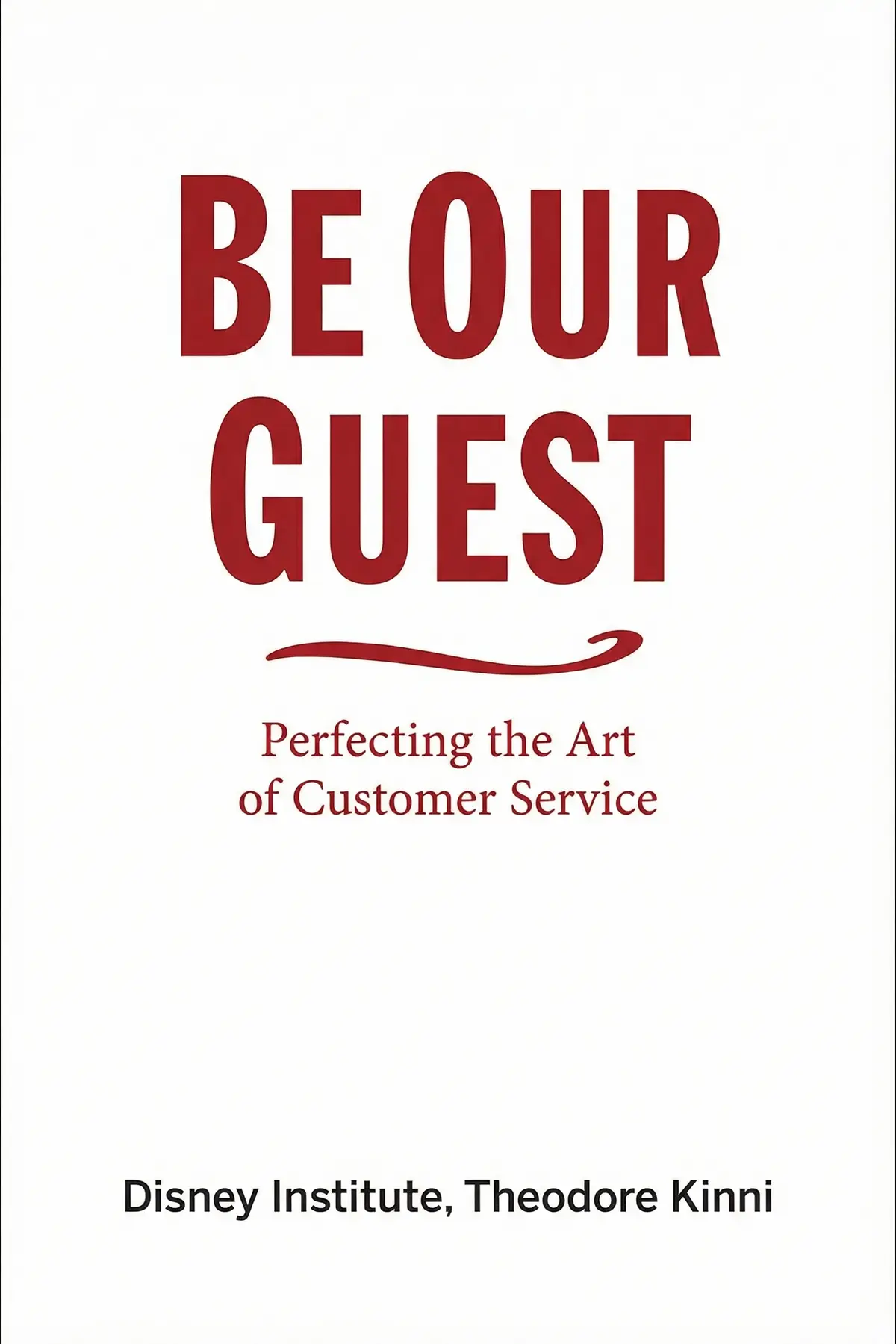
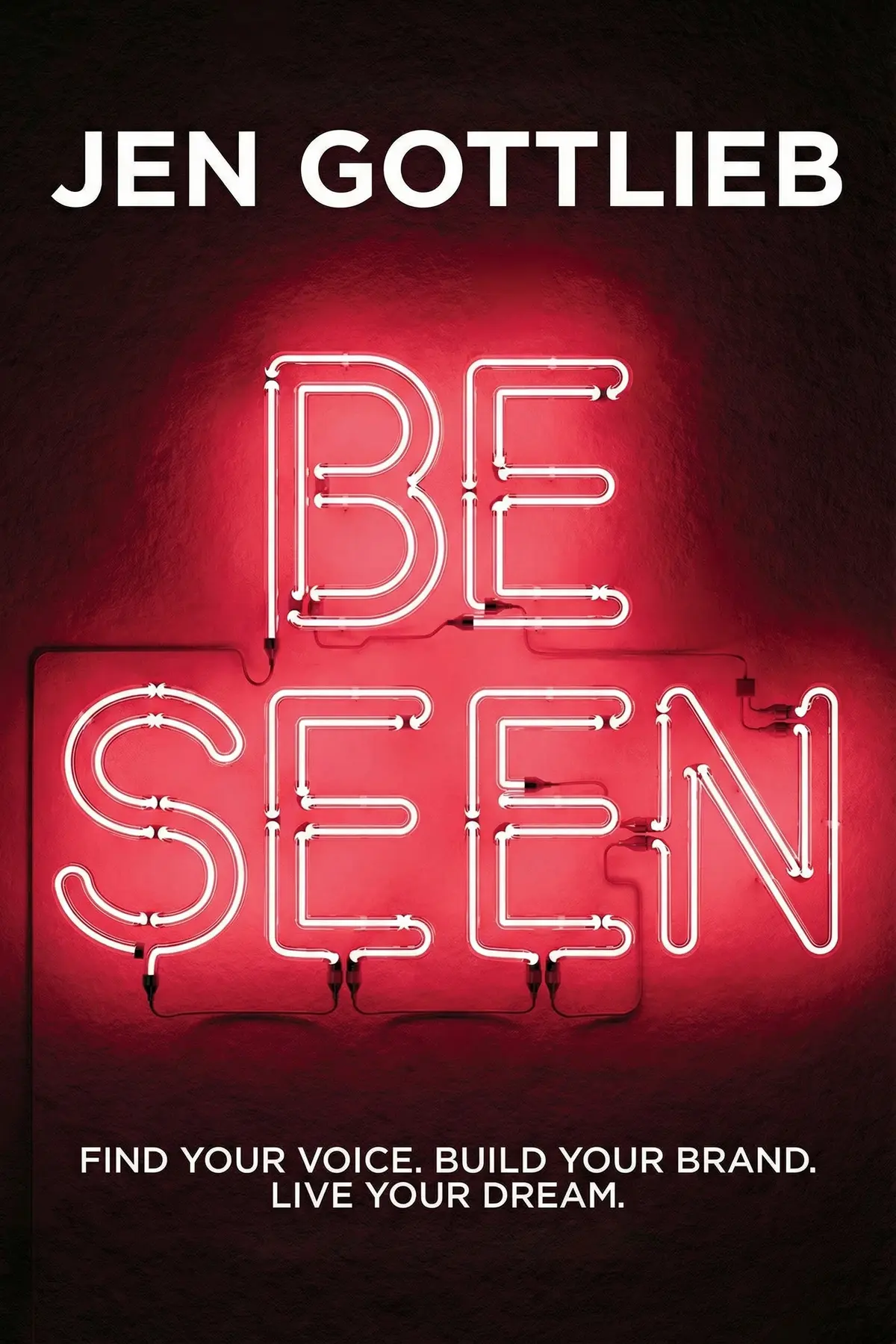
AUDIO SUMMARY AVAILABLE
Listen to The Storytelling Edge in 15 minutes
Get the key ideas from The Storytelling Edge by Shane Snow, plus 5,000+ more titles in English and Thai.
- 5,000+ titles
- Listen as much as you want
- 7-day free trial
- Cancel anytime







