
Nudge: Improving Decisions about Health, Wealth and Happiness
Richard H. Thaler
Explore the fascinating gap between traditional economic models and actual human behavior. This summary reveals why irrational choices are systematic and how biases influence everything from auctions to global financial markets.
1 min 57 sec
Imagine for a moment a world inhabited by a species called Homo Economicus. These beings are perfectly rational, possess infinite willpower, and are entirely selfish. They make every decision by calculating the maximum possible utility, and they never let emotions or social pressure get in the way of a good deal. For most of the twentieth century, this was the creature that economists used to build their models of how the world works. But there is a glaring problem with this model: those creatures do not exist. We, the actual humans living in the real world, are much more complicated and far more interesting.
Over thirty years ago, the field of economics faced a significant challenge when researchers began identifying systematic ways in which real people consistently defy the predictions of rational choice theory. This exploration began with a series of articles known as Anomalies, which looked at the quirks in our behavior that simply should not happen according to the textbooks. These observations eventually formed the backbone of what we now call behavioral economics.
In this journey through the landscape of human decision-making, we will look at how the principles of psychology intersect with the mechanics of the market. We will see how the pressure of competition can lead to self-defeating victories and why our innate sense of fairness often overrides our desire for profit. Through the lens of these economic anomalies, we gain a clearer picture of the world as it is, rather than as theorists once wished it to be. This is not just a study of numbers and graphs; it is a study of the human heart and its influence on the wallet. Let us dive into the throughline of this work: the realization that our irrationality is not random, but a consistent force that shapes the economy in ways we are only beginning to fully understand.
2 min 39 sec
Auctions seem like a fair way to find market value, but the person who wins often pays far too much. Discover the counterintuitive reason why more competition leads to poorer outcomes.
2 min 44 sec
If humans were purely selfish, public resources would vanish instantly. Yet, experiments show we are surprisingly willing to help strangers. Why does our social instinct override our financial logic?
2 min 45 sec
Why do we value an object more just because it belongs to us? Explore the psychological forces of loss aversion and the status quo that keep us anchored to the past.
2 min 43 sec
Logic suggests our preferences should remain stable, but changing how a question is framed can flip our decisions entirely. Learn how the format of information dictates what we choose.
3 min 01 sec
Financial theory assumes identical assets must have identical prices. However, real-world markets frequently ignore this rule, proving that even the most complex systems are susceptible to human quirks.
1 min 50 sec
As we reflect on the various anomalies that define behavioral economics, a clear throughline emerges: the human element is the most significant variable in any equation. From the bidders who overextend themselves in auctions to the investors who ignore mathematical certainty in the stock market, we see that our decisions are shaped by forces far more complex than simple logic. We are driven by the fear of loss, the desire for fairness, and the peculiar way that our surroundings frame our choices.
Richard Thaler and Alex Imas have shown us that identifying these mistakes is not about pointing out human failure. Instead, it is about gaining a more accurate map of the world. When we understand that the winner’s curse is a real risk, we can approach competition with more discipline. When we recognize the endowment effect, we can declutter our lives and our portfolios with more clarity. And when we see that cooperation is a natural human instinct, we can build systems that encourage the best parts of our nature rather than assuming the worst.
The ultimate lesson is one of humility. Whether you are a consumer, a manager, or an investor, the most important thing you can do is acknowledge that you are not a perfectly rational machine. By anticipating your own biases and understanding the ‘predictable irrationality’ of others, you can navigate the complexities of the economy with greater wisdom. The next time you find yourself making a financial choice, take a moment to look past the numbers. Ask yourself if you are being driven by a psychological quirk or a rational goal. In that moment of reflection lies the true path to becoming a better-informed participant in the world’s great economic story.
For decades, mainstream economics operated on the assumption that humans are rational actors who always seek to maximize their personal gain. This book challenges that foundation by highlighting the specific instances—or anomalies—where human behavior deviates from theoretical predictions. Through a series of insightful essays, the text examines why we overpay in competitive settings, why we cooperate even when it is not in our immediate interest, and how our attachment to possessions warps our judgment. By revisiting classic research alongside modern updates, the narrative provides a comprehensive look at the birth and evolution of behavioral economics. Readers will discover how psychological factors like loss aversion and status quo bias create predictable patterns of irrationality. The book promises to change how you view financial markets and daily transactions, showing that the supposed logic of the marketplace is often secondary to the quirks of the human mind.
Richard H. Thaler is a distinguished figure in the world of finance, having received the 2017 Nobel Prize in Economic Sciences for his work in behavioral economics. He wrote the influential Misbehaving and co-authored Nudge. Alex O. Imas is a professor at the University of Chicago Booth School of Business. He has been recognized with the Alfred P. Sloan Research Fellowship and the Review of Financial Studies Rising Scholar Award.
Richard H. Thaler
Listeners find the book to be an excellent primer on behavioral economics, with one listener noting it includes 12 chapters explaining anomalous events in the field. Listeners describe the work as highly approachable and very captivating.
Ever wonder why people reject free money in the Ultimatum Game just because they feel the offer is unfair? This book explores that exact kind of irrationality with surgical precision. Thaler demonstrates that fairness often outweighs small financial gains, which completely flips traditional game theory on its head. I found the chapter on intertemporal choice—how we value things differently over time—to be absolutely fascinating and relevant to my own spending habits. It is refreshing to see a Nobel Laureate admit that humans are messy and vaguely right rather than precisely wrong. This isn't just an economics text; it's a psychological deep dive into the human condition. Every social marketer and policy maker should have this on their shelf.
Show moreThis book is a masterclass in identifying where traditional economic models fail to account for human psychology. Thaler’s exploration of the Winner’s Curse is particularly brilliant, explaining why being the highest bidder often means you’ve actually lost out. I found the chapters on cooperation and reciprocal altruism to be a refreshing counterpoint to the idea that everyone is a free rider. The analysis is sharp, and the anecdotal examples really help ground the more complex theories in reality. While it's true that the literature is quite old, the fundamental human behaviors haven't changed. It’s a super engaging read for anyone interested in the intersection of money and the mind.
Show moreAfter hearing Thaler speak in London recently, I had to dive back into the source material that started it all. This collection of his Anomalies papers is accessible yet deeply rigorous, showing exactly how the standard paradigm falls short. The chapter on fair wage models was particularly eye-opening, connecting micro-experiments on fairness to macro-economic trends in wages. Not gonna lie, some of the math-heavy sections went over my head, but the general insights are pure gold. It’s fascinating to see names like Kahneman and Yellen popping up in the citations long before they became household names. A truly foundational text for anyone who wants to understand why we do the weird things we do with our money.
Show morePicked this up because I wanted a foundational look at how people actually make decisions versus how math says they should. It’s organized into 12 distinct chapters, each tackling a specific anomaly where human behavior defies the "rational" economic model. Truth is, Thaler makes some of these dense academic concepts feel surprisingly accessible to a non-expert. I particularly enjoyed the breakdown of the endowment effect and how our irrational attachment to things we own warps market logic. While it’s certainly more technical than his later work, the writing manages to remain engaging throughout. It’s a great introduction for anyone looking to go beyond the surface level of behavioral economics. Some of the data feels a bit legacy now, but the core principles haven’t aged a day.
Show moreAs someone who worshipped Nudge and Misbehaving, I found this to be the more serious, academic older sibling that explains the raw mechanics behind the theories. It’s a series of deep dives into the Winner’s Curse and why we tend to overbid in auctions when competition heats up. The truth is that Thaler was decades ahead of his time in identifying the "homo economicus" as a fable. I appreciated the specific details on labor markets and why larger firms pay more even after controlling for sector factors. It’s not exactly a page-turner, and there were moments where the technical jargon slowed me down. Still, the intellectual payoff for finishing a chapter is worth the effort.
Show moreFinally got around to this classic and I was surprised by how much of it remains applicable to today’s messy markets. It’s a great introduction to the concepts of status quo bias and the various ways our brains fail at simple logic. Each chapter starts with a scenario that poses a question, making you realize your own cognitive biases before the data even hits the page. It’s way more engagingly written than your standard academic treatise, even if it does get a bit list-heavy at times. I loved the section on how group identity can completely turn experiment results around. It’s a must-read for anyone who thinks they are a purely rational actor.
Show moreTo be fair, the research presented here is the bedrock of the entire field, but there's no denying it shows its age. Published originally in the early 90s, many of the market inefficiencies like Monday returns or January effects have probably been arbitraged away by modern algorithms. The book is essentially a series of chapters on anomalies co-written with other experts, which leads to a somewhat inconsistent tone. While the insights into loss aversion are great, I would have much preferred a current-day perspective on how these findings hold up in the 2020s. It’s a solid reference book for the history of the discipline, but it lacks the energy of Thaler’s newer publications. A bit too much legwork is required to bridge the gap to the present.
Show moreLook, it’s an important book, but don’t go into it expecting a breezy airport read. It’s a series of essays on anomalies like the endowment effect and fairness that requires a good deal of concentration. Personally, I found the chapters on stock market reactions to be the driest of the bunch, though they offer some food for thought regarding random walks. The writing style is definitely more academician mode than Thaler’s later, more polished work. It provides a good summary of the field’s origins, but I’m glad to hear an updated 2025 edition is coming. It needs a fresh coat of paint to stay relevant in the age of AI and algorithmic trading.
Show moreFrankly, after reading the more modern behavioral econ books like Thinking Fast and Slow, this felt like a slog through dense journal entries. I wanted to love it because Thaler is a legend, but the writing is way too advanced for a casual weekend read. Most chapters start with a neat anecdote but quickly devolve into a dry literature review that repeats the same points to oblivion. It feels more like a collection of technical papers for the Journal of Economic Perspectives rather than a cohesive book. To make things worse, the narration in the audiobook version was incredibly distracting—this Morey character sounds like he's speaking with a mouthful of marbles. If you aren't an economist, you might find yourself zoning out halfway through.
Show moreNot what I expected at all, and honestly quite a disappointment compared to the hype. I thought this would be a popular science book, but it reads like a dry laundry list of economic papers from the 1980s. There’s almost no meat to the analysis beyond summarizing what other researchers already found decades ago. For a non-economist, the jargon is overwhelming, and the author doesn't do enough to explain the real-world implications in a way that sticks. It’s utterly forgettable and highly uninteresting unless you are actually studying for a PhD in the subject. I’ll stick to digital resources like The Decision Lab for my behavioral insights from now on.
Show more
Richard Wiseman
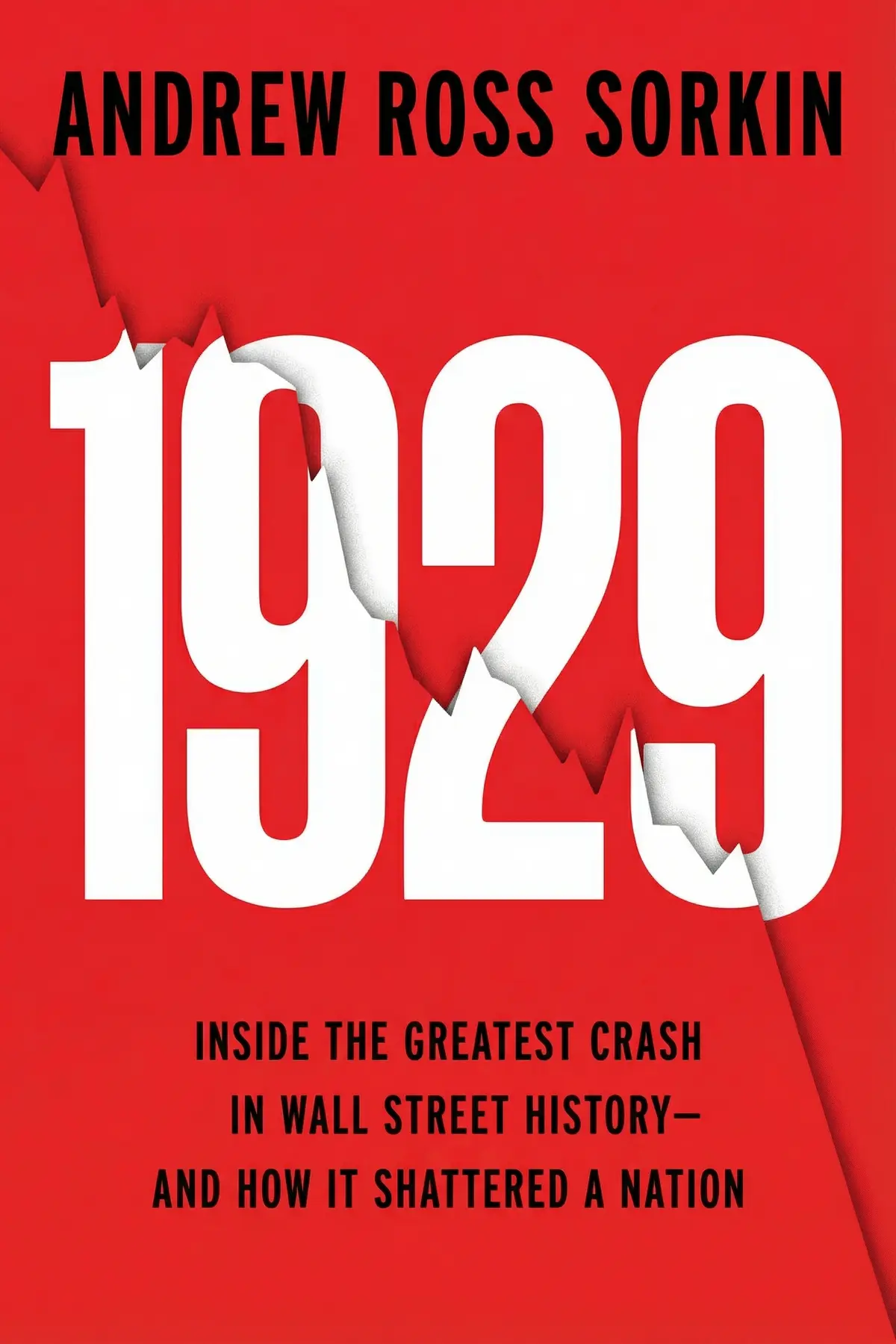
Andrew Ross Sorkin
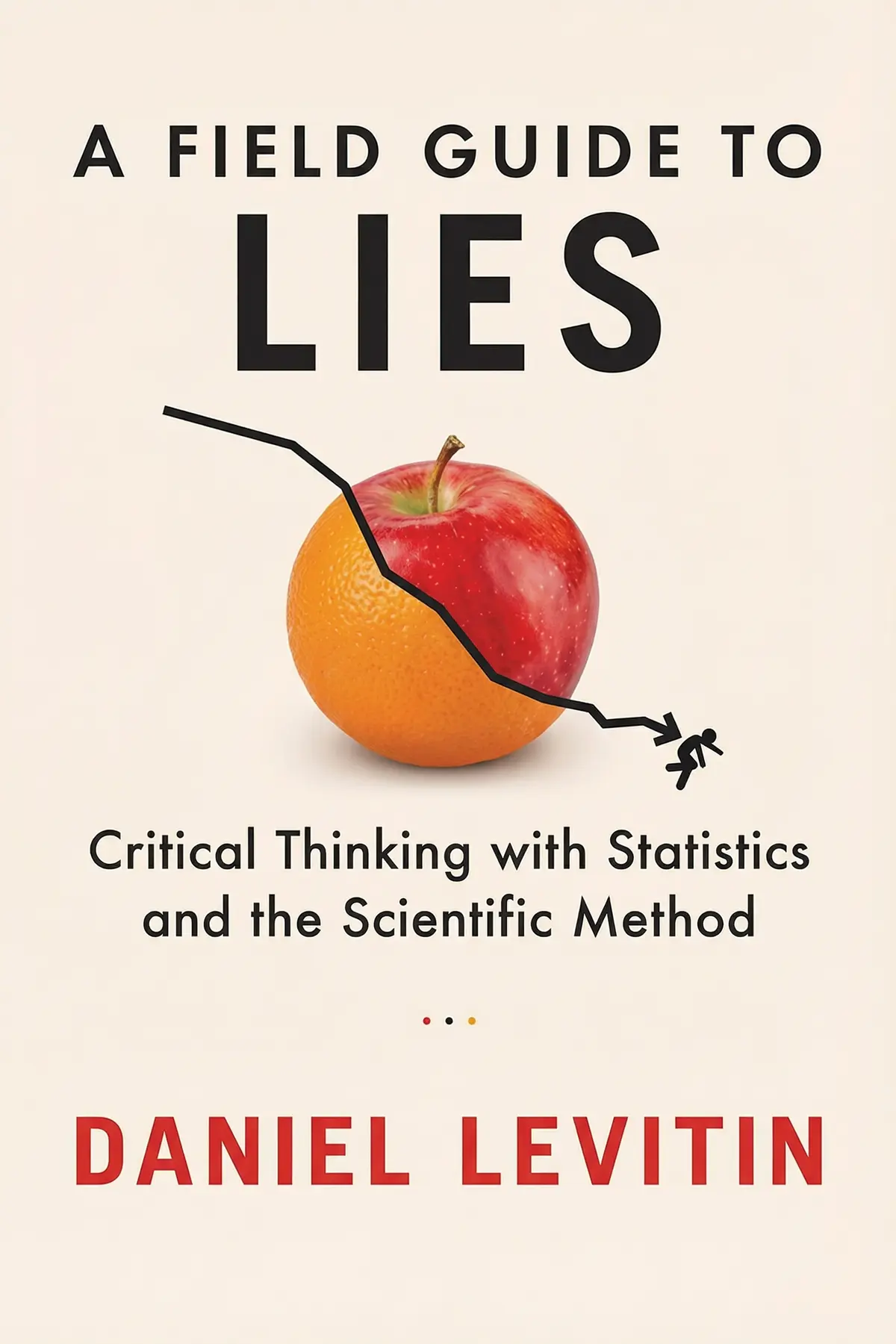
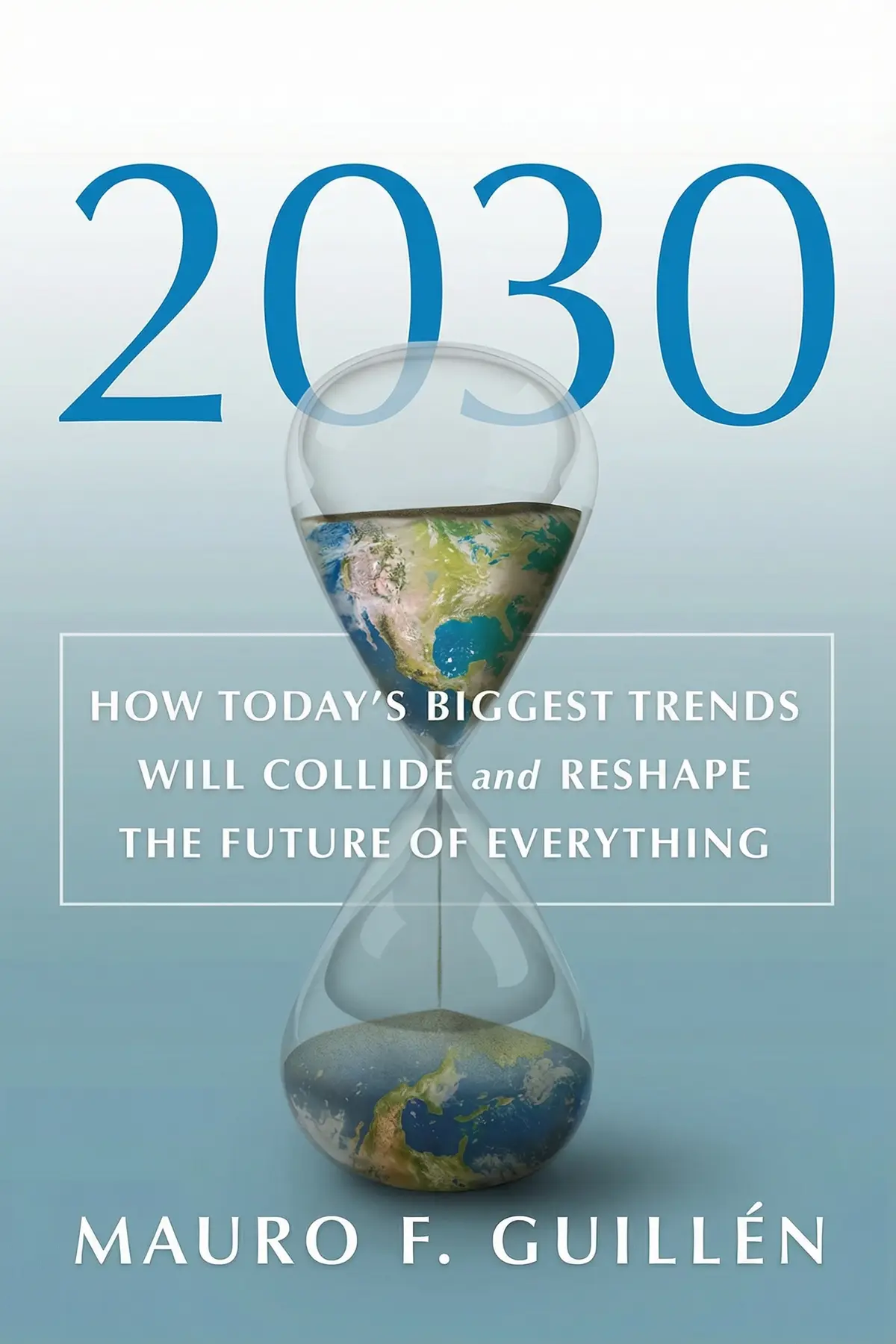
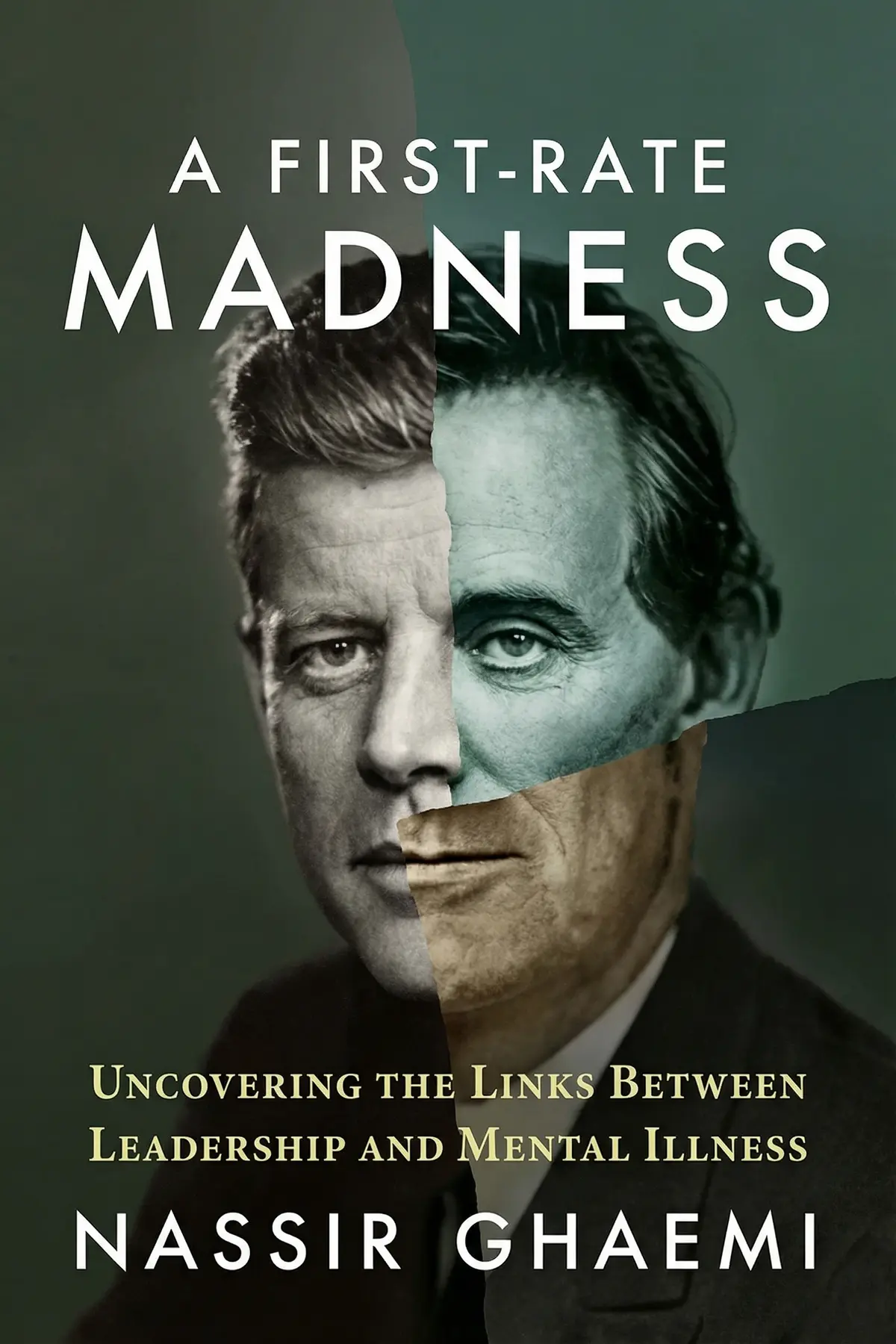
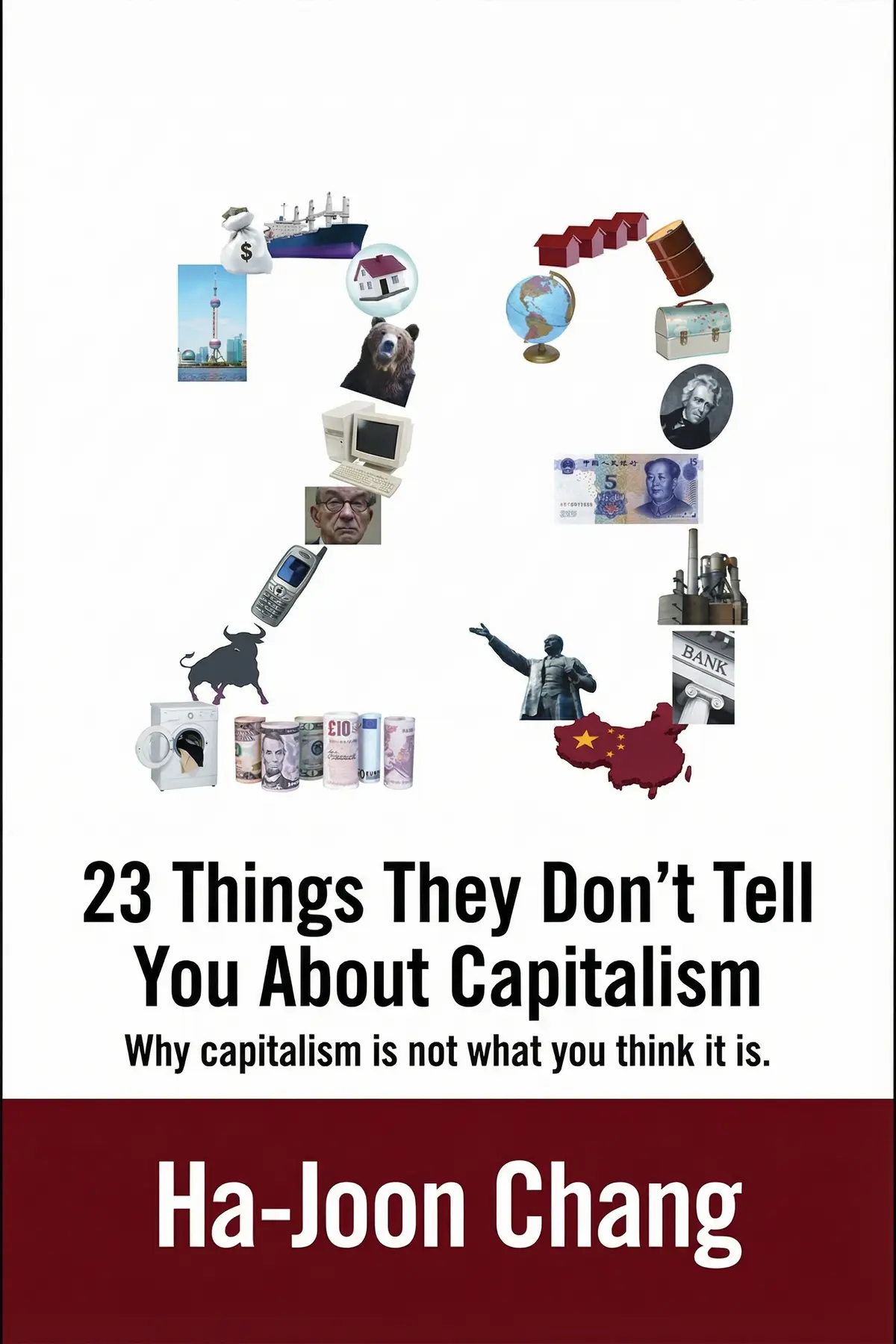
Ha-Joon Chang
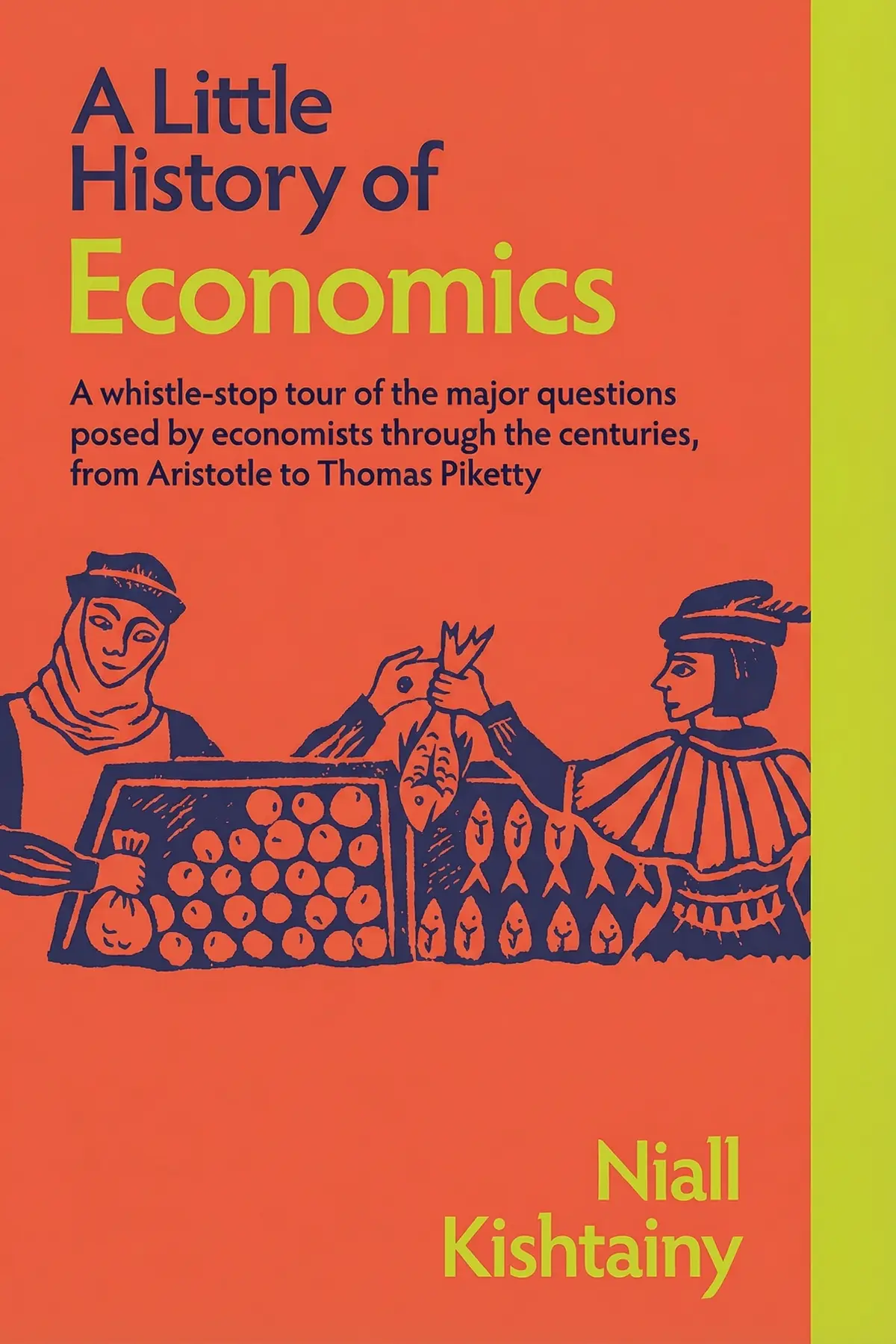
Niall Kishtainy
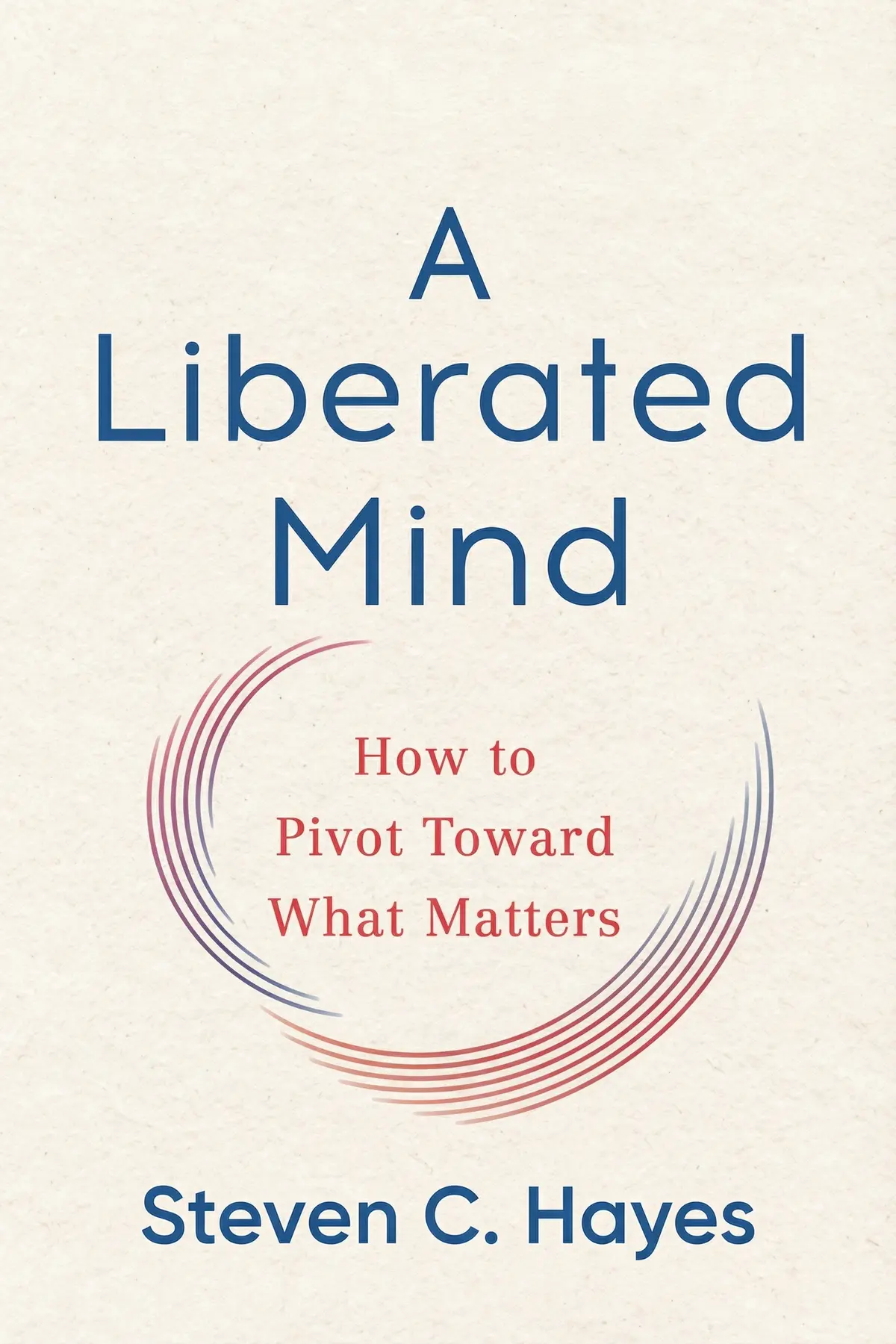
Steven C. Hayes
AUDIO SUMMARY AVAILABLE
Get the key ideas from The Winner’s Curse by Richard H. Thaler, plus 5,000+ more titles in English and Thai.







