
6 min 58 sec
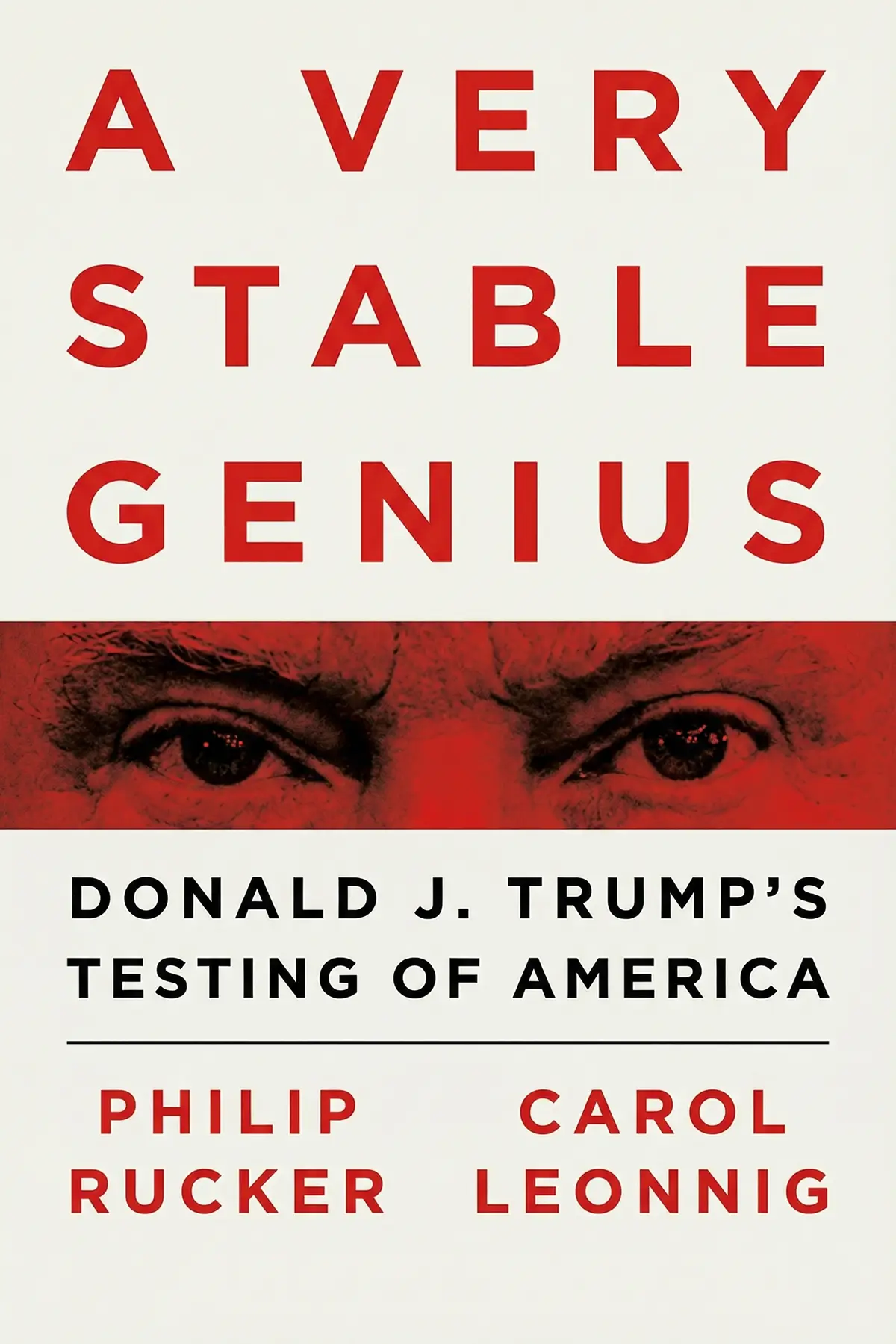
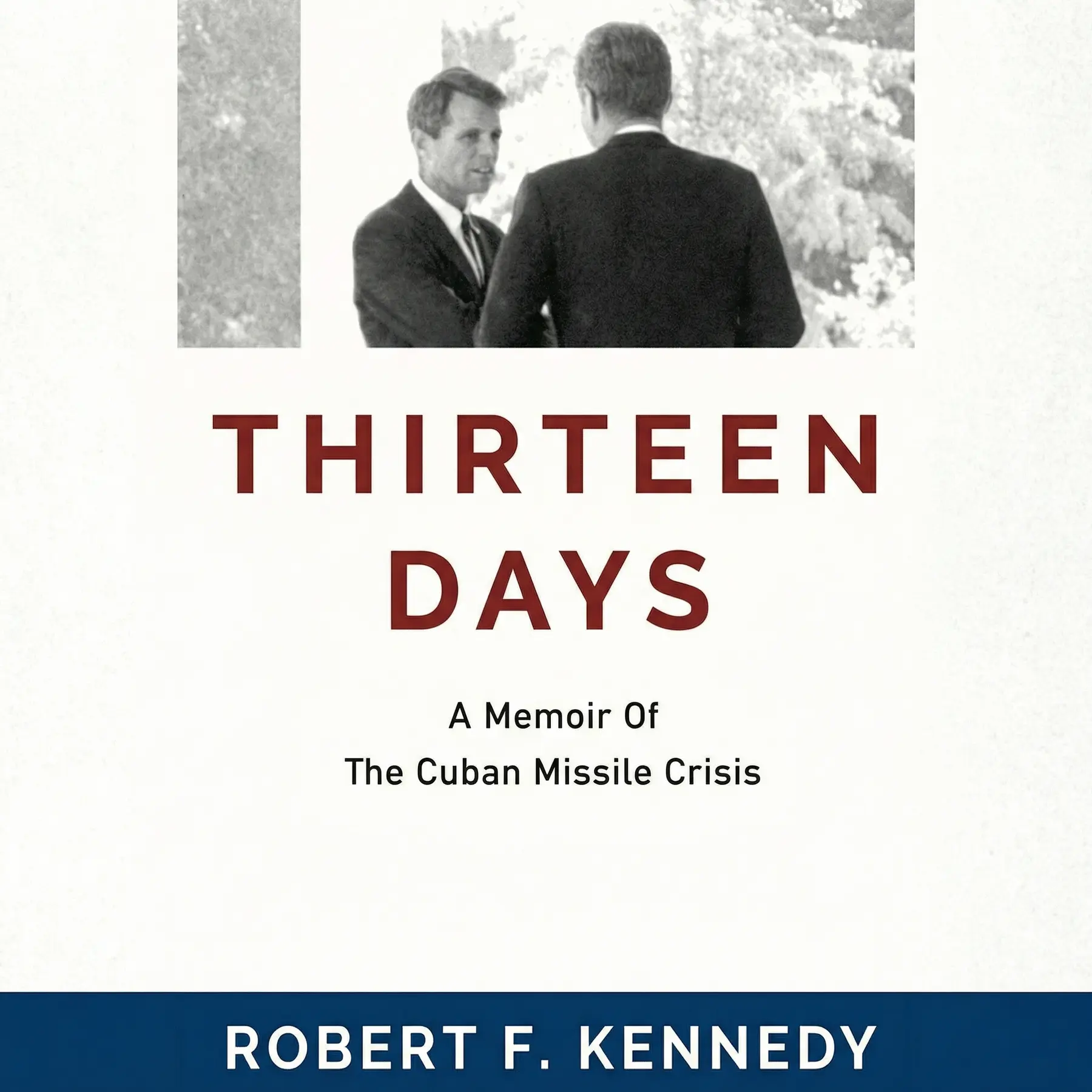
Thirteen Days: A Memoir Of The Cuban Missile Crisis
A gripping insider’s account of the 1962 Cuban Missile Crisis, Robert F. Kennedy details the high-stakes diplomacy and harrowing decisions that prevented a global nuclear catastrophe.
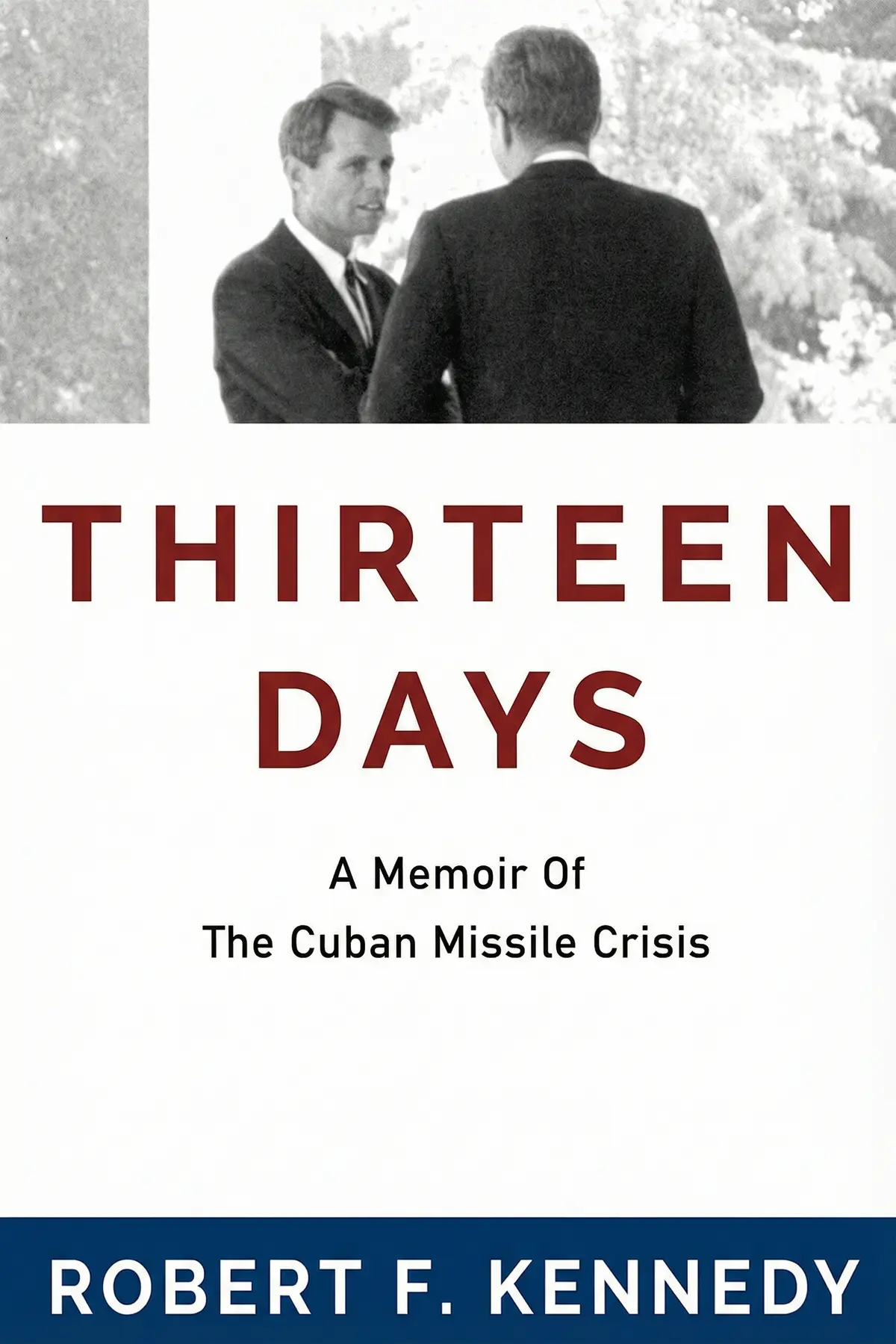
Table of Content
1. Introduction
1 min 08 sec
Imagine waking up on a Tuesday morning to find that the world you knew had fundamentally changed. This wasn’t because of a natural disaster or an economic shift, but because of a discovery that put the survival of the human race in question. In October 1962, the United States and the Soviet Union engaged in a terrifying game of nuclear chicken that lasted nearly two weeks. The Cuban Missile Crisis remains the most famous example of how close the world has come to total destruction, but beyond the history books lies a story of personal conviction, deep-seated fear, and the heavy burden of leadership.
As we explore this account, we follow the perspective of Robert F. Kennedy, who was not just a witness to these events, but a central architect of the American response. The throughline of this story is the delicate balance between showing strength and exercising restraint. We will see how a group of leaders had to navigate a landscape of deception and military pressure to find a path that didn’t end in fire. It is a study of how thin the line is between peace and war, and how the decisions of a few individuals can echo through eternity.
2. The Collapse of Trust and the Discovery of the Threat
2 min 17 sec
When aerial surveillance revealed Soviet nuclear weapons just off the American coast, it shattered months of diplomatic assurances and forced a secret group of advisors to confront an unthinkable reality.
3. The Agony of Choice Between Force and Restraint
2 min 27 sec
Inside the White House, a fierce debate erupted over whether to launch a surgical air strike or implement a naval blockade, highlighting the ethical weight of preventing a global war.
4. Conclusion
1 min 06 sec
The first phase of the Cuban Missile Crisis serves as a haunting reminder of how easily communication can fail and how quickly the world can slide toward catastrophe. Through Robert F. Kennedy’s eyes, we see that the crisis wasn’t just a clash of ideologies or military hardware; it was a deeply human struggle. The discovery of the missiles forced a group of leaders to confront the limits of diplomacy and the terrifying reality of nuclear brinkmanship.
Ultimately, the lesson of these first days is one of careful deliberation. In the face of immense pressure to act impulsively, the Kennedy administration chose to pause, debate, and consider the long-term consequences of every move. They understood that in the nuclear age, there is no such thing as a small conflict. As we reflect on this historic standoff, we are reminded that true leadership often involves the courage to seek a peaceful resolution even when the path of least resistance is war. The world survived those thirteen days because of a commitment to dialogue and a refusal to give up on the possibility of a diplomatic exit, providing a blueprint for crisis management that remains relevant today.
About this book
What is this book about?
This narrative provides a first-hand look at one of the most dangerous moments in modern history. It recounts the thirteen days in 1962 when the United States discovered Soviet nuclear missiles in Cuba, sparking a confrontation that threatened the entire planet. Through the eyes of Robert F. Kennedy, the account explores the immense pressure placed on the presidency as the administration weighed military action against diplomatic maneuvers. The summary reveals the internal mechanics of crisis management and the agonizing decisions required to prevent a nuclear catastrophe. It captures the atmosphere of the White House as advisors debated the fate of millions, contrasting the public face of diplomacy with the private reality of intelligence reports and military readiness. Readers will understand the gravity of the Soviet deception and the strategic logic behind the American response, offering a timeless study of leadership under fire.
Book Information
About the Author
Robert F. Kennedy
Robert F. Kennedy was a central figure in American politics and a member of the influential Kennedy dynasty. He served as the U.S. attorney general under his brother, President John F. Kennedy, where he was a major participant in the civil rights movement. He later represented New York as a U.S. senator. In addition to his account of the missile crisis, he authored To Seek a Newer World, a reflection on his political and personal views.
Ratings & Reviews
Ratings at a glance
What people think
Listeners consider this memoir an absorbing and accessible chronicle of the Cuban Missile Crisis, highlighting its lucid language and polished storytelling. This work provides intriguing perspectives on this pivotal moment in history, as one listener points out that it functions as a paradigm for crisis management. Listeners value the historical substance, with one characterizing it as a powerful short success story.
Top reviews
Ellie
Picked this up on a whim after a history podcast mentioned it, and I couldn't put it down. Even though everyone knows how the Cuban Missile Crisis ends, the tension RFK builds is palpable. He provides a masterclass in crisis management, showing how JFK deliberately encouraged dissent within the ExComm to avoid the groupthink that led to the Bay of Pigs. It is fascinating to see how they balanced military pressure with the need to give Khrushchev a 'face-saving' way out. The book is barely 100 pages, but every sentence carries weight. Some might find the lack of citations annoying, but this is a memoir, not a textbook. If only current world leaders had this much restraint and intellectual rigor. It's a quick, thrilling read that stays with you long after the final page.
Show moreChaiwat
The tension in this memoir is absolutely incredible. Robert Kennedy, serving as both Attorney General and the President's most trusted confidant, gives us a seat at the table for the most dangerous thirteen days in human history. I was particularly struck by the description of the 'staccato exchange' of fragmented sentences between the brothers. They had a shorthand that transcended normal speech. It shows how vital trust is during a crisis. The book details the U-2 pilot being shot down and how JFK refused to be provoked into an immediate, emotional response. That kind of calm is rare. It’s a short, punchy book that reads like a high-stakes thriller. Even if you aren't a history person, the lessons on leadership and decision-making are universal. This belongs on every bookshelf.
Show moreJob
After hearing about this book for years, I finally got around to reading it, and I’m so glad I did. The edition I read included an afterword by Richard Neustadt and Graham Allison, which provided excellent context on 'The Nuclear Paradox.' RFK’s narrative itself is a masterpiece of pacing. He captures the back-and-forth of the Khrushchev letters perfectly—the first one being emotional and seeking peace, the second being cold and demanding. It was Bobby’s idea to ignore the second letter and respond to the first, a move that essentially saved the world. That kind of tactical brilliance is what makes this book a classic. It isn't just a history; it’s a study in how to think under pressure. It’s powerful, short, and carries a massive emotional impact. Five stars without hesitation.
Show moreSupatra
Ever wonder how close we actually came to the end of the world? This book answers that with chilling clarity. Robert Kennedy takes you behind the closed doors of the White House as they debated whether to launch air strikes or a quarantine. Personally, I found the discussion about the missiles in Turkey most interesting. It reveals the complex horse-trading that happened to avoid a nuclear winter. The writing style is surprisingly accessible, lacking the dry jargon you usually find in political memoirs. My only real complaint is that it feels a bit too brief. I wanted more detail on the back-channel communications. However, the inclusion of the actual letters between JFK and Khrushchev at the end is a fantastic touch that adds a layer of raw authenticity to the narrative.
Show moreKatya
As a child of the sixties, I have vivid memories of duck-and-cover drills under my school desk. Reading this was like reliving that fear, but from the perspective of the people at the controls. Robert Kennedy does a beautiful job explaining the heavy moral burden his brother carried. He mentions JFK was deeply influenced by 'The Guns of August,' fearing a repeat of the accidental escalation that started WWI. That detail alone makes the book worth reading. It highlights how important it is for leaders to be well-read and reflective. While some historians claim Bobby polished his own image here, the emotional core of the story feels very real. It’s a powerful success story about how diplomacy can triumph over the 'gung ho' instincts of the military brass. Highly recommended for any history buff.
Show moreNina
Look, if you want a deep dive into every single minute of the missile crisis, look elsewhere. But if you want a gripping, first-person account that captures the 'vibe' of the White House under siege, this is the one. Gotta say, I was surprised by how much Robert Kennedy focused on the moral side of the conflict. He didn't want the U.S. to be seen as a 'Tojo' launching a Pearl Harbor-style attack on a small neighbor. That ethical framework is often missing from modern political discourse. The book is clear, concise, and incredibly gripping. It’s amazing to think that 80 million Americans could have died if the 'surgical air strike' crowd had won the day. It’s a sobering reminder of the fragility of peace. A very worthwhile read for a weekend afternoon.
Show moreKomsan
Robert Kennedy offers an insider's view that is both fascinating and terrifying. The way he describes the exhaustion of the ExComm members—sleeping on couches and eating cold sandwiches while debating the fate of the planet—really humanizes the history. He explains the naval quarantine in a way that makes you realize how much of a gamble it actually was. It wasn't just a simple blockade; it was a delicate dance with Soviet submarines. I did find the sections on the Joint Chiefs of Staff a bit one-sided, as he clearly had a distaste for their 'military-first' mindset. However, his writing is so engaging that you almost don't notice the lack of objectivity. It’s an easy-to-read account of a very complex situation. For a book written in the 60s, it still feels remarkably modern.
Show moreDylan
Wow, for a book that is over fifty years old, this still packs a massive punch. In my experience, most political memoirs are boring and self-congratulatory, and while this definitely has some of the latter, it’s far from boring. Robert Kennedy makes you feel the weight of the nuclear threat. He talks about the 'miscalculation and misunderstanding' that leads to war, which feels incredibly relevant in today’s political climate. The book does a great job explaining why they chose the blockade over the air strike, focusing on the long-term consequences rather than the immediate win. My only gripe is that it skips over some of the internal bickering that we now know happened. But for a hundred-page snapshot of history, you really can’t beat the perspective offered here.
Show moreSoontorn
It is a bit of a shock to go back and read this after finishing Sheldon Stern’s recent analysis of the ExComm tapes. For decades, RFK’s account was the gold standard for what happened during those terrifying weeks in 1962. We see Bobby as the cool-headed dove, but the recordings tell a more complicated, hawkish story. Truth is, while the writing is tight and the drama is undeniable, the historical accuracy is now under heavy fire. Robert presents himself as the indispensable advisor, but he often masks how aggressively he pushed for military action. Still, as a piece of political memoir and a look into the Kennedy family psyche, it is indispensable. Just don't take every word as absolute gospel. It serves better as a primary source of how the Kennedys wanted to be remembered rather than a raw historical record.
Show moreNam
To be fair, this is a very well-written book, but I struggled with the obvious bias throughout. Bobby Kennedy clearly had some axes to grind, particularly with Dean Rusk. He portrays Rusk as almost irrelevant or indecisive, which historical tapes have since proven to be quite unfair. Frankly, the way Bobby positions himself as the 'dove' who saved the day feels a bit like historical revisionism when you compare it to the actual meeting transcripts. He was much more hawkish than he lets on here. That said, the book is a paradigm for how to structure a narrative. It moves fast and hits all the high notes of the crisis. If you read it alongside a more objective history of the era, you get a great sense of the atmosphere in the room, even if the specific details are skewed.
Show moreReaders also enjoyed
A Year in the Life of William Shakespeare: 1599
James Shapiro
A Warning
Miles Taylor
Agent Sonya: The Spy Next Door
Ben Macintyre
1491: New Revelations of the Americas Before Columbus
Charles C. Mann
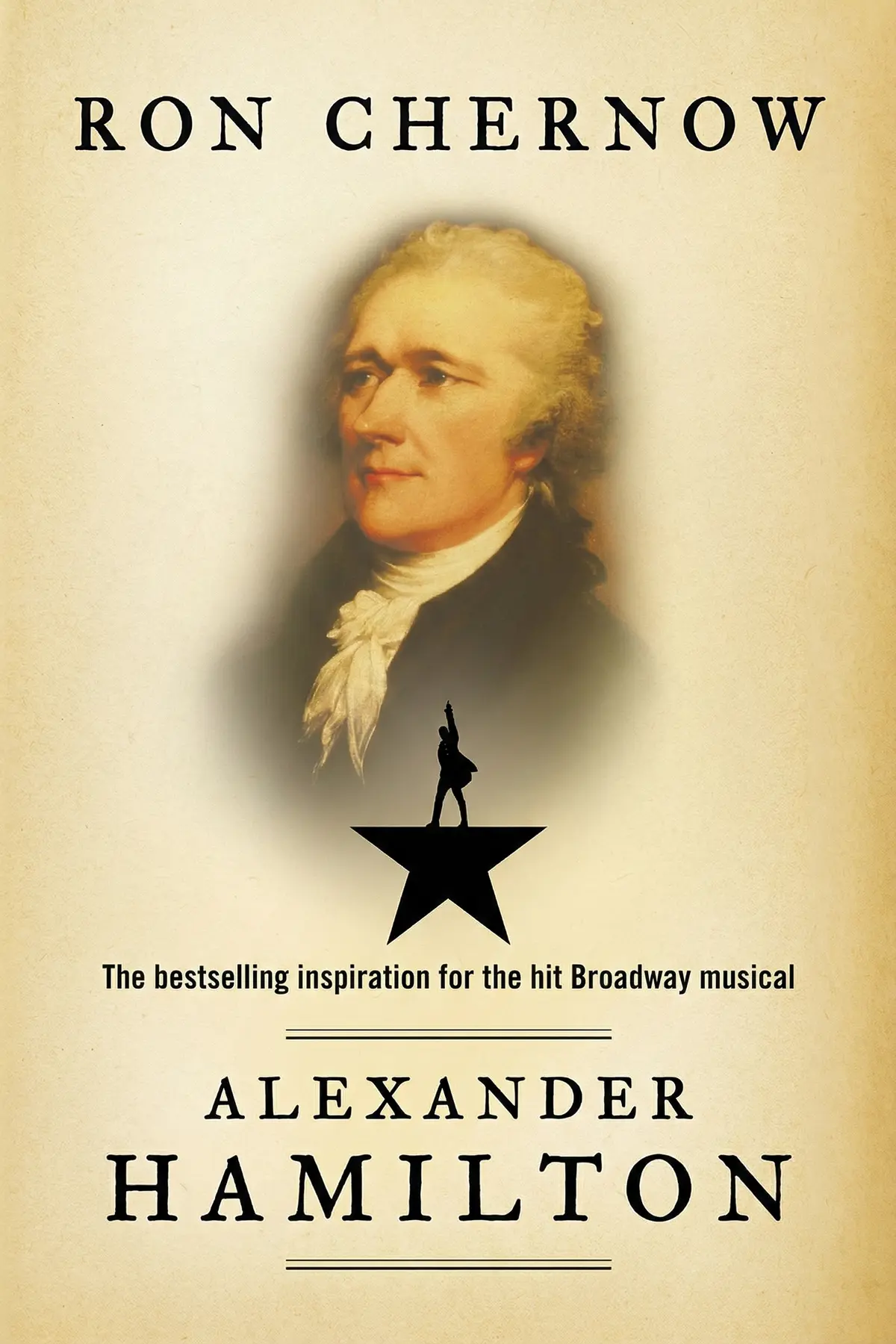
Alexander Hamilton
Ron Chernow
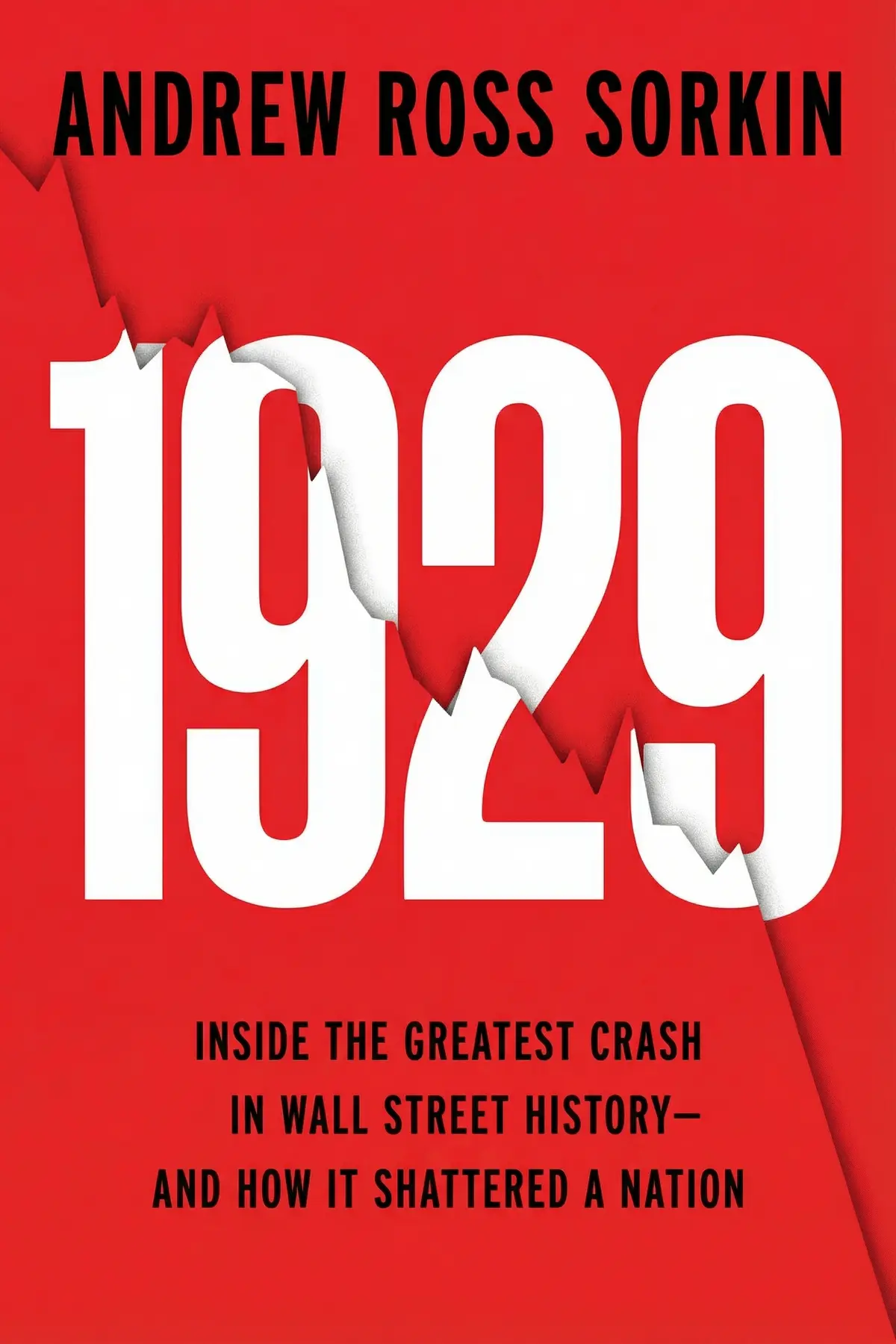
1929: Inside the Greatest Crash in Wall Street History--and How It
Andrew Ross Sorkin
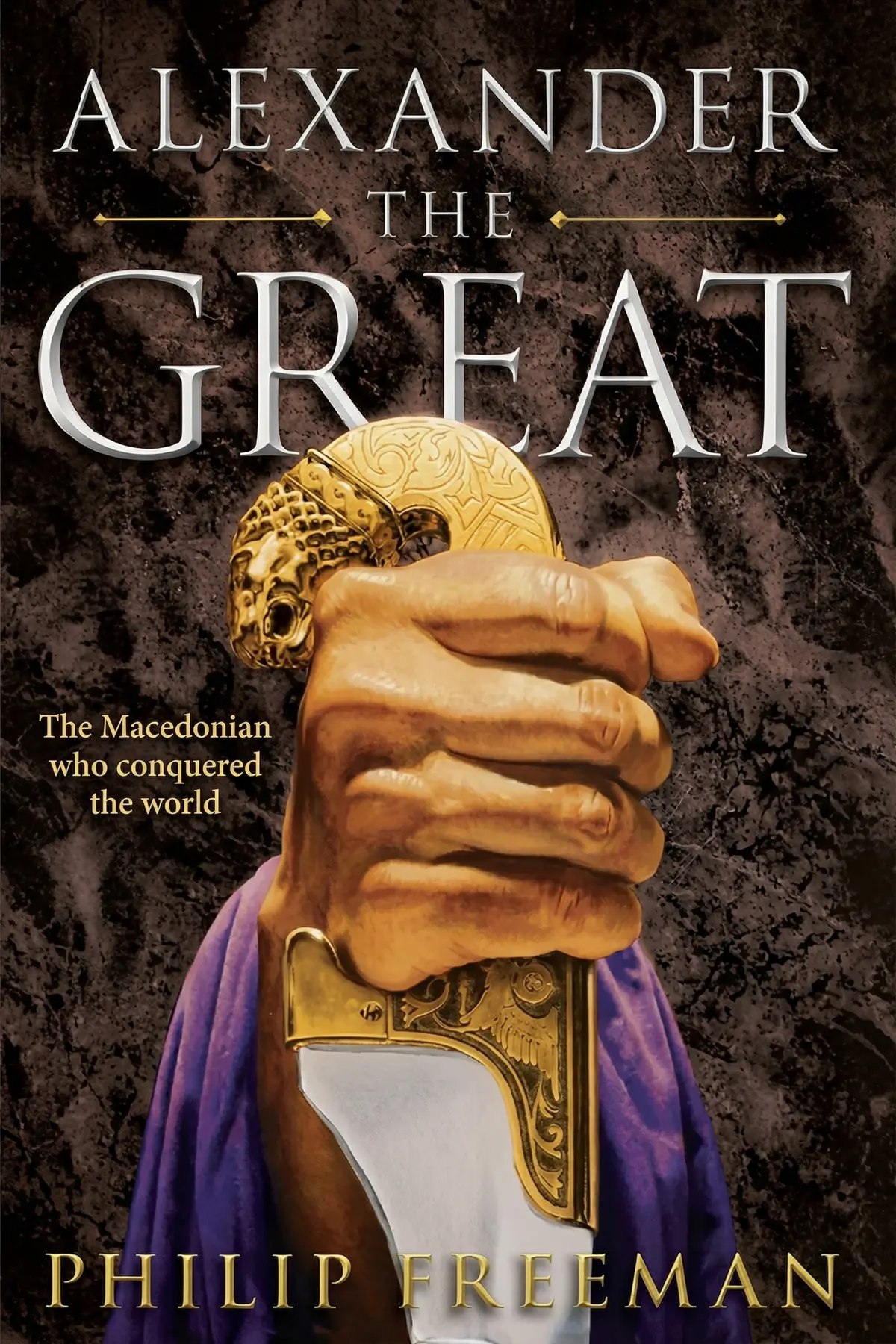
Alexander the Great
Philip Freeman
AUDIO SUMMARY AVAILABLE
Listen to Thirteen Days in 15 minutes
Get the key ideas from Thirteen Days by Robert F. Kennedy, plus 5,000+ more titles in English and Thai.
- 5,000+ titles
- Listen as much as you want
- 7-day free trial
- Cancel anytime







