
18 min 31 sec
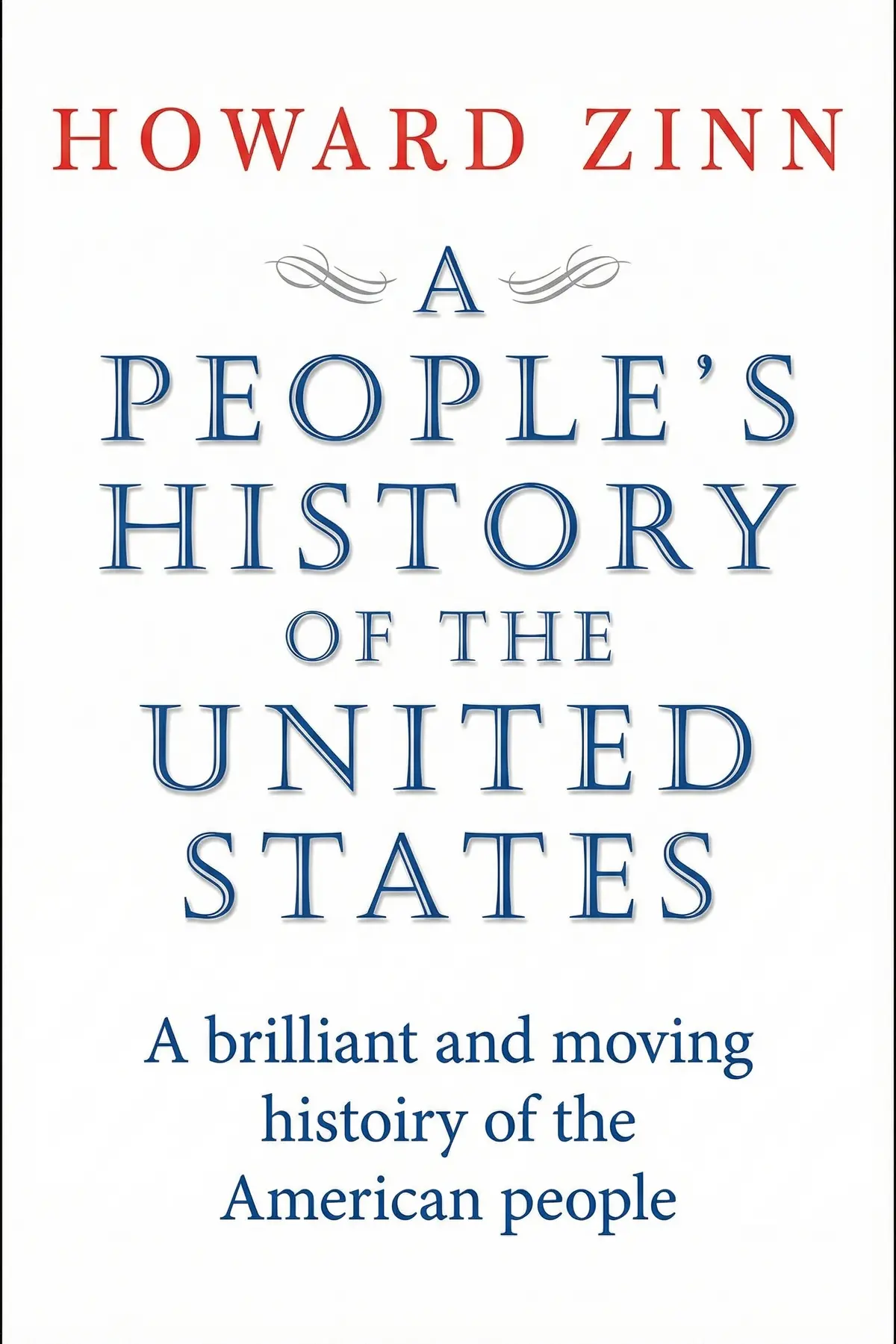
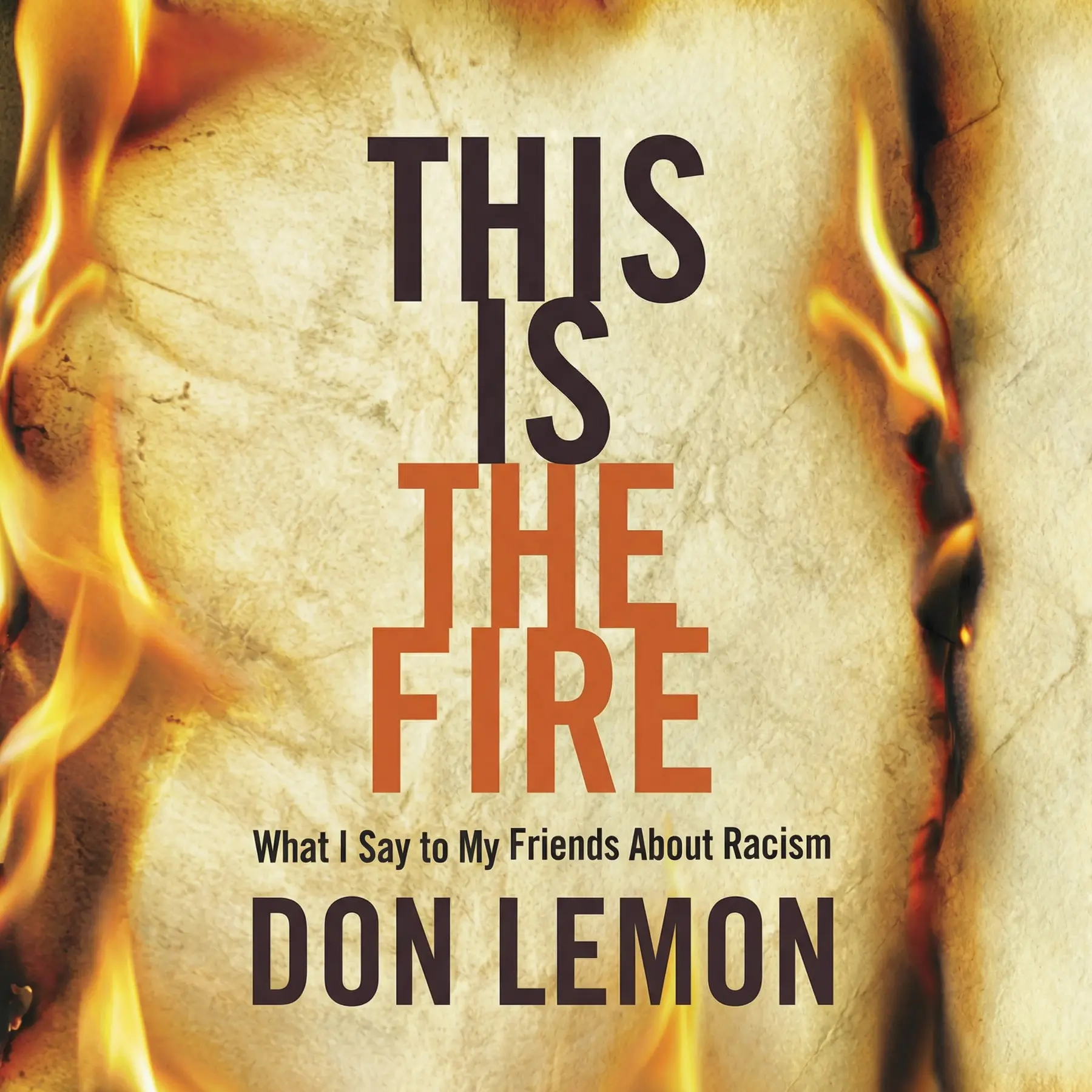
This Is the Fire: What I Say to My Friends About Racism
By Don Lemon
Explore the deep-seated roots of American racism and the urgent need for systemic change in this reflection on the turbulent events of 2020 and the historical structures of inequality.
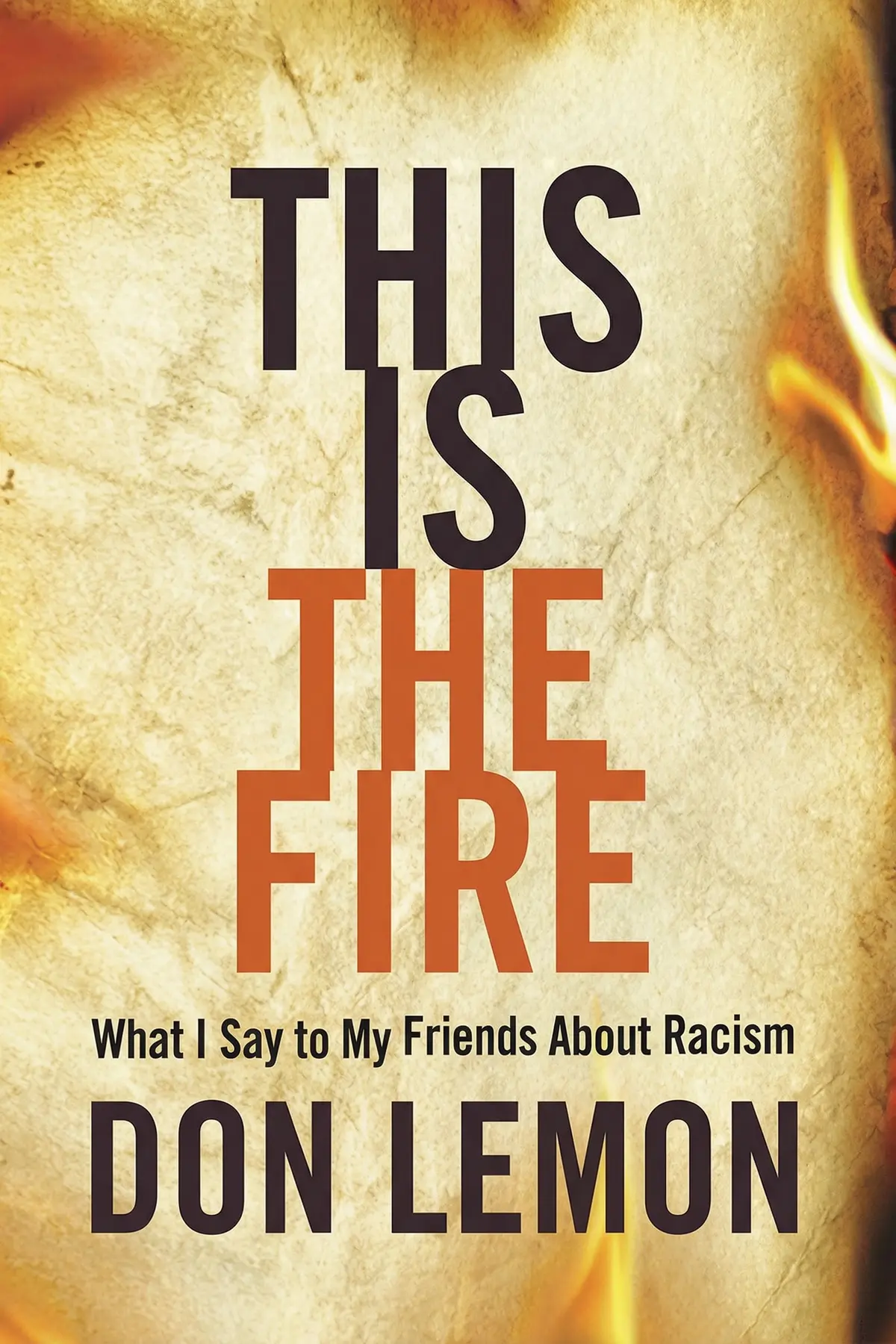
Table of Content
1. Introduction
1 min 41 sec
The year 2020 stands as a landmark of profound turbulence in the American story. It was a time when a global health crisis and a series of high-profile tragedies converged to peel back the layers of a long-festering wound. While the world struggled with a virus that took a heavy toll on marginalized communities, the nation also faced the brutal reality of racial violence. Names like George Floyd, Breonna Taylor, and Ahmaud Arbery became central to a national conversation that many had avoided for too long. These events didn’t just happen in isolation; they were part of a larger, historical pattern that many were finally forced to confront.
In this exploration, we look at the throughline that connects today’s headlines to the very foundations of American society. We are currently living through what many describe as a moment of reckoning—a time where the choice is between transformation or continued decline. This isn’t just about politics or temporary protests; it is about the fundamental humanity of the people who make up the nation. We will examine why the current climate feels different from previous eras and what it means to truly face the “fire” that James Baldwin once warned about.
Through this journey, we’ll uncover the deliberate nature of systemic racism, the economic motivations behind exclusion, and why empathy often seems to be in such short supply. The goal here is to move past the surface-level disagreements and understand the deeper mechanics of how we got here. More importantly, we’ll look at the practical ways we can start to rebuild a society that values all its members equally. By understanding the roots of the problem, we can begin to see the path toward a remedy that is as enduring as the issues it seeks to solve. Let’s begin by looking at why 2020 was the spark that set the country ablaze.
2. A National Awakening
2 min 33 sec
Discover how the tragedies of 2020 moved beyond local headlines to become a transformative moment that forced a nation to confront its deepest internal contradictions.
3. The Architecture of Inequality
2 min 36 sec
Uncover the historical truth that modern social hierarchies were not accidental developments, but rather the result of intentional choices designed to maintain power.
4. The Empathy Gap
2 min 25 sec
Explore why society often fails to respond with urgency to Black mortality and how the constant display of violence can lead to a dangerous desensitization.
5. Reforming the Justice System
2 min 32 sec
Understand why the debate over policing requires a more nuanced approach than simple slogans, focusing on systemic change and specialized support.
6. Challenging Cultural Myths
2 min 35 sec
Analyze how distorted historical narratives and media stereotypes continue to uphold prejudice, and why context is more powerful than cancellation.
7. The Economic Path to Justice
2 min 32 sec
Learn how the intersection of race and wealth has shaped the American experience and how economic pressure can be a tool for moral progress.
8. Conclusion
1 min 37 sec
As we look back at the lessons of recent years, the throughline is clear: the challenges we face are not new, but our response to them must be. The “fire” that we are currently experiencing is a direct result of a history built on deliberate exclusion and systemic inequality. However, this moment also carries a unique potential for transformation. We have seen what happens when the veneer is stripped away and the country is forced to look at its own reflection. Now, the question is what we do with that vision. Will we let the fire consume us, or will we use it to forge something stronger and more just?
Moving forward requires more than just awareness; it requires a commitment to action in our daily lives. This means being vigilant and protective of those who are most vulnerable. It means being willing to document and call out injustice when we see it, providing the evidence needed for true accountability. It also means doing the internal work of unlearning the myths and stereotypes that have been part of the cultural landscape for too long. Each of us has a role to play, whether through our votes, our voices, or our wallets.
Ultimately, the goal is to create a society where empathy isn’t a rare resource triggered only by tragedy, but a fundamental part of our social contract. We have the tools to rebuild—through specialized community support, honest historical narratives, and economic pressure. By working together and putting aside the superficial divisions that have long been used to keep us apart, we can move toward a future that honors the humanity of every individual. The path isn’t easy, but it is necessary. Let this moment be the turning point where we finally choose to build a house that is truly a home for everyone.
About this book
What is this book about?
This Is the Fire is an urgent reflection on the state of race in America, sparked by the turbulent events of 2020. It examines how centuries of systemic oppression and deliberate economic exclusion have shaped the modern landscape. The book promises to move beyond simple headlines, offering a deep dive into why current tensions exist and what it will take to dismantle them. By weaving together personal narrative and historical context, the text explores the "fire" predicted by James Baldwin—a moment of reckoning that cannot be ignored. It provides a framework for understanding police brutality, the lack of empathy in public policy, and the pervasive myths that still haunt American culture. Ultimately, it is a call to action for individuals to use their political and economic influence to foster a society rooted in kindness and community rather than exploitation.
Book Information
About the Author
Don Lemon
Don Lemon is an award-winning journalist and CNN prime-time anchor. He’s covered presidential elections, moderated political town halls, and was a leading voice during the 2020 Black Lives Matter protests. Lemon is also an adjunct professor at New York’s Brooklyn College and the author of the 2011 memoir Transparent.
Ratings & Reviews
Ratings at a glance
What people think
Listeners consider this work essential for the current social climate, full of perceptive ideas that provoke deep reflection. The narrative voice feels genuine, mirroring the author’s natural speaking style, and listeners enjoy the rapid tempo and profound sentiment that resonates on an emotional level. They prize its informative and instructive nature, with one listener highlighting the useful materials provided in the appendix, though others characterize the text as severe and gut-wrenching.
Top reviews
Saranya
Don Lemon’s voice translates remarkably well from the screen to the page, making this feel less like a lecture and more like an urgent conversation across a kitchen table. I opted for the audiobook to hear his specific cadence, and his stories about growing up in Louisiana were deeply moving. He doesn't hold back on the trauma of our history, but he balances it with a surprising amount of optimism for the future generations. While some might find the mentions of recent political figures distracting, I think it's impossible to discuss modern racism without acknowledging that context. The book moves at a lightning pace, yet it lingers in your mind long after the final chapter. It’s a heartbreaking look at the 'fire' Baldwin warned us about, yet Lemon offers a flicker of hope that we can still douse the flames.
Show moreWyatt
Wow, what a punch to the gut this was. I finished it in two sittings because I simply couldn’t put it down, even as it made my heart ache with every page. Lemon doesn't sugar-coat the reality of being Black in America, and he uses his platform to shine a light on the subtle indignities that most white people never have to think about. The way he references James Baldwin throughout the text provides a beautiful, haunting continuity between the civil rights era and the present day. It is a necessary read for anyone who wants to understand why our country is currently so polarized. Some might call it a rant, but to me, it felt like an honest cry for justice and a plea for empathy. The factual information he provides about historical incidents I had never heard of made this an incredibly educational experience.
Show moreChokdee
This book is a necessary artifact for our current era. Lemon captures the frantic, heartbreaking energy of the last few years and distills it into a narrative that is both personal and prophetic. I particularly appreciated how he didn't shy away from the 'fire' imagery—he makes it clear that we are in a state of emergency. The chapters on his childhood in Louisiana were particularly striking, offering a window into a world that many of us only see in headlines. He writes exactly as he speaks, which makes the prose feel authentic and urgent. I’ve read a lot of books on this topic lately, but this one felt the most immediate, probably because it’s so rooted in the 'now.' It’s an eloquent call to action that refuses to let the reader remain a passive observer in the fight for equality.
Show moreKamol
Ever wonder what it’s like to have the 'talk' with your children, or to feel the weight of history every time you walk out the door? Lemon explains these nuances of the Black experience with such clarity and compassion that it’s hard not to be moved. This isn't just a book about politics; it’s a book about the soul of a nation that is currently on fire. He weaves in references to Caste and the works of James Baldwin to show that our current struggles are part of a much longer, uglier timeline. The prose is beautiful and raw, often feeling like a letter to a friend. It’s a call for us all to do better—not just by talking, but by actually changing the way we interact with the world around us. A truly necessary read for those of us trying to find a path through the polarization.
Show moreSukit
Finally got around to reading this and I’m struck by how much it feels like Lemon is speaking directly to the reader. The prose is conversational and fast-paced, making a heavy subject matter much more accessible for a general audience. To be fair, there are moments where he veers into what feels like a CNN monologue about the Trump administration’s handling of the pandemic, which sometimes muddies the broader historical points he’s trying to make. However, the chapters where he explores his family’s genealogy and the systemic barriers they faced are absolutely essential reading. He relies on works like Caste to build his arguments, which gives the book a solid intellectual foundation despite its brevity. It’s a gut-punch of a book that asks us to look in the mirror, even when we don’t like what we see.
Show moreChai
As someone who typically identifies as conservative, I went into this expecting a political manifesto but found something far more personal and challenging instead. Lemon writes with a vulnerability that I wasn't expecting, especially when discussing the internalized racism and the 'talk' that Black families have to give their children. Frankly, some of the blanket statements about America felt a bit harsh to me at first, but I tried to sit with that discomfort rather than dismissing it. The appendix at the back is a goldmine of resources for anyone actually looking to do the work and move past just 'being a good person.' My only real gripe is that he occasionally loses the thread by focusing on specific news cycles. Still, it’s a vital perspective that helped me see things from a viewpoint I rarely encounter in my own social circle.
Show moreJom
Truth is, I didn't expect to be so moved by the family anecdotes in this book. Most people know Don Lemon as the polished news anchor, but here he lets the mask slip to show a man who is deeply worried about the state of his country. The pacing is excellent; it’s a quick read that packs a significant emotional wallop without feeling over-encumbered by academic jargon. Look, there are definitely sections where his political leanings are front and center, particularly his criticisms of the 45th president, which might alienate some readers. But if you can look past the partisan friction, there is a wealth of wisdom here about how we treat one another. It’s a harsh mirror to hold up to society, but Lemon does it with a sense of love for what America could eventually become if we finally address the infection of racism.
Show moreChamp
Picked this up after seeing the author's passion on screen and I wasn't disappointed by the emotional depth he brings to these pages. He tackles heavy themes like systemic injustice and white privilege with a directness that is refreshing, even if it’s occasionally uncomfortable to sit with. The book is short, but don't let the page count fool you; it’s a dense, challenging look at our culture. I found the appendix of resources to be particularly helpful for continuing my education beyond his own experiences. While I agree with other reviewers that he spends a lot of time on the previous administration, it’s hard to deny that those years were a catalyst for the 'fire' he’s describing. It’s an authentic, heart-on-his-sleeve kind of book that everyone should at least give a chance.
Show moreAmelia
The writing style feels very much like a CNN broadcast—loud, urgent, and deeply focused on the current political climate. While Lemon is clearly brilliant and passionate, I found that the book spent a bit too much time on Trump and the pandemic rather than offering a truly new framework for dismantling racism. If you’ve already read Wilkerson or Kendi, you might find this to be a bit of a rehash of familiar themes and 'preaching to the choir.' It’s a quick read, and his personal anecdotes about his family in the South are the highlights, providing a much-needed human element to the statistics. I was looking for more definitive, actionable steps to take, but this felt more like a collection of essays or a long-form rant. It’s a good introduction for someone just starting their journey into anti-racism.
Show moreApichat
I wanted to love this, but it felt a bit repetitive at times. Not gonna lie, I’ve been following the news closely, so a lot of what was discussed here felt like a recap of the last two years of CNN broadcasts. The personal stories about his mother and his upbringing were the most compelling parts, but they were often interrupted by long sections about Donald Trump and COVID-19. It’s definitely a fast read, which I appreciated, but I’m not sure I walked away with any new tools for helping my community move forward. It’s more of an emotional overview than a strategic guide. For someone who isn't already 'plugged in' to these conversations, it would be a 5-star revelation. For me, it felt like a 3-star summary of things I’ve heard him say on TV for years.
Show moreReaders also enjoyed
A Room of One’s Own
Virginia Woolf
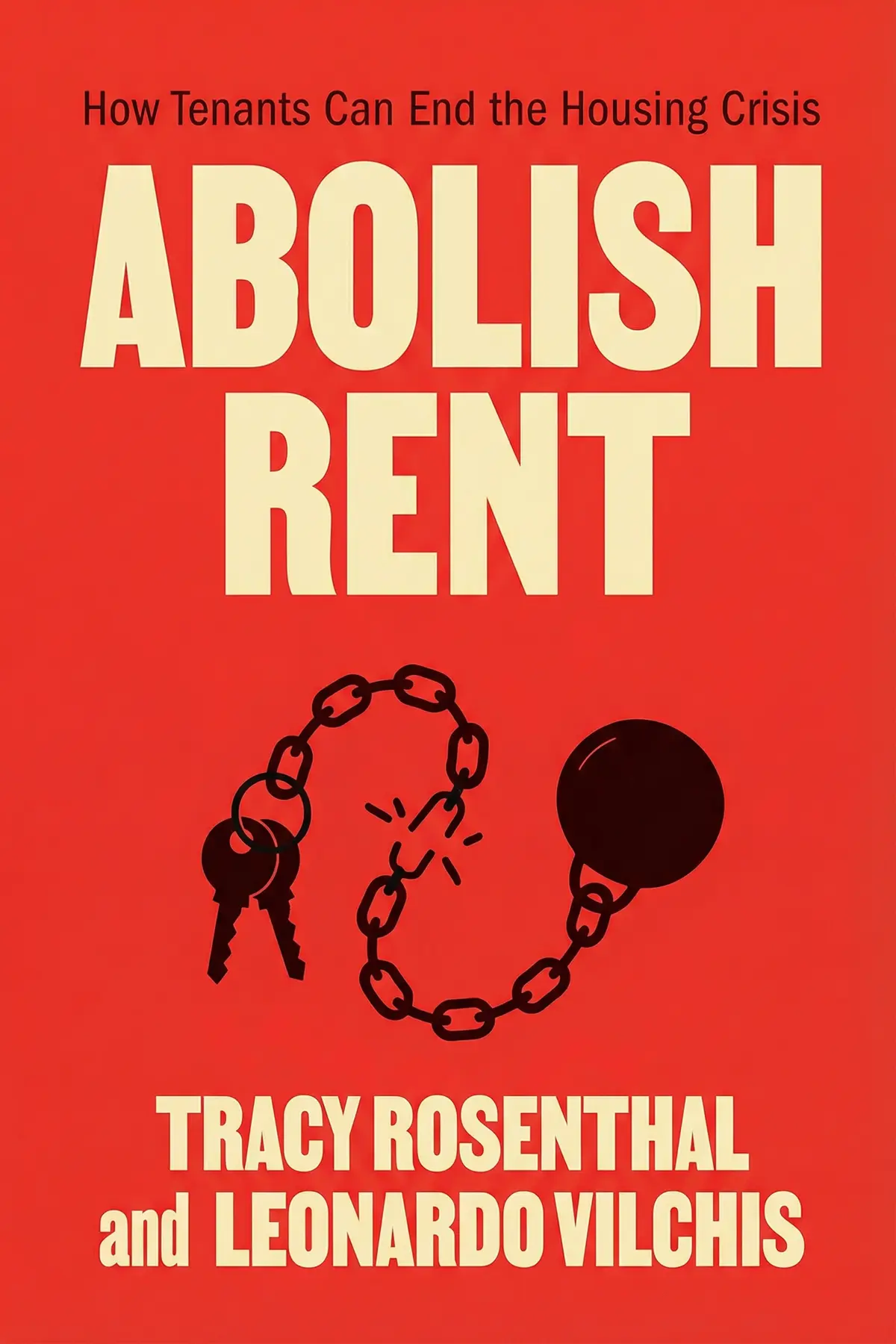
Abolish Rent: How Tenants Can End the Housing Crisis
Tracy Rosenthal
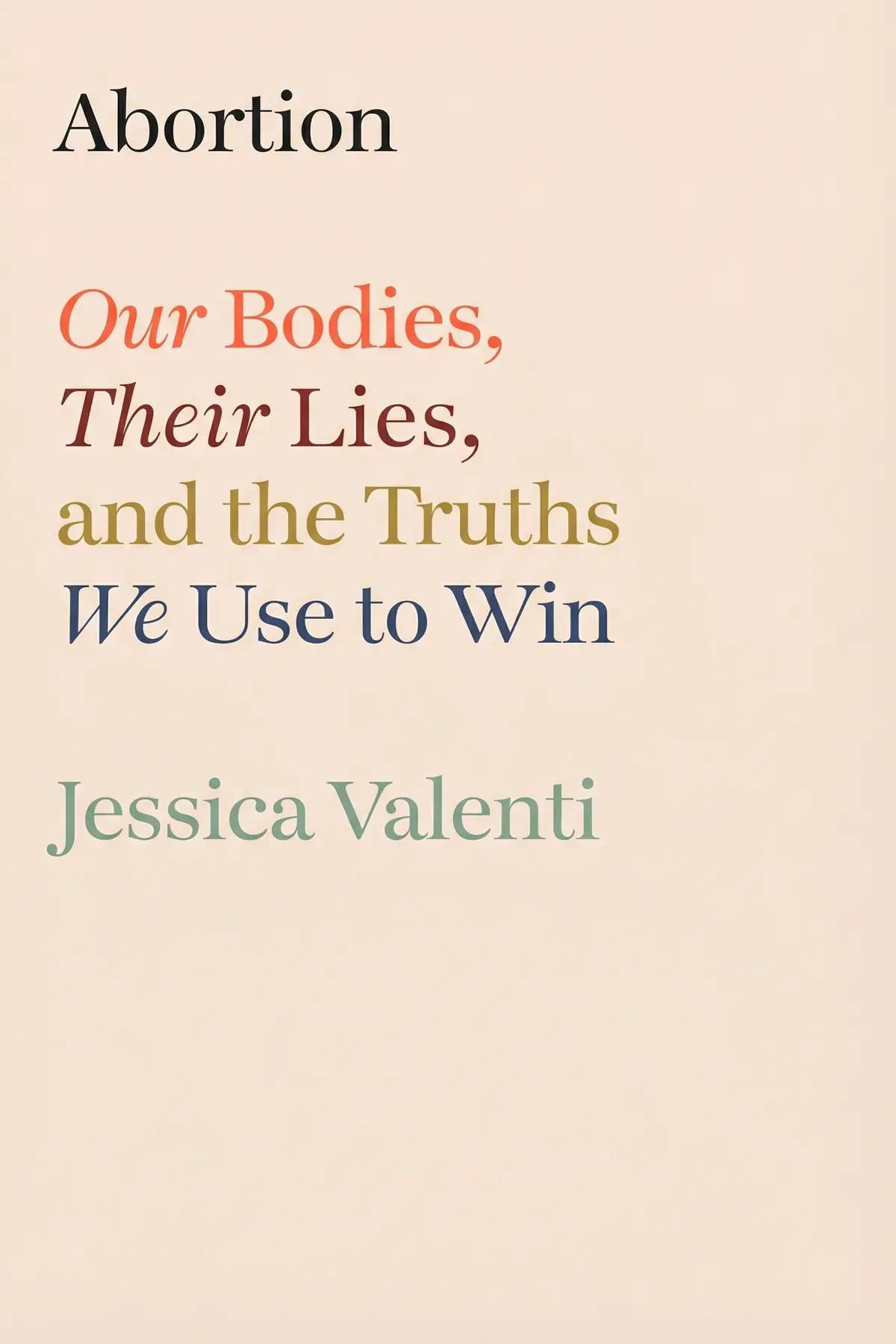
Abortion: Our Bodies, Their Lies, and the Truths We Use to
Jessica Valenti

Afropean: Notes From Black Europe
Johny Pitts
All About Love: New Visions
bell hooks
AUDIO SUMMARY AVAILABLE
Listen to This Is the Fire in 15 minutes
Get the key ideas from This Is the Fire by Don Lemon, plus 5,000+ more titles in English and Thai.
- 5,000+ titles
- Listen as much as you want
- 7-day free trial
- Cancel anytime







