

17 min
Trauma Stewardship: An Everyday Guide to Caring for Self While Caring for Others
Trauma Stewardship provides a vital framework for professionals and caregivers who witness suffering, offering practical strategies to maintain emotional health, avoid burnout, and sustain a long-term commitment to serving others with joy.
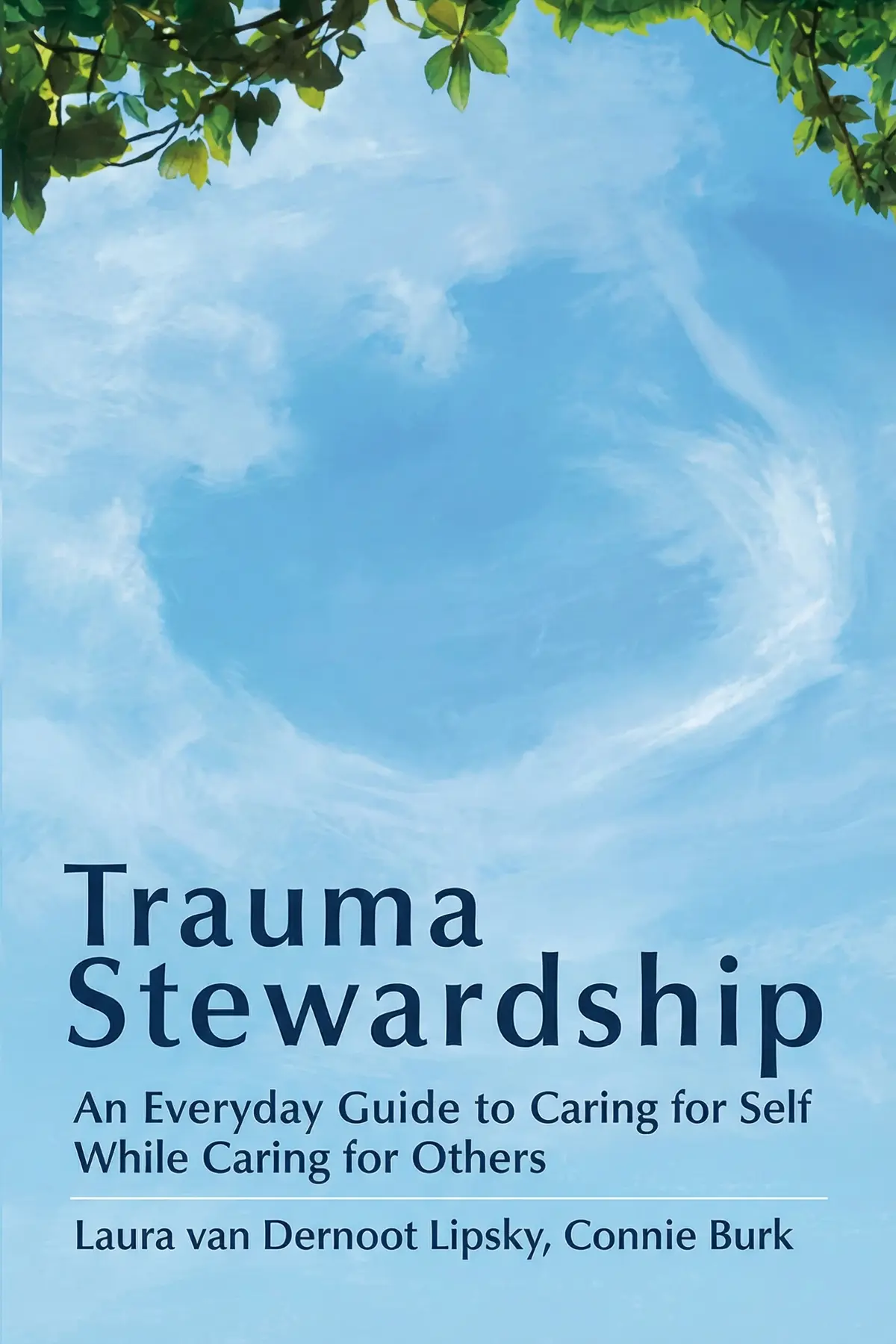
Table of Content
1. Introduction
1 min 43 sec
In a world where we are constantly confronted by images of crisis, accounts of injustice, and the raw reality of human suffering, many of us find ourselves in roles where we are the primary witnesses to pain. Perhaps you are a nurse, a teacher, a social worker, or an activist. Or maybe you are a dedicated family member caring for a loved one in a state of chronic illness. These roles are noble and necessary, yet they carry a weight that is often invisible until it becomes unbearable. The question many of us face is: How do we continue to show up for others without losing ourselves in the process?
This is the central challenge of Trauma Stewardship. The term itself suggests a shift in perspective. To be a steward of something is to take responsibility for its care and management. When we talk about trauma stewardship, we are talking about taking responsibility for our own relationship with the trauma we encounter. It is the recognition that we cannot simply absorb the world’s pain and expect to remain unchanged. If we do not actively manage our exposure, we risk becoming cynical, exhausted, or emotionally numb.
In the following sections, we will explore a path toward sustainable care. We will look at the internal signals that tell us when the burden is becoming too heavy and examine the psychological shifts that occur when we are exposed to suffering over time. More importantly, we will discuss how to build a foundation of presence and intention. By understanding that our well-being is not a luxury, but a requirement for doing good work, we can transform our service from a source of depletion into a source of deep fulfillment. Let’s begin this journey of staying present while caring for the world.
2. The Nature of the Witness
2 min 10 sec
Explore why the act of helping others inevitably changes your worldview and why acknowledging this shift is the first step toward lasting resilience.
3. Identifying the Red Flags of Exposure
2 min 18 sec
Learn to recognize the subtle physical and emotional signals that indicate your exposure to trauma is beginning to take a toll on your well-being.
4. Coming to the Center through Intention
2 min 21 sec
Discover how setting daily intentions and practicing mindfulness can help you stay grounded amidst the chaos of your professional and personal life.
5. The Importance of Perspective and the North Star
2 min 13 sec
Understand how maintaining a clear sense of purpose and a broader perspective can protect you from the despair often found in trauma work.
6. Refueling and the Discipline of Joy
2 min 13 sec
Explore why joy and self-care are not selfish acts, but disciplined practices that are required for a sustainable life of service.
7. Collective Responsibility and Organizational Health
2 min 22 sec
Investigate how trauma exposure impacts entire groups and learn how to foster a culture of collective resilience and shared stewardship.
8. Conclusion
1 min 40 sec
The journey of trauma stewardship is a lifelong practice of coming back to ourselves. We have seen that witnessing the world’s pain is a profound responsibility, but it is one that requires us to be as compassionate toward ourselves as we are toward others. By recognizing the physical and emotional signals of trauma exposure, we can intervene before we reach the point of exhaustion. By setting intentions and staying centered, we maintain our agency even in the most chaotic environments.
Remember that your well-being is not separate from the quality of your work; it is the very foundation of it. When you take the time to refuel, to seek joy, and to maintain a broad perspective, you are not taking away from those you serve. Instead, you are ensuring that you can show up for them with a clear mind and an open heart for years to come. You are moving from being a person who is simply ‘dealing with’ trauma to someone who is a wise and sustainable steward of their own life and their contribution to the world.
As you move forward, start small. Choose one daily ritual that brings you back to center. Pay attention to your breath. Reach out to a colleague. Most importantly, give yourself the grace to be human. The world does not need more martyrs; it needs more people who can stand in the presence of suffering with their spirit intact. By practicing trauma stewardship, you are making a radical and necessary choice to sustain the light within you, so that you may continue to share it with a world that needs it so dearly.
About this book
What is this book about?
Trauma Stewardship is an essential guide for anyone whose work or life brings them into frequent contact with the suffering of others. Whether you are a healthcare professional, a social worker, an activist, or a family caregiver, witnessing pain, injustice, and crisis takes a cumulative toll on the mind and body. This book moves beyond basic self-care checklists to offer a deep, philosophical, and practical approach to staying present in the face of hardship without becoming overwhelmed by it. The core promise of the book is that we can learn to care for ourselves as deeply as we care for the world. By identifying the specific ways trauma exposure changes our worldview and physical health, the authors provide a roadmap for reclaiming balance. Through a combination of mindfulness, organizational shifts, and personal boundary-setting, readers learn how to transform their relationship with their work. It is about moving from a state of reactive stress to one of intentional stewardship, ensuring that the act of helping others remains sustainable, meaningful, and life-affirming over the long haul.
Book Information
About the Author
Laura van Dernoot Lipsky
Laura van Dernoot Lipsky is a dedicated trauma social worker and an expert consultant for organizations. Her career has centered on supporting survivors of human rights violations, environmental catastrophes, and systemic violence. She is the visionary founder of the Trauma Stewardship Institute and travels the globe to train professionals in sustainable service practices. Connie Burk is the executive director of the Northwest Network of Bisexual, Trans, Lesbian and Gay Survivors of Abuse. With over twenty years of experience in community organizing and violence prevention, she is a leading voice in trauma-informed advocacy and organizational development.
Ratings & Reviews
Ratings at a glance
What people think
Listeners find this book an accessible read and a premier tool for individuals in helping roles, particularly those whose work involves trauma. It delivers useful strategies and personal anecdotes that enhance its relatability, serving as an essential guide for anyone in the service professions. Listeners view the work as incredibly perceptive and enlightening, with one listener noting how it creates a path to look within ourselves. The text has drawn some varying opinions regarding the clarity of its explanations.
Top reviews
Ingrid
Finally finished this after a long recommendation from my clinical supervisor, and it’s truly a game-changer for anyone in the helping professions. The book doesn't just talk about burnout; it explores how we can transform our relationship to the suffering of others through the lens of stewardship. I appreciated the practical strategies that didn't feel like typical 'self-care' fluff. Lipsky uses personal stories and even some cartoons to break up the heavy subject matter, making it a surprisingly easy read despite the weight of the topic. Truth is, I started seeing my own 'persecution complex' reflected in these pages almost immediately. It’s an eye-opening resource that helps you look inward to find sustainability in your work. My only minor gripe is that some of the quotes felt a bit repetitive, but the core message is too important to ignore. If you feel like your light is dimming because of the work you do, get this book.
Show moreYindee
As a social worker, I’ve seen my share of 'hippy crap' advice, but this book is different. It provides a structured path for those of us who deal with secondary trauma daily. The authors do an incredible job of balancing hard-won wisdom with actionable tips that keep you grounded when things get overwhelming. I found the section on 'change from the inside out' particularly moving. It’s not just about surviving your job; it’s about maintaining your integrity and humanity while being a witness to pain. I’ve started recommending this to everyone in my cohort. The writing is accessible, and the personal anecdotes make the concepts feel very relatable. This isn't just a book you read; it's a tool you use to build a more sustainable career. Truly, it’s a must-read for anyone who cares too much and is starting to feel the physical toll of that care.
Show moreSuthida
Deeply insightful and surprisingly practical. This book serves as an excellent resource for anyone who feels like they are drowning in the trauma of others. What I loved most was the lack of oversharing; the authors focus on the reader’s journey rather than just dumping their own experiences. The strategies for maintaining a healthy balance are easy to implement, even if you’re already feeling the effects of burnout. In my experience, most books on this topic are either too dry or too 'woo-woo,' but this hits the sweet spot. It provides a shared vocabulary for teams to discuss their well-being without feeling like they are failing at their mission. Every nonprofit leader should have a stack of these on their shelf. It’s about creating a culture where staying healthy is part of the work, not something we do only when we’re broken. A vital, life-affirming read.
Show morePim
If you work in any trauma-adjacent field, stop what you’re doing and buy this. It provides such a necessary framework for understanding how we internalize the pain of the world. I’ve been struggling with 'persecution complexes' and a general sense of hopelessness, and this book gave me the language to talk about it. The personal stories are incredibly relatable, making the clinical concepts feel much more accessible. I appreciated the emphasis on joy and finding ease, rather than just 'prying oneself loose' from the work. It’s about being present and mindful without being consumed. The cartoons and quotes from peace prize candidates add a nice touch that keeps the tone from becoming too bleak. Truly, this is the ultimate guide for long-term health in social movement work. It has fundamentally changed how I approach my daily tasks.
Show moreLook
The concept of 'trauma stewardship' was entirely new to me until a colleague handed me this copy. At first, I worried it might be too academic, and to be fair, some sections do lean into that dense, clinical style that can be hard to power through after a long shift. However, once I got into the flow, the insights were incredibly valuable. It’s eye-opening to see how vicarious trauma manifests in ways we don't always recognize, like cynicism or a sense of grandiosity. While I would have liked a more modern, intersectional lens—as it sometimes feels like a white woman’s discovery of POC wisdom—the foundational advice is still solid. The cartoons and quotes help lighten the mood, which is necessary when you’re staring your own burnout in the face. It’s a helpful reminder that we can't help others if we've completely depleted ourselves.
Show morePla
I wish I’d found this book five years ago before I hit my first wall of compassion fatigue. Lipsky and Burk provide a roadmap for navigating the secondary trauma that comes with being an activist or a caregiver. One thing that stood out was the emphasis on how our worldview shifts when we are constantly exposed to suffering. It’s not just a 'work' problem; it’s a spiritual one. Frankly, the writing isn't always gripping—I found myself skimming some of the longer stories about fields I don't work in—but the core exercises are gold. It really forces you to look within yourself and evaluate why we do what we do. I do agree with some other reviewers that conflating social workers with law enforcement felt a bit jarring, but if you can look past that, the sustainability lessons are universal. It’s a solid resource for anyone in the non-profit world.
Show moreNam
Picked this up on a whim after a particularly rough month at the clinic. It’s a very grounded guide that avoids the trap of being too 'new agey' while still offering spiritual depth. The authors help you identify the specific markers of trauma exposure, which was eye-opening for me personally. I didn’t realize my constant irritability was actually a symptom of my work until I read this. I'll admit, the inclusion of certain 'helping professions' that cause systemic harm was a bit of a disconnect for me, and I felt the book lacked a deeper analysis of systemic oppression. Still, the individual tools for resilience are top-notch. It reads quite easily, though the structure can feel a bit repetitive by the end. If you’re looking for a way to stay in the work without losing your soul, this is a great place to start your journey.
Show moreEnd
Is it the perfect guide? Maybe not, but it’s definitely one of the best out there for professionals. I appreciated how it doesn’t just offer band-aid solutions for burnout. Instead, it asks us to look at our internal motivations and the way we've been shaped by our environments. To be fair, some of the stories felt a bit disconnected from my specific field, which made it feel a little like a compilation of anecdotes at times. But the underlying message of sustainability is crucial. The writing is clear and well-organized, though it can feel a bit like a textbook in the middle chapters. I found the section on 'trauma exposure effects' to be the most helpful part of the book. It’s a great resource for anyone who wants to stay in the fight for the long haul without burning out their candle completely.
Show moreCooper
After years of compassion fatigue in the non-profit sector, this was the wake-up call I needed. The book provides practical guidance that is easy to digest, even when you're feeling completely drained. I loved the focus on 'change from the inside out' and the idea that our own well-being is a social justice issue. However, I did find some of the advice a bit repetitive toward the end, and I wasn't a huge fan of how it conflates very different types of professions. Still, the core strategies for maintaining integrity are invaluable. It really helps you identify those 'bad moments' and handle them with grace. The personal stories make it feel less like a lecture and more like a conversation with a mentor. If you’re feeling urgent, sad, or angry about your work, this book offers a path toward ease.
Show moreSue
Let's be real: this book is a product of its time. Published in 2009, it carries a very specific 'white woman doing work in communities of color' vibe that can be hard to stomach at points. It feels like the author is publishing findings that she learned from POC without always giving them the proper platform or applying an intersectional lens to the systemic issues at play. Furthermore, the writing style felt quite academic and dry to me; I struggled to stay engaged and actually preferred the audio version just to get through it. That said, the general tips for sustainability are okay if you’re new to the concept of self-care. It’s a decent introductory guide for those in leadership roles, but if you’re looking for a deep dive into how to navigate oppressive organizational spaces, you might find this a bit trite. It’s helpful, but definitely has its gaps.
Show moreReaders also enjoyed

ADHD an A-Z: Figuring It Out Step by Step
Leanne Maskell

Alcoholics Anonymous
Alcoholics Anonymous World Services
A Liberated Mind: How to Pivot Toward What Matters
Steven C. Hayes

AUDIO SUMMARY AVAILABLE
Listen to Trauma Stewardship in 15 minutes
Get the key ideas from Trauma Stewardship by Laura van Dernoot Lipsky, plus 5,000+ more titles in English and Thai.
- 5,000+ titles
- Listen as much as you want
- 7-day free trial
- Cancel anytime







