
17 min 37 sec
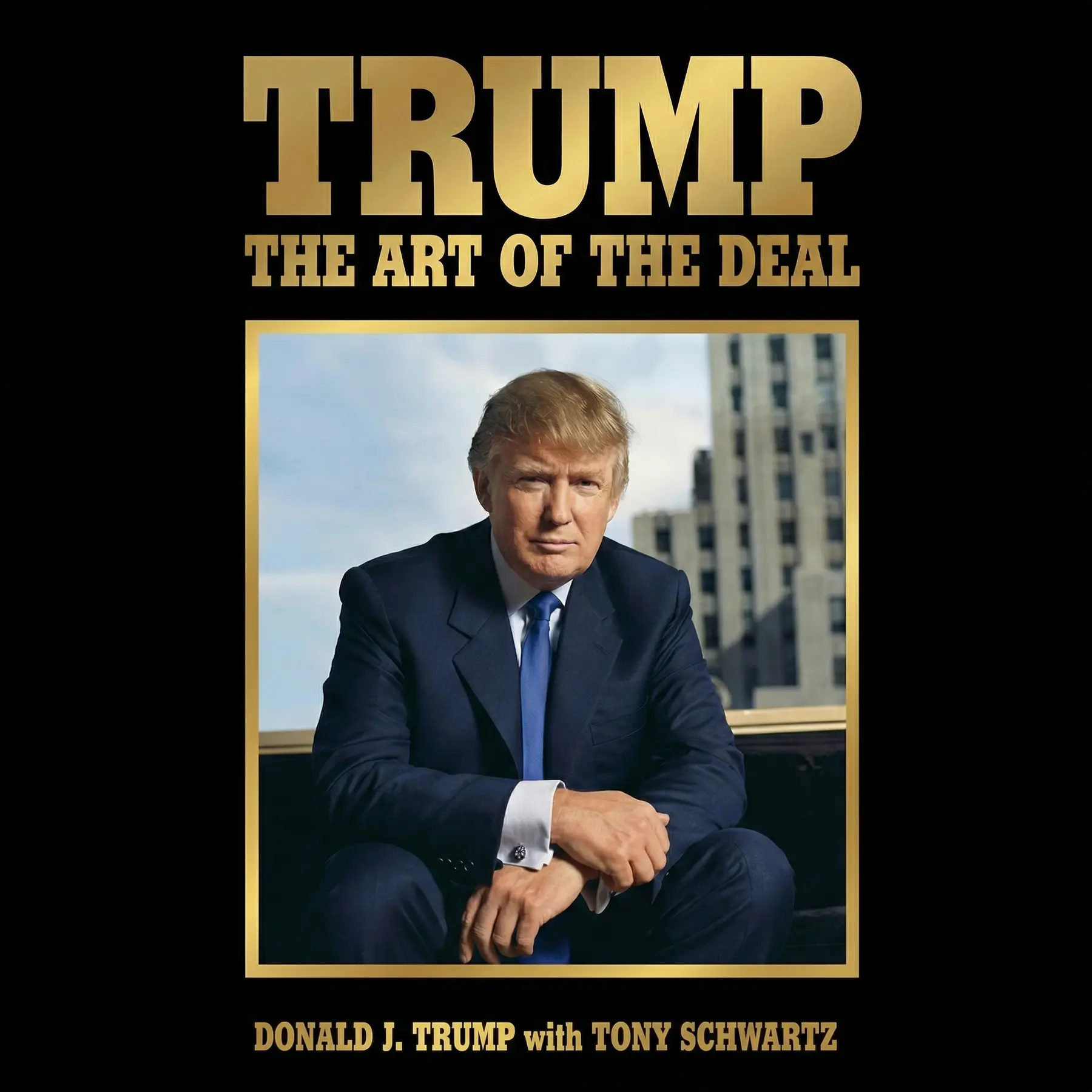
Trump: The Art of the Deal: The Art of the Deal
A comprehensive look into the business philosophy and tactical strategies of a real estate mogul. This summary explores the mindset required to navigate high-stakes negotiations, manage risks, and transform ambitious visions into reality.
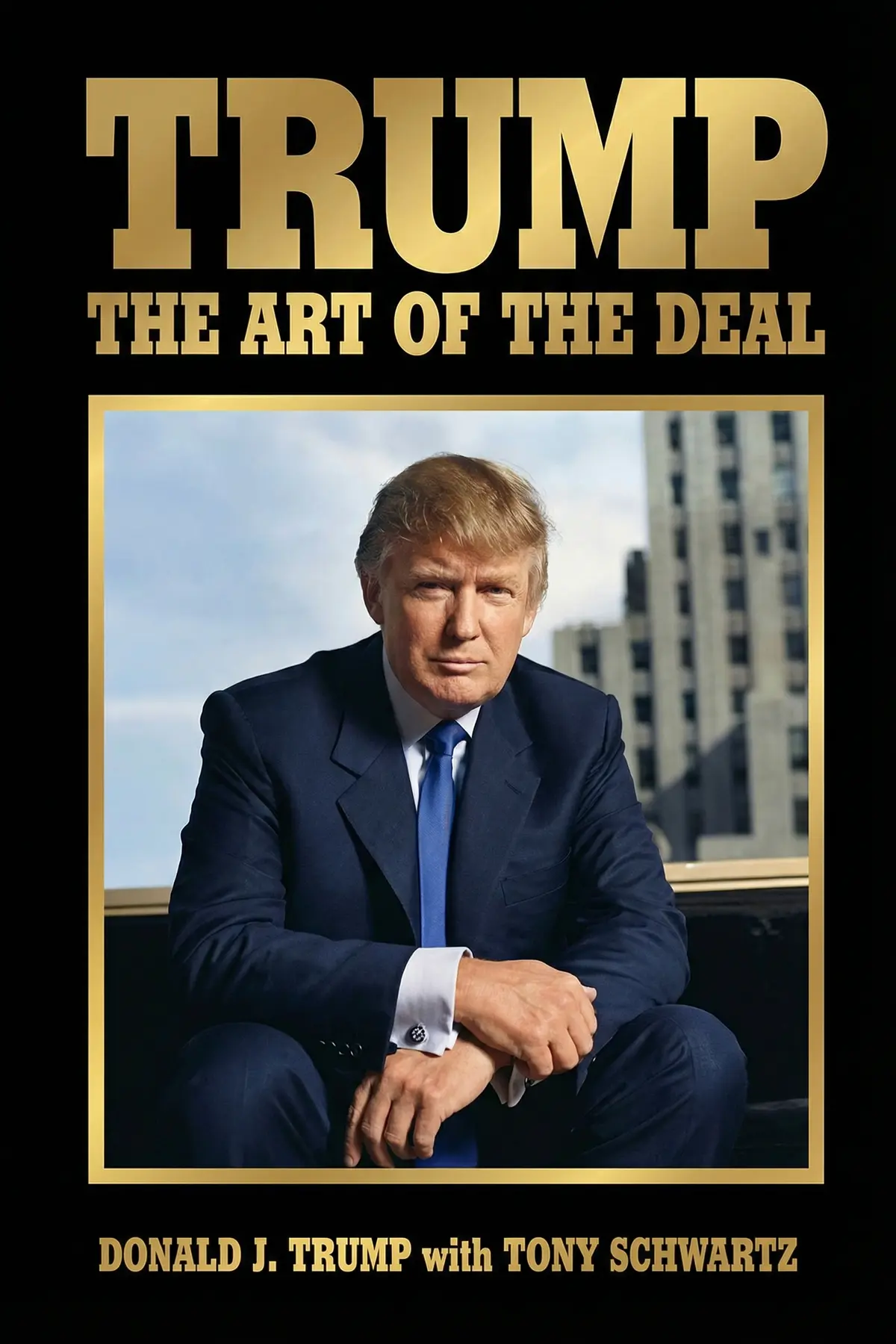
Table of Content
1. Introduction
1 min 49 sec
In the fast-paced world of high-stakes business, many people believe that success is the result of a rigid five-year plan or a perfectly manicured schedule. However, if you look at the career of a master dealmaker, you will see a very different picture. It is a world where flexibility is the ultimate currency and where the ability to pivot in an instant is more valuable than any spreadsheet. This is the realm of the bold, where the primary goal isn’t just to make money, but to master the process of the deal itself. This summary takes you inside that mindset, showing how one individual transformed the skyline of New York City and beyond by following a unique set of personal and professional rules.
Throughout this journey, we will explore a philosophy built on the pillars of persistence, strategic risk-taking, and an unwavering belief in one’s own vision. You will see how a crumbling hotel was turned into a modern masterpiece, how a skating rink that the city couldn’t fix for years was completed in months, and how a sense of intuition can often lead to better results than the most expensive data-driven research.
The throughline of this narrative is clear: success is not just about the final signature on a contract. It is about the preparation, the psychological maneuvering, and the relentless drive to see a project through to the end, regardless of the obstacles. By the time we finish, you will have a deep understanding of the tactics used to navigate the complex waters of real estate and negotiation. You will learn how to protect yourself against loss while positioning yourself for the greatest possible gain. Whether you are a budding entrepreneur or an experienced professional, these insights into the art of the deal offer a rare glimpse into a business style that is as effective as it is unique. Let’s begin by looking at how a typical day for a dealmaker actually unfolds.
2. The Power of an Unstructured Workday
1 min 47 sec
Discover why skipping the rigid schedule and embracing a high-volume, spontaneous communication style can lead to more opportunities than a calendar full of meetings.
3. Protecting the Downside to Ensure the Upside
1 min 41 sec
Learn the counterintuitive secret of successful risk-takers: they don’t actually like taking risks; they like planning for the worst-case scenario.
4. The Importance of Momentum and Tenacity
1 min 46 sec
In business, as in life, things rarely go according to plan on the first try. Discover why sheer persistence is often the most valuable trait a leader can possess.
5. Gathering Intelligence Through Human Connection
1 min 41 sec
Forget the expensive consultants and the thick market research reports. Learn why the most valuable business insights come from talking to the people on the ground.
6. Transforming the Forgotten into the Extraordinary
1 min 46 sec
See how a visionary approach can turn a decaying landmark into a symbol of luxury, proving that the greatest opportunities often hide where others see only failure.
7. Persistence as a Tool for Real Estate Mastery
1 min 55 sec
The story of Trump Tower is more than just a construction project; it’s a lesson in how years of refusal can be turned into a definitive victory through sheer will.
8. Timing and Tactical Patience in the Casino Industry
1 min 51 sec
Entering a new market requires more than just capital. Explore why waiting for the right moment and the right location is the key to dominating an industry like gaming.
9. Restoring Public Faith Through Private Efficiency
1 min 45 sec
When the city failed for six years to fix a simple ice rink, it took a private developer’s hands-on leadership to get it done in months. Discover why accountability is the key to results.
10. Conclusion
1 min 36 sec
As we reflect on the strategies and stories shared in this summary of Trump: The Art of the Deal, a powerful pattern emerges. Success in business is rarely about following a pre-written script. Instead, it is about the ability to think on your feet, to stay flexible in the face of change, and to have the courage to trust your own instincts above the noise of the crowd. We have seen how a dedication to protecting the downside can provide the safety net needed to take bold, transformative leaps. We have seen how persistence can turn a ‘no’ into a ‘yes’ over the course of years, and how a hands-on approach to leadership can accomplish in months what others couldn’t do in decades.
The actionable takeaway here is to embrace the ‘art’ of your own work. Don’t let yourself be paralyzed by the fear of risk; instead, learn to manage it. Don’t wait for the perfect moment to be handed to you; create it through persistence and a willingness to engage with the world directly. Whether you are building a skyscraper or a small business, the principles of clear vision, tactical patience, and relentless execution remain the same.
Ultimately, making a deal is about more than just a financial transaction—it is a form of creative expression. It is about taking the disparate pieces of a problem and arranging them into a solution that creates value for everyone involved. If you can master the art of the deal, you aren’t just making a living; you are shaping the world around you. Thank you for listening to this BookBits summary. We hope these insights inspire you to look at your own professional challenges with fresh eyes and a renewed sense of what is possible when you refuse to settle for anything less than excellence.
About this book
What is this book about?
This exploration of business mastery dives into the strategic mindset of one of the world’s most recognizable real estate developers. It moves beyond standard financial advice to uncover the psychological and tactical foundations of high-level negotiation and development. The narrative focuses on the core principles that drive success in competitive environments, such as the importance of maintaining extreme flexibility and the necessity of protecting the downside in every transaction. Through a series of detailed case studies—from the revitalization of the crumbling Commodore Hotel to the symbolic construction of Trump Tower—the content illustrates how persistence and a hands-on leadership style can overcome institutional skepticism and bureaucratic inertia. You will learn why direct intelligence and personal instincts often outweigh the advice of high-priced consultants, and how to turn a failing project into a landmark achievement. By analyzing these pivotal career moments, the summary provides a roadmap for anyone looking to understand the mechanics of making deals, managing public perception, and building a legacy in the face of significant challenges.
Book Information
About the Author
Donald J. Trump
Donald J. Trump is a businessman and the 45th and 47th president of the United States, widely recognized for his high-profile real estate ventures and his influence on the global business stage. He has authored several books focusing on business and personal success, including Trump: The Art of the Comeback and Trump: How to Get Rich. Tony Schwartz is an established journalist and author. He is notably the co-author of the best-selling book The Power of Full Engagement, which examines personal energy management and performance optimization. Schwartz has spent much of his career writing about the intersections of leadership, productivity, and professional excellence.
Ratings & Reviews
Ratings at a glance
What people think
Listeners find the writing accessible and engaging, specifically noting how effectively it mirrors Trump’s characteristic way of speaking. Furthermore, the work delivers in-depth knowledge on negotiation and business fundamentals, proving highly beneficial for entrepreneurs. Listeners characterize Trump as an intelligent and motivated figure committed to making America great again, and they believe the book provides a clear window into his core motivations and the strength of his positive outlook.
Top reviews
Kanchana
Finally got around to reading this business classic after years of hearing about it. It’s written in a very conversational style that makes it incredibly easy to fly through in a weekend. You can really see how he managed to fix things like the Wollman Rink when the city couldn't. It really worked out surprisingly well for the city. Frankly, the way he breaks down complex negotiations into simple leverage—things like finding what the other guy needs or can't live without—is something they don’t teach in most MBA programs. There is plenty of braggadocio here, but he has the results to back it up in that era. I walked away feeling more motivated to think big in my own career. It provides a unique window into the mind of someone who treats life like one giant game of chess.
Show moreRapee
Trump’s voice practically jumps off the page, and you can tell Tony Schwartz captured his essence perfectly. The book is less of a 'how-to' and more of a memoir centered on specific real estate victories. To be fair, some parts feel like pure marketing, but that is exactly the point he is trying to make about self-promotion. I was fascinated by the stories of the Hyatt and Trump Tower projects and how he handled the bureaucracy. It's an interesting study in the power of positive thinking and persistence against all odds. Even if you don't like his personality, the hustle is undeniably impressive and offers great insight for entrepreneurs. This is essential reading for anyone who wants to understand how the big players in New York operate.
Show moreDome
Whatever your politics are, the guy knows how to build things that get people talking. This book highlights his absolute obsession with quality, like when he went to the quarry and hand-picked marble slabs. I loved the chapters on the Atlantic City casinos and how he managed the legalities of the gaming industry. He mentions hiring women for top roles because they were often more effective than men, which was ahead of its time. Truth is, the book reveals a man who is incredibly driven and refuses to take 'no' for an answer. It’s a fast-paced read that captures the high-stakes world of the 1980s perfectly. If you want to learn about the grit required for massive deals, this is the place to start.
Show moreThawee
Ever wonder how he actually makes those massive decisions that seem so risky to everyone else? This book explains that it’s almost entirely based on his gut instinct rather than committees or consultants. He has a total disdain for red tape and slow processes. Not gonna lie, the ego is on full display here, and he isn't shy about settling scores with people like Ed Koch who stood in his way. However, the business principles regarding leverage and 'thinking big' are timeless and genuinely useful for any professional. The writing style is punchy and direct, avoiding the boring jargon usually found in financial memoirs. It’s a solid look at a master negotiator at the top of his game.
Show morePierre
As a small business owner, I found some of the advice regarding 'truthful hyperbole' surprisingly applicable to modern marketing. He admits that he plays to people's fantasies, which is a bold thing to put in a book. The detail on how he structured the financing for his early projects is actually quite educational for those interested in real estate. In my experience, most business books are dry, but this one feels like he’s sitting in a room telling you stories. There are a few moments where he seems a bit too dismissive of others, which can be grating. Still, the core message about protecting your downside while aiming for the stars is a powerful lesson. It’s definitely worth a read if you want to understand the mechanics of high-level deal-making.
Show morePraepimon
Picked this up to see what the fuss was about years after it originally hit the shelves. The book is remarkably consistent with the way the author presents himself in the media today. It’s fast, aggressive, and entirely focused on winning at all costs. I found the sections on the USFL and the television industry to be quite insightful regarding his diversification strategy. Got to say, the prose is very readable, likely thanks to the work of Tony Schwartz. There’s a lot of useful information here about how to handle high-pressure situations and difficult people. While the 'my way or the highway' attitude isn't for everyone, it clearly worked for him in that environment. It’s an engaging read that offers a window into a very specific kind of American success.
Show moreManop
This book is basically a diary of 1980s New York real estate, and it’s a bit of a time capsule. While the deals themselves are interesting, like the saga of the Bonwit building, the narrative gets repetitive after a while. Every chapter follows the same pattern where people tell him it’s impossible, he follows his gut, and he wins. Personally, I would have liked to see a bit more humility regarding the deals that didn't go quite as planned. It's an easy read, but it lacks the depth of a serious business analysis or a traditional autobiography. You get a sense of his drive, yet you wonder how much is ghostwriter polish and how much is reality. It’s fine for a casual read, but don’t expect a detailed roadmap to wealth.
Show moreRin
Look, it’s clearly a piece of self-promotion, but it is an entertaining one nonetheless. I appreciated the behind-the-scenes look at the New York social and political scene during the Reagan era. The way he describes his rivals is often hilarious, though sometimes it crosses the line into being a bit mean-spirited. You can tell he values loyalty above almost everything else, which explains a lot about his later career. The advice on using leverage is probably the strongest part of the whole book for a modern reader. To be fair, it feels more like a collection of anecdotes than a cohesive strategy for business success. It's a decent enough book if you take the constant bragging with a grain of salt.
Show morePruet
Not what I expected from a business manual, as it focuses way more on personality than on spreadsheets or data. Trump argues that you either have the instinct for the deal or you don’t, which isn't very helpful for beginners. The stories about his father and the early days in Brooklyn provide some much-needed context for his ambition. Truth be told, the writing is a bit shallow, and it glosses over the more technical aspects of construction and law. It’s more about the 'feeling' of the deal than the actual nuts and bolts of the work. If you like his public persona, you will probably love this book. If you're looking for a serious academic study on real estate, you should probably look elsewhere.
Show morePranee
The level of arrogance in these pages is truly staggering, even for a book about New York real estate. He basically admits that 'marketing' involves a fair amount of bullshitting to get what you want. I found it difficult to connect with a narrator who views everyone else as either a tool or an obstacle. The way he describes the destruction of art-deco sculptures for his tower shows a total lack of empathy for anything but the bottom line. It’s a hagiography that paints him as a flawless hero while ignoring any real failures or mistakes. If you’re looking for genuine business ethics, you won’t find them anywhere in this text. It's just a long-winded exercise in self-congratulation that hasn't aged particularly well in my opinion.
Show moreReaders also enjoyed
A Higher Loyalty: Truth, Lies and Leadership
James Comey
Alexander the Great
Philip Freeman

Ali: A Life
Jonathan Eig
A Life Decoded: My Genome: My Life
J. Craig Venter

A Long Way Gone: Memoirs of a Boy Soldier
Ishmael Beah

All Creatures Great and Small
James Herriot
AUDIO SUMMARY AVAILABLE
Listen to Trump: The Art of the Deal in 15 minutes
Get the key ideas from Trump: The Art of the Deal by Donald J. Trump, plus 5,000+ more titles in English and Thai.
- 5,000+ titles
- Listen as much as you want
- 7-day free trial
- Cancel anytime







