
8 min 59 sec
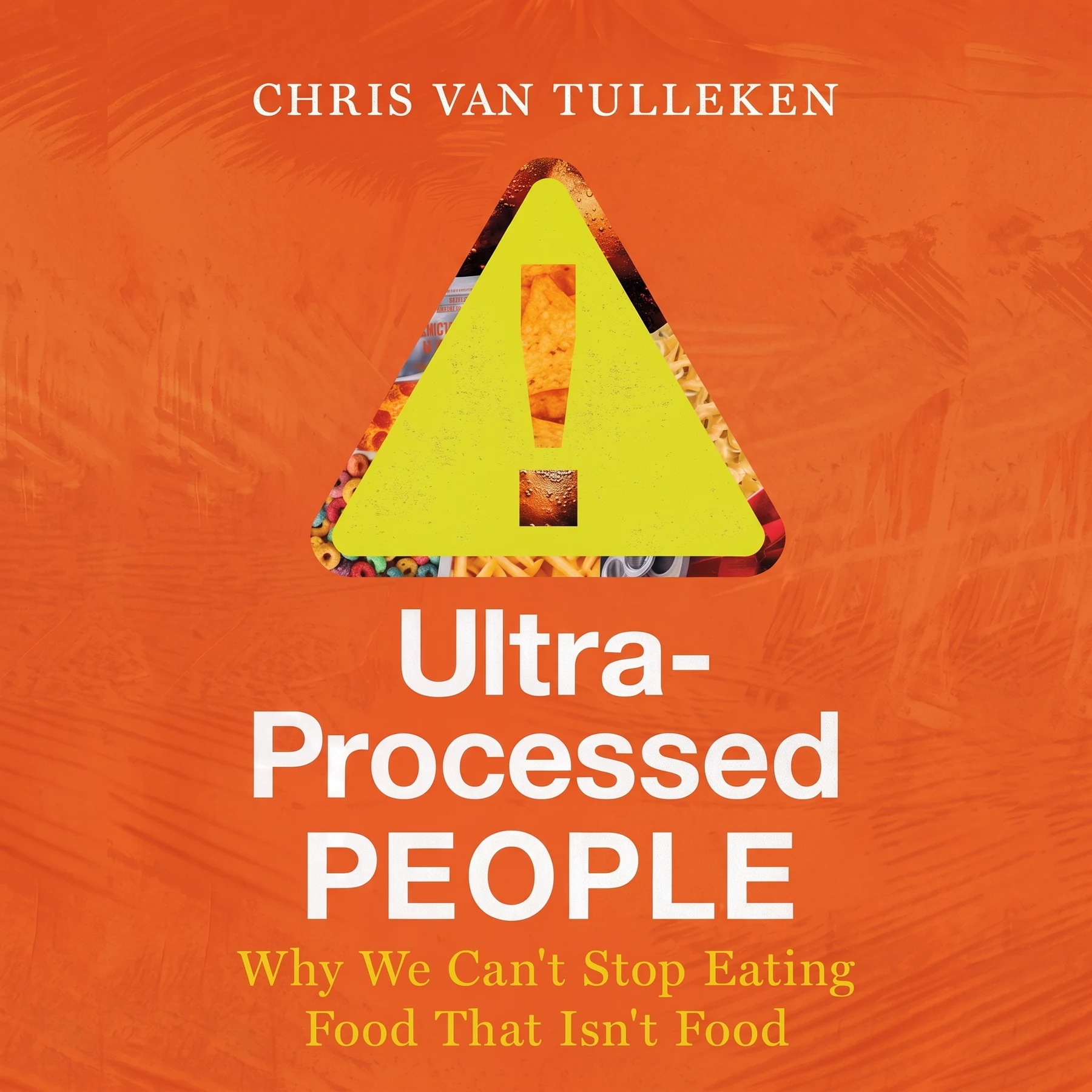
Ultra-Processed People: Why We Can't Stop Eating Food That Isn't Food
Discover the hidden science of industrial food production and learn how ultra-processed products are specifically engineered to bypass our natural health signals and drive corporate profits over human well-being.
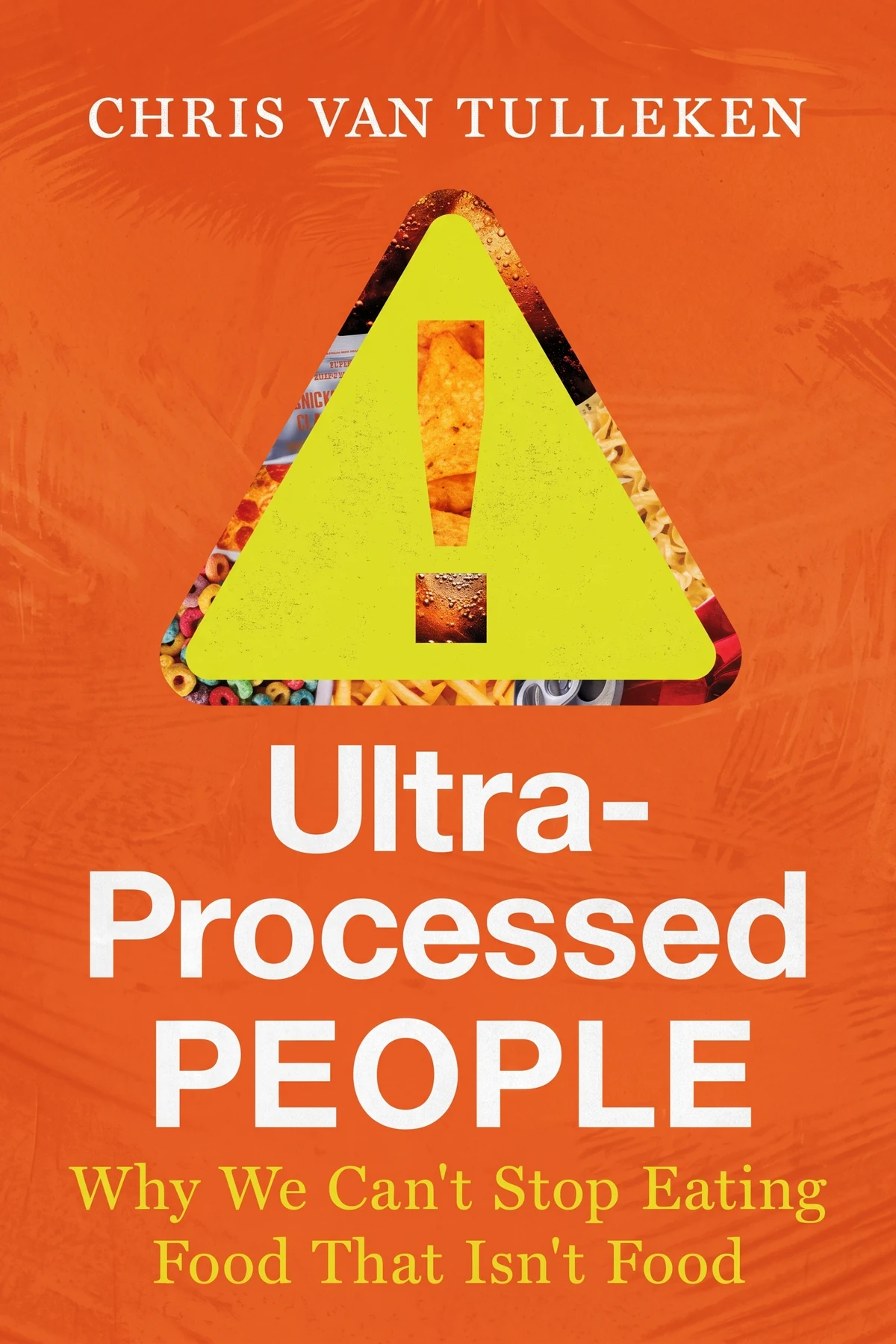
Table of Content
1. Introduction
1 min 27 sec
Imagine standing in the middle of a modern supermarket. To your left and right, the shelves are bursting with colorful boxes, sleek plastic wraps, and convenient containers. Most of us see these items as simple groceries, but there is a deeper, more complex story hidden behind those vibrant labels. We are living in an era where the definition of food is being fundamentally rewritten. It is no longer just about ingredients pulled from the earth; it is about chemical engineering and industrial efficiency.
This journey into the world of ultra-processed foods, often called UPFs, isn’t just about nutrition labels or calorie counting. It is about understanding a profound shift in how our sustenance is created. From the creamy consistency of a budget-friendly ice cream to the long-lasting softness of a loaf of bread, every sensory experience has been carefully calibrated by food scientists. The goal? To create products that are cheap to produce, easy to ship, and impossible to resist. Over the next few minutes, we will look at the science and history behind these creations, the researchers who identified the risks, and what it really means for our bodies when we move away from nature’s original blueprint. We are going to explore the throughline of how industrialization transformed our diets and what we can do to navigate this new reality.
2. The Industrial DNA of Our Daily Meals
1 min 35 sec
Explore the reality behind modern convenience items that look like food but are actually complex industrial constructions designed to optimize manufacturing costs and shelf life.
3. The Architecture of Overconsumption
1 min 33 sec
Discover how the structural changes made to food during industrial processing interfere with our bodies’ natural ability to recognize when we are full.
4. The Illusion of Nutritionism
1 min 33 sec
Learn why looking at food as just a collection of vitamins and minerals is a mistake that misses the vital health benefits of whole food structures.
5. Navigating a Manufactured Food Landscape
1 min 40 sec
Examine the challenges of identifying ultra-processed foods in a market where marketing and scientific terms often hide the industrial nature of our groceries.
6. Conclusion
1 min 11 sec
As we look back at the shift from traditional cooking to industrial engineering, the message is clear: the food landscape has changed more in the last century than in the thousands of years before it. We’ve moved from a world of ingredients to a world of industrial substances. Ultra-processed foods are a triumph of science and logistics, but they come at a significant cost to our health and our relationship with eating. By recognizing the role of emulsifiers, the deceptive nature of ‘nutritionism,’ and the way processing bypasses our natural fullness signals, we can begin to see our grocery stores in a new light.
The journey toward better health isn’t just about cutting calories; it’s about reconnecting with food in its most natural form. It’s about moving away from the lab-grown and back toward the earth. While the convenience of UPFs is undeniable, the long-term benefits of whole, minimally processed foods are far more valuable. As you move forward, keep in mind that the most powerful thing you can do for your health is to choose foods that your ancestors would recognize, ensuring that your diet is built on nourishment rather than industrial profit.
About this book
What is this book about?
Have you ever wondered why it is so difficult to stop eating certain snacks once you start? The answer lies in the complex world of ultra-processed foods, or UPFs. This exploration into the modern food industry reveals that many of the items filling our grocery carts are not actually food in the traditional sense, but rather industrially produced substances designed for maximum palatability and shelf life. By examining the work of pioneering researchers and the history of food engineering, this summary uncovers the mechanisms behind these synthetic creations. It explains how emulsifiers, modified starches, and chemical additives do more than just change the texture of our meals; they fundamentally alter how our bodies process nutrients and signal hunger. The promise of this book is to provide a roadmap for understanding this new food landscape, helping you recognize the invisible forces at play in your diet and offering a path toward reclaiming a healthier relationship with what you eat.
Book Information
About the Author
Chris van Tulleken
Chris van Tulleken is a distinguished infectious diseases doctor and an associate professor at University College London, where he specializes in the field of molecular virology. His professional reach extends to collaborations with major international organizations, including UNICEF and the World Health Organization, focusing on how corporate interests influence child nutrition. In addition to his scientific research and medical practice, he is a successful author, having coauthored the book Operation Ouch! in 2017.
Ratings & Reviews
Ratings at a glance
What people think
Listeners find this work to be deeply investigated and educational without coming across as condescending, making it essential for those interested in wellness. The prose is also skillfully composed, and listeners value the way complicated data is translated into everyday speech for an accessible experience. Furthermore, listeners share that the content has altered their dietary choices and reshaped their view of what they eat. Nevertheless, opinions are divided regarding the discussion on processing techniques; some like the attention given to ultra-processed products, while others raise doubts.
Top reviews
Kanchana
Ever wonder why you can't stop eating that bag of chips even when you aren't hungry? This book explains exactly how the food industry hacks our brains. Van Tulleken’s definition of UPF—anything with an ingredient you wouldn’t find in a home kitchen—is a total game-changer for how I shop now. I loved that it wasn't preachy; instead, it felt like an investigative journey into the weird 'edible substances' we’ve been told are food. Frankly, the part about xanthan gum being bacterial slime was enough to make me rethink my salad dressings. It’s an easy read despite the heavy science, and I've already started clearing out my pantry.
Show morePhichai
Picked this up on a whim and I haven't been able to stop talking about it since. The author’s experiment of eating an 80% UPF diet for a month was terrifying to witness, specifically the changes in his brain MRI and hormone levels. It really highlights how these products are engineered to bypass our fullness signals. I used to think my snacking was just a lack of willpower, but now I see it as a physiological reaction to ultra-processing. The writing style is approachable and funny, making complex metabolic science accessible to everyone. Truly, this is a must-read if you want to understand the link between modern food and chronic illness.
Show moreAir
Wow. I will never look at a protein bar or a loaf of supermarket bread the same way again. Van Tulleken exposes the loophole where companies can self-determine if an additive is safe, which is absolutely chilling. The way he breaks down the history of the food industry is both enlightening and infuriating. Truth is, we are living in a giant human experiment without our consent. I particularly liked the 'plastic wrap' rule because it’s a simple, non-preachy way to evaluate what I’m buying. It has completely changed my grocery shopping habits without making me feel guilty about my past choices.
Show moreRapee
Finally got around to reading this and it lived up to the hype. The author manages to take complex nutritional data and turn it into a page-turner that feels like a thriller. I was particularly struck by the discussion on how obesity isn't a moral failure but a biological response to addictive, ultra-processed 'food.' The book is thoroughly researched and provides a clear-eyed look at the global health crisis. I loved the casual yet professional tone throughout. It’s rare to find a book that changes your worldview while being so genuinely entertaining to read.
Show moreKasemsan
After hearing Chris on a podcast, I knew I needed the full story, and this book delivered. The list of ingredients in a standard Reese's bar compared to actual food is eye-opening and frankly disgusting. It makes you realize that most of what we eat isn't even food anymore—it’s just a collection of chemicals. I appreciated the nuance regarding class and how many people simply don't have the time or money to avoid UPF. The book offers a systemic critique rather than just giving individual diet advice. It’s a powerful call to action for better government regulation and food education.
Show moreAna
A solid read that definitely makes you think twice about your next trip to the grocery store. I liked how he tackled the 'health claims' on packaging—if it says it's healthy, it's probably UPF! The writing is very readable and he explains the science of 'soft' food and how we chew less, leading to overeating. Some parts felt a little bit too focused on his own personal life, which didn't always add to the argument. That being said, the overall impact of the book is profound. It’s a necessary look at why our modern diet is making us so sick.
Show moreSuthinee
As someone who already cooks most meals from scratch, I didn't think I'd learn much, but I was wrong. The sections on how UPF affects the microbiome were fascinating, even if some of the mouse studies felt a little speculative. I appreciated that he didn't blame the individual, focusing instead on how governments and corporations have failed us. Look, the book can be a bit long-winded when he talks about his brother and daughter, which slowed down the pacing for me. However, the information about 'industrial edible substances' is so vital that I’m recommending it to everyone I know. It's not just about weight; it's about what we're actually made of.
Show moreRin
The chapter on emulsifiers alone is worth the price of the book. I’ve always wondered why my stomach felt off after certain meals, and now I have a much better idea of why. Van Tulleken writes with a lot of empathy for the consumer, which I found refreshing in the health space. My only gripe is that the middle sections got a bit repetitive regarding the corporate politics. Still, the core message is incredibly persuasive. It’s hard to ignore the evidence when you see how drastically these foods change our hormone levels. I'm definitely aiming for that 80% real food goal now.
Show moreRay
This book makes some vital points about corporate greed, but I found the scientific rigor a bit lacking in places. To be fair, Van Tulleken is a great storyteller, yet he tends to use dramatic anecdotes—like the DuPont chemical dumping story—to scare readers about additives that aren't actually related. Some of the research felt cherry-picked, especially when he’d dismiss certain studies but embrace others that fit his narrative perfectly. While the core message about eating real food is solid, the winding paths into his personal family life felt a bit self-indulgent. It’s a decent starting point for health enthusiasts, but definitely do your own research before swearing off every single additive mentioned.
Show moreTuck
Not what I expected after hearing all the buzz. While I agree that capitalism in the food industry is a problem, the author’s tone felt incredibly fear-mongering and inconsistent. He describes xanthan gum as 'bacterial slime' to gross out the reader, yet ignores that many traditional fermented foods are made through similar processes. The claim that processed food companies are comparable to Nazis was a bridge too far for me and felt quite silly. I also found his disdain for specific additives like diacylglycerols to be based on incorrect facts about their presence in nature. If you're looking for a serious scientific analysis, you might find this a bit too sensationalist.
Show moreReaders also enjoyed
AUDIO SUMMARY AVAILABLE
Listen to Ultra-Processed People in 15 minutes
Get the key ideas from Ultra-Processed People by Chris van Tulleken, plus 5,000+ more titles in English and Thai.
- 5,000+ titles
- Listen as much as you want
- 7-day free trial
- Cancel anytime







