
13 min 53 sec
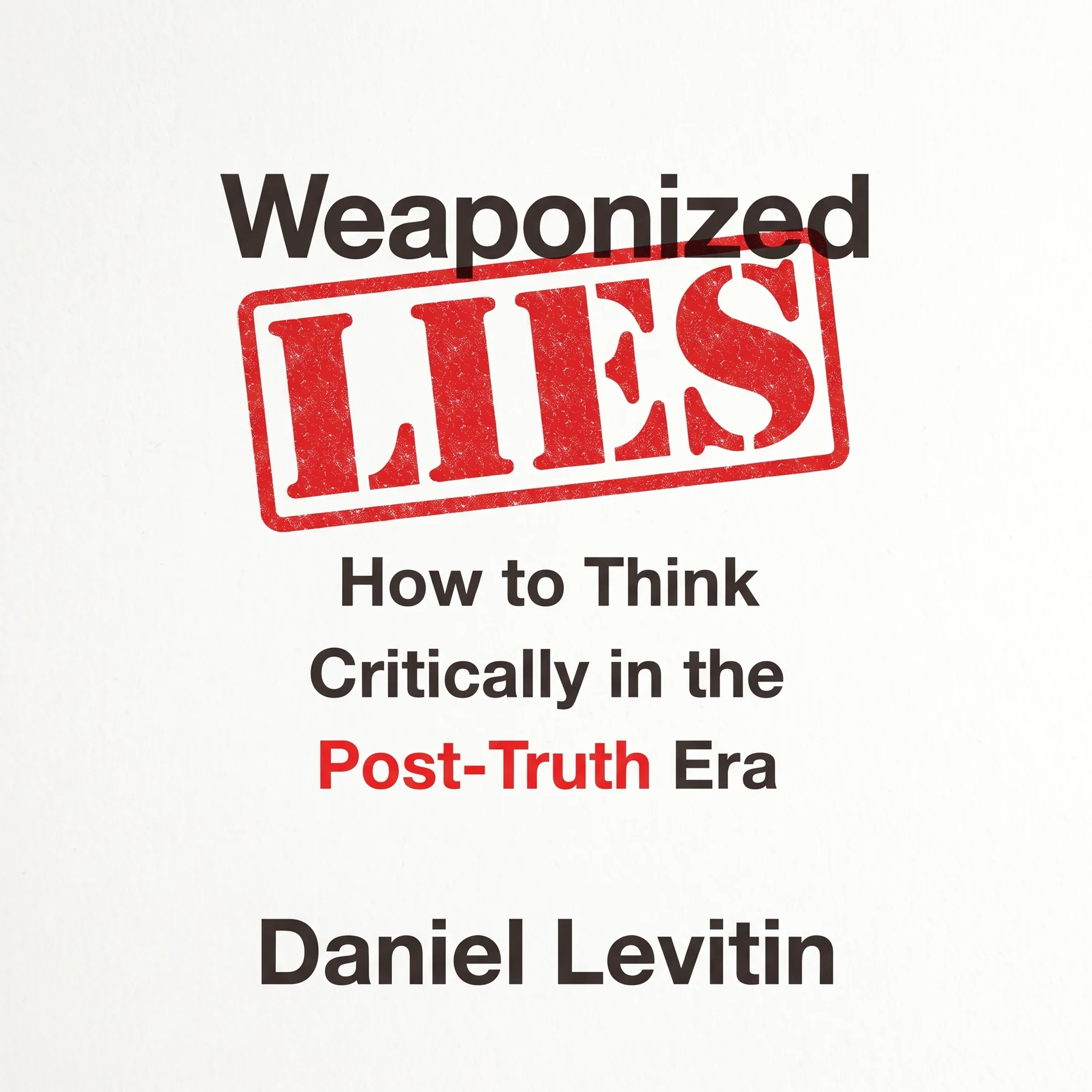
Weaponized Lies: How to Think Critically in the Post-Truth Era
Weaponized Lies explores how to navigate the modern flood of misinformation. It provides essential tools for evaluating statistics, identifying biased reporting, and using logic to distinguish between reality and propaganda.
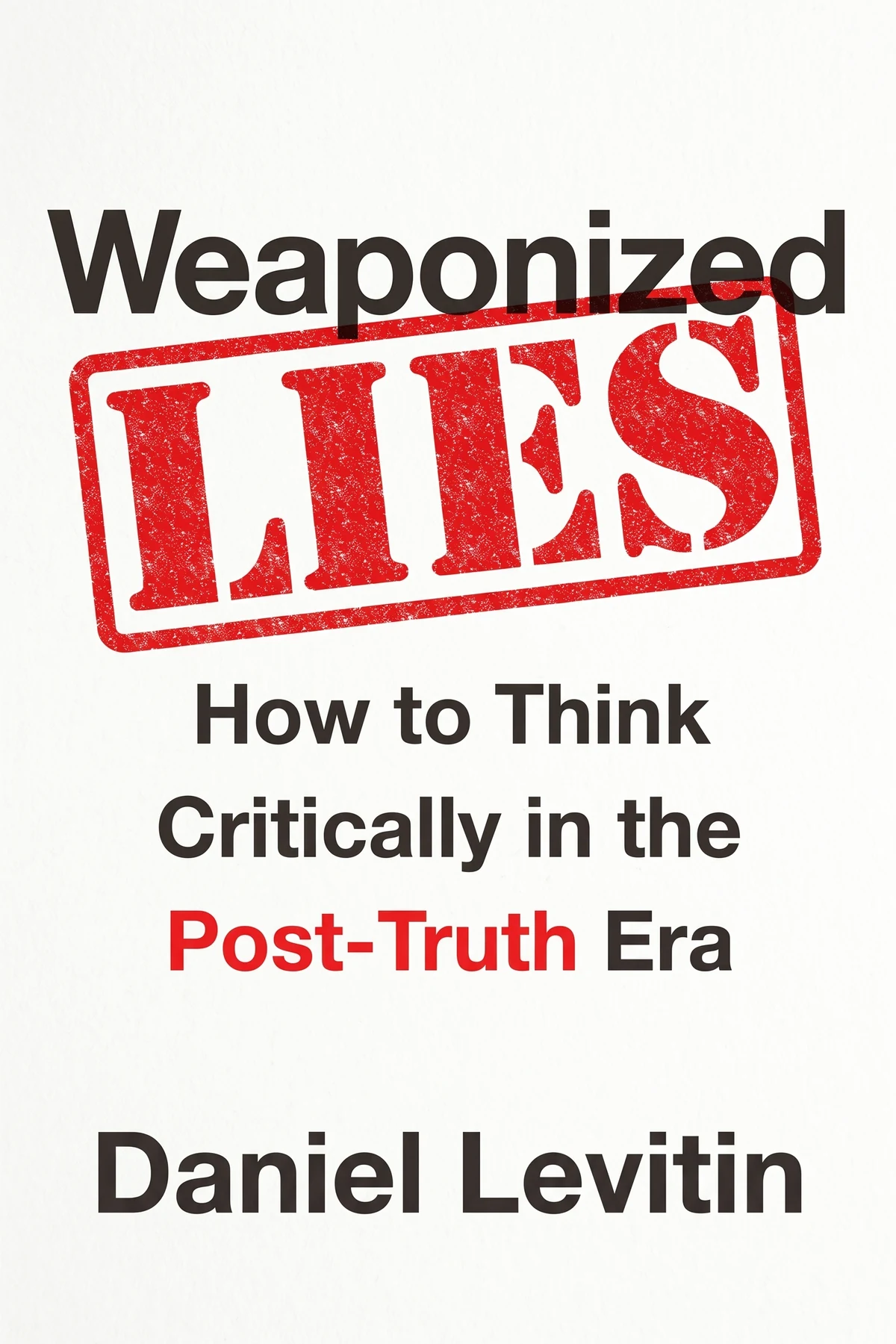
Table of Content
1. Introduction
1 min 39 sec
Think about the last time you saw a striking statistic or a colorful chart while scrolling through your news feed. Perhaps it was a graph showing a dramatic rise in a particular trend or a percentage that seemed to prove a controversial point. Did you pause to wonder where that number came from? Did you look at the axes of the graph to see if the scale was misleading? For most of us, the answer is usually no. We live in a world that is absolutely saturated with content, but very few of us have been trained to filter that content effectively. We often mistake volume for veracity and confidence for competence.
In this exploration of Weaponized Lies, we are going to look at why our current information environment is so uniquely dangerous. We aren’t just dealing with honest mistakes; we are dealing with data that has been intentionally manipulated to sway our opinions and influence our behavior. This journey is about reclaiming our cognitive autonomy. It’s about moving past the superficial layer of what we are told and digging into the mechanics of how information is constructed.
Over the next several minutes, we will unpack the specific tools used by those who wish to deceive us. We will look at why even the most respected news organizations can fall for hoaxes and why your brain is hardwired to believe things that simply aren’t true. We’ll also discover practical techniques, from understanding different types of averages to applying eighteenth-century logic to twenty-first-century problems. The goal is simple: to help you become a more sophisticated, more skeptical, and ultimately more informed consumer of information. By the time we finish, you’ll have a new set of mental filters to help you separate the signal from the noise.
2. The Vulnerability of Digital Information
2 min 23 sec
Discover why the lack of internet regulation and the fallibility of even the most prestigious news sources make double-checking your sources more critical than ever.
3. The Manipulation of Visual and Statistical Data
2 min 18 sec
Learn how the term ‘average’ can be used to mislead and how graphs are often visually massaged to distort our perception of reality.
4. Context and the Importance of Sampling
1 min 59 sec
Understand how the methods used to collect data can skew results and why framing an issue can change its entire meaning.
5. The Persistent Threat of Counterknowledge
1 min 53 sec
Explore why false information, or ‘counterknowledge,’ is so difficult to erase from our minds and how fake expertise can lead us astray.
6. Applying Bayesian Thinking to Everyday Claims
2 min 02 sec
Discover a powerful logical tool for evaluating the probability of a claim based on your existing knowledge and the quality of new evidence.
7. Conclusion
1 min 39 sec
As we navigate the vast and often treacherous sea of modern information, the most important takeaway is that we cannot afford to be passive consumers. The age of misinformation demands that we become our own editors and fact-checkers. We’ve seen how easy it is for data to be manipulated, for graphs to be skewed, and for false experts to command our attention. We have also explored the psychological reasons why we are so prone to falling for these traps, from our love of a good story to our reluctance to admit when we’ve been deceived.
However, we aren’t defenseless. By understanding the different ways ‘averages’ can be used to hide the truth, by scrutinizing the methods behind surveys, and by applying the Bayesian method to every extraordinary claim we encounter, we build a formidable mental armor. Critical thinking is not about being cynical or rejecting everything you read; it’s about being rigorous. It’s about asking the right questions: Who is telling me this? What are they leaving out? Does this align with what I already know to be true?
The ultimate beneficiary of this diligence is not just you as an individual, but society as a whole. When we refuse to be misled by weaponized lies, we raise the standard for public discourse. We move away from a culture of ‘alternative facts’ and back toward a shared reality built on evidence and reason. As you move forward, carry these tools with you. Be the person who clicks the link, who checks the axis on the graph, and who demands proof for the improbable. Your mind is your own—make sure you’re the one in charge of what goes into it.
About this book
What is this book about?
In an era defined by a constant stream of digital data, the ability to tell truth from fiction has become a vital survival skill. Weaponized Lies serves as a tactical manual for the mind, teaching readers how to dismantle the sophisticated deceptions often found in news, social media, and political discourse. It moves beyond simple skepticism, offering a structured approach to critical thinking that allows us to see through manipulated graphs, skewed statistics, and the false authority of so-called experts. The book promises to transform the way you consume information by highlighting the psychological traps and statistical tricks that lead us astray. By the end, you will understand how to apply the Bayesian method to everyday claims and recognize the subtle ways that data can be massaged to fit a specific narrative. This is not just about identifying 'fake news'; it is about developing a rigorous mental framework to protect yourself from misinformation and ensuring that your worldview is built on a foundation of verified facts rather than persuasive illusions.
Book Information
About the Author
Daniel Levitin
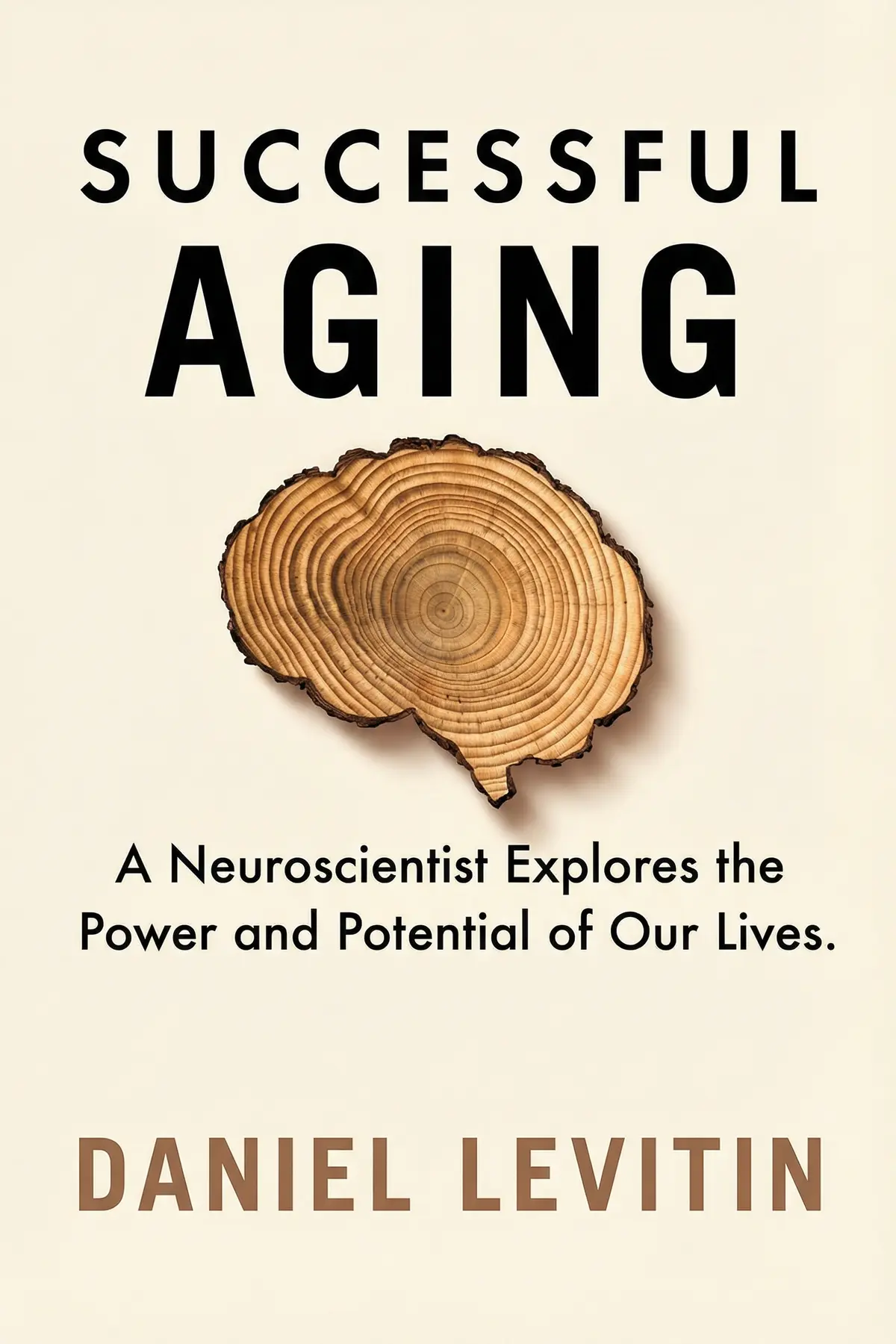
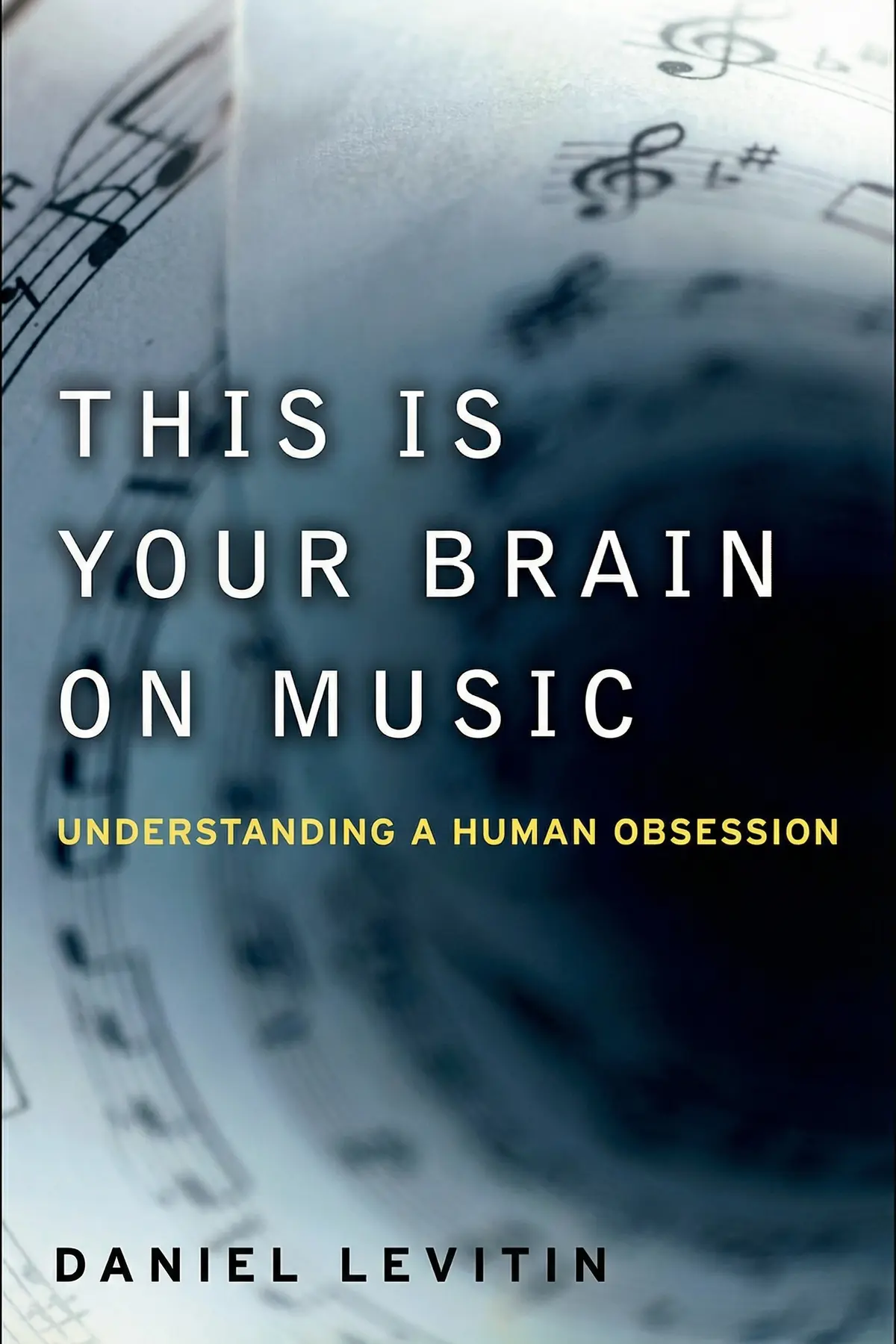
Daniel J. Levitin is a prominent cognitive psychologist who earned his degrees from Stanford University and the University of Oregon. Currently, he serves as a professor of behavioral neuroscience, music, and psychology at McGill University. Beyond his academic work, Levitin is a celebrated author of several influential books, including the number one best seller This Is Your Brain On Music and The Organized Mind: Thinking Straight in the Age of Information Overload.
Ratings & Reviews
Ratings at a glance
What people think
Listeners find this work highly educational and skillfully composed, offering comprehensive insights into the art of critical thought. They further value its approachability, with one listener mentioning it feels like a college preparatory course, and its entertainment quality, with one person describing it as a captivating textbook on logic. The author earns praise for their sincere and well-meaning style. However, the section on statistics gets a mixed reception, as several listeners point out that statistics are not neutral.
Top reviews
Nongnuch
Picked this up because I felt my BS detector needed a serious tune-up in this age of digital noise. Levitin has created what feels like an essential college preparatory course for real life, breaking down complex logical fallacies into something digestible. Frankly, the way he explains how 3 out of 4 dentists can be a misleading stat is both eye-opening and entertaining. I particularly appreciated the deep dive into 'axis shenanigans' on graphs; I'll never look at a corporate earnings chart the same way again. The book is dense but accessible, moving from simple averages to the more daunting world of Bayesian probability without losing the reader. It is a necessary toolkit for anyone who spends time on social media. We are constantly blasted with information, and this book provides the shield we didn't know we needed.
Show moreNang
The section on Bayesian thinking and the case study about his own dog’s cancer treatment really brought the theoretical stuff home for me. It is one thing to talk about probabilities in a vacuum, but seeing how they apply to life-and-death medical decisions is powerful. Levitin demystifies the 'expert testimony' that we see in courtrooms and newsrooms, showing us that even the best-intentioned people make errors in probability. For example, his breakdown of why doctors often struggle with positive cancer screens was a total lightbulb moment. Truth is the default position for most of us, and this book teaches you why that’s a dangerous way to navigate the modern world. The writing is clear, the examples are vivid, and the takeaway is clear: question everything. It’s a brilliant guide to maintaining your sanity in an era of weaponized lies.
Show moreNora
Wow, I wish every high school student was handed a copy of this book before they were allowed to graduate. It covers everything from how numbers are collected to the slippery nature of language and the way we rely on secondhand knowledge. The chapter on 'Knowing What You Don't Know' is particularly humbling and helpful for anyone trying to navigate the internet wisely. Levitin explains deduction and induction with such clarity that I finally feel like I can explain them to someone else. He manages to be both serious and encouraging, which is a hard balance to strike when you're telling people their brains are essentially wired to be fooled. This is a 5-star resource for the modern age. It is a fantastic bridge between academic logic and everyday common sense.
Show moreYindee
Finally got around to finishing this, and I gotta say, it’s one of the most useful books on my shelf right now. Levitin manages to make 'bimodal distributions' and 'Frequentist Probability' feel like tools you can actually use to win an argument or make a better investment. The book is essentially a survival guide for a society based on conspicuous consumption and misinformation. I found the section on how to identify true expertise—and how to spot a 'snow job'—to be worth the price of admission alone. It reminds me a bit of 'Psy-Q' but with a more serious, urgent tone that fits our current times perfectly. Whether he’s talking about autism claims or the probability of a coin toss, Levitin keeps things grounded in reality. This isn't just a book about lies; it's a book about how to think straight.
Show moreEnd
Ever wonder how people can look at the same set of numbers and reach completely opposite conclusions? This book is a masterclass in uncovering those hidden levers of manipulation, specifically focusing on how statistics are never truly neutral. Levitin writes with a well-meaning tone that makes even the driest talk of bimodal distributions feel relevant to our current political climate. Personally, I found the section on 'counter-knowledge' and how conspiracy theories like 9/11 truthers gain traction to be the most fascinating part. The authorial voice is a bit like a first-year textbook at times, which might bore some, but the information is too vital to ignore. It is a timely read for anyone weary of the constant skewing of facts during election cycles. My only gripe is that it occasionally skips over some of the deeper philosophical implications of 'truth' to stay on the path of cold logic.
Show moreSurasit
After hearing so much about the 'post-truth' era, I found this to be a surprisingly grounding and necessary read. The book is broken into three distinct sections, but the chapters on evaluating words and identifying expertise were where I found the most value. We often forget that expertise is narrow; a doctor's opinion on a car is just an opinion, not an expert diagnosis. Levitin’s explanation of how the 2016 election campaign lacked any sense of statistical nuance was spot on. Look, the math gets a bit heavy toward the end when he hits Bayes' Rule, but he uses enough real-world anecdotes to keep you afloat. It’s a bit dry in spots, but the payoff for your mental clarity is worth the effort. It should be required reading for anyone before they are allowed to post a political meme on Facebook.
Show moreYuki
As someone who deals with data daily, I still found plenty of new ways to look at 'axis shenanigans' and reporting hijinks in this book. Levitin is very good at pointing out the common errors we all make, like confusing correlation with causation or falling for framing effects. The book moves at a brisk pace, though the transition from simple percentages to complex conditional probability can be a bit jarring for the uninitiated. I liked the inclusion of Donald Trump quotes and Fox News polls to illustrate how these tricks are used in the wild. It’s a very practical book. While it might not have the stylistic flair of a novel, it provides a functional toolkit for deconstructing the news. If you want to stop being a victim of clever marketing and political spin, you need to read this. It matters.
Show moreJong
To be fair, this reads much more like a dry first-year logic textbook than the engaging popular science book I was expecting. While the content is undeniably important, the presentation often feels a bit clinical and repetitive. I did enjoy the sections on logical fallacies and how the reversal of logical statements can trick our brains into seeing patterns where none exist. However, the author seems to jump from topic to topic too quickly without ever really putting the biggest conspiracy theories to bed. It’s a solid introduction if you’ve never studied statistics, but for those already familiar with 'Bad Science' or 'The Half-life of Facts,' this might feel like a redundant review. It’s a decent book for a specific audience, but it lacks the 'fun' that other authors bring to the world of skepticism and probability.
Show moreSuphan
Not what I expected from someone with Levitin’s academic pedigree, as the book feels deeply skewed toward orthodox explanations. He dismisses anything outside the mainstream as 'counter-knowledge' without giving much room for the nuance that many modern debates require. As an academic, he seems a bit too beholden to the system that pays him, which makes his 'field guide' feel like it's just protecting the status quo. The statistics section is okay, but he ignores the fact that statistics themselves are rarely neutral and are often framed by the questions we choose to ask. It’s a bit of a snow job disguised as a manual for critical thinking. I was hoping for a more rebellious look at how truth is constructed, but instead, I got a fairly standard lecture on why we should trust the established gatekeepers. There are better books out there for true skeptics.
Show moreSawit
Levitin’s central premise is a shambolic mess because he can't even maintain consistency within his own chapters. On page 20, he correctly explains that average life expectancy is up because child mortality is down, not because we’ve conquered aging. Then, inexplicably, he bases an entire argument on page 175 on the flat-out false claim that 'people are living longer.' Did he even read his own book? It’s frustrating because he positions himself as a gatekeeper of critical thinking while failing to apply it to his own writing. The book tries to teach the entire population to think scientifically, yet it feels deeply beholden to the very systems of information it should be questioning. If you want real insights into how numbers lie, stick to the classics like 'How to Lie with Statistics' and skip this self-contradictory fluff. It is a major disappointment.
Show moreReaders also enjoyed
A Liberated Mind: How to Pivot Toward What Matters
Steven C. Hayes
Acting with Power: Why We Are More Powerful Than We Believe
Deborah Gruenfeld
Age of Propaganda: The Everyday Use and Abuse of Persuasion
Anthony Pratkanis
AUDIO SUMMARY AVAILABLE
Listen to Weaponized Lies in 15 minutes
Get the key ideas from Weaponized Lies by Daniel Levitin, plus 5,000+ more titles in English and Thai.
- 5,000+ titles
- Listen as much as you want
- 7-day free trial
- Cancel anytime







