
23 min 57 sec
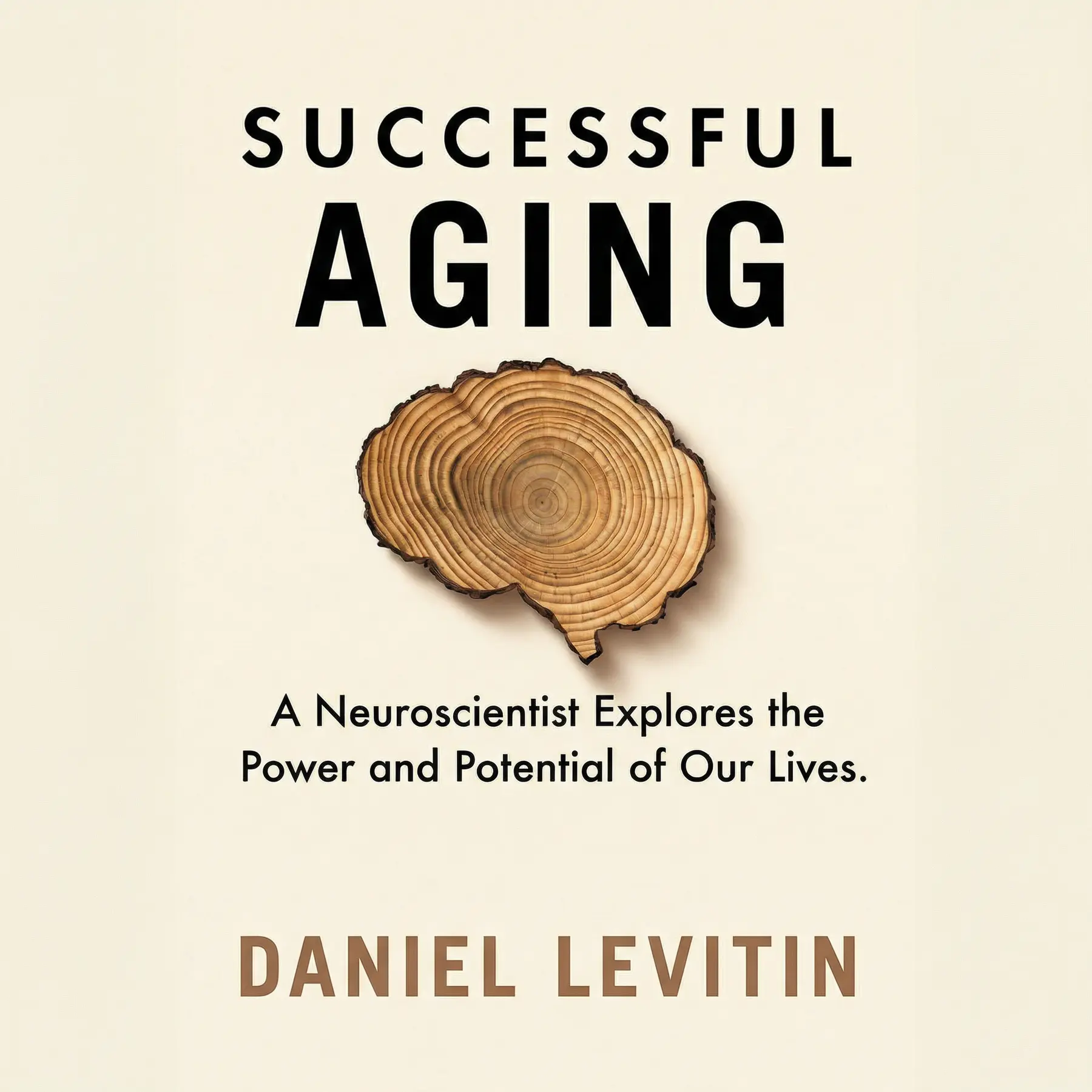
Successful Aging: A Neuroscientist Explores the Power and Potential of Our Lives.
Successful Aging reveals the neuroscientific secrets to thriving in later life. Daniel J. Levitin explains how to harness brain plasticity, adopt healthy habits, and leverage the unique strengths of the mature mind.
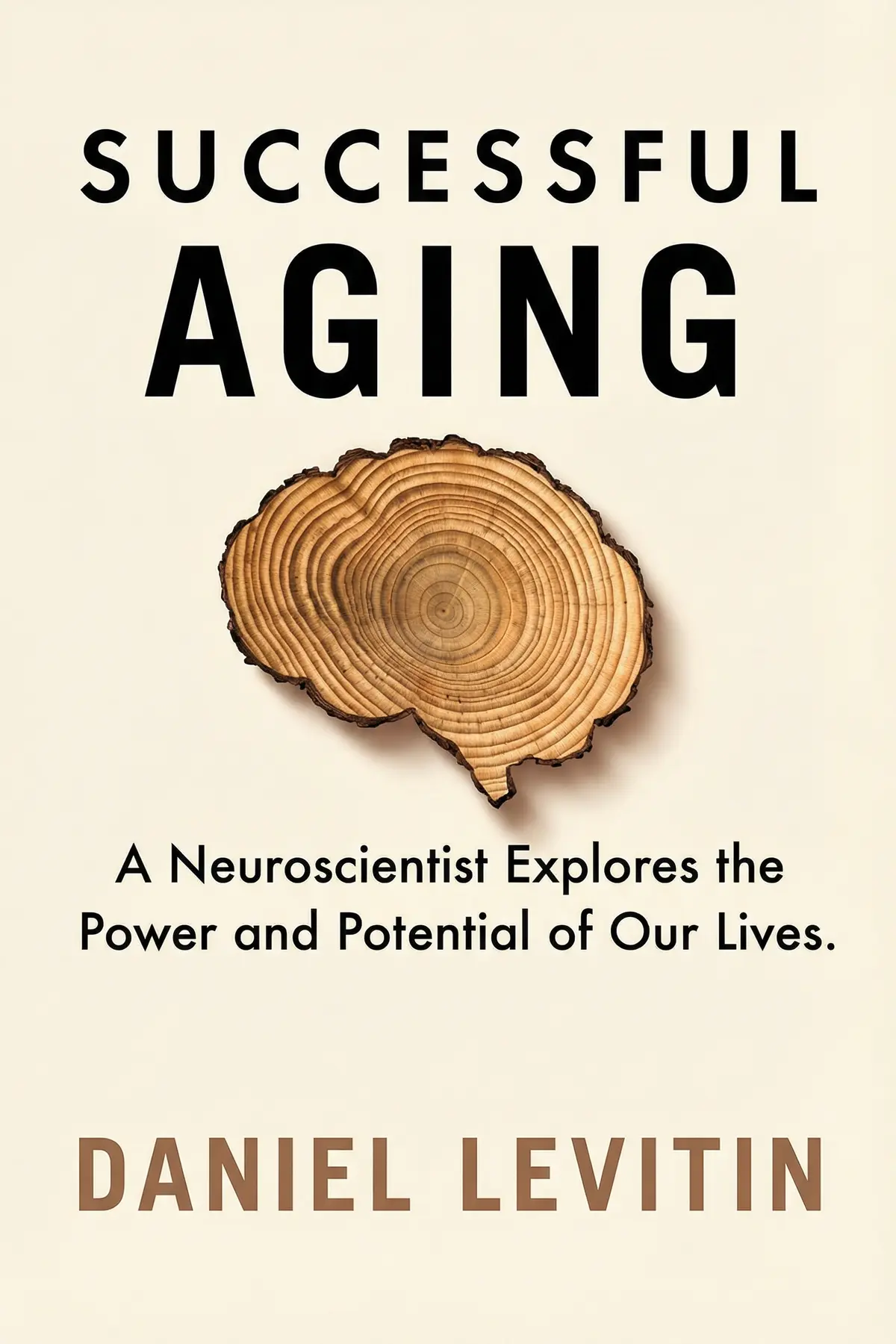
Table of Content
1. Introduction
2 min 09 sec
Most of us view the passage of time with a certain degree of trepidation. We watch the calendar with the assumption that getting older is a slow process of losing things—losing our speed, losing our sharpness, and perhaps losing our sense of purpose. We’ve been conditioned to think of the later stages of life as a period of inevitable decline, a series of doctor visits and missed memories. But what if that narrative is fundamentally incomplete? What if the aging brain isn’t just a fading version of its younger self, but a different, more refined tool altogether?
In the following pages, we are going to explore a groundbreaking perspective on the golden years. We’ll look at how your brain actually evolves to become more emotionally stable, more adept at solving complex human problems, and more capable of experiencing profound contentment. This isn’t just about optimism; it’s about neuroscience. We will dive into the specific biological shifts that occur as we age, such as the calming of the brain’s fear center and the strengthening of our ability to see patterns that younger minds often miss.
More importantly, we will discover that the trajectory of our later years isn’t entirely written in our DNA. While genetics play a role, there are powerful factors within our control—habits, mindsets, and environmental choices—that dictate whether we simply endure old age or truly flourish within it. We’ll introduce a central framework called the COACH principle, which serves as a roadmap for maintaining cognitive health and physical vitality.
Through this exploration, you’ll learn why a simple walk in the woods might be the best medicine for your mind, how your early childhood experiences continue to ripple through your physiology decades later, and why it is never too late to rewire your personality for a longer, healthier life. The goal is to shift the conversation from the fear of growing old to the potential for successful aging. By the end of this journey, you’ll see that the later years of life offer a unique opportunity for growth, wisdom, and a type of happiness that is often inaccessible to the young.
2. The Neurological Advantages of the Mature Mind
2 min 42 sec
Discover why getting older might actually make you more emotionally balanced and better at solving complex problems than you were in your youth.
3. Debunking the Myths of Cognitive Decline
2 min 43 sec
Learn why ‘senior moments’ are often a matter of perception and why your later years could be your most creative and productive yet.
4. The Biological Legacy of Childhood Nurturing
2 min 32 sec
How the simple act of being held as a child creates a chemical shield that protects your health decades later.
5. The Malleability of Personality and the Brain
2 min 26 sec
Explore the science of neuroplasticity and learn why you are never too old to change the traits that define your health.
6. The COACH Principle for Longevity
2 min 33 sec
A simple five-part framework to help you navigate the complexities of aging with curiosity and social connection.
7. Nutrition: Common Sense over Dietary Fads
2 min 28 sec
Forget the ‘superfood’ hype and learn the scientifically backed eating habits that actually promote neural health.
8. Movement as the Ultimate Brain Booster
2 min 12 sec
Why walking outdoors might be the single most effective thing you can do to maintain your cognitive and creative edge.
9. The Restorative Power of Quality Sleep
2 min 28 sec
Understand why your ‘master clock’ changes with age and how to protect the nine hours of rest your brain desperately needs.
10. Conclusion
1 min 44 sec
As we conclude this exploration into the science of successful aging, it’s helpful to remember the throughline that connects all these ideas: aging is not a process of fading away, but a process of shifting gears. Yes, there are undeniable challenges and physical changes that come with the passing decades. But as we’ve seen, those changes are accompanied by a wealth of new advantages—emotional resilience, deep-seated wisdom, and a brain that is uniquely wired for pattern recognition and social connection.
The COACH principle—Curiosity, Openness, Associations, Conscientiousness, and Healthy practices—offers us a clear and actionable path forward. By remaining a student of the world, staying connected to our communities, and treating our bodies with the respect they deserve through movement and rest, we can rewrite the narrative of our later years. We don’t have to be victims of our genetics or our past; thanks to the miracle of neuroplasticity, we have the power to shape our cognitive future every single day.
A powerful final piece of advice for thriving as you age is to stay engaged with the world by passing on what you know. One of the most fulfilling ways to maintain your health and happiness is to find a way to mentor others or volunteer. By sharing your skills and your life’s wisdom with a younger generation, you are not only helping them, but you are also reinforcing your own sense of purpose and keeping your mind sharp. Aging successfully isn’t about trying to stay young; it’s about becoming the most vibrant, wise, and connected version of yourself. The later years are not the end of the journey; they are a new and potentially more rewarding chapter. It’s time to embrace the potential that comes with a life well-lived.
About this book
What is this book about?
Successful Aging by Daniel J. Levitin is an in-depth exploration of how our brains and bodies change as we get older, and how we can influence that process for the better. Moving beyond the common tropes of decline and memory loss, the book highlights the biological shifts that actually improve emotional stability and wisdom in later life. Levitin, a neuroscientist, provides a science-based guide to maintaining cognitive health and physical vitality well into our eighties and nineties. The book introduces the COACH principle—a framework focusing on curiosity, openness, social associations, conscientiousness, and healthy practices—as the foundation for a long and meaningful health span. It covers a wide range of topics, from the importance of early childhood nurturing to the myths of the 'senior moment,' and the critical roles of sleep, movement, and nutrition. Ultimately, the book promises that while aging is inevitable, the way we experience it is largely within our control. It offers a hopeful and practical roadmap for anyone looking to make their later years a time of flourishing and continued growth.
Book Information
About the Author
Daniel Levitin
Daniel J. Levitin is a distinguished emeritus professor of psychology and behavioral neuroscience at McGill University. He is a highly respected figure in the scientific community and a prolific writer, having authored four best-selling books, including the acclaimed work The Organized Mind. Beyond his academic and literary achievements, Levitin is a prominent public speaker whose TED Talk has reached an audience of over 16 million people worldwide.
Ratings & Reviews
Ratings at a glance
What people think
Listeners describe the writing as accessible and high-quality, noting the inclusion of useful tips throughout. Furthermore, many value the emphasis on cognitive wellness and living longer, with one listener highlighting how physical activity can boost both memory and creative thinking. The text also earns praise for its sophisticated perspective on the aging process. Conversely, opinions are divided regarding the scientific elements; while some listeners consider the material thoroughly documented, others question its scientific basis. Reactions to the overall value for the price are also mixed.
Top reviews
Num
This book completely flipped my perspective on what it means to grow old in our modern, youth-obsessed society. Levitin argues convincingly that we shouldn't just discard older adults, especially since the happiest age for most people is actually eighty-two! I loved the emphasis on how slow walking and simple social interactions can actually physically reshape the cognitive processes in our brains. While the science-based content is heavy at times, it feels grounded in real research rather than the usual gimmicky brain games you see advertised everywhere. It’s a long journey through the pages, but the holistic view of health span versus life span is incredibly empowering and life-affirming.
Show moreNaomi
As someone who prefers audiobooks, I was pleasantly surprised to hear Daniel Levitin narrate this himself with such clarity and warmth. He manages to make complex concepts like neurochemical changes and DNA repair functions feel accessible to a layperson. I particularly enjoyed the discussion on how staying curious and avoiding retirement can ward off the despair that often accompanies aging. The advice follows the Michael Pollan school of thought—eat real food, move your body, and stay connected with your community. It’s rare to find a science book that feels this life-affirming and optimistic about the later years. Definitely worth the credit if you’re looking for a deep dive into brain longevity.
Show morePrinya
After hearing Daniel Levitin on a podcast, I knew I needed the full story on how to keep my mind sharp. This isn't your typical health book; it’s a comprehensive deep dive into how our brains develop from birth through our final decades. I loved the connection he made between varied physical exercise and the spark of creativity in the aging mind. The book challenges the stereotype of the 'babbling old fool' and presents a much more dignified vision of late-life productivity. Even though it's a big commitment to finish, the evidence-based approach gave me a lot of confidence in the lifestyle changes I’m making. It’s a masterclass in aging well.
Show moreMoo
Personally, I found the advice in this book to be incredibly well-researched, even if the author's privileged background occasionally seeps through the prose. He suggests staying active by continuing to work, which is great if you’re a famous musician, but less practical for someone in a labor-intensive job. That said, the science regarding social interaction and its impact on the immune system is too important to ignore. I appreciated the nuanced take on 'brain training' games, which are mostly a waste of money according to the data. It’s an intelligent, comprehensive guide that values real science over trendy fads. Just be prepared for a very long read.
Show moreArt
Pick this up if you're tired of gimmicky 'brain game' apps and want the actual neuroscientific truth about longevity. Levitin explains that our genes only account for about 7% of how long we live, putting the power back in our hands. The book covers everything from the importance of childhood attachment to the specific ways sleep helps clear toxins from our brains. I found the case studies particularly moving, showing that decline is not an inevitable part of getting older. It’s an inspiring read that encourages you to keep learning and contributing to the world regardless of your age. Highly recommended for anyone who wants to age with purpose and vitality.
Show moreHom
Finally got around to reading Levitin's latest, and it’s a refreshingly intelligent approach to a topic usually filled with snake oil. Instead of promising a magic elixir, the author breaks down the intersection of personality psychology and developmental neuroscience. I found the section on 'conscientiousness' being the top predictor of successful aging to be absolutely fascinating. The book is definitely long, and some of the advice about high-tech fridges feels a bit out of touch for the average person. However, the core message about staying social and physically active in natural environments is solid. It’s a dense read that demands your full attention, but the payoff for your brain health is worth the effort.
Show moreBank
The chapter on personality traits was a total eye-opener for me and my husband. We always focus on diet, but Levitin highlights how our inherent traits—like being organized and curious—actually influence our physical health over decades. To be fair, some of the scientific descriptions of eye anatomy and ear function felt like padding, but the section on sleep was crucial. It’s a relief to read a book that admits we don't have all the answers yet regarding Alzheimer's. While the book is quite thick, the conversational tone keeps it from feeling like a dry textbook. It’s a solid resource for anyone wanting to take a proactive approach to their senior years.
Show moreNatnicha
Ever wonder why we're so obsessed with the 'fountain of youth' while ignoring the actual science of longevity? This book attempts to answer that, though it gets frequently bogged down in detailed descriptions of decapitated worms and hormonal pathways. Frankly, the middle section on the choices we make regarding sleep and diet was the only part that felt truly applicable to my life. I appreciated the myth-busting regarding Omega-3 supplements and the 'Blue Zones' research, which was quite eye-opening. Still, the tone can be a bit 'boomer-centric,' assuming we all have the resources to keep working as famous neuroscientists forever. It’s informative, but definitely keep your highlighter ready to find the practical bits.
Show morePakinee
I really wanted to like this, but it felt like wading through a swamp of irrelevant tangents and overly technical neuro-jargon. Why am I reading about the author learning to drive a manual transmission in San Francisco when I’m here for advice on cognitive decline? To be fair, there are some gold nuggets hidden in Part Two about exercise and environment, but the signal-to-noise ratio is just too low. Honestly, you could probably skip the first 400 pages and just hit the appendix for the actual 'how-to' tips. It’s a bit frustrating because Levitin is clearly brilliant, but the book needs a much more aggressive editor. If you aren't a fan of academic rabbit holes, this might be a slog for you.
Show moreTaw
Look, I’m going to save you about ten hours of your life: just read the appendix on page 401. This book is a classic example of a 150-page idea stretched into a 500-page repetitive marathon. I was looking for actionable health advice, but instead, I got a memoir about the author’s life mixed with dense medical lingo. It feels like it was written for a very specific, wealthy demographic that can afford a cocktail of expensive drugs and high-tech gadgets. If you want a witty and concise take on this stage of life, go find Barbara Ehrenreich’s 'Natural Causes' instead. This was just a frustrating, technical mess that failed to deliver on its promising title.
Show moreFeatured in
Readers also enjoyed
A Liberated Mind: How to Pivot Toward What Matters
Steven C. Hayes
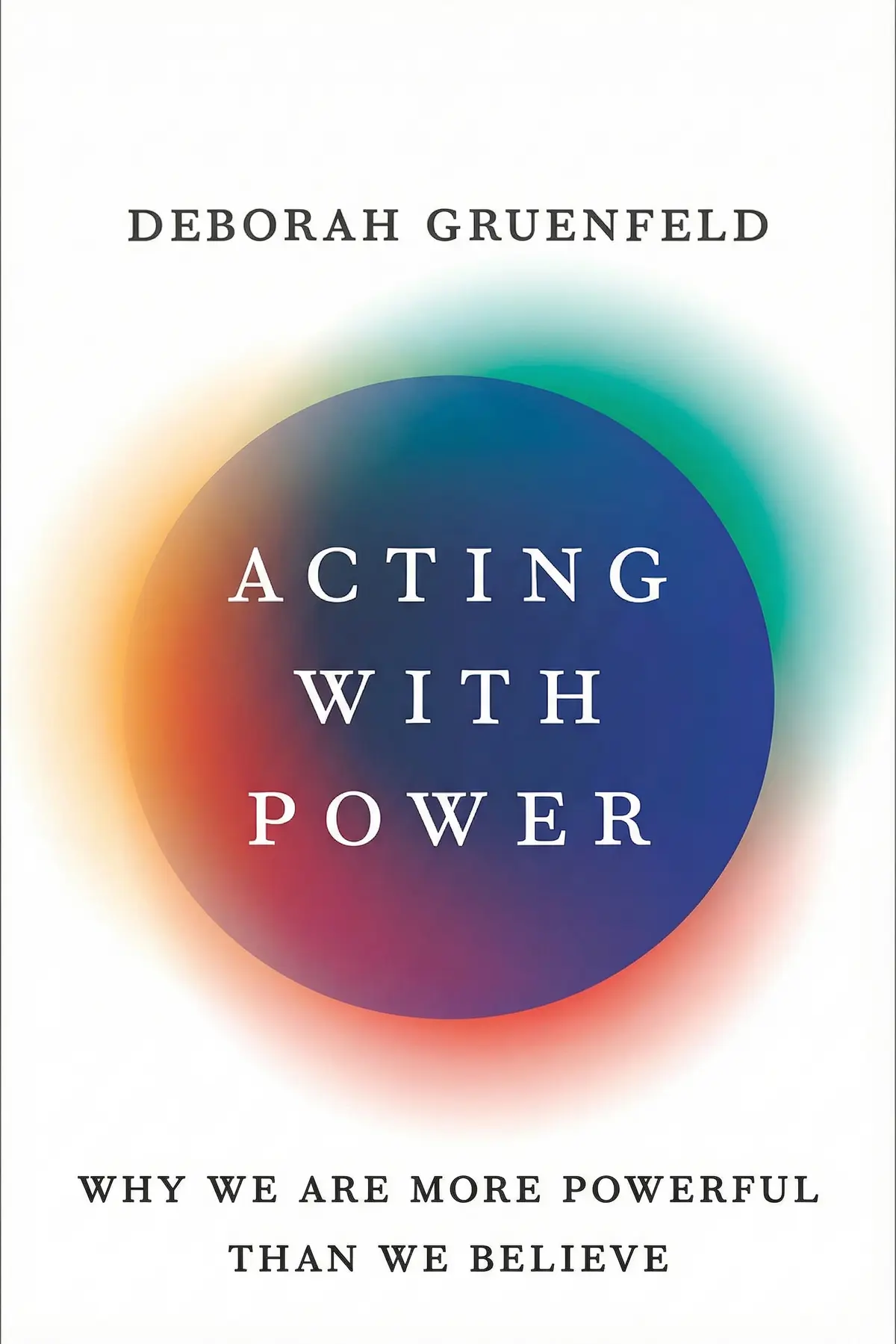
Acting with Power: Why We Are More Powerful Than We Believe
Deborah Gruenfeld
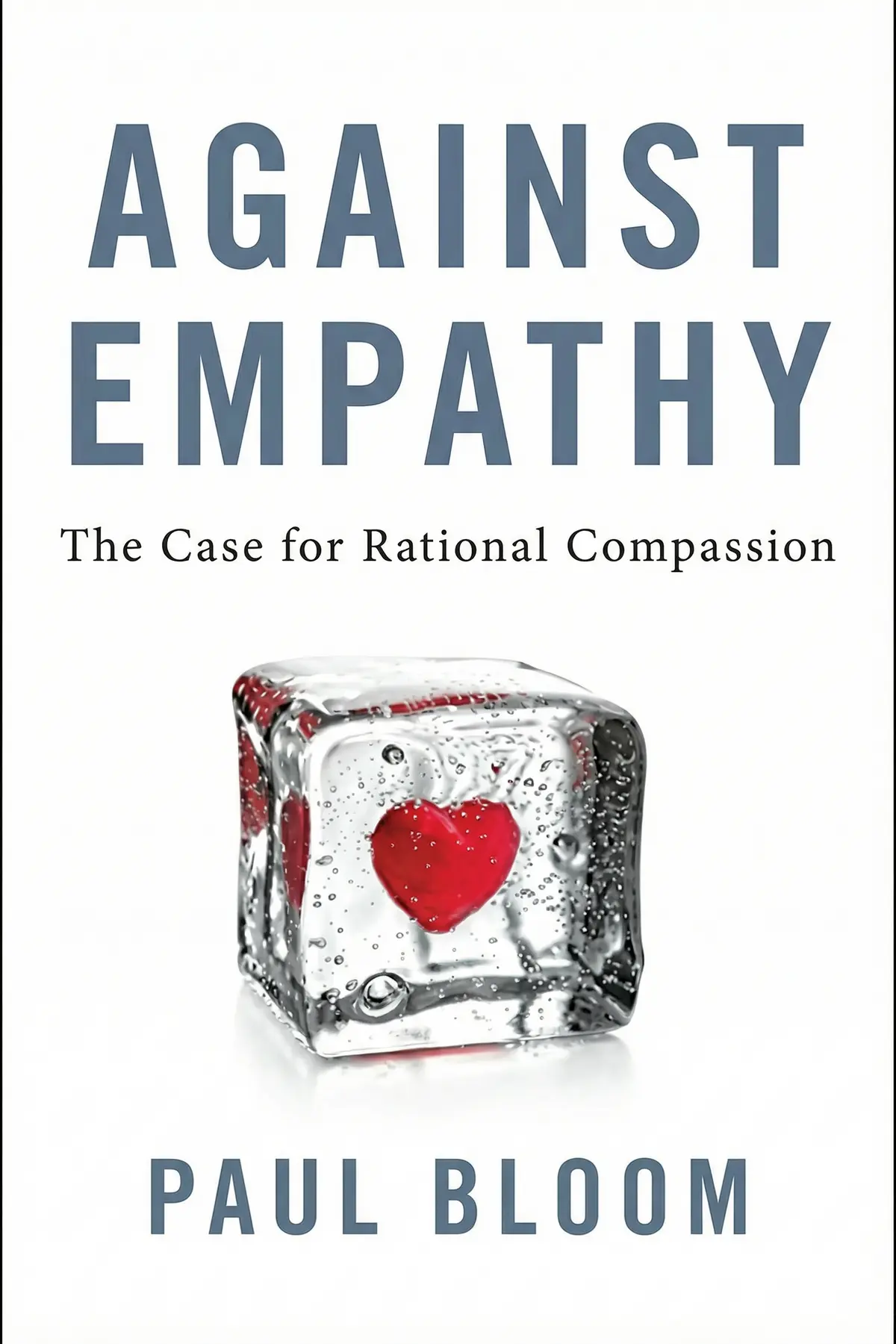
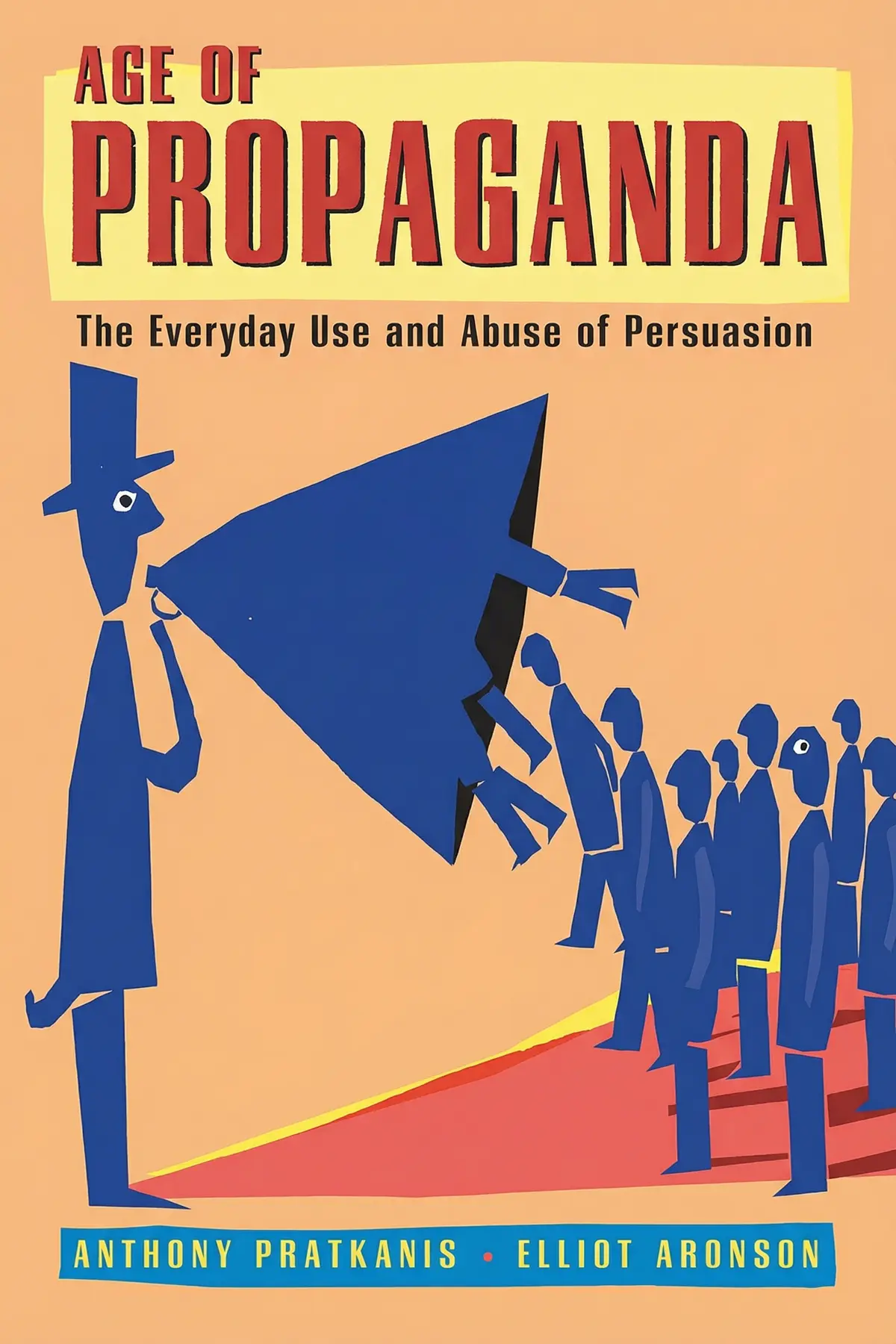
Age of Propaganda: The Everyday Use and Abuse of Persuasion
Anthony Pratkanis
AUDIO SUMMARY AVAILABLE
Listen to Successful Aging in 15 minutes
Get the key ideas from Successful Aging by Daniel Levitin, plus 5,000+ more titles in English and Thai.
- 5,000+ titles
- Listen as much as you want
- 7-day free trial
- Cancel anytime







