
23 min 41 sec
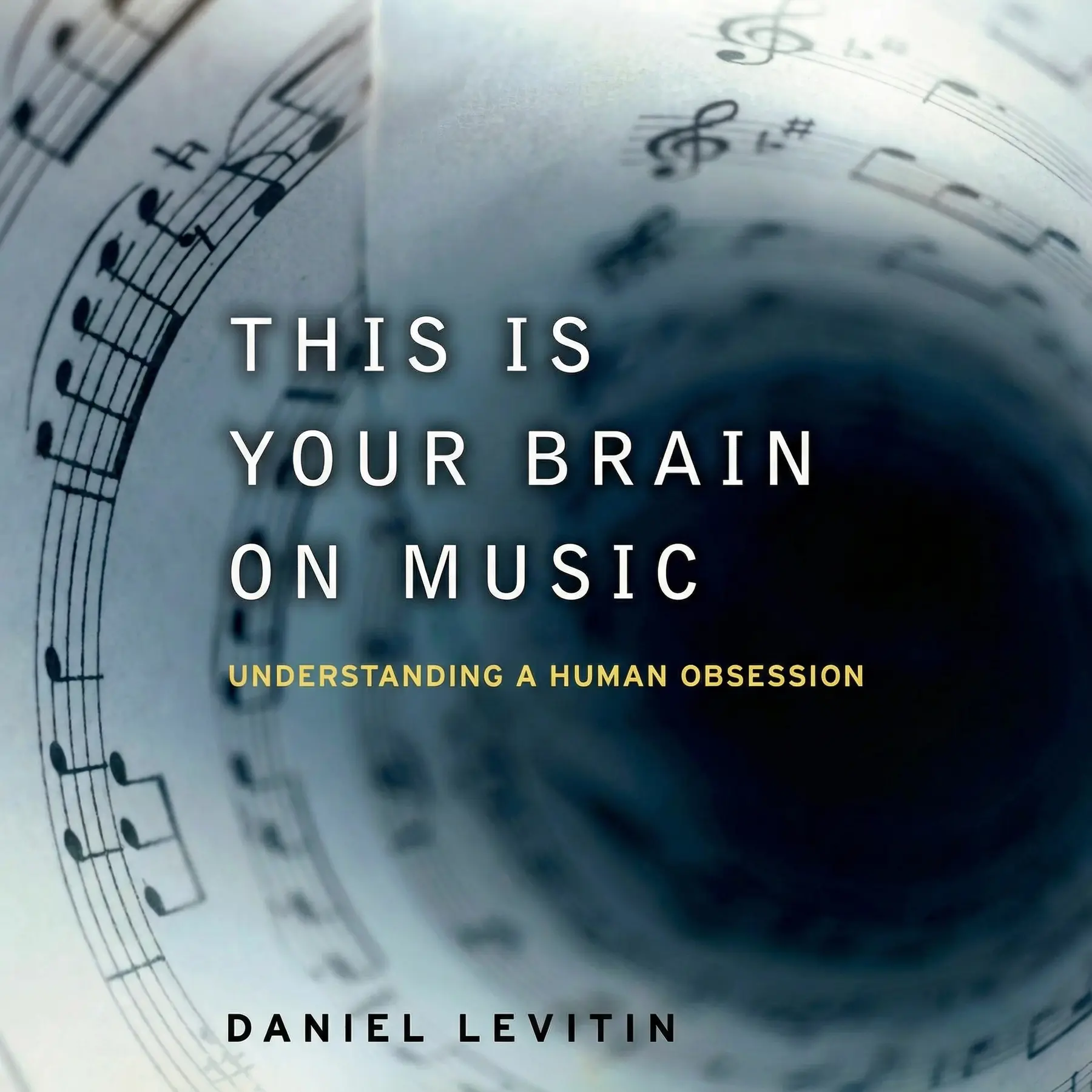
This Is Your Brain on Music: Understanding a Human Obsession
Explore the profound intersection of neuroscience and melody. This guide reveals how your brain processes rhythm, why music triggers deep memories, and how evolutionary biology shaped our universal obsession with song.
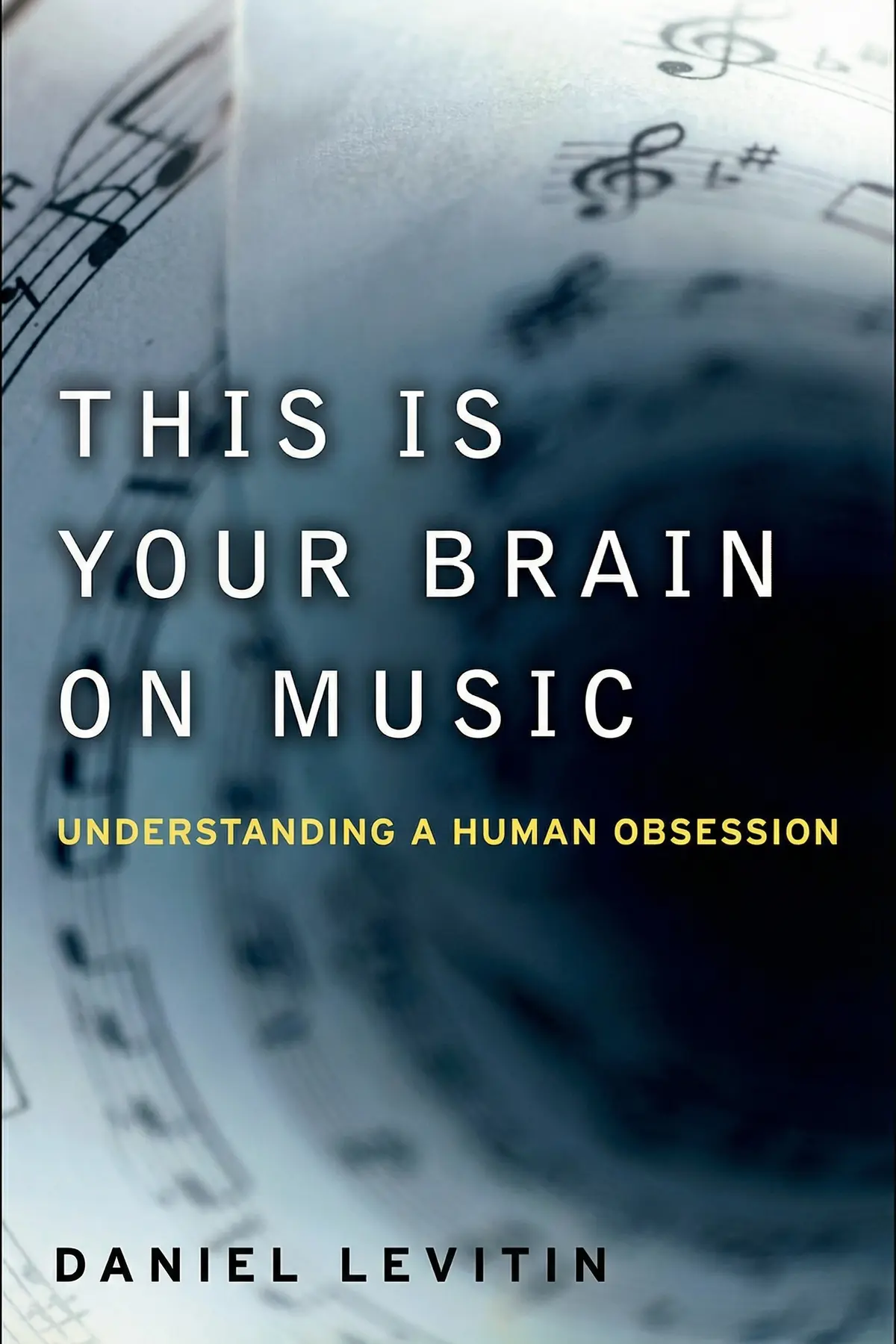
Table of Content
1. Introduction
1 min 37 sec
Why is it that a simple sequence of notes can move us to tears, while others make us want to dance? For most of us, music isn’t just a background noise; it’s a constant companion, a soundtrack to our most significant life events. We use it to celebrate, to mourn, to focus, and to relax. But when we strip away the emotional weight and the cultural history, music is essentially just air molecules vibrating at different frequencies. How does the human brain take those physical vibrations and turn them into something so profound? This is the central mystery we are exploring today.
In this journey through the mind’s musical architecture, we’re going to look at the intersection of neuroscience and art. We’ll see that music isn’t just a pleasant hobby or a side effect of human culture; it is deeply woven into the very fabric of our biology. From the way our oldest brain structures react to a heavy beat to the sophisticated ways our frontal lobes predict the next note in a melody, music engages nearly every part of our gray matter.
We’ll start by deconstructing what music actually is, breaking it down into its core building blocks. Then, we’ll dive into the evolutionary debate about why music exists at all—was it an accident of nature, or a vital survival tool? We will also look at the fascinating link between melody and memory, and why our musical preferences are often set before we are even born. By the end of this exploration, you’ll see your favorite playlist not just as a collection of songs, but as a complex neural workout that defines what it means to be human.
2. The Structural Anatomy of Music
2 min 33 sec
Have you ever wondered what separates a beautiful melody from chaotic noise? It all comes down to a specific set of fundamental building blocks.
3. The Evolutionary Roots of Melody
2 min 41 sec
Is music just ‘auditory cheesecake,’ or did it play a vital role in the survival of the human species?
4. A Full-Brain Workout
2 min 26 sec
When you listen to your favorite track, your brain doesn’t just ‘hear’ it—it lights up in almost every region.
5. The Psychology of Expectation
2 min 41 sec
Why do some songs make us feel triumphant while others feel unsettled? The secret lies in how composers manipulate our brain’s natural urge to predict the future.
6. Music as a Key to Memory
2 min 19 sec
Have you ever heard a song from your childhood and been instantly transported back in time? Science shows that music and memory are roommates in the brain.
7. The Science of the Groove
2 min 26 sec
What is it that makes a song ‘groovy’? It turns out that the secret to a great beat is actually its imperfection.
8. The Road to Musical Expertise
2 min 42 sec
Is musical talent something you’re born with, or is it something you build? The answer lies in the intersection of DNA and 10,000 hours of hard work.
9. The Origins of Musical Taste
2 min 35 sec
Why do you love the songs you love? The foundation of your musical identity was likely laid before you even took your first breath.
10. Conclusion
1 min 41 sec
We have seen that music is far more than a simple form of entertainment. It is a fundamental human obsession, a complex biological phenomenon that engages nearly every corner of our brains. From the way we deconstruct the basic elements of sound to the way we use melody as a key to unlock our most distant memories, music is an essential part of what makes us human. It is rooted in our evolutionary past, potentially serving as a precursor to language and a vital tool for social bonding and courtship.
What this really means is that your brain is a musical instrument in its own right. It is constantly predicting, remembering, and reacting to the rhythms of the world. Whether you are a world-class pianist or someone who just hums along to the radio, you are participating in a profound cognitive process. You don’t need ‘talent’ to benefit from the wonders of music; just the act of listening, tapping your feet, or singing along activates the neural circuits associated with learning, emotion, and well-being.
The next time you put on your favorite album, take a moment to appreciate the incredible work your brain is doing. Notice the tension when a melody takes an unexpected turn and the satisfaction when it finally returns home. Feel the way a heavy beat seems to bypass your conscious thought and go straight to your muscles. Remember that music is a gift from our evolutionary ancestors—a universal language that allows us to share our deepest emotions across time and culture. So, keep listening, keep exploring new sounds, and never stop letting the music in. It’s exactly what your brain was designed to do.
About this book
What is this book about?
This exploration dives deep into the neurological underpinnings of our relationship with music. It breaks down the fundamental components of sound—like pitch, timbre, and rhythm—and explains how our brains synthesize these into the emotional experiences we call songs. Beyond the mechanics of hearing, the narrative examines the evolutionary purposes music might serve, from a tool for social bonding and courtship to a precursor for human language. Listeners will gain a clearer understanding of why certain songs stay stuck in our heads and why music has the unique power to evoke vivid memories from decades past. It also tackles the debate over talent versus practice, explaining the famous ten-thousand-hour rule while considering how our prenatal environment and early childhood experiences dictate our musical tastes. It is a comprehensive look at how a sequence of vibrating air molecules can transform into a life-defining obsession.
Book Information
About the Author
Daniel Levitin
Daniel Levitin is a multifaceted expert who bridges the gap between science and art. He is a psychologist and neuroscientist who serves as a professor of psychology and behavioral neuroscience at McGill University in Montreal. Beyond his academic credentials, Levitin has a storied career in the music industry as a musician and record producer. He has lent his expertise as a sound designer and consultant to legendary artists such as Steely Dan, Stevie Wonder, and Chris Isaak, bringing a unique, practical perspective to his scientific research.
Ratings & Reviews
Ratings at a glance
What people think
Listeners find this work to be an intriguing listen that delivers a comprehensive investigation into music neuroscience, with references to popular musical works throughout. The writing style is expertly composed, and listeners value how it introduces many avenues for new concepts. The book provides excellent depth on neurological function and expands their understanding, making it highly recommended for musicians.
Top reviews
Araya
This book is a masterclass in how our grey matter handles a melody. Daniel Levitin manages to bridge the gap between technical neuroscience and the pure, raw emotion we feel when we hear a favorite song. As a casual listener, I was enthralled by the explanation of how our brains are essentially prediction machines, constantly looking for patterns and finding joy when those expectations are subverted. The references to artists like the Beatles and Stevie Wonder make the complex science feel grounded and relatable. I particularly loved the section on 'earworms'—it finally explains why certain choruses just won't leave my head! While some of the music theory at the beginning was a bit dense, it provided a necessary foundation for the fascinating chapters on memory and emotion that followed. It’s a must-read for anyone who has ever felt moved by a piece of music.
Show moreNatnicha
Wow, what an eye-opening journey into the auditory cortex. I’ve always known that music was powerful, but I didn't realize how much of my brain was 'lighting up' just by tapping my foot to a beat. Levitin's explanation of the 10,000-hour rule for mastery was particularly enlightening, as it debunks the myth of 'pure talent' and highlights the role of dedication and neural plasticity. I found the discussion on how we establish musical preferences in our teens to be eerily accurate—it explains why I still listen to the same three grunge albums I loved at sixteen! The writing is sophisticated yet accessible enough for a layman to grasp. This book hasn't just expanded my understanding of the brain; it has genuinely changed the way I listen to my daily playlists. Truly fascinating stuff from start to finish.
Show moreSatit
Finally got around to finishing this, and I feel like I've gained a new superpower for my ears. The way Levitin describes music as 'auditory cheesecake' (borrowing from Steven Pinker) is such a vivid way to think about how we process sound. This book is a fascinating read because it treats the listener as an expert, acknowledging that our brains are doing incredible work every time we hit play on a song. I loved the deep dives into how the cerebellum—once thought to only be for motor control—is actually a key player in our emotional response to rhythm. The writing style is well-crafted, and the references to pop culture keep it from feeling like a dusty textbook. For any musician or music lover, this provides the scientific validation for why we feel so connected to sound.
Show moreJeeranan
Ever wonder why a specific song can make you cry or dance? Levitin dives deep into the cerebellum and the amygdala to show how sound waves become something meaningful. Truth is, the first few chapters on music theory—pitch, timbre, and scales—felt a little like sitting through a freshman lecture, but once he gets into the cognitive stuff, the book really takes off. I was fascinated by the idea that music likely predates language in our evolutionary history. The anecdote about how we can distinguish a piano from a flute just by the 'attack' of the note was a real eye-opener for me. It’s well-crafted and provides a thorough exploration of the musical brain, even if it gets bogged down in jargon occasionally. If you can push through the dryer technical bits, the psychological insights are well worth the effort.
Show moreDing
Picked this up on a recommendation and I'm glad I did, though it’s not exactly a light beach read. Levitin does an excellent job of explaining how music communicates through the 'systematic violation of expectations,' which is a concept that has stuck with me long after closing the back cover. Frankly, some of the neuro-anatomy—listing various Brodmann areas and specific sub-cortical regions—flew right over my head, but the broader points about human evolution and social cohesion were brilliant. It’s a thorough exploration of music neuroscience that somehow stays grounded in the art itself. I did find myself wishing for more on the psychology of lyrics, but as a study of sound and the mind, it’s hard to beat. Highly recommended for musicians who want to know the 'why' behind the 'what' of their craft.
Show moreBond
In my experience, the best science books are the ones that make you look at your everyday life differently, and this one succeeded. I now find myself analyzing the timbre of my morning coffee maker or the rhythm of the city around me. Look, the book isn't perfect; it can be repetitive, and Levitin has a tendency to name-drop his famous friends in the industry. However, the core message about our innate musicality is powerful. The chapter on how we perceive pitch and why an octave sounds 'the same' across different frequencies was a highlight for me. It provides many paths to new ideas about how our species evolved. It’s a solid 4-star read that offers great insight into brain function without being entirely inaccessible to the average person. Just be prepared for some heavy lifting in the middle chapters.
Show moreGame
Gotta say, the audiobook version of this is probably the way to go, as I found the written musical examples a bit hard to visualize. That said, the content is stellar. Levitin tackles some huge questions: is music a biological adaptation or an evolutionary accident? Why do we have different tastes? While he doesn't have all the answers, the journey through the research is thrilling. I was particularly struck by the section on how music can help people with neurological disorders, which shows the true depth of its impact on our biology. There were a few moments where the author went on a bit too long about his own research trials, but his passion is infectious. It’s a solid piece of scholarship that manages to be both informative and deeply respectful of the art form it investigates.
Show morePetch
As someone who has played guitar for twenty years, I found this to be a bit of a mixed bag. On one hand, the science is clearly top-tier, and the author's background as a producer adds a level of credibility you don't always get in academic writing. On the other hand, the prose can be incredibly dry, reading more like a dissertation than a popular science book at times. To be fair, he covers a lot of ground, but the constant jumping between folksy anecdotes and heavy-duty brain mapping felt disjointed. I also felt that his dismissal of certain music notation complexities was a bit shortsighted. It’s an interesting read for the curious, but I think I would have preferred a documentary version where I could actually hear the musical examples he describes in such excruciating detail. It's informative but definitely an uphill climb.
Show moreLillian
Not what I expected, but still worth the time if you're a fan of cognitive science. I went in looking for a psychological look at why we love music, but I got a very biology-heavy breakdown of brain regions instead. Personally, I think the book would have worked better as an interactive medium. Reading about the difference between a major and minor key is one thing, but hearing it while the science is explained would be much more effective. Some of the trivia is great—like the bit about infants remembering music they heard in the womb—but the prose style is a bit inconsistent. It oscillates between being very casual and very clinical. It’s a decent overview, but I think I’ll try Oliver Sacks next for a more narrative approach to musical dysfunction and the mind.
Show morePraepimon
The truth is, I struggled to get through the first third of this volume. While I appreciate the author's ambition to combine cognitive science with music theory, the execution felt pedantic and often contradictory. He claims to want to make the work accessible, yet he litters the pages with dense jargon that even a seasoned musician might find tedious. I also took issue with his broad generalizations; as a classically trained flautist, I found his assertions about instrument identification to be overly simplistic. He spends so much time on the 'where' in the brain that he loses the 'why' in the soul. It felt like he was trying to explain a sunset by analyzing the physics of light—accurate, perhaps, but it misses the entire point of the experience. It was far too academic for my taste and lacked the emotional resonance I expected.
Show moreReaders also enjoyed

Acting with Power: Why We Are More Powerful Than We Believe
Deborah Gruenfeld

Alien Earths: The New Science of Planet Hunting in the Cosmos
Lisa Kaltenegger
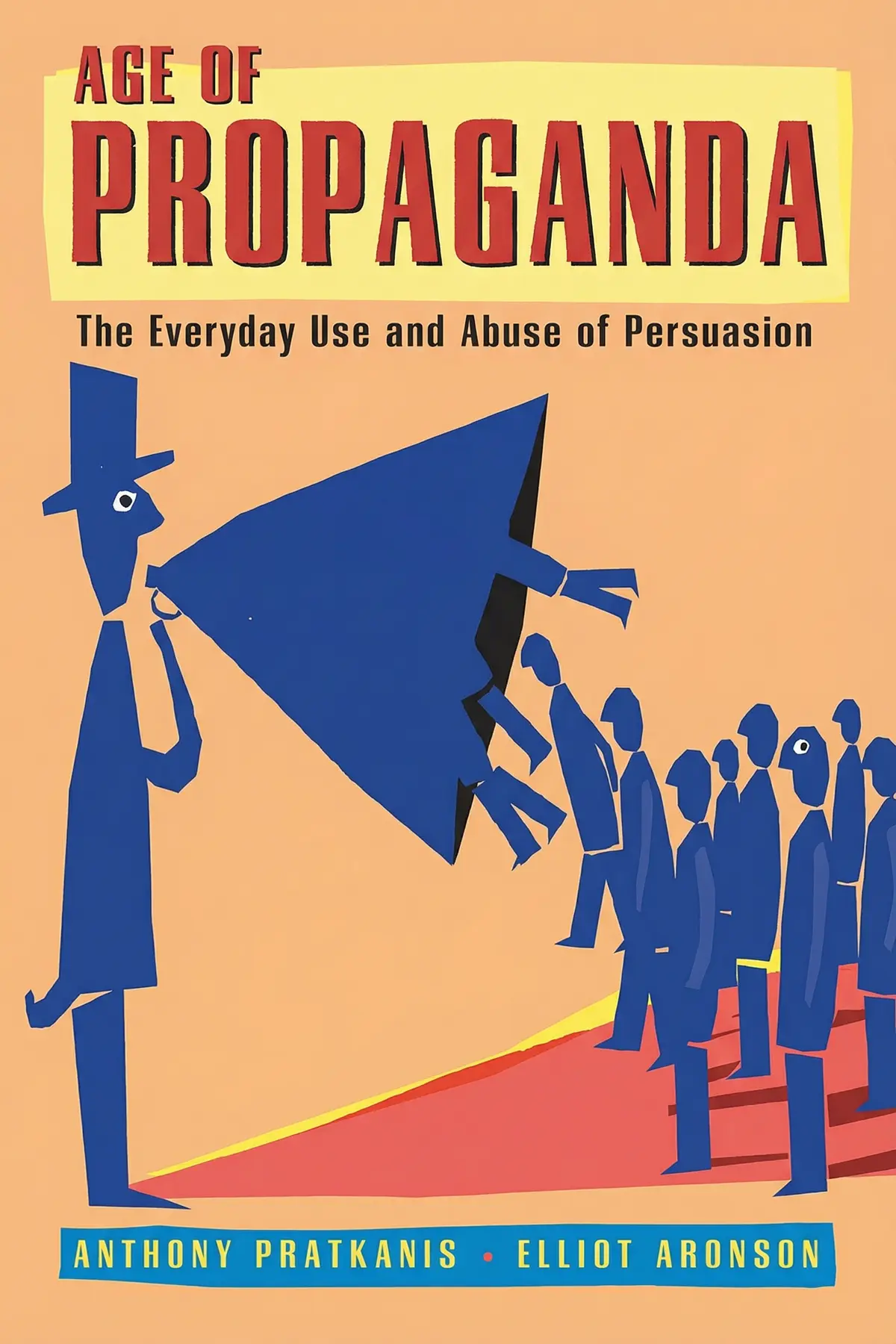
Age of Propaganda: The Everyday Use and Abuse of Persuasion
Anthony Pratkanis

AUDIO SUMMARY AVAILABLE
Listen to This Is Your Brain on Music in 15 minutes
Get the key ideas from This Is Your Brain on Music by Daniel Levitin, plus 5,000+ more titles in English and Thai.
- 5,000+ titles
- Listen as much as you want
- 7-day free trial
- Cancel anytime







