
A Life Decoded: My Genome: My Life
J. Craig Venter
Discover the biological foundations of human memory and how our brains selectively retain information. This summary explores how memory defines our identity, influences our future, and shapes our collective social reality.
1 min 46 sec
When we think about our lives, we often imagine them as a series of events stacked like books on a shelf. But when you look closer, you realize that who you are today isn’t just a result of what happened to you; it is a result of what you remember. Memory is the invisible architect of our identity. It dictates our career paths, informs our deepest values, and colors our relationships. It is the throughline that connects our past selves to the person we are becoming.
However, there is a fascinating paradox at the heart of the human experience. Our happiness and our sense of satisfaction don’t actually come from the experiences we have in real-time. Instead, they come from the way our ‘remembering selves’ interpret those moments after they have passed. This means that we are constantly being shaped by a version of the past that our brain is actively editing.
In this exploration of memory, we aren’t just looking at a biological filing cabinet. We are looking at a powerful, adaptive system that has evolved over millions of years to help us survive and thrive. We will delve into why our brains are designed to forget just as much as they are designed to remember, and how we can use this knowledge to hold on to the moments that truly matter.
As we journey through these insights, notice the shift in how you view your own mind. You’ll discover that memory is less about looking backward and more about providing a map for the future. From the secret techniques of memory champions to the way our shared stories bind us together, this is the story of how we make sense of our world. Let’s begin by uncovering the biological filters that decide what makes the cut and what fades into the mist.
2 min 47 sec
Our brains are constantly bombarded with data, yet we only keep a fraction of it. Discover the biological ‘voting’ process that filters your reality.
2 min 27 sec
Memory isn’t just one system; it’s a complex interplay between facts and feelings. Learn how the hippocampus allows you to step back into the past.
2 min 31 sec
Extraordinary memory isn’t a gift you’re born with; it’s a technique you build. Explore the power of chunking and mental blueprints.
2 min 29 sec
Why do we remember the unexpected so clearly? Discover how novelty triggers a neurological shift that highlights our experiences.
2 min 24 sec
Memory is more like a Wikipedia page than a stone tablet. Understand why our recollections are constantly being rewritten.
2 min 09 sec
Passive studying is a waste of time. Discover why struggling to remember is actually the most effective way to learn.
2 min 27 sec
Your memories don’t just belong to you—they belong to your community. Learn how our interactions shape what we remember together.
1 min 42 sec
As we conclude this journey into the mechanics of why we remember, it’s worth reflecting on the central theme: memory is not a passive recording of what has passed, but an active, dynamic force that shapes our future. We have seen how our brains selectively filter the world, using the prefrontal cortex and the hippocampus to turn a chaos of stimuli into a coherent narrative of self.
We’ve learned that the ‘flaws’ in our memory—the way it fades, the way it can be edited, and the way it relies on others—are actually signs of its incredible adaptability. Forgetting is not always a failure; it is a necessary clearing of the decks so that we can focus on what matters most. Our ability to reconstruct the past allows us to learn from our mistakes and imagine new possibilities for the days ahead.
So, what can you take away from this? First, be intentional with your attention. Recognize that your brain is constantly ‘voting’ on what to keep, so give it something worth holding onto by being present. Second, embrace the struggle of learning. Don’t shy away from the effort of retrieval; it is the very thing that makes your knowledge stick. And finally, cherish the social nature of your memories. Share your stories, listen to others, and recognize that our shared past is a collaborative work in progress.
Ultimately, understanding the science of memory gives us the power to be more than just products of our past. It gives us the tools to be the authors of our own experience. By choosing what to focus on and how to reflect on our lives, we can build a richer, more meaningful throughline that carries us forward into the future.
Have you ever wondered why you can remember a childhood birthday but forget where you put your keys ten minutes ago? Why We Remember takes you deep into the neuroscience of the human brain to answer these questions. It challenges the common misconception that memory is a dusty archive of the past, revealing instead that it is a dynamic, forward-looking tool designed to help us navigate the present and prepare for the future. Through the lens of cognitive neuroscience, you will learn about the different systems our brains use to store facts and experiences. The book explains the vital role of the hippocampus and the prefrontal cortex, showing how they work together to filter out the noise of daily life and prioritize what truly matters. From the mechanics of learning through mistakes to the social ways we share memories with others, this summary provides a comprehensive look at the power and fragility of our most important cognitive faculty. It offers a promise: by understanding how we remember, we can live more intentional, connected, and mindful lives.
Charan Ranganath is a distinguished neuroscientist and professor at the University of California at Davis. He serves as the director of both the Memory and Plasticity Program and the Dynamic Memory Lab. His research utilizes advanced brain imaging technologies to investigate the mechanisms of episodic memory and memory dysfunction, particularly in those with Alzheimer’s disease. For his significant contributions to the fields of neuroscience and psychology, Ranganath has been honored with the Guggenheim Fellowship and a Vannevar Bush Faculty Fellowship.
Listeners find the work highly educational and thoroughly investigated, with one review specifically mentioning how the author clarifies the scientific principles underlying memory. Furthermore, they value how accessible the material is, with one noting its broad appeal to diverse audiences. The prose style also garners praise; one listener characterizes it as a masterfully composed science volume, while others remark on how simple it is for laypeople to follow.
Wow, I didn’t expect a book about neuroscience to make me reflect so much on my own childhood and the way I navigate the world today. Ranganath has a gift for taking complex concepts like episodic and semantic memory and turning them into stories that actually mean something to the average person. The 'pink Post-it' analogy for distinctive memories is going to stick with me forever—ironically making the book itself easier to remember! I loved learning that forgetting isn't a failure of the brain but a necessary filtering process that allows us to function. It’s rare to find a science book that feels this personal and applicable to daily life. This is a must-read for anyone who feels like their brain is a cluttered desk and needs to know how to find the important scraps of paper again.
Show moreThis book completely reframed how I think about the 'failures' of my own mind. Instead of seeing my forgetfulness as a defect, I now understand it as the brain's way of clearing out the clutter to focus on what matters. Ranganath’s exploration of 'mental time travel' and the way memory helps us orient ourselves in the world is simply fascinating. I especially loved the chapter on how emotions and stress act as triggers for what sticks in our long-term storage. Not gonna lie, I was worried it would be too dense, but the author does a fantastic job of simplifying big concepts without making them feel 'dumbed down.' It’s the kind of book that makes you want to stop every few pages just to tell someone a cool fact you just learned. Highly recommended for anyone who wants to understand the machinery of their own past.
Show moreIf you want to truly understand the machinery of your own mind, you need to read this book. It’s a masterclass in science writing that feels both authoritative and deeply personal. Ranganath takes us through decades of research, much of it his own, to show that memory isn't a recording device—it’s a dynamic, creative process. The way he explains how we reconstruct our past every time we remember it is both mind-blowing and slightly terrifying! I found the layout very helpful, especially the way he addresses common memory betrayals at the end of chapters and then offers scientific solutions to counter them. It feels like non-fiction with a real purpose. Even without many diagrams, the writing is vivid enough to paint a clear picture of what’s happening inside our skulls.
Show moreFinally got around to this after seeing it on several 'best of' lists, and it’s definitely one of the more accessible neuroscience books I’ve picked up lately. Ranganath writes in that conversational, medical-insider style that makes complex research feel like a chat over coffee. The book does an excellent job of distinguishing between how we remember and why we forget—turns out, forgetting is actually a vital feature for a healthy mind! I appreciated the pop culture references, though some felt a bit forced. While it leans a little heavily on the author's own academic circle, the analogies he uses to explain hippocampal function are brilliant. It's a well-written piece of science communication that manages to be both informative and readable for a layperson. Just be prepared for some sections to feel a bit more like a textbook than a narrative.
Show moreEver wonder why you can remember a song from 1998 but not your new Wi-Fi password? Frankly, this book is the answer key I didn't know I needed. Ranganath explains that our brains are actually designed to forget, which was a huge relief to hear. I found the sections on 'attention and intention' particularly useful for my daily productivity. Instead of just dryly listing facts, the author uses realistic examples that made me go, 'Yes, I've done exactly that!' The advice about testing yourself—even if you get the answers wrong—has already changed how I approach learning new things at work. It's a well-written science book that stays approachable without feeling watered down or overly simplistic, even if the 'medical writer' tone gets a bit repetitive after a few hundred pages.
Show moreAs someone who's always been fascinated by brain science, I appreciated the depth of experience Ranganath brings to the table after decades in the field. The personal anecdotes from his own lab make the data feel much richer and more 'human' than your average pop-psychology book. Truth is, I did find the middle sections a bit dense, and I really think some colored illustrations of brain slices would have gone a long way in helping visualize where these functions occur. However, the author’s ability to simplify the role of the prefrontal cortex is impressive. I particularly liked the 'mental time travel' concept and how our memories help us predict the future. It’s a thoughtful, well-researched deep dive that mostly avoids the trap of being too academic, even if it occasionally slips into textbook territory.
Show moreListening to this on audio was a trip, but I think the author’s point about 'testing yourself' means I probably should have bought the physical copy to highlight! Ranganath is clearly a major figure in the field, and his passion for the subject really shines through in the conversational tone. I learned a ton about the difference between episodic memory—which tells a story—and semantic memory, which is just facts. My only real gripe is that he focuses so much on work from his own colleagues and students, which felt a little bit like an 'inside baseball' game at times. Still, the insights into how we reconstruct memories every time we recall them were eye-opening. It definitely makes you question your own 'eyewitness' accounts of your life. A very well-written science book overall.
Show moreThe premise of 'Why We Remember' was incredibly intriguing, but the actual reading experience was a bit of a rollercoaster for me. The first few chapters are absolute gold, explaining the mechanics of the brain with clarity and wit. However, as the book progressed, the tone shifted into something that felt more like a scientific memoir mixed with a graduate-level seminar. I found myself skimming through the parts where the author goes into exhaustive detail about his specific lab associates. Personally, I was hoping for more practical tips on 'unlocking memory's power' as the title suggests, but it's really more of a deep dive into the 'how' of neurological functions. It's an informative read if you want to understand the plumbing of the brain, but it lacks the narrative drive to keep it from feeling like a chore by the end.
Show moreLook, this is a solid science book, but the subtitle 'Unlocking Memory's Power' is a bit of a stretch in terms of what you actually get. I went in expecting a self-help guide or at least some actionable 'hacks' for a better memory, but it’s really much more of a 'How the Brain Works' manual. While the analogies are top-tier and help bridge the gap between academic jargon and layman's terms, I found my interest flagging by the halfway point. It lacks the visual aids—like brain diagrams or flowcharts—that would have helped me keep the different regions of the prefrontal cortex straight. If you enjoy the conversational style of modern medical writing, you’ll find plenty to like here, but be prepared for it to feel like a textbook at times. It's informative, just not quite the 'unlocking' experience I was sold.
Show moreTo be fair, Ranganath clearly knows his stuff, but I found the perspective in this book to be frustratingly narrow. The author spends a significant amount of time referencing his own former students and close colleagues, which made the book feel more like a personal career retrospective than a balanced survey of modern memory research. I was also quite put off by the inclusion of a quote from Johnny Rotten and the uncritical promotion of Joseph Campbell’s theories, which felt dated and out of step with the scientific rigour I expected. The book is titled 'Why We Remember,' but it spends way more time on the technical 'how' of brain areas. Without any helpful illustrations or diagrams to break up the text, it quickly becomes a slog. If you’re not already a fan of academic memoirs, this might not be for you.
Show moreJ. Craig Venter
Richard Wiseman
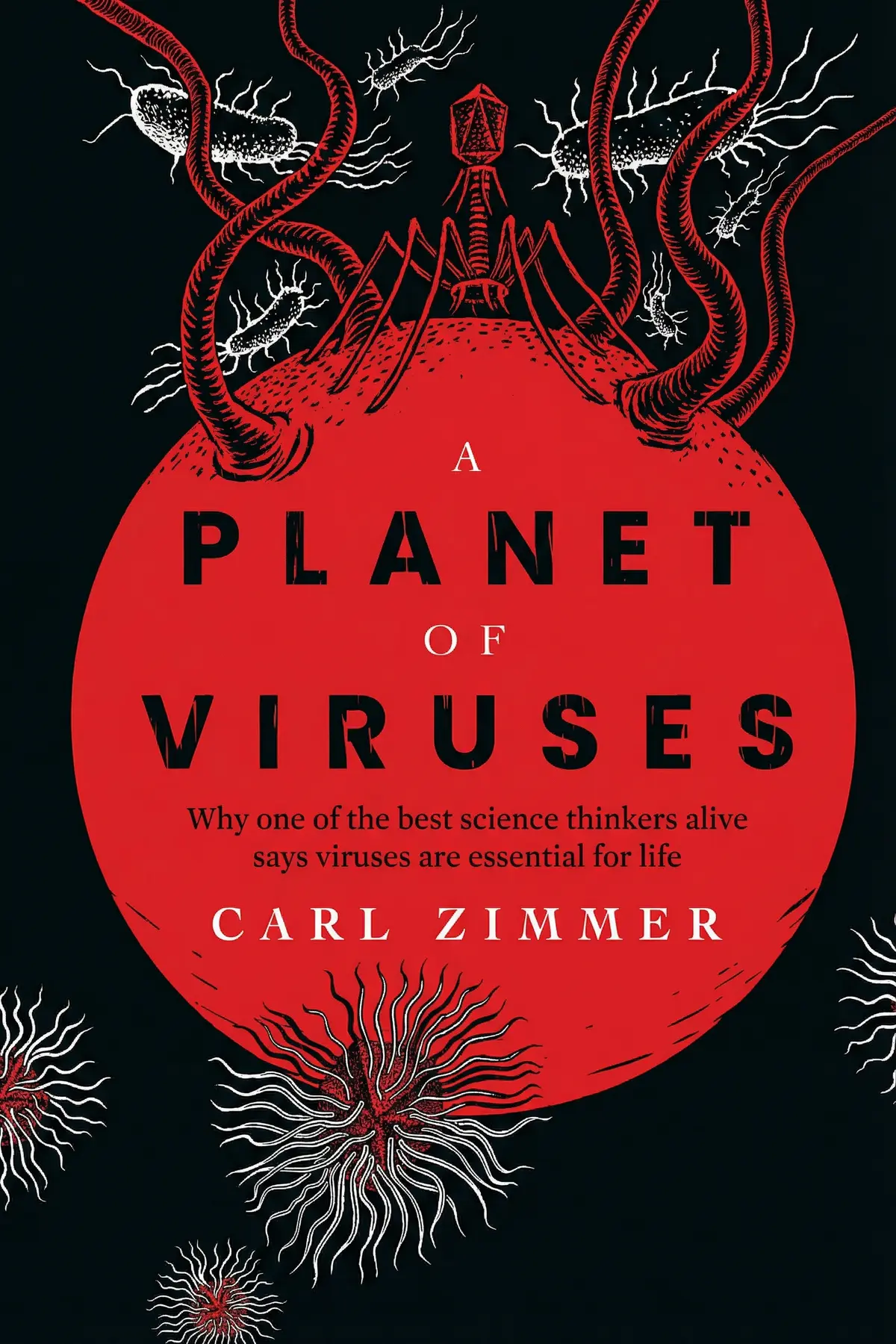
Carl Zimmer
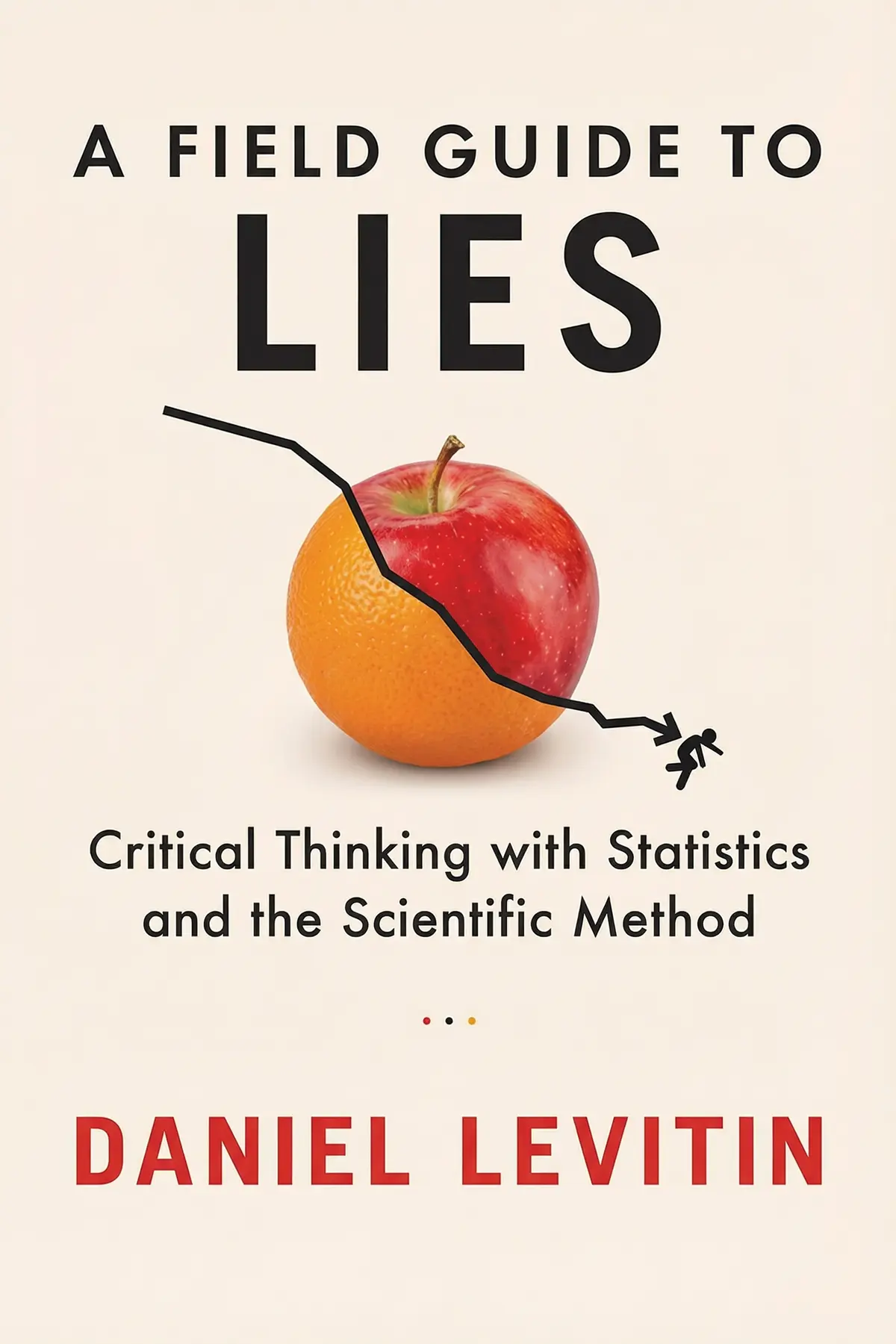
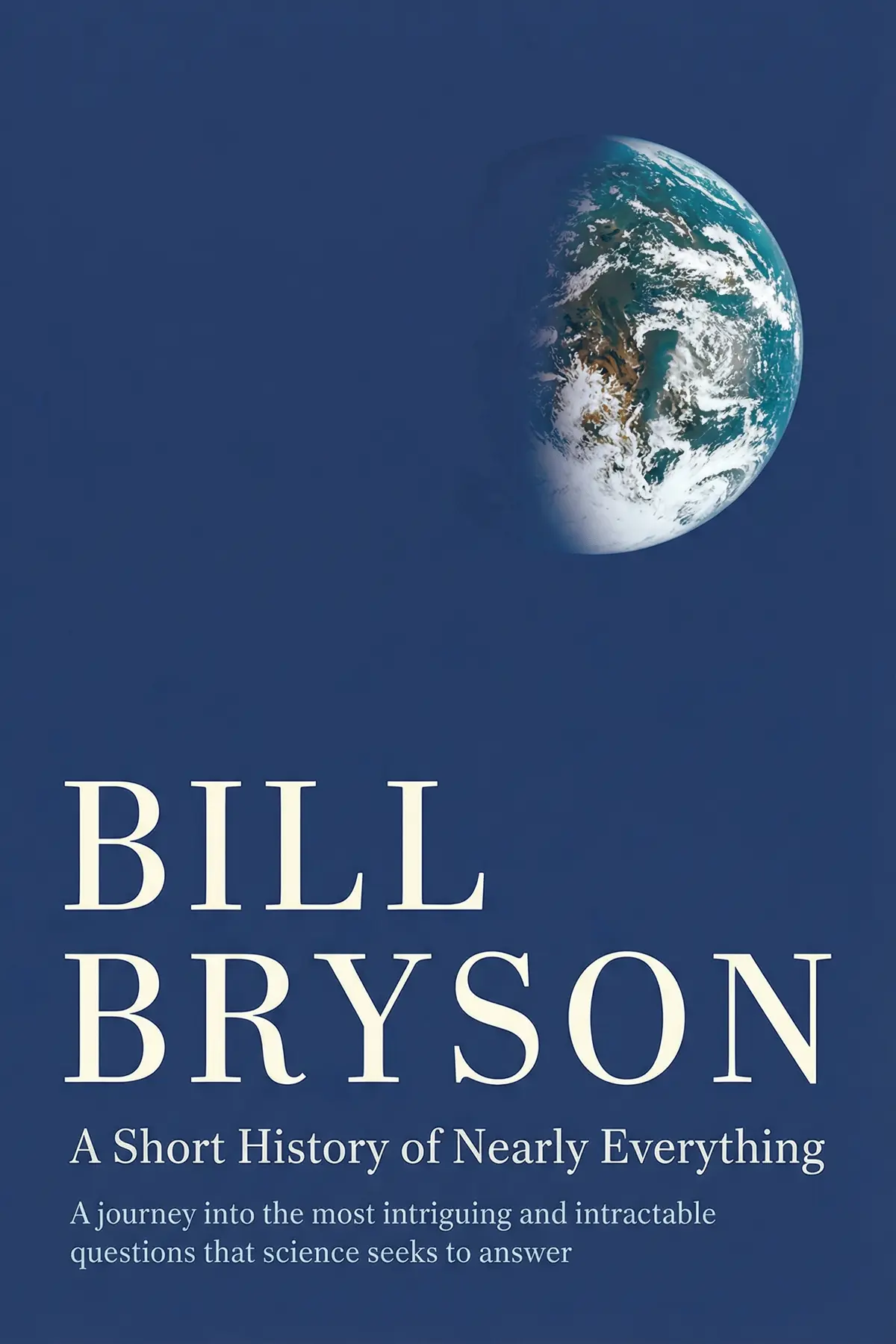
Bill Bryson
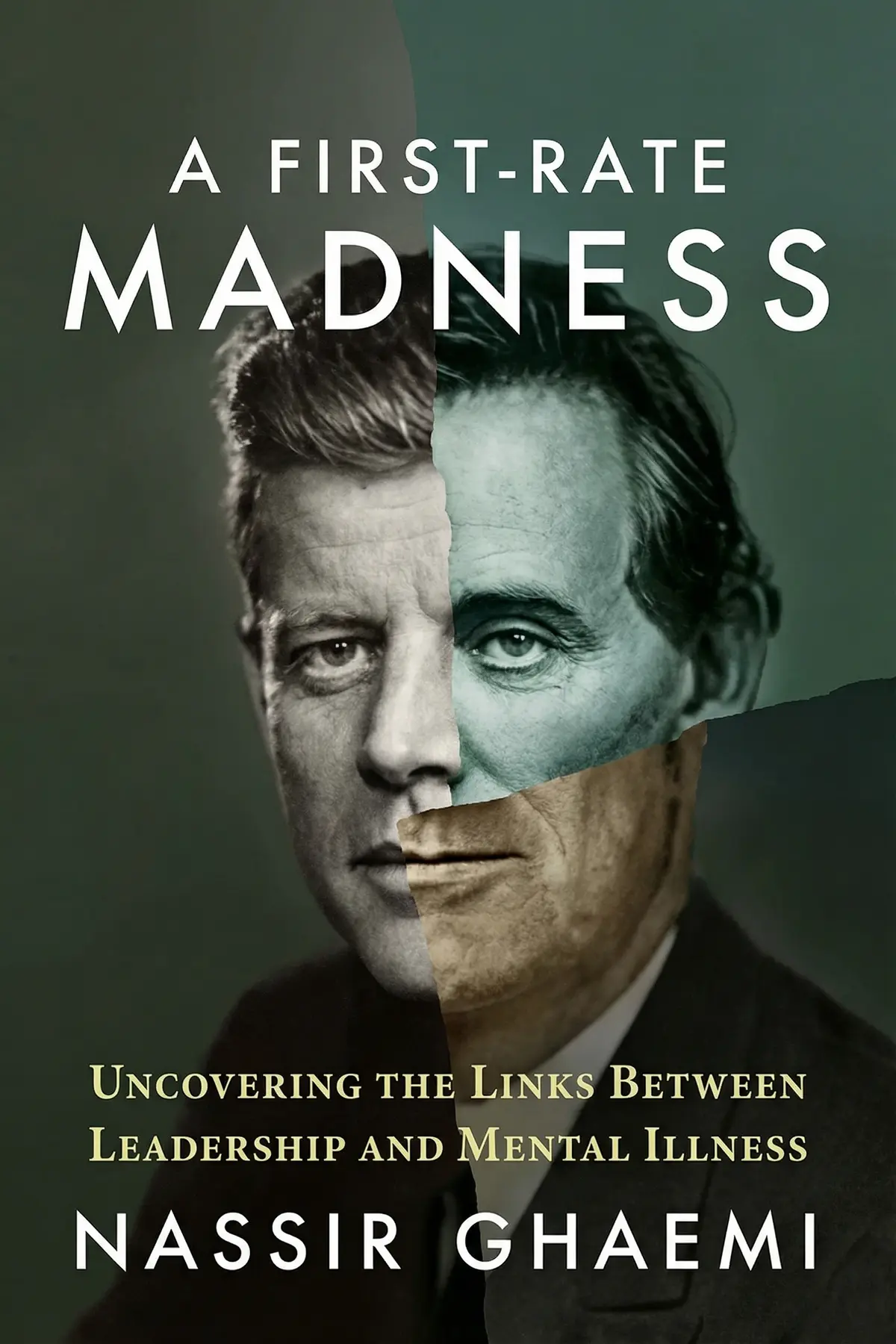
Jeff Hawkins
Steven C. Hayes
AUDIO SUMMARY AVAILABLE
Get the key ideas from Why We Remember by Charan Ranganath, plus 5,000+ more titles in English and Thai.







