

19 min 25 sec
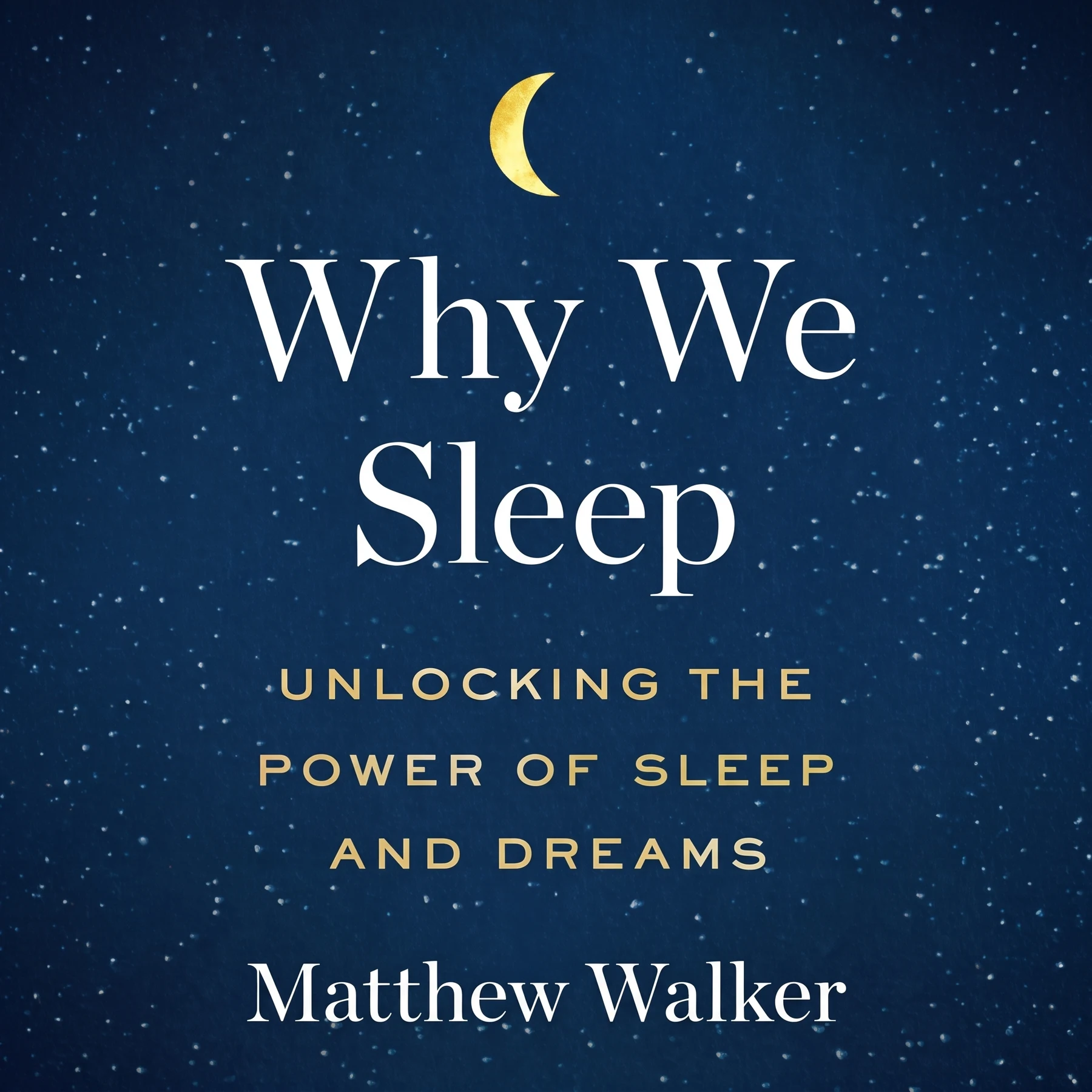
Why We Sleep: Unlocking the Power of Sleep and Dreams
Explore the revolutionary science of slumber as neuroscientist Matthew Walker reveals why sleep is the single most effective thing we can do to reset our brain and body health every day.
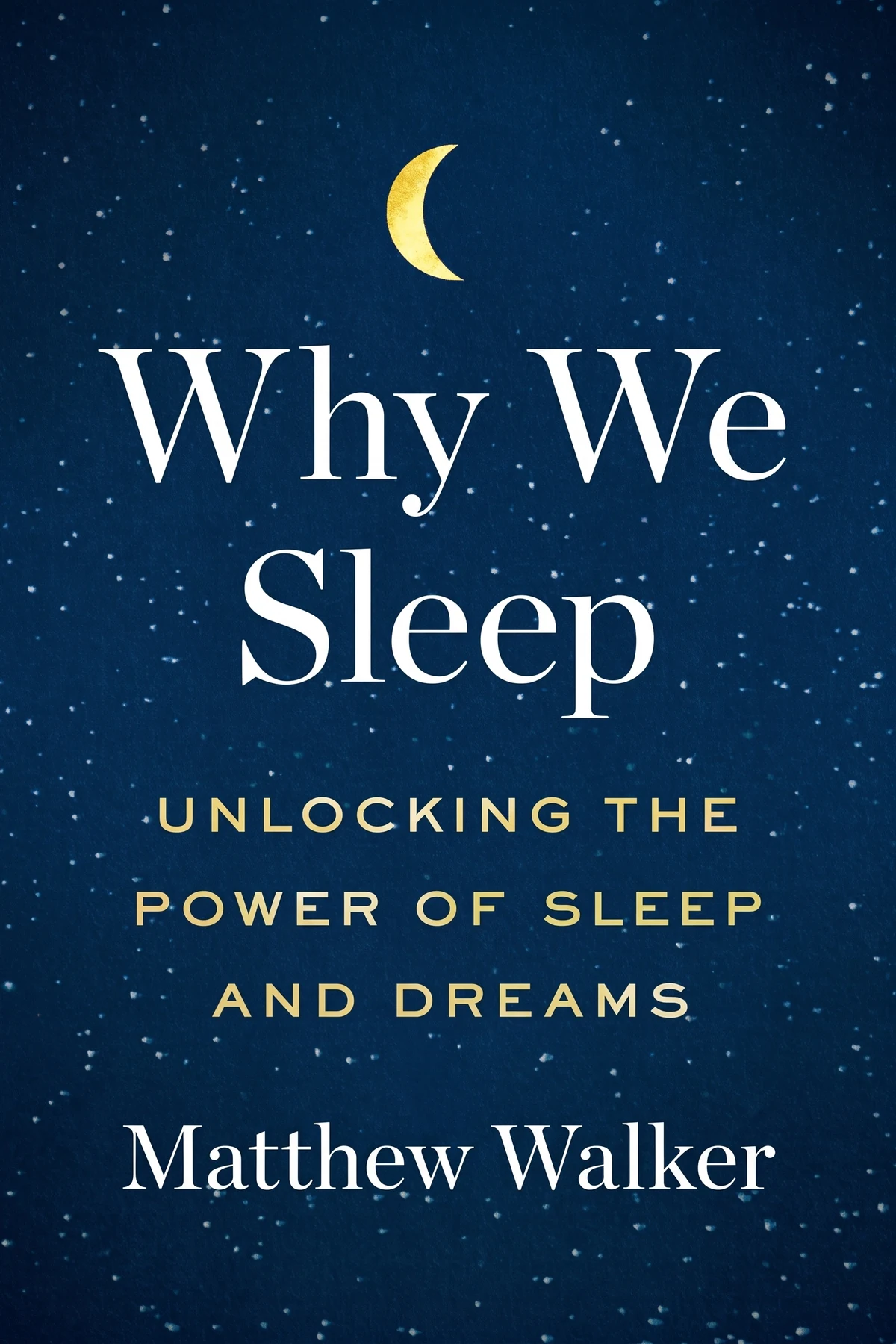
Table of Content
1. Introduction
1 min 42 sec
Imagine there was a breakthrough treatment that could make you more creative, enhance your memory, keep you slim, and lower your risk of cancer and heart attacks. Now, what if this treatment was completely free, had no negative side effects, and was available to everyone every single night? You might think it sounds like a miracle drug, but it is actually just a fundamental biological requirement: sleep.
For far too long, our modern world has treated sleep as a luxury or even a sign of laziness. We live in a culture that prides itself on ‘grinding’ and ‘burning the midnight oil,’ often viewing those who need a full eight hours as somehow less dedicated or efficient. However, the latest neuroscientific research suggests that this perspective is not only wrong—it is dangerous. As we will explore in this summary of Matthew Walker’s insights, sleep is not an obstacle to productivity; it is the very engine that makes productivity, health, and emotional stability possible.
In the pages ahead, we are going to look at the ‘new science’ of sleep. We will move past the old idea that sleep is just a passive state of rest. Instead, we will see it as an incredibly active and complex process where the brain and body perform essential maintenance that cannot happen while we are awake. From the way our internal biological clocks dictate our energy levels to the mysterious emotional therapy provided by our dreams, we will uncover why getting enough rest is the most important decision you can make for your future self. By the end of this journey, you’ll see your bed not just as a place to crash, but as a sophisticated laboratory for self-improvement and healing.
2. The Dual Forces Governing Your Need for Rest
2 min 31 sec
Discover the two distinct biological systems that work in tandem to regulate when you feel awake and when your body demands the restorative power of slumber.
3. The Architecture of a Nightly Voyage
2 min 33 sec
Explore the rhythmic shifts between deep restorative cycles and the vivid emotional landscapes that define the different stages of a full night’s sleep.
4. Sleep as the Ultimate Cognitive Enhancer
2 min 16 sec
Learn how specific brain waves during the night act as a neural delivery service, moving information to permanent storage and sharpening your mental edge.
5. The Hidden Physical Toll of Sleep Deprivation
2 min 06 sec
Investigate the startling connection between a lack of rest and the increased risk of chronic diseases that affect every major system in the human body.
6. Dreams as Overnight Emotional Therapy
1 min 59 sec
Uncover the psychological purpose of dreaming and how REM sleep helps us process difficult memories and find creative solutions to our problems.
7. Modern Barriers and the Danger of Sleep Disorders
2 min 28 sec
Examine how light, temperature, and chemicals in our modern environment are sabotaging our natural ability to achieve high-quality, restorative rest.
8. Reclaiming the Power of the Pillow
2 min 06 sec
Discover practical, science-backed strategies to improve your sleep hygiene and harness the full benefits of your nightly biological reset.
9. Conclusion
1 min 44 sec
As we have seen through the insights of Matthew Walker, sleep is not a passive state of nothingness, but rather a sophisticated, active, and absolutely vital process that governs every aspect of our existence. It is the time when our brains reorganize our memories, our bodies repair our organs, and our minds process our deepest emotions. From the protective power of NREM sleep to the creative and therapeutic benefits of REM dreams, every hour we spend in bed is an investment in our future health and intelligence.
The message of Why We Sleep is clear: if we want to live longer, think more clearly, and feel better, we must stop treating sleep as an optional activity that can be sacrificed for more ‘productive’ hours. The societal cost of our collective sleep deprivation is staggering, affecting everything from our safety on the roads to our success in the workplace. However, by making simple changes—like maintaining a regular schedule, cooling our environments, and respecting our natural biological rhythms—we can reclaim this essential human right.
Ultimately, sleep is the best insurance policy you can ever take out. It is the most powerful, natural, and effective way to reset our mental and physical health. So, as you move forward from this summary, let the takeaway be this: the next time you have a big decision to make or a difficult task ahead, don’t stay up late to tackle it. Instead, give your brain the gift of rest. You will wake up smarter, healthier, and more resilient, ready to face the world with a clear mind and a steady heart.
About this book
What is this book about?
Have you ever wondered why we spend a third of our lives in a state of unconsciousness? For centuries, sleep was seen as a biological enigma—a period of unproductive downtime. Why We Sleep changes that narrative entirely, presenting a compelling case that sleep is the foundation of our physical and mental existence. Drawing on decades of research, this summary explores the complex biological mechanisms that govern our rest, from the internal clocks in our brains to the chemical signals that tell us when to drift off. You will learn how different stages of sleep—NREM and REM—serve distinct purposes, such as scrubbing the brain of toxins, cementing new memories, and fostering emotional resilience. The promise of this book is a complete paradigm shift: by understanding the devastating costs of sleep deprivation and the miraculous benefits of a full night’s rest, you can reclaim your health, boost your creativity, and improve your longevity. It is an essential guide for anyone looking to optimize their performance and well-being through the most natural medicine available to us.
Book Information
About the Author
Matthew Walker
Matthew Walker is a renowned neuroscientist and professor of psychology and neuroscience at the University of California, Berkeley, and a leading expert in the field of sleep research. Holding a Ph.D. in neurophysiology, he has dedicated his career to unraveling the mysteries of sleep and its impact on human health and cognition, making significant contributions to our understanding of the science behind why we sleep.
Ratings & Reviews
Ratings at a glance
What people think
Listeners find this work highly accessible and well-crafted, noting its thorough research and engaging details. Furthermore, the text offers practical strategies for enhancing rest and clarifies various elements of sleep research. Listeners also note clear benefits to their general wellness and focus after listening, valuing the way the author synthesizes multiple scientific studies.
Top reviews
Alice
Picked this up after realizing my productivity was tanking, and it’s been a total game-changer for my daily routine. Matthew Walker manages to turn complex neuroscience into something actually digestible for a non-scientist, which is no small feat given the density of the research. I was particularly struck by the actionable advice on room temperature and cutting out blue light—small changes that have already improved my morning alertness. The way he weaves together various clinical studies makes the argument for eight hours feel less like a lecture and more like a necessary biological survival guide. I’ve started prioritizing my sleep hygiene over late-night scrolling, and the difference in my emotional regulation is noticeable. If you’re looking for a book that provides both the 'why' and the 'how' of better health, this is it.
Show moreAubrey
Ever wonder why every animal on the planet risks vulnerability just to shut their eyes for hours every day? This book provides a brilliant explanation of the evolutionary advantages that outweigh the risks of being unconscious and unable to hunt or defend yourself. Walker explains the 'neurochemical bath' our brains receive during rest in a way that makes you realize sleep is basically a superpower we’ve been ignoring. I loved the deep dive into how society has essentially engineered a sleep-deprivation epidemic through early school starts and 24/7 work cultures. The section on how even an hour of lost sleep can wreck your immune system was a wake-up call I desperately needed. It's a dense read but remains accessible throughout, making it a must-have for anyone interested in human biology.
Show morePichaya
Matthew Walker makes a compelling case for sleep being the third pillar of health alongside diet and exercise. The book is incredibly well-written, avoiding the dry, academic tone you might expect from a Berkeley professor. Instead, we get a fascinating tour of our own biology, from the mechanics of dreaming to the reason alcohol actually destroys the quality of your rest. I was shocked to learn that driving while tired can be even more dangerous than driving drunk because of micro-sleeps where your brain just checks out entirely. The actionable steps provided are simple but effective, and I've noticed a distinct improvement in my memory and focus since applying them. This is science writing at its best—informative, provocative, and genuinely useful for the average person.
Show moreBrooklyn
Gotta say, this book should be required reading for every doctor, teacher, and politician in the world. We have built a society that views sleep as a luxury rather than a biological necessity, and the consequences are clearly devastating. I was particularly interested in the discussion on night shifts and how they act as a literal carcinogen according to the WHO. Walker’s writing is clear and urgent, making the case for a systemic overhaul of how we handle work and education. My only gripe is that it can feel a bit repetitive towards the end, but the message is so important that it’s easy to overlook. Since reading, I’ve been much more protective of my eight-hour window, and my mental clarity has never been better.
Show morePornthip
After hearing about this on a podcast, I finally got around to reading it and I’m honestly blown away. The way it explains the role of sleep in creativity and problem-solving helped me understand why my best ideas always come after a good night's rest. It’s not just about 'resting'; it's about the complex processing our brains do while we’re out. The section on night owls versus morning larks was a relief to read, as it validated my own natural rhythms that never fit the standard 9-to-5 mold. The book is packed with interesting facts that you’ll end up quoting to everyone you know. It’s rare to find a book that is both scientifically rigorous and genuinely entertaining, but Walker pulls it off effortlessly.
Show moreEarn
It’s genuinely terrifying to realize how much damage I’ve done to my body by neglecting sleep for the last decade. Walker doesn't pull any punches when describing how sleep deprivation destroys your ability to control your emotions and process stress. The link between lack of sleep and weight gain was a particularly 'lightbulb' moment for me. While the book is very well-documented, it can feel a bit like a horror novel at times because the stakes are so high. However, the actionable steps at the end provide a much-needed sense of control. If you care about your long-term brain health and want to understand the mechanics of your own mind, you need to read this. It’s a sobering but essential look at a modern health crisis.
Show moreLeah
Frankly, I didn't expect a book about sleep to be this gripping, but Walker writes with a sense of urgency that’s hard to ignore. The research regarding teenagers and their shifted circadian rhythms was particularly eye-opening for me as a parent. We are essentially torturing our kids by forcing them into classrooms at 7 AM when their brains are biologically wired to be asleep. While some of the connections he draws between lack of sleep and chronic illness feel a bit extrapolated, the core message is backed by enough evidence to be convincing. I've already swapped out my bedroom LED bulbs and started sticking to a stricter schedule. It’s not perfect—some parts feel repetitive—but the overall impact on my perspective regarding health has been massive.
Show moreAhmed
Look, I used to wear my four-hour nights like a badge of honor, but Walker successfully shamed that habit out of me. The chapter on the Alzheimer’s link was probably the most haunting part of the entire book for me. Seeing how sleep acts as a 'glymphatic rinse' for the brain to clear out toxins really changed how I view my late-night work sessions. The book does a fantastic job explaining the difference between REM and NREM sleep, though I did find some of the animal studies a bit 'gee-whiz' in their presentation. Even if some of the more extreme claims have been debated in the scientific community, the foundational advice is solid. It’s a powerful reminder that we are biological creatures who can’t simply optimize away our basic needs.
Show moreAiden
While the writing style is undeniably engaging and fluid, I found the constant alarmism a bit much to handle as someone who already struggles with anxiety. The author paints such a dire picture of sleep deprivation that I actually felt more stressed trying to fall asleep after reading his warnings about cancer and Alzheimer’s. It’s well-documented and the facts about micro-sleeps are fascinating, but the tone leans heavily into fear-mongering to make its point. I appreciate the scientific deep dive into REM cycles and evolutionary biology, yet I wish there was more empathy for people with genuine sleep disorders. It’s a great piece of science communication, but proceed with caution if you’re prone to health-related worry. It might just keep you up at night for the wrong reasons.
Show morePhimwan
To be fair, the central premise that we all need more sleep is something I can get behind, but the execution left me feeling skeptical. I’ve seen some critiques online, like the ones by Alex Guzey, suggesting that Walker plays a bit fast and loose with the data to fit a specific narrative. For instance, the claim about the flu vaccine and sleep seems like a massive stretch that oversimplifies how the immune system works. The book is definitely easy to read and highly engaging, but as a reader, you have to keep a critical eye on the 'neurobollocks' that occasionally creeps in. It’s a good starting point for a conversation about public health, yet I wouldn’t take every single terrifying statistic as gospel truth. Useful, but take it with a grain of salt.
Show moreReaders also enjoyed
A Life Decoded: My Genome: My Life
J. Craig Venter
A Planet of Viruses
Carl Zimmer
A Short History of Nearly Everything
Bill Bryson
A Thousand Brains: A New Theory of Intelligence
Jeff Hawkins
AUDIO SUMMARY AVAILABLE
Listen to Why We Sleep in 15 minutes
Get the key ideas from Why We Sleep by Matthew Walker, plus 5,000+ more titles in English and Thai.
- 5,000+ titles
- Listen as much as you want
- 7-day free trial
- Cancel anytime







