
22 min 31 sec
Zucked: Waking Up to the Facebook Catastrophe
An urgent look at how Facebook's growth-at-all-costs mindset compromised global democracy and individual privacy, told by an early investor who witnessed the platform's evolution from a social tool to a systemic threat.
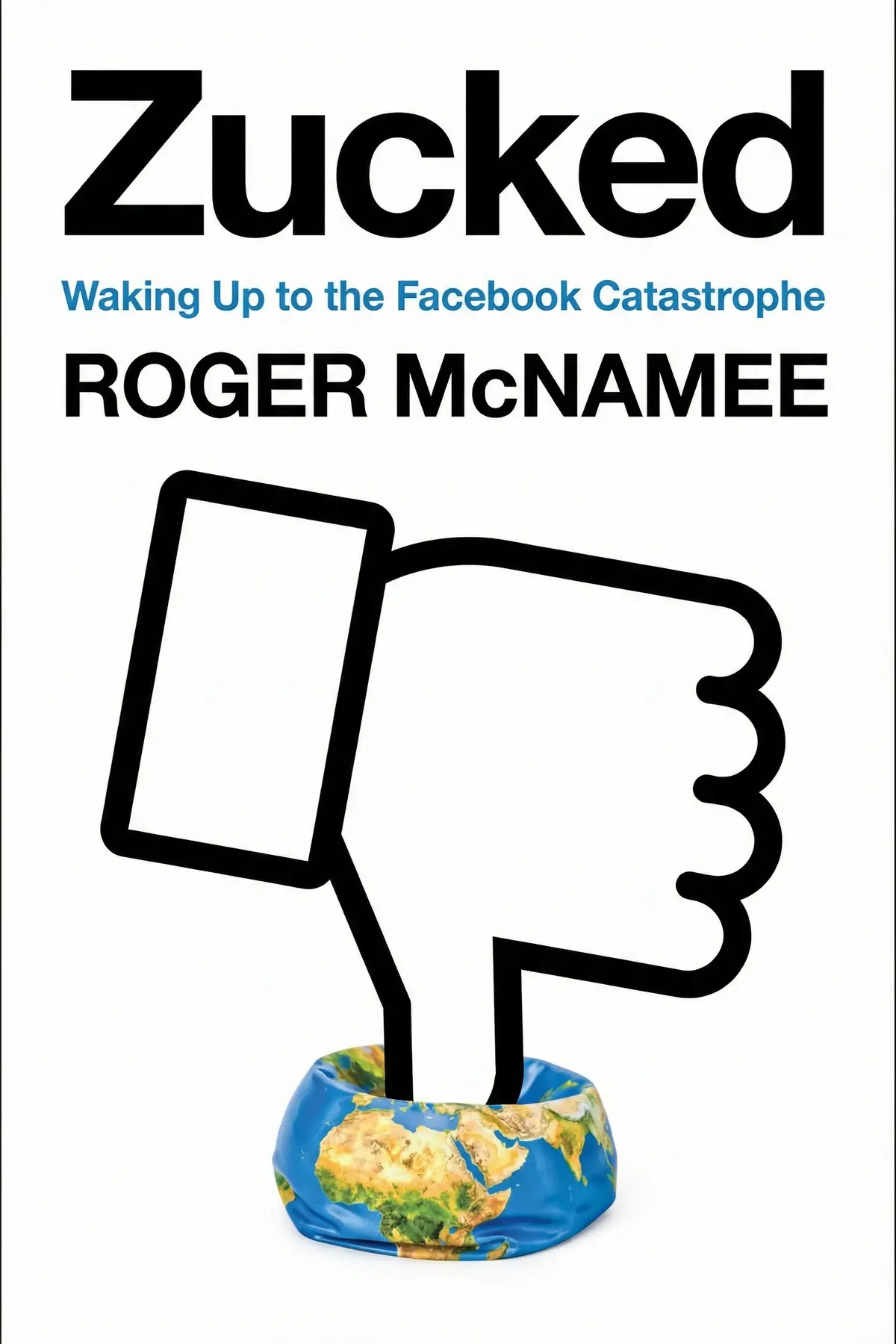
Table of Content
1. Introduction
2 min 15 sec
Imagine being an early investor in a company that you believed would change the world for the better. You see the potential for connection, for sharing, and for a new era of human openness. But then, as the years go by, you watch that same platform transform into something you barely recognize—a tool used to sow division, harvest personal data without consent, and potentially sway the course of global democracy. This is exactly the journey Roger McNamee takes us on as he examines the trajectory of Facebook.
At its height, Facebook represents an unprecedented success story, boasting billions of users and staggering financial growth. However, beneath this polished exterior of connectivity lies a more troubling reality. The platform has become a dominant force in the public sphere, serving as the primary lens through which people consume news and debate critical issues. Yet, this power is not matched by a corresponding sense of moral or civic responsibility. Instead, the pursuit of growth and profit has often come at the direct expense of the health of our society.
In this exploration, we are going to look closely at the mechanics of this transformation. We will see how specific technological shifts allowed for a culture that moves fast and breaks things, often leaving the safety and privacy of users in its wake. We will uncover the vast scale of data collection that allows the platform to know us better than we might know ourselves, and how that information is used to keep us tethered to our screens.
Furthermore, we will delve into the consequences of these design choices, from the creation of digital echo chambers that polarize public opinion to the way foreign actors have successfully exploited the platform’s vulnerabilities. Ultimately, the goal here is to understand the scope of the problem so that we can begin to envision a solution. This isn’t just a story about a single company; it’s a reflection on the direction of our digital age and the urgent need for a new framework of accountability and regulation. By the end of this journey, you’ll have a clearer picture of how we arrived at this point and what it will take to reclaim the public square from the forces that have disrupted it.
2. The Roots of a High-Speed Culture
2 min 25 sec
Explore how technological shifts and a lack of experience paved the way for a corporate culture that prioritized rapid expansion over societal safety.
3. The Unseen Depth of Digital Surveillance
2 min 37 sec
Discover the staggering amount of personal information gathered by platforms and the methods used to track your every move across the internet.
4. The Science of Capturing Your Attention
2 min 34 sec
Uncover the psychological tactics and artificial intelligence used to keep users hooked through emotional triggers and constant engagement.
5. The Creation of Digital Echo Chambers
2 min 26 sec
Understand how algorithms create filter bubbles that reinforce our existing beliefs and lead to a more polarized and fragmented society.
6. The Vulnerability of Democracy to Manipulation
2 min 40 sec
Examine the ways in which foreign actors exploited the platform’s weaknesses to influence elections and spread social discord.
7. The Breaking Point of User Trust
2 min 38 sec
Relive the Cambridge Analytica scandal and see how it exposed the systemic failure of the platform to protect user privacy.
8. A Blueprint for Reform and Regulation
2 min 43 sec
Examine the potential solutions for reining in the power of tech giants, from antitrust measures to the regulation of harmful algorithms.
9. Conclusion
2 min 13 sec
As we look back at the trajectory of the social media revolution, it is impossible not to feel a sense of profound irony. A tool designed to bring the world closer together has, in many ways, driven us further apart. What began as a platform for sharing life’s moments has evolved into a sophisticated engine for surveillance, manipulation, and social fragmentation. The insights we’ve explored from Roger McNamee highlight a systemic failure that is not just about one company, but about a broader philosophy that prioritized speed and growth over everything else—including our privacy and our democracy.
However, the message here isn’t one of total despair. By understanding the mechanics of how we were ‘zucked’—how our psychology was exploited and our data harvested—we gain the power to demand something better. We have seen that there are historical precedents for reining in powerful monopolies and that regulation can actually be a catalyst for more healthy and responsible innovation. The path forward involves a combination of structural change and personal awareness. We must advocate for policies that prioritize human well-being over engagement metrics and demand a digital environment that is transparent and accountable.
On a more immediate level, we can take small steps to protect ourselves from the constant pull of the attention economy. Simply changing how we interact with our devices—whether by turning off notifications, using monochrome modes to reduce the dopamine hit of colorful displays, or being more critical of the sources of the information we consume—can make a difference. These aren’t just technical tweaks; they are acts of reclaiming our focus and our autonomy.
Ultimately, the future of the digital world is still being written. The current state of affairs is not an inevitable reality, but a result of specific choices. By waking up to the reality of the catastrophe, we can begin the hard work of building a digital landscape that truly serves humanity, fosters genuine connection, and protects the foundations of a free and open society. It is time to move past the era of ‘breaking things’ and start the era of building a digital world that we can actually trust.
About this book
What is this book about?
This summary explores the evolution of Facebook from a dorm-room project into a global power that significantly influenced the fabric of modern society. It details the internal culture of Silicon Valley that favored speed over safety, leading to a business model built on surveillance and psychological manipulation. By examining the platform's role in the 2016 election and the Cambridge Analytica scandal, the narrative exposes the vulnerabilities inherent in modern social media. Beyond just identifying problems, the summary outlines the promise of a more regulated and accountable digital landscape. It argues that the current state of technology is not an accident of history but the result of specific choices that can be corrected. Readers will gain a deeper understanding of how algorithms shape their worldview and what structural changes—from antitrust laws to algorithmic auditing—could help restore civic health and protect the privacy of billions of users around the world.
Book Information
About the Author
Roger McNamee
Roger McNamee is a veteran of the Silicon Valley investment world, bringing over thirty years of experience to his analysis of the tech industry. As an early-stage investor in giants like Facebook and Google, he had a front-row seat to their rise. He co-founded the investment firm Elevation alongside Bono of U2. Today, McNamee is a prominent advocate and campaigner focused on raising awareness about the societal dangers posed by social media platforms.
Ratings & Reviews
Ratings at a glance
What people think
Listeners find this book to be an essential read backed by deep research that provides authority, while one listener describes it as necessary for every parent and citizen. The narrative gains acclaim for its superb storytelling, and listeners value the insightful social media examination and intellectually stimulating material. However, responses to the pacing are divided, with some listeners finding it unsettling. Additionally, listeners hold conflicting views about the author’s self-involved perspective.
Top reviews
Kek
This is mandatory reading for every parent and citizen trying to navigate the wreckage of the modern internet. McNamee brings a unique gravitas to the subject because he was actually there at the beginning, advising Zuckerberg himself. The storytelling is absolutely brilliant, weaving together technical concepts with a chilling account of how democracy was essentially hacked for profit. I was particularly struck by the argument that Facebook’s harm isn't a bug, but a fundamental feature of its architecture. While some critics complain about the personal anecdotes, I found they added a necessary human element to an otherwise dry tech landscape. We need more insiders willing to speak truth to power like this. Five stars for the courage to blow the whistle.
Show moreKom
Brilliant storytelling meets hard-hitting investigative journalism in this essential look at how Facebook has fundamentally changed our world for the worse. The author manages to take complex subjects like preference bubbles and behavior modification and make them accessible to the average reader. I was moved by the emotional weight of the argument, especially regarding the erosion of truth in our contemporary discourse. It’s a disturbing read, but one that is absolutely necessary for anyone who values democracy and free thought. Even though there are some long-winded sections about the author's personal life, they provide the necessary context for his moral pivot away from the industry. This is the definitive account of how we got here and why we need to change course immediately. Highly recommended.
Show moreNutnicha
Picked this up because I wanted a deep dive into how Silicon Valley actually operates from the insider's perspective. McNamee provides a thorough level of research that lends real intellectual weight to his claims about the digital corporatocracy. To be fair, the narrative flow is quite engaging, making complex algorithmic manipulation feel like a high-stakes thriller. I found the analysis of how social media exploits human psychology to be particularly thought-provoking for any modern citizen. However, the book does suffer from some pacing issues in the middle sections. There is an undeniable amount of filler that could have been trimmed to make the core message punchier. Despite the occasional detour into the author's personal history, the warnings about toxic platform growth are too important to ignore.
Show morePui
The chapter on the 2016 election and the rise of algorithmic polarization is genuinely chilling and worth the price of admission alone. In my experience, most tech books are either too academic or too superficial, but this one strikes a solid balance. McNamee’s research is exhaustive, and he does a great job of explaining how 'engagement' became a toxic metric for global stability. My only real gripe is that the author represents himself as a lone voice in the wilderness. Many people were raising these exact same concerns about data mining years before he decided to join the fray. Still, his insider status gives the critique a level of authority that is hard to find elsewhere. It’s an eye-opening, if occasionally frustrating, read.
Show moreLillian
As someone who worked in tech during the early 2000s, I found the historical context provided in the early chapters quite accurate and nostalgic. The book excels when it focuses on the shift from the open web to the closed, extractive ecosystems we see today. Roger McNamee writes with a sense of urgency that is both disturbing and necessary for understanding our current political climate. Personally, I think the sections on how Facebook radicalizes users through 'filter bubbles' are the most thought-provoking parts of the entire narrative. To be fair, the writing can be a bit dry at times, and the author does repeat himself frequently. However, the social media analysis provided here is top-notch and serves as a vital wake-up call for the public.
Show moreJames
Finally got around to reading this expose on the digital corporatocracy, and I have to say it lived up to the hype. The way McNamee breaks down the 'growth at all costs' mindset at Facebook is both fascinating and deeply unsettling. This should be required reading for any parent concerned about the psychological impact of social media on their children. I found his plan for regulation to be surprisingly reasonable and well-thought-out, even if the road to getting there seems nearly impossible. Some parts of the book are a bit self-centered, but that’s a small price to pay for such a detailed insider account. It definitely changed the way I think about my own data footprint and the apps I use daily.
Show morePete
Ever wonder why your Facebook feed feels like a dopamine-fueled psychological experiment designed to make you angry? McNamee explains this well, but you have to wade through a lot of self-congratulatory fluff to get there. Not gonna lie, I got tired of hearing about his rock band and his buddy Bono by the fourth chapter. The truth is that the meat of the book—the actual analysis of Facebook’s business model—is brilliant and essential. But the author’s tendency to position himself as a visionary who saw it all coming feels a bit disingenuous considering how late he actually sounded the alarm. It’s a decent read for the tech-curious, but keep your finger on the skip button for the autobiographical parts.
Show moreAim
After hearing McNamee on several podcasts, I expected a tight, urgent manifesto about tech regulation and data privacy. What I got instead was a somewhat repetitive account that reads like an old man yelling at a TV screen for half the runtime. Look, the information about Russian interference and the erosion of the fourth estate is vital, but the presentation is incredibly ponderous. Frankly, the author spends far too much time establishing his 'cool guy' credentials and detailing his high school years. If you can get past the navel-gazing, there is a very important message here about how we’ve been 'zucked' into a surveillance state. It just takes far too long to get to the point.
Show moreOlivia
Honestly, the book feels like a weird mix between a tech alarmist's diary and a rock star's self-indulgent biography. While the research into how Facebook facilitates violence and disinformation internationally is shocking, it is often buried under repetitive anecdotes. I appreciate the author's attempt to wake people up to the dangers of big data, but the tone is often utterly clueless regarding how regular people use these platforms. It is also quite annoying how he constantly mentions his friendship with Bono as if it adds weight to his tech critiques. The book is definitely worth reading for the insights into Zuck’s 'move fast and break things' mentality. Just be prepared for a lot of unnecessary fluff that slows the pacing to a crawl.
Show moreThongchai
Wow, I really wanted to like this, but the sheer amount of filler made it a massive struggle to finish. The core content of this book could have easily been condensed into a long-form magazine article without losing any of the impactful data. Truth is, I don’t care about the author’s white privilege or which members of the Grateful Dead he’s hung out with. Every time the momentum builds around a serious point regarding Facebook’s malfeasance, the author interrupts it with another name-drop. It feels less like an exposé and more like a plea for the reader to take the author seriously as a tech philosopher. If you want the facts without the ego, just watch a documentary on the subject instead.
Show moreReaders also enjoyed


A Warning
Miles Taylor
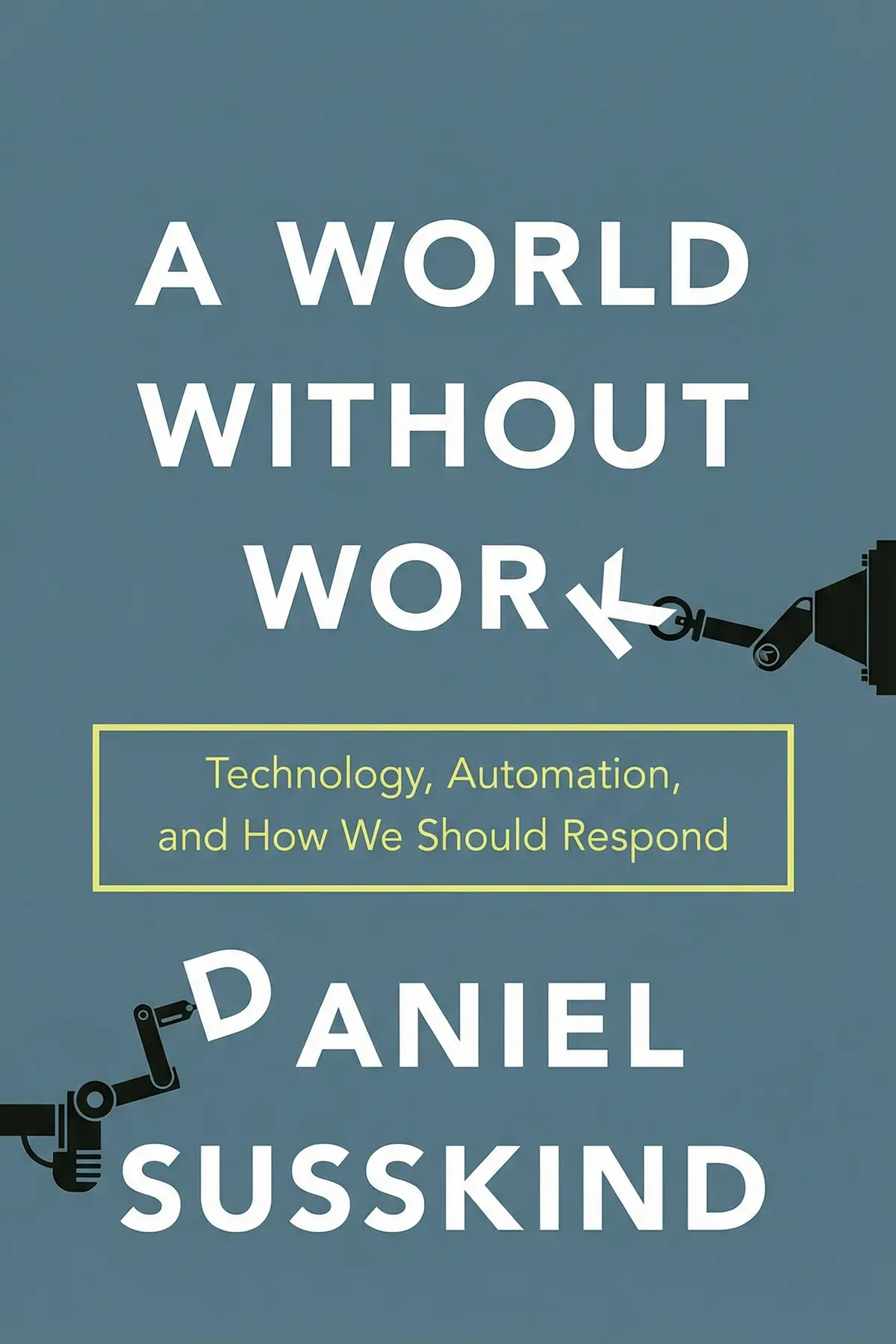

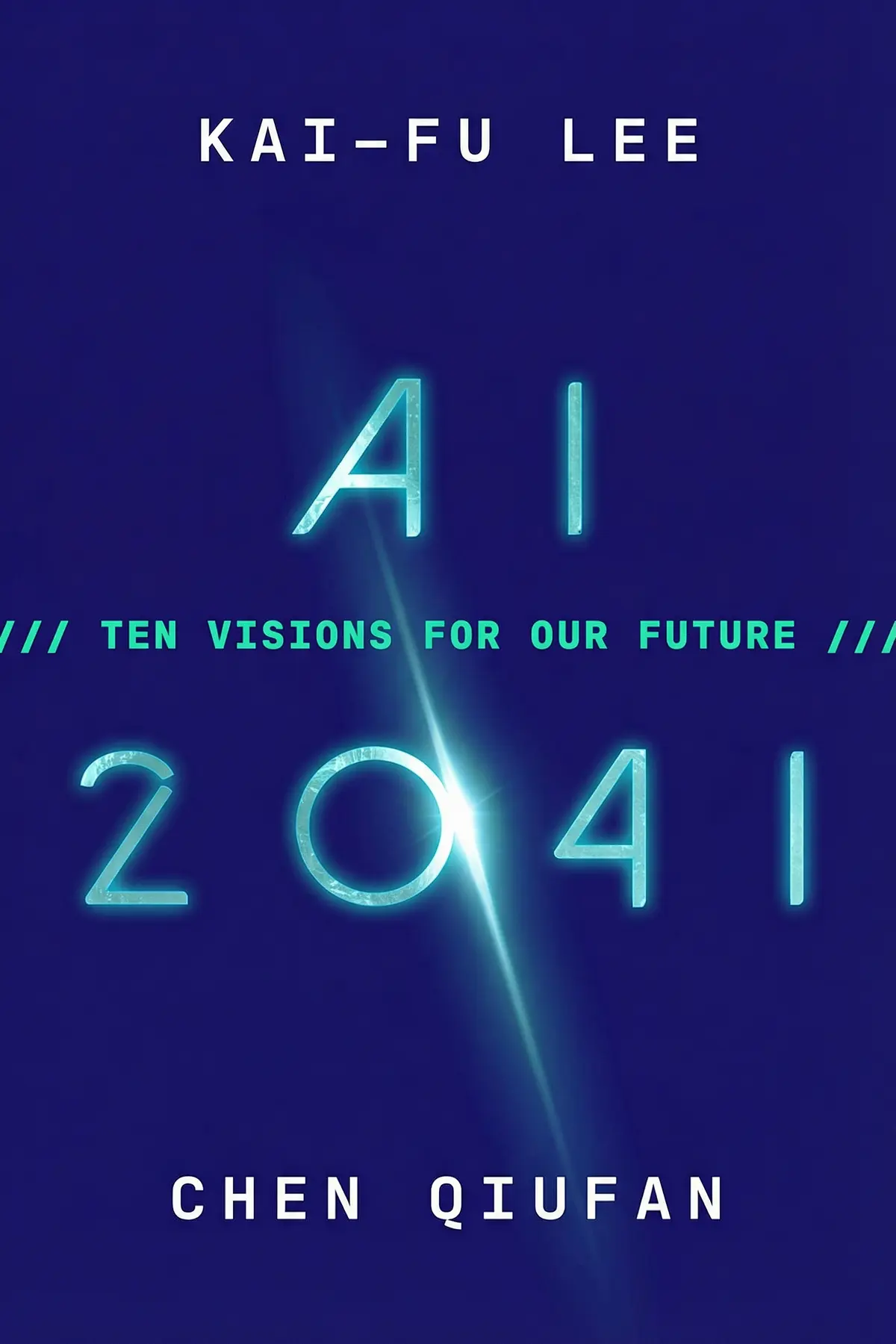
AI 2041: Ten Visions for Our Future
Kai-Fu Lee
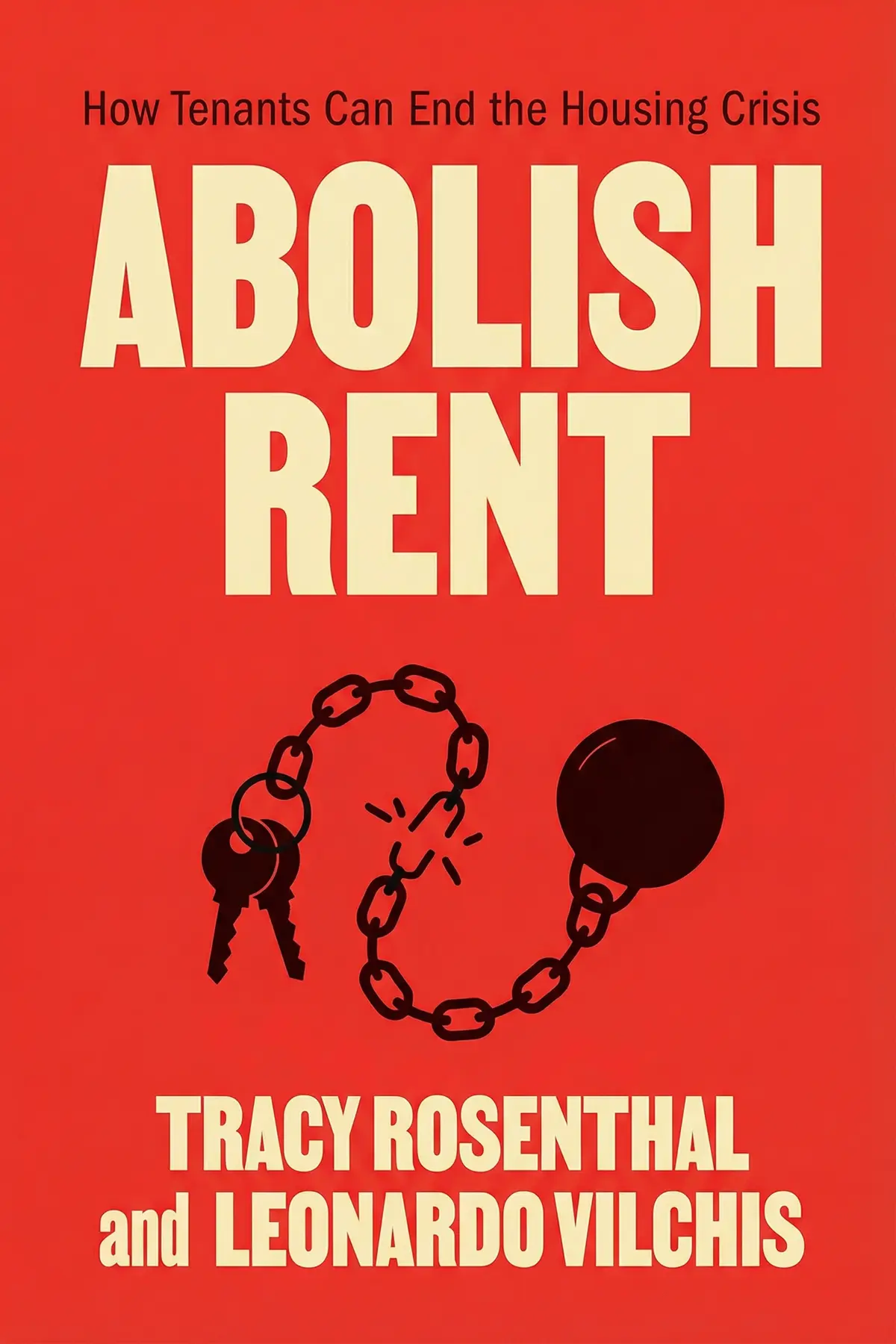
Abolish Rent: How Tenants Can End the Housing Crisis
Tracy Rosenthal

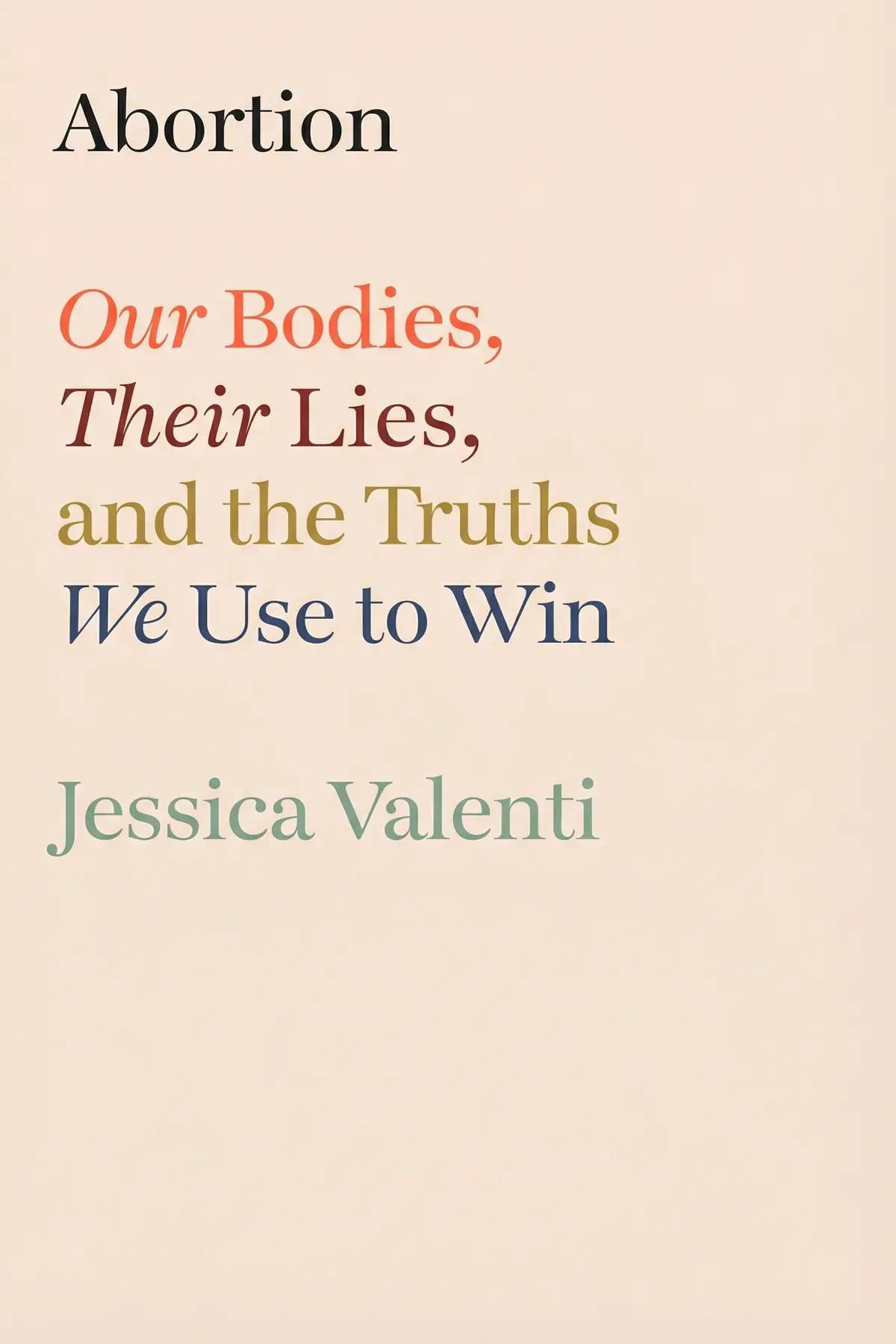
Abortion: Our Bodies, Their Lies, and the Truths We Use to
Jessica Valenti
AUDIO SUMMARY AVAILABLE
Listen to Zucked in 15 minutes
Get the key ideas from Zucked by Roger McNamee, plus 5,000+ more titles in English and Thai.
- 5,000+ titles
- Listen as much as you want
- 7-day free trial
- Cancel anytime







