
18 min 07 sec
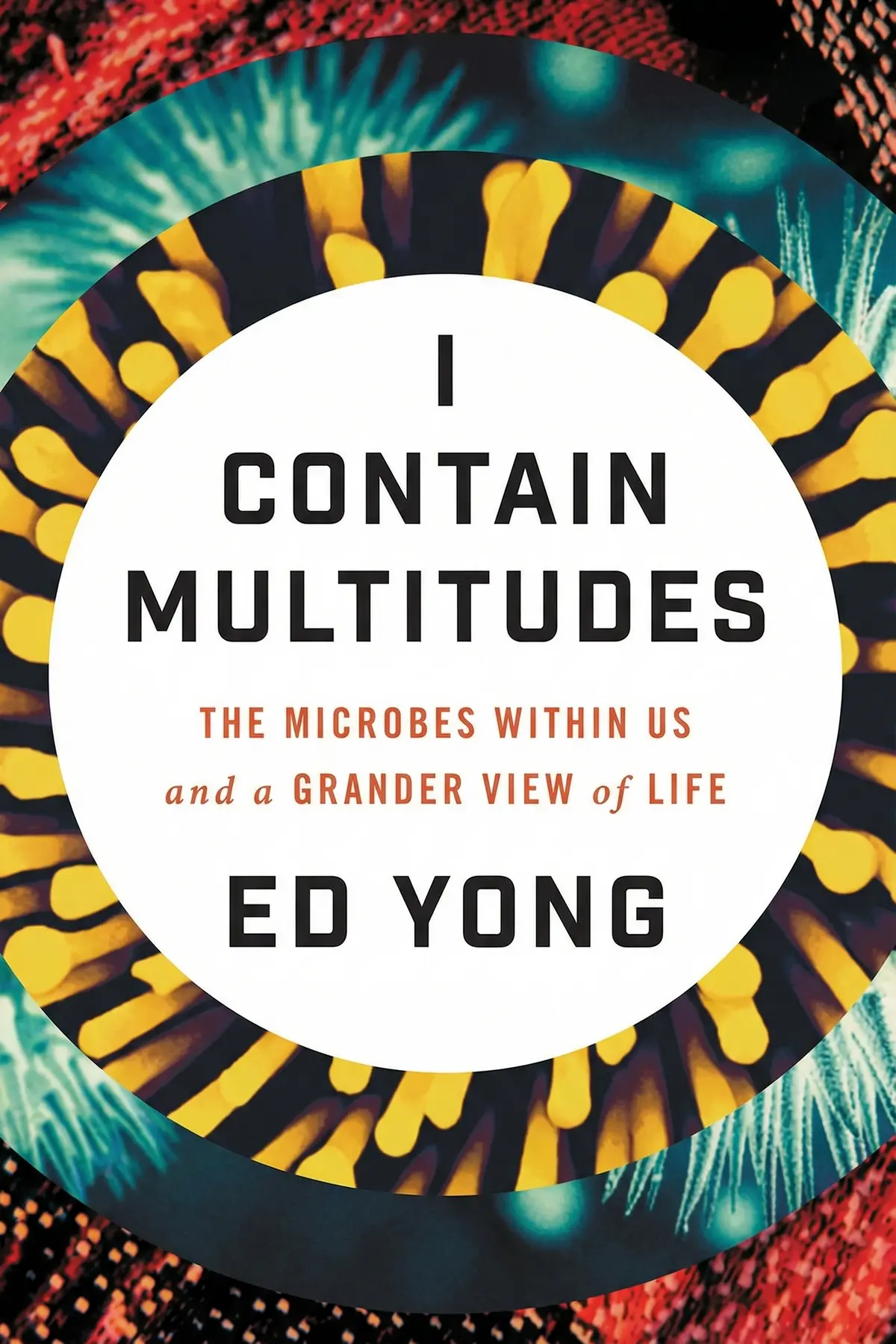
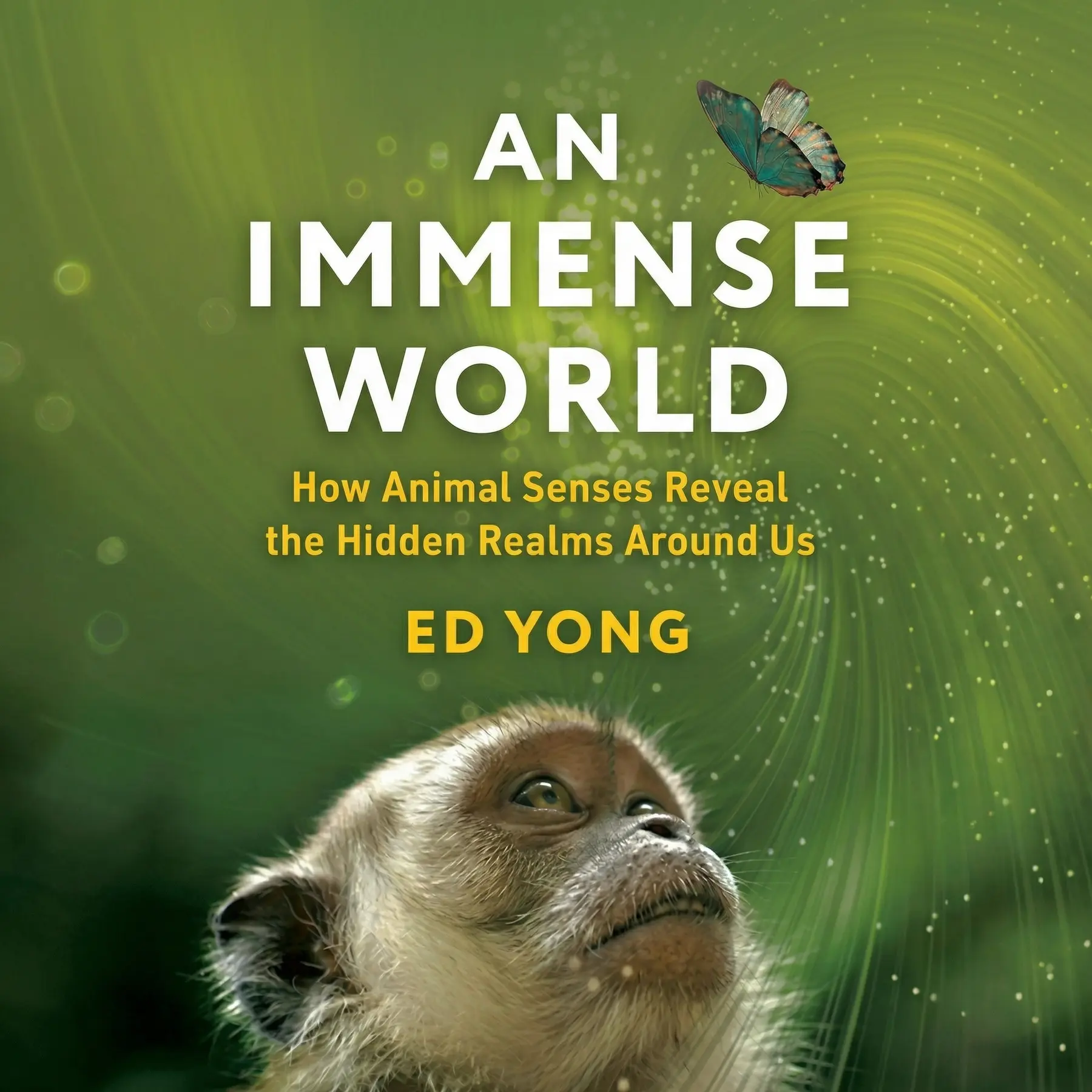
An Immense World: How Animal Senses Reveal the Hidden Realms Around Us
By Ed Yong
Explore the hidden sensory worlds of the animal kingdom. This summary reveals how creatures perceive light, sound, chemicals, and electricity, offering a fresh perspective on the vast, invisible realities that surround us every day.
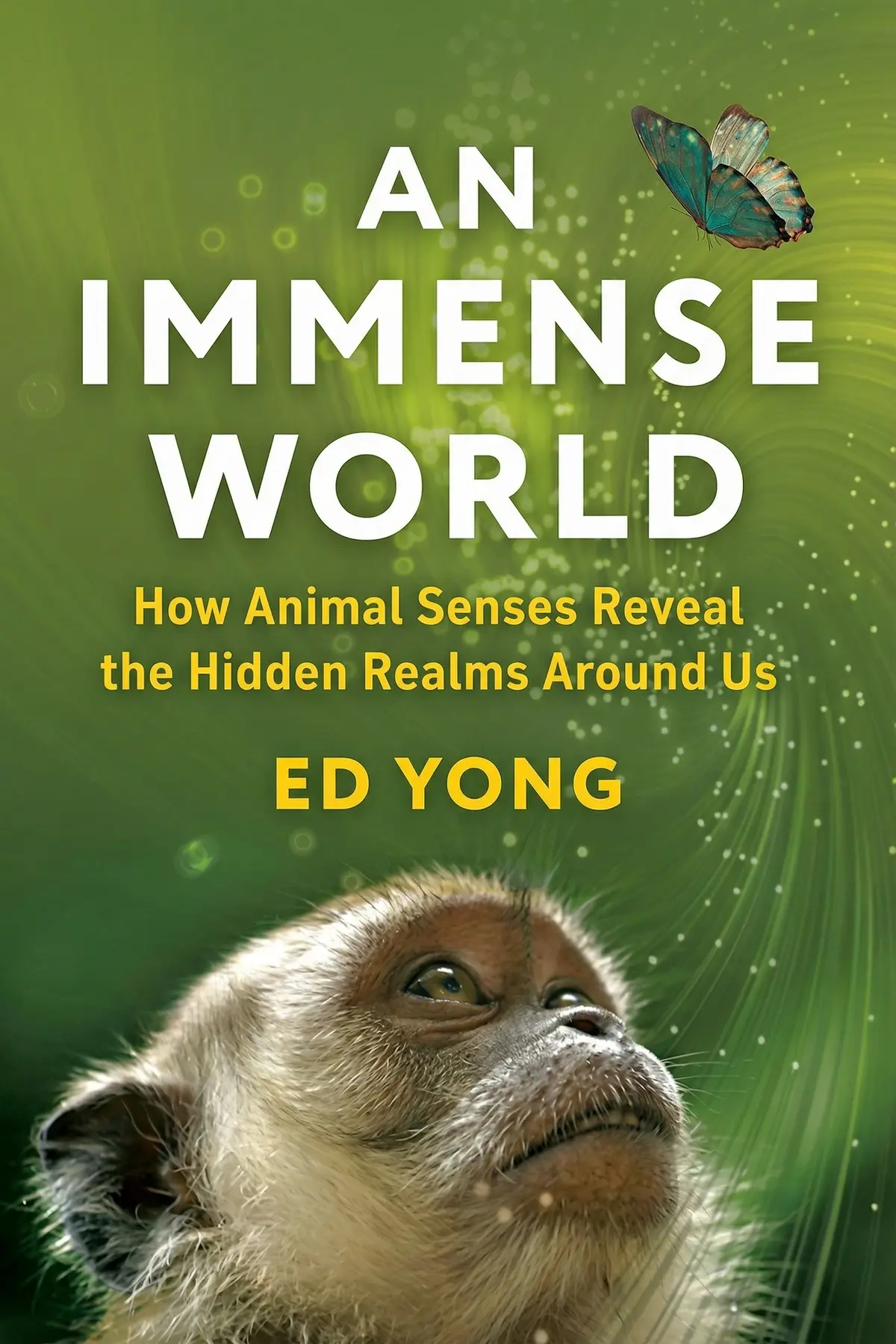
Table of Content
1. Introduction
1 min 52 sec
Step outside for a moment and consider the space around you. What do you notice? Perhaps you see the vibrant green of the grass, hear the distant hum of traffic, or feel a slight breeze against your skin. For most of us, these experiences define the totality of the world. We rely on our five basic senses—sight, hearing, touch, taste, and smell—to navigate our daily lives. These tools have served us well, allowing us to build civilizations and understand the cosmos. Yet, there is a profound truth we often overlook: our senses only capture a tiny fraction of what is actually happening. We are effectively living with blinders on, unaware of the vast, invisible realms that other creatures call home.
In this summary of Ed Yong’s work, we are going to peel back those blinders. We are going to explore the concept of a ‘sensescape’—the unique sensory experience that every animal possesses. Think of it as a personal bubble of perception. What is vital information for one creature might be completely undetectable to another. While we might look at a flower and see its color, a bee sees ultraviolet patterns that guide it to nectar. While we hear a silent forest, a bat is navigating through a dense thicket of echoes.
This journey will take us from the depths of the ocean to the charred remains of forest fires. We will encounter moles that can see through their skin, beetles that hunt the heat of a flame, and fish that communicate through invisible pulses of electricity. By the end of this exploration, your understanding of the natural world will be transformed. You will realize that we don’t just share the planet with other animals; we share it with entirely different versions of reality. This is an invitation to step out of the human bubble and witness the immense world that has been right in front of us all along.
2. The Diverse Spectrum of Sight and Color
2 min 28 sec
Discover why the world looks so different to a dog, a horse, or a water flea, and how our human vision is just one of many ways to interpret light.
3. Navigating by Echoes and Sound
2 min 27 sec
Explore how bats, dolphins, and even some humans use sound to build detailed mental maps of their surroundings, proving that sight isn’t the only way to ‘see.’
4. The Hidden Complexity of Smell and Taste
2 min 33 sec
Learn how the chemical world of scents defines the lives of ants and how our own sense of flavor is a complex dance between smell and taste.
5. The Physical World of Touch and Vibration
2 min 22 sec
Step into the world of the star-nosed mole and the crocodile to discover touch receptors more sensitive than our own fingertips.
6. Sensing Heat and the Earth's Magnetic Fields
2 min 08 sec
From beetles that hunt forest fires to lobsters that navigate across vast oceans, explore the ‘extra’ senses that allow animals to perceive the invisible forces of the planet.
7. The Electric Senses: Active and Passive Fields
2 min 30 sec
Dive into the aquatic world where fish use electricity to communicate, navigate, and hunt, revealing a sensory dimension entirely alien to humans.
8. Conclusion
1 min 47 sec
As we conclude our journey through the sensory realms of the animal kingdom, it’s worth taking a moment to reflect on how our own behavior impacts these hidden worlds. We’ve seen that animals rely on delicate signals—the faint hum of a leaf, the subtle pull of a magnetic field, or the dim glow of the night sky—to survive. However, the modern human world is incredibly loud and bright. Our artificial lights drown out the stars that birds use for navigation, and our sonar and shipping noises disrupt the acoustic maps of dolphins and whales.
Understanding these ‘sensescapes’ isn’t just a matter of scientific curiosity; it is a vital step toward living in harmony with the planet. When we realize that a bird isn’t just flying through empty space, but is navigating a complex web of magnetic and visual cues, we can begin to see how our skyscrapers and light towers act as sensory barriers. When we understand that the forest floor is a network of vibrational communication, we might think differently about the noise we produce.
The ultimate lesson of this exploration is one of empathy and humility. We are not the center of the sensory universe. Our five senses are magnificent, but they are just one way of knowing the world. By opening our minds to the experiences of the star-nosed mole, the electric fish, and the fire-hunting beetle, we gain a deeper appreciation for the diversity of life. We realize that every creature we encounter is busy processing a reality that is just as rich and complex as our own. Moving forward, may we use this knowledge to protect the ‘immense world’ we all share, ensuring that the hidden melodies, invisible maps, and silent electric pulses of nature are preserved for generations to come.
About this book
What is this book about?
We often assume our five human senses provide a complete picture of reality. However, this book demonstrates that we are actually living in a narrow slice of a much larger sensory landscape. By examining the lives of various animals—from the star-nosed mole to the electric eel—we discover that the world is filled with colors we cannot see, sounds we cannot hear, and forces like magnetic fields and bioelectricity that remain entirely invisible to us. The promise of this exploration is a radical shift in perspective. You will move beyond the human-centric view of nature and begin to understand how every creature occupies its own unique sensory bubble. This journey through the 'immense world' explains the biological machinery behind these abilities and discusses how human activity, through light and noise pollution, is increasingly disrupting the delicate sensory environments that other species rely on for survival.
Book Information
About the Author
Ed Yong
Ed Yong is a British science writer at the Atlantic. He has written for numerous publications, received a Pulitzer Prize, and published two books: I Contain Multitudes and An Immense World.
Ratings & Reviews
Ratings at a glance
What people think
Listeners find this title both captivating and meticulously studied, providing in-depth insights into the ways various creatures experience their environments differently than people do. The narrative voice is absorbing, and listeners characterize the content as revelatory and motivational, with one person highlighting how it translates difficult scientific principles. Listeners value how the book stretches their outlook and grants them a deeper reverence for the natural world, making for a truly reflective listening experience.
Top reviews
Chee
Ever wonder how a dog really experiences a walk? Ed Yong’s deep dive into the 'Umwelt'—the unique sensory bubble of every creature—is nothing short of a revelation. He manages to explain how a catfish basically acts as one giant, swimming tongue and why a scallop needs dozens of tiny blue eyes. The prose is beautiful, filled with a genuine warmth for the natural world that makes complex neurobiology feel like a story. I found myself stopping every few pages just to share a factoid with whoever was in the room. This book doesn't just provide information; it fundamentally shifts your perspective on what 'reality' actually is. It’s an essential read for anyone who wants to feel a closer connection to the diverse forms of life we share this planet with. Absolutely stunning work.
Show moreTak
Wow. I will never look at a scallop the same way again. Who knew they had dozens of tiny blue eyes acting like a high-tech security system? Yong takes us through the sensory lives of creatures like the mantis shrimp, which 'throws punches like humans throw opinions.' It’s rare to find a science book that is this funny and accessible while remaining deeply informative. The concept of the Umwelt—the idea that every animal lives in its own sensory reality—is a game-changer. I loved the section on how dolphins are essentially living CT scanners, using sound to see inside other creatures. It’s a thick book, but the writing is so engaging that it feels much shorter. If you have even a passing interest in biology, you need this on your shelf. It’s easily a 10-star book in a 5-star world.
Show moreJai
The world is so much bigger than our five human senses allow us to perceive. Yong writes with a poetic warmth that makes you feel deeply connected to animals you’ve never even thought about. I was particularly struck by the description of sea otters having the densest fur in the kingdom, or how some fish create their own electric fields to communicate. The author doesn't just give you data; he invites you to imagine being a snake or a bee. It is an entrancing, beautiful piece of non-fiction that encourages empathy for our 'wild wonderful creatures.' Each chapter is a window into a different reality. This is the kind of book that makes you want to go sit in a forest and just observe everything you’ve been missing. A masterpiece of nature writing.
Show moreNitaya
Can we just agree that Ed Yong is the gold standard for science communication? Following up his work on microbes, he takes us on a journey through the sensory lives of creatures great and small. I was jaw-on-the-floor for hours. The way he describes how birds see ultraviolet hues that are invisible to us is just... mind-blowing. He manages to take heady topics like neurobiology and culture and make them feel like a thrill ride. The footnotes are just as good as the main text—don't skip them! I’m ready to join the fan club and hang a poster of this man on my wall. If you want to understand the 'immense world' that exists just outside your own perception, buy this book immediately. It is worth every second of your time.
Show moreNutnicha
Imagine an elephant, a mouse, and a rattlesnake in a school gym. That opening hypothetical hooked me immediately and set the stage for a wild ride through the animal kingdom. Yong uses these clever scenarios to bridge the gap between human experience and the 'alien' senses of our wild neighbors. I loved learning about how crocodiles have skin more sensitive than our fingertips and how some creatures can feel the Earth's magnetic field. The writing is witty and engaging, never feeling like a dry textbook despite the heavy research. It’s an eye-opening experience that makes the everyday world feel new again. I feel like my own 'sensory bubble' has been popped, and I'm seeing the environment with newfound respect. Highly recommended for any curious mind.
Show moreWipada
This book is paradigm-shifting. It isn't just about animals; it's about humility. We think we see the world as it is, but we're really just peering through a tiny keyhole of the full spectrum of reality. Yong’s ability to weave together anecdotes from various biologists with hard science is impressive. Whether he's talking about the giant eyes of a squid or the way bees navigate flowers, the sense of awe never fades. The book is long, yes, but it’s packed with so much wonder that I didn't want it to end. It’s a beautiful elucidation of the richness of life on Earth. Honestly, it’s one of the best non-fiction books I’ve read in years. It will leave you with a profound sense of gratitude for our immense, vibrant world.
Show moreRatthapong
Picked this up after the massive hype, and while it mostly delivers, be prepared for some heavy lifting. Yong is a master at translating complex neurobiology, but occasionally the sheer volume of data-based support feels like reading a series of Nature abstracts. There were moments where the physics of light or magnetic fields felt a bit jargonistic, requiring a slow, deliberate pace to fully internalize. That said, the chapters on echolocation and the 'hidden' colors that birds see are mind-blowing. I do wish the photo inserts weren't all clumped at the very end, as I had to keep flipping back and forth on my Kindle. Despite the occasional technical density, the author’s enthusiasm is infectious. It is a brilliant, thoroughly researched exploration of animal perception that just requires a bit of patience to get through.
Show moreDing
After hearing so many recommendations, I finally finished this massive tome. It is an incredible exploration of the unseen, specifically the sections on magnetic fields and echolocation. Frankly, the detail is staggering. Yong clearly knows his stuff, often telling the reader to 'stay with me' when the physics gets intense. The book does a great job of not anthropomorphizing animals, instead trying to meet them on their own sensory terms. However, I found the chapter on pain (nociception) to be quite a difficult read emotionally. It’s a necessary inclusion, but it casts a shadow over the wonder of the earlier chapters. My only real gripe is the structure; it starts to feel a bit repetitive toward the final third. Still, it’s a treasure trove for any nature lover.
Show moreIvan
Look, this book starts as a celebration of nature’s diversity, but it ends with a necessary, sobering gut-punch. We are so blinded by our own sensory needs that we’ve flooded the world with light and noise pollution, effectively ruining the Umwelten of countless species. Yong handles this transition from wonder to conservation brilliantly. The middle sections on vibration and pressure fluctuations were a bit dry for my taste, almost reaching a point of sensory saturation for the reader. I had to take it one chapter at a time to keep from getting overwhelmed by the sheer volume of examples. But the message is vital. We aren't the center of the world; we're just one small part of a complex sensory tapestry. A very thought-provoking and important read.
Show moreSomsak
To be fair, I appreciate the immense research that went into this, but it felt more like a collection of fascinating anecdotes than a cohesive narrative. As a biology geek, I loved the individual facts—the mantis shrimp’s punch is legendary—but the pacing was jumpy. The book is divided by senses, which makes sense logically, but it often devolves into a list of 'look at this cool thing' without a strong enough thread connecting them. I also struggled with some of the descriptions of animal experiments. Learning about the methodology behind sensory research left me feeling torn about the ethics involved. While Yong is a talented writer, I found his previous book on microbes much more focused and easier to digest. It’s informative, but definitely overwhelming at times.
Show moreFeatured in
Readers also enjoyed
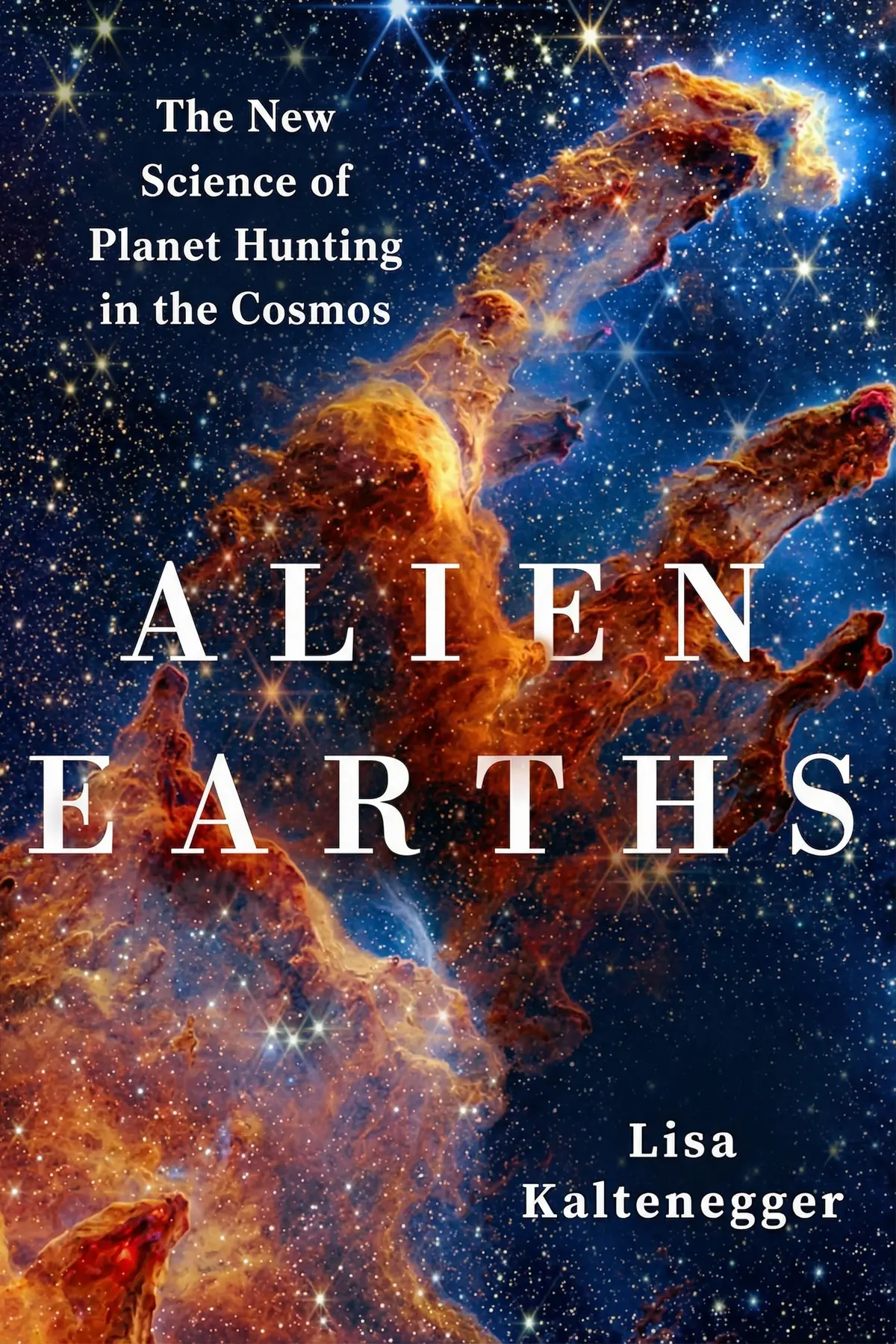
Alien Earths: The New Science of Planet Hunting in the Cosmos
Lisa Kaltenegger

A Life Decoded: My Genome: My Life
J. Craig Venter
A Planet of Viruses
Carl Zimmer
AUDIO SUMMARY AVAILABLE
Listen to An Immense World in 15 minutes
Get the key ideas from An Immense World by Ed Yong, plus 5,000+ more titles in English and Thai.
- 5,000+ titles
- Listen as much as you want
- 7-day free trial
- Cancel anytime







