
19 min 48 sec
Blink: The Power of Thinking Without Thinking
Explore the hidden power of your unconscious mind. This summary reveals how split-second decisions often outperform logic and how to sharpen your intuition while avoiding common mental traps and biases.
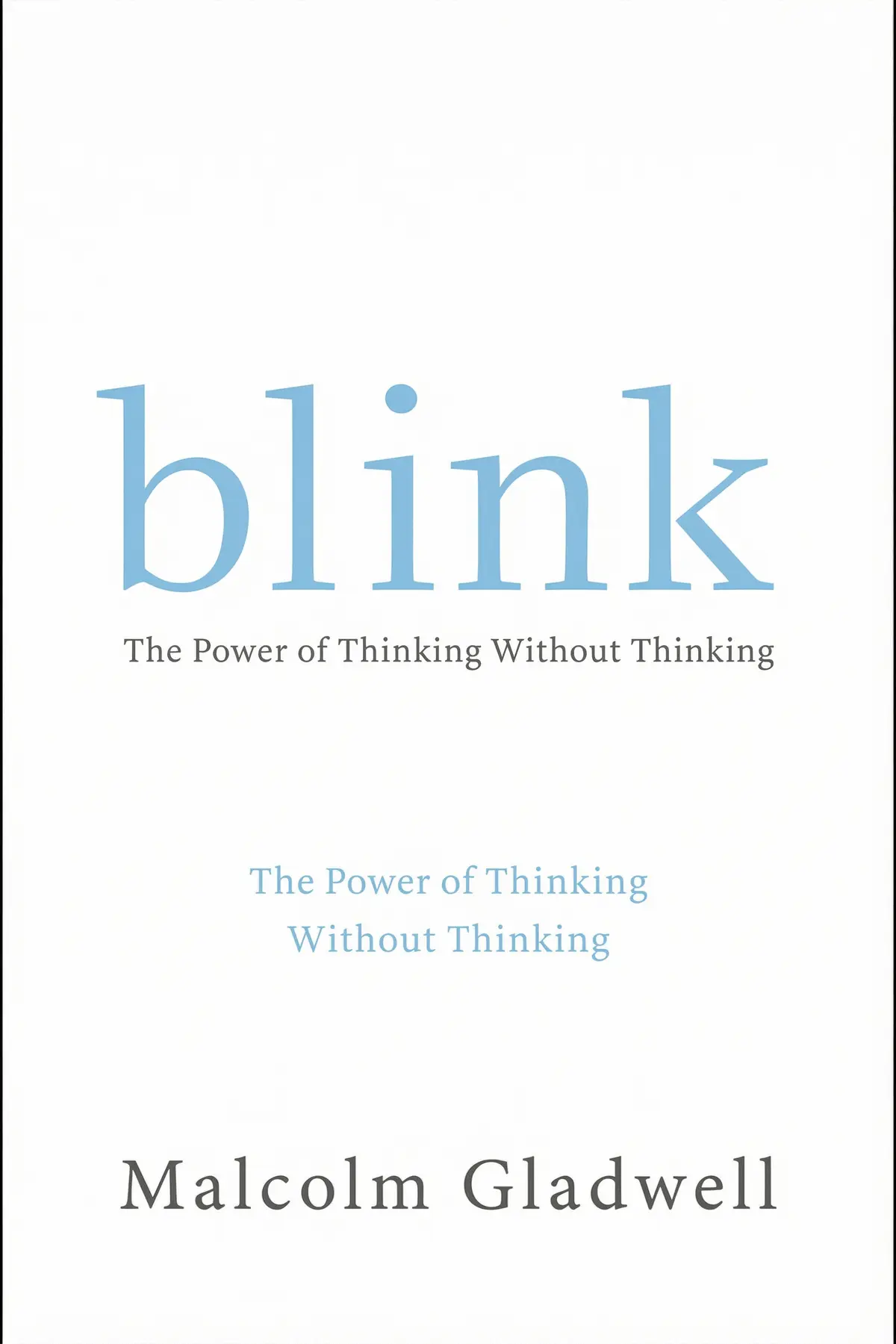
Table of Content
1. Introduction
1 min 24 sec
Every day, we face thousands of choices. Some are trivial, like what to eat for lunch, while others are life-altering, like choosing a partner or a career path. Most of us believe that the best way to handle these choices is to gather as much data as possible, weigh the pros and cons, and arrive at a logical conclusion. But what if that approach is actually holding you back?
What if your brain is actually designed to make its best decisions in the blink of an eye? This is the central throughline we are exploring today: the idea that the unconscious mind is a powerful, sophisticated processing machine that can cut through the noise of modern life to find the truth. We often treat intuition as a mysterious or even unreliable force, yet it is often the engine driving our most successful moments.
In this journey, we will look at why a group of experts knew a Greek statue was fake even when scientific tests said it was real. We will see how a few minutes of observing a couple can predict the future of their marriage with startling accuracy. We will also look at the darker side of this power—how our snap judgments can be poisoned by stereotypes we don’t even know we have. By the end of this summary, you’ll understand that thinking without thinking is a skill that can be honed, protected, and utilized to navigate a complex world. Get ready to peek behind the curtain of your own mind and discover why your first instinct might just be your greatest asset.
2. The Speed of Survival
2 min 15 sec
Discover why the human brain developed two distinct ways of processing reality and why the lightning-fast unconscious often beats the slow, logical mind.
3. The Art of Thin-Slicing
2 min 06 sec
Explore the fascinating ability to find deep meaning in narrow windows of experience and why more information isn’t always better.
4. The Danger of Post-Hoc Stories
2 min 07 sec
We often think we know why we make choices, but our conscious mind is frequently just making up excuses for our gut feelings.
5. Hidden Associations and the Tall Man Bias
2 min 19 sec
Uncover how the subtle priming of our environment shapes our behavior and why our unconscious biases can lead us to make terrible leaders.
6. Stress and the Autistic State
2 min 01 sec
Learn how high-pressure situations can shut down our social intelligence and lead to tragic mistakes in judgment.
7. The Failure of the Sip Test
2 min 13 sec
Discover why Coca-Cola’s biggest mistake shows that market research often fails by ignoring the context of how we actually live.
8. Unlearning Prejudice through Exposure
1 min 58 sec
Implicit biases are deeply ingrained, but they aren’t permanent. Learn how to retrain your unconscious for a fairer perspective.
9. Designing for Better Decisions
2 min 02 sec
Sometimes the best way to fix our intuition is to stop giving it information that doesn’t matter, as seen in the world of professional music.
10. Conclusion
1 min 23 sec
In the end, the ‘blink’ of an eye is a window into a world of incredible complexity. We have seen that our unconscious mind is not a primitive or messy part of our psyche, but a highly evolved and sophisticated tool for navigating a world that often moves too fast for logic. It is capable of identifying forgeries, predicting the success of marriages, and helping us survive in dangerous situations. But as we have also discovered, this tool is only as good as the information it is given. It is vulnerable to the quiet whispers of prejudice, the distorting effects of extreme stress, and the trap of post-hoc storytelling.
The throughline of this journey is that we must become the guardians of our own intuition. We should trust our gut when it has been trained by experience and when the environment is right, but we must be skeptical of it when we are rushed, biased, or overwhelmed. The actionable takeaway is simple: pay attention to the context of your choices. If you are making a big decision, ask yourself if you are being influenced by irrelevant noise. If you are trying to change a bad habit or a bias, feed your mind new, positive experiences. By understanding the mechanics of how we think without thinking, we don’t just become more efficient; we become more intentional. We learn to live not just in the slow lane of reason, but in the fast lane of a sharpened, wise intuition.
About this book
What is this book about?
Have you ever wondered why your first impression of someone is often more accurate than a months-long analysis? This exploration of the unconscious mind investigates the fascinating world of rapid cognition. It delves into the concept of 'thin-slicing'—the ability of our brains to find patterns based on very narrow slices of experience. From art experts identifying forgeries to the failures of massive marketing campaigns, the narrative illustrates that the moments when we think without thinking are often the most critical. While celebrating the power of the gut feeling, the book also serves as a cautionary tale. It examines how our internal associations can lead to prejudice, how extreme stress can blind us to important social cues, and why we often invent logical stories to explain away our intuitive leaps. The promise is simple yet profound: by understanding how our snap judgments work, we can learn to trust them when they are right and correct them when they are wrong. It is a journey into the 'locked door' of the human mind, offering a roadmap for making better decisions in every area of life.
Book Information
About the Author
Malcolm Gladwell
Malcolm Gladwell is a Canadian journalist and author. He has previously published the bestsellers The Tipping Point and Outliers. Known for his unique ability to bridge the gap between academic research and popular interest, Gladwell has become a prominent voice in contemporary non-fiction, focusing on the social sciences and the hidden patterns of human behavior.
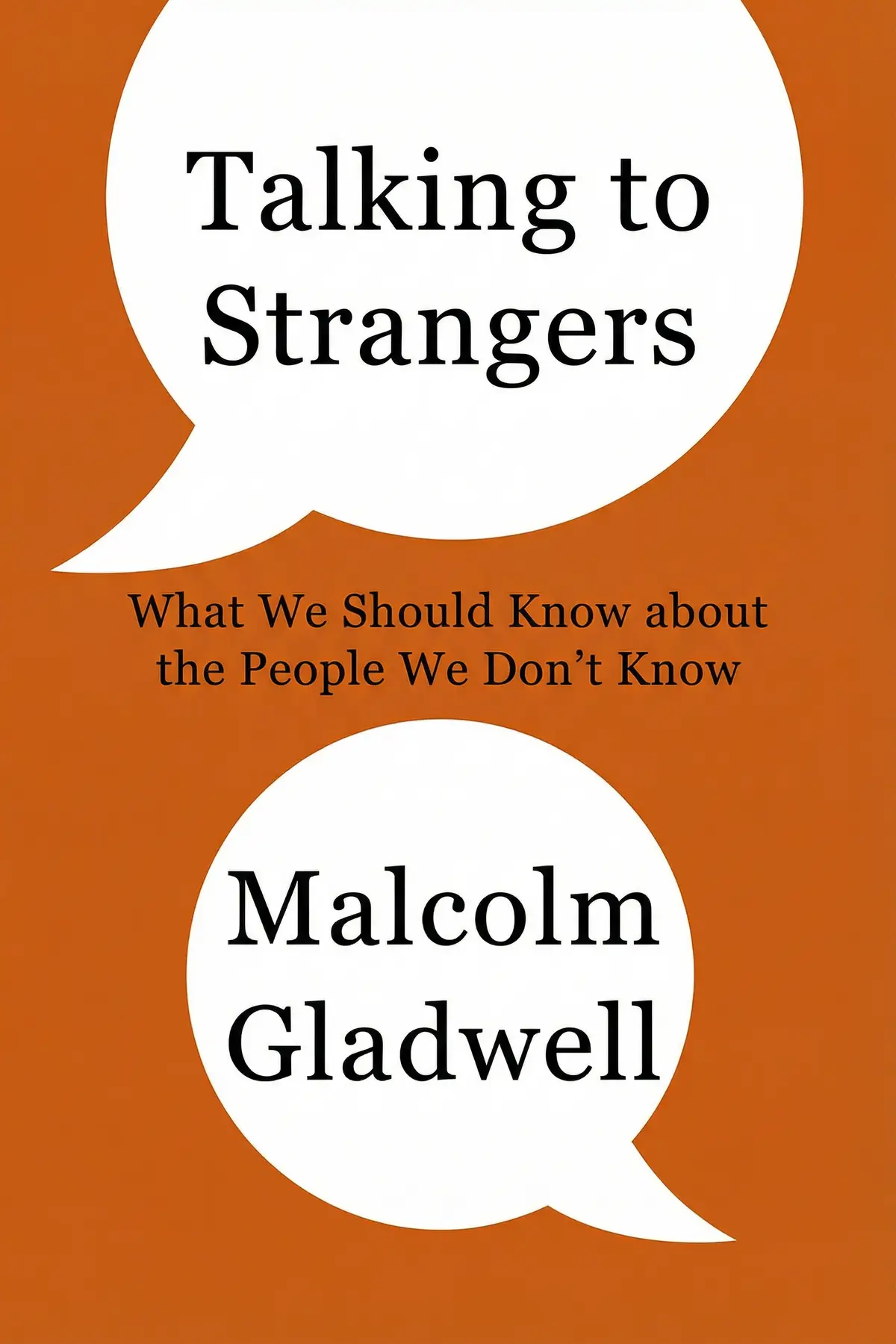
Outliers: The Story of Success
Malcolm Gladwell
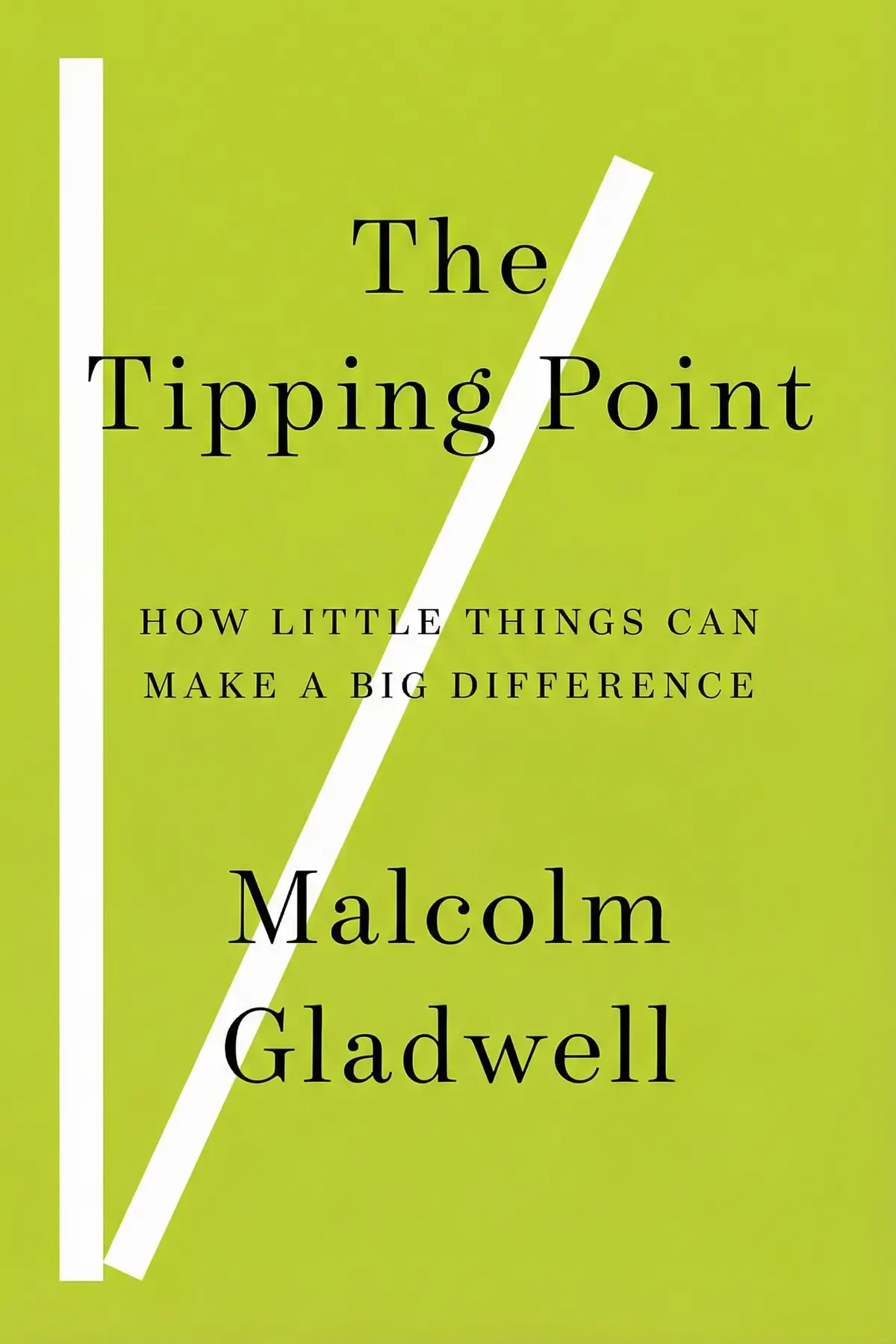
The Tipping Point: How Little Things Can Make a Big Difference
Malcolm Gladwell
Ratings & Reviews
Ratings at a glance
What people think
Listeners describe this title as a fast-paced and captivating experience, featuring thoroughly investigated insights that uncover the capabilities of human cognition. Furthermore, the prose is both approachable and inspiring, benefiting from a narrative structure that develops in a coherent fashion. The work also offers a variety of real-world applications, and one listener points out the heavy reliance on citations from scientific research and trials.
Top reviews
Yui
Ever wonder why you just 'know' something before you can explain it? Gladwell explores this beautifully by looking at the hidden potential of our fast-thinking brains. I was completely hooked by the story of the art experts who knew a kouros statue was fake just by looking at it, even though the lab tests said otherwise. The writing flows effortlessly, making complex psychological studies feel like a fast-paced mystery novel. While some of the conclusions might seem a bit oversimplified, the central idea of 'thin-slicing' changed how I view my own snap judgments. It’s a motivating read that encourages us to trust our instincts while remaining aware of our blind spots. I finished it in two sittings and immediately started recommending it to my friends.
Show moreEleni
Wow, I didn't expect a book about psychology to be this gripping. The story about the firefighter who ordered his team out of a building seconds before the floor collapsed was absolutely bone-chilling. It perfectly illustrates how our subconscious processes years of experience into a single, life-saving moment. Gladwell has this unique ability to take disparate stories and weave them into a larger narrative about the human condition. I found the section on 'mind-reading' and facial expressions particularly fascinating—it makes you look at every person you meet a little differently. Frankly, this is the kind of book that makes you feel smarter just by reading it. It's accessible, motivating, and filled with 'aha!' moments that stay with you long after the final chapter. A must-read for anyone who wants to understand the engine under their own hood.
Show morePete
The chapter on Paul Ekman and the science of facial expressions blew my mind. I had no idea that our faces could betray our true emotions in such a tiny fraction of a second. Gladwell does an incredible job of showcasing the potential of the human mind to process massive amounts of data instantly. The book is incredibly well-researched, with extensive references to studies that back up his storytelling. I found the writing style to be very reader-friendly and perfect for a layman who doesn't want to get bogged down in dense academic jargon. It’s a motivating look at how we can improve our own judgment by understanding the 'blink' moments that define our lives. I read the whole thing in under a day because I just couldn't put it down. Highly recommended.
Show morePrae
Picked this up on a whim and ended up fascinated by the chapter on unconscious bias. The discussion about the Implicit Association Test was a real eye-opener for me regarding how we perceive race and gender without even realizing it. Gladwell takes these heavy academic concepts and makes them incredibly accessible for the average reader. I loved the variety of examples, from tennis coaches predicting double faults to car salesmen and their tactics. It makes you realize how much processing is happening under the surface every single day. My only gripe is that it feels a bit repetitive towards the end, as if he’s stretching the same point to fill the page count. Still, the practical takeaways about 'listening' to your intuition are worth the price of admission. It's a quick, thought-provoking journey into the mechanics of the mind.
Show moreTitiluck
Finally got around to reading this after hearing about the 'Pepsi Challenge' example for years. Gladwell explains why sip tests don't actually predict long-term preference, which was a lightbulb moment for me as a marketing student. The way he builds his arguments logically through these diverse case studies is really impressive and keeps you turning pages. You get to jump from high-stakes emergency rooms to the world of professional musicians in a single chapter. To be fair, he does lean heavily on the 'wow' factor of his stories rather than deep data, but that’s what makes it a bestseller. It isn’t a textbook, and it doesn’t pretend to be one. It’s a compelling look at how our brains shortcut their way to conclusions. Definitely a great conversation starter for anyone interested in human behavior.
Show morePloy
After reading The Tipping Point, I had high expectations for this one and it mostly delivered. Gladwell shifts the focus from social movements to the internal clock of the human brain, and the results are mostly enlightening. I particularly appreciated the parts about how we can actually train our intuition to be more accurate through deliberate practice. The contrast between the veteran police officer who didn't shoot and the tragedy of Amadou Diallo was a sobering reminder of how high the stakes can be. Look, the book isn't perfect, and Gladwell definitely has a tendency to cherry-pick his examples to fit his narrative. However, the core message about the power of the adaptive unconscious is a vital one. It’s a quick, informative read that provides plenty of 'dinner party' facts. Gladwell remains the king of making science feel like a story.
Show moreKofi
Direct and insightful, this book offers a great look at how we navigate complex choices without even thinking. Gladwell coins the term 'thin-slicing' to describe our ability to find patterns based on tiny slivers of experience, and it’s a concept that has stuck with me. He balances the awe-inspiring stories of success with the 'Warren Harding error,' reminding us that our guts can be horribly wrong if we aren't careful. Personally, I found the examples involving marriage counselors being able to predict divorce with 90% accuracy to be the most compelling. The book is structured logically, moving from the benefits of snap judgments to the dangers and finally to how we can control them. It’s a solid 4-star read because while it lacks some scientific rigor, it makes up for it in sheer readability and intrigue.
Show moreLuke
As someone with a background in social sciences, I found myself frequently frustrated by the lack of nuance here. Gladwell is undoubtedly a gifted storyteller, but he often polishes the data until the actual science is lost. He presents 'thin-slicing' as this miraculous tool, but then spends half the book showing how it leads to massive errors like the election of Warren Harding. Truth is, the book doesn't offer a clear framework for deciding when to trust your gut versus when to rely on data. If you want a fun, light read for a flight, this is perfect for you. However, if you're looking for rigorous psychological analysis, you’re better off reading something like Scott Plous or the Heath brothers. It’s engaging, sure, but it feels more like an anecdote collection than a cohesive theory.
Show moreTun
Not what I expected after all the hype. Don't get me wrong, Gladwell is a talented writer who knows how to keep an audience engaged, but the 'revelations' here felt a bit thin. Most of what he calls 'thin-slicing' is just what we used to call 'expert intuition' or 'common sense' based on years of practice. I didn't feel like I was uncovering valuable new facts so much as hearing old ones restated in a very polished way. The anecdotes about classical musicians and blind auditions were interesting, but did I need 250 pages to understand that bias exists? Probably not. It’s a decent introductory book for someone who has never thought about their thought processes before. For anyone else, it might feel like a collection of magazine articles stitched together.
Show moreWacharapol
This book feels like it's constantly arguing with itself. On one hand, we are told that split-second decisions are often superior to hours of careful analysis. Then, without much transition, we're warned that our snap judgments are riddled with prejudice and can lead to tragic police shootings. Gladwell doesn't provide a bridge between these two extremes, leaving the reader confused about what the actual takeaway should be. Is intuition a superpower or a curse? He never really says. While the individual anecdotes are entertaining, the book never gels into a coherent whole. I found the writing style to be a bit too 'pop-psychology' for my taste, prioritizing style over substance. It’s a fast read, but by the time I finished, I felt like I hadn't actually learned a usable skill.
Show more
Readers also enjoyed
A Liberated Mind: How to Pivot Toward What Matters
Steven C. Hayes
Acting with Power: Why We Are More Powerful Than We Believe
Deborah Gruenfeld
Age of Propaganda: The Everyday Use and Abuse of Persuasion
Anthony Pratkanis
59 Seconds: Change Your Life in Under a Minute
Richard Wiseman
AUDIO SUMMARY AVAILABLE
Listen to Blink in 15 minutes
Get the key ideas from Blink by Malcolm Gladwell, plus 5,000+ more titles in English and Thai.
- 5,000+ titles
- Listen as much as you want
- 7-day free trial
- Cancel anytime







